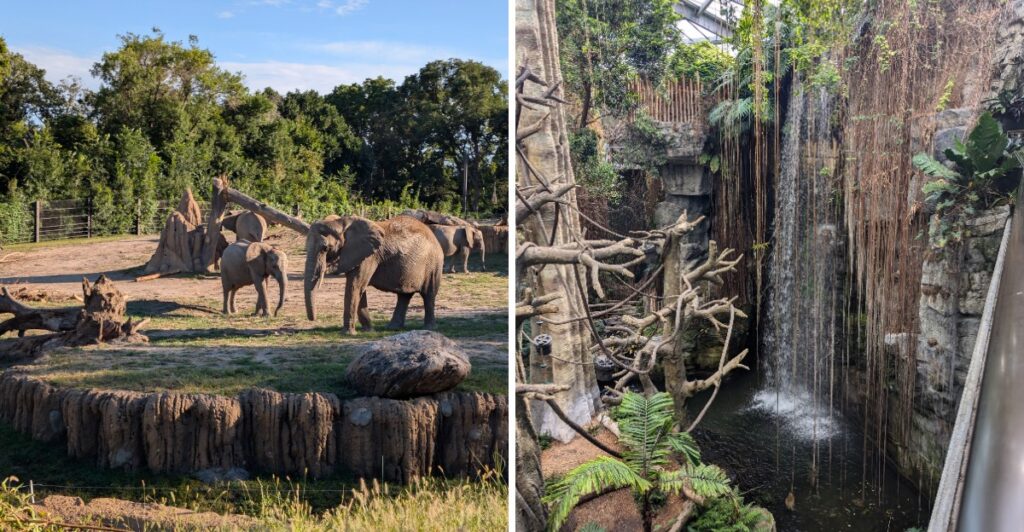
A desert lives under a massive dome made of acrylic panels in Nebraska. The dome stands 137 feet tall and stretches 230 feet across.
Below that desert sits a huge nocturnal exhibit with an indoor swamp. Next door, an eight-story rainforest holds a waterfall about 50 feet tall. I love that a sand waterfall exists somewhere on the Great Plains, because why not?
All of this sits inside one sprawling zoo built for year-round wandering. Snow outside can’t touch the cactus forest or the jungle humidity.
A Midwest blizzard can turn into three deserts and a tropical canopy in one afternoon, no plane ticket required. Those two buildings are only the opening round, so pace yourself.
The dome is just the first jaw-dropper, and it sets a very high bar.
Three Deserts Share One Enormous Acrylic Dome
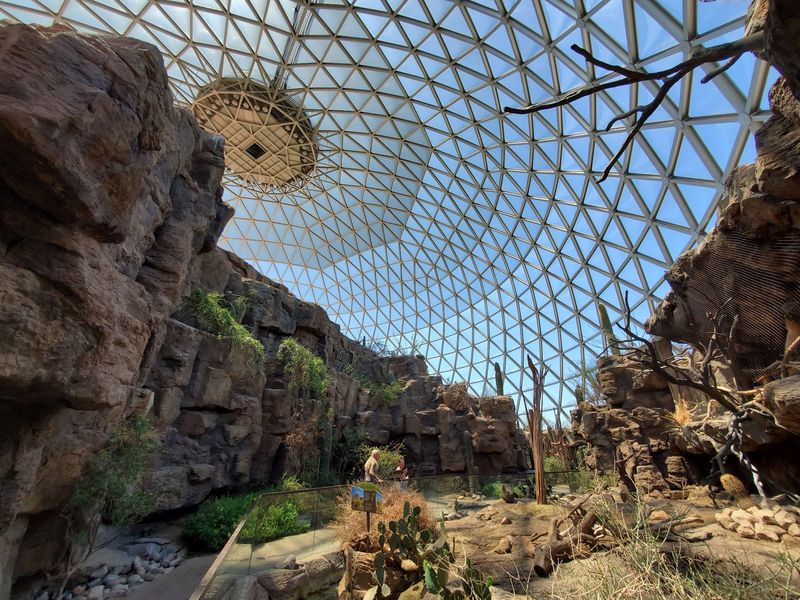
Omaha’s Henry Doorly Zoo and Aquarium made the Desert Dome its showstopper, and the numbers explain why. The geodesic dome stands 137 feet tall and measures 230 feet across. Its shell holds 1,760 acrylic windows.
Those windows aren’t just for looks. They let in more light during winter and add shade during summer
The specially tinted acrylic panels help regulate sunlight while you gawk.
Inside, the dome recreates three real deserts from around the world. You get the Namib Desert of southern Africa and Australia’s Red Center. The Sonoran Desert of the southwestern United States rounds out the trio.
That means one stroll can cover two hemispheres. Few walks in Nebraska offer that kind of mileage on such short legs. The dome opened in April 2002 and quickly became the zoo’s signature landmark.
Look for the simulated mountain that rises about 50 feet. Canyons and a cactus forest add even more drama to the landscape. Keep an eye out for the sand waterfall, too.
Yes, a waterfall made of sand. It’s one of those details you’ll describe to friends later with wild hand gestures. Give yourself extra time here, because the views change around every bend.
Grab Your Sunglasses, Then Swap Them For A Rain Jacket Mood
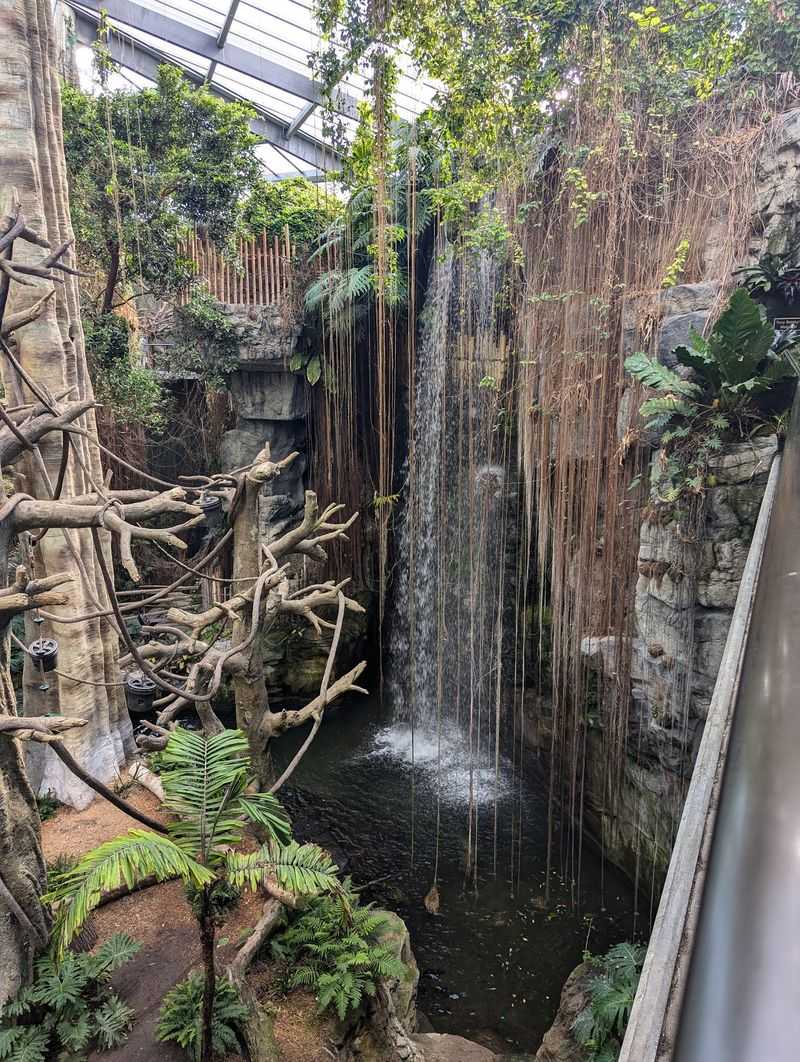
Eight stories of rainforest, all under one roof. That’s the Lied Jungle, which opened on April 4, 1992. It’s considered America’s largest indoor rainforest.
The building covers about 1.5 acres. Its floor space reaches 123,000 square feet, with 61,000 square feet of planted exhibits. Those are real plants, not plastic stand-ins.
The jungle represents rainforests from South America, Africa, and Asia.
Humidity stays between 70 and 85 percent on average. Your glasses might fog up, and honestly, that’s part of the charm. Think of it as a free spa treatment with monkeys.
A waterfall about 50 feet tall pours through the space. It’s the kind of view that makes everyone pull out a phone. The sound alone feels like a mini vacation.
Here’s a smart move. Walk the jungle floor first, then take the elevated walkways. Seeing the canopy from above shows details you’d totally miss from the ground.
The Lied Jungle went through temporary closures between 2020 and 2023. It fully reopened in July 2023, refreshed and ready for explorers. If your last visit was years ago, it’s well worth a fresh look now.
Count The Monkeys, Then Lose Count Fast
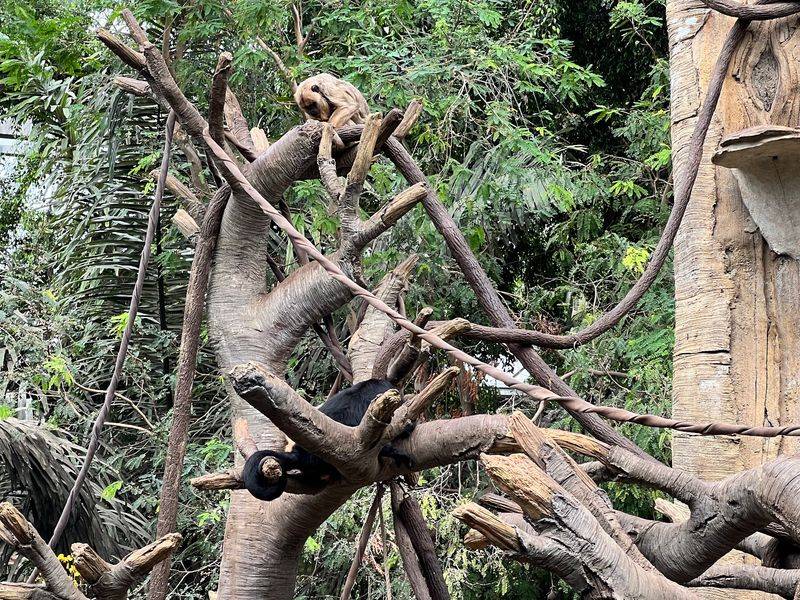
Roughly 90 animal species call the Lied Jungle home. They come from rainforests in Asia, Africa, and South America. That’s three continents sharing one very humid address.
Watch the water for a pygmy hippopotamus or a Malayan tapir. Up high, black howler monkeys and blue monkeys move through the branches. Golden lion tamarins add bright orange flashes to the treetops.
Birds join the party, too. Blue-and-yellow macaws and scarlet macaws bring loads of color. The Philippine crocodile and giant elephant shrew are also part of the cast.
One clever design trick deserves a shout-out. Gibbons can’t swim, so the zoo uses rivers to separate different gibbon groups. No fences needed, just water doing the work.
That kind of planning keeps the jungle feeling open. You get long views instead of rows of cages. It’s like a puzzle you slowly solve while walking.
Bring patience and sharp eyes. Some animals blend in beautifully with the leaves. Kids often make the best spotters, so let them lead the search and enjoy the bragging rights when they find someone hiding.
Sharks Swim Overhead While You Stay Totally Dry
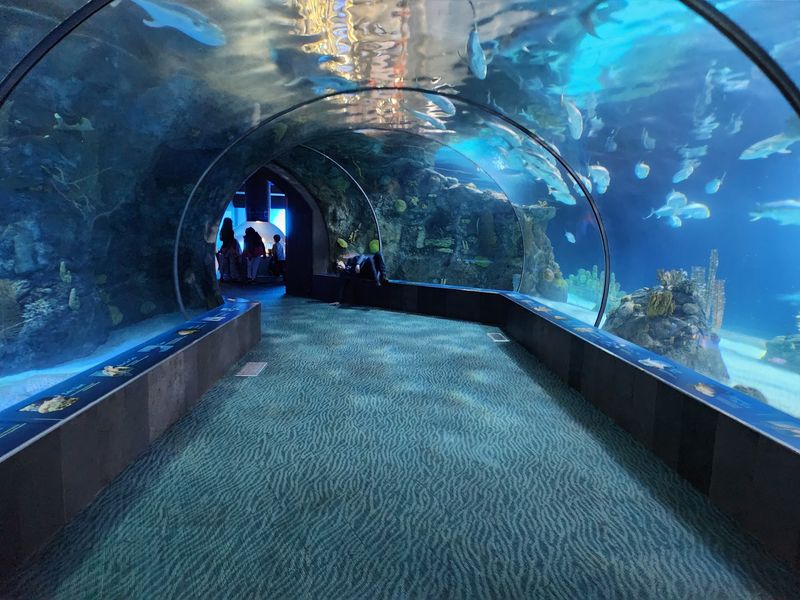
Some 1.2 million gallons of water fill the Suzanne and Walter Scott Aquarium. It ranks among the largest aquariums located inside a zoo anywhere. And yes, it’s located right here in Nebraska.
The aquarium first opened in April 1995. It reopened after renovations in April 2012. Since then, it’s become one of the most talked-about stops on the grounds.
The habitats cover a lot of the planet. Polar zones sit near temperate oceans and a flooded Amazon rainforest. Colorful coral reefs complete the underwater world tour.
The famous tunnel is where jaws drop. Sharks and stingrays glide right over your head. It’s like the ocean decided to give you a private parade.
The aquarium’s famous shark tunnel measures 70 feet in length.
Penguins live here too, and they’re pure entertainment. They zip through the water like tiny torpedoes in tuxedos. Jellyfish add a calm, glowing contrast nearby.
Plan to linger in the aquarium on a hot or rainy day. It’s indoors, cool, and full of things to stare at. Little ones can press close to the glass, which usually leads to a lot of excited pointing and happy squeals.
Gorillas, Giraffes, And A Whole Lot Of Wow Outside
Leave the domes behind for a bit, because the outdoor areas hold their own. Hubbard Gorilla Valley lets you watch gorillas go about their day. Hubbard Orangutan Forest sits close by for more great ape time.
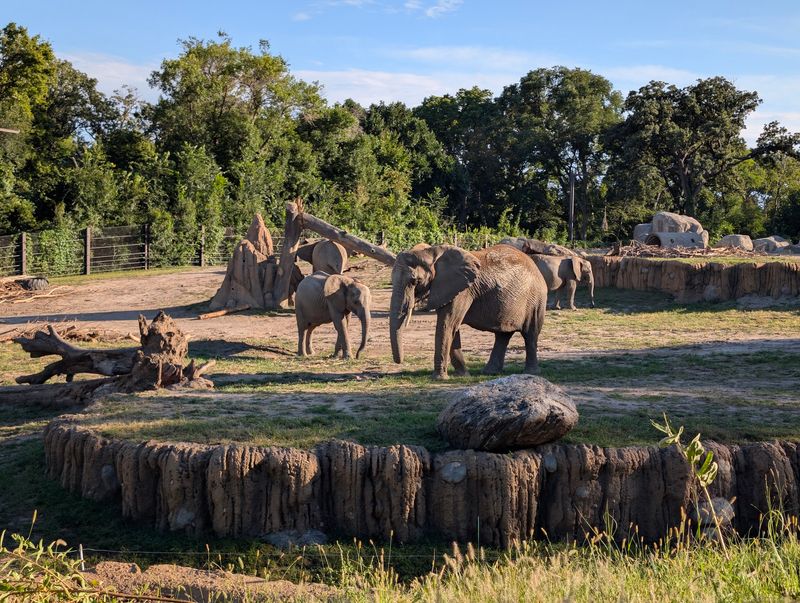
The Scott African Grasslands open up the views. Elephants, lions, and rhinoceroses roam this big stretch of habitat. It feels wide and breezy after the steamy jungle.
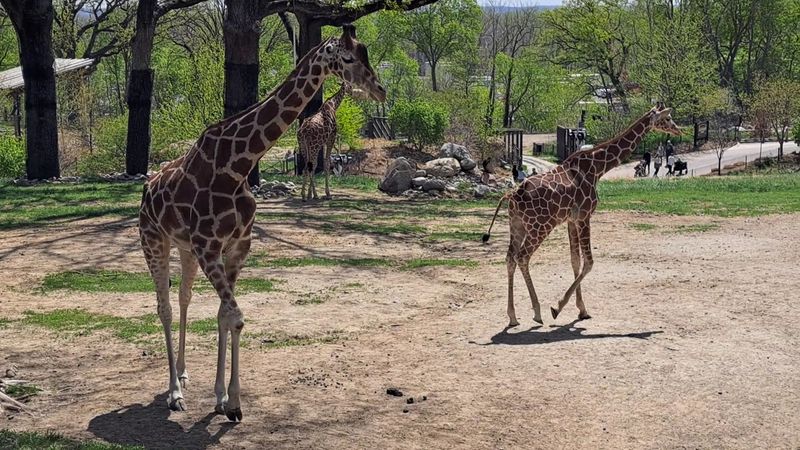
Giraffes are a crowd favorite here. The Giraffe Encounter offers an up-close look at those famously long necks. Your neck might get sore from looking up, but it’s worth it.
Owen Sea Lion Shores brings splashy energy. The sea lions and seals often zoom through the water like they’re showing off. Grab a spot along the viewing area and enjoy the show.
Bug fans should head to the Berniece Grewcock Butterfly and Insect Pavilion. Butterflies make it a colorful break from the bigger animals. It’s calmer, softer, and surprisingly fun.
Stingray Beach runs seasonally. Visitors can touch and feed stingrays there, which kids tend to love. Check the zoo’s schedule before you go so you don’t miss it.
Your Feet Will Thank You For These Rides

The zoo spans 160 acres, and the hills are real.
Smart visitors plan their routes and use the rides. Good news: Omaha’s Henry Doorly Zoo and Aquarium offers several.
The Skyfari is an aerial ride that carries you across the park.
You get treetop views and a nice break for tired legs. It’s sightseeing and resting at the same time.
Skyfari connects the Butterfly Pavilion with the African Grasslands area.
The Omaha Zoo Railroad adds an old-school touch. A tram also runs around the grounds for easier hops between areas. Both help when little legs start to drag.
Sue’s Carousel offers classic spinning fun. It’s a sweet pause between big exhibits. Grown-ups are allowed to enjoy it too, no judgment.
Wear comfy shoes, seriously. Many visitors end up walking several miles in one day. Sandals that looked cute at breakfast may feel like a bad idea by lunch.
Strollers and wagons can make the day easier for families. Scooters can also help anyone who has trouble with long walks. Shaded benches pop up along the paths, so take breaks often and keep your energy up.
Timing Your Trip Like A Pro Pays Off
Mark the address before you head out: 3701 S 10th St, Omaha, NE 68107. The zoo sits in Omaha, Nebraska’s largest city. Parking lots surround the grounds for easy access.
Doors open year-round, closing only on Thanksgiving and Christmas Day. That makes it a solid plan in any season. A snowy January is actually perfect for the indoor exhibits.
From April through early November, grounds open from 9 a.m. to 5 p.m. Many buildings stay open until 6 p.m. during that stretch. In the colder months, hours shift to 10 a.m. to 4 p.m.
Hours can change, so check the zoo’s schedule before leaving home. Special events sometimes add evening hours, too. A quick look saves you from surprises at the gate.
The zoo also provides updated attraction schedules for planning visits.
Arriving early is a smart move, especially on weekends. You’ll get first crack at parking and calmer paths. Animals also tend to be more active in cooler morning air.
Give yourself plenty of time. Half a day covers the highlights, but a full day feels much better. This place is huge, and rushing through it would be like speed-reading a great book.