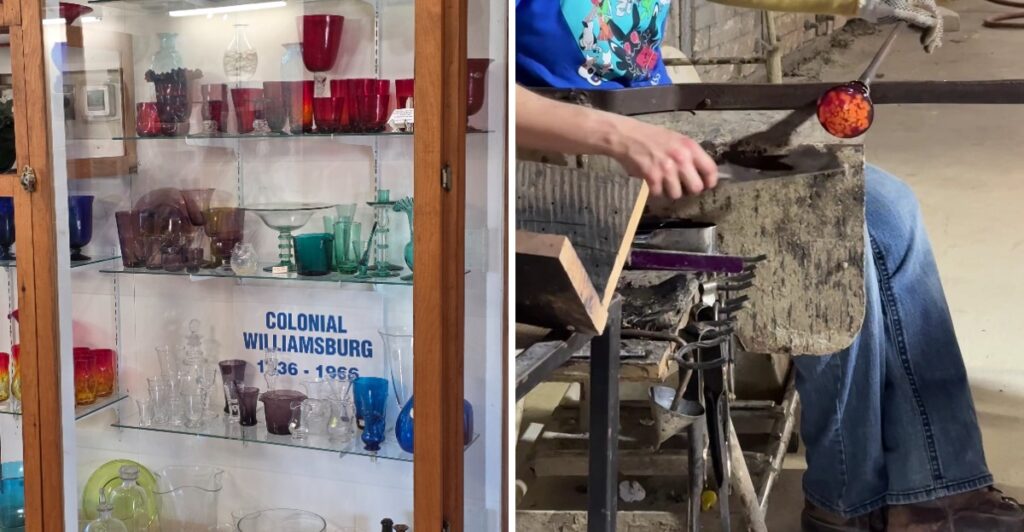
Watching red-hot glass get shaped by hand here costs exactly nothing. The free observation deck overlooks furnaces that run past 2,000 degrees Fahrenheit.
The company behind it has been family-owned since 1893. For thirty years, it was also the exclusive maker of Colonial Williamsburg’s 18th-century glass reproductions.
Honestly, a West Virginia factory quietly supplying America’s most famous colonial town is my favorite kind of plot twist.
The artisans below you aren’t putting on a show for tourists. They’re making real pieces, one breath and one turn at a time.
Some of those finished pieces land in the gift shop downstairs. The furnaces hit 2,000 degrees, but the ticket price stays a very cool zero.
The Free Seat Above A 2,000-Degree Workshop
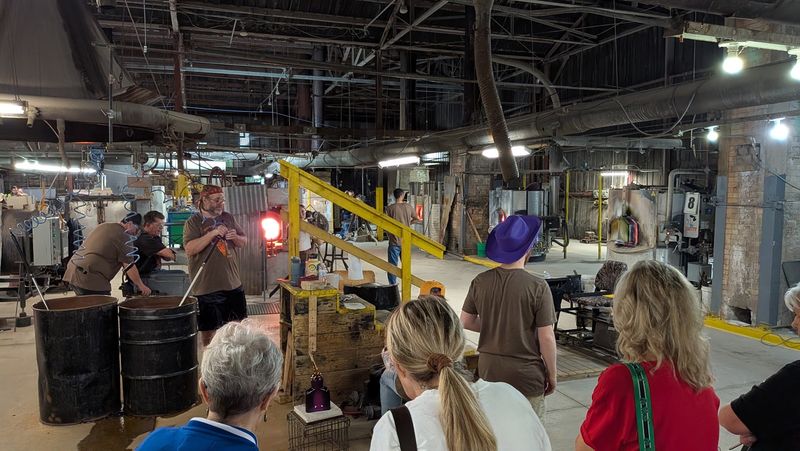
Front-row seats are usually expensive. At Blenko Glass Company, they’re free, self-guided, and open to all ages.
The observation deck sits above the Hot Shop, where artisans gather molten glass from furnaces topping 2,000 degrees. From there, you can watch a glowing blob turn into a vase, a bowl, or a bottle.
Every step happens by hand. Workers blow, spin, pull, and shape the glass with tools and steady timing.
Timing matters for your visit too. Glassblowing can be observed on Mondays and Tuesdays from 9 a.m. to 2:15 p.m. and Wednesdays through Fridays from 9 a.m. to 4:30 p.m.
On Saturdays, glassblowing can be observed from 9 a.m. to 4:30 p.m. On Sundays, glassblowing can be observed from noon to 4:30 p.m.
Plan for the earlier weekday cutoff, or you might arrive to a very quiet furnace. That would be like showing up to a concert after the band packs up.
One heads-up matters for some families. The deck is reached by a flight of stairs and isn’t wheelchair or walker accessible.
Still, for most visitors, it’s the easiest way to see real factory work up close. No ticket, no reservation, and no pressure to buy anything. Just pull up to some railing and watch the glow.
A Family Story That Started With Church Windows
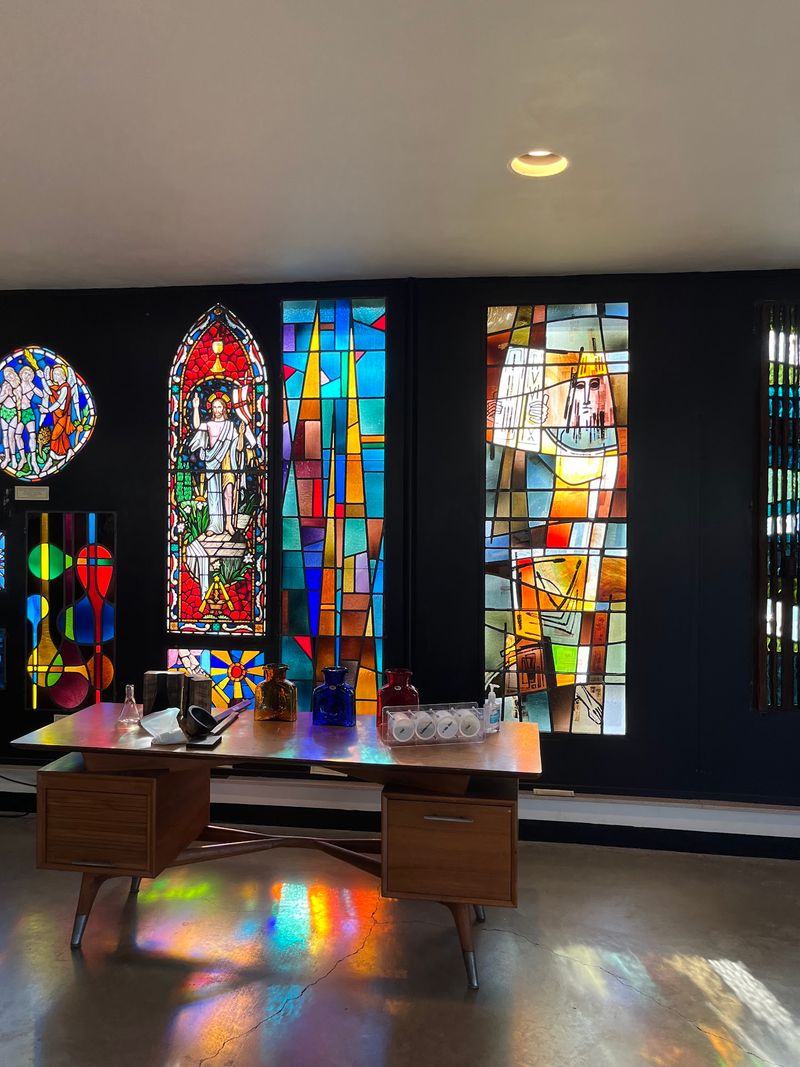
William J. Blenko came from England with a very specific goal. He wanted to make stained glass and rondels, which are round windowpanes.
He founded the business in 1893. After a few moves, the company landed in Milton, West Virginia, in 1921.
The name Blenko Glass Company arrived in 1930. Then the Great Depression changed everything.
Demand for window glass dropped hard. Instead of closing up, the company began making hand-blown vases, pitchers, and other decorative glassware.
That pivot turned out to be a smart one. Those pieces helped make the Blenko name known around the world.
Another big chapter came from 1936 to 1966. During those years, Blenko was the exclusive maker of Colonial Williamsburg’s 18th-century glass reproductions.
The company celebrated 100 years in Milton in 2021. It has stayed family-owned and operated the whole time.
That’s rare in any industry. It’s even rarer in glassmaking, a field that once boomed across the Mountain State.
Today, Blenko stands as one of the last survivors of that era. Every piece made here carries a little of that stubborn, creative history.
Book The Tour That Follows Glass From Sand To Hand
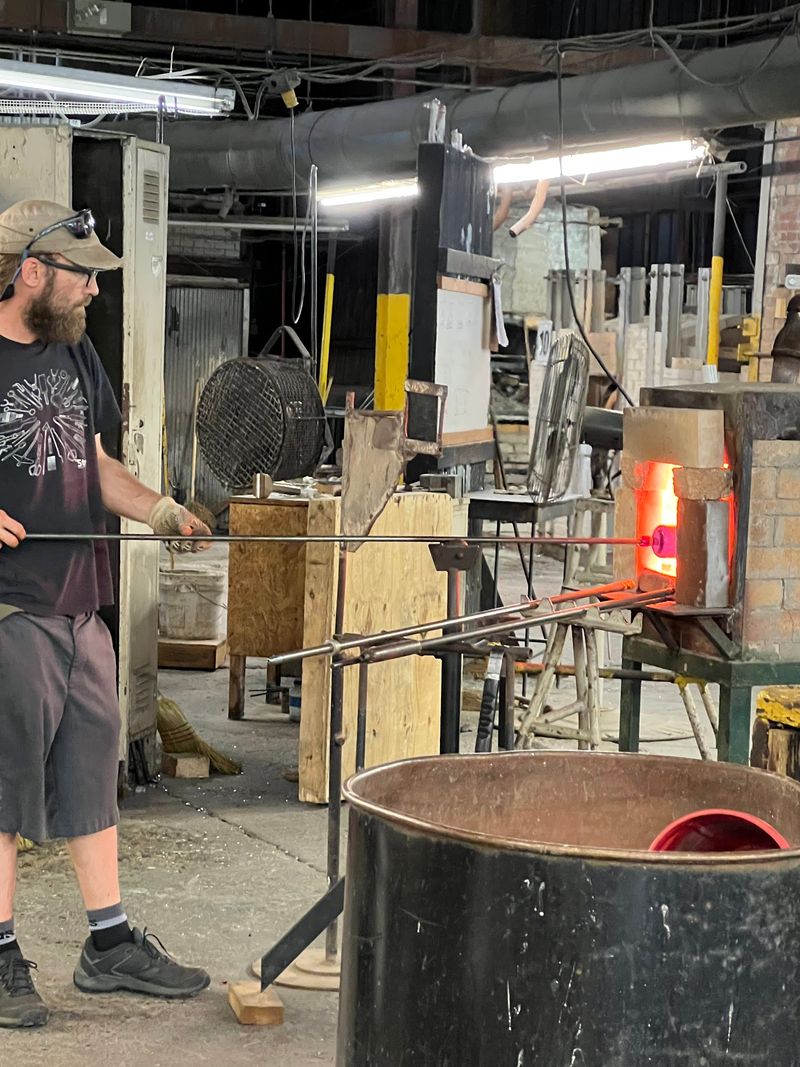
Watching from above is great. Walking the actual factory floor is a whole different level.
Blenko offers paid guided tours that must be scheduled ahead of time. The route follows the glassmaking process from sand to hand.
You’ll visit the Hot Shop, where molten glass gets shaped. Then comes the Cold Shop, where finished pieces get their final touches.
The tour also includes the Customs Department. It wraps up in the Shipping Warehouse, where pieces head out to new homes.
Along the way, guides share company history and production methods. Participants also receive a special keepsake to take home.
Not every guest is the right fit, though. Tours are recommended for ages 14 and up.
The reasons are practical. There’s walking involved, safety rules apply, and those furnaces throw serious heat.
Accessibility is limited as well. The tour areas aren’t wheelchair or walker accessible.
For teens and adults who love seeing how things get made, this is the deep cut. Think of the observation deck as the movie trailer. The tour is the full feature, with behind-the-scenes extras included.
You Can Try Shaping Something Yourself
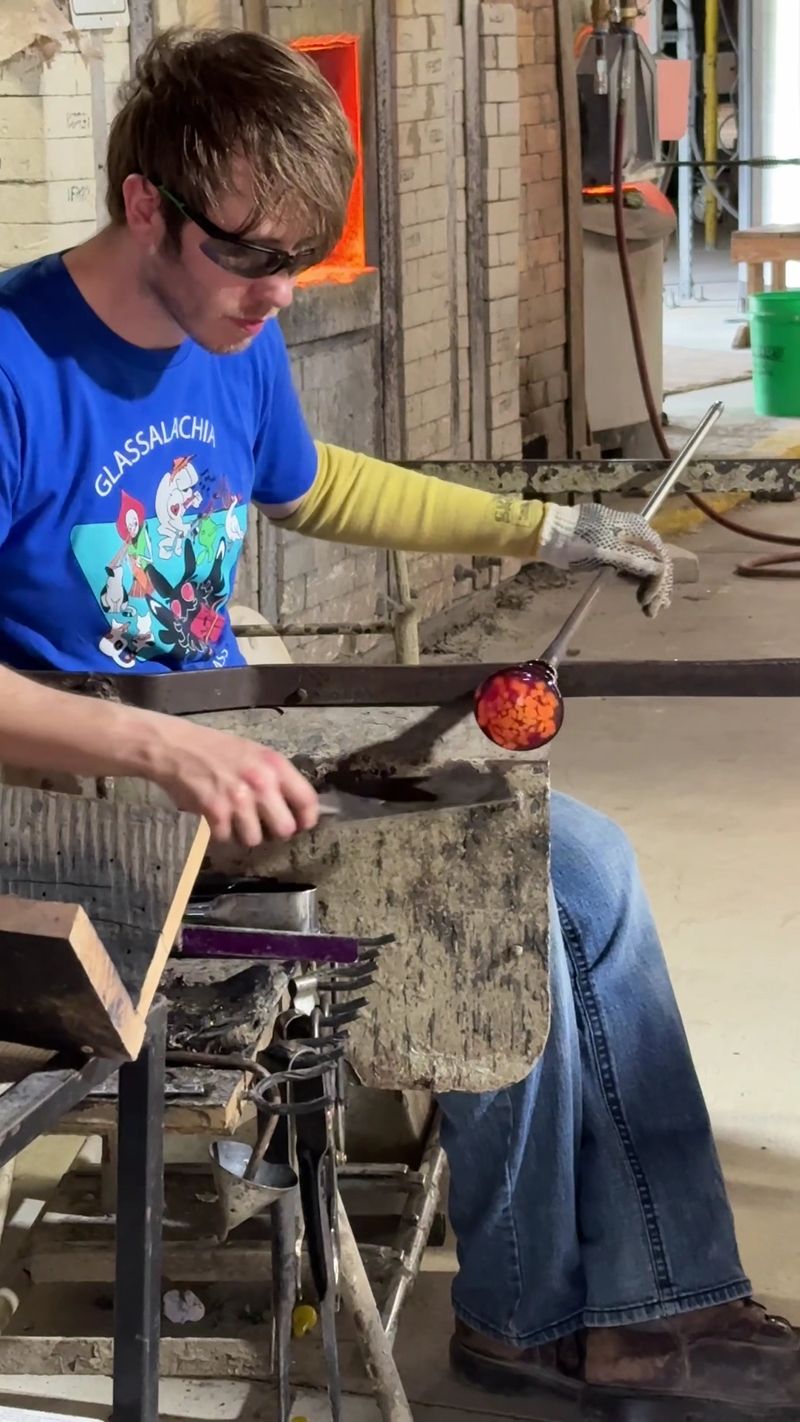
Spectating is fun until your hands start itching. Blenko has an answer for that.
Walk-Up Experiences let visitors watch live glassblowing and meet the artisans. They also include simple, seasonal hands-on projects.
Reservations are required, but you can book online in advance or at the Visitor Center when you arrive, subject to availability.
Planning ahead keeps the whole thing smooth.
The appeal is easy to understand. You get to stand closer to the craft that the deck only lets you admire.
Meeting the artisans adds a lot, too. These are the people who shape the company’s pieces every working day.
Projects change with the seasons. That means a return trip might offer something completely different.
Go in with realistic hopes. You’re not becoming a master glassblower in one afternoon, and that’s perfectly fine.
The point is the experience of working with real glass in a real factory. Few places in West Virginia, or anywhere, let you get this close.
Bring a curious attitude and listen closely to your guide. Molten glass has very little patience for guessing.
Climb Upstairs For A Free Peek Into Glass History
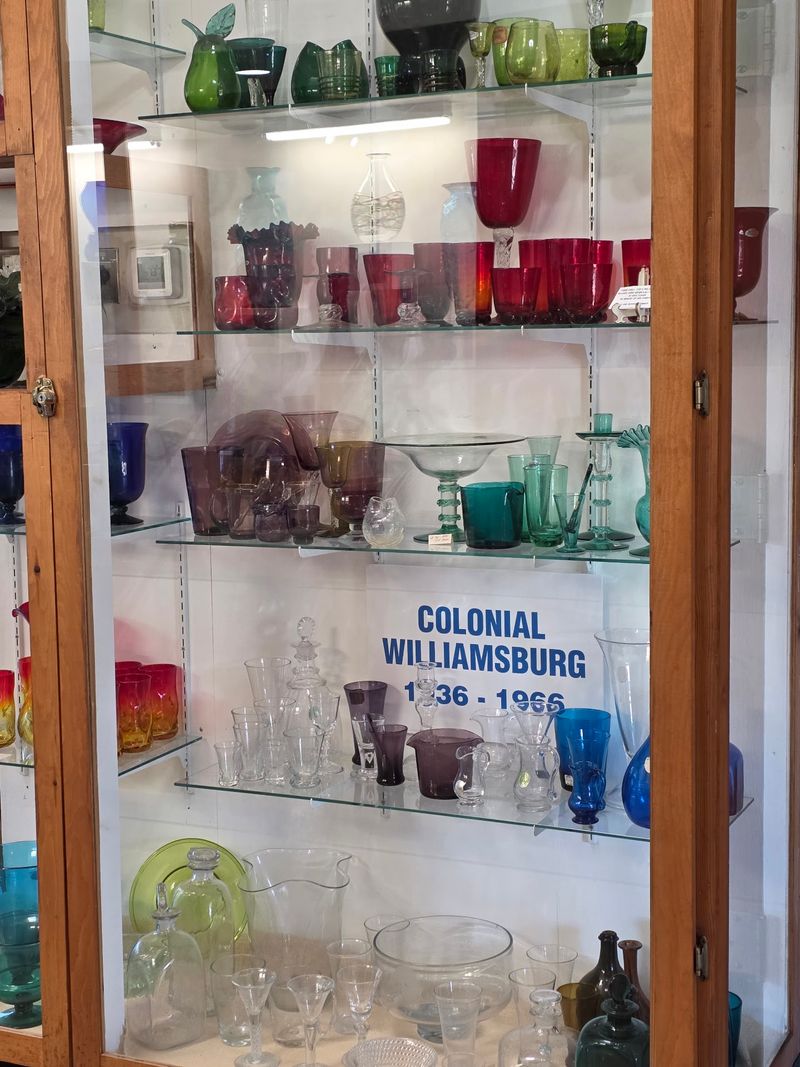
Tucked above the shop sits a small museum with a big job. It tells Blenko’s story through objects instead of long speeches.
The museum is on the second floor of the Visitor Center. Admission is free and self-guided, so you can move at your own pace.
Inside, you’ll see historic Blenko pieces and company memorabilia. Glassmaking tools show how much skill the craft has always demanded.
Historic storyboards fill in the timeline. They help connect the stained glass beginnings to the colorful pieces downstairs.
The standout may be the stained glass. These pieces are made with Blenko glass and show the company’s original specialty.
Seeing them makes the early history click. That round-windowpane business suddenly feels a lot less abstract.
Stairs lead to the museum, and there’s no wheelchair or walker access. Keep that in mind when planning with family.
For everyone else, it’s a quick, rewarding stop. Visit before shopping, and every vase on the shelves gets a little more interesting. Context is a powerful thing.
Furnace Heat Explains Why Every Piece Feels Alive
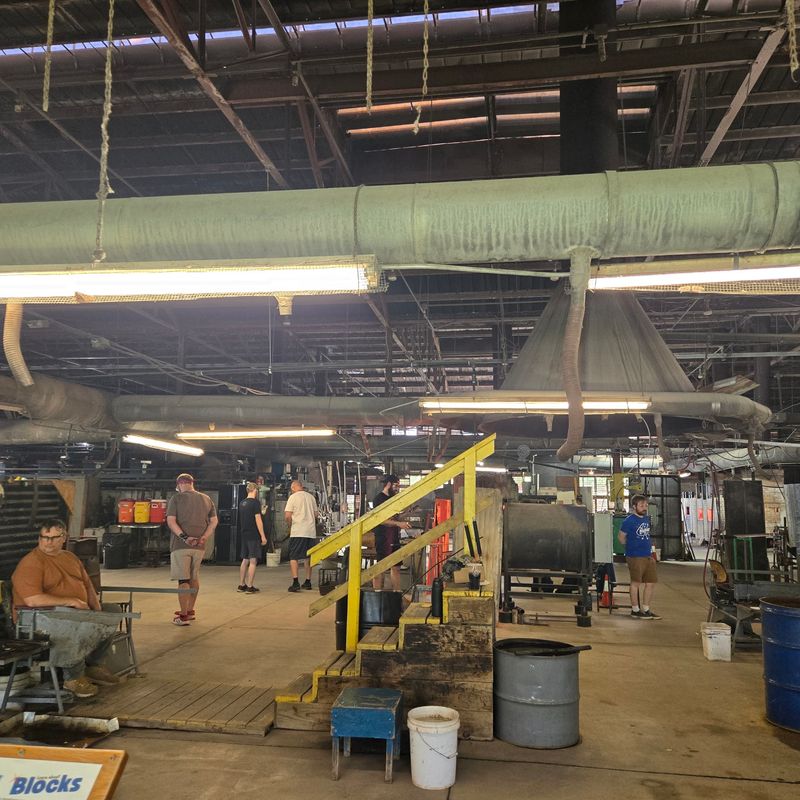
More than 2,000 degrees Fahrenheit. That’s how hot things get in the Hot Shop furnaces.
At that temperature, glass stops acting like glass. It turns soft, stretchy, and glowing, a bit like honey that could ruin your afternoon.
Artisans work fast while the material is still workable. They shape it by hand into vases, bowls, bottles, and more.
Because people make each piece, small differences show up. No two handmade items are ever exactly alike.
Blenko’s work goes beyond everyday glassware. The company also produces art glass, mouth-blown sheet glass, and dalle de verre.
Dalle de verre is thick slab glass often used in architectural art. It’s a nod to the company’s long relationship with windows and stained glass.
Watching this process changes how you see a simple drinking glass. Suddenly, it looks like a tiny trophy of patience and skill.
Remember that heat when you’re on the deck. It’s the reason visitors watch from above and leave the furnace work to the pros.
Find It Just Off The Road In Milton
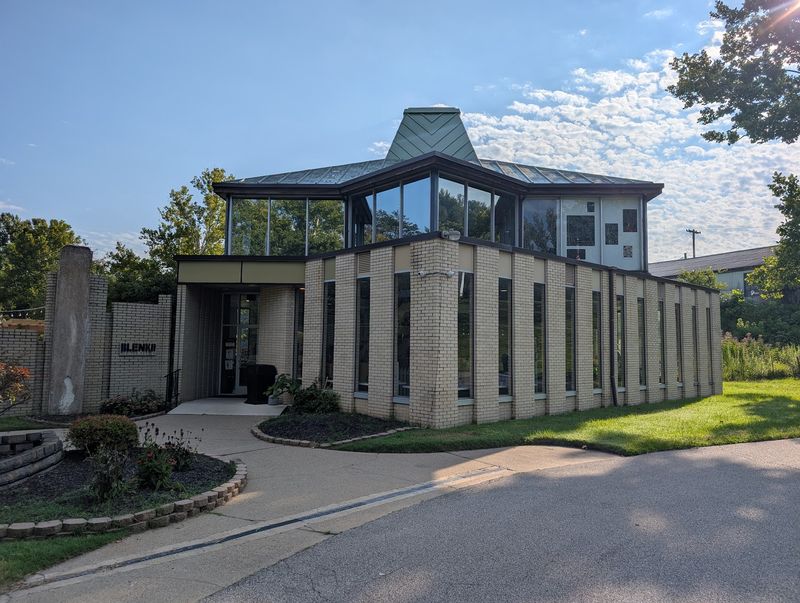
Milton is a small town with a big glass reputation. The factory sits at 9 Bill Blenko Dr, Milton, WV 25541.
The street name is a nice touch. Not many companies get a road named after a family member.
Milton sits in Cabell County, close to Huntington. That makes Blenko an easy addition to a western West Virginia road trip.
The Visitor Center and Gift Shop open Monday through Saturday from 9 a.m. to 5 p.m. On Sundays, hours run from noon to 5 p.m.
Glassblowing hours differ from shop hours, so check before you go. Weekday demonstrations wrap up earlier than the shop does.
A smart plan is simple. Arrive in the morning on weekdays, watch the artisans first, then browse the museum and shop.
Parking is plentiful, with designated handicap spaces near the Visitor Center. The ramp at the entrance helps too.
Travelchannel.com once ranked Blenko among the top ten factories to tour. Not bad for a stop that fits easily between lunch and your next destination.
Why This Factory Still Matters Today
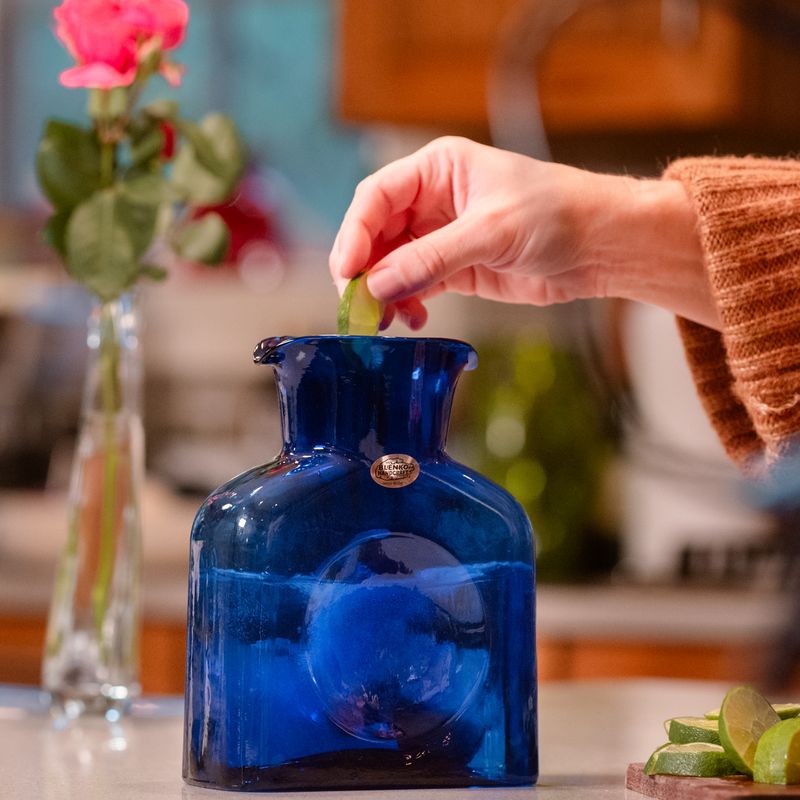
West Virginia once had glass factories all over the map. Most of them are gone now.
Blenko is recognized as one of the last survivors of that thriving industry. Visiting keeps a piece of state history active and working.
That’s the real magic here. You’re not looking at a recreated workshop behind velvet ropes.
Real artisans still make real products for real customers. The furnaces stay hot because people still want handmade glass.
Family ownership adds another layer. The same family has guided the company since 1893, through moves, a depression, and changing tastes.
Each era left its mark. Stained glass, Colonial reproductions, and Mid-Century Modern colors all tell part of the story.
A trip here works for many kinds of travelers. History fans, design lovers, and curious kids can all find something to enjoy.
Go for the free view, stay for the museum, and give the shop a fair chance. You’ll leave with a better sense of how much work fits inside one glowing piece. Maybe a suncatcher, too.