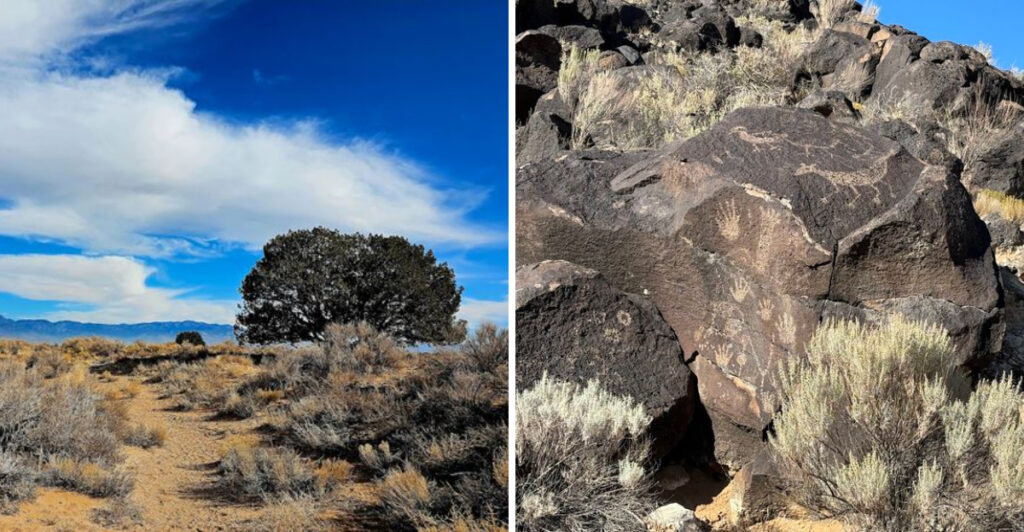
There is something wild about walking past a boulder and realizing it is not just rock. Someone carved into it long before paved roads and weekend trail photos.
That is what makes this canyon feel so memorable. The black volcanic stones are covered with petroglyphs left by Pueblo people and others who passed through the area over many generations.
Some carvings are easy to spot. Some make you pause and look twice.
That is part of the pull.
You are not just looking at old marks. You are standing near thoughts that survived sun and time.
A simple walk can turn into a long stare at one stone, then another. Before you know it, the trail feels like a conversation across centuries.
Here are the facts that make this canyon worth knowing before you ever go, especially if old places make you curious and love stories written in stone.
Ancient Marks Across Volcanic Stone
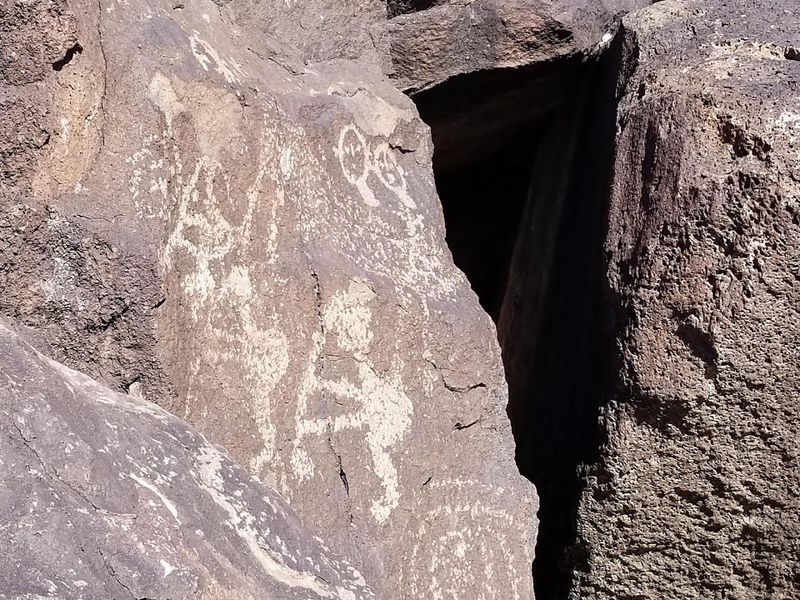
Every rock here has something to say, and the ones doing the talking have been whispering for centuries. The petroglyphs at this canyon were created by pecking and chipping away the dark outer layer of basalt boulders, a coating geologists call desert varnish or patina, to reveal the lighter rock underneath.
Ancient artists used stone tools to carefully remove that thin dark layer, creating images that would last far longer than any painted surface could survive in the desert sun. The contrast between the dark outer rock and the pale interior makes each carving surprisingly clear, even after hundreds of years of exposure to wind and weather.
Most visible images here were made between 400 and 700 years ago, primarily by the Ancestral Pueblo people, while older carvings elsewhere in the monument may date farther back. Spanish settlers also left a small number of their own historic engravings, adding another layer to this already remarkable stone record.
Standing in front of these marks at Piedras Marcadas Canyon, 9421 Jill Patricia Street NW, Albuquerque, NM 87114, you feel the weight of every generation that passed through this canyon before you.
Desert Trails Beneath Dark Cliffs
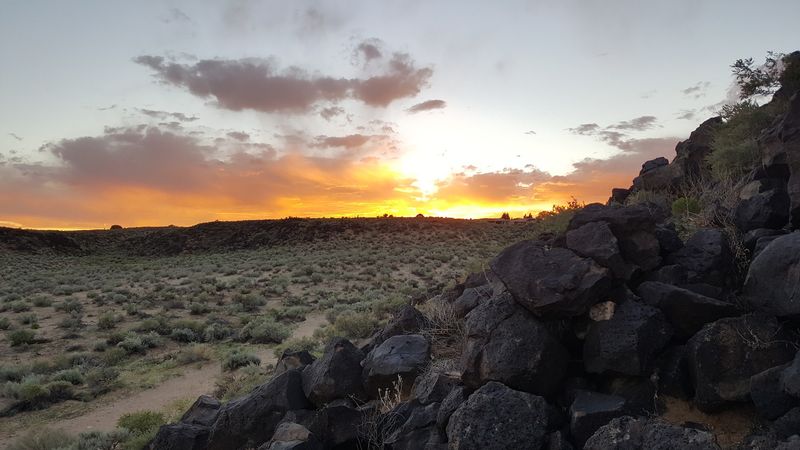
Few trails in the American Southwest pack this much visual punch into such a manageable distance. The main path through this canyon runs approximately 1.5 to 1.8 miles round trip, making it an accessible adventure for hikers of almost any fitness level, including families with older kids and casual walkers who just want a memorable afternoon outdoors.
The trail hugs the base of a volcanic escarpment, keeping the dark cliff wall close on one side while open desert stretches out on the other. Sandy underfoot and mostly flat, the path winds past clusters of basalt boulders that seem to grow larger and more dramatic the further along you walk.
I remember my first time stepping onto this trail and immediately feeling that the landscape itself was trying to tell me something urgent. Scrubby desert plants push up through the sandy soil along the path, and lizards dart between the rocks with impressive speed.
The scale of the cliffs above you shifts the whole experience into something that feels genuinely ancient, which, of course, it absolutely is.
Silent Symbols In The Sun
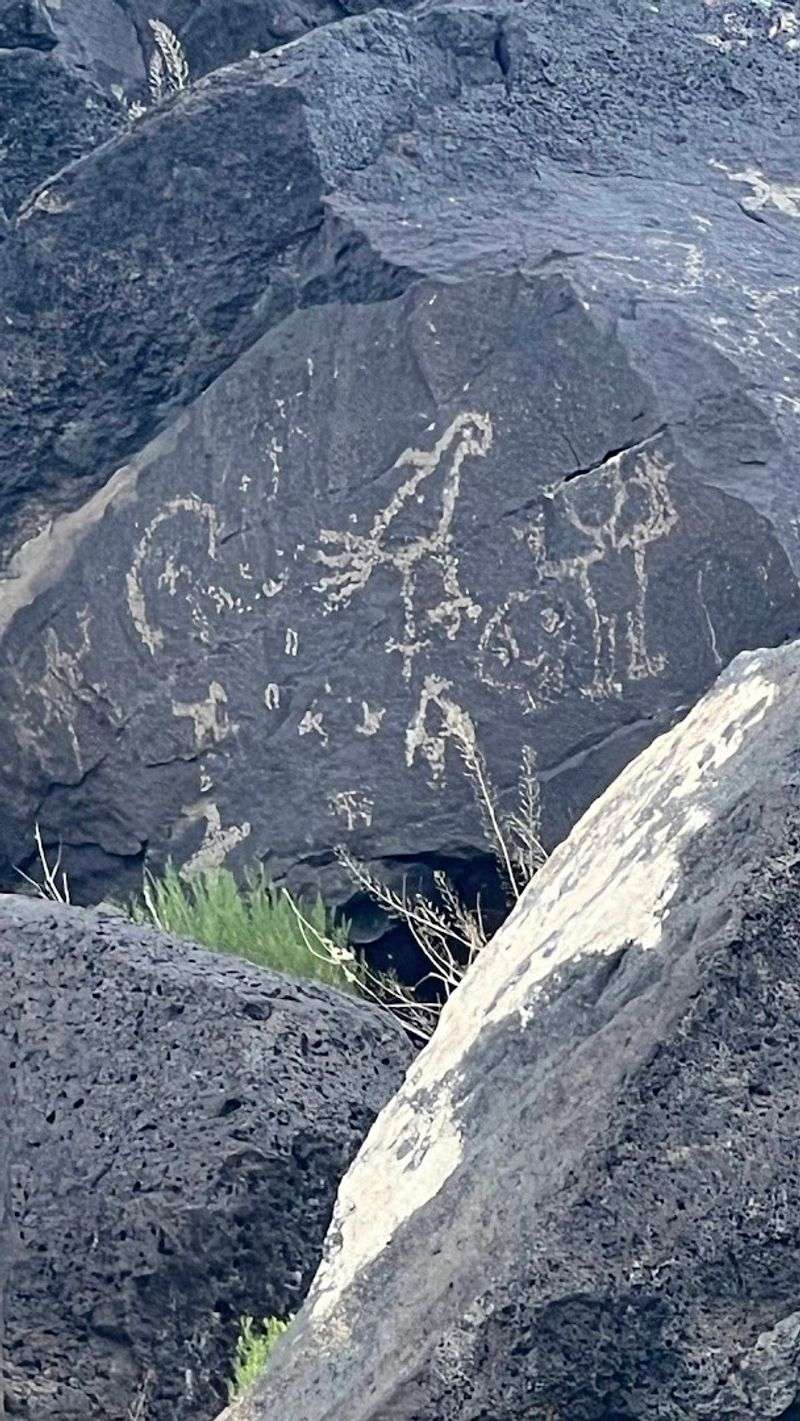
Around 5,000 documented images have been recorded within this canyon alone, making it the site with the densest concentration of petroglyphs within all of Petroglyph National Monument. That number is staggering when you consider that the monument itself contains an estimated 20,000 total petroglyphs across its entire length.
On a typical walk along the trail, visitors can spot roughly 400 individual carvings, a curated visual feast that ranges from simple geometric shapes to detailed figures of animals, humans, masks, hands, and footprints. Some images appear to carry clear spiritual meaning, while others remain beautifully mysterious, their deepest significance held privately by the descendant communities whose ancestors created them.
The bright New Mexico sun plays a fascinating role in how these images appear throughout the day. Morning light rakes across the rock surface at a low angle, making shallow carvings pop with shadow in ways that afternoon light simply cannot match.
Visiting early in the day rewards you with a sharper, more dramatic view of symbols that have been absorbing sunlight in this canyon for generations beyond counting.
A Walk Through Marked Rocks
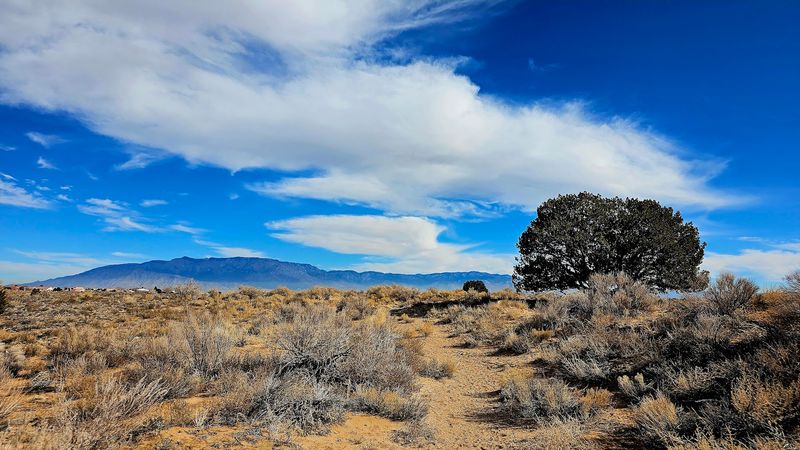
The name of this place is not poetry or marketing; it is a direct description. Piedras Marcadas is usually rendered as “canyon of marked rocks,” and the name earns every letter once you start noticing just how many of the surrounding boulders carry carved images.
Walking the trail feels less like exercise and more like browsing an enormous outdoor gallery that nobody ever formally curated. You round a bend and find a boulder covered in spirals.
A few steps further, a large flat face of rock displays what appears to be a human figure with outstretched arms. The images appear at eye level, above your head, and even low near the ground, as if the artists wanted no surface to go to waste.
I kept stopping every few minutes to crouch down or tilt my head sideways to get a better look at a particular carving, which made my hiking pace embarrassingly slow but entirely worth it. The trail is short enough that you can take your time without worrying about daylight, and the marked rocks reward every patient observer who slows down enough to look.
Wide Views From The Mesa Edge
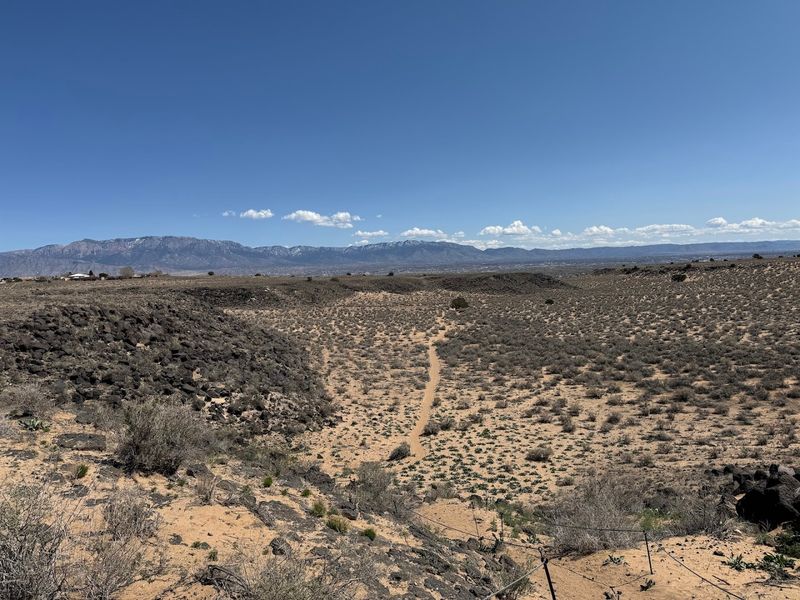
Geology lovers, this one is for you. The volcanic escarpment that forms the backbone of this canyon was created roughly 150,000 to 156,000 years ago by a series of fissure eruptions that built up the 17-mile-long ridge now known as Albuquerque’s West Mesa.
From certain mesa-edge points nearby, the views open up dramatically to reveal the Rio Grande valley spread out below, with the Sandia Mountains rising sharply to the east and the wide New Mexico sky pressing down on everything from above. The contrast between the dark volcanic rock at your feet and the distant purple mountains is the kind of view that makes you stop mid-sentence.
That same volcanic activity that created this dramatic landscape also delivered the raw material for the petroglyphs themselves, providing flat-faced basalt boulders with a smooth, dark surface perfectly suited for carving. The artists who worked here thousands of years ago were not just choosing a convenient spot; they were selecting a canvas that the earth itself had prepared.
Standing at the mesa edge, the whole story of this place snaps into focus in a satisfying way.
Hidden Stories Along The Escarpment
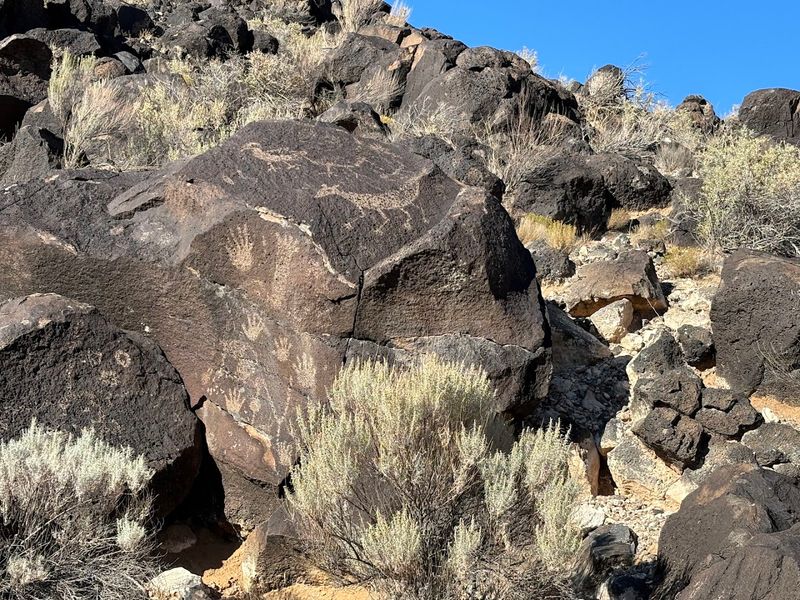
Not every story carved into these rocks is easy to read, and that is part of what makes this place so compelling. The images include geometric forms, reptile and mammal figures, masks, human figures, hands, and footprints, a vocabulary of symbols that researchers have spent decades trying to interpret.
Some meanings have been identified through collaboration with contemporary Pueblo communities, whose oral traditions carry knowledge that no archaeological study could uncover on its own. Other symbols remain genuinely unresolved, and many of the deepest meanings are deliberately kept within Native communities as sacred knowledge that was never meant for outside interpretation.
That layer of intentional mystery adds something important to the experience of walking here. You are not just looking at old art; you are standing at the edge of a living cultural tradition that still matters deeply to people today.
The Pueblo peoples and other Native American tribes connected to this site consider it a place of profound spiritual significance, not a museum exhibit. Respecting that distinction changes how you move through the canyon, making each step feel a little more careful and a little more aware of the privilege of being here.
Sandy Paths And Sacred Stone
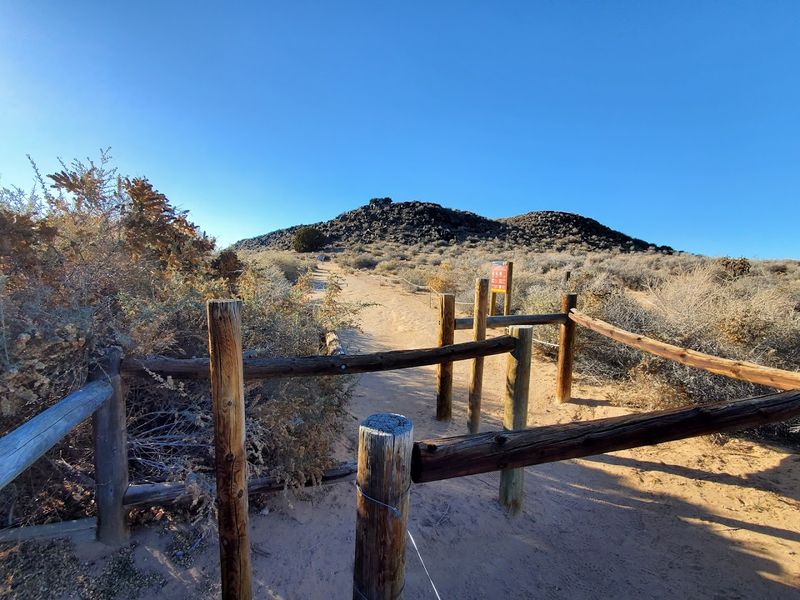
Petroglyph National Monument is co-managed by the National Park Service and the City of Albuquerque Open Space Division, a partnership that reflects just how seriously both organizations take the responsibility of protecting these irreplaceable carvings. The rules for visiting are straightforward and exist for very good reasons.
Visitors are asked to stay on marked trails at all times and to avoid touching the petroglyphs. That second rule is more important than it might sound, because the oils from human hands can accelerate the deterioration of the rock surface, and any damage done to a petroglyph is permanent and cannot be undone.
A moment of careless contact can erase thousands of years of cultural record in seconds.
I noticed during my visit that most people followed the rules naturally once they understood the stakes, pausing to read the informational signs along the trail before approaching any carved boulder. The sandy paths keep foot traffic predictable and help protect the vegetation and soil around the rocks.
Treat the trail as a privilege rather than a playground, and the canyon will reward you with an experience that stays with you long after you have driven back into the city.
Where Desert Light Meets History
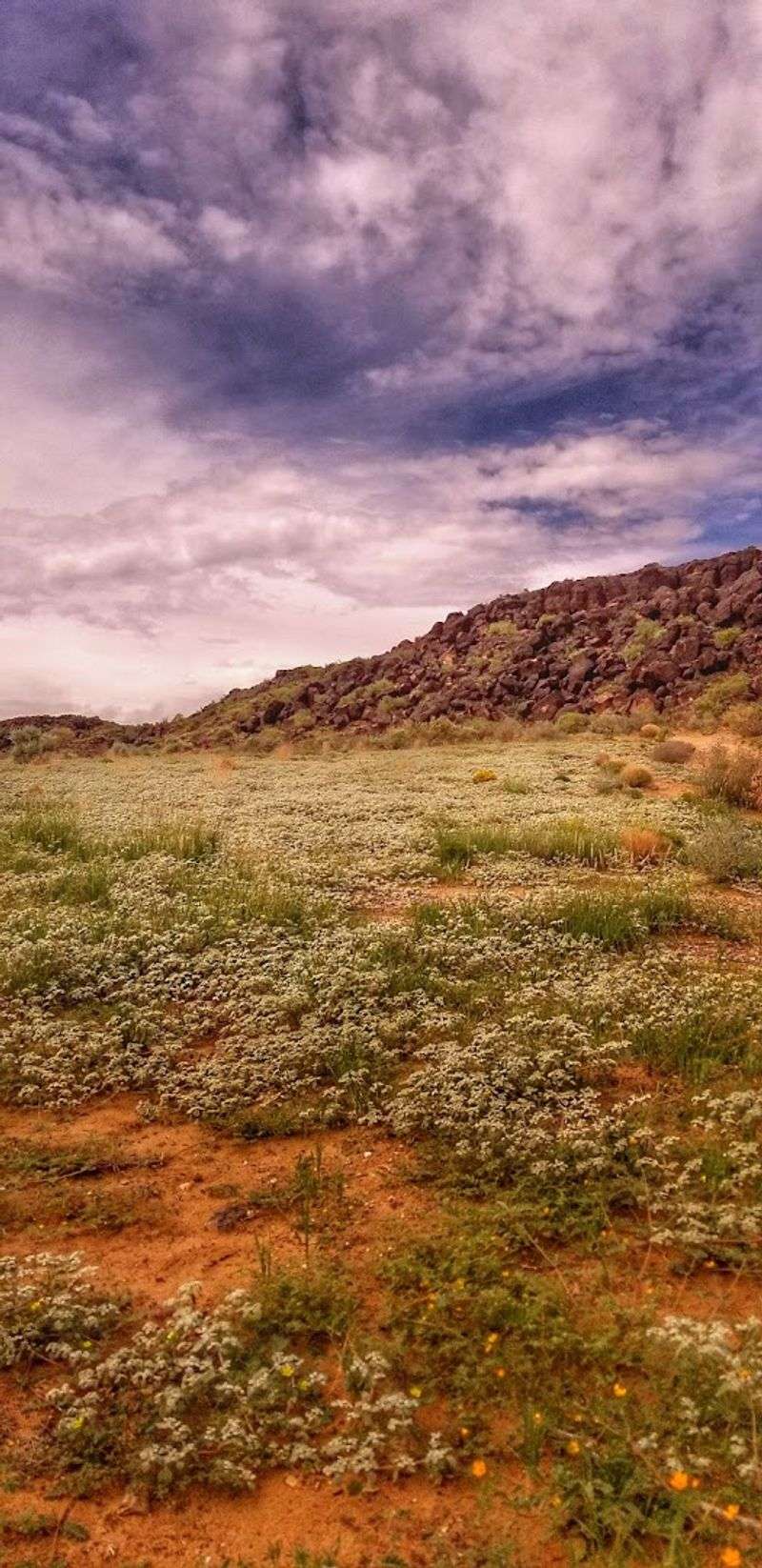
Late afternoon light in the New Mexico desert has a quality that photographers chase and painters envy. The golden hour turns the dark basalt boulders into something almost cinematic, casting long shadows that deepen every carved line and make the petroglyphs appear to float on the surface of the rock.
That light also gives you a moment to sit with the full context of what you are experiencing. This canyon is the northernmost section of Petroglyph National Monument, and its name, which is usually rendered as canyon of marked rocks, tells you what kind of place it is before you even arrive.
The trail, the boulders, the carvings, and the wide desert sky all come together into something that feels genuinely rare in the modern world.
History here is not behind glass or locked in a climate-controlled room; it is right in front of you, weathered and permanent and free for anyone willing to make the walk. Every time I leave this trail, I carry the images with me longer than I expect, which is probably exactly what those ancient artists intended all along.