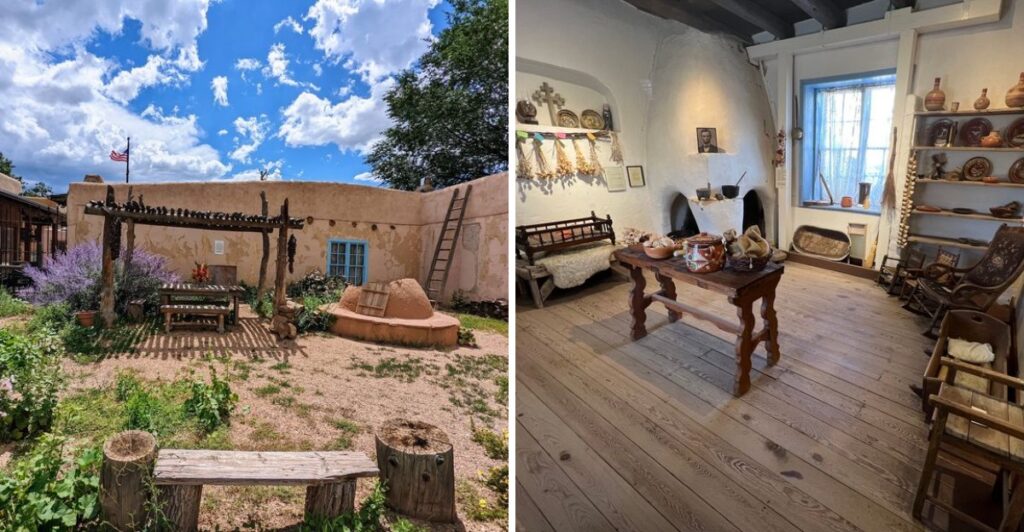
Some of the best stops in New Mexico hide in plain sight, tucked along an old adobe street where you least expect them. Wandering past thick clay walls that have stood for generations, you never guess how much frontier history waits just inside a modest doorway.
This little home turns out to hold far more story than its quiet exterior lets on. It’s the kind of place that rewards the curious traveler who slows down and steps in.
A Frontier Home Hiding Off the Taos Plaza
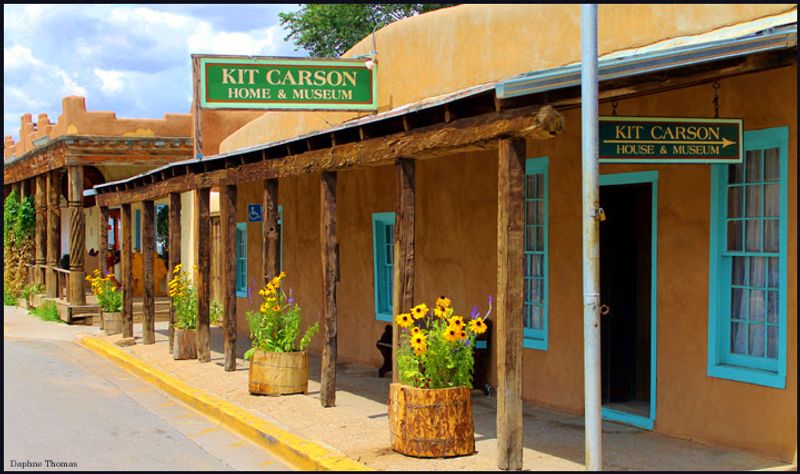
Just a short stroll from the historic Taos plaza sits a low-slung adobe home that many people walk right past without a second glance. Built in 1825 in the Spanish colonial style, it served as the residence of famed frontier expedition leader Kit Carson.
Visitors say the entrance can be a little tricky to spot, which somehow makes finding it feel like a small victory. Once you step through the door, the thick earthen walls and quiet rooms carry you back to a much older Taos.
The house sits at 113 Kit Carson Road, right in the heart of town, so you can easily fold it into a walking afternoon. Carson and his family lived here from 1843 until 1868, and the property has been carefully looked after ever since.
What makes it special is the everyday scale of the place. This isn’t a grand mansion; it’s a real home where a legendary figure actually lived.
That intimacy is exactly what gives the museum its lasting charm and pulls travelers in for a closer look.
Adobe Walls Nearly Two Centuries Old
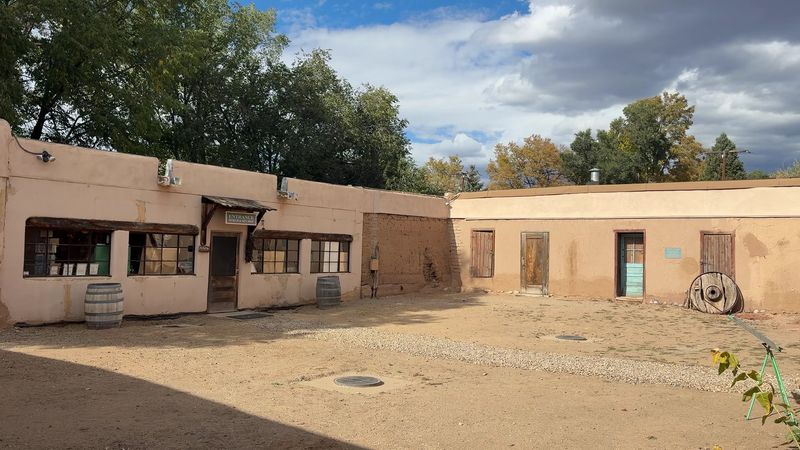
Run your eyes along these walls and you’re looking at craftsmanship that dates all the way back to 1825. The home was built in the classic Spanish colonial adobe tradition, with thick earthen walls that keep interiors cool in summer and cozy through Taos winters.
Regulars mention that parts of the adobe look rough and weathered, especially before recent drainage work was added to the courtyard. Rather than take away from the experience, that wear tells a story of nearly two centuries of survival.
The people who care for the house are actively working to shelter and preserve its integrity. Some visitors note they’d love to see even more of the hacienda restored, and preservation efforts continue year after year.
There’s something moving about standing inside walls that have weathered so much time. You can feel the age in the low ceilings, the small windows, and the hand-shaped surfaces.
For anyone who appreciates authentic old New Mexico architecture, the building itself is worth the visit, well before you even reach the displays inside.
The Rooms Kept as the Family Lived In Them
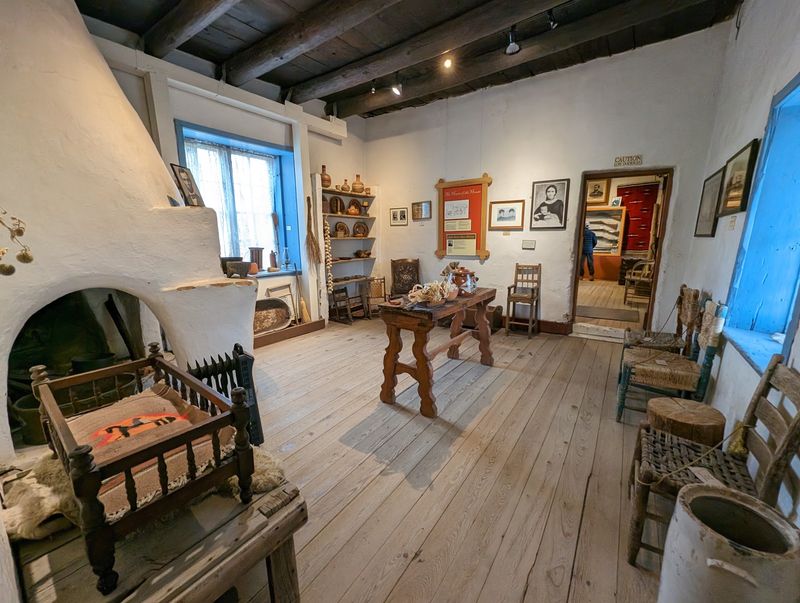
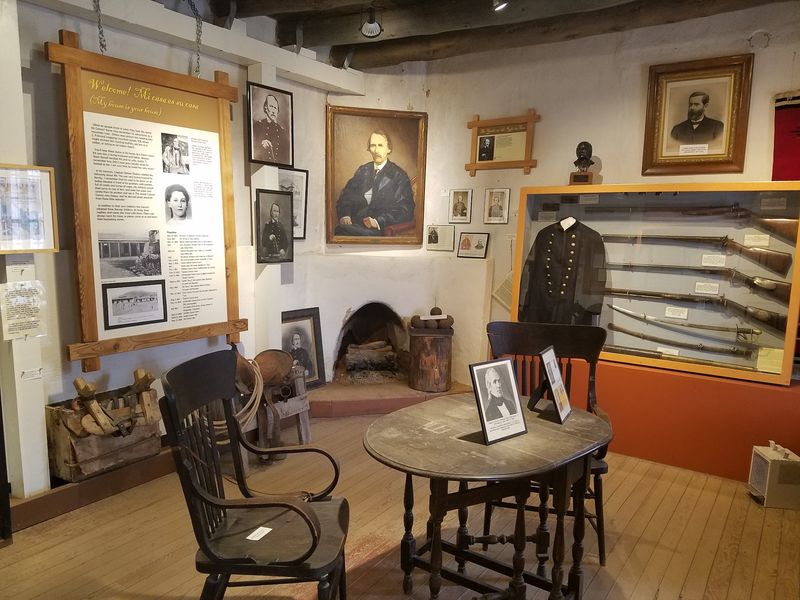
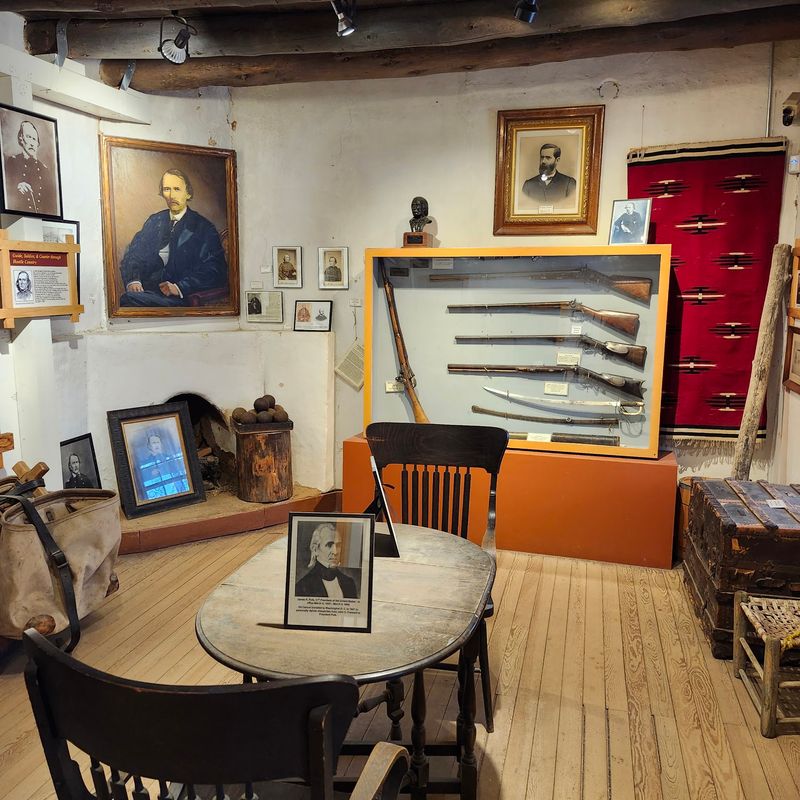
Step past the entrance and you tour the rooms where Kit and his wife Josefa built their family life together. The house is often described as a three or four-room home, self-guided so you can browse at your own unhurried pace.
Visitors point out that most of the furniture isn’t original to the home, but a handful of genuine artifacts belonging to Carson remain on display. Among them are his Masonic apron and the desk he used while serving as an Indian Agent.
Walking room to room, you get a real sense of how compact frontier living once was. The scale feels honest, human, and surprisingly relatable.
Displays throughout the rooms detail the arc of Carson’s life, giving context to each space you enter. Many guests find themselves lingering longer than expected, drawn in by the small details.
A history buff might spend more than an hour here, while most people finish comfortably in about thirty minutes. Either way, the preserved rooms deliver a quiet, personal glimpse into a world long gone.
Artifacts That Bring the Old West to Life
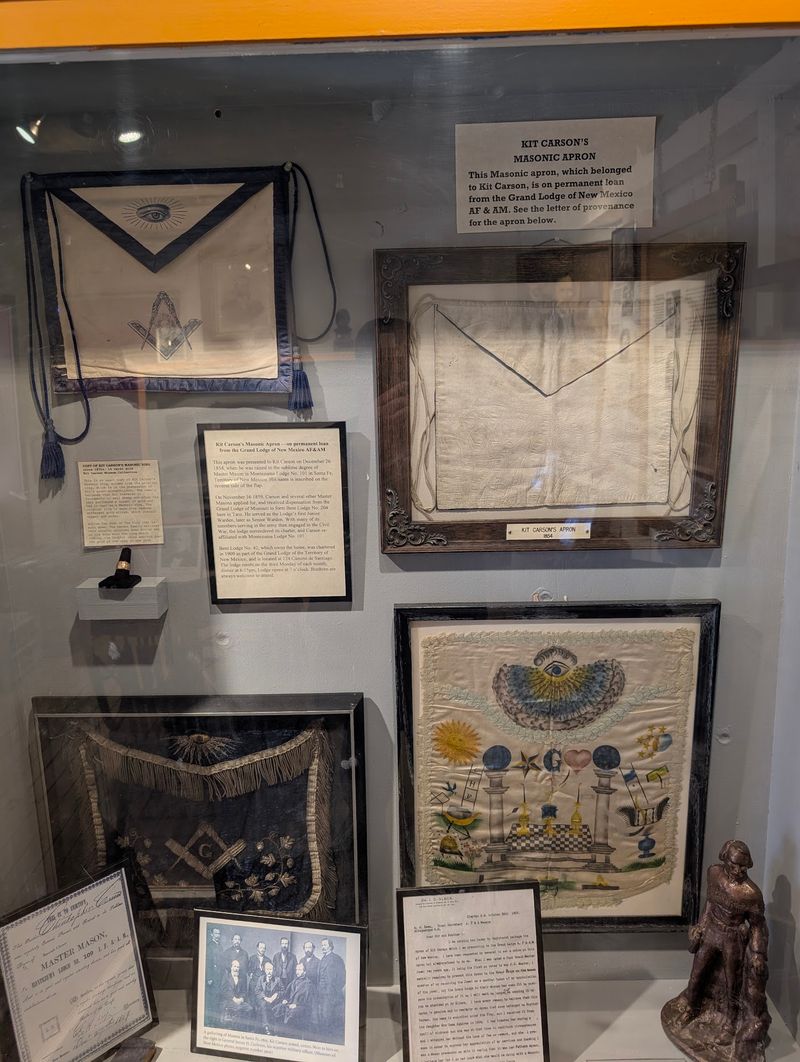
Peer into the display cases and you’ll find a collection that history lovers rave about. Artifacts are the single most talked-about feature here, with guests noting there’s genuinely so much to look at.
Documents, personal items, and family belongings fill the rooms, each one paired with plaques and displays that explain the story behind it. The exhibits are frequently called well done and informative, giving weight to the legend.
Among the highlights are objects directly tied to Carson himself, including his Masonic apron and the desk from his time as an Indian Agent. Holding your gaze on these real pieces creates a connection that photographs simply can’t match.
The museum is modest in size, so the collection stays focused rather than overwhelming. That curation works in its favor, letting each item earn your attention.
Curious minds who enjoy digging into American West history tend to leave satisfied. For travelers who love reading every placard and studying every artifact, the rooms reward patience with layer after layer of detail about frontier life in old New Mexico.
A Short Film That Sorts Fact From Legend
Before you tour the house, most visitors settle in for a roughly 20-minute documentary produced by the History Channel. It’s played across from the house and sets up the whole experience beautifully.
Guests consistently recommend starting here, calling it a great overview of Carson’s life and times. One especially memorable detail: the film features narration connected to his own great-grandson, adding a family touch.
What makes the movie valuable is how it separates fact from fiction. So much myth surrounds this frontier figure, and viewers appreciate that the film covers the full, complicated picture of his life.
Many people say the video is their favorite part of the whole visit. It gives you context that makes the rooms and artifacts far more meaningful once you walk through them.
Sitting down first also helps you slow your pace and absorb the history before you start exploring. For anyone who wants to understand what they’re seeing rather than just glance around, the short film is an easy yes and a smart way to begin.
Staff Who Know the Carson Story Inside and Out
Ask a question here and you’ll likely get an answer full of detail and genuine enthusiasm. The knowledgeable staff rank among the most praised parts of the whole experience, second only to the artifacts themselves.
A helper named Dave gets mentioned again and again for being friendly, informative, and great at keeping everything running smoothly. Visitors say he and the rest of the team clearly love sharing the Carson family story.
Regulars describe the attendants as extremely polite and endlessly patient with curious guests. Several note they simply can’t speak highly enough about the people who welcome them at the door.
The owner often checks visitors in personally and offers rich background on the family history. That warm, hands-on approach turns a quick stop into a real conversation.
Beyond the facts, the staff happily give directions to nearby points of interest and answer whatever comes up. For travelers who value human connection over polished presentation, the welcoming crew here is a big reason so many say they’ll return.
The Courtyard That Once Held a Corral
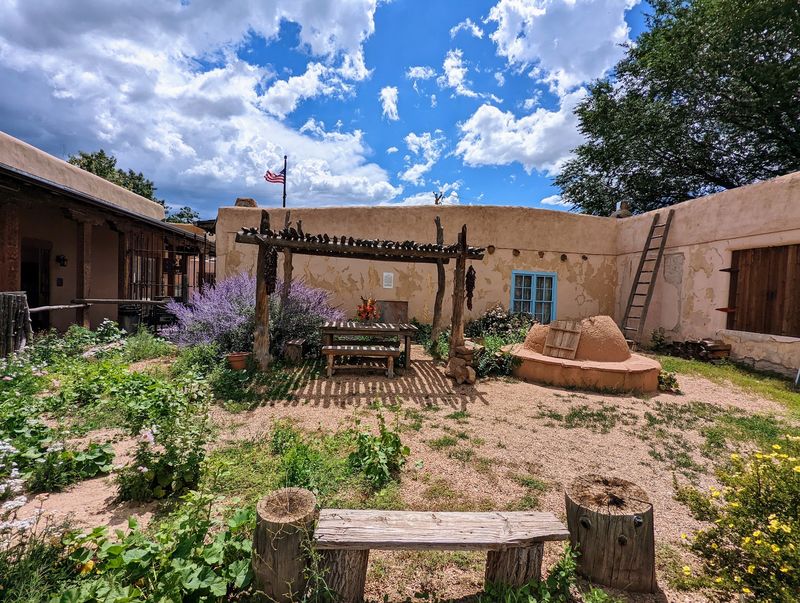
Wander out into the open courtyard and you’re standing where the family once kept their horses. During the years the Carsons lived here, this space served as a corral and stable, a practical heart of frontier daily life.
Recent drainage work has been installed to help protect the surrounding adobe from moisture damage. That behind-the-scenes care is part of the ongoing effort to keep the property standing for future generations.
Visitors often see real potential in this space, saying it could become a wonderful feature with further renovation. The bones are certainly there, and the caretakers have hopes of doing more.
Even now, the courtyard offers a quiet pause between the indoor displays. Standing in the open air, you can picture the everyday bustle that once filled it.
It’s a reminder that this was a working home, not a polished showpiece. For anyone who enjoys imagining how people actually lived, the courtyard adds a grounded, tangible layer to the visit that the rooms alone can’t quite capture.
A Gift Shop Worth Browsing
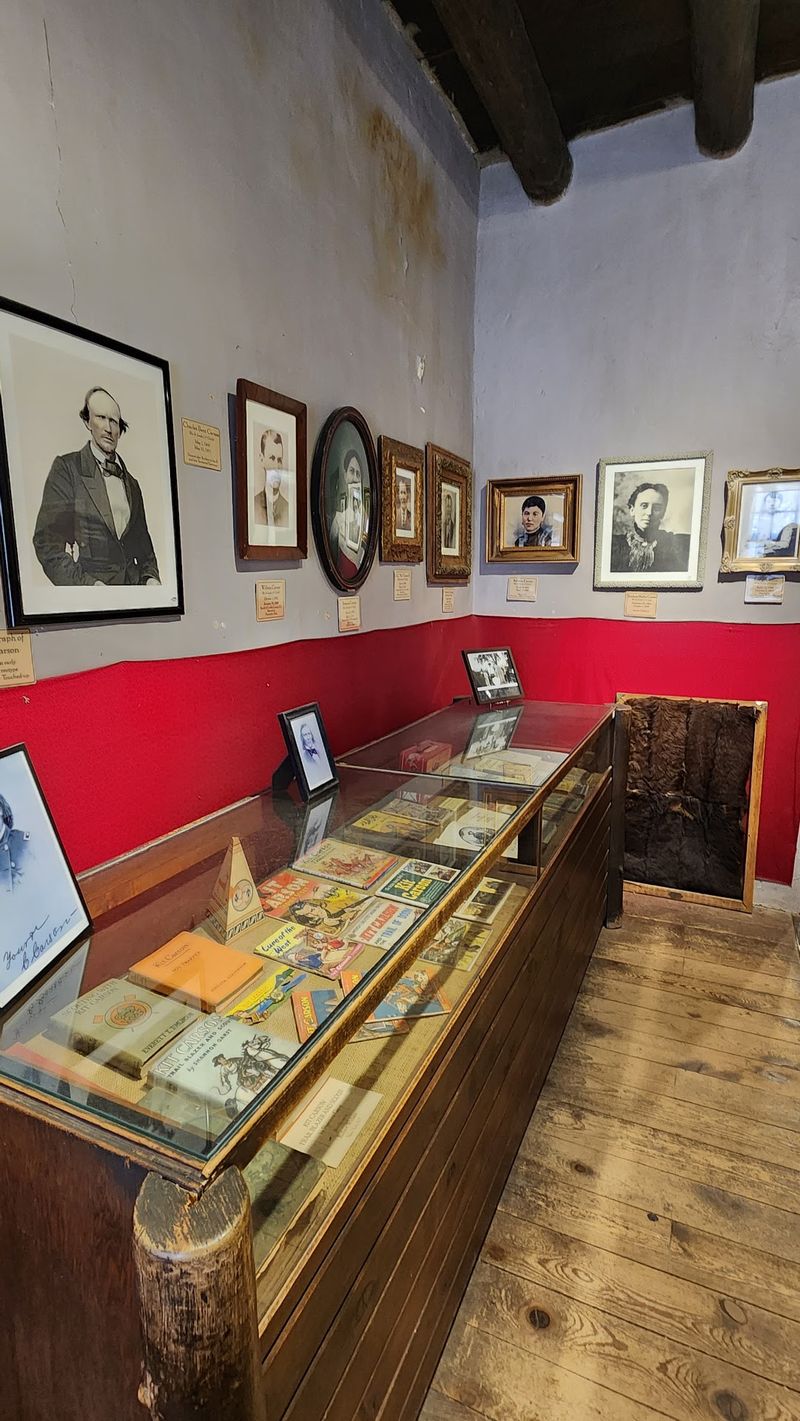
Save a little time at the end for the gift shop, which draws real praise from guests. Frequently mentioned in visitor notes, it’s stocked with a nice selection of books and other keepsakes tied to the region’s history.
Readers especially appreciate the book selection, with titles that dig deeper into the frontier era and Carson’s complicated legacy. One book about the history of the American West even gets recommended by fellow visitors for a fuller understanding.
The shop is run with the same friendly, knowledgeable energy found throughout the museum. Guests describe the staff behind the counter as helpful and happy to chat about what they’re browsing.
Picking up a book here is a natural way to continue the story after your tour ends. It’s a chance to take a piece of Taos history home with you.
Small museums like this rely on their shops, so a purchase also supports the preservation work. For book lovers and souvenir hunters alike, it’s a pleasant final stop before you head back out onto the street.
A Nearby Park and Cemetery to Round Out the Visit
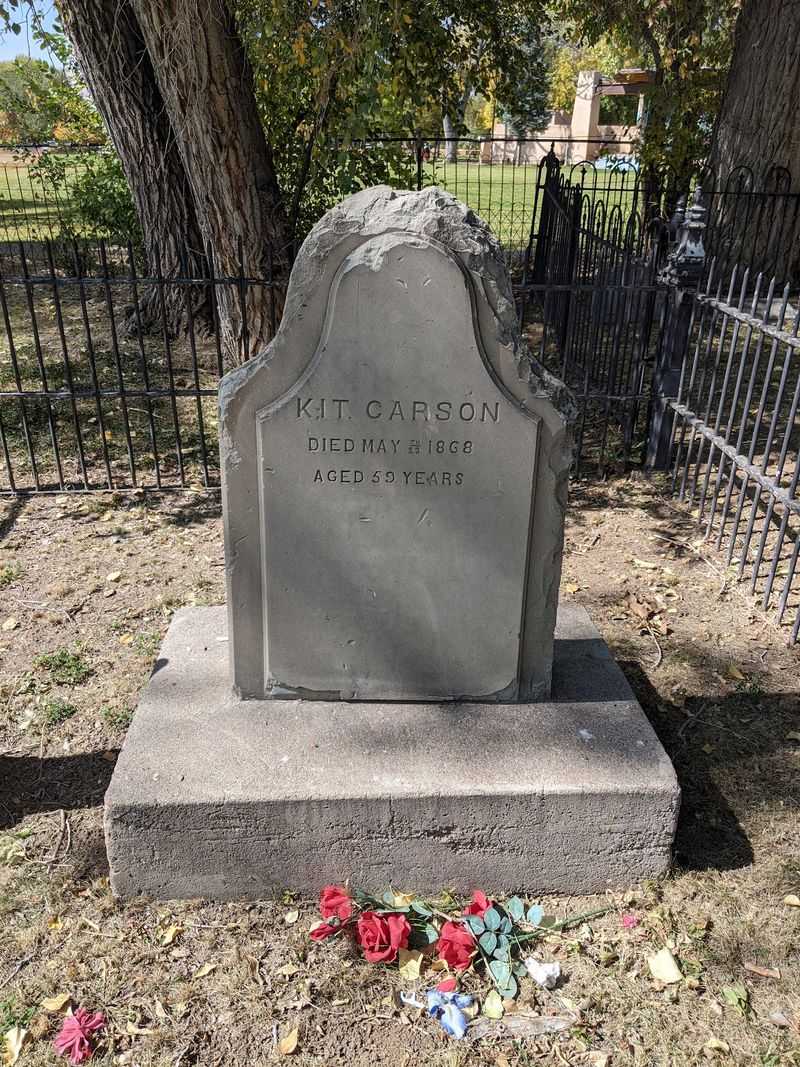
Don’t head straight back to your car when the tour ends. A short walk down the street behind the home leads to Kit Carson Park, a peaceful green space that many visitors add to their stop.
Inside the park sits the Kit Carson Memorial Cemetery, where Carson and his family members are laid to rest. Guests often mention that the museum curator kindly points the way, since the entrance can be tricky to find.
Combining the two makes for a fuller afternoon of frontier history within just a couple of blocks. It’s an easy extension that ties the whole story together.
Some travelers wish the park and grounds were marked more clearly, so it helps to ask the staff for directions before you go. They’re always happy to share the route.
Strolling through the shaded park is a calm way to reflect on everything you’ve learned. For anyone who likes to make the most of a visit, this quiet nearby stop is well worth the extra few minutes on foot.
Hours, Admission, and How to Find It
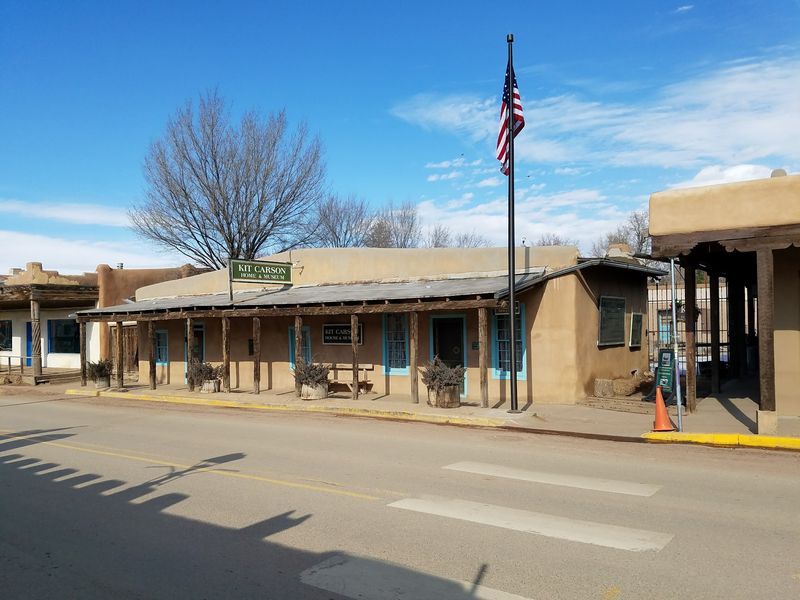
Planning your visit is refreshingly simple. The museum opens from 11 AM to 4 PM Monday through Saturday, with a slightly later start of noon on Sundays, so late mornings and early afternoons work best.
Admission runs about $10 for adults and $8 for seniors, which several guests happily point out is far more reasonable than they expected. Locals, meanwhile, sometimes visit free, making it an easy call for Taos residents.
You’ll find it at 113 Kit Carson Road, just off the plaza in the center of town. A few visitors note the entrance can be a little hard to spot, so keep your eyes peeled as you walk.
If you have questions before arriving, the museum can be reached by phone at 575-758-4945, and more details live on their website.
Because the house is compact, most people wrap up in about 30 minutes, though history buffs can easily stretch it to an hour. Either way, it slots neatly into a walking tour of historic Taos without eating up your whole day.
Why This Little Museum Sticks With You
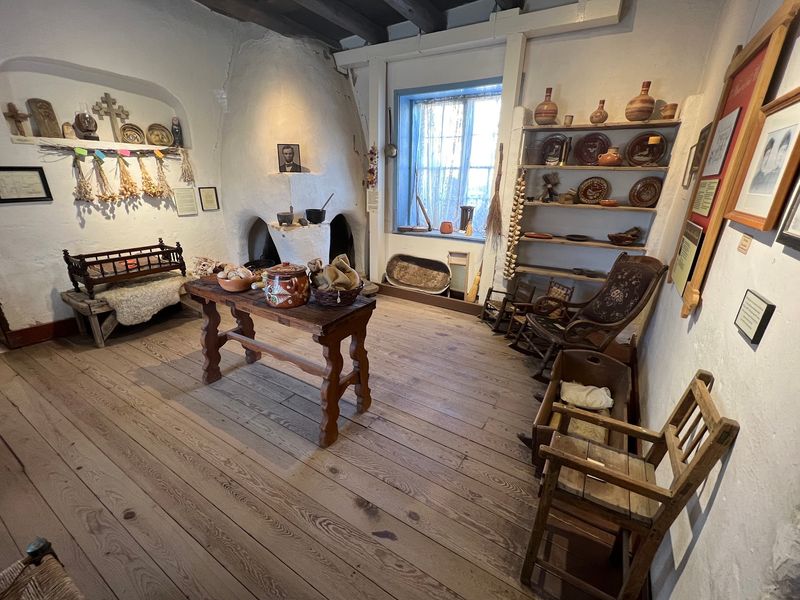
What lingers after you leave isn’t the size of the place; it’s the feeling of standing inside real history. This is a small museum, and it never pretends otherwise, but that honesty is exactly its charm.
Travelers who love the story of the American West tend to walk away genuinely glad they stopped. The mix of authentic artifacts, a thoughtful film, and warm, knowledgeable staff adds up to more than the modest square footage suggests.
Some guests wish for more restoration, and the caretakers share that hope, working steadily to preserve the adobe for years to come. There’s something satisfying about visiting a place that’s still being lovingly protected.
For the price of a movie ticket, you get a documentary, a self-guided tour, and a direct link to a legendary figure. Many say they’ll return, and several plan their trips around it.
If you’re the kind of New Mexico traveler who prizes the real over the polished, this quiet Taos home earns its spot on your list. It’s a humble gem that rewards anyone willing to step inside.