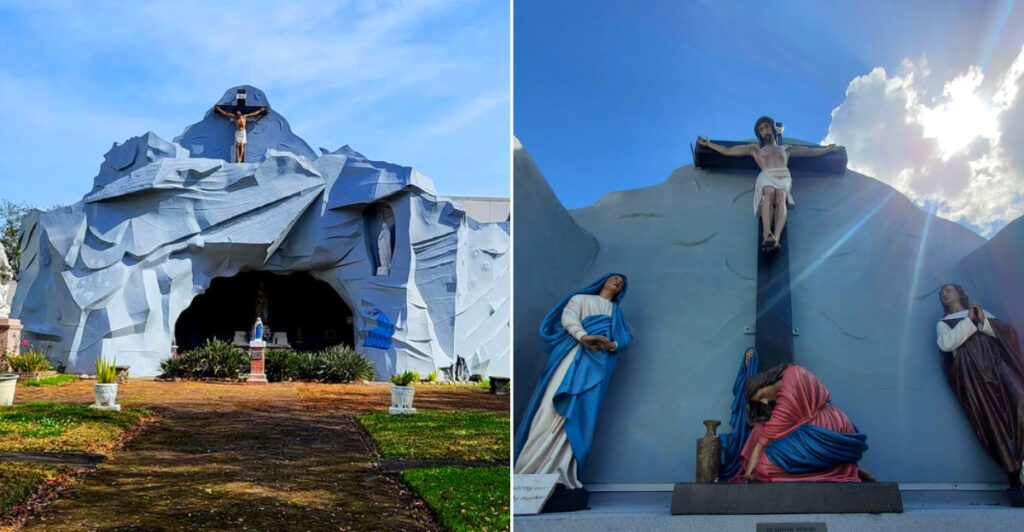
Nobody expects to walk through a recreation of the Lourdes grotto in the middle of a Louisiana neighborhood, but that is exactly what this shrine offers. I stood inside the gate and forgot I was two blocks from a po-boy shop.
The grotto has a waterfall and stone arches that feel like they were shipped from France, and the Holy Stairs recreate the Scala Sancta in Rome, the ones pilgrims climb on their knees.
I did not climb them, but I watched someone do it, and the devotion on her face was the most real thing I saw that week. The shrine sits surrounded by city noise that makes the quiet inside feel deliberate.
I am not particularly religious, and it still stopped me. Louisiana has a way of hiding its most powerful places in plain sight, and this one is hiding where most tourists never visit.
Know The Deep Roots Before You Walk In
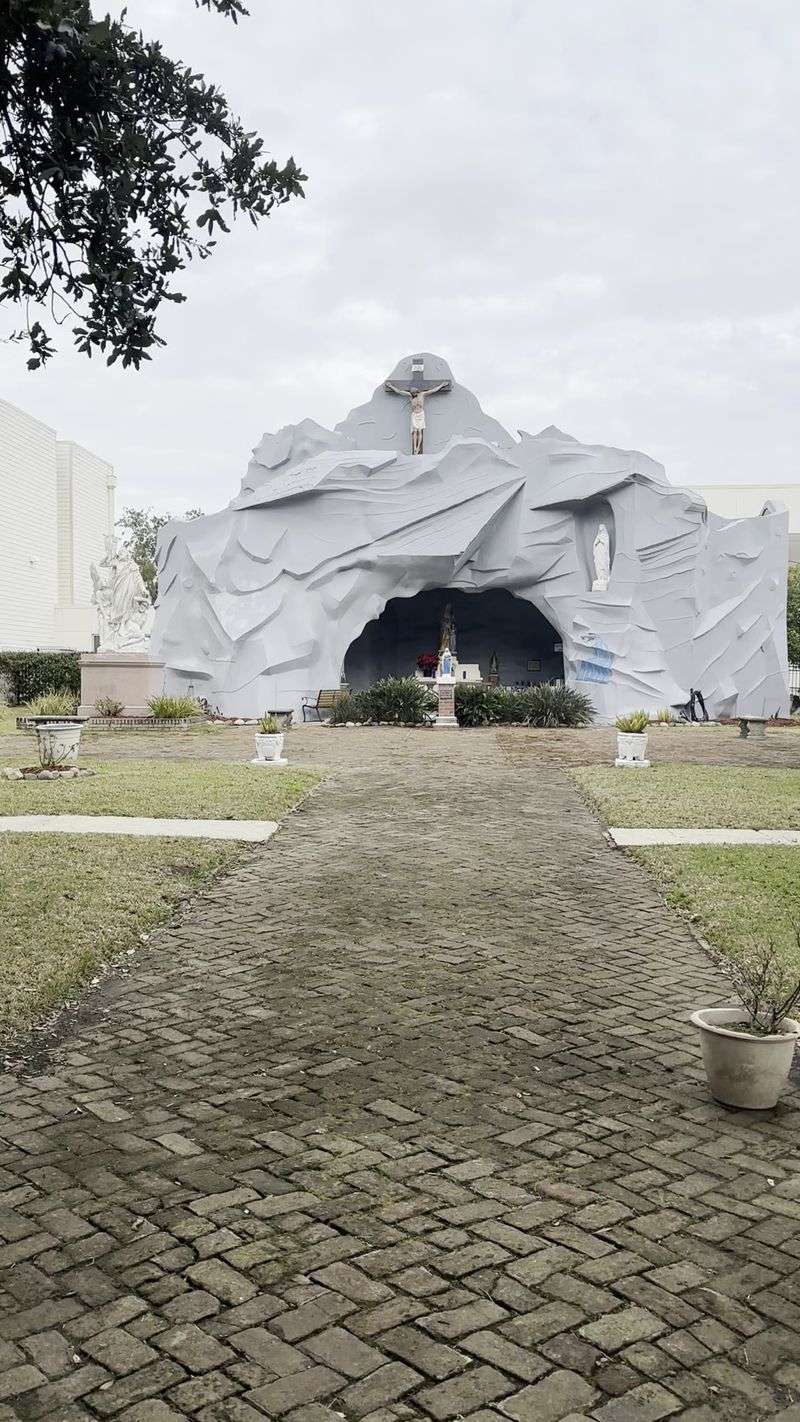
History hides in plain sight here. Devotion to St. Ann in New Orleans goes back to 1852, when the first St. Ann Catholic Parish was established, and the shrine structure now standing at this address was built in 1926.
The parish later closed in 1995, yet the shrine stayed alive because local caretakers and volunteers kept opening the gates, cleaning the grounds, and protecting its purpose.
That long timeline changes how the place feels under your feet. You are not just seeing an old religious site.
You are stepping into a chapter that the neighborhood refused to let disappear. Spend a minute reading any posted information and looking closely at the older details.
The visit becomes richer when you understand that survival here was not automatic. People chose, year after year, to keep this small pilgrimage alive inside the city.
Ursulines Avenue Finds A Grotto Behind The Gates
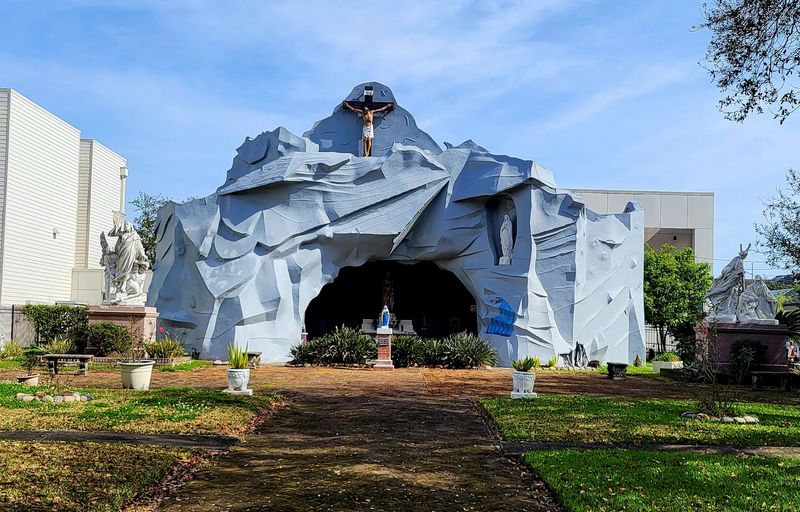
St. Ann Shrine and Grotto is located at 2101 Ursulines Avenue in New Orleans, Louisiana, in the Tremé neighborhood. Ursulines Avenue provides the final approach through this residential part of the city, a short distance beyond the French Quarter.
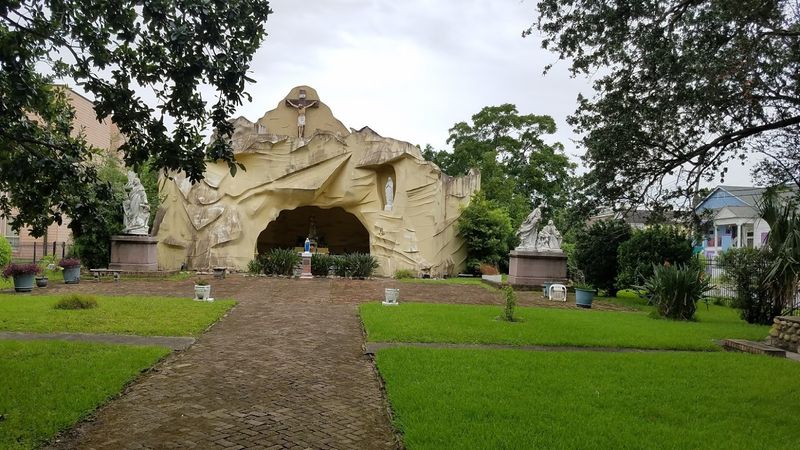
Continue along Ursulines Avenue toward the 2100 block, where the shrine occupies a gated property rather than a conventional church entrance. The large grotto and crucifix rise behind the fence, making the destination easy to recognize once you reach the correct block.
There is no large dedicated visitor lot, so use legal street parking in the surrounding blocks and check posted restrictions carefully. From there, walk to the gate at 2101 Ursulines Avenue for access to the shrine grounds.
Respect The Holy Stairs And Their Purpose
Few features explain the shrine better than the holy stairs rising behind the sanctuary. Visitors traditionally ascend them while praying, often on their knees, as they move through the Stations of the Cross shown in stained glass windows.
It is a physical act of devotion, not just a nice photo moment, and that difference shapes the mood of the whole site.
Before you try the stairs, pause and decide what kind of visit you want. Some people climb in prayer for a special intention, while others simply observe respectfully.
Either choice can be meaningful if you stay quiet and attentive. Comfortable clothes help, and patience helps even more.
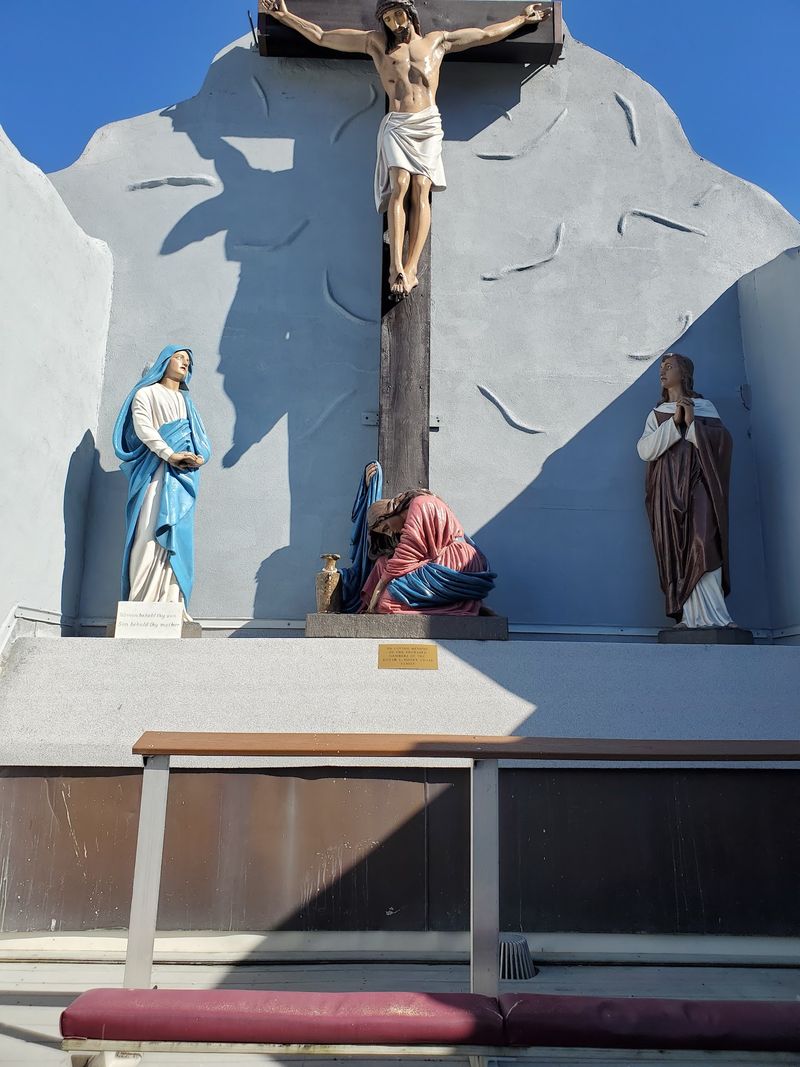
At the top, the large wood-carved crucifix and the statue of St. Ann give the ascent a clear ending, like reaching a summit after a very personal, very local pilgrimage for all visitors.
Let The Stained Glass Slow You Down
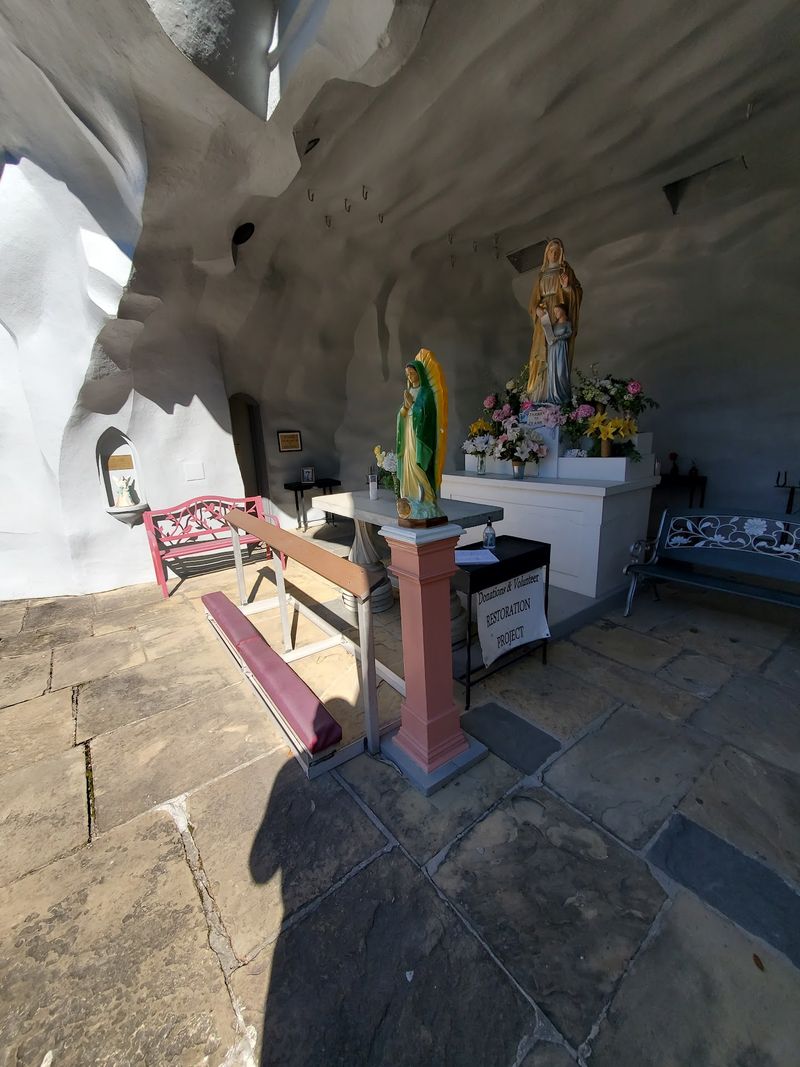
Light does some of the storytelling here. As you look along the ascent, stained glass windows depict the Stations of the Cross, giving color and movement to what could otherwise feel like a narrow devotional passage.
On a bright morning, the glass softens the harder parts of the structure and turns prayer into something both visual and physical.
I liked standing back first, then moving closer panel by panel. That slower rhythm makes it easier to notice how the shrine blends architecture, image, and action into one experience.
Bring the kind of attention you would use in a small museum, but keep the manners of a guest in a sacred space. Quiet observation works best.
If you arrive only hunting dramatic photos, you may miss the real gift, which is how carefully the route guides your thoughts upward so gently.
Spend Time In The Small Room At The Base
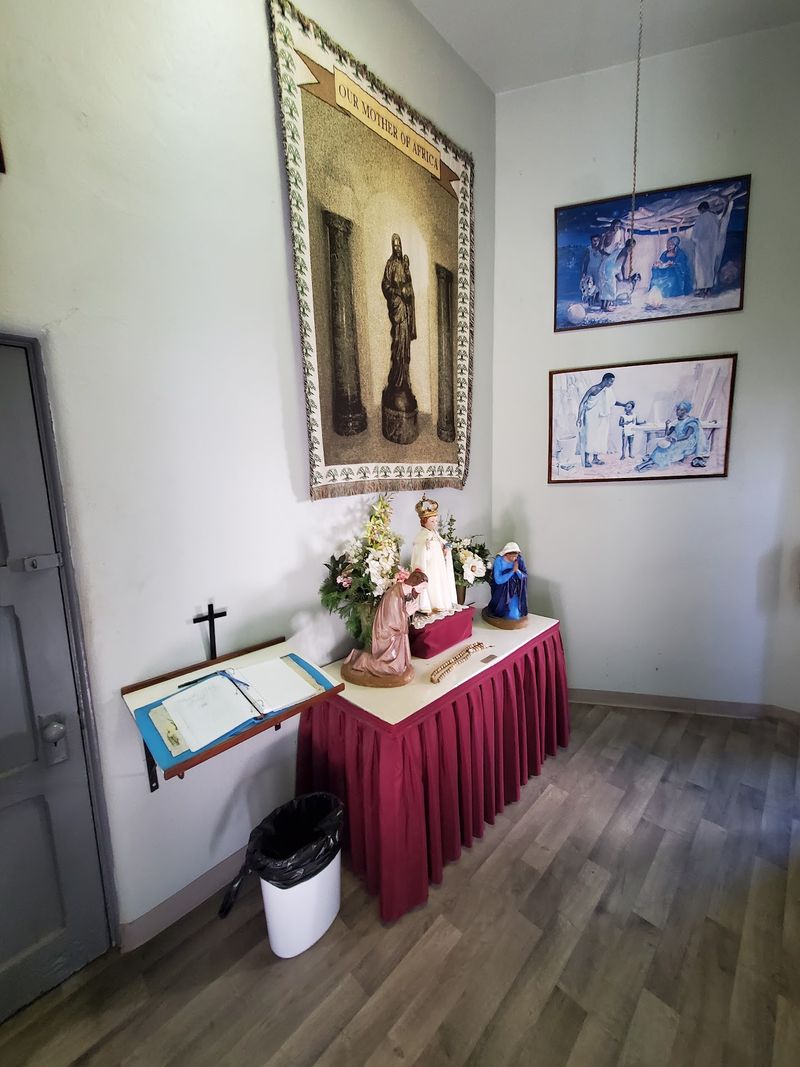
At the bottom, the shrine offers a quieter kind of surprise. A small room near the stairs holds framed holy pictures and additional saint statues, and inside the larger space you will also find scenes from Jesus’ life, death, and resurrection, along with figures of St. Ann and St. Joseph.
After the dramatic climb outside, these interior details slow everything down and invite a more private kind of reflection.
Rather than rushing to the most striking feature, give this lower area a look. The humble scale is part of its power.
Big churches can impress, but small devotional rooms often feel more personal, almost like someone made space for prayer in the middle of ordinary life. If you are visiting with family, this is a good spot to explain who St. Ann is and why her role still matters here.
Plan Around The Short Opening Hours
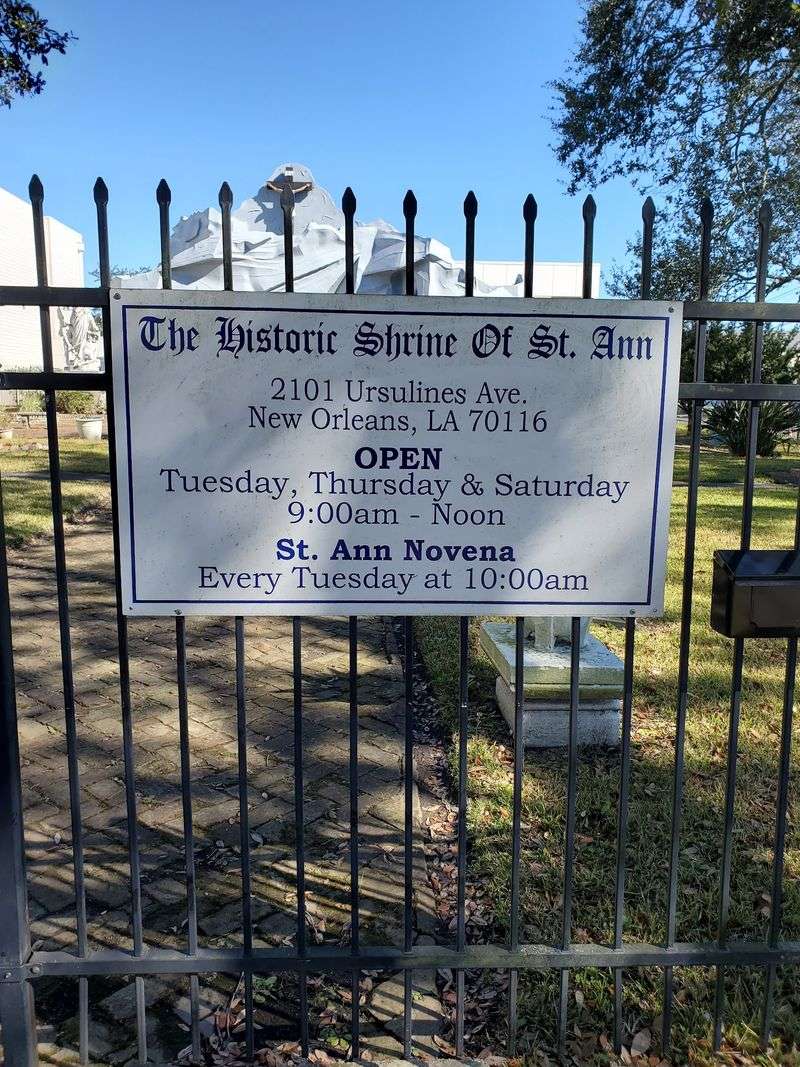
The easiest mistake is showing up when the gates are closed. St. Ann Shrine is typically open on Tuesdays, Thursdays, and Saturdays from 9 a.m. to noon, which means a little planning goes a long way.
Because the site is also visible from outside the fence, some people pass by casually, but the fuller experience comes when you can enter, move slowly, and spend time with the details.
Morning light suits the shrine anyway. The hours make the visit feel almost secret, as if the city briefly opens a side door and then closes it again by lunchtime.
Check current times before you go, especially around holidays or special events. Arriving early gives you room to settle in without hurrying.
It also leaves time to notice the neighborhood around Ursulines Avenue, which frames the shrine’s unusual calm for visitors today.
Aim For The Tuesday Novena If You Can
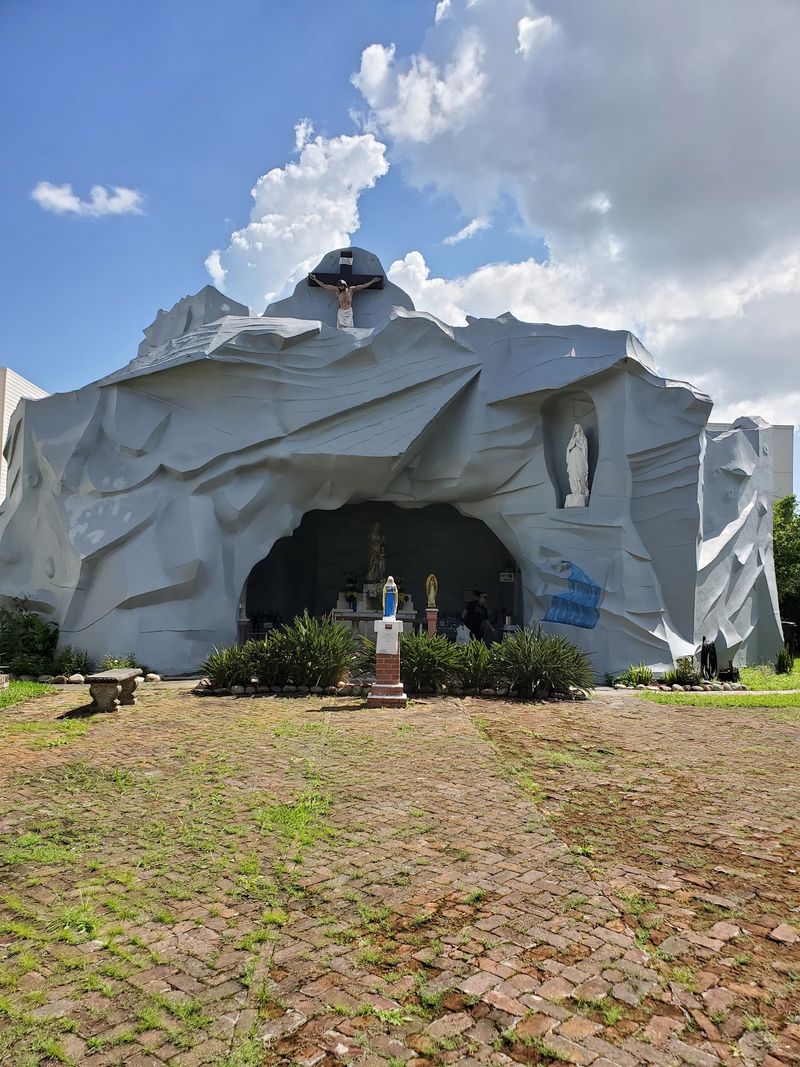
Tuesday morning has its own energy here. The shrine regularly holds a novena to St. Ann every Tuesday at 10 a.m., and that gathering turns a quiet visit into a living local practice instead of a preserved relic.
If you want to understand the place beyond its architecture, this is one of the clearest ways to do it. Prayer is not background decoration here.
It is the reason the site still breathes.
Even if you are not Catholic, attending respectfully can teach you a lot about New Orleans religious culture. Listen more than you speak, follow the lead of regulars, and choose modest behavior over curiosity that feels intrusive.
I found the rhythm steady rather than dramatic, which somehow made it stronger. Bring extra time, because the point is not speed.
The point is presence, repetition, and shared intention.
Visit Around The Feast Day For A Fuller Picture
Late July brings one of the shrine’s biggest moments. The Feast Day of Saints Ann and Joachim is celebrated each year on July 26, with special Mass, rosary, and novena at the shrine.
Visiting around that time can show you the site at its most active and communal, when devotion to St. Ann feels visible and rooted in family life.
St. Ann is honored as the patron saint of grandmothers, mothers, and educators, so the feast carries a warm meaning even before you get to the formal prayers. If your travel dates line up, plan ahead and expect a more religious atmosphere than on a quiet morning.
Dress respectfully and be ready to share space. For me, the appeal of the feast is not spectacle.
It is seeing how a small shrine can hold generations of memory inside one block.
Look For The Signs Of Careful Restoration
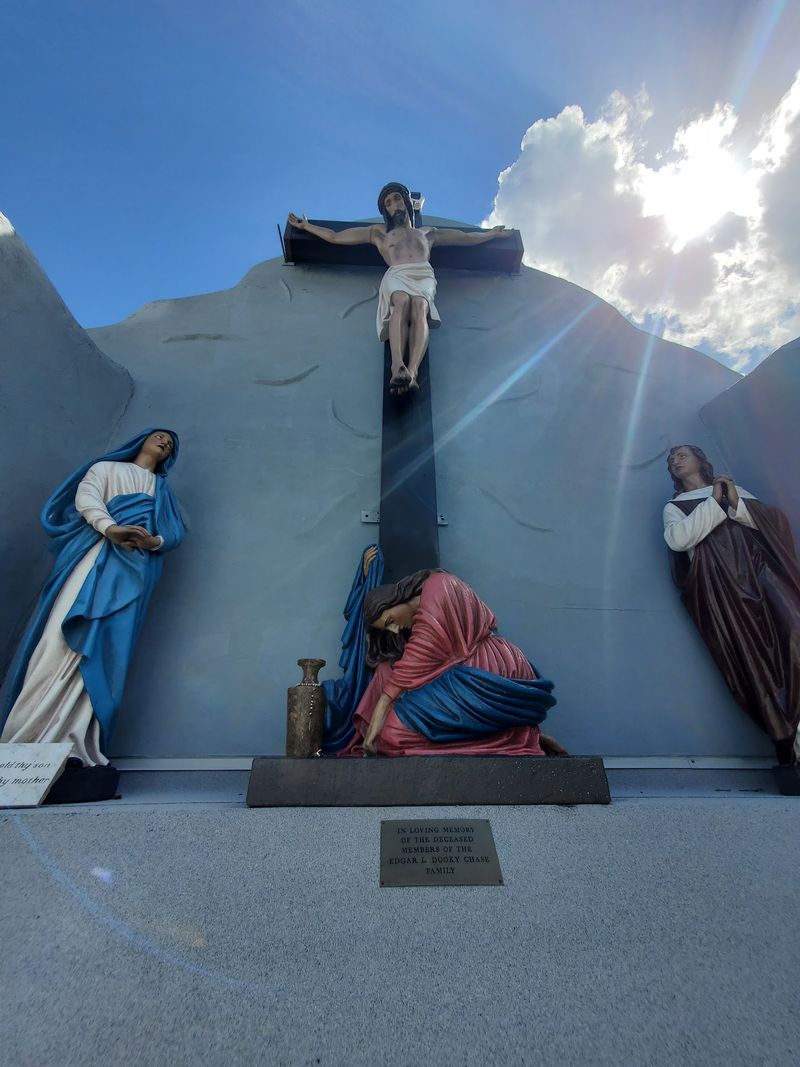
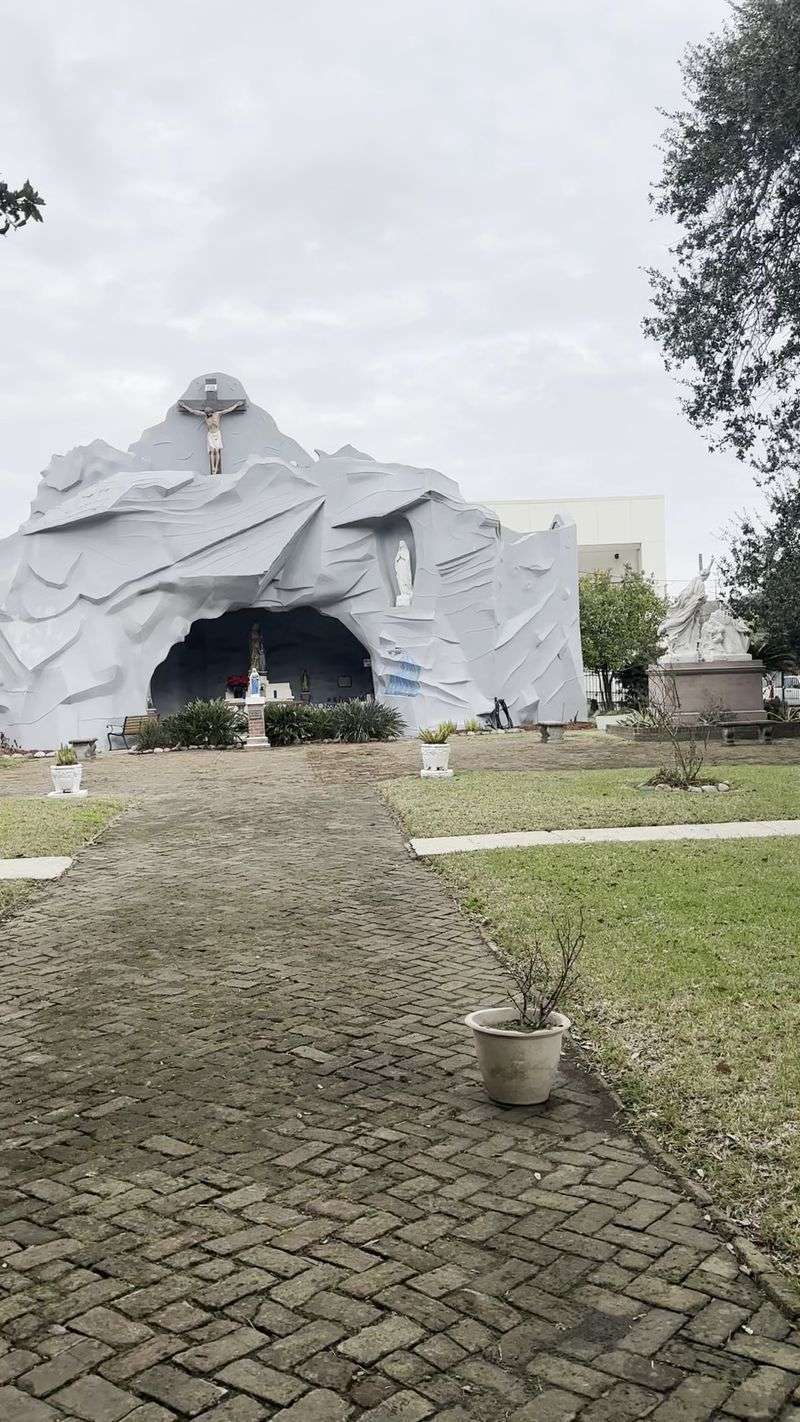
A place like this survives because people keep repairing what weather, water, and time wear down. In 2021, the shrine underwent major renovations after years of damage, including work on the cross, the life-sized statue of Jesus, and the grotto exterior, which was repainted in a stone-like gray.
Knowing that history adds another layer to the visit. You are seeing devotion, but you are also seeing preservation in action.
Look closely and you can sense the careful patching together of past and present. The replacement cross was made with galvanized steel covered in cypress boards, a smart answer to durability without losing character.
I always like sites more when their repairs are visible, because honest upkeep tells a story of use. Give a quiet nod to the volunteers and donors here.
Without them, this recreated pilgrimage might have slipped away.
Notice That The Work Is Still Continuing
Not everything is finished, and that unfinished quality feels hopeful. Even after the renovation, volunteers are still working toward repainting the fourteen Stations of the Cross, replacing termite-damaged windows and wooden stairs, and adding a Sacred Heart of Jesus statue to the room below.
Instead of making the shrine feel incomplete, those goals remind you that sacred places are rarely frozen. They depend on steady care.
If you value places with neighborhood roots, this is a moment to visit and pay attention. Boy Scout troops, Catholic high school students, local helpers, and donors have all played parts in keeping the grounds alive.
That support says something important about Treme and New Orleans. The shrine is not being polished into a museum piece.
It is being maintained as a place of prayer, one task and one volunteer hour at a time.
End With The Gift Shop And The Night Glow
One charming detail many visitors miss is the small gift shop, where rosary beads, candles, medals, and bracelets are sold. It is modest, not flashy, and that suits the shrine perfectly.
If you want a keepsake tied directly to the place’s devotional life, this is better than grabbing a generic souvenir elsewhere. The items feel connected to use, prayer, and memory.
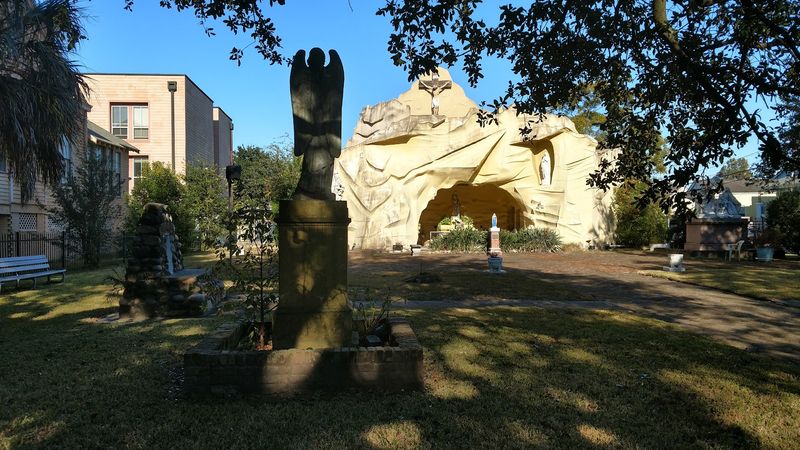
There is another reason to slow down near the end of your visit. At night, the shrine is illuminated, and even from outside the fence it becomes a calm landmark on Ursulines Avenue.
St. Ann, honored here as the mother of the Virgin Mary and patron saint of grandmothers, mothers, and educators, gives the site a deeply family-centered feeling. Leave a little time for that final impression.
The pilgrimage mood lingers long after the gate is behind you there.