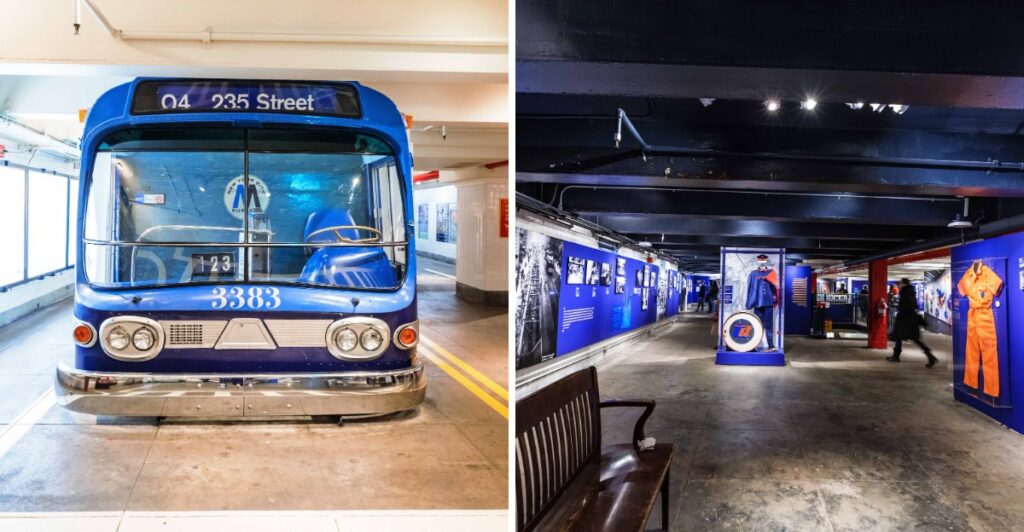
One museum in New York lives inside a real subway station. You buy admission at the bottom of a staircase, just like catching a train.
That station opened in 1936 and stopped serving riders in 1946. The museum moved in for a temporary Bicentennial show in 1976 and simply never left.
Down on the platform, about twenty vintage subway and elevated cars sit parked along a full city block. Some date back to 1907.
Honestly, the idea of sitting on a train seat older than sliced bread makes me grin.
The doors are open. The straps are hanging. The ads are still up. 2026 marks fifty years of this happy accident.
A station with no trains turned out to be the best ride in town.
The Trains Are Parked, And The Doors Are Wide Open
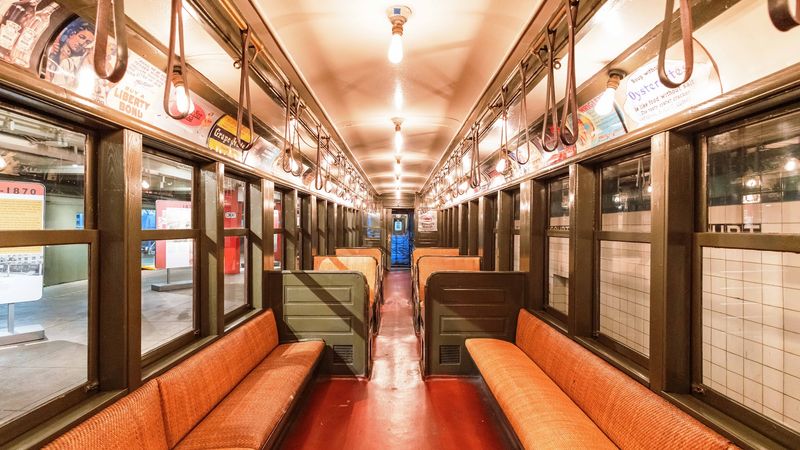
Most museums ask you to keep your hands to yourself. The New York Transit Museum does the opposite and invites you right inside its trains.
Down on the platform level, roughly twenty vintage subway and elevated cars line the tracks. The platform stretches a full city block, so there is room to wander. You can step aboard, grab a seat, and look around like a rider from another decade.
The collection spans more than a century of New York travel. Some cars date to 1907, and the museum also keeps rare gate cars from around 1903. Each car shows how designers thought riders should travel in its own era.
Look closely at the details as you move from car to car. Seats, lights, fans, and window shapes all change with the years. It feels a bit like flipping through a photo album you can actually sit in.
Plan to save the platform for the end of your visit. Upstairs exhibits give the background, so the trains make more sense afterward. Then you get to finish with the best part, like dessert after a good dinner.
Your Ticket Line Starts In A Real 1936 Subway Station
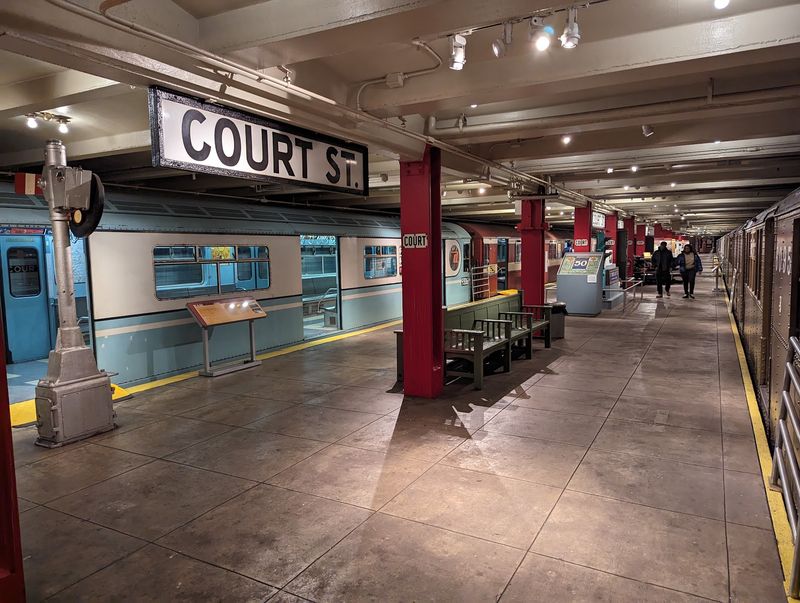
A museum entrance usually means big doors and grand steps. Here, you head down a staircase from the sidewalk, exactly like you are about to catch the train.
That is because the museum sits inside the old Court Street station. It opened in 1936 and closed to riders in 1946. Instead of sitting empty forever, it became a home for transit history.
The museum began on July 4, 1976, as a temporary show for the nation’s Bicentennial. People liked it so much that it stayed. Today it is known as the largest museum in the United States focused on urban public transportation history.
Being inside a real station changes the whole feel. The tiles, the mezzanine, and the platform are not props built for a show. You are standing in the actual space that was designed to move New Yorkers underground.
Keep in mind the main entrance has two flights of stairs. A wheelchair-accessible entrance sits at the corner of Schermerhorn and Court Streets. Restrooms and water fountains are on the mezzanine level, which is handy before you head down to the trains.
Fifty Candles Make 2026 The Year To Go
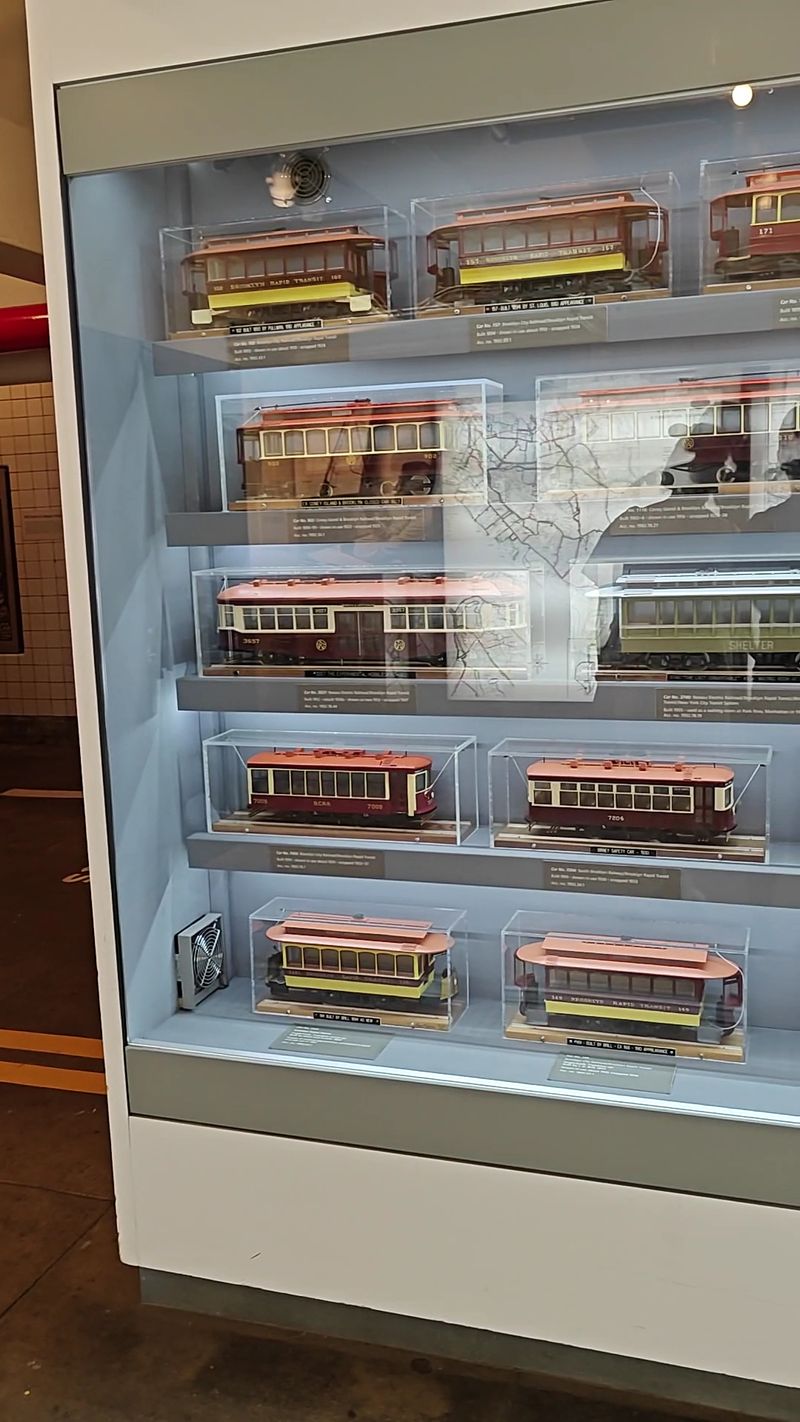
Half a century is a long run for something meant to be temporary. In 2026, the New York Transit Museum celebrates its 50th anniversary, and it is marking the moment in style.
A special exhibition called The New York Transit Museum: 50 Years of Stories explores surprising and fascinating moments in New York’s transportation history.
It is a fun twist. The museum celebrates its anniversary by highlighting lesser-known stories from New York’s transportation history.
The celebration included the Parade of Trains on June 6 and 7, 2026, and continues with Holiday Nostalgia Rides on Sundays from November 29 through December 27.
These old cars do not roll out every weekend. Seeing them out of the station feels like a parade where the floats weigh tons.
Anniversary years tend to bring extra energy, new displays, and special programs. Waiting until next year means missing that party atmosphere. Nobody wants to show up after the cake is gone.
Event details and dates can shift, so check the museum’s schedule before you plan your trip. Advance reservations are encouraged for the Brooklyn location. Booking ahead takes about two minutes and saves you a lot of guessing at the door.
The Diggers Who Carved A City Underground Get Their Due
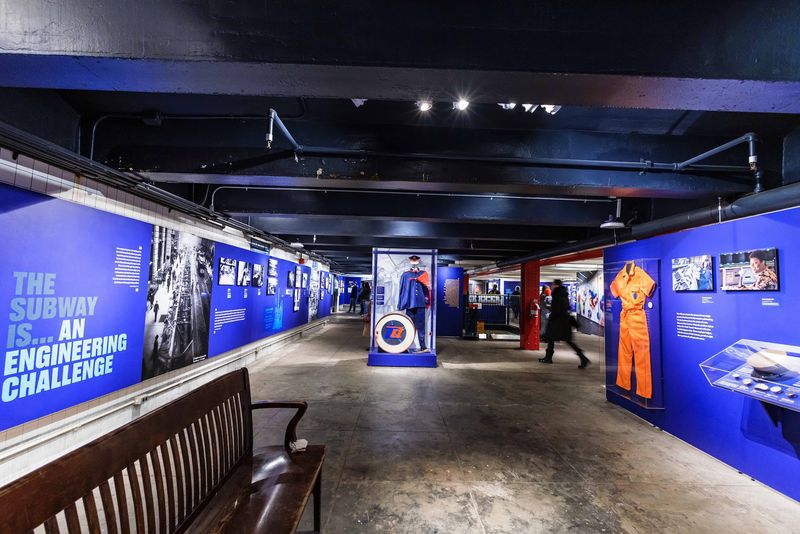
Long before anyone tapped a phone at a turnstile, workers dug the subway with sweat, tools, and serious courage. Steel, Stone and Backbone: Building New York’s Subways tells their story.
The exhibit covers construction between 1900 and 1925. That was when crews pushed tunnels under busy streets, rivers, and solid rock. Photos and artifacts show just how tough and risky that work really was.
It is easy to take a subway ride for granted. After this exhibit, you might look at tunnel walls a little differently. Every mile represents planning, muscle, and plenty of problem solving.
The museum also runs Moving the Millions, which follows how the subway system grew and changed. Together, these exhibits explain how a few early lines turned into a huge network. It is a big story told in clear, easy pieces.
Kids may enjoy the tools and photos, while adults often get hooked on the engineering. Take your time here before heading down to the trains. Knowing how hard the tunnels were to build makes riding those vintage cars feel even more special.
Old Signs Prove Subway Manners Have Always Been A Thing
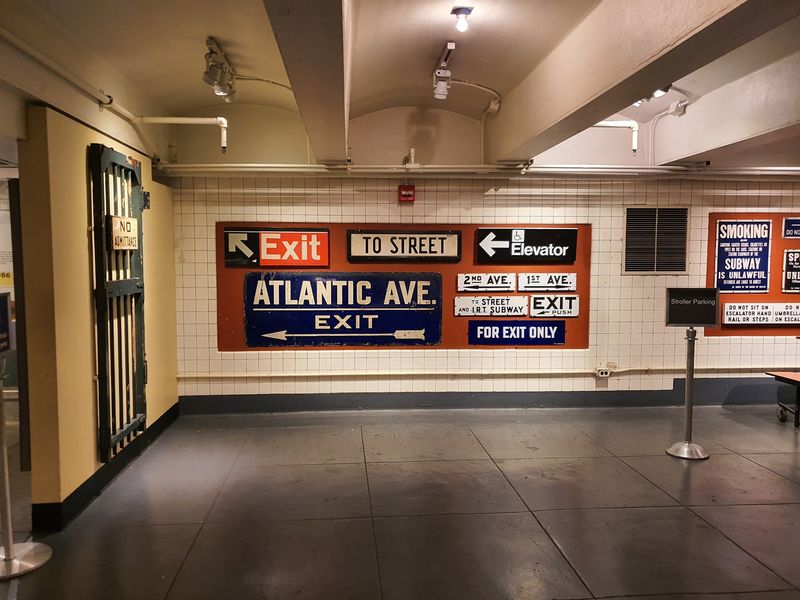
Polite riding is not a new idea. No Spitting on the Platform, one of the museum’s permanent exhibits, proves riders have needed reminders for a very long time.
The exhibit displays historic wayfinding and etiquette signs. Some point you toward trains and exits. Others politely, or not so politely, tell people how to behave.
It is surprisingly fun to read. The rules feel both old-fashioned and familiar. You may spot a sign and think the same advice still applies today.
Wayfinding signs also show how the system grew more complex. As more lines opened, riders needed clearer help finding their way. Fonts, colors, and layouts changed as designers tried new ideas.
Inside the vintage cars, keep your eyes on the advertising cards too. They match the eras of the trains and add plenty of personality. Old ads for beaches, products, and city life make each car feel like a time capsule.
Take a few photos of your favorite signs. They make great conversation starters later. Plus, your friends will finally understand why you keep reminding them to let riders off first.
Little Drivers Can Take The Wheel Of A Real City Bus
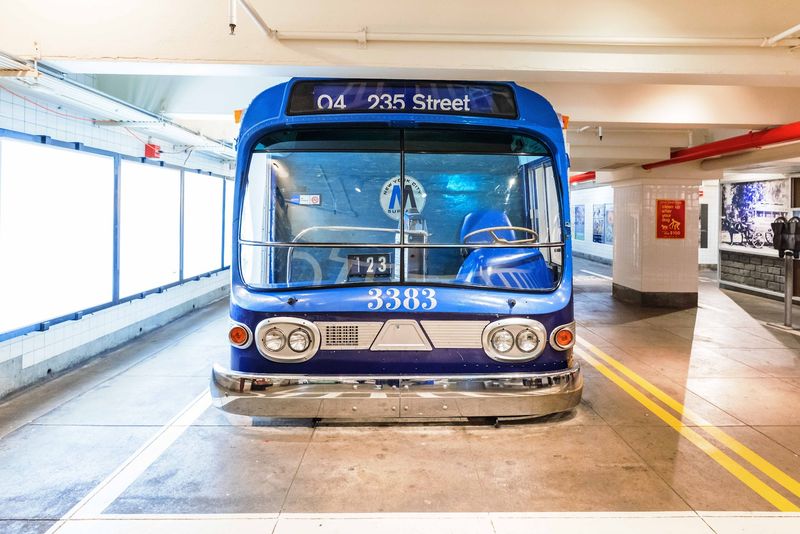
Trains get the headlines, but buses and trolleys have a story too. On the Streets is an interactive exhibit that explores surface transit across New York City.
The star is a 12-seat city bus that visitors can climb into. There is also a fishbowl bus cab, named for its rounded front window. Kids can sit up front and pretend to steer through busy streets.
The exhibit includes street furniture as well. Think of the everyday pieces that make bus stops and sidewalks work. They seem ordinary until you notice how much thought goes into them.
This area gives younger visitors a chance to move, touch, and play. That matters in a museum packed with history. A little hands-on time helps everyone stay cheerful longer.
For parents, it is a nice spot to rest while kids explore. For curious adults, it is a reminder that buses quietly carry huge numbers of riders every day. Either way, nobody needs exact change to board this bus.
Just climb in, grab the wheel, and enjoy the view from the driver’s seat.
Orange Bucket Seats Finally Get Their Own Art Show
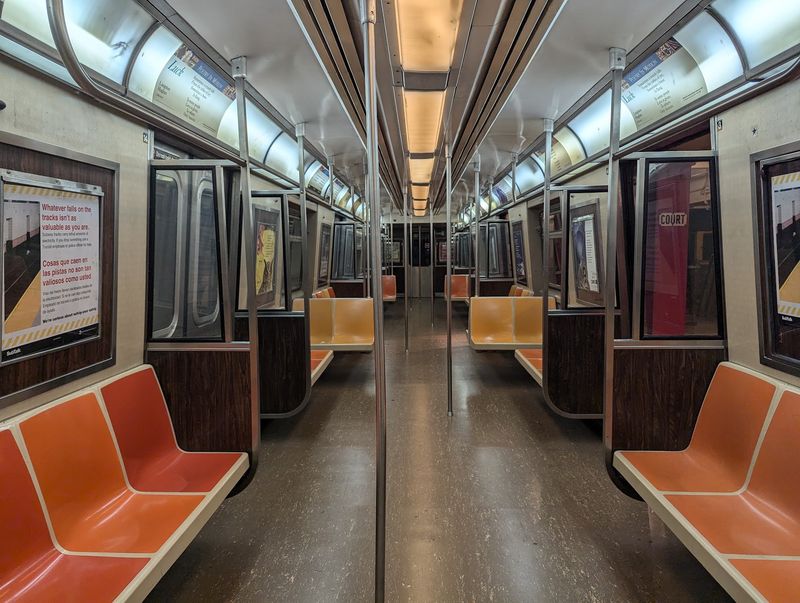
Plenty of New Yorkers have strong feelings about subway seats. Ode to the Orange Seats turns those bright orange and yellow bucket seats into the subject of an art exhibit.
The seats were introduced in 1971. Their bold colors and molded shapes became an instantly recognizable part of riding the subway. For many people, they shout a certain era of New York City.
Giving them an art show sounds playful, and it is. Still, it makes a smart point about design. Ordinary objects can become part of a city’s identity when millions of people use them.
The museum also rotates temporary exhibits, so what you see can change over time. That is good news for repeat visitors. Even if you came years ago, something new may be waiting.
After the art, head downstairs and look for seats in the vintage cars. Comparing the real thing with the art makes both more interesting. You may notice curves, colors, and spacing you never thought about.
Just try not to pick a favorite seat out loud, because everyone else in your group probably has a strong opinion too.
Plan Your Stop And Save Time For The Gift Shop
Good timing makes this trip easy. The New York Transit Museum sits at 99 Schermerhorn Street, Brooklyn, NY 11201, right in Downtown Brooklyn.
Hours run Wednesday through Sunday, from 10 am to 4 pm. The museum is closed Mondays and Tuesdays.
It also closes for Juneteenth, Thanksgiving Day, Christmas Day, and New Year’s Day.
Since it closes at 4 pm, an early start helps. That leaves time for upstairs exhibits and a relaxed stroll through the trains. Rushing the platform would be a shame after coming all this way.
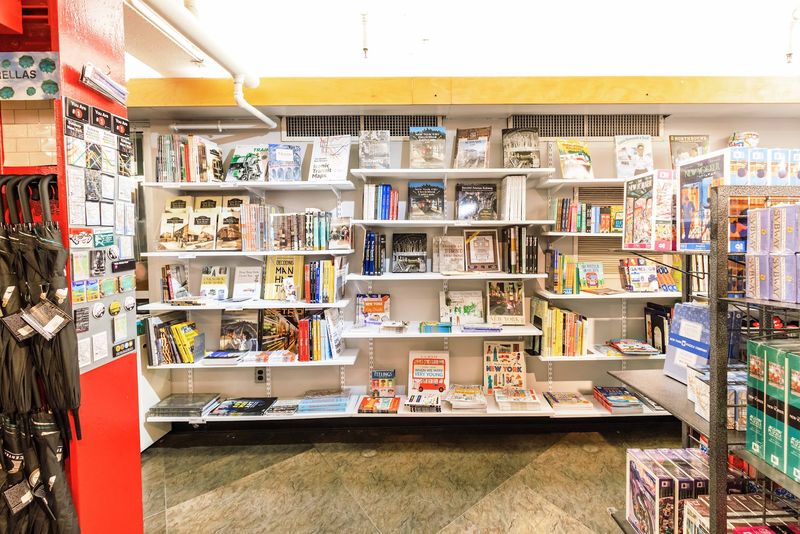
Before leaving, stop by the gift shop. It offers a wide range of transit-themed merchandise for train fans of every age. Maps, signs, and subway-inspired gifts make souvenirs feel extra New York.
Can’t make it to Brooklyn? A smaller satellite gallery and store sit inside Grand Central Terminal. A shop at 2 Broadway also sells museum merchandise.
The museum is a self-supporting division of the MTA, so your visit helps keep the collection rolling. That is a pretty good reason to treat yourself to one more souvenir on the way out.