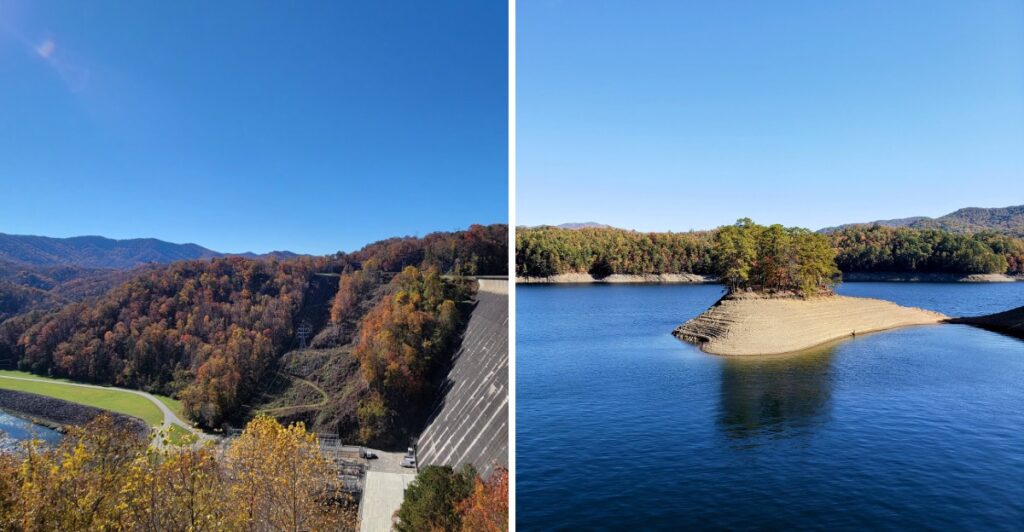
You can walk across the top of a 480-foot dam in North Carolina. Yes, the view is as dizzying as it sounds. It’s the tallest dam east of the Rockies, so the average bridge suddenly looks like a speed bump.
Crews built it in roughly 36 months, which is wildly fast for something this big. When it was done, it ranked as the fourth-tallest dam in the world.
Look one way, and the gorge drops below your feet. Look the other way, and emerald-blue water stretches between the ridges like a screensaver come to life.
The walk is 2,365 feet long. Good luck crossing without stopping for a dozen photos.
You Can Walk Across The Tallest Dam In The East
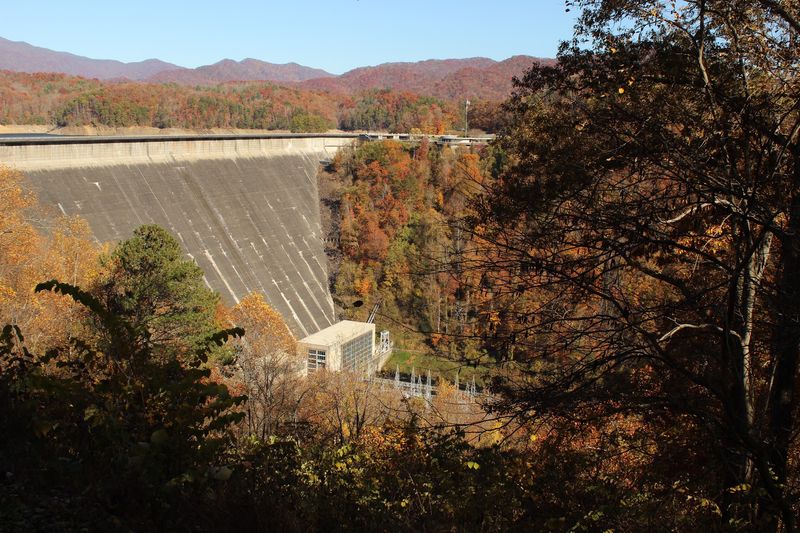
Four hundred eighty feet. That’s how tall Fontana Dam stands, making it the tallest dam east of the Rocky Mountains.
When the Tennessee Valley Authority finished it, the structure ranked as the fourth-tallest dam in the world. It stretches 2,365 feet across the Little Tennessee River, which makes for one serious stroll.
The best part is how close you can get. Visitors can walk or drive across the top, so you’re not stuck admiring it from some faraway overlook.
One side shows Fontana Lake spreading out between the ridges. The other side drops into the deep gorge below, and that view tends to make knees feel a little wobbly.
Walking is the smarter choice if you want time to soak it in. You can pause, peer over, and take as many photos as your phone can handle.
Parking is available both on top of the dam and below it. That gives you options, whether you want to start high or look up from the bottom first.
Bring a light jacket on breezy days. Mountain air moving across open concrete can feel cooler than you expect, even in summer.
Built In Just 36 Months During A Time Of Huge Need
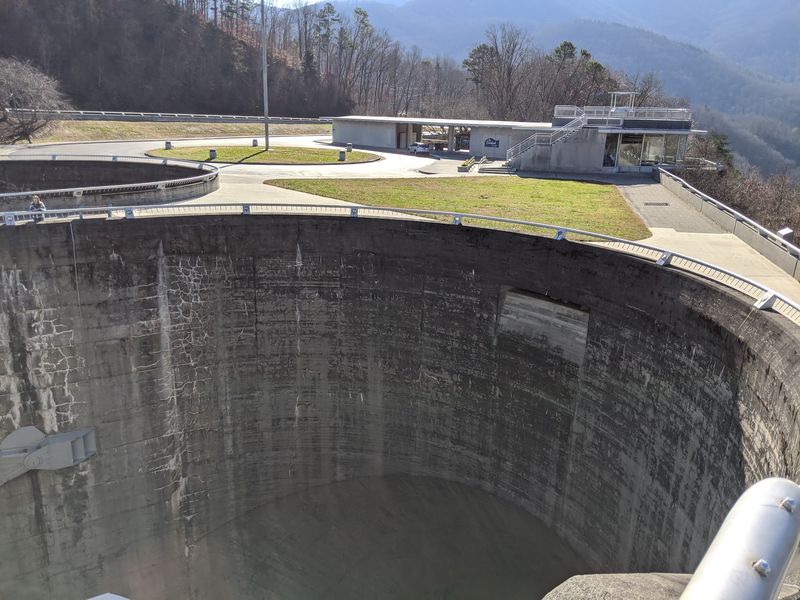
Construction kicked off on January 1, 1942, and crews didn’t waste a minute. The whole project wrapped up in roughly 36 months, which is wildly fast for something this big.
The gates closed in November 1944. By January 1945, the first generators were producing power.
Why the rush? The country urgently needed electricity at the time, especially for aluminum production and research facilities in Tennessee.
The Tennessee Valley Authority led the effort. The project cost about 70 million dollars, a giant sum back then.
History buffs will like this next part. Fontana Dam and its related structures were added to the National Register of Historic Places in 2017.
That honor recognizes more than just height. It celebrates the engineering, the speed, and the people who made it happen in remote North Carolina mountains.
Knowing the story changes how the place feels. Every step across the top becomes a walk over a piece of American history.
Spend a moment thinking about those workers before you snap your selfie. Their effort still powers homes today, and that’s pretty impressive.
The Visitor Center Fills In All The Cool Details
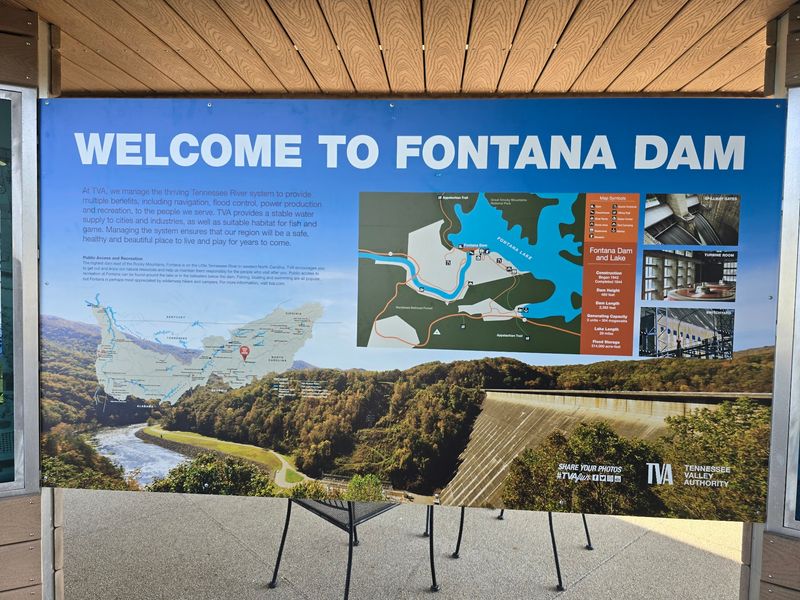
Curious minds, this stop is for you. The Fontana Dam Visitor Center, run by TVA, explains how the dam came together and why it matters.
Inside, you’ll find maps, videos, and displays about construction and TVA history. It’s a quick way to turn a pretty view into a story you actually understand.
Timing is key here.
The visitor center operates seasonally from the first Saturday in April through the last Sunday in October. It opens at 9 a.m. and closes at 7 p.m. from April through August and 6 p.m. in September and October.
It may close on major holidays or during severe weather. Checking ahead before a long drive is a smart move, especially in shoulder months.
An observation deck at the visitor center offers sweeping views of the dam and surrounding mountains. Kids and grown-ups alike tend to love getting that higher look at the lake.
Practical perks count too. The center has public restrooms and is ADA accessible, which helps families and travelers with mobility needs.
Here’s a bonus many folks don’t know. You don’t need a Great Smoky Mountains National Park parking tag to park at the dam.
Plan at least an hour here. Between exhibits and views, time slips away faster than you’d think.
Fontana Lake Looks Like Somebody Turned Up The Color
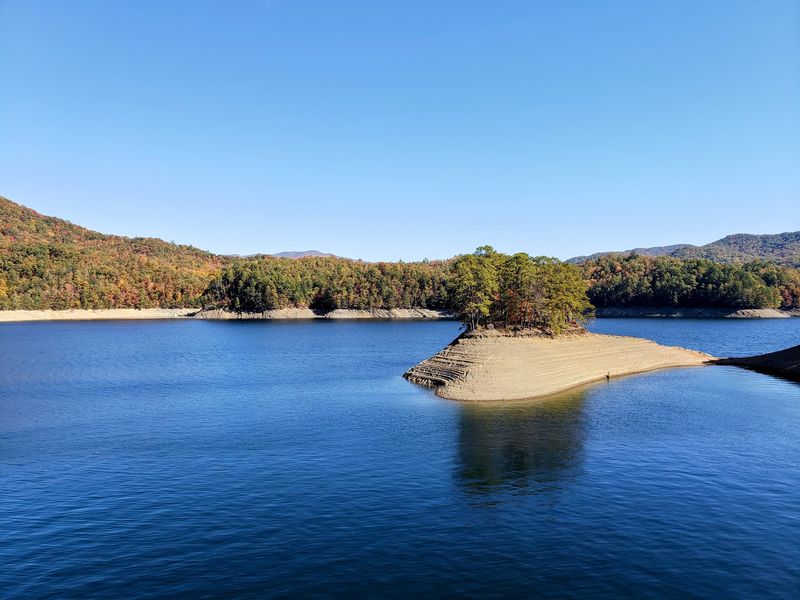
Emerald-blue water is the lake’s calling card. Fontana Lake is known for clear, deep water that practically glows against the green ridges.
The dam created it by holding back the Little Tennessee River. The result covers about 10,230 acres of surface water.
Shoreline? Roughly 238 to 240 miles of it. That’s a lot of coves, bends, and quiet corners to explore.
The neighbors are pretty famous too. Great Smoky Mountains National Park borders the lake to the north, and Nantahala National Forest sits to the south.
Here’s a fun detail. The water level can change by about 57 feet each year as part of flood control.
That means the lake can look different depending on when you visit. Shorelines shift, and some spots appear more exposed during lower levels.
Consider it an excuse for a return trip. Seeing the lake in two seasons is like meeting two versions of the same friend.
Bring sunglasses and a good camera. The color makes even quick snapshots look like postcards.
Grab A Paddle Or A Rod And Get On The Water
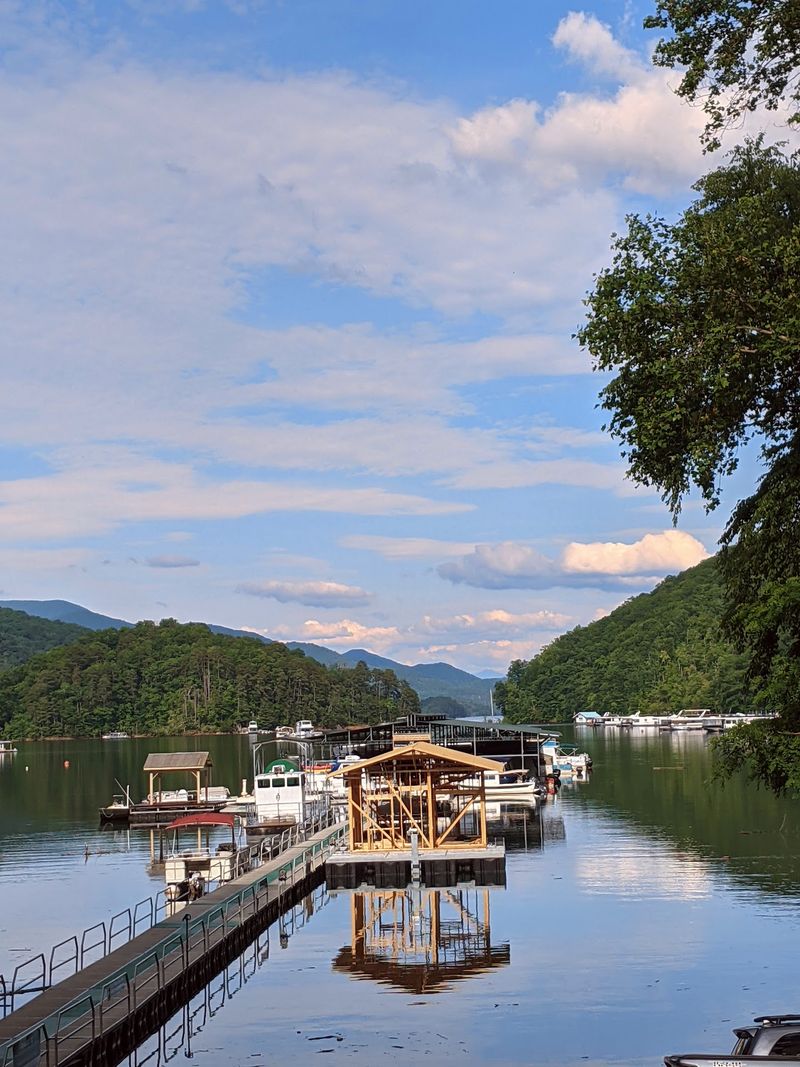
Kayaks, paddleboards, pontoon boats, fishing poles. Fontana Lake welcomes pretty much every water toy you can name.
Boating, kayaking, paddleboarding, swimming, and fishing are all popular here. The clear water makes even a lazy paddle feel special.
No boat? No problem. Marinas including Fontana Marina and Fontana Village Resort and Marina offer watercraft rentals.
Anglers get plenty of variety. Species include largemouth and smallmouth bass, walleye, muskie, catfish, pike, whitefish, and bluegills.
Fly fishing fans should know about Eagle Creek and Hazel Creek. Both areas are popular for that style of fishing.
Before you cast, make sure you have the proper North Carolina fishing license. Rules can vary, so a quick check saves headaches later.
Sun protection matters on open water. Reflections off the lake can sneak up on you, so pack sunscreen and a hat.
Paddlers should keep an eye on the weather. Mountain storms can roll in quickly, and getting back to shore early beats a soggy surprise.
Early mornings often feel calm and quiet. That’s a great window for a peaceful paddle.
Lace Up For Trails That Hug The Shoreline
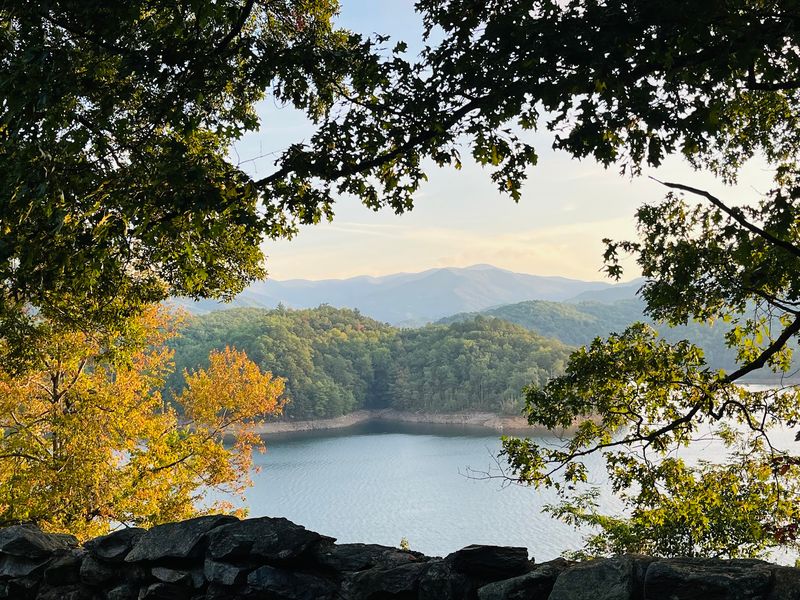
Thirty-three miles. That’s the length of the Lakeshore Trail, which follows the north shore of Fontana Lake inside the national park.
You don’t need to hike all of it. Short out-and-back walks still deliver forest scenery and peeks of the water.
Plenty of other trails start near the dam area. Eagle Creek Trail and Goldmine Loop are two options inside Great Smoky Mountains National Park.
Bigger adventurers can plan multi-day trips. Shorter hikes work great for families or anyone easing into mountain terrain.
Craving wheels or hooves instead? The nearby Tsali Recreation Area offers trails for mountain biking and horseback riding.
Pack water, snacks, and a paper map. Cell service can be unreliable in remote mountain areas, so don’t count on your phone alone.
Let someone know your route before you head out. It’s an easy habit that adds real peace of mind.
Spring and fall bring comfortable hiking temperatures for many folks. Summer works too if you start early and take shady breaks.
Every trail here pairs nicely with a final stop at the dam.
Getting There Is Half The Mountain Adventure
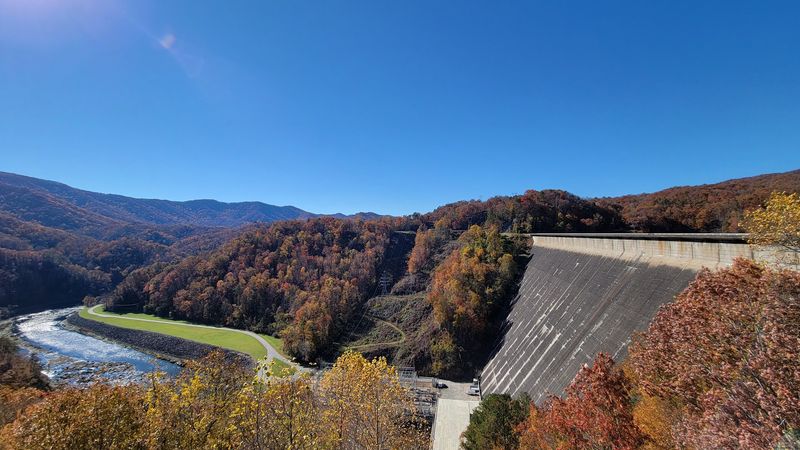
Remote is the right word for this spot. Fontana Dam sits in Swain and Graham counties, close to the Tennessee state line.
For your GPS, use 71 Fontana Dam Road, Fontana Dam, NC 28733. Trust it, but also download offline maps before losing signal.
Roads around here twist through the mountains. Allow extra time and enjoy the views instead of racing the clock.
Fontana Dam Road (County Road 1245), which branches off NC 28, provides access to the dam and crosses its top.
A temporary single-lane closure for concrete maintenance was scheduled through September 25, 2026.
Pedestrians could still walk across during that work. Checking TVA updates before your 2027 trip is a smart way to avoid surprises.
Fill your gas tank before heading in. Stations can be sparse in this corner of North Carolina.
Motion sickness? Sit up front and take breaks at pull-offs. The curves can be a lot for some passengers.
The payoff is worth every bend. Arriving at the dam after that drive feels like reaching the end of a great movie scene.
Pack snacks, a playlist, and patience. The mountains handle the rest.
Stay Nearby In A Village With Real Roots
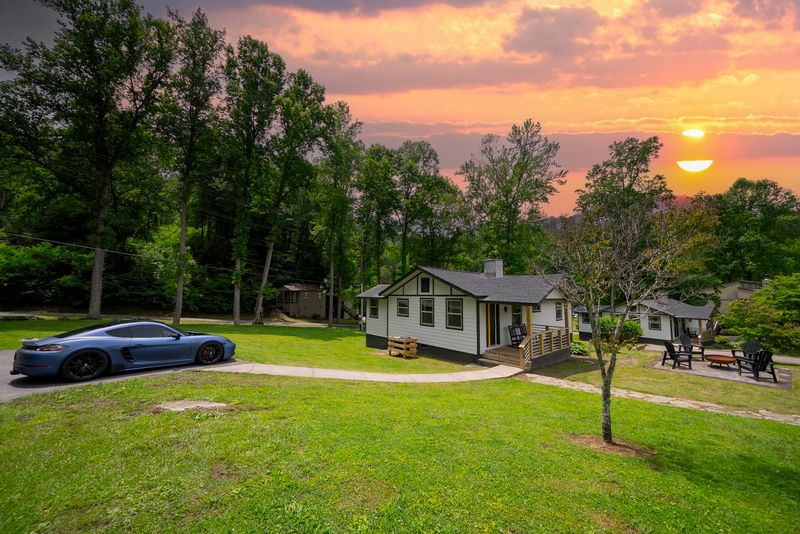
Long before vacationers showed up, dam workers lived here. Fontana Village started as their home during construction.
Today it’s a year-round resort. You’ll find lodging, cabins, campgrounds, a marina, and a range of activities close to the dam.
Staying overnight changes the whole trip. You can catch the lake early, hike midday, and return to the dam later without rushing.
Families like having options in one area. Couples might prefer a quiet cabin and a slower pace.
Campers get their own slice of mountain life too. Waking up near the Smokies is a pretty great alarm clock.
Book early if you’re visiting in peak seasons. Remote places with limited rooms can fill up quickly.
Fontana Dam makes a strong 2027 pick for a simple reason. It blends record-breaking engineering, real history, and outdoor fun in one stop.
Few places in North Carolina let you walk on a landmark and paddle beside it on the same day. That combo feels hard to beat.
Leave room in your plans for lingering. This view deserves it.