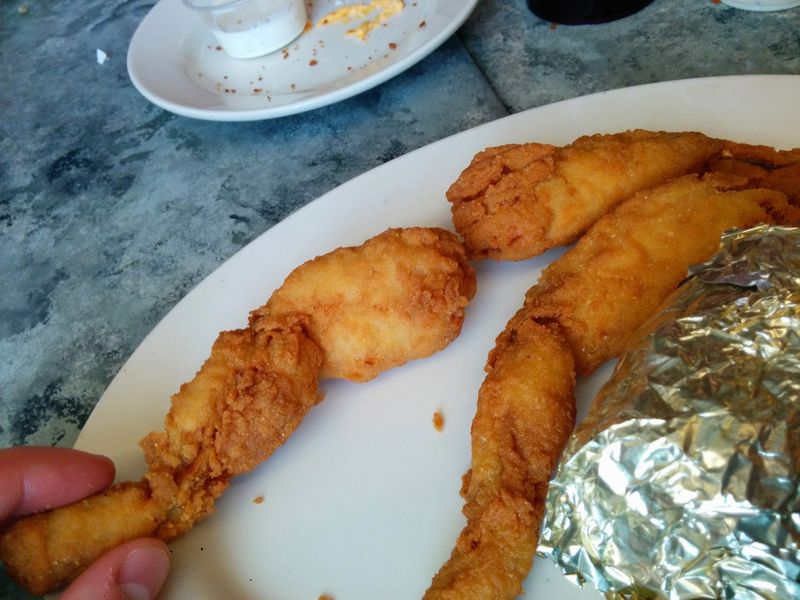
Somewhere in North Carolina, a restaurant earns its reputation one platter at a time, drawing people who are willing to leave their own towns behind just to sit down for a meal. The fish-camp tradition in this state runs deep, blending a coastal culinary heritage with the kind of casual, no-fuss hospitality that feels increasingly rare.
When a place manages to hold onto that identity, word travels, and so do the people who love that kind of food. What follows is a closer look at one inland spot that some diners consider worth the drive.
A Maiden fish camp draws diners from beyond town
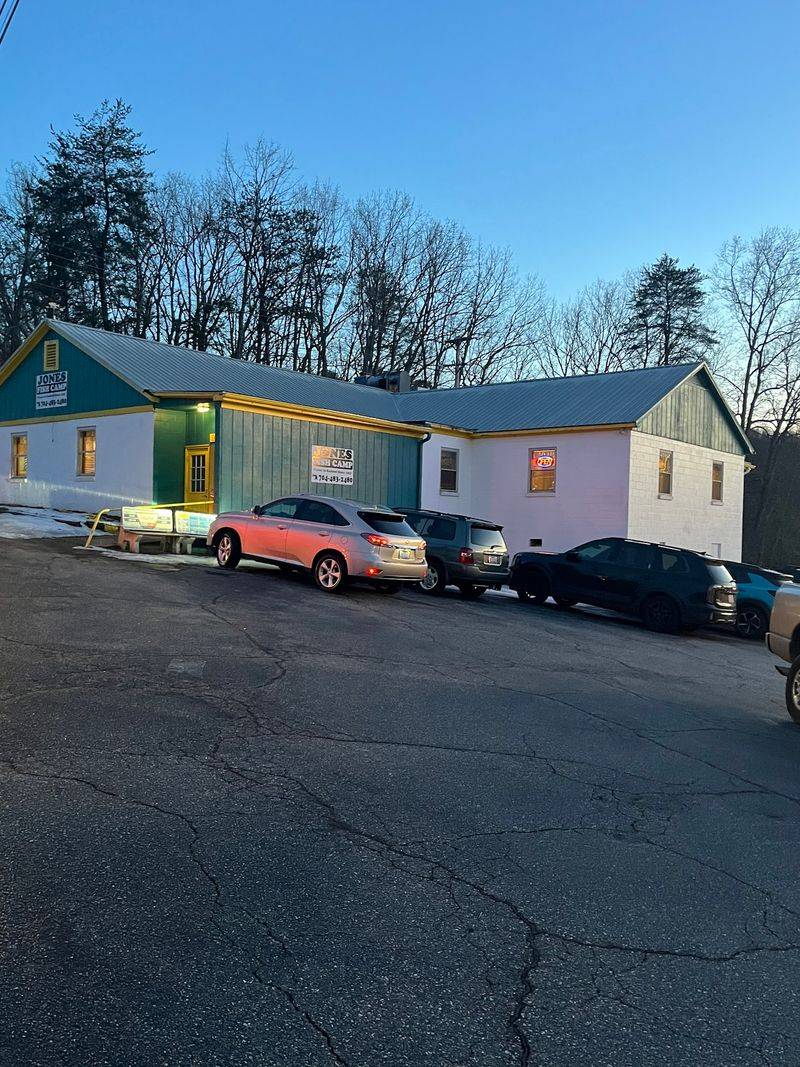
Jones Fish Camp sits at 5269 NC-16 in Maiden, North Carolina, a small Piedmont community in Catawba County. The restaurant has been identified by the North Carolina Folklife Institute as a modern Carolina fish camp, placing it squarely within a recognized regional dining tradition rather than as a generic seafood spot.
That distinction matters when you start looking at who shows up to eat. Individual reviewers on Tripadvisor have mentioned traveling substantial distances to reach the restaurant, with some accounts describing trips of 45 to 90 minutes, including at least one that involved takeout rather than a sit-down meal.
Those are personal stories, not a measured pattern, but they do suggest that the restaurant carries a certain pull beyond its immediate neighborhood.
Calling it a destination in the proven, statistical sense would be overstating things. What the available evidence actually shows is that some people treat a meal at Jones Fish Camp as worth a longer outing, and that a handful of those people have taken the time to say so publicly.
Maiden itself is not a large city, and a fish-camp restaurant operating primarily in the evenings on select days of the week is not the kind of place that markets itself through glossy campaigns. The reputation here appears to be the old-fashioned kind: passed along by people who ate there and wanted others to know about it.
Whether you come from ten minutes away or much farther, the starting point is the same recognizable menu of fried seafood and familiar sides.
What “fish camp” means in North Carolina
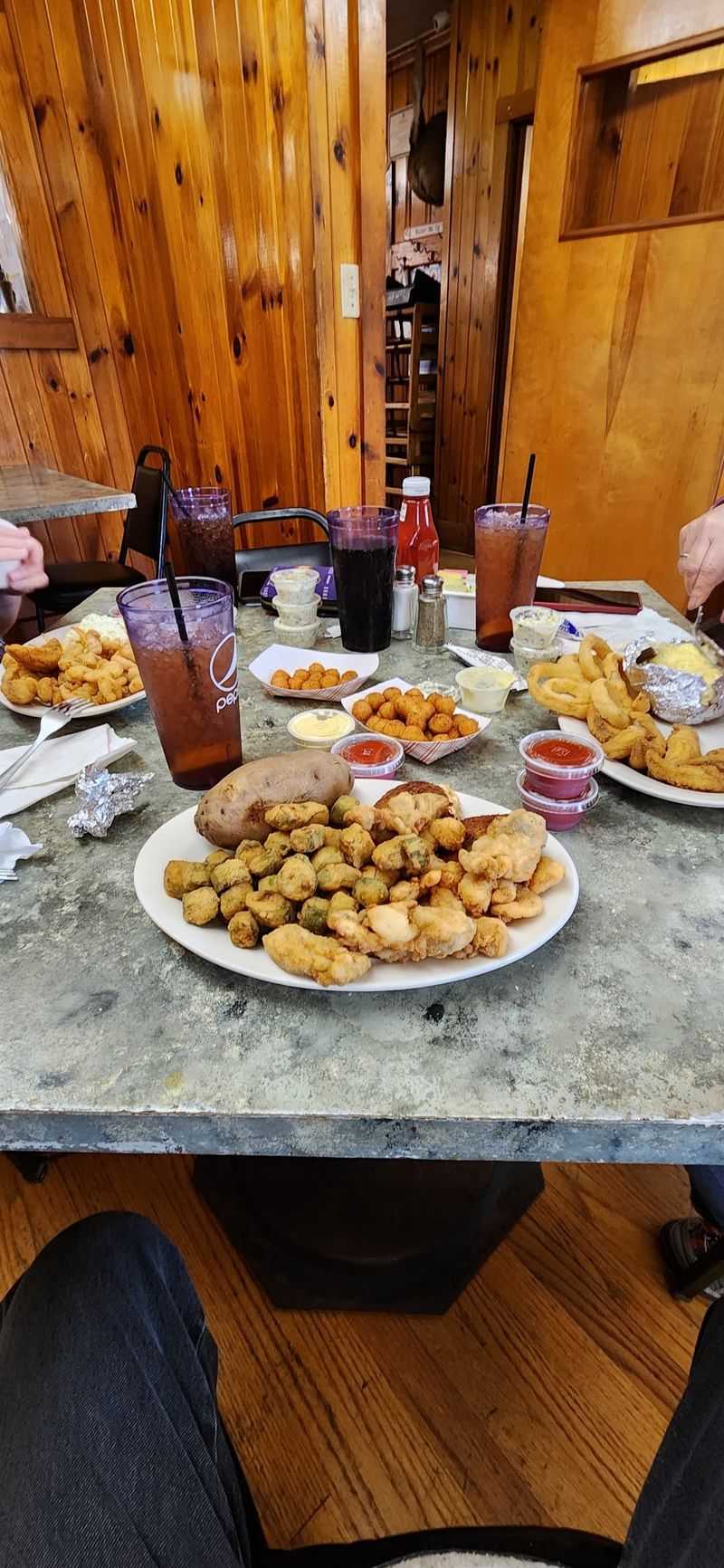
The phrase “fish camp” carries more history than it might seem at first glance. According to NCpedia’s entry on fishing camps, North Carolina’s original fishing camps were seasonal coastal communities tied directly to commercial fishing operations.
Workers and fishermen would set up temporary quarters near the water during peak seasons, creating small, informal communities organized around the catch.
Over time, that coastal identity shifted into something more broadly cultural. The North Carolina Folklife Institute draws a clear line between those historic seasonal camps and the modern restaurants that use “fish camp” as a name and a cultural signal.
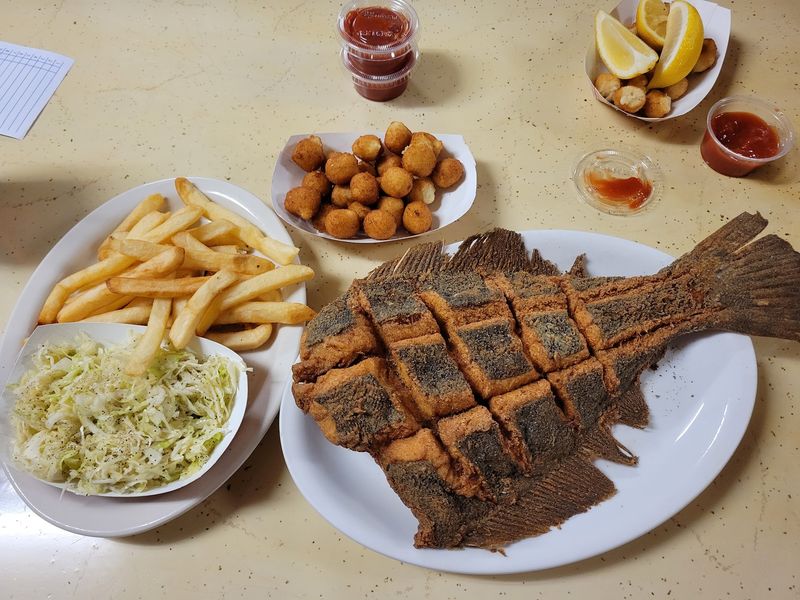
Today, a fish camp is a casual seafood restaurant that keeps the spirit of that tradition alive through fried fish, shellfish, hushpuppies, coleslaw, and platter-style meals served without much fuss.
The key distinction worth holding onto is this: calling a restaurant a fish camp does not mean it was once a literal fishing operation. Jones Fish Camp in Maiden is not a historic coastal site.
It is an inland Piedmont restaurant that belongs to the modern restaurant tradition the term now describes.
That tradition has its own character. Fish-camp restaurants tend to lean toward straightforward preparations, familiar sides, and an atmosphere that prioritizes the food over the setting.
The emphasis is on feeding people well rather than impressing them with decor or elaborate menus. For diners who grew up eating at places like this, the experience carries a comfortable familiarity.
For newcomers, it offers a window into a regional dining culture that has held its shape across generations even as the original coastal camps faded into history.
The menu lists classic fish-camp fare
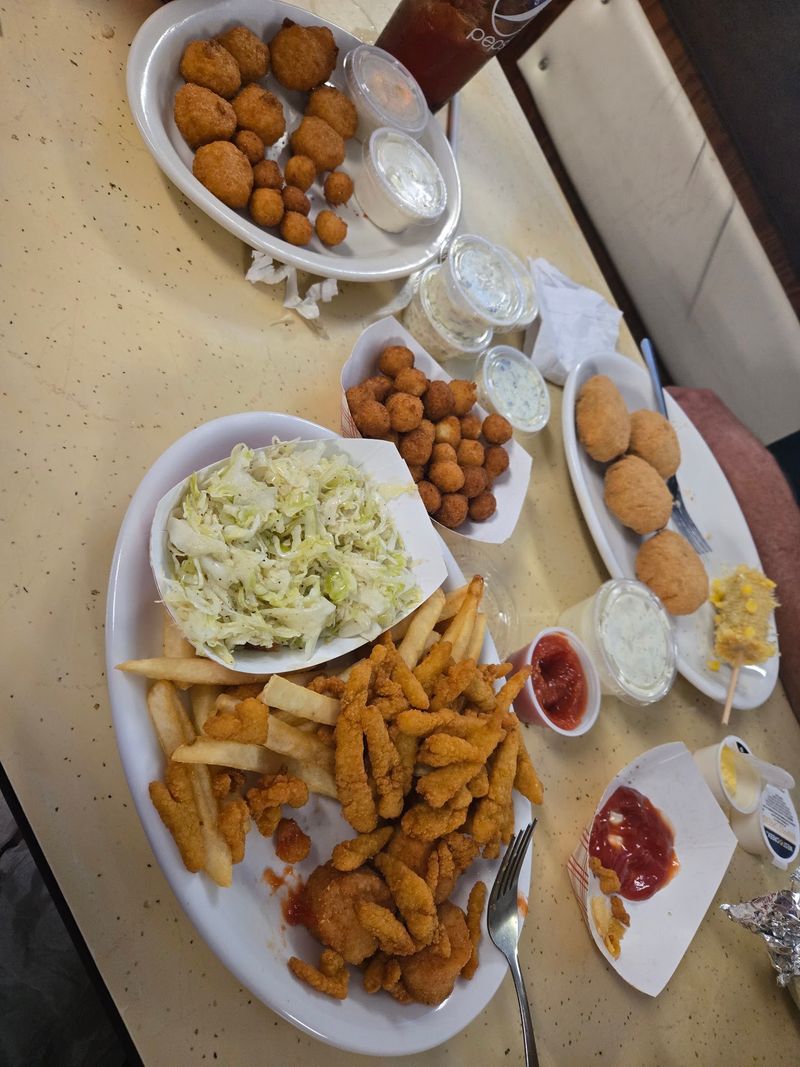
Looking at the available menu information for Jones Fish Camp, the lineup reads like a checklist of fish-camp essentials. Listed dishes include fried flounder fillets, combination seafood plates, hushpuppies, coleslaw, french fries, baked potatoes, sweet potatoes, and crab cakes.
That range covers the core of what a Carolina fish-camp meal is supposed to look like.
Fried flounder is a particularly central item in this tradition. It is the kind of fish that has anchored inland and coastal seafood restaurants across the Carolinas for decades, and its presence on a menu is often the first signal that a place is serious about the fish-camp format.
Combination plates allow diners to sample across a few items rather than committing to a single protein, which suits the platter-style approach that defines the category.
Hushpuppies and slaw are not afterthoughts here. In fish-camp culture, those sides are as much a part of the meal as the seafood itself, and their inclusion on the menu reinforces the restaurant’s identity within the tradition.
One important note: online menu listings are useful starting points, but they are not the same as a current, restaurant-issued menu. Prices, available seafood, and specific dishes can change, and what appears on a third-party ordering site may not reflect what is actually being served on a given evening.
The safest approach before making any kind of trip is to call the restaurant directly and confirm what is available that day. Treat the menu outline above as a general picture of what the restaurant has historically offered, not as a guaranteed current listing.
Some diners make the meal a longer outing
A handful of personal accounts posted to Tripadvisor suggest that Jones Fish Camp draws at least some visitors from outside Maiden’s immediate area. One reviewer mentioned preferring a 90-minute drive to this restaurant over other options closer to home, while another described making a trip of roughly 45 minutes specifically to pick up takeout.
Those are individual choices, not a documented regional habit, and they do not tell us what specifically motivated each person to make the trip.
Reading those accounts as proof that “locals drive an hour for a table” would be a stretch. The available evidence is a small number of personal testimonials, and at least one of them involved carrying food home rather than sitting down at the restaurant.
What those comments do suggest, taken together, is that some people consider Jones Fish Camp worth more than a casual, nearby errand. That is a meaningful signal even without a full statistical picture.
Destination dining in this context is probably best understood as a personal decision rather than a community pattern. Someone who grew up eating at fish camps, or who has been looking for a version of that experience, might find the drive entirely reasonable.
Someone else might not feel the same pull. The subjective nature of that calculus is part of what makes these individual accounts interesting rather than definitive.
Sensory descriptions from those same reviewers include words like hot, tasty, and not greasy. Those are personal impressions and should be read as such.
No independent evaluation has confirmed those qualities, and individual experiences at any restaurant can vary based on timing, order, and a dozen other factors. The accounts are worth knowing about, but they are a starting point for your own visit, not a guarantee of what you will find.
Verify the details before you leave home
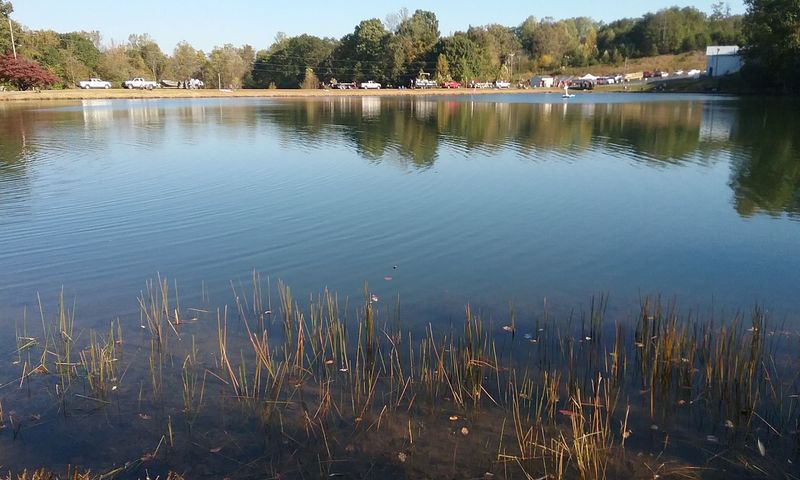
Jones Fish Camp is located at 5269 NC-16 in Maiden, North Carolina. The phone number listed across available third-party directories is 704-483-2480.
Those two pieces of information are the most reliable starting points for planning a visit, because everything else in the publicly available listings should be treated as a lead rather than a guarantee.
Third-party sources such as Menupix and Tripadvisor generally show the restaurant operating Wednesday through Saturday with evening hours, but the exact opening and closing times conflict between listings. A restaurant operating on that kind of schedule can also shift its hours seasonally or for other reasons that would not immediately appear in an online directory.
Jones Fish Camp does not appear to have a clearly verifiable active official website based on the sources reviewed. That means there is no single authoritative place to check current hours, menu offerings, or prices online.
The phone call becomes even more important in that context.
Before making the drive, call ahead to confirm: whether the restaurant is open that day, what time service begins, whether dine-in seating is available, and what is currently on the menu. If you have specific seafood in mind, ask whether it is available that evening.
Prices and portions should also be confirmed directly, since third-party menu listings can be outdated.
Allowing extra time once you arrive is also a smart move. Traditional made-to-order seafood meals are not fast food, and a fish-camp restaurant operating at capacity on a weekend evening may require some patience.
That patience is generally part of the experience rather than a problem to solve.
Plan takeout around seafood safety
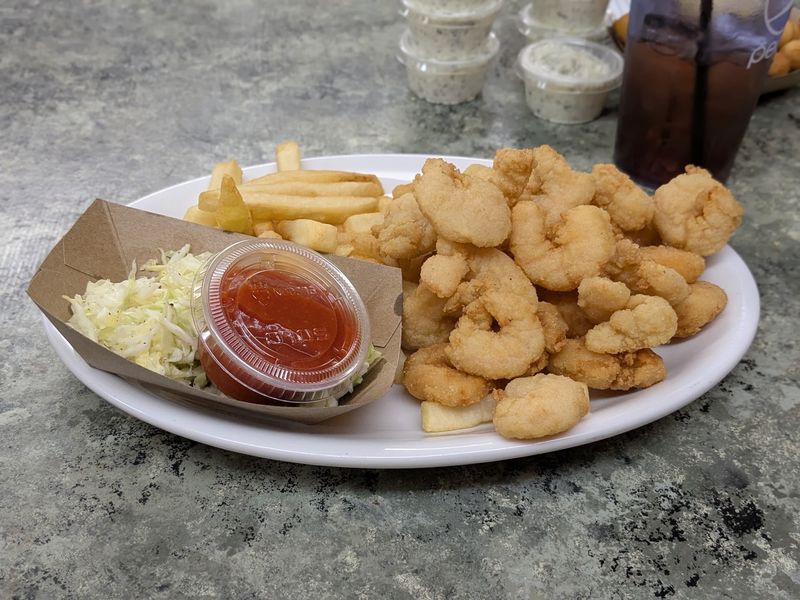
Picking up fried seafood for a long drive home is a satisfying plan, but it requires a little practical thinking. A golden crust, a pleasant smell, or a satisfying crunch are enjoyable qualities, but none of them tells you anything reliable about whether food was handled safely.
Appearance and texture are not substitutes for proper preparation and temperature control.
According to FDA guidance on seafood safety, most seafood should reach an internal temperature of 145°F during cooking. Fish is done when it turns opaque and separates easily with a fork.
Shrimp, crab, lobster, and scallops should become firm and opaque. Those are the reliable markers of proper cooking, not how the exterior looks or sounds.
For the return trip, the FDA advises refrigerating perishable seafood within two hours of it being served or prepared. When outdoor temperatures are above 90°F, that window shortens to one hour.
A warm car interior on a summer afternoon can easily push past that threshold faster than you might expect.
If you are driving 45 minutes to an hour or more to reach Jones Fish Camp and then heading home with takeout, that timing is worth thinking through before you order. Bringing a cooler with ice or cold packs is a simple way to keep the food at a safe temperature during the drive.
This is not a concern specific to this restaurant. It applies to any fried seafood takeout on a warm day, regardless of where it comes from.
The goal is to enjoy the meal at home the same way you would have enjoyed it at the table.
A regional tradition, not a proven statewide ranking
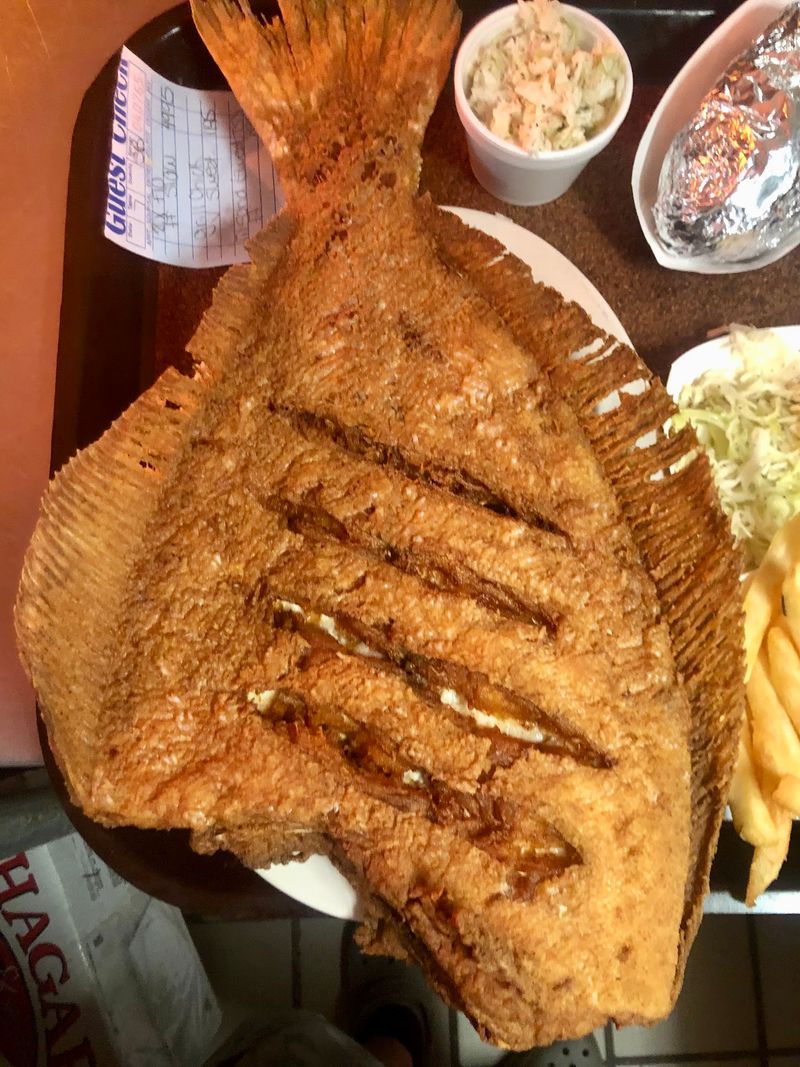
Stepping back from the individual details, what the available evidence actually supports is fairly clear. Jones Fish Camp in Maiden is a documented example of the modern Carolina fish-camp restaurant tradition, recognized as such by the North Carolina Folklife Institute.
Its menu reflects the category faithfully, and some individual diners have described making trips of 45 to 90 minutes to eat there or pick up food.
What the evidence does not support is a claim that the restaurant is the best fried seafood destination in North Carolina, that its food is objectively crispier or fresher than competitors, or that a broad pattern of local hour-long drives has been documented. Those would be stronger claims than the sources can back up.
The destination-dining reputation here is anecdotal in the honest sense of the word: built from individual accounts shared by people who made the trip and felt it was worth mentioning. That kind of reputation can be meaningful, but it is also personal.
Your experience may align with those accounts, or it may not, and there is no way to know in advance.
The practical takeaway remains the same as it would be for any beloved regional restaurant: call 704-483-2480 before you go, confirm the hours and current menu, and plan your timing with the drive home in mind. A fish-camp meal eaten well is its own reward, and the tradition it represents is genuinely worth preserving one platter at a time.