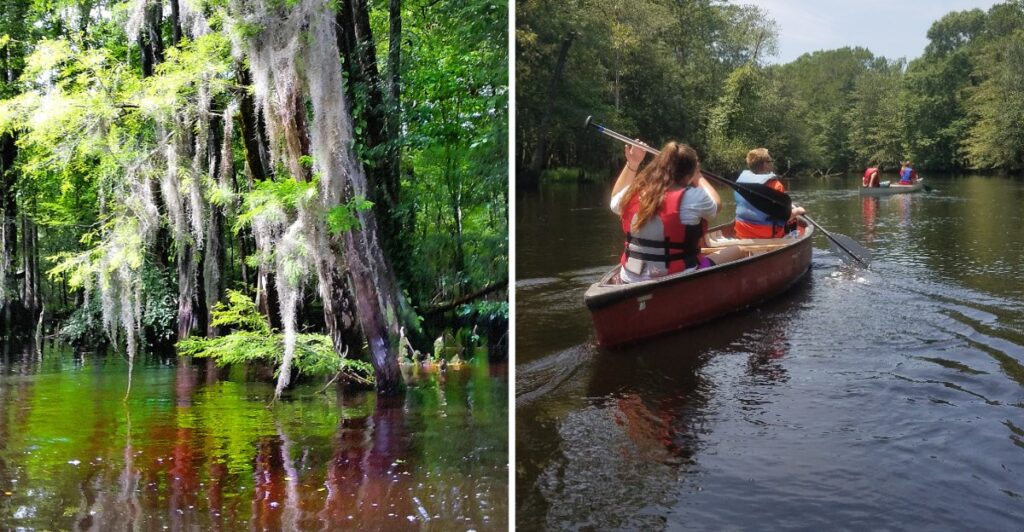
The first thing you notice is the water.
It is dark enough to look like somebody steeped the whole river in tea, and it moves quietly through cypress trees as if nothing here has any reason to hurry.
Then you remember the cottonmouths.
This part of North Carolina gives them the kind of swampy river habitat they use, which adds one practical rule to an otherwise peaceful outing: watch where you put your feet.
That does not mean every branch deserves suspicion.
Most of the time, the river is simply doing what wild places do, keeping birds, turtles, fish, and plenty of other wildlife busy around the edges.
Walk it. Paddle it. Sit beside it.
Just give anything that moves a little room.
Honestly, the river is interesting enough without volunteering for a closer introduction.
The Lumber River Is A Rare Blackwater Landscape
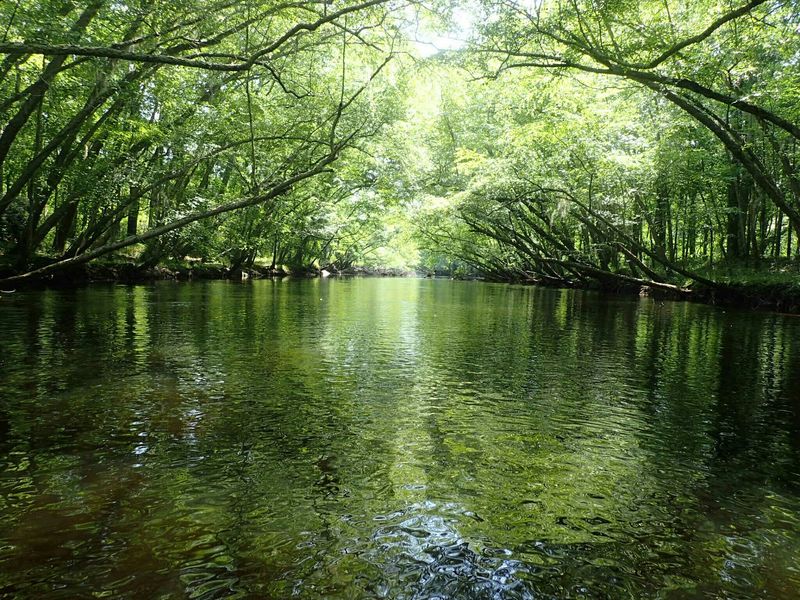
The Lumber River runs for about 115 miles through south-central and southeastern North Carolina before continuing toward South Carolina.
Its dark color comes from natural tannins released by decaying leaves and other plant material, giving the water the tea-like look that defines a blackwater river.
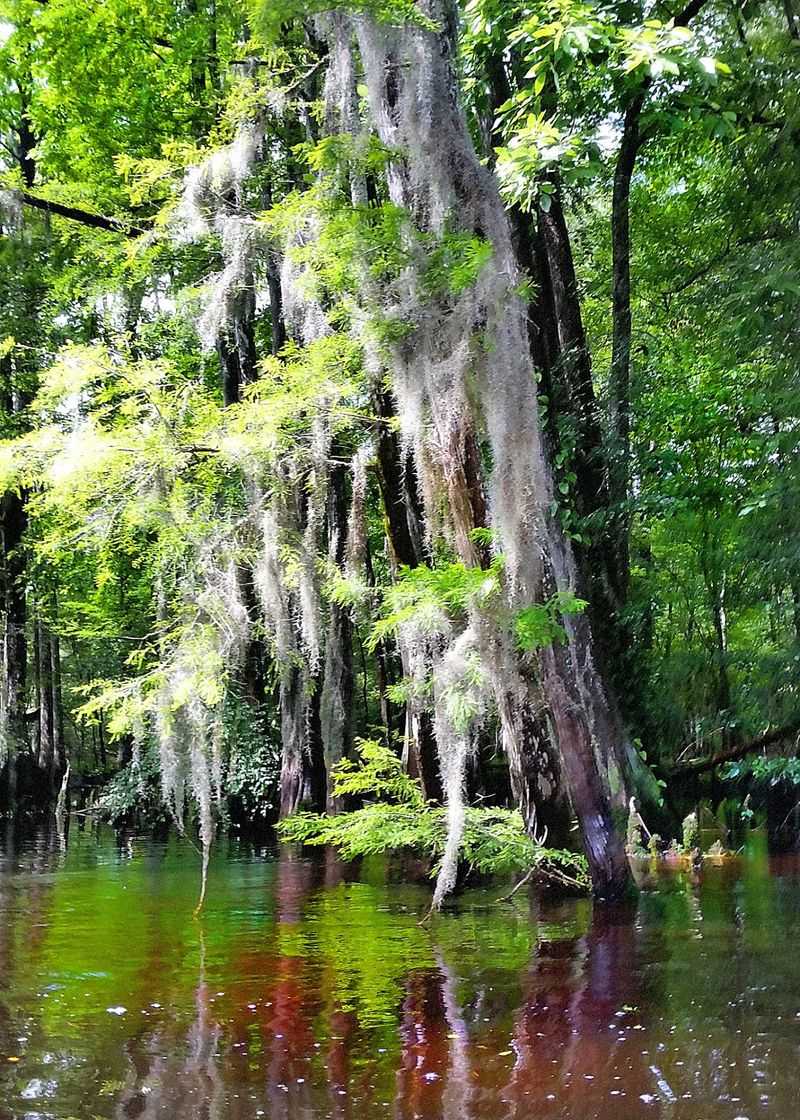
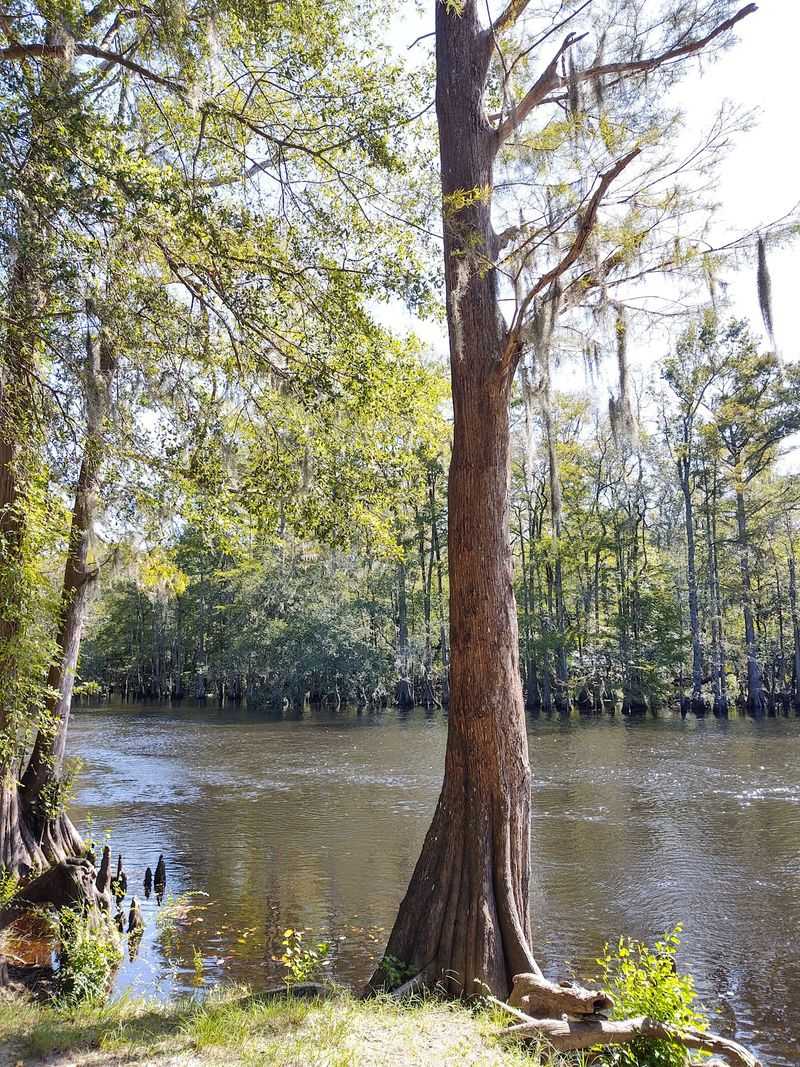
That setting supports a broad mix of wetland and forest life. Bald cypress, gum, bay, pine, poplar, and other trees line portions of the river, while swampy edges and slow-moving water create habitat for birds, fish, amphibians, reptiles, and mammals.
The river also carries a distinction that sets it apart within the state. Lumber River is North Carolina’s only blackwater river with federal National Wild and Scenic River designation.
State park lands protect more than 11,000 acres along the river corridor, with recreation centered at several access areas.
For a visitor, those designations matter less than the scene in front of you. Water can look almost black beneath the trees, bald cypress line quiet bends, and the forest closes in around stretches of the river.
Princess Ann works well as a starting point because you can experience the river from land or water without needing a long expedition first.
Cottonmouths Are A Documented Part Of The River
Cottonmouths, also called water moccasins, are part of the Lumber River ecosystem. They can be seen throughout the river, alongside copperheads, rattlesnakes, and several kinds of water snakes.
The species is well within its natural range here. In North Carolina, cottonmouths are found mainly in the Coastal Plain and are common in eastern parts of the state.
They are the most aquatic of North America’s venomous snakes, so river edges, wetlands, swampy ground, and other water-associated habitat suit them well.
They may bask on branches, logs, or stones near the water, especially when conditions help them regulate body temperature.
That does not make a close encounter inevitable. Snakes are often hard to spot because camouflage and cover keep them out of view. The safest response when you do see one is to leave it alone and give it plenty of room.
Cottonmouths may retreat when approached, while others may hold their ground defensively. Either way, the answer for a visitor stays the same: do not handle, crowd, or provoke the animal.
Respecting that space lets you keep moving without making the snake the center of the day.
Not Every Waterside Snake Is A Cottonmouth
A dark snake near water can make anyone look twice, but identification around the Lumber River deserves some patience. North Carolina has several nonvenomous water snakes, and some are frequently mistaken for cottonmouths.
Brown water snakes are one example. They live in rivers and large streams in the Coastal Plain and can resemble cottonmouths at a quick glance. Banded water snakes also use freshwater habitat throughout the Coastal Plain.
That is a good reason to avoid making identification from color alone. Older cottonmouths can be very dark, while younger snakes show more obvious crossband patterns. Distance, lighting, and partial cover can make those features hard to judge.
You do not need to solve the identification puzzle from three feet away. If a snake is near the trail, boat launch, bank, or a place where you planned to sit, give it space and choose another route or resting spot.
This approach is useful for wildlife watching too. A snake moving through the water may be a cottonmouth, but it may also be one of the river’s harmless species.
Keeping your distance protects both sides and leaves room for the best part: watching natural behavior without turning the encounter into a confrontation.
Princess Ann Gives You Trails, Paddling And Griffin’s Whirl
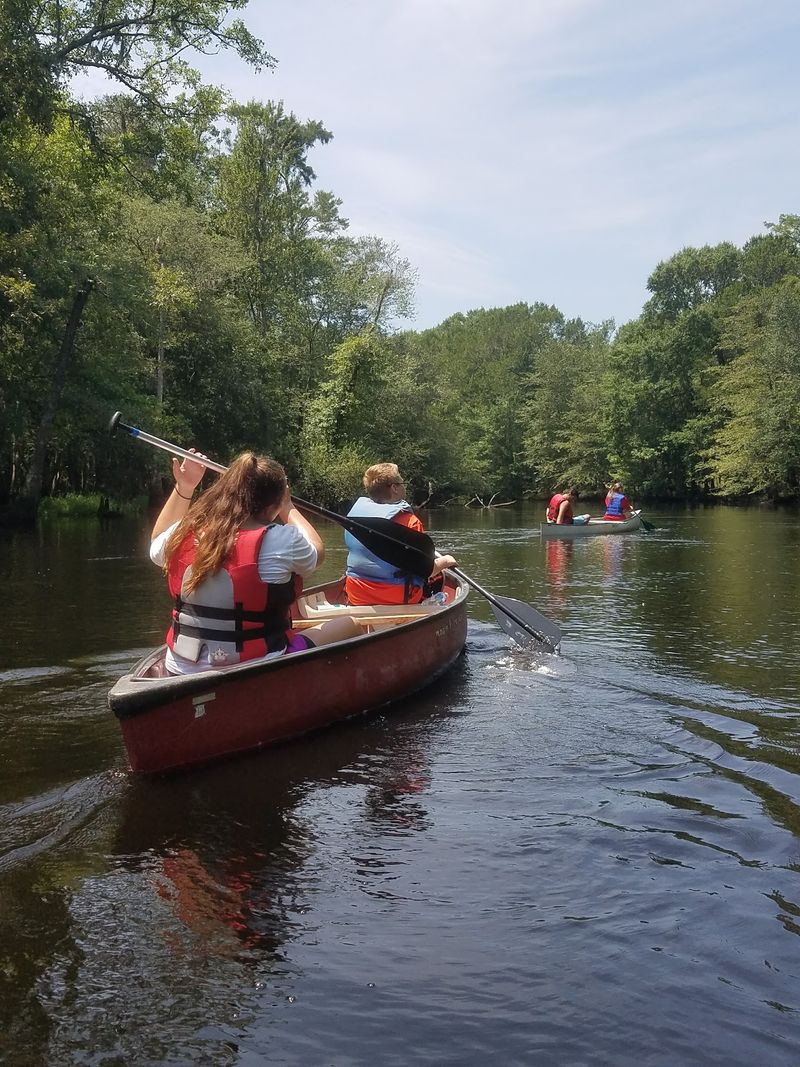
Princess Ann Access is one of the main recreation points at Lumber River State Park. The area combines river access with hiking, fishing, picnicking, camping, a boat ramp, and a picnic shelter, so you can spend an hour beside the water or build an overnight visit around it.
One of its signature features is Griffin’s Whirl, a reverse-flow area where the shape of the river creates unusual movement in the water. You do not need to paddle into it to appreciate the setting. The river itself gives the access area a strong sense of place.
Hikers have two easy options from Princess Ann. The Kids in Parks Track Trail is a half-mile loop, while the Princess Ann Trail runs 1.5 miles one way. Both are hiking-only trails.
Camping is primitive rather than resort-style. Princess Ann has 10 primitive campsites plus a group site, with bathroom facilities available at the access.
If your day is mostly about the river, the boat ramp makes launching straightforward. If you prefer dry ground, the trails and picnic area still keep you close to the blackwater landscape.
Either way, this is a place where slowing down helps. Wildlife is easier to notice when the goal is not to rush through every feature before lunch.
The Practical Details Are Easy To Plan Around
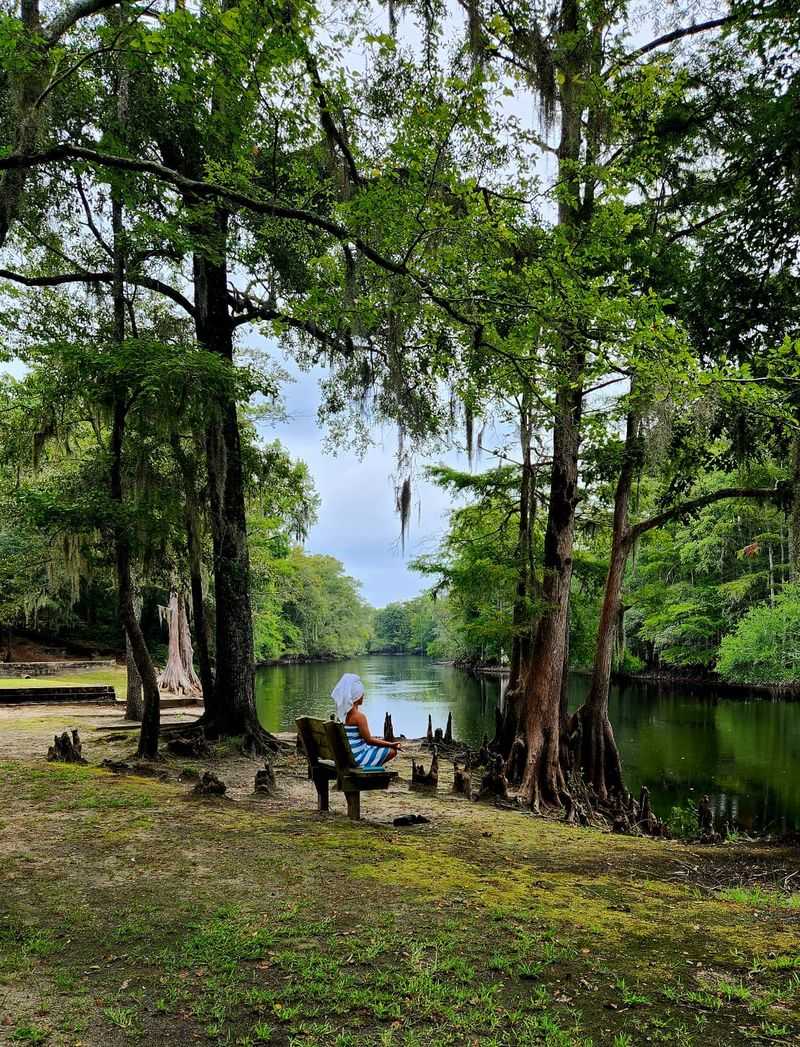
Princess Ann Access is at 2819 Princess Ann Road, Orrum, NC 28369. Day use is free, while camping and certain facility reservations carry separate fees.
Hours change with the season. In September, the access is open from 7 a.m. to 9 p.m. October closes an hour earlier, and winter days have shorter operating windows.
The park is closed on Christmas Day but remains open on other holidays.
That seasonal schedule makes an early fall visit especially flexible. You can start with a morning walk, spend midday at the picnic area, or launch a paddle trip with plenty of daylight left.
Pets are welcome outdoors but must stay on an attended leash no longer than six feet. That rule is particularly useful beside a river where wildlife may be close to the trail or bank.
The Princess Ann access is also about an hour from Chalk Banks, the park’s other major recreation area, so it pays to confirm which access matches your plans before leaving.
For a simple first visit, Princess Ann already gives you enough: river views, easy trails, picnic space, camping, and direct water access without requiring a complicated itinerary.
River Safety Matters As Much As Snake Awareness
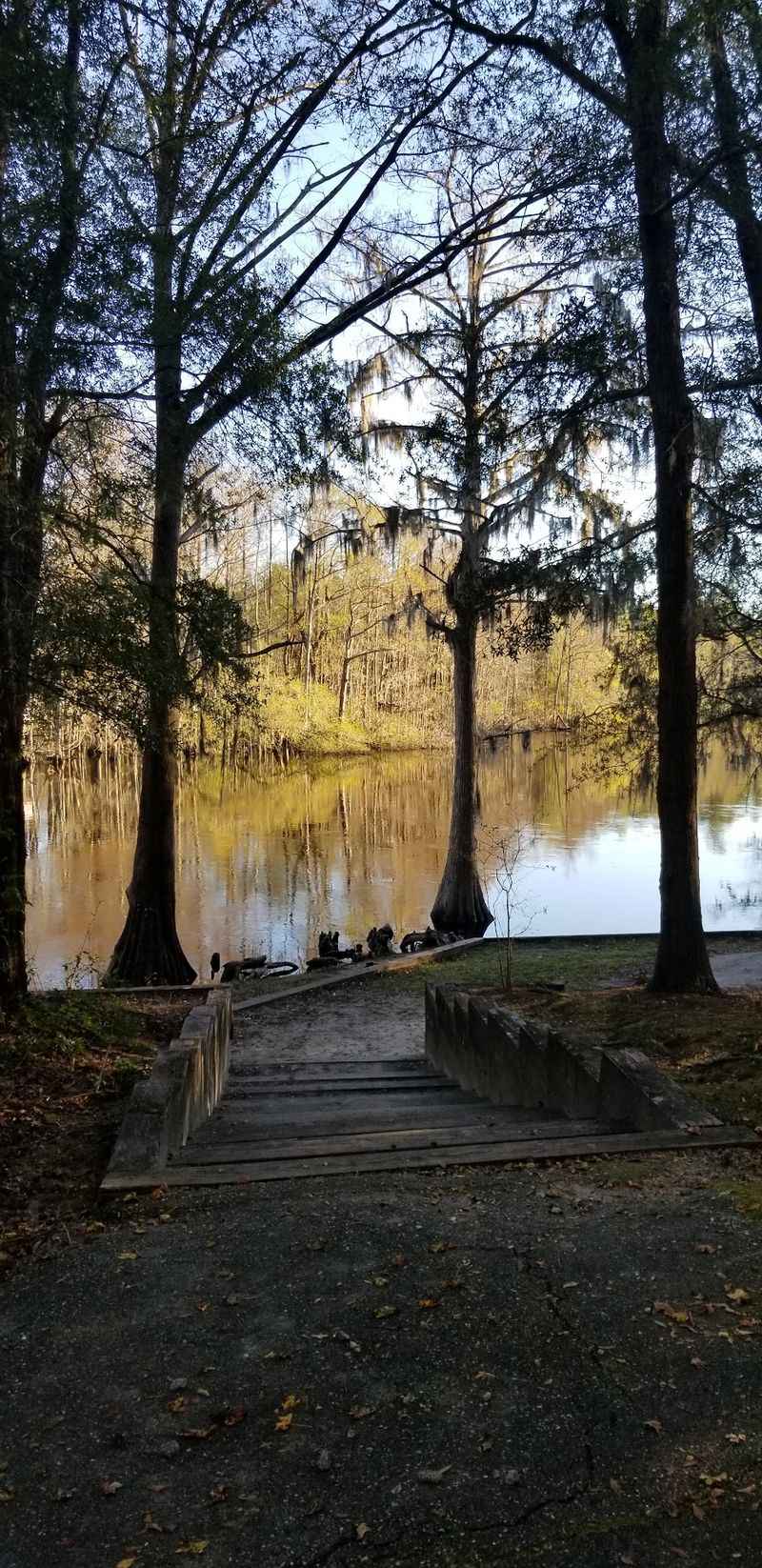
Cottonmouths may get the attention, but the river itself deserves just as much respect. Water levels on the Lumber River fluctuate, and paddlers can encounter fallen trees, exposed hazards, debris, and sandbars.
A properly fitted life jacket belongs on every paddling trip. It also helps to choose a route that matches your skill level, know your put-in and take-out points, check weather and river conditions, and allow extra time when water levels complicate the route.
The river corridor can have limited cell service, so a float plan is useful before launching. Let someone know where you are going and when you expect to return.
On land, simple habits do most of the work. Watch where you place hands and feet around logs, roots, rocks, and the water’s edge. Closed shoes make sense on wooded trails, and pets should stay close rather than investigating brush or shoreline cover.
If you encounter a snake, stop, give it room, and let it move away on its own. There is no reason to test how close you can get for a photograph.
The best safety plan is not dramatic. It is a steady habit of paying attention to the ground, the water, the weather, and the wildlife sharing the same space.
The River Has Far More Wildlife Than Snakes
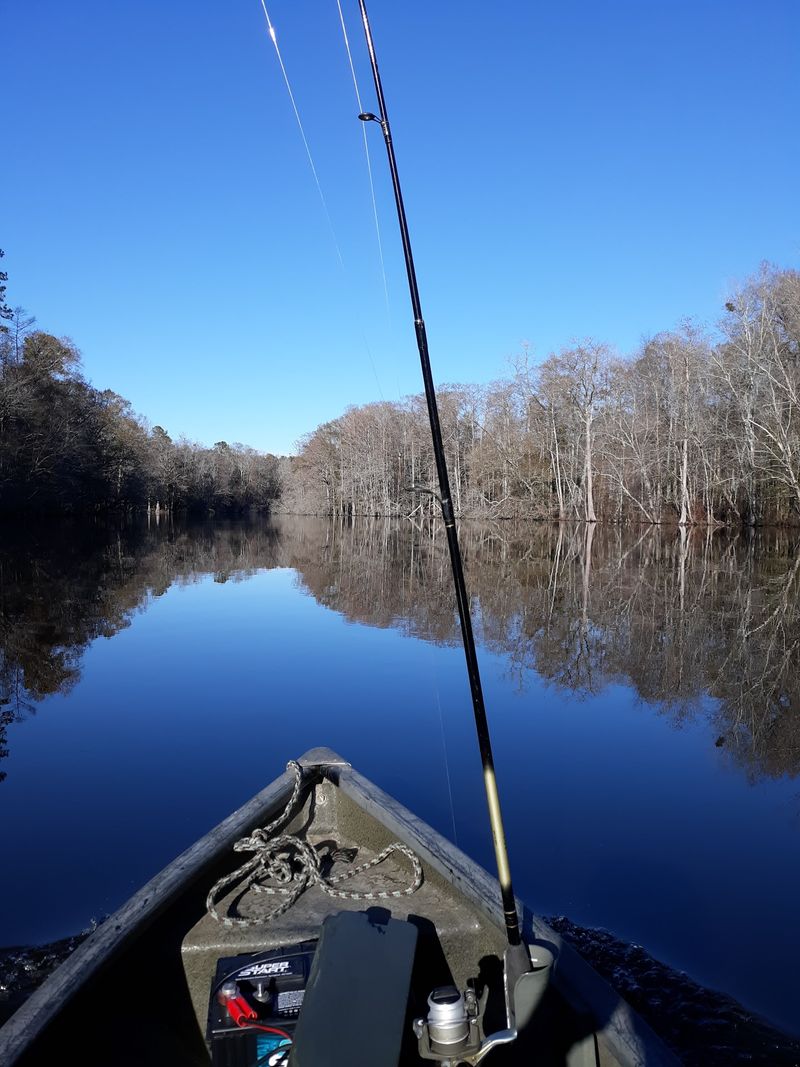
Focusing only on cottonmouths would miss most of what makes Lumber River State Park interesting. The river corridor supports an abundance of plant and animal life, including belted kingfishers, turtles, fish, amphibians, and mammals that depend on its wetlands and forests.
The park also protects rare plant life, including Carolina bogmint, one of the natural features connected to the river’s Wild and Scenic designation.
Birdwatching can be especially rewarding around the water. Kingfishers patrol the river, while other wetland and woodland birds use the trees and quieter edges. Turtles may bask where sunlight reaches logs, and fish movement can break the dark surface without warning.
This variety is a useful reminder when something serpentine catches your eye. A blackwater ecosystem is busy even when it looks still, and no single species tells the whole story.
Take the easy trail slowly. Pause beside the river instead of racing toward the next stop. Scan the branches, waterline, cypress trunks, and open sky.
Cottonmouth awareness belongs in that rhythm, but it does not need to dominate it. The Lumber River rewards careful attention because the more quietly you look, the more of the landscape begins to show itself.