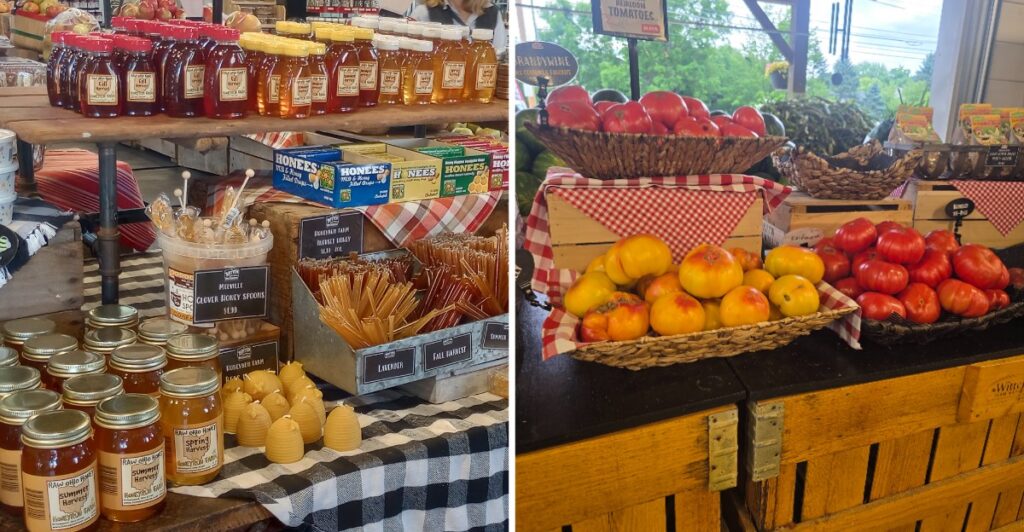
A good tomato barely needs a recipe.
Slice it thick, add a little salt, find some bread, and lunch has pretty much handled itself.
That simple pleasure has deep roots here.
The family behind this Ohio farm market can trace its farming history in the state to 1790. Tomatoes still get plenty of attention today.
Sweet corn follows in season. So do green beans, berries, melons, and other produce from the farm.
But do not stop at the produce tables.
There is a full bakery waiting nearby. Pantry goods fill the shelves, while flowers and fall produce arrive with the seasons.
The market has stayed open year-round since 2020, so each visit can look a little different.
Pick the tomato first.
Then try walking past the bakery without reconsidering lunch.
The Family Farming Story Reaches Back To 1790
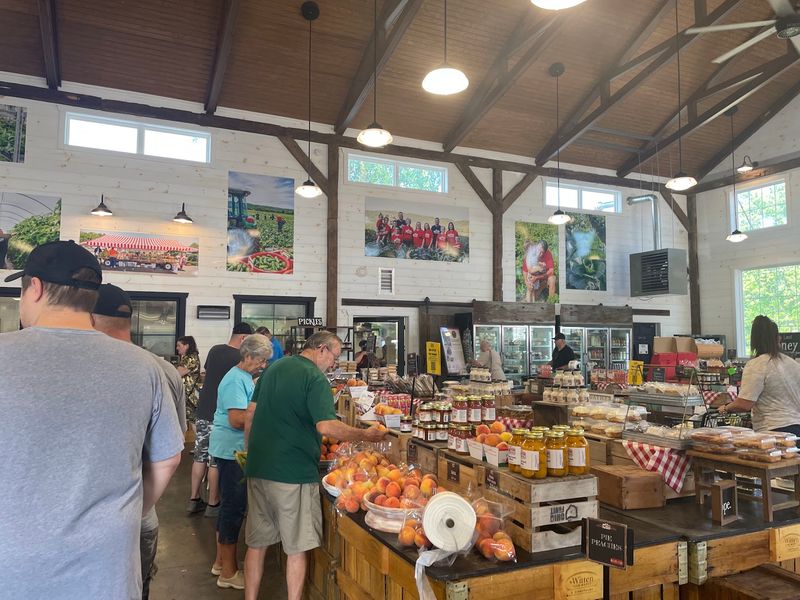
The Witten family traces its farming history to Fly, Ohio, in 1790. The operation has changed dramatically since then, but farming has remained part of the family story across generations.
One major shift came in 1958. Ralph Witten, a fifth-generation farmer, and his wife Frances moved their family to a dairy farm near Beverly, Ohio. The location and soil gave Ralph room to pursue vegetable growing and a farm market alongside the dairy operation.
Their son Jerry returned to the family farm in 1967 after graduating from The Ohio State University. He expanded vegetable production and also brought beef cattle into the operation.
By 1980, the dairy cows were sold and vegetables became the main focus. Sweet corn and other crops moved to the center of the business, while wholesale sales supplied markets and grocery stores in Ohio and Pennsylvania.
The first satellite farm market followed in 1986 in Marietta. More locations arrived later, building the retail side that now stretches well beyond the original farm.
The family story has reached an eighth generation. Six younger members of that generation have already spent time around fields and markets, connecting the current business with a history that began more than two centuries earlier.
Homegrown Tomatoes Take Over When Summer Hits Its Stride
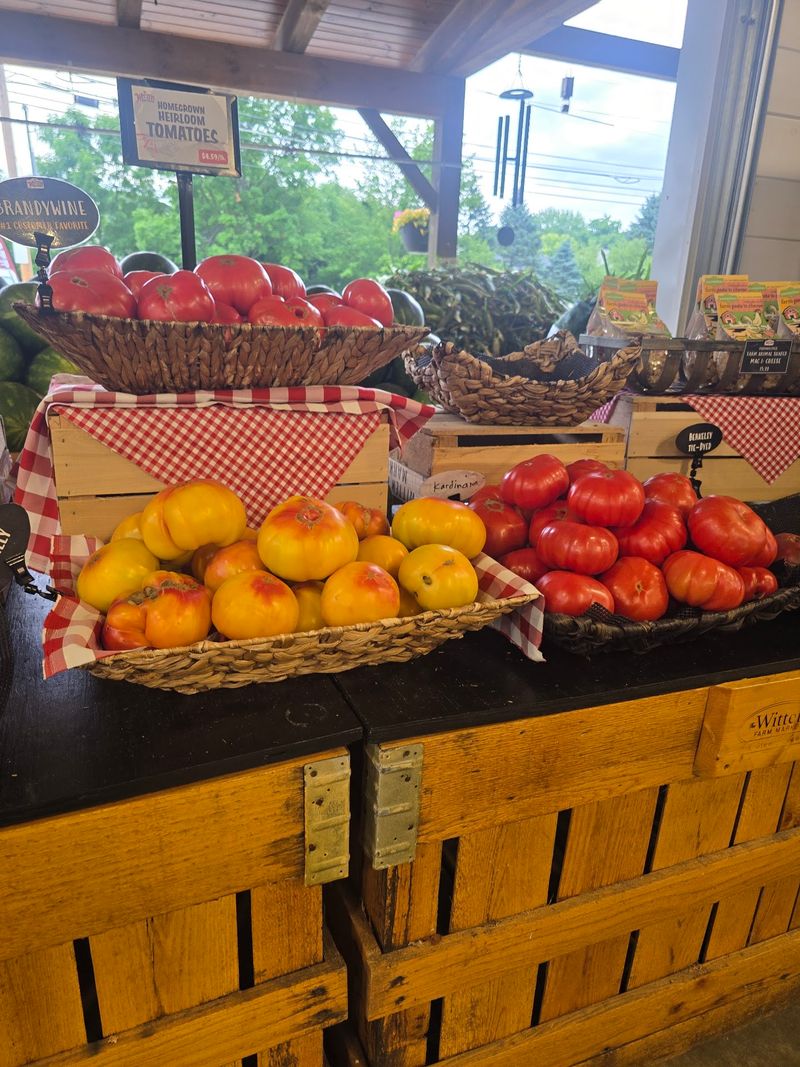
Homegrown tomatoes are one of Witten Farm’s regular summer crops, and the farm has put considerable attention into how they are grown.
In 2015, Witten Farm introduced high tunnels for tomato production. The plants still grow directly in the ground, but the covered structures help protect them from rain and disease while maintaining the character of field-grown tomatoes.
That matters more at the kitchen counter than it does in a farming lecture. A good summer tomato does not need much assistance. Slice one for a sandwich, chop it into salsa, layer it with other fresh vegetables, or simply put thick rounds on a plate with a little seasoning.
Availability naturally follows the growing season, so the tomato section will not look identical throughout the year. Witten also brings in Tennessee tomatoes before its own homegrown crop is ready, then shifts attention to the farm’s tomatoes once the Ohio harvest begins.
That distinction makes timing useful. Anyone specifically after homegrown Witten tomatoes should treat them as a seasonal purchase rather than assuming they are always on the table.
Once they arrive, dinner decisions become much easier. Tomatoes can cover sandwiches one day, salad the next, and pasta sauce if enough make it home without being eaten first.
Sweet Corn Has Its Own Overnight Harvest Routine
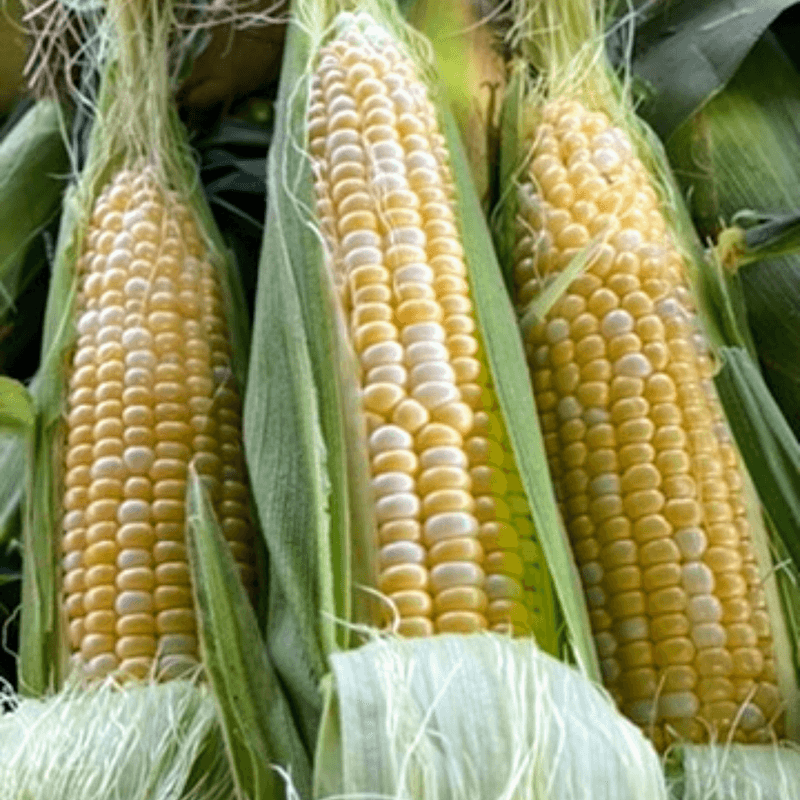
Tomatoes may handle sandwiches, but sweet corn carries plenty of Witten Farm history of its own.
In 1994, Jerry Witten began harvesting corn at midnight so it could reach farm markets by morning. That overnight picking tradition continues today, helping move freshly harvested corn from the fields to the markets within hours.
That gives shoppers a practical reason to think about dinner before leaving the produce section. Fresh corn can handle an easy weeknight meal, a larger family table, or a weekend cookout without requiring much planning.
Witten Farm currently grows and sells its own sweet corn during the season, and the crop remains one of the operation’s central products.
Depending on the time of year, the farm-market selection can also include green beans, cantaloupes, strawberries, peaches, blackberries, watermelon, beets, turnips, grapes, pears, and other fruits and vegetables.
The exact lineup moves with the harvest rather than staying fixed.
A flexible list helps here. Arrive knowing you need vegetables for dinner, but let the season decide which ones. Sweet corn and tomatoes can handle much of the work in summer, while later visits may send the basket in another direction entirely.
The Winchester Pike Market Stays Open Through Every Season
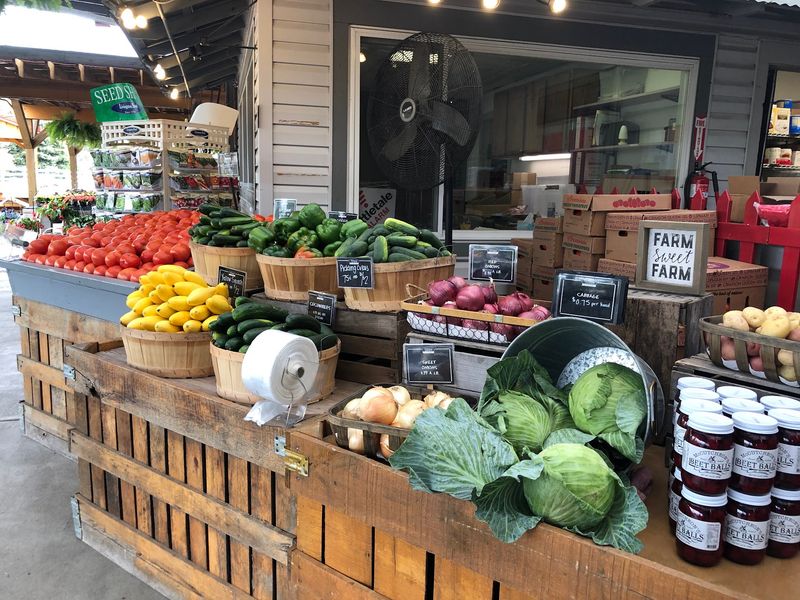
Many Witten Farm locations operate seasonally, but the Winchester Pike market follows a different schedule. The Columbus location opened as the company’s year-round farm market in 2020.
That changes what a visit can look like from month to month. Summer puts homegrown vegetables front and center. Fall brings pumpkins, gourds, and holiday baking.
Other parts of the year shift more attention toward the bakery, pantry shelves, coffee, and seasonal products.
The location also carries flowers during the growing season, though that part of the operation follows its own calendar rather than remaining available throughout winter.
The market is open Monday through Saturday from 8 a.m. to 7 p.m. and Sunday from 8 a.m. to 6 p.m. That broad schedule makes it practical for an early produce run, a midday bakery stop, or a later visit when dinner still needs an idea.
The advantage of a year-round market is not that every product remains available all year. It is that the store stays open while the mix changes around the calendar.
That makes repeat visits more useful than expecting July tomatoes, October pumpkins, and spring flowers to occupy the same tables at once.
A Full Bakery Makes The Columbus Market More Than A Produce Stop
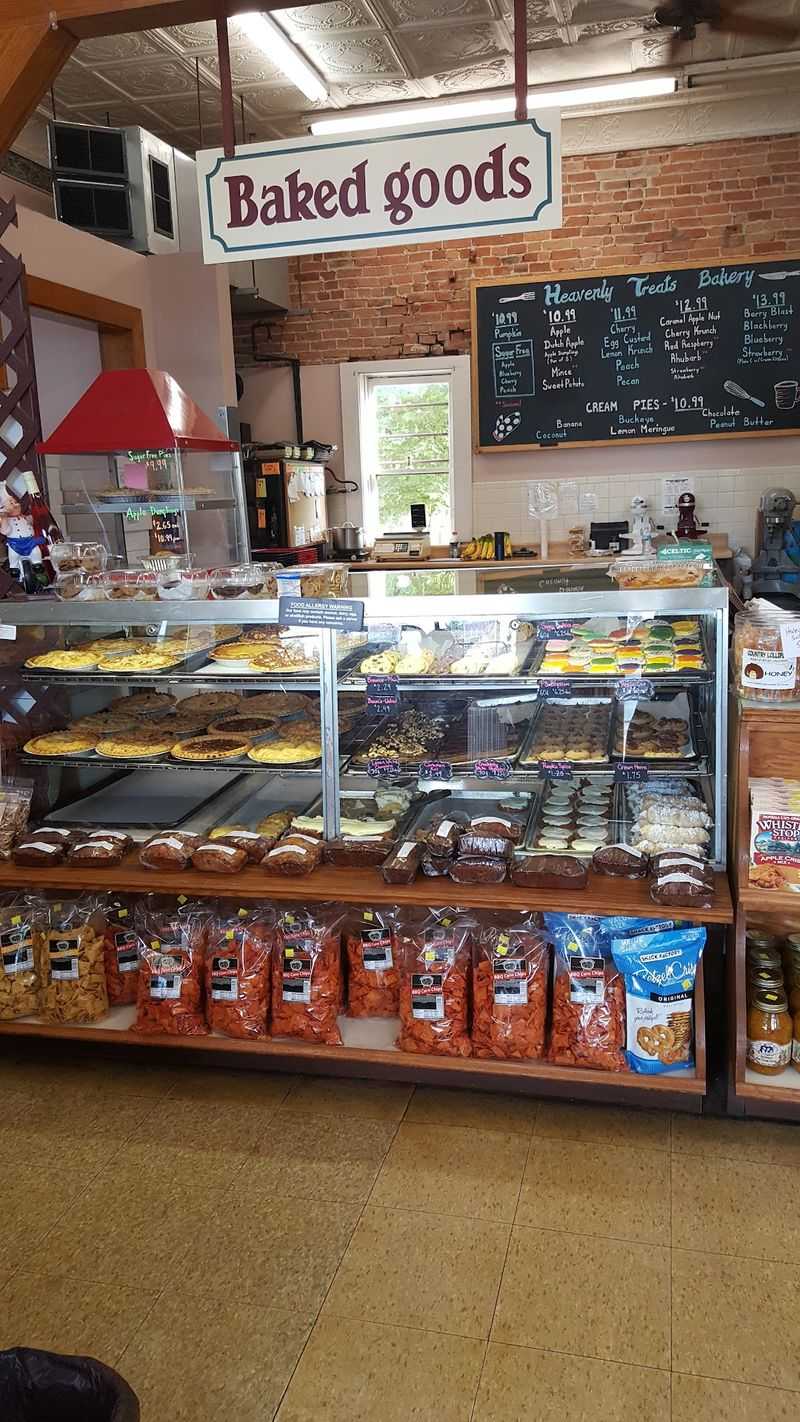
The year-round bakery is exclusive to the Winchester Pike location, adding an entirely different temptation after the produce shopping is finished.
Fruit pies and cream pies are part of the selection, along with cookies and other sweets. The bakery also makes breads such as banana nut, cranberry nut, zucchini nut, and seasonal pumpkin bread.
Other items can include apple dumplings, carrot cake, cinnamon rolls, sweet corn biscuits when in season, quick breads, dinner rolls, fudge, and chocolate-covered pretzel rods.
That range gives shoppers several ways to use the stop. A pie can cover dessert for a family meal. Quick bread can become breakfast the next morning.
Dinner rolls pair naturally with a produce-heavy meal planned from the farm-market side.
The year-round market is located at 3341 Winchester Pike, Columbus, OH 43232.
Preorders are available for bakery items and produce, with the market generally requesting about 24 hours of notice. Holiday periods have their own product schedules and pickup requirements, so larger or occasion-specific orders benefit from a little advance planning.
For an ordinary visit, though, there is no need to turn dessert into a project. Pick the produce first, check the bakery second, and decide whether the pie has already won the argument.
Jams, Pickles, Honey And Pantry Goods Fill The Shelves
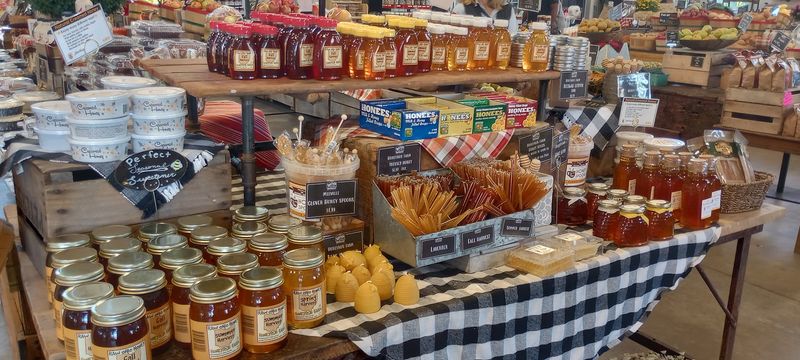
The shop portion of the Winchester Pike market covers the items that do not depend as heavily on that day’s harvest.
Jams, salsas, pickles, fruit butters, and local honey are among the regular pantry categories. Those products make it easier to extend a farm-market visit beyond whatever fruit and vegetables happen to be in season.
A jar of jam can handle breakfast long after the fresh berries are gone. Pickles can join sandwiches or a simple lunch. Salsa can turn a bag of chips into the easiest snack in the house, while fruit butter gives toast or biscuits another option.
This is also a useful section for shoppers who arrive during colder months, when the summer produce table naturally carries fewer of the crops associated with July and August.
The easiest strategy is to avoid treating every shelf as an invitation to stock an entire pantry. Choose one or two items that fit how the household actually eats.
A jar that gets opened next week is more useful than five interesting flavors forgotten behind the cereal.
That same rule works throughout the market. Seasonal produce deserves room while it is available, and shelf-stable goods can fill the spaces between harvests without turning one grocery stop into a cart full of good intentions.
Fall Changes The Market From Tomatoes To Pumpkins And Gourds
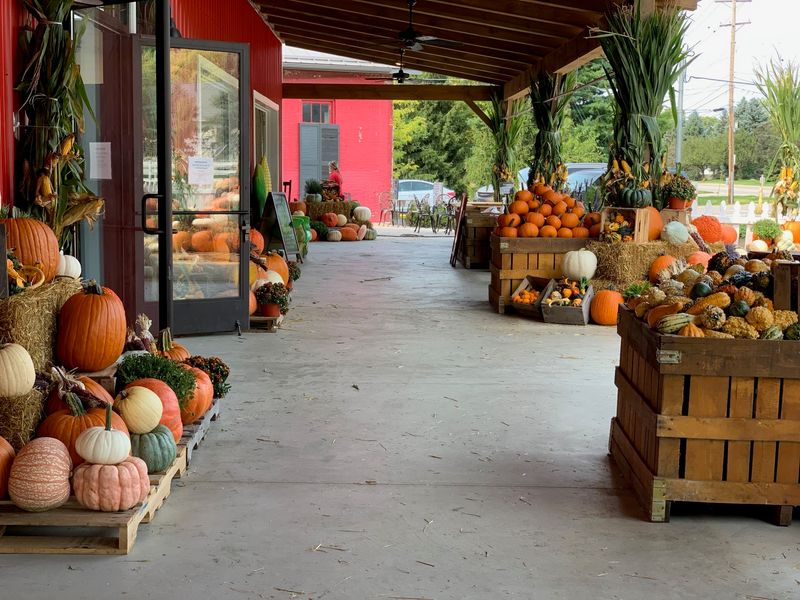
Summer does not disappear quietly at Winchester Pike. As the season shifts, pumpkins, gourds, bakery items, and fall products take over more of the attention.
Pumpkins and gourds become part of the market’s autumn selection, giving shoppers options for carving, decorating, or simply putting something seasonal near the front door. Variety depends on the crop and timing, so the display can change as fall progresses.
The bakery also becomes more useful during the holiday stretch. Pumpkin bread joins the seasonal lineup, while pies become especially relevant around Thanksgiving and other gatherings.
That transition is one of the reasons the year-round format works so well. A July visit might revolve around tomatoes and sweet corn. A later trip can look completely different without changing the basic reason for stopping: seeing what the farm and market have ready now.
There is no need to force summer into October or rush fall while tomatoes are still at their best.
Let the calendar do the editing. Bring home corn when the fields are producing it, tomatoes when the homegrown crop is ready, and pumpkins when the tables have turned orange.
The market keeps moving with the farm, which makes a flexible shopping list far more useful than trying to buy the same basket every month.