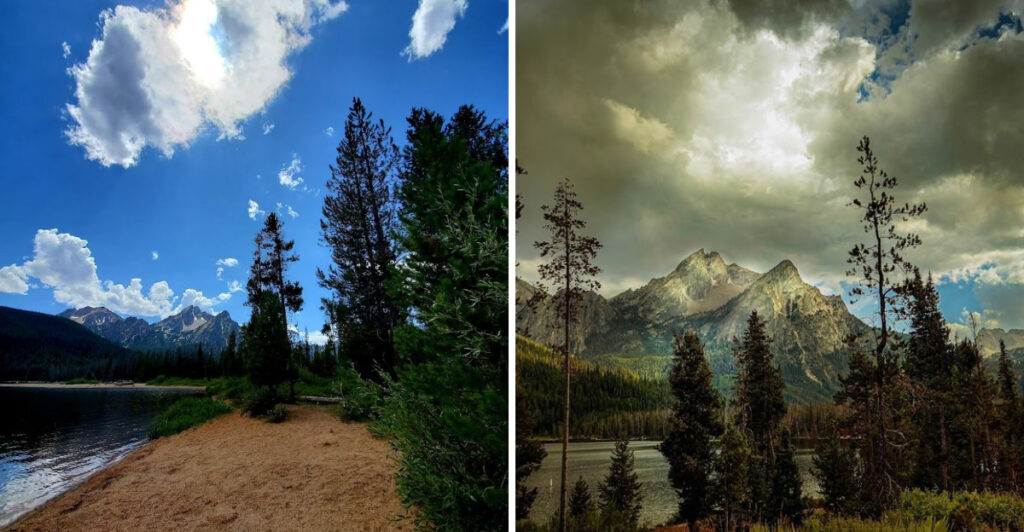
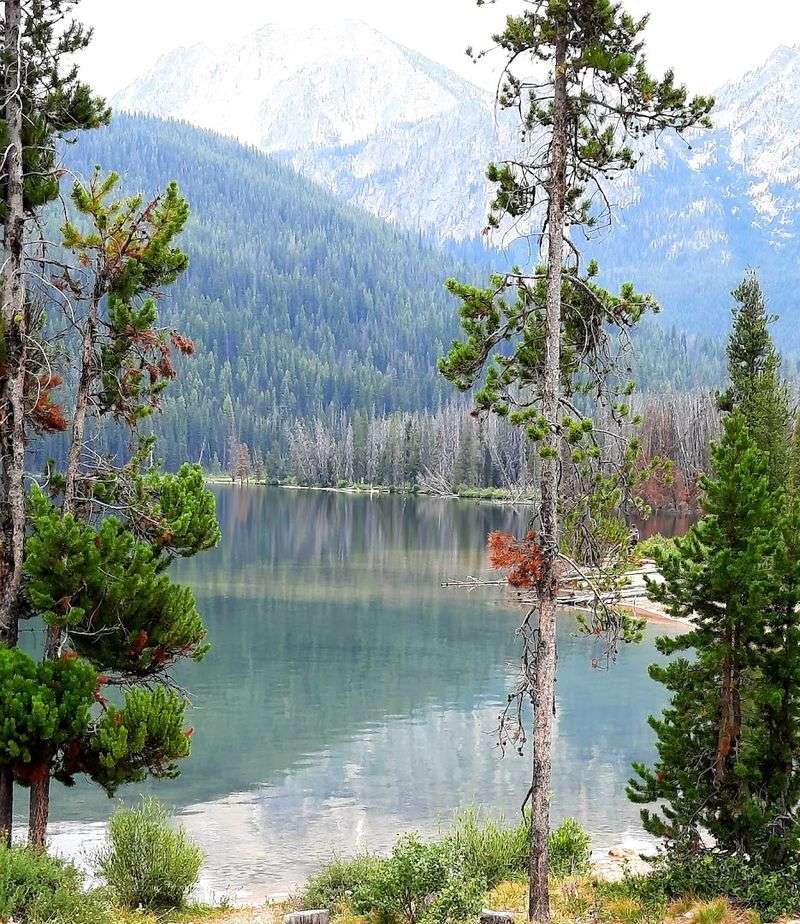
This is the Idaho lake that should be on every road trip list this summer, and somehow it still flies under the radar. A mirror-still alpine lake.
A peak so dramatic it stops people cold the moment they see it. Trails for every ability level, trout in crystal-clear water, and a night sky so loaded with stars it will genuinely change your week.
Idaho delivers jaw-dropping landscapes everywhere you look, but this corner of the Sawtooth National Recreation Area hits differently. Paddleboarders, photographers, anglers, hikers, and campers all show up here and all leave satisfied.
The crowds have not caught on yet, and that is exactly the point. Summer plans just got an upgrade.
The Lake That Rewards The Curious
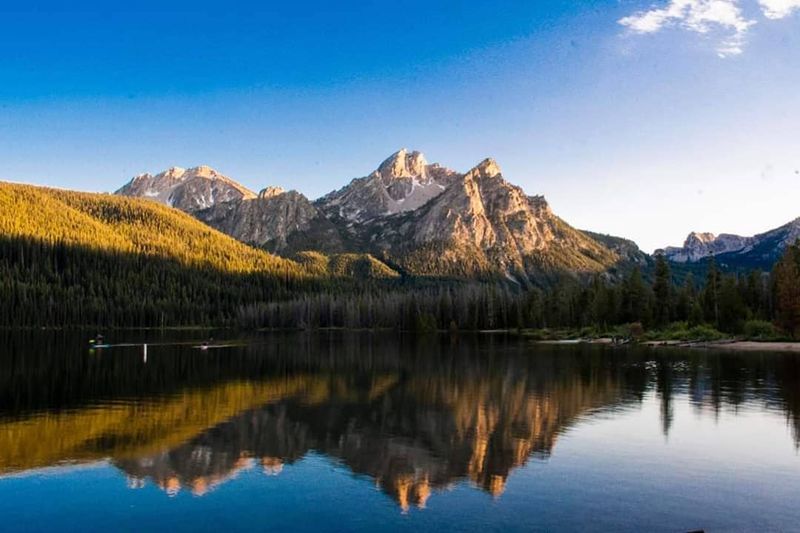
Stanley Lake does not advertise itself. It sits off Stanley Lake Rd, Stanley, ID 83278, waiting patiently for the kind of traveler who actually reads a map.
The lake stretches roughly 170 acres and sits at an elevation of 6,513 feet. That altitude means the air is crisp, the sky is wide, and the surrounding peaks feel close enough to touch.
McGown Peak rises to nearly 9,860 feet and dominates the skyline above the water. Its reflection on calm mornings turns the lake into a living painting.
Unlike more famous alpine lakes in Idaho, this one rarely feels overcrowded. Visitors often find stretches of shoreline that feel entirely their own.
The trailhead provides easy access to the lake’s edge, making it welcoming for all fitness levels.
First-timers tend to stop walking the moment they see the full view. That frozen pause says more than any review ever could.
A Trailhead With Serious Range
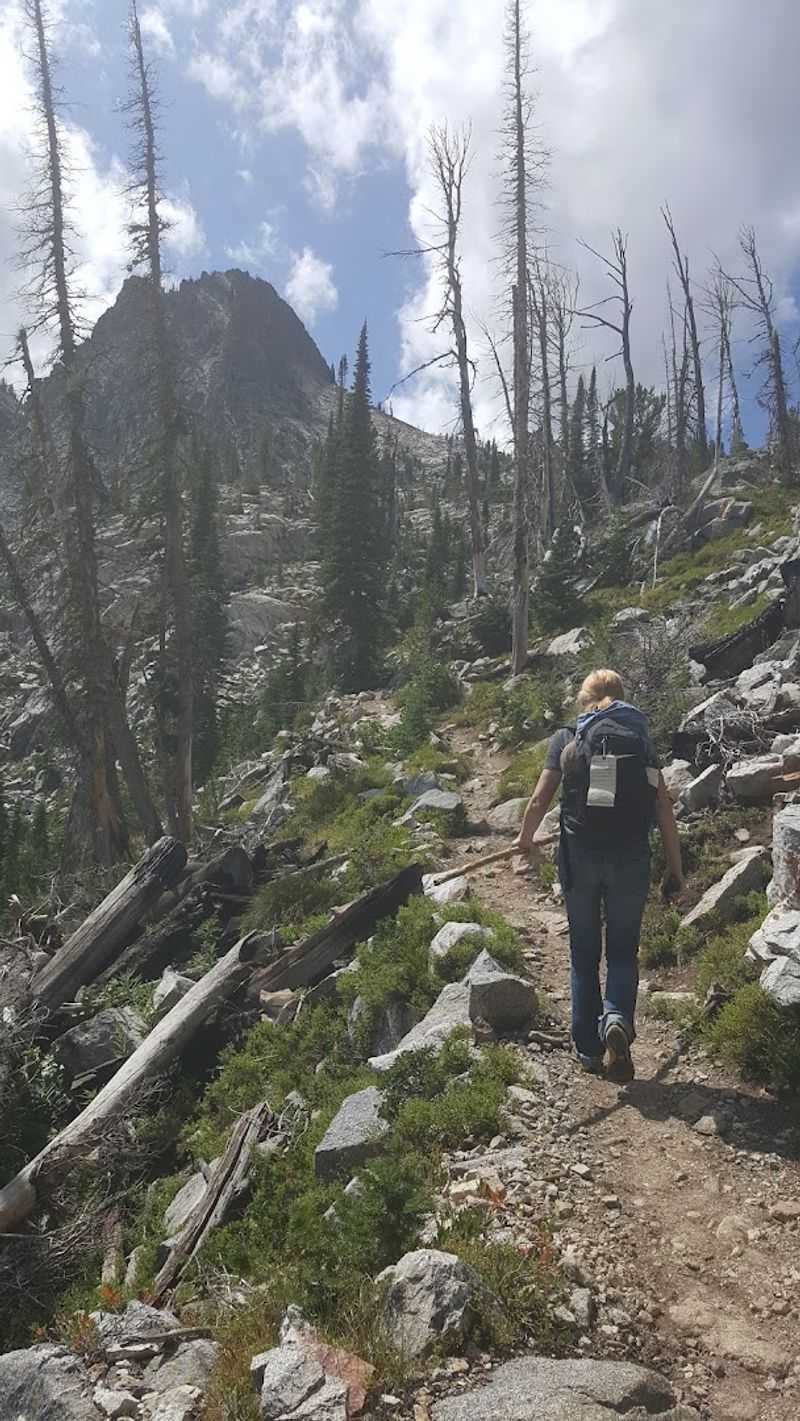
The trailhead here punches well above its weight. From this single starting point, hikers can access the Idaho Centennial Trail, routes toward Lady Face Falls, and paths that wind deep into Sawtooth wilderness.
The main trail along the lake is relatively flat and easy to follow. It suits casual walkers, families with children, and anyone who just wants to move their legs without a major physical challenge.
Split off toward Bridal Veil Falls and the experience shifts entirely. The climb becomes steeper, the footing gets loose near the top, and the effort demands real attention.
It is not technical, but it keeps hikers honest.
Mountain bikers also use portions of the trail network, including the Elk Mountain loop, which combines climbs, descents, and single-track through alpine meadows. Dirt bikes are permitted on some routes, though four-wheelers are not.
Variety is the trailhead’s strongest quality. It genuinely offers something different depending on how much adventure a visitor is ready for.
Lady Face Falls And The Payoff Hike
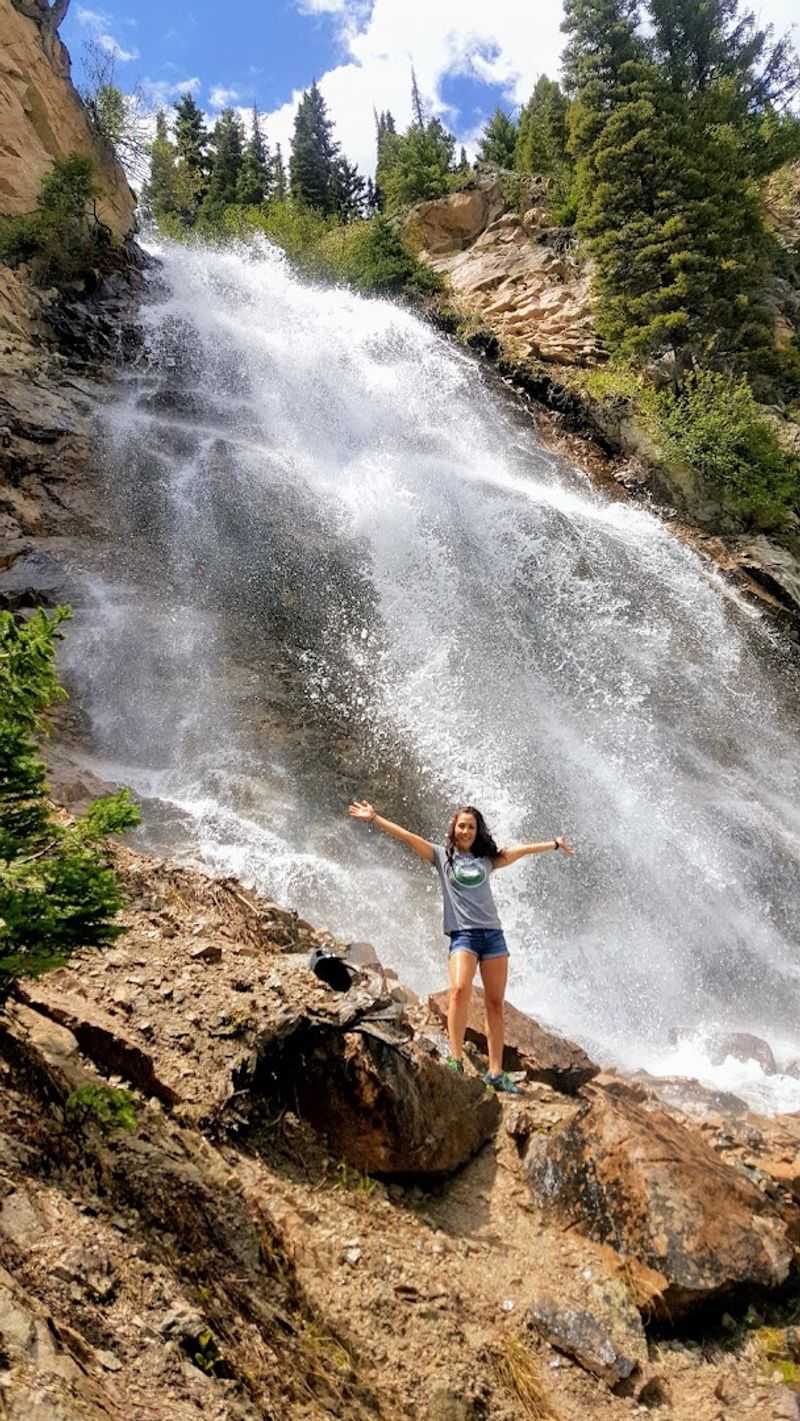
Lady Face Falls is one of those destinations that sounds like a rumor until you actually stand in front of it. The route from the Stanley Lake Trailhead leads through forested terrain before opening up to the falls.
The hike is roughly 2.4 miles one way, making it an approximately five-mile round trip that most visitors with decent footwear can manage comfortably. That distance is manageable for most hikers with decent footwear and a water bottle.
The trail earns its reputation not through difficulty but through consistency of scenery.
Hikers pass through areas where a wildfire has reshaped the forest canopy. That sounds discouraging on paper, but the open views created by the burn actually reveal McGown Peak in ways the old tree cover never allowed.
The falls themselves are modest in scale but set within a dramatic rocky frame. The surrounding quiet makes them feel significant.
Early morning visits tend to offer the calmest conditions and the softest light for photography.
Packing bug spray is genuinely useful advice here. Mosquitoes near the creek crossings are not shy.
Paddling On Water That Looks Painted
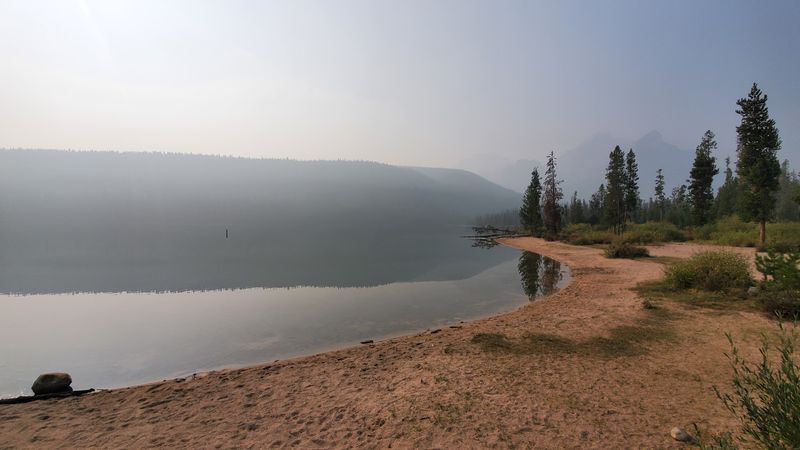
Flat water, mountain reflections, and almost no motorized boat traffic make Stanley Lake one of the better paddling destinations in Idaho. Kayakers and canoeists find the calm surface easy to navigate and endlessly photogenic.
Paddleboarders also frequent the lake, especially during summer when the wind stays low in the morning hours. Standing on a board with McGown Peak straight ahead is the kind of experience that ends up in someone’s top travel memory.
The lake has a boat ramp that makes launching straightforward. A dock provides a convenient spot to organize gear before heading out onto the water.
Water temperature runs cold in early summer due to snowmelt. By August, conditions become much more comfortable for extended time on the water.
Swimmers also use the sandy beach area near the day-use zone during warmer months.
The combination of accessible infrastructure and spectacular surroundings makes this lake genuinely hard to beat for a low-key water day in the mountains.
Fishing In A Lake That Delivers
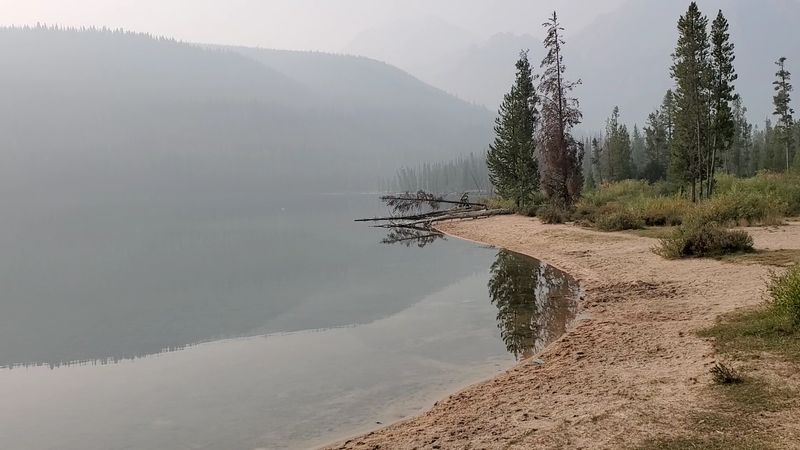
Anglers have been coming to Stanley Lake for decades, and the lake keeps earning that loyalty. The water holds rainbow trout, cutthroat trout, brook trout, and bull trout, giving fishing enthusiasts real variety in a single location.
Fishing from the shore is entirely viable. The sandy beach and rocky edges of the lake offer multiple casting positions without requiring a boat.
That accessibility makes it friendly for beginners and experienced anglers alike.
Early morning and late evening tend to produce the most activity. The lake sits at high elevation, which means water temperatures stay cool enough to keep fish active even during summer months.
Bull trout are a notable species here. They are considered a sensitive species in Idaho and are subject to specific regulations, so checking current rules before fishing is genuinely important rather than optional.
The scenery during a fishing session borders on unfair. It is difficult to focus on the line when the mountain backdrop keeps demanding attention from every direction.
Wildlife That Shows Up Without Warning
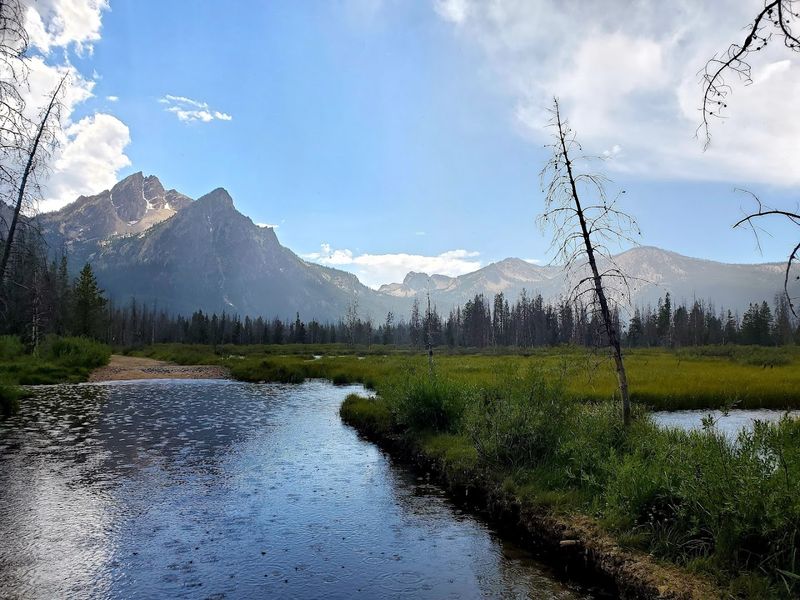
Wildlife encounters at Stanley Lake happen regularly and often catch visitors off guard in the best possible way. Deer move through the campground and day-use area with surprising comfort around people.
Moose have been spotted near the lake and surrounding wetlands. They tend to appear near dawn or dusk, often wading through shallow water at the lake’s edge.
Keeping a respectful distance is essential and not just a suggestion.
Bird life is exceptional here. The Sawtooth National Recreation Area supports over 140 documented bird species, and the lake’s diverse habitat draws a wide range of them.
Osprey, eagles, and waterfowl are among the more dramatic sightings.
Chipmunks are a constant and enthusiastic presence throughout the campground. They have absolutely no fear and will investigate any unattended snack with professional determination.
Bear sightings, while less common, have been reported in the area. Proper food storage is a standard expectation for anyone camping overnight near Stanley Lake.
The Campground That Actually Has It Together
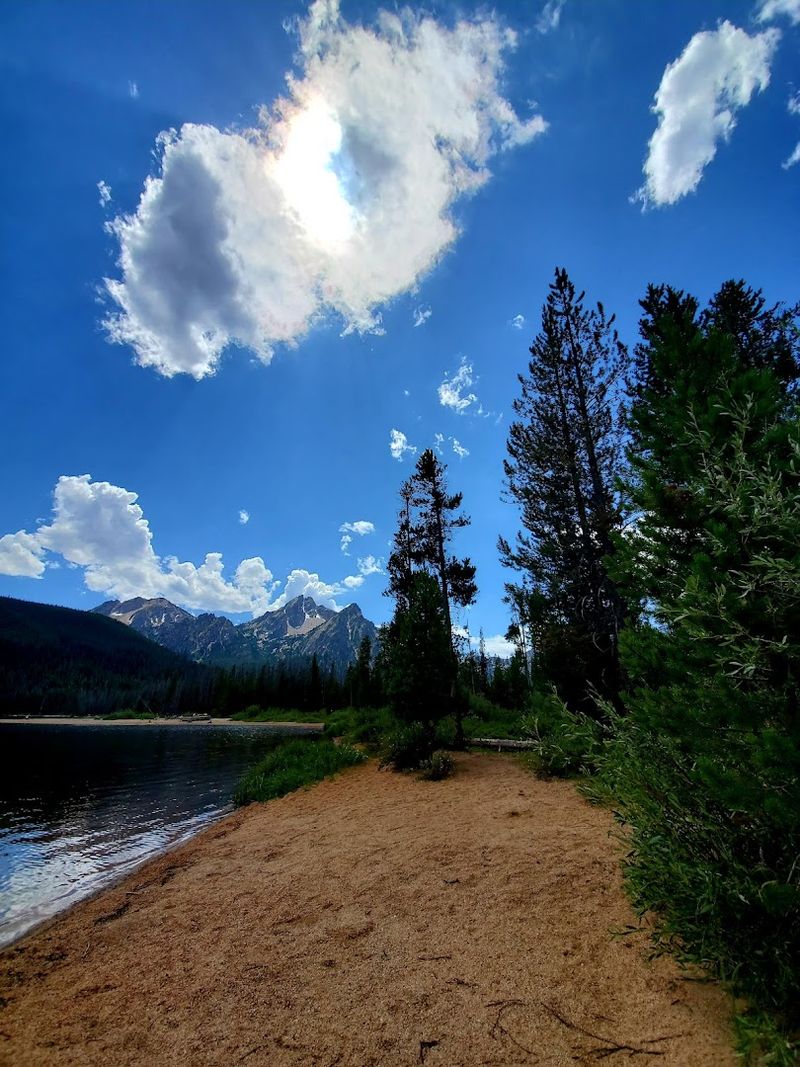
Stanley Lake Campground operates within the Sawtooth National Recreation Area and offers 39 campsites, many of them positioned close enough to the water to make the lake views part of the morning routine.
Many of those sites sit close enough to the water to make the lake views part of the morning routine.
Facilities include potable water and vault toilets, which covers the essentials without overcomplicating things. A boat ramp and dock serve campers who arrive with watercraft.
The day-use area features picnic tables and a sandy beach, making it equally useful for visitors who are not staying overnight. Families with younger children tend to gravitate toward this area for its accessible shoreline.
Restrooms are available at both the trailhead and the boat launch area. Keeping the campground clean is something the regular visitor community takes seriously, and signage reinforces that expectation throughout the site.
Reservations are advisable for peak summer weekends. The campground’s combination of lake access, trail proximity, and mountain views makes it genuinely popular once word gets around.
Autumn Turns This Place Into Something Else
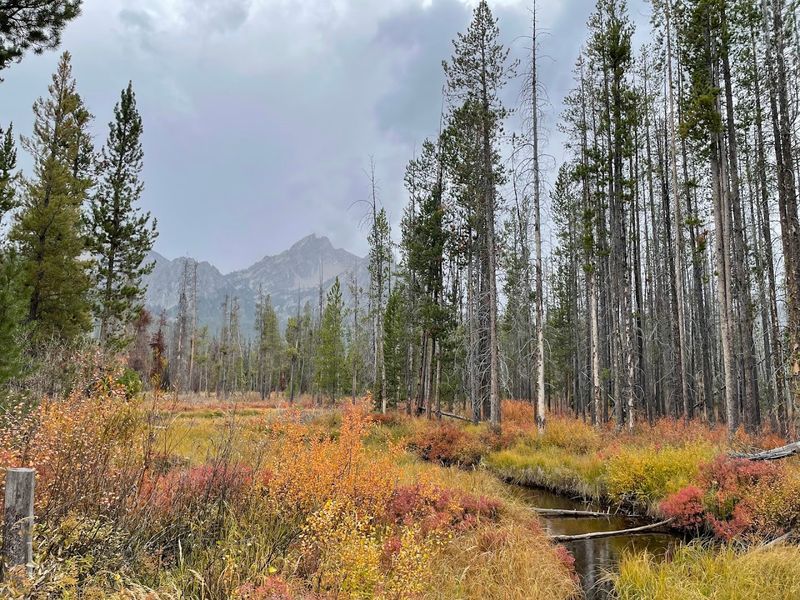
Summer gets the most visitors, but fall makes the strongest argument for itself. When the aspens turn gold along the Sawtooth range, Stanley Lake becomes a completely different visual experience.
The crowds thin out noticeably after Labor Day. Trails that felt busy in July suddenly feel private.
The lake surface stays calm more often, and wildlife activity tends to increase as animals prepare for winter.
Temperatures drop sharply in September and October at this elevation. Layering becomes necessary rather than optional, and mornings can bring frost even when afternoons stay pleasant.
The contrast between golden foliage, dark green pines, and snow beginning to appear on the higher peaks creates color combinations that photographers plan entire trips around. McGown Peak with a dusting of early snow above autumn color is a genuinely striking sight.
Fall fishing also tends to be productive. Cooler water temperatures and reduced fishing pressure combine to make the autumn season worth considering for anyone who enjoys angling in beautiful surroundings.
What The Night Sky Does Here
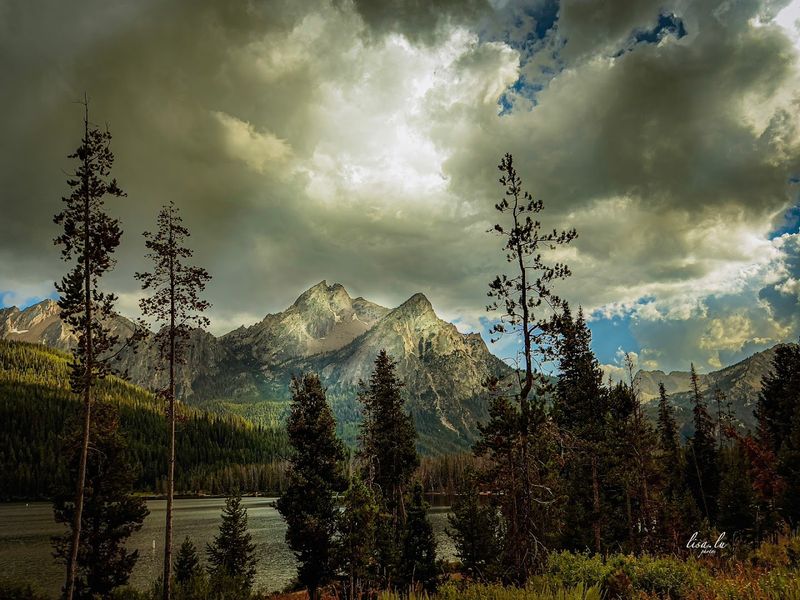
Light pollution is essentially a non-issue in this part of Idaho. The Stanley Basin sits far from any major urban center, which means the night sky above the lake operates at full intensity.
The Milky Way becomes visible to the naked eye on clear nights. Stars that city dwellers have never actually seen with their own eyes appear in overwhelming numbers above the lake.
It can genuinely stop a conversation mid-sentence.
Moonless nights in late summer offer the most dramatic conditions. The lake surface reflects the sky when the wind drops, creating a mirror effect that doubles the visual impact of the stars above.
Astrophotography enthusiasts consider this region one of the better locations in the state for dark-sky shooting. The combination of high elevation, minimal humidity, and minimal light interference creates technical conditions that are hard to replicate.
Campers who stay up past their usual bedtime for a look at the sky rarely regret that decision. The universe puts on a convincing show from this particular patch of Idaho ground.
The McGown Peak View That Stops People Cold
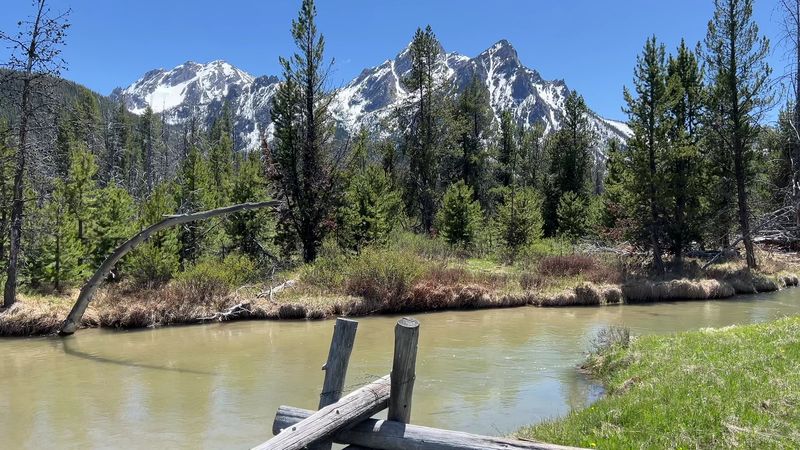
McGown Peak does not ease into the skyline. At nearly 9,860 feet, it announces itself immediately and stays in view for most of the trail around the lake.
The peak’s reflection on calm mornings is the image most associated with Stanley Lake. It appears on photography blogs, travel forums, and social media feeds with enough frequency to suggest that people genuinely cannot stop taking that shot.
Recent wildfire activity in the area has actually improved certain sightlines. Trees that once blocked portions of the view are gone, and the open terrain now allows unobstructed looks at the peak from angles that were not previously accessible.
Sunrise hits the peak with warm light before it reaches the lake surface. That window of early morning color, when the mountain glows and the water below it mirrors the sky, is the kind of scene that makes waking up before dawn feel like a reasonable life choice.
The view is free, requires no technical skill, and changes every single day.
Practical Things Worth Knowing Before Arriving
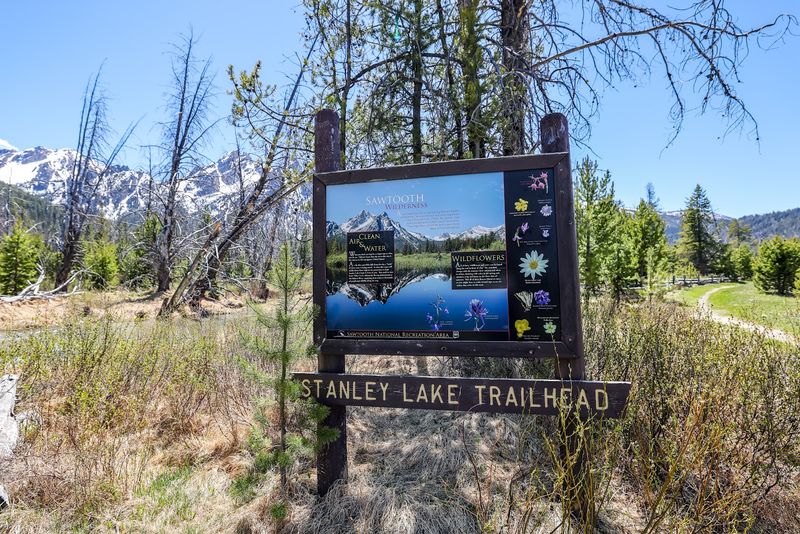
Stanley Lake Trailhead sits along Stanley Lake Rd in Stanley, Idaho, within the Sawtooth National Recreation Area. The access road is paved and manageable for most vehicles during the warmer months.
Winter snow can limit or block vehicle access entirely. The lake is technically accessible year-round, but winter visits require preparation and awareness of current road conditions before making the drive.
A recreation fee or pass may be required for day use within the Sawtooth National Recreation Area. Checking current requirements before arriving avoids surprises at the entrance.
Cell service in the Stanley Basin is limited. Downloading offline maps and trail information before leaving town is a practical step rather than an optional one.
The nearest services are in the town of Stanley, which is small but functional for basic supplies.
Dogs are welcome on the trails but must remain on a leash. Waste bags and proper disposal are expected, and the regular visitors here notice when someone does not follow through on that responsibility.
Why This Lake Deserves More Credit
Redfish Lake draws the bigger crowds in this part of Idaho, and that reputation is not entirely undeserved. But Stanley Lake offers something that heavily trafficked destinations rarely manage: space to actually breathe.
The trail ratings run from easy to genuinely challenging depending on the route chosen. The scenery quality stays high regardless of which direction a visitor heads.
That consistency is harder to find than it sounds.
Photographers, hikers, anglers, paddlers, and campers all find what they came for without feeling like they are competing for the same patch of ground. The lake has enough variety to serve a wide range of interests without diluting the experience for any of them.
Idaho has no shortage of dramatic landscapes, but this corner of the Sawtooth National Recreation Area holds its own against the state’s more celebrated destinations. The lake earns its quiet reputation every single season.
The best thing about Stanley Lake may simply be that it has not been discovered by everyone yet. That window will not stay open forever.