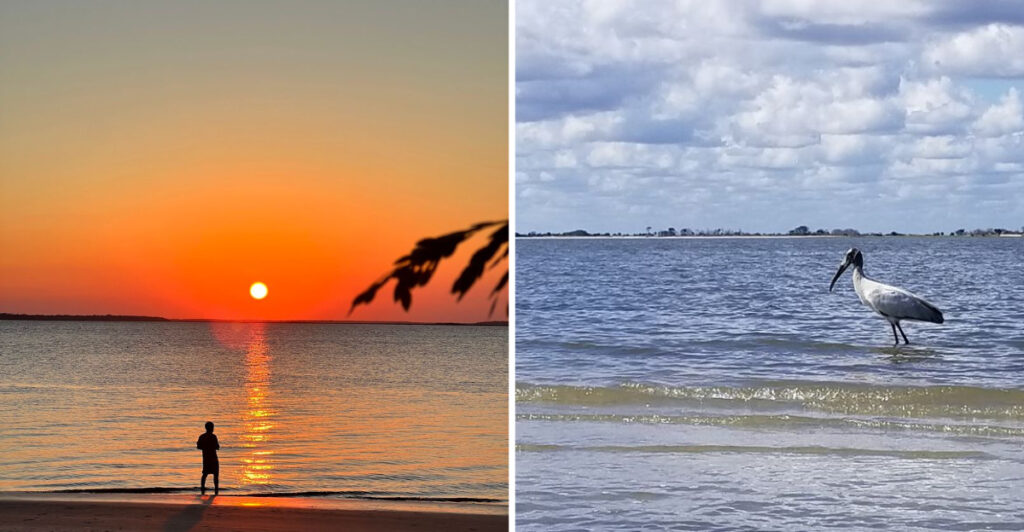
Sand dollars do not exactly announce themselves. They prefer to make you earn the discovery.
Near the southern tip of Jekyll Island, one Georgia beach trades busy crowds for open sand, marsh views, and a shoreline made for slow searching.
Walk early, watch the tide, and inspect every pale shape before dismissing it as another shell.
Finding a sand dollar is never guaranteed. That is what keeps the hunt interesting. Each stretch of sand becomes a new round, and every small discovery earns a closer look.
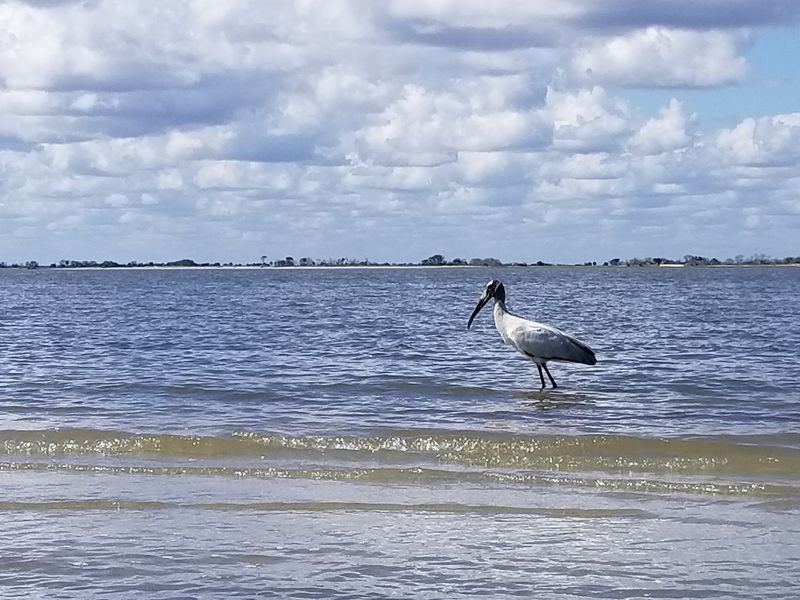
The beach offers more than coastal treasure hunting. Dolphins may surface offshore. Shorebirds work the waterline.
Picnic tables wait when your eyes need a break from scanning the sand.
Georgia has plenty of beaches built for full itineraries. This one rewards patience. Slow down, follow the shoreline, and see what the tide decided to leave behind.
Early Walks Turn Beachcombing Into A Coastal Treasure Hunt
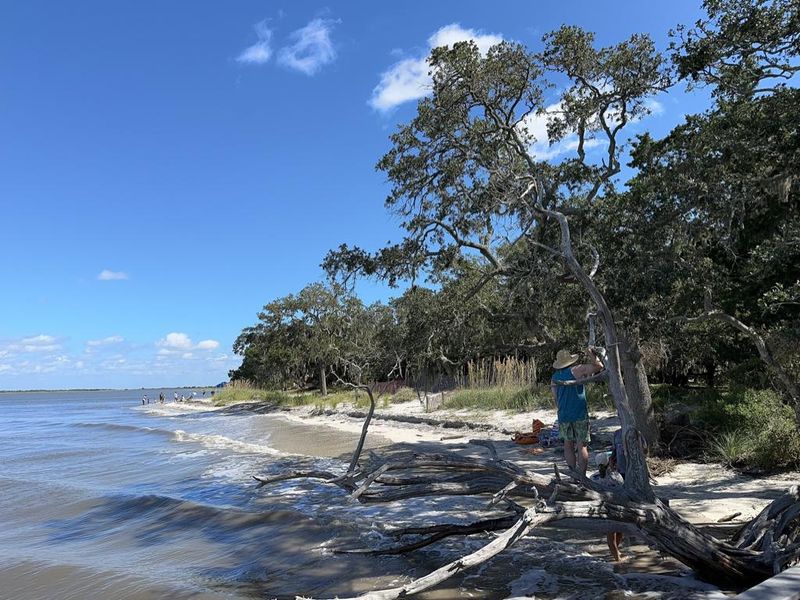
St. Andrews Beach Park is one of Jekyll Island’s recommended places to search for sun-bleached sand dollars. The best mornings begin with a slow walk and no promise that the beach owes you a souvenir.
Look along the damp sand where the tide has recently passed. Pale shells, fragments, drift lines, and small natural patterns become much easier to notice before footprints cover the shoreline.
Sand dollars do not always sit fully exposed. A white edge may appear beneath a thin layer of sand, while another may blend into broken shells until the light catches its familiar round shape.
Only empty shells and dead sand dollars should leave the beach. Living sand dollars range from gray-brown to dark purple and have tiny moving spines that create a fuzzy surface.
Place any living one gently back in the water and let it remain part of the coastal ecosystem. A bleached white shell is the beachcombing prize you can carry home.
The quiet search gives your morning a purpose without making it competitive. Every step becomes a small inspection, and every untouched stretch of sand offers another possibility.
Even an empty-handed walk can feel successful. The marsh air, open horizon, and first light across the water provide a reward before you find anything at all.
Low Tide Gives Patient Walkers More Shoreline To Explore
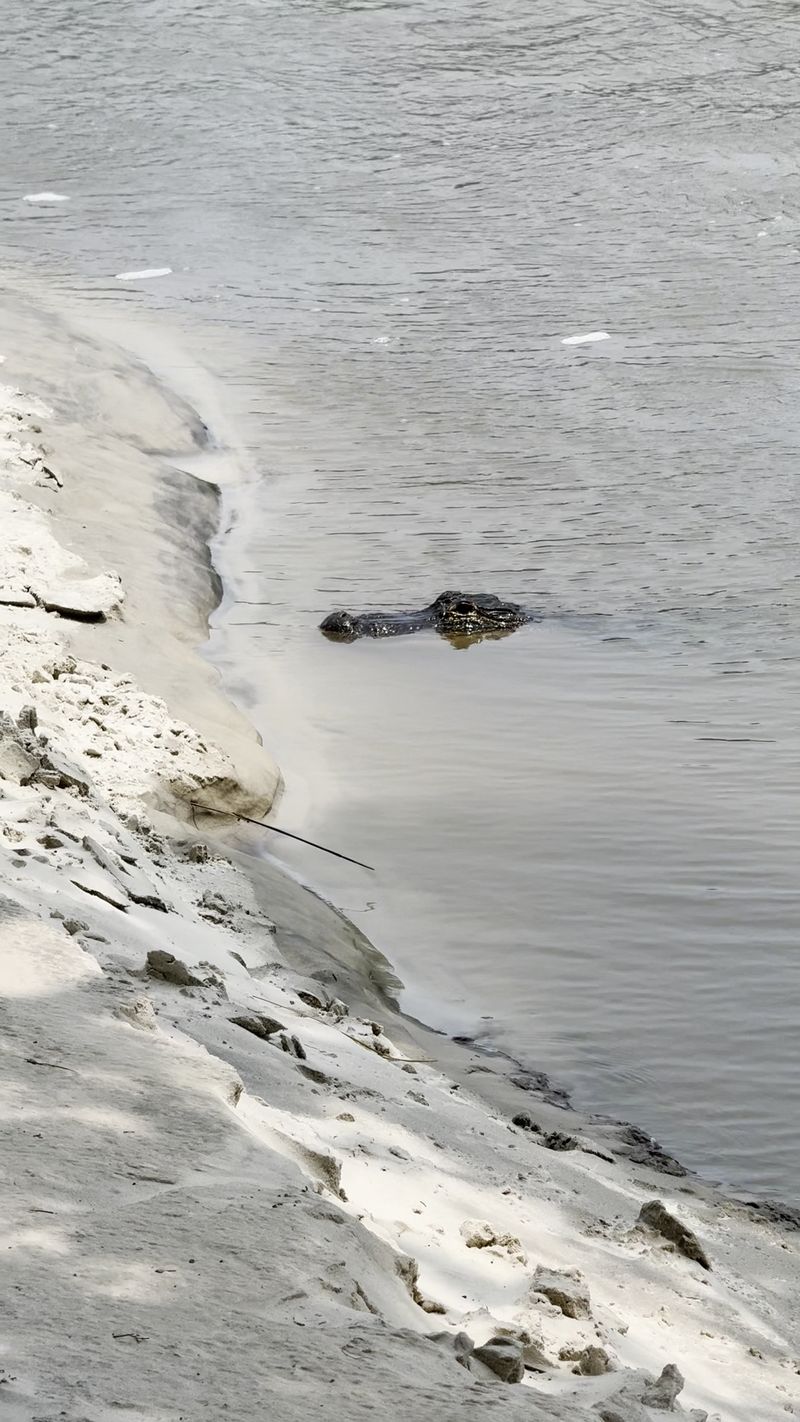
Low tide exposes wider areas of firm, damp sand and creates more room for beachcombing. Checking the tide before your visit can help you reach the shore while the water is pulling away.
Retreating tides leave natural lines of shells, plant material, and other small objects behind. Walk beside those lines rather than charging straight down the middle of the beach.
The slower pace helps you notice shape and color. Sand dollars are fragile, so the best find may be a pale disc resting quietly among pieces that survived a rougher trip ashore.
Weather changes what appears. Wind, waves, and recent storms can rearrange the beach overnight, while calmer periods may leave fewer shells but a cleaner shoreline.
You do not need special equipment beyond comfortable shoes, sun protection, and perhaps a small container for a delicate dead specimen. A towel and water make the rest of the morning easier.
The park sits near Jekyll Point, where the island narrows toward its southern end. After walking the shoreline, you can return to shaded picnic tables, restrooms, outdoor showers, and the wildlife platform.
Follow South Beachview Drive toward the park, then use 100 St. Andrews Drive, Jekyll Island, Georgia 31527 for the final approach.
Marsh Water And Open Sand Create A Softer Beach Day
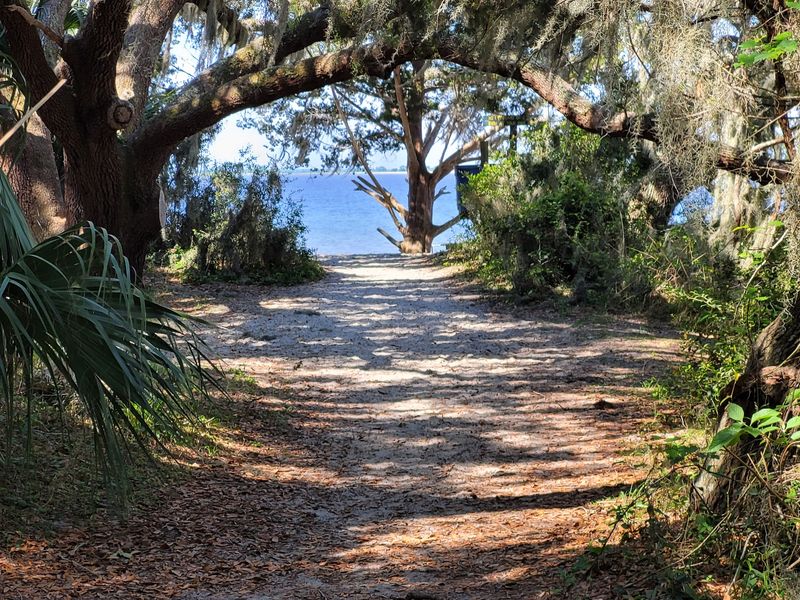
St. Andrews differs from Jekyll Island’s broad Atlantic-facing beaches. It overlooks Jekyll Sound, where tides, marsh edges, and nearby waterways create a gentler visual rhythm.
The beach can still receive rolling water and changing currents, but the setting carries less of the wide-open oceanfront energy found elsewhere on the island. Marsh grass and coastal trees remain close.
That difference becomes clear when you stop walking. Instead of hearing only surf, you may notice bird calls, water moving through the sound, and wind passing through the tree line.
Families can spread out without needing a full schedule. Children may search the sand, adults can watch the water, and everyone can regroup beneath the shaded picnic area.
The beach is also pet friendly when dogs remain under control and on a leash no longer than sixteen feet. Keep them away from resting birds and give wildlife plenty of space.
Accessible parking and beach access help more visitors reach the shoreline. Public restrooms and outdoor showers make it easier to rinse off sand before returning to the car.
A peaceful beach morning does not need an impressive itinerary. One long walk, one picnic, and enough time to watch the tide can fill the day surprisingly well.
The Wildlife Platform Opens A Wider Coastal View
A two-story wildlife viewing platform rises above the shoreline and surrounding vegetation. The upper level gives you a broader look at Jekyll Sound, the beach, and the marshy coastal landscape.
Climb up before your walk and study where birds are gathering. The viewpoint can also help you see how much sand the tide has exposed along the southern shore.
Dolphins are sometimes spotted from the platform and beach. They may surface in small groups, disappear beneath the water, and reappear farther along the sound.
Bring binoculars when wildlife watching matters to you. They make distant birds, boat movement, and quick dolphin sightings easier to follow without leaving the platform.
The structure also works as a comfortable pause between beach activities. You can step away from the sand, catch the breeze, and let the wider view reset the morning.
Shorebirds use Jekyll Point and the surrounding coast throughout the year, with migration bringing changing species through the area. Watch from a respectful distance and avoid pushing birds from resting or feeding spots.
The platform proves that a beach visit can remain interesting even when you never enter the water. Sometimes the best coastal moment happens several feet above the sand.
Dolphins And Shorebirds Keep The Waterline Lively
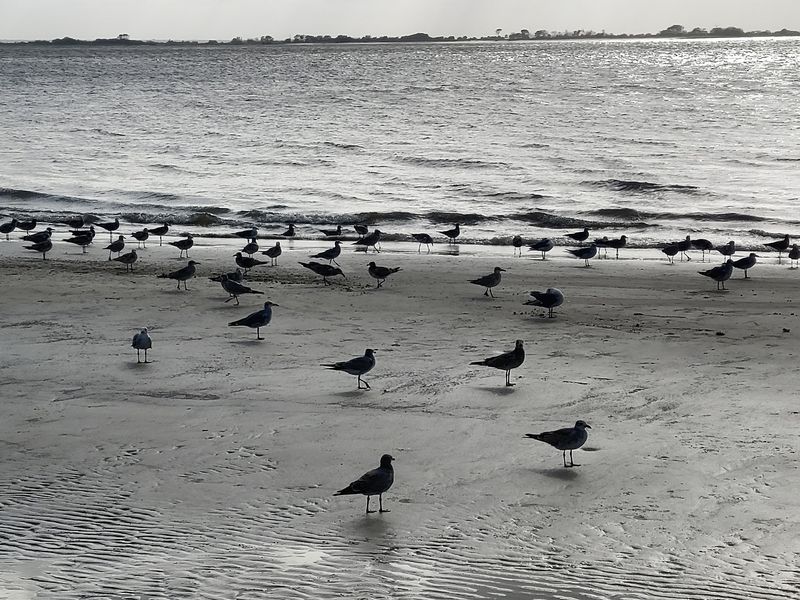
St. Andrews Beach Park is known as a good place to watch migratory birds and groups of dolphins. Neither appears on command, but keeping your eyes up improves your chances.
Pelicans often move above the water in steady lines before dropping toward fish. Smaller shorebirds hurry along the wet sand, stopping to feed as the tide uncovers new ground.
Jekyll Point is especially important for shorebird watching when the tide is not high. The southern tip gives birds open areas for feeding, resting, and gathering during migration.
Move slowly when birds are close. A wide path around a resting flock protects their energy and gives you more time to observe natural behavior.
Dolphins may travel parallel to the beach or appear near the sound. The observation deck is a useful vantage point, but a quiet shoreline walk can produce the same sudden flash of a fin.
The first sighting often causes everyone nearby to point at once. Keep watching the direction of travel because another surface may follow several seconds later.
Wildlife gives the beach a new focus after the sand-dollar search ends. You may arrive looking down at the shore and spend the rest of the visit watching the water.
The Wanderer Memory Trail Adds Essential History
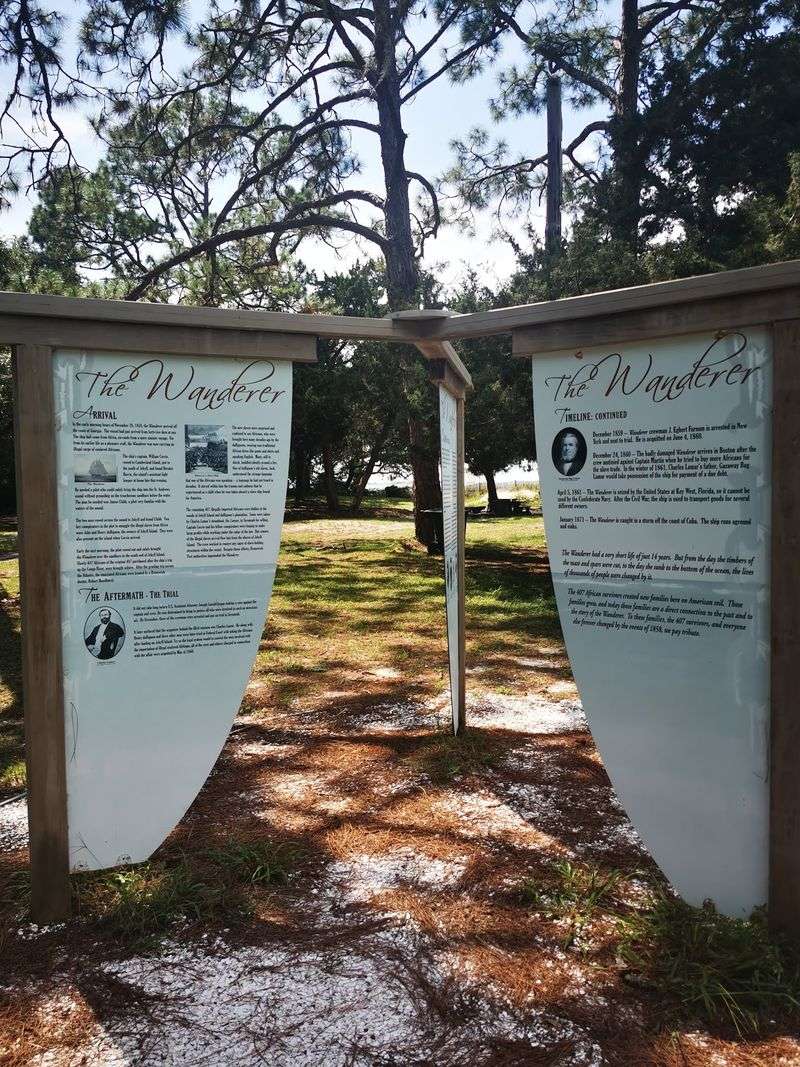
The Wanderer Memory Trail begins within St. Andrews Beach Park and tells the story of the ship that illegally brought enslaved Africans to Jekyll Island in 1858.
The Wanderer reached the island with 409 surviving West African captives after the international slave trade had been prohibited by federal law. The landing remains one of the most significant events in Jekyll Island’s history.
Interpretive panels and installations follow the experiences connected to the voyage, landing, enslavement, and lives of survivors and descendants. The trail asks visitors to move through the story rather than absorb it as a passing fact.
Walking from the peaceful beach into this history creates a sharp change in mood. Give the exhibits the time and attention they deserve instead of treating the trail as another quick photo stop.
St. Andrews also became a segregated public beach for African American visitors during the twentieth century. From 1950 to 1964, it served as Georgia’s only public beach where Black residents could visit during segregation.
That history adds another layer to the shoreline. The same place now known for sunsets and wildlife also holds stories of forced arrival, exclusion, community, and resilience.
A beach day can contain beauty and difficult history at once. The trail makes that fuller experience possible without separating the past from the landscape where it happened.
Sunset Gives The Southern Shore A Golden Finale
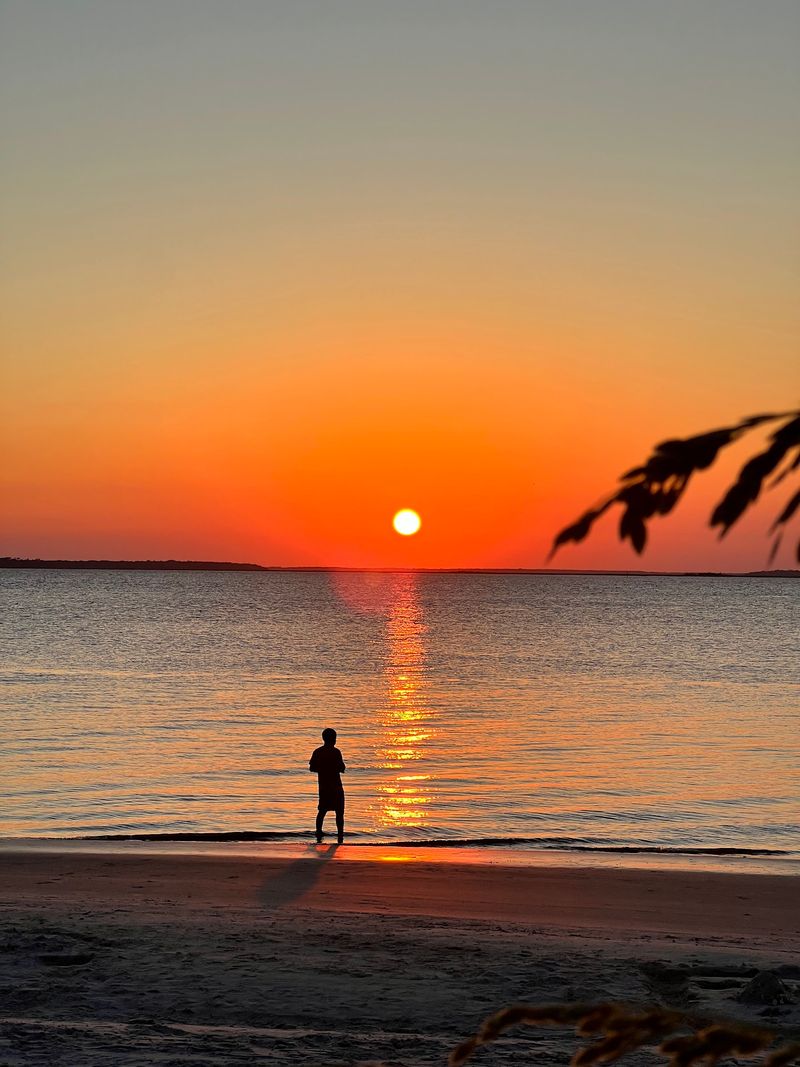
St. Andrews is one of Jekyll Island’s best-known sunset spots because the beach faces toward the sound and western sky. Evening light stretches across the water instead of disappearing behind the island.
Arrive before the color begins so you can settle in without rushing. The shaded picnic tables offer a place to wait, while the shoreline gives you an open view as the sky changes.
The marsh grasses catch warmer tones near sunset. Water reflects gold, orange, pink, and softer evening colors in broken bands that shift with every small wave.
Dolphins and birds may remain active as daylight fades, adding movement to a scene already changing by the minute. Keep binoculars nearby and your phone out of the way long enough to actually watch.
A sunset visit can follow an early beachcombing morning if you are spending the full day on Jekyll Island. It can also stand alone as a peaceful ending after exploring elsewhere.
Pack a simple picnic, bring a light layer when the breeze cools, and leave the beach as clean as you found it. The final view needs no decorations left behind.
After sand-dollar hunting, wildlife watching, coastal history, and a sky turning gold over Jekyll Sound, what more could you ask from one Georgia beach day?