Some of the best meals happen when you pull off a busy highway and stumble into a place that feels nothing like the road you just left. Pennsylvania has a way of rewarding that kind of curiosity, especially at breakfast.
One family restaurant in central Pennsylvania reportedly puts a classic Pennsylvania German plate on the table that road-trippers and locals alike find worth a stop. If you have never tried scrapple with eggs, this might be the trip that changes your morning routine.
The likely stop is a family restaurant near Interstate 80
Finding a meal that actually feels local while driving a major highway is rarer than it sounds. Most exits off Interstate 80 lead to chain restaurants with laminated menus you have already memorized.
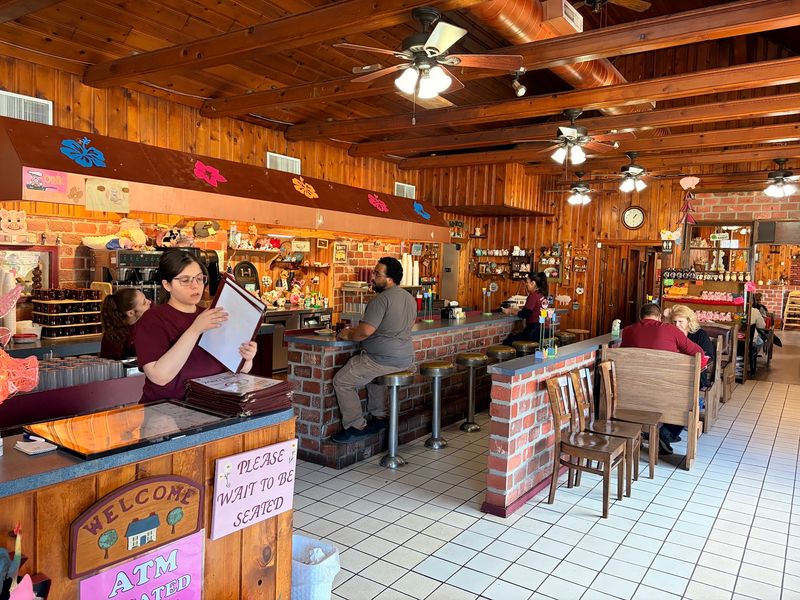
A travel feature covering central Pennsylvania’s food stops points to a different kind of option: an A-frame family restaurant tucked just off the highway in the Nittany Valley region, reportedly serving a breakfast that leans hard into Pennsylvania German tradition.
The establishment most likely behind this story is The Cottage Family Restaurant, listed at 5833 Nittany Valley Drive in Mill Hall, Pennsylvania. The restaurant describes itself as a family restaurant, not a diner, and that distinction matters when setting expectations.
Mill Hall sits in Clinton County, and the location puts it within reach of travelers moving along one of Pennsylvania’s main east-west travel corridors.
A travel feature on regional I-80 breakfast stops specifically connects this restaurant with scrapple, eggs, country-fried steak, and generous portions, framing it as a place where road-trippers can encounter something more regional than a standard highway breakfast. That framing is useful editorial context, not a guarantee of universal popularity or a documented history of local devotion.
One important note before planning a visit: the restaurant’s identity here is an inference based on available sources, and the assigning editor should confirm the match before this article is published. What the sources do support is the picture of a central Pennsylvania family restaurant near a major travel route, with a menu that includes recognizable Pennsylvania German breakfast items.
That alone is enough to make it worth a closer look.
Pennsylvania Dutch means Pennsylvania German
Before the food even arrives at the table, the menu language deserves a quick explanation. The phrase “Pennsylvania Dutch” appears on menus and food packaging across central and eastern Pennsylvania, but it has nothing to do with the Netherlands.
According to the Encyclopedia of Greater Philadelphia’s entry on scrapple, the term derives from “Deutsch,” the German word for German, and refers primarily to the Pennsylvania German communities that settled in the region during the 17th and 18th centuries.
German-speaking immigrants, many of them from the Rhineland and Switzerland, brought food traditions with them that adapted to what Pennsylvania farms could produce. Pork was central to that kitchen economy, and the practice of using the whole animal, including trimmings and less favored cuts, reflected both practicality and culinary skill.
Combining those pork elements with grain was a way to stretch ingredients into a filling, sliceable product that could feed a family through a working morning.
Scrapple became one of the clearest expressions of that adapted tradition. Smithsonian Magazine’s profile of scrapple traces the dish to those German culinary habits reshaped by Pennsylvania conditions, noting its place in a broader Mid-Atlantic food culture.
The food spread well beyond Pennsylvania’s borders over time and is eaten across Delaware, Maryland, New Jersey, Virginia, and parts of the Washington, D.C. area. Calling it strictly Pennsylvanian undersells its regional reach.
Oral history recordings held by the Pennsylvania State Archives document the persistence of Pennsylvania German food customs in communities where the language and traditions survived well into the 20th century. Scrapple’s staying power in those communities reflects a food culture that valued economy, flavor, and continuity, not a single restaurant’s recipe or origin story.
Scrapple has a defined method and many regional variations

Scrapple gets an unfair reputation as nothing more than mystery meat, and that characterization misses the actual product. Federal standards published by the USDA set a clear baseline: federal regulations for meat food products require that scrapple contain at least 40 percent meat and/or meat by-products by fresh weight, excluding bone, with grain or flour from grain or soybeans making up the remainder.
That is a regulated recipe structure, not a catch-all for random kitchen scraps.
The production process follows a consistent general pattern. Pork meat or meat by-products are cooked down, then combined with cornmeal, wheat flour, buckwheat flour, or some combination of those grains.
The mixture is seasoned, typically with sage, marjoram, and other spices, then poured into a loaf mold and allowed to set. Once firm, the loaf is sliced and pan-fried until the outside develops a crust while the interior stays soft.
Where things get genuinely varied is in the specific formula each producer uses. Pennsylvania Eats’ feature on scrapple as a state food icon notes that regional differences in seasoning and grain ratios create real distinctions between one producer’s loaf and another’s.
A buckwheat-heavy version tastes and crisps differently than one built mostly on cornmeal. Some producers lean on sage heavily; others keep the spice profile mild.
None of the available sources document the specific formulation used at The Cottage Family Restaurant, so any description of that restaurant’s scrapple would be speculation. What the sources do establish is a food with a regulated foundation and a wide range of honest regional expression built on top of it.
That variety is part of what makes trying scrapple at a regional restaurant worthwhile rather than redundant.
Scrapple and eggs offer a direct introduction to the region

Pairing scrapple with eggs is the most common way the dish appears on Pennsylvania breakfast menus, and the combination makes practical sense. The fried scrapple slice, with its crisp outer layer and softer interior, sits alongside eggs the way sausage or bacon would in a more familiar American breakfast.
The regional character comes from the meat-and-grain composition and the seasoning profile rather than from a dramatically different plate format.
According to the travel feature covering I-80 breakfast stops, The Cottage’s reported menu includes scrapple and eggs alongside country-fried steak and other hearty morning options. The feature describes generous portions and a breakfast experience that feels connected to the region rather than generic.
Those are reported impressions from a secondary travel source, not independently verified claims, but they give a useful sense of what a visit might offer.
The restaurant’s own website adds more menu context. The Cottage Family Restaurant’s website describes its food as homemade, highlights a Pennsylvania Dutch omelet, and mentions homemade pies and a welcoming atmosphere.
These are business claims and should be understood as such, but they paint a picture of a menu with regional identity rather than a generic chain approach.
The general appeal of the scrapple-and-eggs pairing is that it functions as a low-stakes entry point into Pennsylvania German food tradition. Eggs are familiar; scrapple is the new element.
For a road-tripper who has never encountered the dish, ordering it alongside something recognizable makes the experience approachable. The regulated composition of scrapple means you are eating a defined meat-and-grain product, not an unknown quantity, which may reassure first-timers who have heard the dish described in less flattering terms.
A highway stop can still feel local
Long stretches of Interstate 80 through Pennsylvania offer plenty of exits, but most of them lead to the same handful of national chains. The appeal of a family restaurant with a regional menu is the contrast it creates: a place where the food reflects where you actually are rather than where you could be anywhere in the country.
The travel feature connecting The Cottage to Interstate 80 travelers frames the restaurant as a place where a detour from the highway can deliver something more memorable than a standard road-food stop. That framing is a travel writer’s editorial take, not a traffic study or a survey of driver habits.
What it communicates usefully is that the restaurant’s location makes a regional breakfast accessible to people who might otherwise never encounter scrapple on a cross-state drive.
Choosing to stop at a family restaurant near the highway rather than a chain location is a small decision with a potentially outsized payoff for curious eaters. You may encounter a food tradition with roots going back centuries in the surrounding region, served in a setting that reflects central Pennsylvania rather than a corporate design template.
The Cottage’s website describes a welcoming atmosphere and a menu built around homemade food, which suggests a different kind of meal than a fast-food window can offer.
None of that means the stop is for everyone, or that the restaurant is a proven magnet for travelers. Scrapple is a regional food with a devoted following and an equally vocal group of skeptics.
The honest case for stopping is simply that the opportunity to try a Pennsylvania-associated food tradition in a central Pennsylvania family restaurant, right off a major highway, does not come along at every exit.
Check the details before setting out
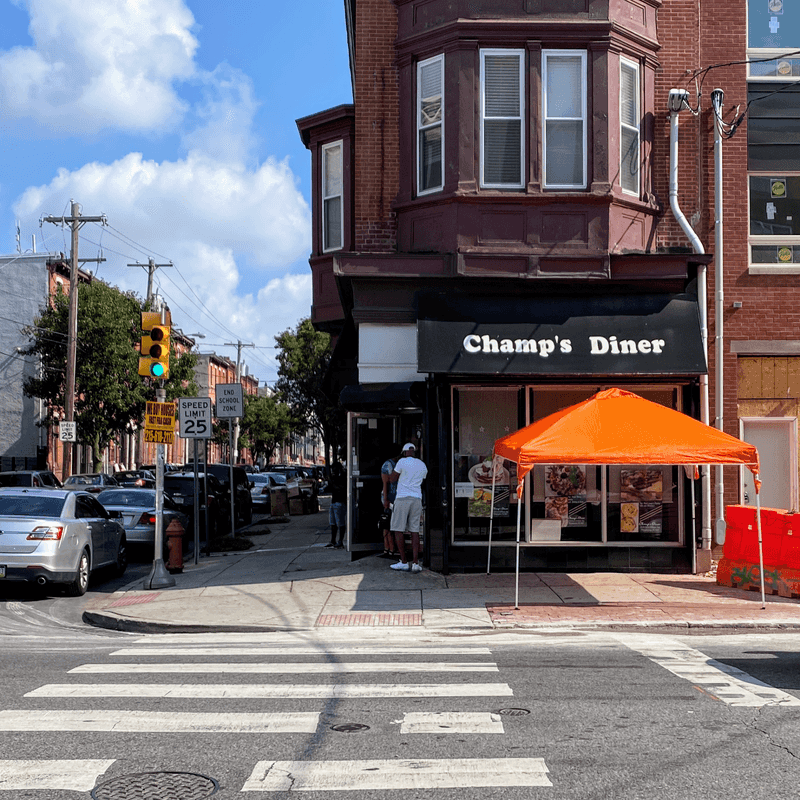
Good planning saves a wasted detour. The Cottage Family Restaurant lists its address as 5833 Nittany Valley Drive in Mill Hall, Pennsylvania, and its posted hours as 7 a.m. to 9 p.m. daily, according to the restaurant’s own website.
Those hours make it a workable stop for both early-morning travelers and anyone passing through later in the day.
The restaurant’s website also describes a menu that goes beyond breakfast. Pennsylvania Dutch omelet, homemade pies, and generous portions are all highlighted as part of what the restaurant offers.
These are claims made by the business itself and should be treated as menu information rather than independently reviewed facts. Still, they give a reasonable picture of what to expect from a visit.
Hours and menus at any restaurant can change without notice, especially for smaller family operations. Calling ahead or checking the website again before making a specific trip is a straightforward precaution.
The posted daily hours suggest flexibility, but confirming that the kitchen is still serving scrapple and eggs on the day you plan to visit is worth a quick check rather than an assumption.
One additional planning note: the restaurant’s identity in this article is an inferred match based on available travel and restaurant sources. If you are specifically seeking The Cottage Family Restaurant, the address and hours above are the verified details from the restaurant’s own listing.
Treat everything else, including the generational framing in the original article title, as editorial color rather than documented history.
Approach the plate with curiosity, not a borrowed legend
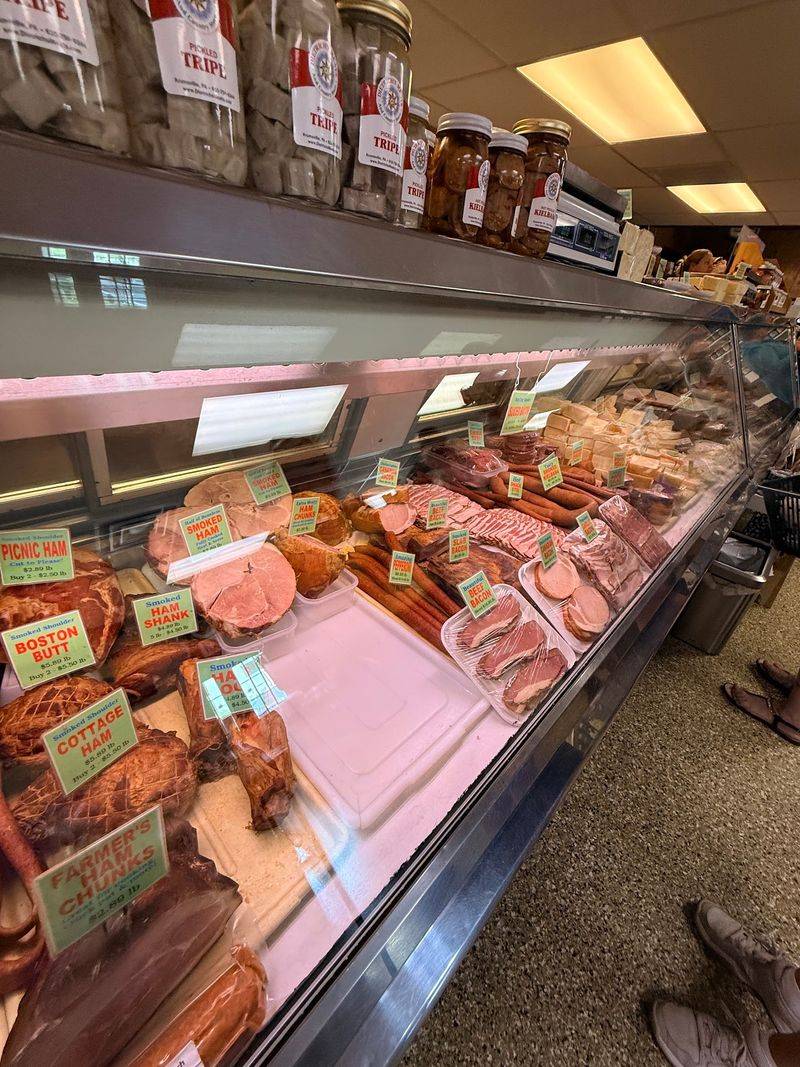
The honest version of this story is more interesting than the legend. A family restaurant near Interstate 80 in central Pennsylvania reportedly serves scrapple and eggs alongside a menu that leans into Pennsylvania German food tradition.
That is a genuinely appealing combination for curious road-trippers, and it does not need the weight of an unverifiable generational claim to make it worth considering.
What the available sources do not establish is that The Cottage has served this plate for generations, that its recipe has stayed the same over the years, or that travelers routinely leave the highway specifically for it. The documented generational tradition belongs to scrapple itself as a Pennsylvania German food, not to any single restaurant’s tenure.
Keeping that distinction clear makes for a more honest visit.
Scrapple is, as Philadelphia food coverage regularly notes, a divisive dish. Some people order it every time they see it on a menu; others have tried it once and moved on.
Pennsylvania food writers describe it as a true regional icon precisely because it provokes a reaction rather than sitting quietly in the background. That quality makes it worth trying at least once.
If you are traveling through central Pennsylvania and breakfast is on the agenda, the reported stop near I-80 offers a chance to sit down with a regional food on its home turf. Go with an open appetite and make your own call.
The best food stories are the ones you collect firsthand, not the ones you inherit from a headline.