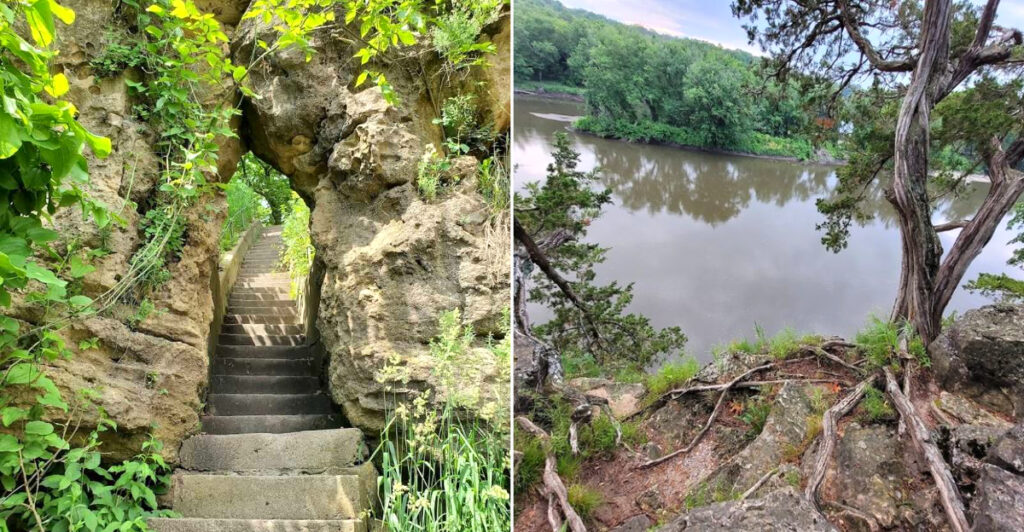
The road does not make a big announcement before the canyon shows up.
That is part of the trick. One moment, eastern Iowa feels calm and familiar, and the next the land drops, the trees close in, and the river starts acting like it has been hiding the good scenery on purpose.
This is the kind of place that makes a quick hike feel like a bad estimate.
You think you are stopping for a little fresh air. Then the bluffs appear through the branches, the trail tilts under your shoes, and suddenly turning back too soon feels rude.
Iowa does not always get credit for scenery with edges, shadows, and a little attitude. This park quietly corrects that, one bend in the trail at a time.
Where the Park Sits and Why That Matters
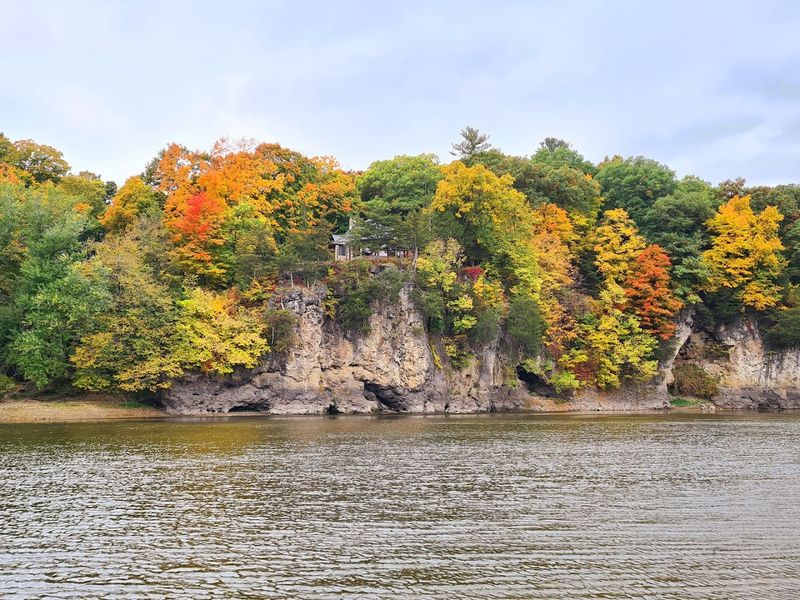
Palisades-Kepler feels different fast. This eastern Iowa state park drops into wooded ravines, limestone bluffs, and Cedar River views that make the landscape feel sharper than expected.
The park sits just west of Mount Vernon, close enough for an easy day trip but scenic enough to feel like a real escape.
Its setting along the Cedar River is what gives the place its character.
Trails lead through forest, along bluff edges, and toward overlooks where the river bends below the trees.
The terrain has more shape and drama than many people expect from an Iowa hike.
That mix of canyon-like ravines, river sound, shaded paths, and exposed rock makes the park feel quietly adventurous without needing a huge footprint.
For an Iowa state park with wooded trails, limestone scenery, and a canyon feel worth seeing up close, this Mount Vernon favorite makes a quick hike feel like too small a plan.
You will find Palisades-Kepler State Park at 700 Kepler Dr, Mount Vernon, IA 52314.
The Canyon and Bluffs That Steal the Show
The canyon at Palisades-Kepler is the kind of thing that stops you mid-step.
Tall limestone walls rise on either side of narrow ravines, covered in moss and ferns, with tree roots gripping the rock face like they have been holding on for centuries.
It does not look like the Iowa most people picture when they think of the state.
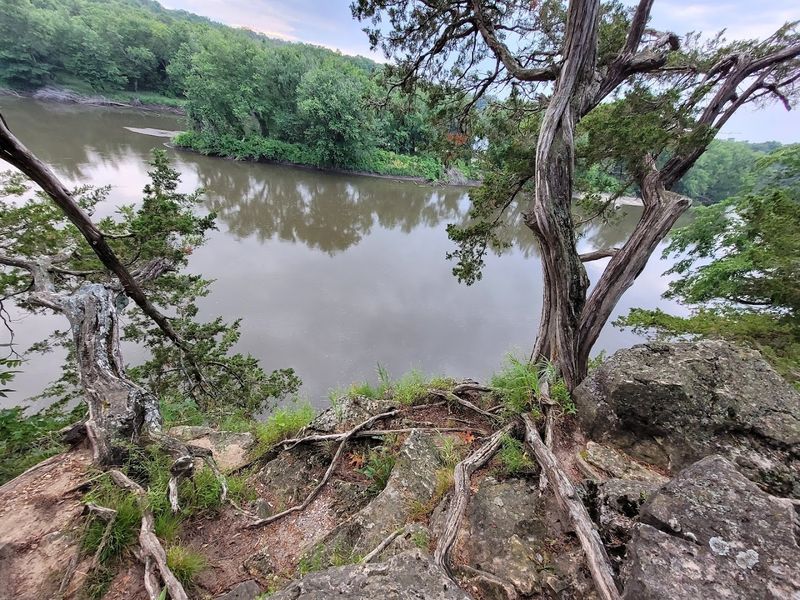
The bluffs along the Cedar River are the park’s most dramatic feature. From certain overlooks, you can see the river below bending through the valley with the bluff walls reflected in the water.
Small caves and recesses dot the rock face, and the layered limestone tells a geological story that goes back millions of years.
I stood at one of the overlooks on a weekday morning when the light was coming through the trees at a low angle, and the whole canyon below had a hazy, quiet quality that made it hard to leave.
The bluff trail requires some effort to reach those views, but the payoff is real.
Bring a camera and expect to use it more than once on this stretch of the park.
Trail Options for Every Kind of Hiker
The trail network here is modest in total mileage but big on variety. Most hikers cover around three to four miles total, which is manageable for families but still satisfying for anyone who wants a real workout.
The Cedar Cliff Trail is labeled hard on the park map, and that label is honest.
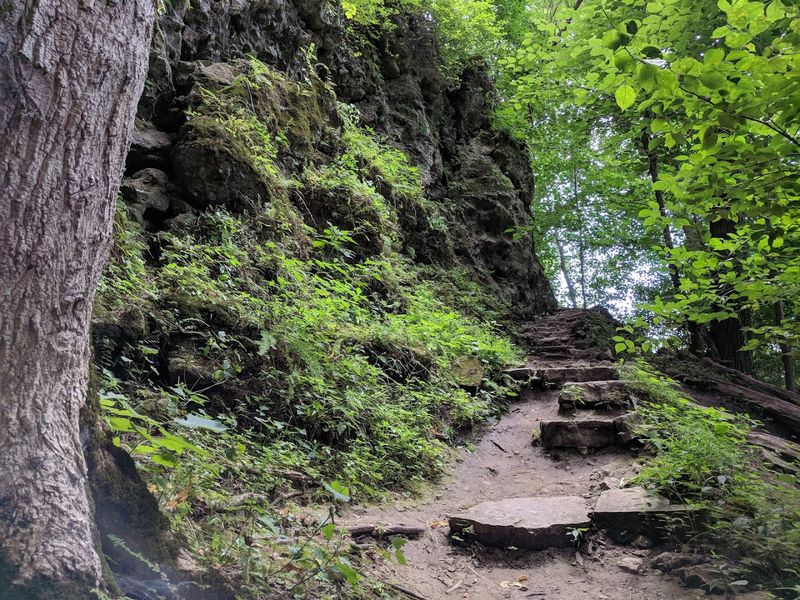
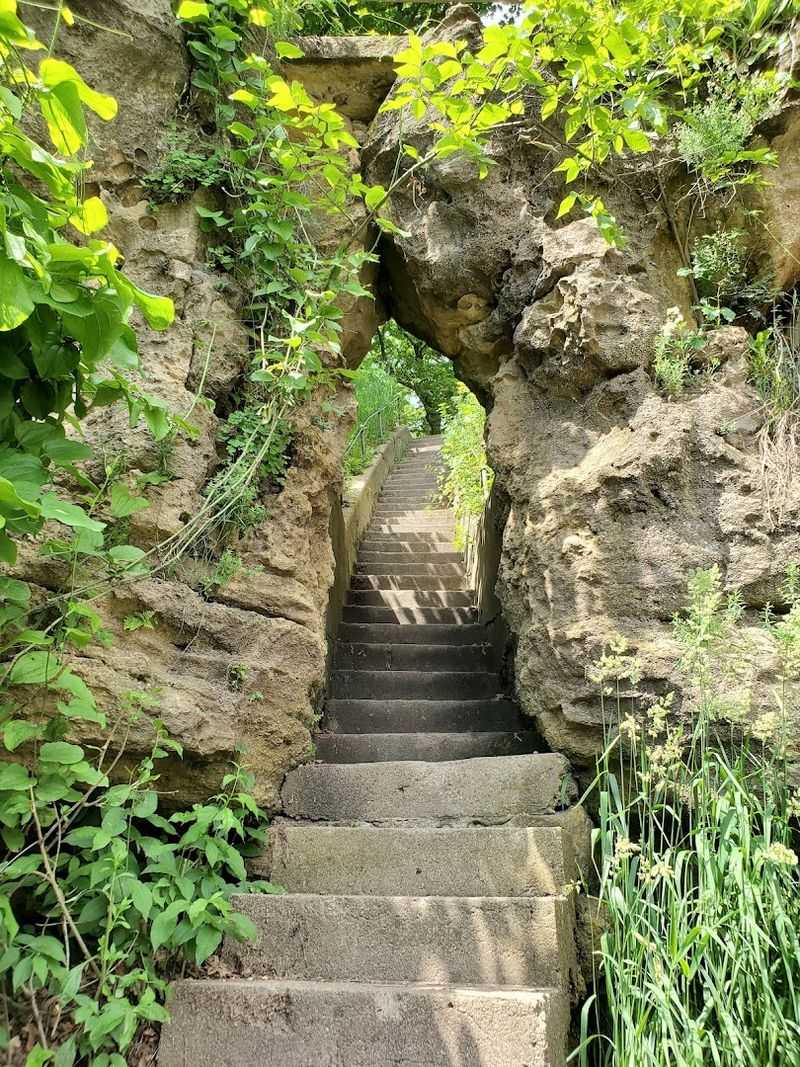
That trail includes a long staircase cut into the hillside, steep switchbacks, and some sections where the steps are angled and slick after rain. Grip matters on those stretches, so solid hiking shoes are not optional.
The easier riverside paths run along the Cedar River and offer flat walking with consistent views of the water and the bluffs across the way.
Footbridges cross small ravines along the route, and there are benches and overlook spots placed at intervals where you can stop without feeling like you are blocking traffic. Weekday visits tend to be quieter, while weekends bring more families and dogs.
Trail signs are decent but not perfect, so downloading a map from the Iowa DNR website before you go saves time and keeps you from missing the best sections of the route.
Walking the River Path Along the Cedar
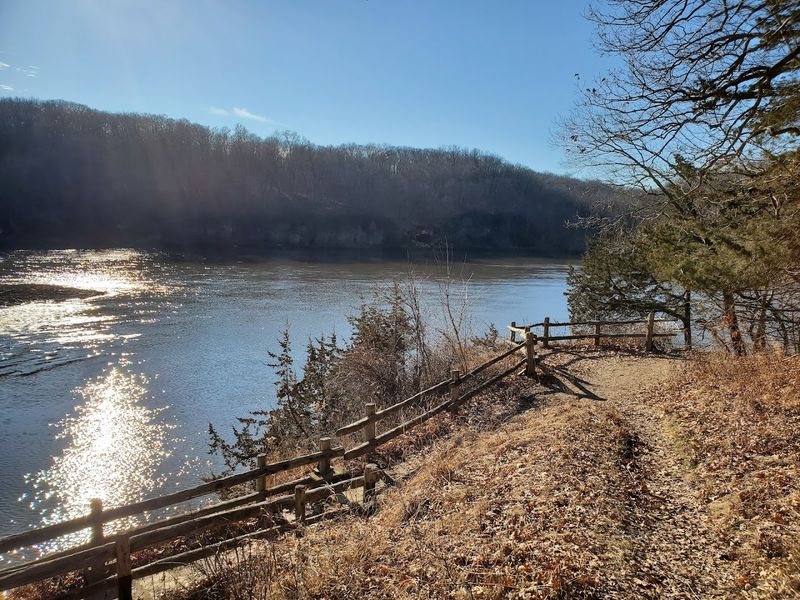
The riverside section of the trail system is where the park shows its softer side.
A path runs close to the Cedar River’s edge, and the combination of moving water, overhanging trees, and bluff walls on the far bank creates a setting that feels genuinely removed from everyday life. The sound of the river does a lot of the work here.
Along this stretch, you pass small footbridges, open gravel bars where the river slows, and spots where the limestone cliffs reflect in the water on calm mornings.
It is the kind of walk where you end up taking more photos than you planned because the light keeps changing as you move through the tree canopy.
I noticed that the path dips close enough to the water in a few places that you can hear the current clearly and feel the cooler air rising off the surface.
Families with younger kids tend to gravitate toward this section because it is flatter and the views come quickly without requiring a big climb.
The river walk connects to the more challenging bluff trails, so you can mix and match based on how much energy your group has on any given day.
Wildlife Watching Opportunities Throughout the Park
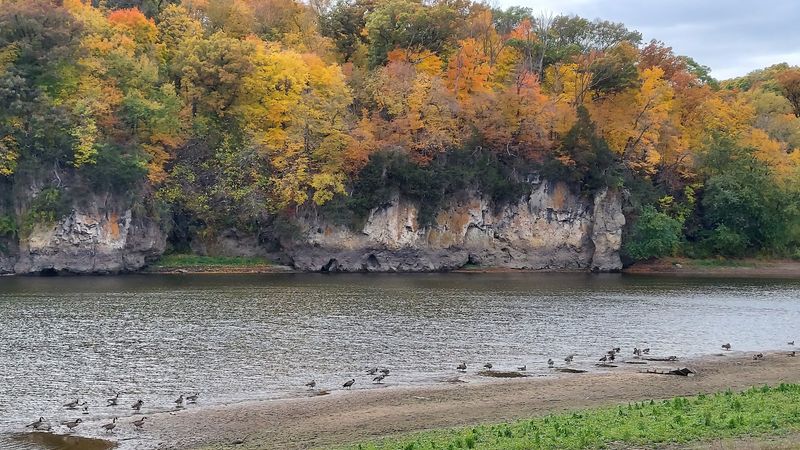
Bird watchers have a strong reason to visit this park, especially in the cooler months.
Bald eagles have been spotted along the Cedar River corridor during winter, and the forest holds a wide variety of songbirds that make early mornings genuinely noisy in the best possible way.
One camper described waking up at campsite 29 to what felt like a full bird symphony every morning.
White-tailed deer move through the park regularly, and the dense hardwood forest provides cover for all kinds of woodland species.
The mix of riverbank habitat, rocky bluff faces, and interior forest creates multiple micro-environments that support different animals, which is part of why wildlife sightings here feel more varied than at a flat grassland park.
Bringing binoculars is worth the bag space, especially if you plan to spend time near the river overlooks where birds of prey tend to circle.
The park does not have any formal wildlife observation platforms, but the trail overlooks serve the same purpose.
Quiet movement on the trails tends to reward patient hikers with closer looks at whatever is moving through the trees on any given morning.
The Cedar River Beach Area and Water Access
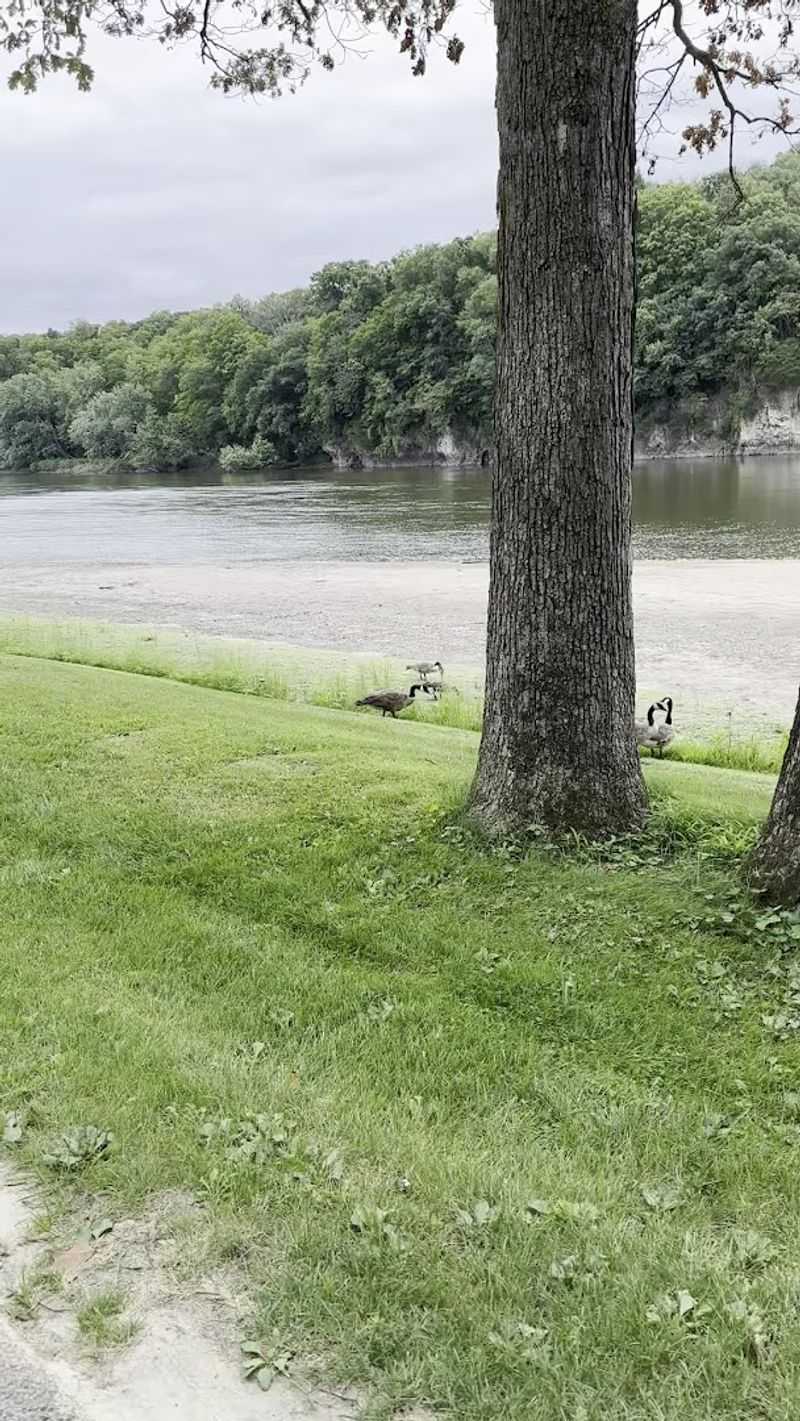
Down near the river, there is a spot that locals informally call the beach. While it is not a lifeguarded beach setup, it functions as one of the park’s most popular hangout zones.
The gravel and sand bars along the Cedar River give visitors a place to sit near the water, watch the current, and enjoy the bluff views without committing to a full hike.
Swimming is allowed in the Cedar River, but the current can be strong, so families should use real caution near the water and keep younger kids close.
The river level varies by season, which affects how much bar is exposed, but even at higher water levels there are usually accessible spots near the bank.
One visitor mentioned bringing their dog to this area, and the dog made the most of every puddle and shallow stretch available.
The road down to the river passes through the campground area and leads to several picnic tables and grills set up near the water. It is a good option for anyone who wants the park’s scenery without committing to a full hike.
The bluffs visible across the river from this spot are among the best views in the entire park, and you do not need to climb anything to see them.
Camping Options from Tent Sites to Cabins
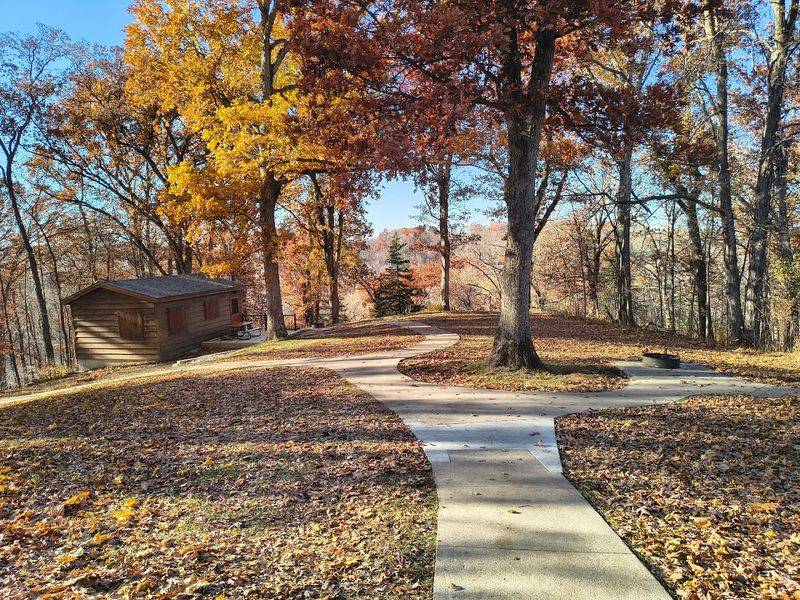
Overnight stays at this park range from basic tent camping to cabin rentals, with RV hookup sites available in the campground as well.
The campground sits within the forest, and many sites have significant tree cover, including campsite 29 which is shaded by two large oak trees for most of the day according to people who have stayed there.
The shower facilities have received consistent praise for being clean and offering hot water, which is not always a given at state parks. Camp hosts are on site and have been described as welcoming and helpful.
The bathrooms near the campground are well maintained, though the park does not have a dumpster at the dump station, so campers need to plan accordingly for trash disposal.
Large RVs should note that the park roads are narrow and maneuvering a very long rig can be challenging. Anyone with a fifth wheel over 40 feet should check with the park directly before booking.
For everyone else, the campground is a comfortable base for multi-day exploration of the trails and river. Reservations can be made through the Iowa DNR reservation system, and weekends fill up faster than weekdays during peak season.
Fall Colors and Seasonal Reasons to Visit
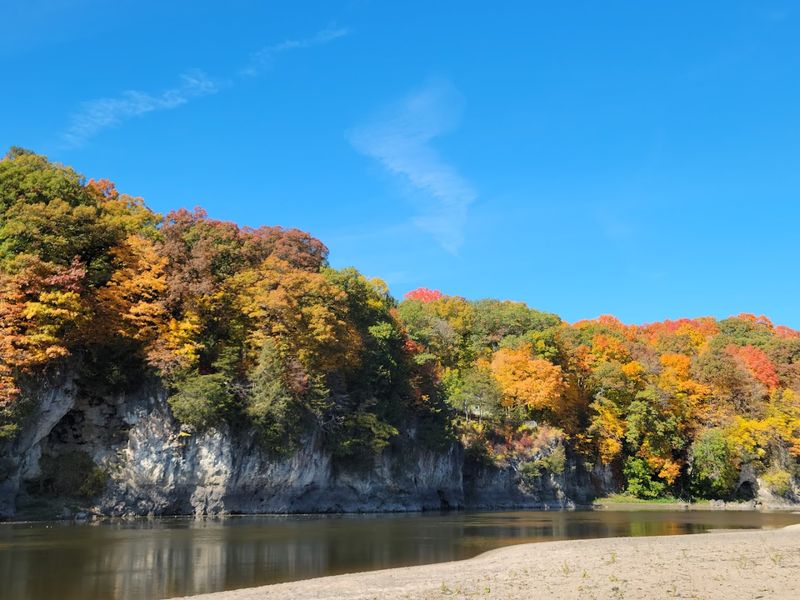
Fall is when this park shifts into a different gear entirely.
The hardwood forest that covers the bluffs and canyon walls turns every shade of orange, red, and gold, and the combination of color against the grey limestone makes the overlooks genuinely photogenic without needing any filters or fancy camera work.
Several visitors specifically called out fall hiking as their top recommendation for first-time visitors.
The cooler temperatures make the steeper sections of the Cedar Cliff Trail more comfortable, and the lower sun angle in autumn sends light through the canyon in ways that summer’s thick canopy blocks.
One visitor mentioned seeing classic cars parked near the river during a fall visit, which adds an unexpected layer of charm to the scene.
Winter visits have their own appeal, particularly for spotting bald eagles along the river corridor and experiencing the bluffs without any leaf cover obscuring the rock formations.
Spring brings wildflowers along the trail edges and higher river levels that make the water more dramatic.
The park is open year-round, and each season offers a different version of the same landscape, which is a reasonable argument for coming back more than once.
Picnic Areas and Day Use Spots Worth Knowing
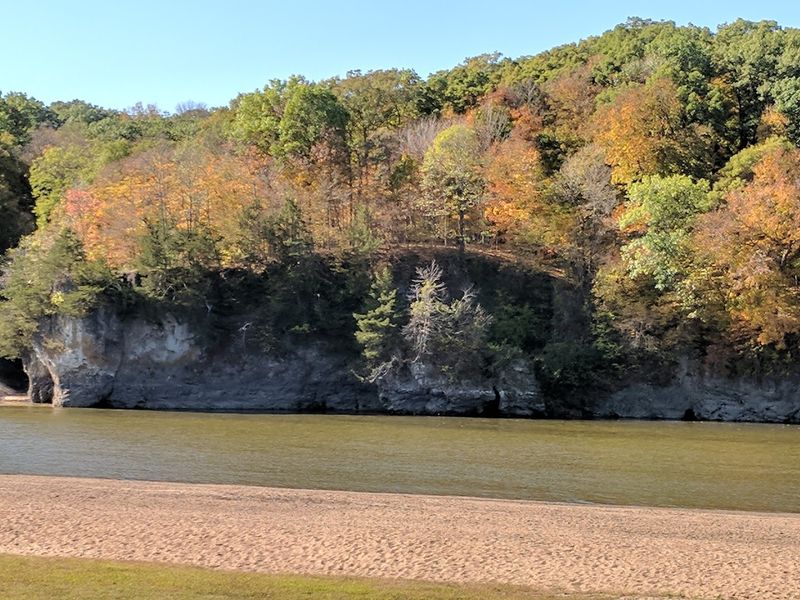
Day visitors have a solid setup here. Multiple picnic tables and grills are scattered throughout the park, with a concentration of them near the river access road where families tend to gather on weekends.
Covered shelters are available for groups who want to reserve a spot for a reunion or outing, and the lodge near the park entrance can be rented for larger events like weddings and family gatherings.
The lodge is a historic structure that adds some architectural character to the entrance area, and it has been used for events that draw people who might not otherwise visit the park at all.
The picnic areas near the water have the added bonus of bluff views across the river, which makes lunch feel more interesting than your average roadside rest stop.
Restrooms are located at several points throughout the park, including vault toilets near the trail entrance. Water is not always available at trailhead facilities, so bringing your own is a reliable habit to develop before arriving.
The day use areas do not require a separate fee beyond standard Iowa state park access, and the park does not charge an entry fee, which makes it an easy option for a spontaneous afternoon outing.
Bringing Dogs and Families to the Trails
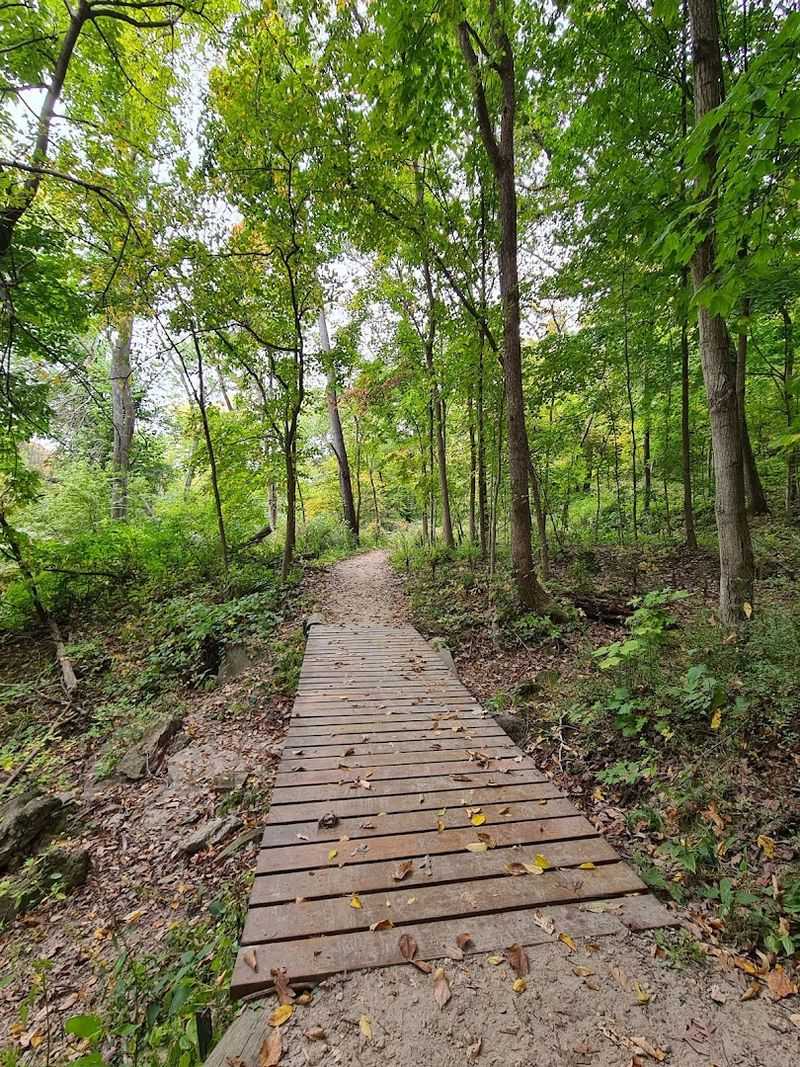
Dogs are welcome on the trails at this park, and the mix of scents, terrain changes, and river access makes it a genuinely good outing for four-legged hikers.
The key is keeping them leashed, which is standard Iowa state park policy, and making sure they have water since the trail facilities are limited in that regard.
Families with younger children tend to do well on the riverside sections and the easier loop trails, where the terrain is manageable and the views arrive without requiring a major elevation push.
The steeper sections of the Cedar Cliff Trail involve stone steps and some uneven footing, so that particular stretch is better suited for older kids who can handle variable terrain without needing to be carried.
The park sees a good mix of solo hikers, couples, and families on any given weekend, and the trail widths accommodate groups without feeling cramped.
Strollers are not a practical option on most of the natural surface trails, but the paved and gravel areas near the picnic zones and river access road work fine for wheeled options.
Overall, the park rewards people who come prepared and sets realistic expectations about what the terrain involves.
Planning Your Visit with Practical Details
The park is open every day of the week from 4 AM to 10:30 PM, which gives early hikers a long window before the crowds arrive.
Weekday mornings are noticeably quieter than Saturday afternoons, and if solitude on the trail is a priority, Tuesday or Wednesday before noon is a reliable window.
Parking is available at multiple points throughout the park and is generally adequate on weekdays.
No entry fee is required to visit, which puts this park in the easy category for spontaneous day trips.
Cell service can be inconsistent in parts of the park, so downloading the trail map from the Iowa DNR website before leaving home is a practical step that takes about 30 seconds and saves real confusion on the ground.
The park office is listed in official park materials, but calling ahead is the safest option if you need current conditions, cabin details, or a specific staff answer.
For anyone coming from outside the area, Mount Vernon is a small college town with Cornell College at its center, and there are food options in town before or after the hike.
The park phone number is 319-895-6039 for anyone who wants to confirm conditions or ask about cabin availability before making the drive out.