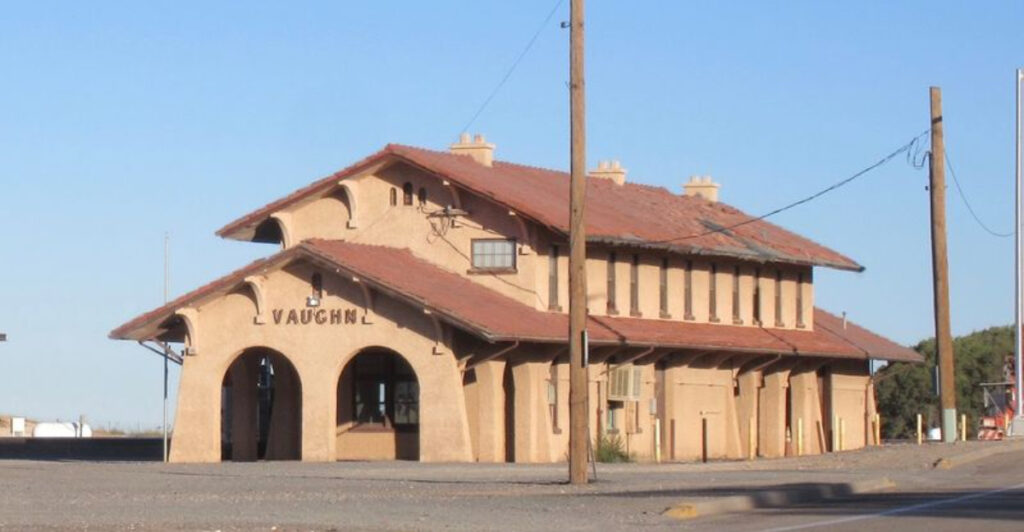
Some places do not beg for attention. They just make you hit the brakes.
That happened to me on the high plains of central New Mexico, during one of those road trips with no schedule, no checklist, and no real reason to hurry. The road stretched out forever.
The sky felt huge. Dust moved across the pavement like it had somewhere to be.
Then the town appeared.
Old storefronts. Quiet streets.
A horizon so wide it made everything feel paused for a second. I meant to stop for a few minutes.
I stayed longer.
This little crossroads has seen a lot. Three major highways meet here.
Two historic railroads once crossed paths nearby. A Harvey House once served travelers chasing steam, meals, and new beginnings.
It is not abandoned. It is not pretending.
Classic Americana still stands here, while most people roll past without looking twice.
Weathered Signs And Open Skies
My first impression of this place was not a building or a person. It was a sun-bleached sign, slightly tilted at the edge of a cracked parking lot, looking as if it had been waiting there for decades.
The signage here tells a story that no museum could replicate, each one carrying the ghost of a business that once thrived when the highway was the main artery of American travel.
Hand-painted lettering, rusted metal frames, and faded logos dot the roadsides like punctuation marks in a long, slow sentence written by time itself.
Under those signs, with the sky stretching out in every direction, I felt genuinely small in the best possible way, the kind of small that reminds you the world is enormous and unhurried.
Vaughn sits at the crossroads of US Highways 54, 60, and 285 in Guadalupe County, and that convergence of roads is exactly why so many of those old signs exist in the first place, placed there to catch the eye of every passing traveler headed somewhere else entirely.
A Highway Pause In The Plains
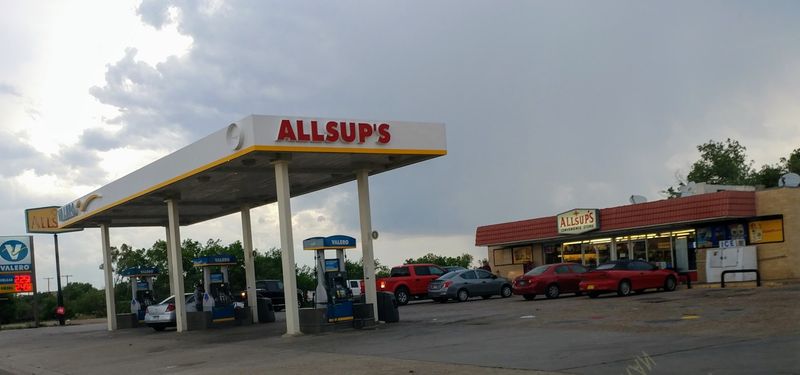
A stop in Vaughn feels less like a quick pull-off. It feels more like giving in to curiosity, the kind that kicks in when you realize the scenery around you has quietly become extraordinary without announcing itself.
Three major US highways converge right here in this small town, which means that for decades, travelers heading west, south, and east all passed through the same dusty intersection without necessarily knowing they were standing at a genuine crossroads of American movement.
The plains surrounding Vaughn stretch out with the kind of flatness that makes the sky feel twice as large, and on a clear afternoon the light hits the scrubland in a way that makes everything glow faintly gold.
I parked my car near that intersection and just watched for a while, maybe fifteen minutes of trucks rolling through, a dog crossing the road, and the wind doing its usual thing.
A place like this carries a quiet power, shaped by all the people who have paused here over the years, and Vaughn holds that role without fanfare or any extra fuss.
Old Motels With Faded Charm
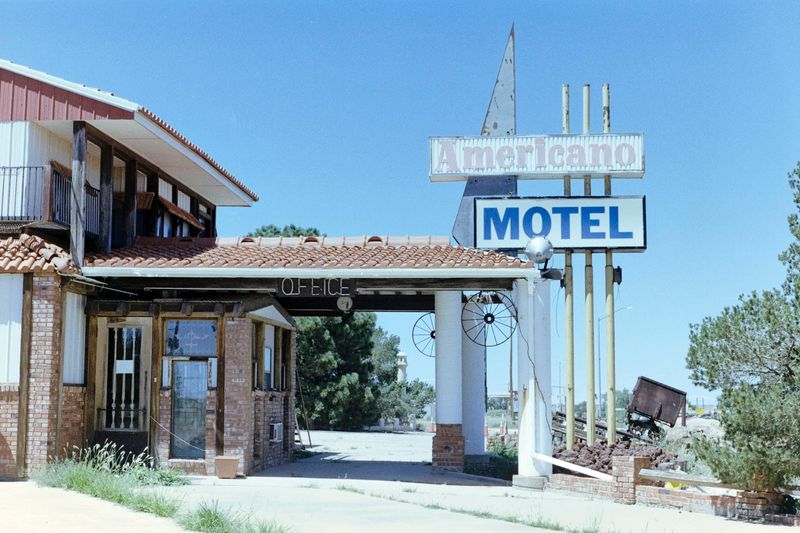
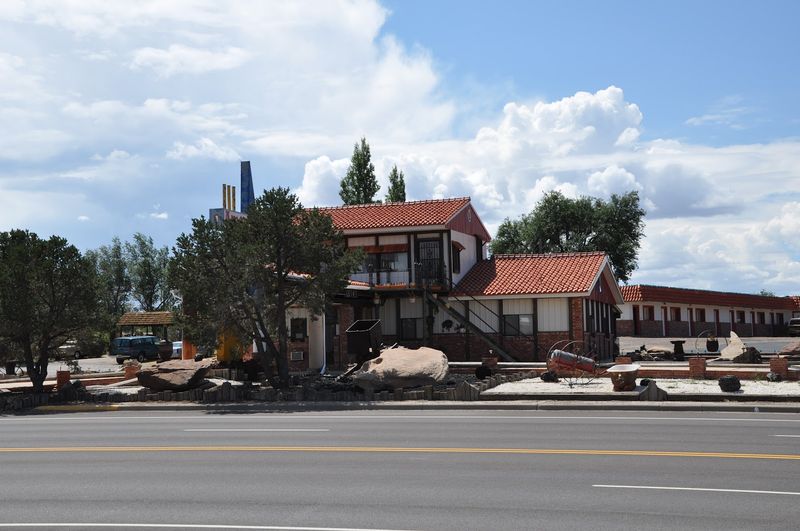
Few things capture the spirit of mid-century American travel quite like a roadside motel. Vaughn has that energy in steady supply, with buildings that have clearly seen better decades.
The motels here were built during the era when driving across the country was a genuine adventure, and every night in a small-town motel felt like a reward after miles of open road.
Most of these buildings now wear their age openly, with paint that has surrendered to the sun and parking lots that have more weeds than cars, but the bones of those structures still carry real character.
At one particular building, I noticed a hand-lettered vacancy sign that looked like it had not been updated since roughly 1974, and I found that oddly charming rather than sad.
The median construction year for homes and buildings in Vaughn sits around 1961, and a notable share of structures were built before the 1940s, which means the architectural timeline here reads like a slow-motion postcard from several eras of American roadside culture all layered on top of each other.
Quiet Streets Beneath Wide Horizons
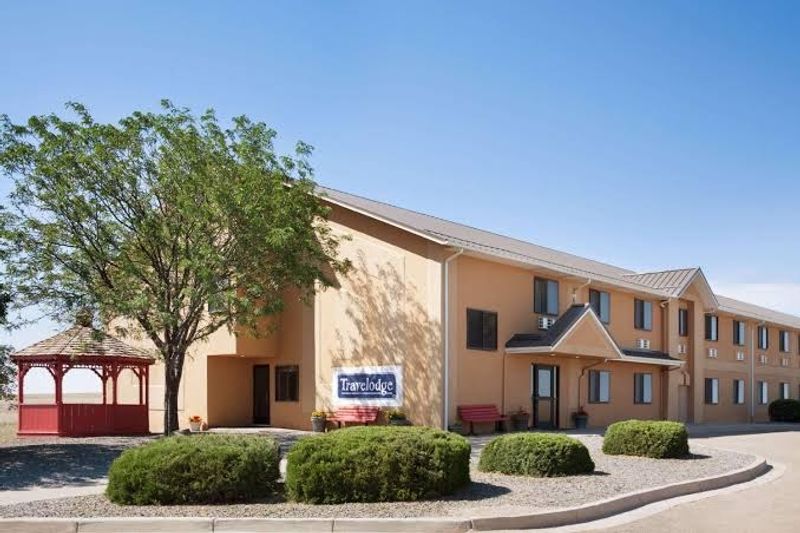
The streets of Vaughn felt unreal on a Tuesday afternoon. I counted more birds than people, and the silence between gusts of wind was the kind that cities spend millions trying to manufacture in spas and meditation apps.
The population here has shrunk considerably over the years, dropping from 888 residents in 1920 to just 286 in the 2020 census, and that decline has left the streets with a spaciousness that feels almost theatrical.
Wide lots, low buildings, and long sightlines give every block a sense of openness that you rarely find in places that have been aggressively developed or modernized.
A few residents moved about their routines while I wandered, offering nods and unhurried glances that felt more welcoming than suspicious, the natural body language of a community that does not see a lot of foot traffic from strangers.
What struck me most was how the quietness here does not feel like absence but rather like presence, the presence of a place that has simply chosen its own pace and stuck with it regardless of what the rest of the world decided to do.
Railroad Echoes And Roadside Views
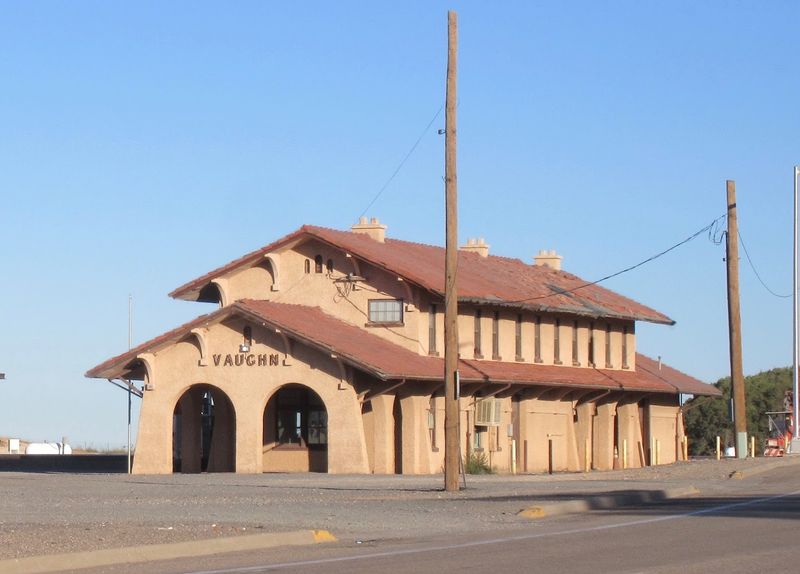
Vaughn earned its place on the map because of steel rails. The highways came later, and the echoes of that railroad past still shape the feel of the town in ways that are easy to notice once you start looking.
This was historically the only point in New Mexico where two major railways crossed paths, the Atchison, Topeka and Santa Fe Railroad and the El Paso and Southern Railroad, making it a genuine hub of commerce and movement during the steam era.
The town once had a full roundhouse, multiple rail lines, and a dedicated railroad office, all the infrastructure of a place that mattered enormously to the logistics of the American Southwest.
Today the Burlington Northern Santa Fe and Union Pacific lines still run through Vaughn, and hearing a freight train rumble through the stillness of a desert afternoon is one of those sounds that connects the present moment to a much longer story.
Near the tracks, with the roadside views stretching out in every direction, I felt the overlap of eras, the horse, the train, the car, all having passed through this same flat stretch of high-plains ground at different points in history.
Sun-Baked Corners Of Americana
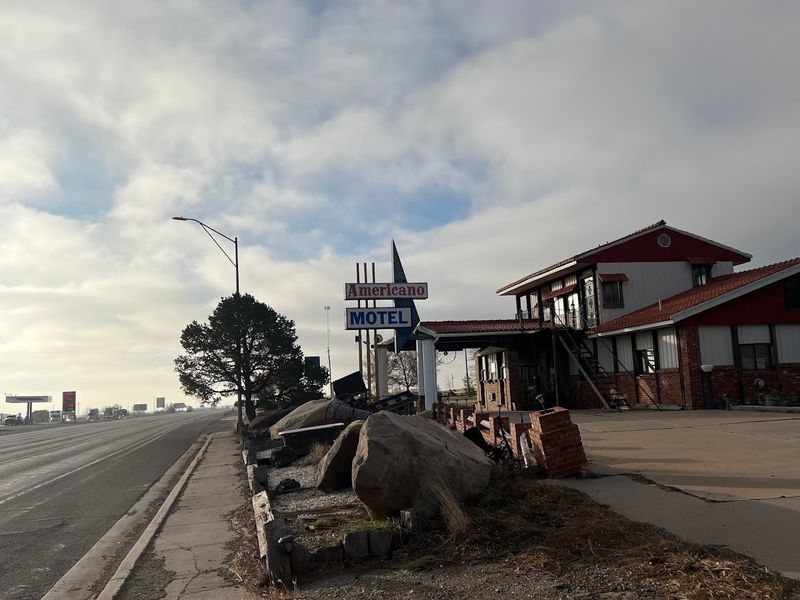
Every corner of Vaughn looks like a frame from a film that was never quite finished. It feels sun-baked and honest in ways that polished towns can never quite replicate.
The town was named after Major G.W. Vaughn, a civil engineer for the Atchison, Topeka and Santa Fe Railroad, and before that the area served as a resting point along the Stinson Cattle Trail, which means the land here has been absorbing human stories for a very long time.
A Harvey House hotel and restaurant once operated in Vaughn, part of the famous chain that brought a touch of civilized hospitality to the wild stretches of the American railroad network, before closing in the 1930s when business dried up.
That history of ambition followed by quiet retreat is written into the architecture of nearly every block, where you can see the bones of what was once a busier, more populated place.
The sun here does something specific to old wood and painted metal, stripping away pretense and leaving behind a rawness that feels more like truth than decay, and I spent a solid hour just photographing corners that most people would walk past without a second thought.
A Stillness Made For Photographs
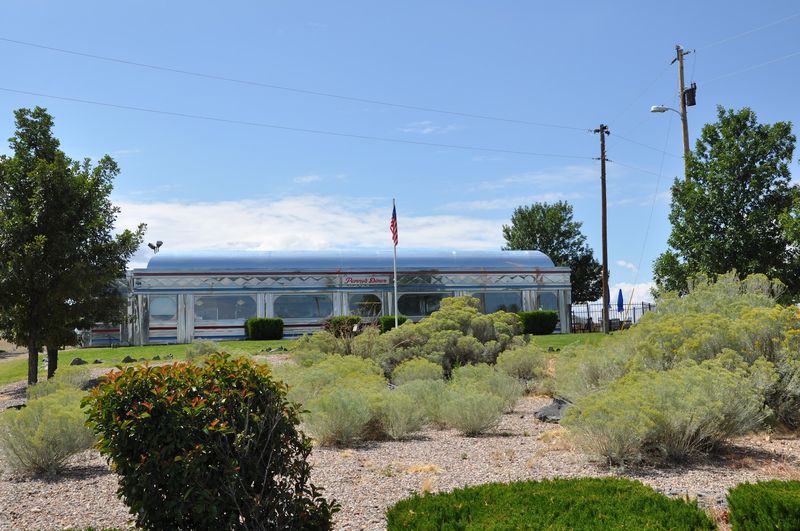
Travel with a camera, and Vaughn can quietly rearrange your entire shooting schedule the moment you arrive. The light and the deep stillness here conspire to make everything look far more significant than it probably has any real right to.
The combination of low-density buildings, flat terrain, and that enormous high-plains sky creates a visual dynamic that photographers who chase texture and atmosphere tend to find genuinely thrilling.
Abandoned structures sit at odd angles to the road, their windows gone or boarded, their walls carrying layers of paint that record different decades like geological strata visible to anyone willing to look closely.
A 1926 account from a Harvey Girl described Vaughn as a shocking place with no place to go and nothing to do, and while that assessment may have felt like a complaint at the time, it now reads almost like a photographer’s dream brief.
The stillness she was describing is exactly what makes a frame hold together, that quality of a place that is not performing for anyone, not trying to attract attention, just existing in the open air with the desert light doing whatever it wants to the surfaces around it.
Faded Neon And Desert Light
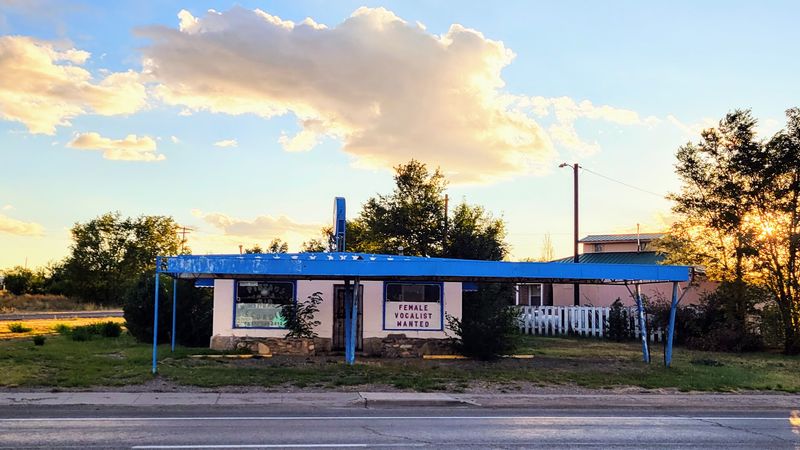
Vaughn has a specific hour right around dusk. The desert light turns the color of warm copper, and every faded neon sign in town starts to look like a painting someone forgot to fully finish properly.
Neon signs were the language of mid-century roadside America, and while most of the ones in Vaughn have long since stopped lighting up, their shapes and colors still carry enough old visual energy to stop you mid-step outside.
The combination of that warm desert glow and the skeletal outlines of old signage creates a mood that feels genuinely cinematic, the kind of scene that makes you reach for your phone or your camera before your brain has fully caught up.
Vaughn sits in Guadalupe County, at zip code 88353, and its position on the high plains means the sunsets arrive with very little obstruction, spreading color across a sky that seems almost too large to feel completely real.
By the time the last light fades and the stars begin to appear overhead, this quiet crossroads town feels less like a forgotten place and more like a carefully kept secret that the desert has been holding onto for a very long time.