Small towns do not always announce themselves with crowds or flashy signs. Sometimes they simply sit beneath a huge sky and wait for curious travelers to notice.
That is the appeal of this quiet New Mexico village, where weathered streets meet open grasslands beyond the last homes. The buildings carry traces of an earlier era, and the surrounding plains make every structure seem even smaller by comparison.
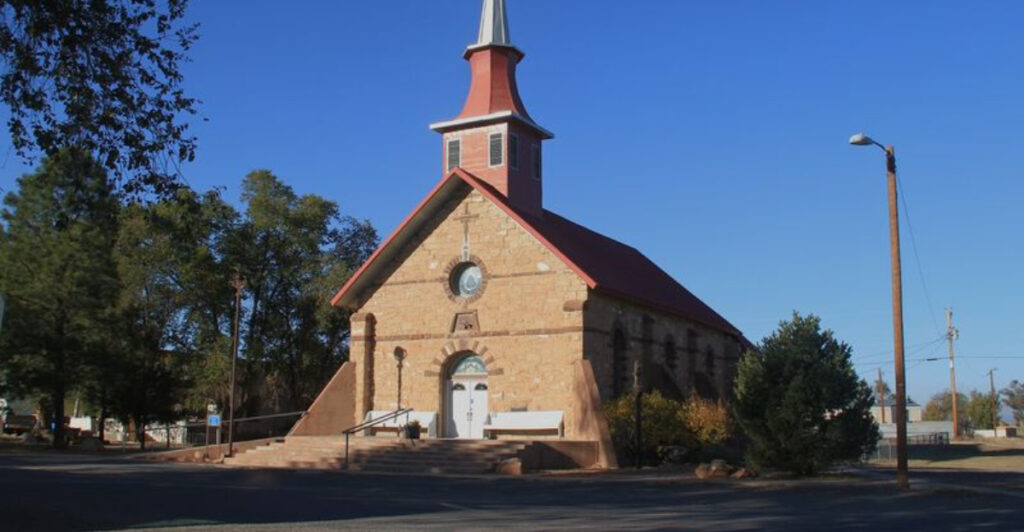
Spend a little time here and details begin to stand out. A historic church adds a sense of continuity, while desert light changes the view by the hour.
Even the silence feels almost like another landmark. This is not a place built around constant entertainment.
It rewards patience instead. Drive slowly and give the town more than a passing glance.
Its charm arrives quietly, but it has a way of lingering long afterward. The slower pace makes every small detail easier to appreciate.
Big Skies Make The Town Feel Even Smaller
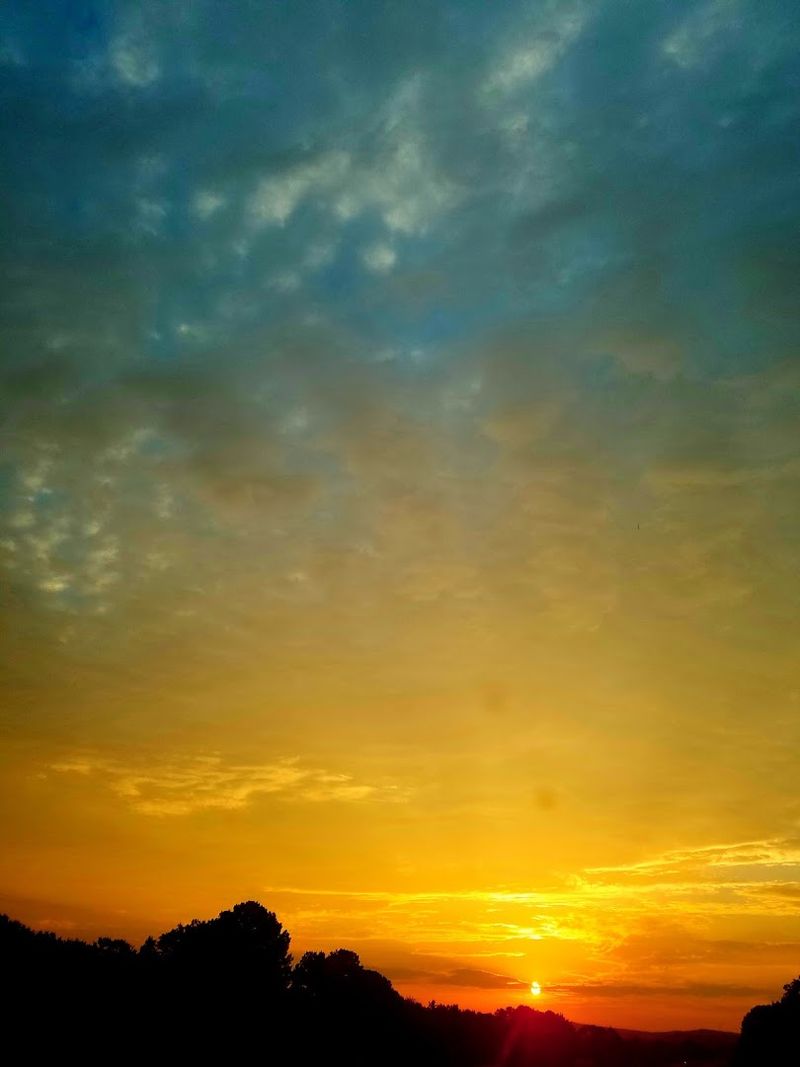
Stand anywhere in this village and the sky will immediately steal your attention. At an elevation of roughly 6,100 feet above sea level, the Estancia Valley offers a horizon so wide and unobstructed that the blue above seems to press down gently on everything below.
The effect is almost theatrical, as if someone stretched the ceiling of the world just to make the little houses look even cozier by contrast.
New Mexico is already celebrated for its open skies, but Willard takes that reputation to a personal level. Minimal light pollution means that after sunset, the stars appear in dense, breathtaking clusters that city dwellers rarely see.
Amateur astronomers and casual stargazers alike find themselves standing in the dark with their necks craned upward, forgetting entirely why they came.
The daytime sky is no less impressive, with clouds casting slow, rolling shadows across the grasslands below. Every glance upward feels like a small, unexpected reward.
The address is simply Willard, New Mexico, Torrance County, and the sky is free with every visit.
Quiet Streets Look Almost Untouched By Time
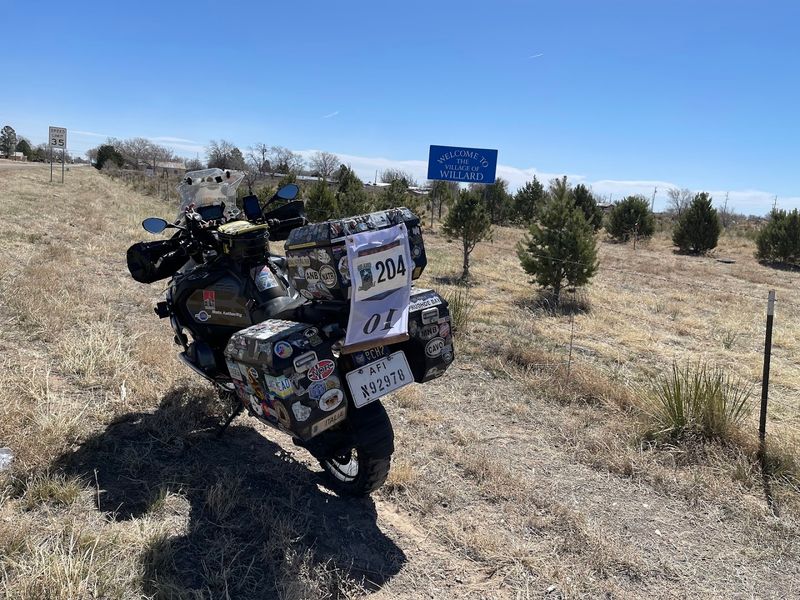
Walking down the main road here feels like pressing pause on the modern world. With just over 200 residents calling this village home, there is no rush-hour traffic, no honking, and no sense that anyone is running late.
The streets carry a lived-in stillness that newer, faster towns seem to have traded away long ago.
Older storefronts and weathered buildings line the blocks with a kind of dignified patience. Some structures show their age openly, with faded paint and sun-bleached wood that tell a clearer story than any historical marker could.
Rather than feeling neglected, these details give the streets a texture and personality that polished tourist towns simply cannot manufacture.
For visitors accustomed to crowded destinations, the quiet here can feel almost disorienting at first. But within a few minutes, that stillness becomes a comfort, like slipping off shoes after a long walk.
The pace of life on these streets is a reminder that not every place needs to be busy to be worth visiting.
Hidden Shrines Add Mystery To The Landscape
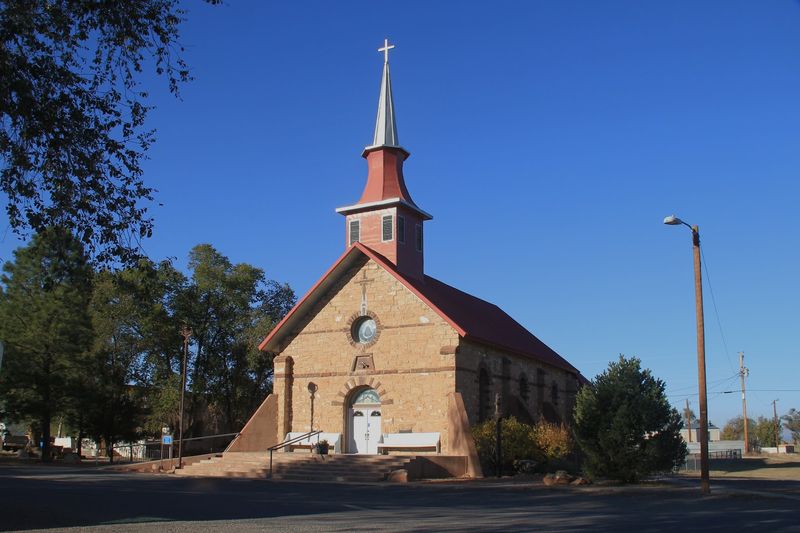
Spiritual landmarks have a way of appearing when you least expect them in this part of New Mexico. The village is home to Our Lady of Sorrows Catholic Church, a historic mission church at 909 Becker Ave., Willard, New Mexico, which anchors the community with quiet devotion.
Its simple facade and modest grounds carry a sense of long, unbroken faith that feels deeply rooted in the land itself.
Beyond the church walls, the broader landscape around Willard holds a tradition of roadside shrines and small sacred markers that dot the desert roads. These modest installations, often decorated with flowers, photographs, and hand-painted crosses, appear unexpectedly along stretches of open highway, turning an ordinary drive into something more contemplative.
New Mexico has a long history of blending indigenous, Spanish, and Catholic spiritual traditions, and that layered heritage shows up in these small, personal expressions of belief scattered across the terrain. Each shrine tells a private story that the passing traveler can only partially read.
The mystery they carry is part of what makes this landscape feel alive in a way that goes beyond scenery.
Old Buildings Give Every Block More Character
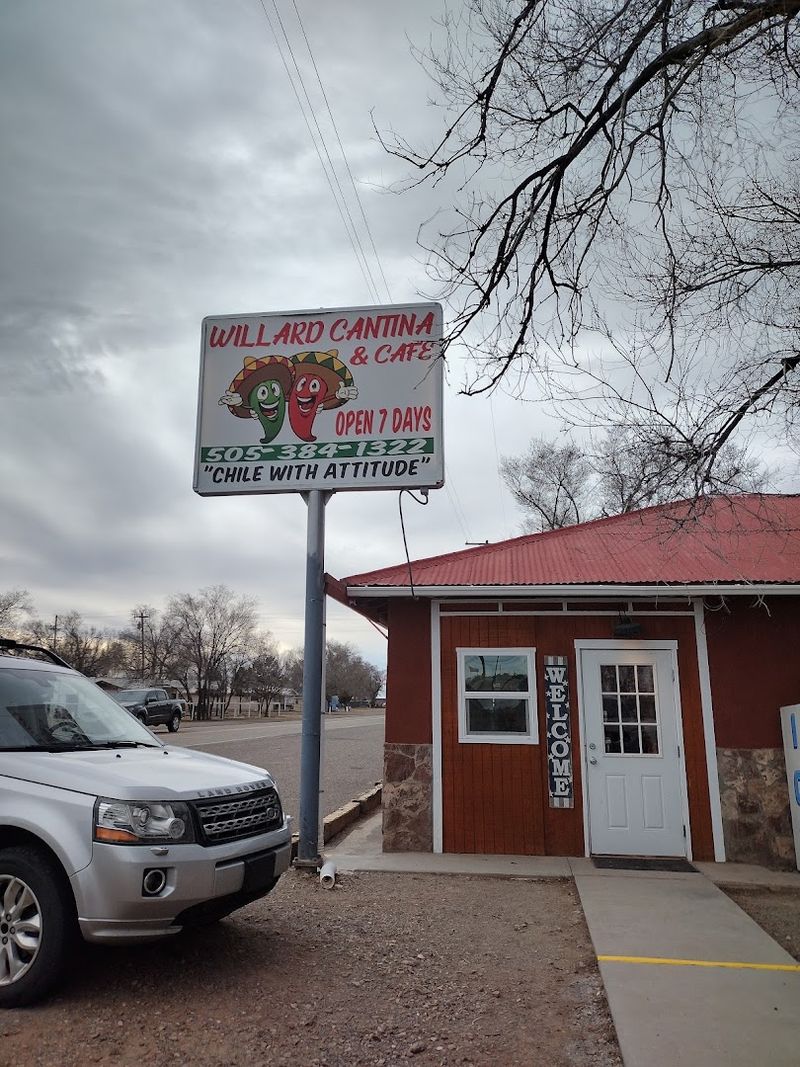
History did not just pass through Willard; it left its fingerprints on nearly every block. The village developed in the early 20th century, growing alongside regional rail lines that brought commerce and settlers into the Estancia Valley.
That early era of optimism and remarkable commercial expansion produced buildings that still stand today, carrying their age with a kind of rough-edged pride.
The Willard Mercantile Company, established in 1905, was once a hub of local trade, and traces of that commercial past remain visible in the architectural bones of the main street. Adobe construction techniques, quintessential to the region, give many structures their characteristic thick walls, rounded corners, and earthy tones that seem to grow naturally from the surrounding soil.
Our Lady of Sorrows Catholic Church adds spiritual weight to the streetscape, its enduring presence a counterpoint to the more utilitarian buildings nearby. Wandering slowly through the blocks rewards the curious eye with small details: hand-laid brickwork, original window proportions, and doorways worn smooth by generations of use.
Each building is a chapter in a story the town has never stopped telling.
Open Plains Stretch Far Beyond The Last House
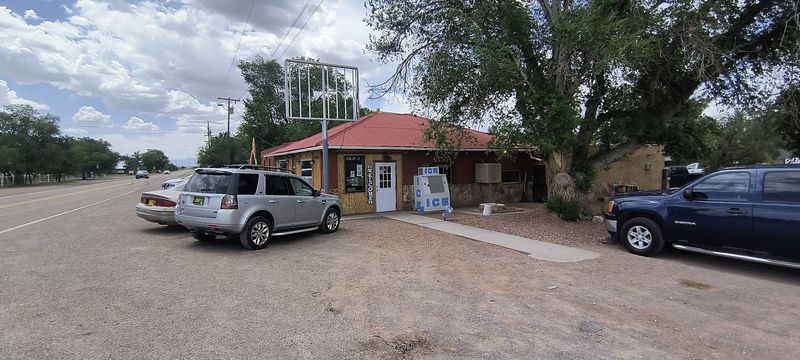
Past the last fence post and the final cluster of homes, the land just keeps going. The open plains surrounding Willard stretch outward in every direction with a kind of unhurried confidence, as if the earth itself has no interest in being contained.
Dry grasslands, scrubby vegetation, and the occasional windmill punctuate a landscape that feels both ancient and endlessly present.
Traveling along U.S. Route 60 near the village, the terrain opens up into long, flat vistas where distant mountain silhouettes trace the horizon like a pencil sketch.
The Manzano Mountains to the west and the Pedernal Hills to the east bookend the valley in a way that makes the middle feel deliberately wide. That sense of being held within a vast natural frame is something photographs struggle to fully capture.
For anyone who has spent too long in cities or suburbs, this kind of uninterrupted openness can feel almost startling. The plains do not ask for your attention the way a landmark does; they simply exist at a scale that quietly recalibrates your sense of space.
Few places offer that kind of perspective so freely.
Unexpected Details Reward A Slower Look
Willard has a talent for surprising the traveler who bothers to pay attention. A wind farm on the mesa just south of town rises above the traditional landscape with a quiet, modern confidence, offering a visual contrast that feels almost surreal against the backdrop of century-old adobe.
It is the kind of detail that stops you mid-step and makes you reconsider what you thought you were looking at.
The railroad story adds another layer of unexpected character. A regional line passed through Willard in the early 1900s, connecting the village with communities across the Estancia Valley and helping bring settlers into the area.
That transportation link shaped the town’s early growth, while the remaining buildings still reflect the commercial hopes that followed the arrival of rail service through town.
Geography enthusiasts will appreciate knowing that the actual geographic center of New Mexico sits on a private ranch near Willard, an invisible landmark that most visitors never realize they are practically standing beside. Pack the habit of looking twice at everything you pass, because the most interesting details in this town rarely announce themselves loudly.
Desert Light Changes The Mood By The Hour
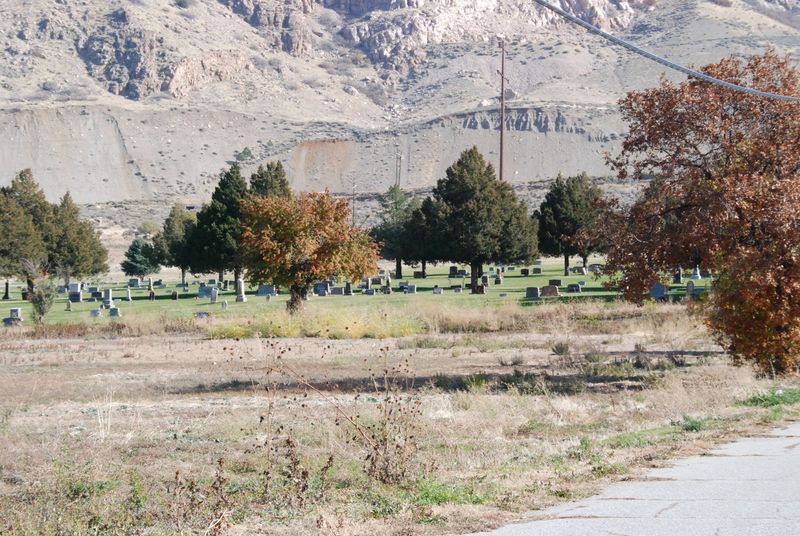
Few things shift as reliably or as beautifully as the light over the high desert around Willard. Morning arrives with a clean, pale brightness that makes the grasslands look freshly washed, and by midday the sun bears down with an intensity that sharpens every edge and deepens every shadow.
The landscape does not look the same at ten in the morning as it does at four in the afternoon, and that difference is worth planning your day around.
New Mexico’s clear, dry atmosphere means that sunsets here are not subtle events. The sky moves through shades of orange, pink, and deep violet with a slow, deliberate drama that feels almost choreographed.
Adobe walls absorb the warm light and glow like embers, and even the most ordinary stretch of road takes on a cinematic quality during that golden hour window.
Photographers and painters have long understood what the casual visitor sometimes misses: this place is a living study in how light defines a landscape. A single afternoon spent watching the light shift across the Estancia Valley is its own kind of education.
The desert teaches patience, and the light is its most persuasive instructor.
The Silence Feels Like Part Of The Scenery
Quiet in Willard is not the absence of something; it is a presence all its own. The village’s low population and minimal traffic allow natural sounds to fill the space that noise usually crowds out.
Wind moving through juniper and scrub grass, the distant call of a hawk, the soft creak of an old fence in the breeze: these become the soundtrack of an afternoon spent here, and they are genuinely worth listening to.
That kind of stillness is increasingly rare, and spending time in it tends to do something useful to the mind. The mental static that accumulates from screens, schedules, and crowded spaces begins to settle after even a short visit.
Rural New Mexico has always had this quality, but Willard distills it into something especially concentrated, perhaps because the town makes no effort to entertain you in the conventional sense.
The silence is not lonely or heavy; it feels more like an invitation to notice things at a finer resolution. The texture of a wall, the color shift in the soil, the exact weight of an afternoon shadow: all of it becomes more vivid when the background noise disappears.
Willard simply asks you to listen more carefully.