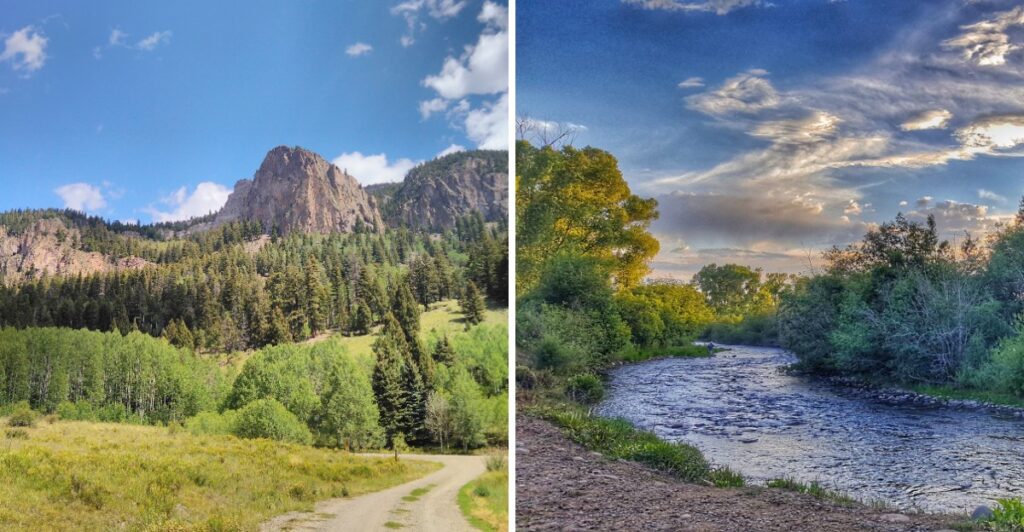
You can almost tell fall has arrived here before looking at a calendar. The hills turn gold as a steam train starts looking even more dramatic against the aspens.
Mornings get sharper, and this little mountain village near the Colorado line begins to feel like autumn’s main event. New Mexico is famous for wide desert views, but this corner shifts the mood completely once September settles in.
Cooler nights help the leaves change sooner at higher elevations, and the color can spread quickly through the surrounding slopes. The railroad makes the scenery feel alive, while the river adds quieter reflections along the valley.
I like places that reward a slow drive, and this one gives plenty of reasons to pull over. Pack a jacket and charge the camera before heading out.
Leave a little extra room in the day, too. The best moments may be the stops you never planned.
Golden Hillsides Steal The Spotlight
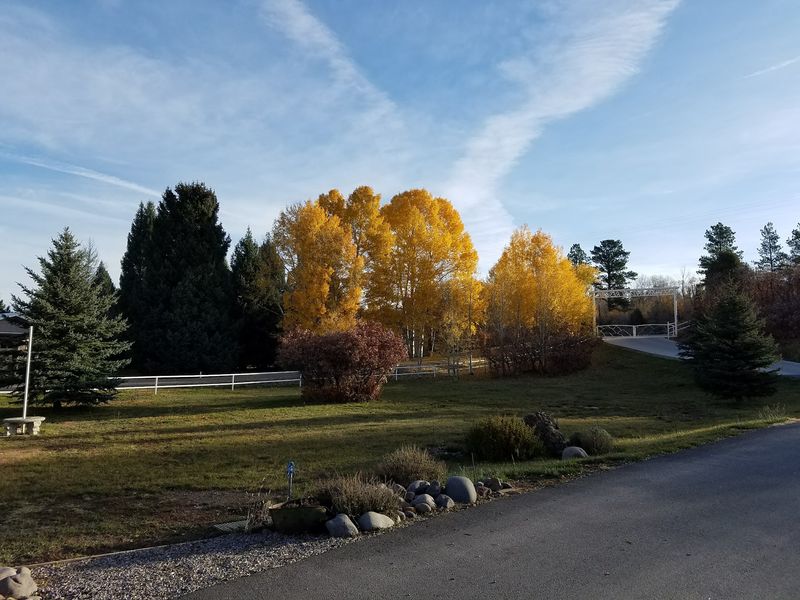
Early September brings a quiet change to the high slopes around this mountain valley. Aspen leaves begin shifting from green to lemon yellow, and soon whole hillsides look brushed with gold.
The show usually peaks from late September into early October, which is weeks ahead of many lower towns in the Southwest. Elevation gets the credit here, since the valley floor sits close to 7,900 feet above sea level.
Aspens grow in large groves that often share one connected root system. That means a whole patch of trees can turn color at nearly the same moment, creating huge blocks of bright yellow.
Dark green spruce and fir trees stand between the aspens and make the gold look even brighter. A few scrub oaks add rusty orange and red tones lower down, so the hills never look flat or plain.
I love that the trees here seem to have a group chat about when to change. Cool nights and sunny days help the colors pop, so a crisp week often means a stronger show.
All this color surrounds a small village in Rio Arriba County, and the place is called Chama, New Mexico 87520, USA.
Fall Color Follows The Railroad Tracks
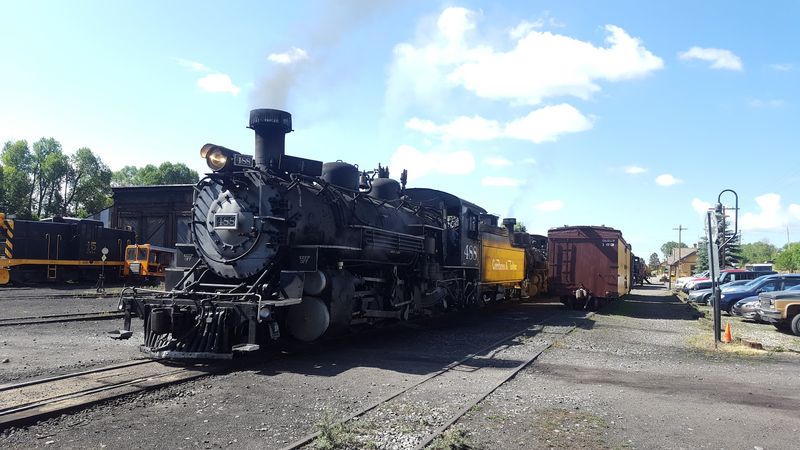
Few trains anywhere get a better seat for autumn than the Cumbres and Toltec Scenic Railroad. The historic narrow gauge line runs between Chama and Antonito, Colorado, covering about 64 miles of mountain track.
Coal-fired steam engines pull the cars, and their dark smoke looks dramatic against the yellow trees. The route climbs to Cumbres Pass at roughly 10,015 feet, making it one of the highest steam lines in the country.
The tracks were first built in the 1880s to serve mining camps in the San Juan Mountains. Today the line is a National Historic Landmark, and it is owned jointly by two states.
Fall is one of the most popular times to ride, so seats often fill quickly. Booking well ahead makes sense, especially for weekends near peak color in late September.
I have to admit the whistle echoing through golden aspens sounds like pure movie magic. Riders can pick open-air gondola cars for clear views, though warm layers help when the wind picks up.
The railyard in the village is fun to see even without a ticket. Watching an engine steam out of the depot is a real track star moment.
Mountain Roads Look Straight Out Of A Postcard
Road trippers get a treat as soon as they leave the village limits. U.S.
Highway 84 and State Highway 17 both wind through forest that turns bright each fall.
Highway 17 heads north toward Cumbres Pass and into Colorado, climbing steadily past thick aspen groves. The road often runs close to the train tracks, so drivers may spot a steam engine chugging through the trees.
Traveling south on Highway 84 shows off a different look. Wide valleys, red rock edges, and pockets of cottonwoods add warm colors to the mix.
Pullouts along the way give drivers safe spots to stop for photos. Taking it slow pays off here, since sharp curves and wandering wildlife are common.
Elk and mule deer often show up near dawn and dusk. Fall is also elk mating season, so a loud bugle call from the woods is not unusual.
Personally, I think these drives prove that the journey can steal the show from the destination. Gas stations are few once the road leaves town, so a full tank is a smart start.
Every curve seems to deliver a fresh view, and that never gets old.
The River Makes The Fall Views Even Better
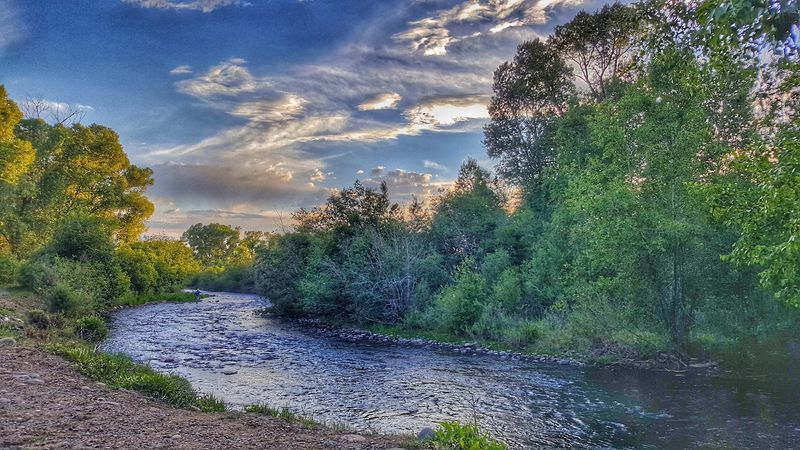
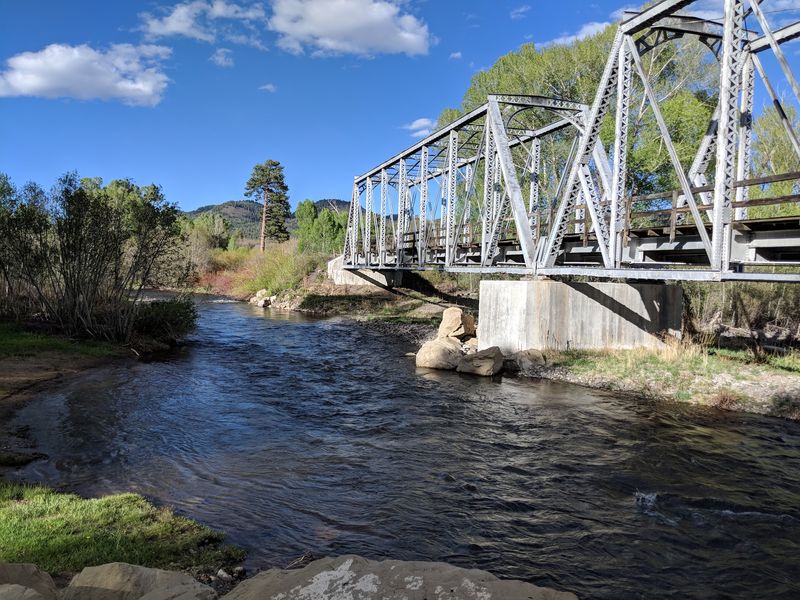
Water and leaves make a winning team along the Rio Chama. The river starts in the San Juan Mountains of southern Colorado and flows right past the village on its way south.
Cottonwoods and willows line the banks, and in fall they turn shades of yellow and soft gold. On calm mornings, the water reflects those colors so the trees almost seem to appear twice.
Anglers know the river well, since it holds brown and rainbow trout. A valid state fishing license is required, and some stretches cross private land, so posted signs matter.
Nearby lakes add even more shimmering views. Heron Lake and El Vado Lake sit south of town and offer quiet shorelines framed by fall foliage.
Heron Lake is a no-wake lake, which keeps the surface calm and peaceful. I find that rule a lovely bonus, since a still lake makes every reflection look sharper.
Birdwatchers can spot ducks, geese, and even bald eagles as the seasons shift. The sound of moving water also adds a soothing background to every walk.
Out here, the river does not just flow by, it reflects on the season too.
Downtown Feels Made For A Slow Autumn Walk
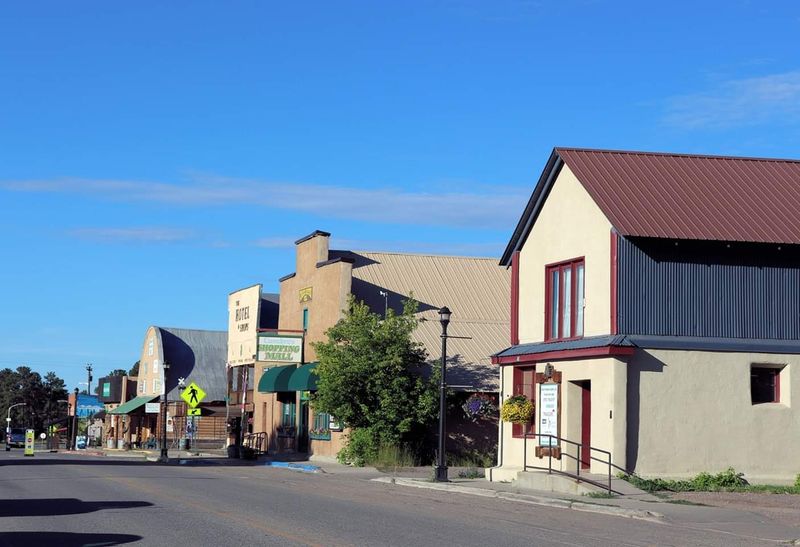
Small is the main selling point of the village center. With fewer than a thousand residents, the main street can be explored on foot in an easy afternoon.
Terrace Avenue runs past the historic train depot, local shops, and casual places to eat. Many buildings have a rustic mountain look that fits the season perfectly.
The depot area buzzes when trains arrive and leave. Visitors gather to watch the engines, and the smell of coal smoke drifts down the street.
Gift shops often carry local crafts, books on railroad history, and warm gear for chilly mornings. Hours can shift in the off season, so checking ahead helps avoid a closed door.
I really like how the golden hills peek over the rooftops at the end of almost every block. Benches and open spaces make it easy to pause and soak in the view.
Hot cocoa or coffee makes a cozy partner for a stroll on a cool day. Sunlight warms the street by midday, but mornings can feel downright frosty.
Nobody rushes here, which makes a slow walk feel like the right speed. Down this street, every block comes with a view.
High-Elevation Views Bring Serious Color
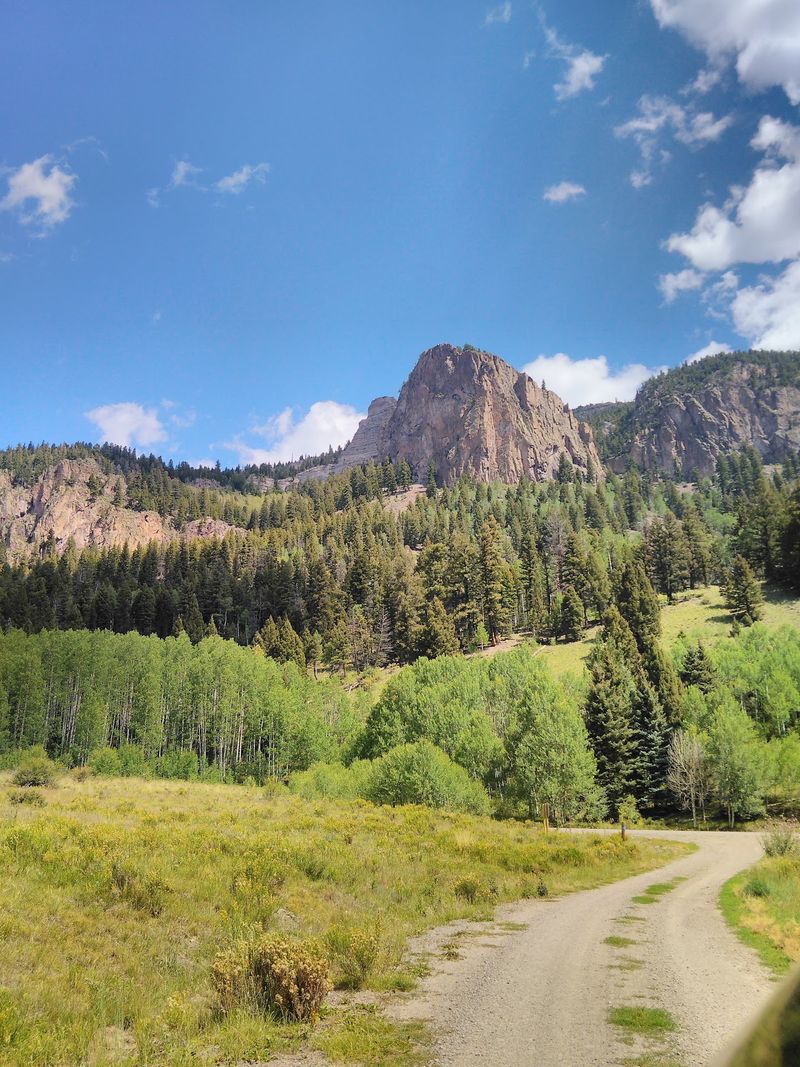
Altitude is the secret ingredient behind the early show in this area. Nearby peaks and passes rise well above 10,000 feet, where cold air arrives first.
Cumbres Pass sits just north of the New Mexico state line and offers wide views over forested valleys. On a clear day, gold aspen patches stretch across the slopes for miles.
Because colors change at different heights, the show can move up or down the mountains during the season. Higher groves often turn first, while lower trees catch up a week or two later.
That shifting pattern gives travelers more chances to catch peak color. A trip that misses the top slopes may still find bright trees closer to town.
Thin air at these heights can tire people out faster than expected. Drinking plenty of water and taking short breaks keeps the day comfortable.
Weather also changes quickly up high, and early snow is possible by October. Sunglasses and sunscreen matter too, since the sun feels stronger at altitude.
I find it amazing that a short drive can feel like moving through several weeks of autumn. Up here, the color quite literally reaches new heights.
Quiet Streets Make The Season Feel Extra Special
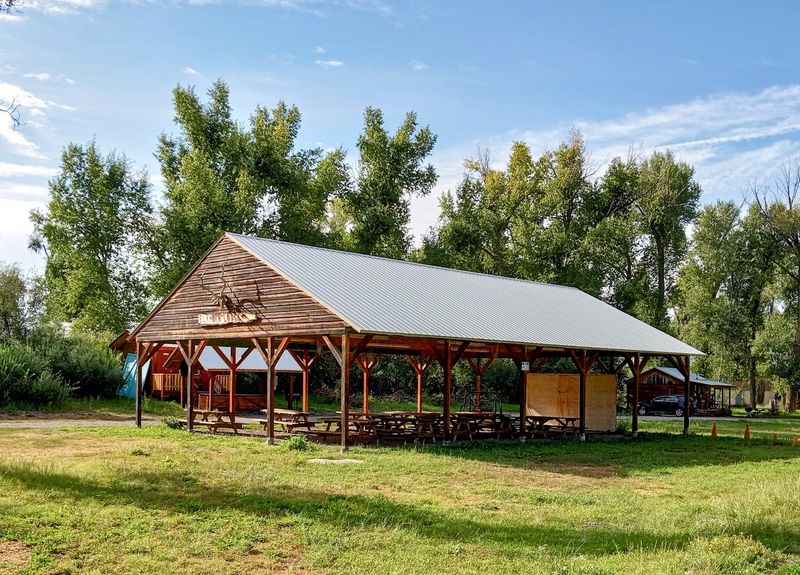
Silence might be the most underrated feature of a fall trip here. With a population of 917 at the 2020 census, the village rarely feels crowded outside of train times.
Early mornings are especially calm. Frost may coat the grass, and the only sounds might be birds or a far-off train whistle.
That peace makes the colors feel more personal. Instead of fighting crowds for photos, visitors can take their time and enjoy each view.
Night skies add another treat once the sun goes down. Little light pollution means stars shine bright, and the Milky Way often appears on clear nights.
I think there is real magic in a place where stargazing needs nothing more than stepping outside. A warm blanket and a thermos of tea make the experience even cozier.
Lodging options include cabins, small motels, and RV parks, and many fill up during peak foliage weeks. Planning early helps secure a spot close to the action.
Cell service can be patchy in the surrounding hills. Downloading maps before heading out keeps things simple when signal fades.
In a town this calm, autumn finally gets the stage all to itself.
The Mountains Put On The Biggest Show
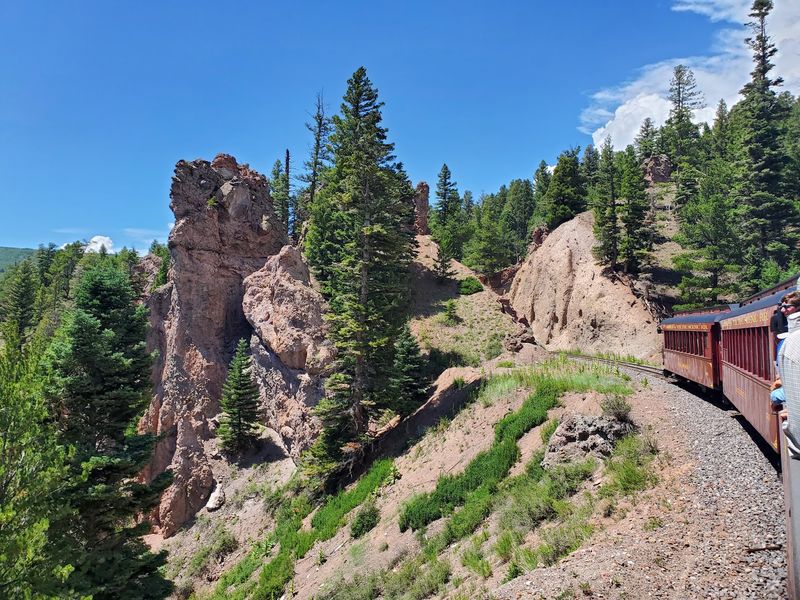
Towering over everything, the San Juan Mountains give this valley its dramatic backdrop. These rugged peaks are part of the wider Rocky Mountains, and they frame the village on several sides.
In fall, the slopes mix gold aspens, dark evergreens, and gray rock. An early dusting of snow on the summits sometimes adds a bright white top layer.
Carson National Forest and Rio Grande National Forest both stretch across the region. Trails wind through aspen groves, offering hikes for different skill levels.
Hunting seasons also happen in fall, so bright orange clothing is a wise choice on forest trails. Checking local trail conditions before a hike helps avoid surprises.
Sunset is when the peaks really show off. Low light makes the gold leaves glow, and the sky often turns pink and purple above the ridges.
I can see why people return year after year just for these few weeks. The scenery changes daily, so no two visits look exactly the same.
When the leaves finally fall, the mountains slowly prepare for winter snow. Until then, this small village holds one of the finest autumn shows anywhere.
Simply put, these peaks never phone in a performance.