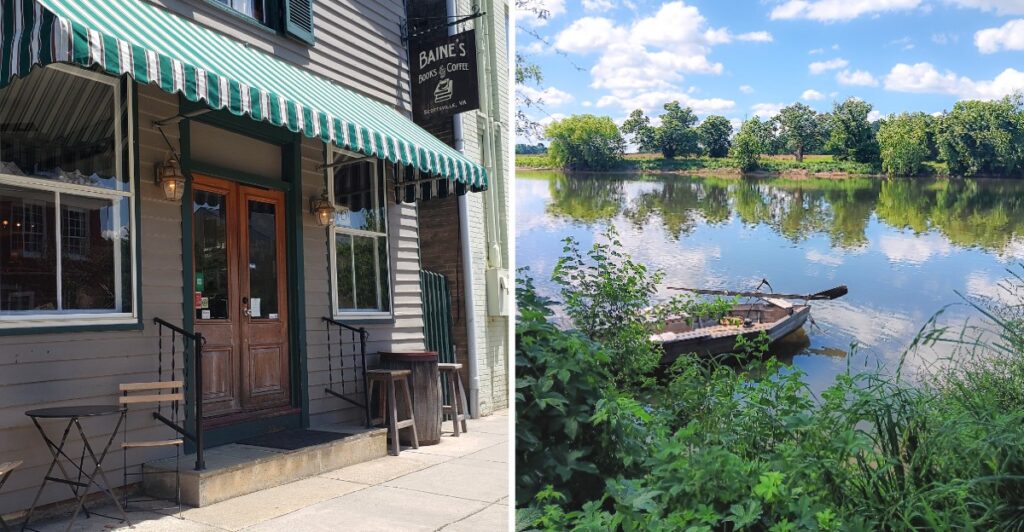
Here is the trick with this town: leave some of the day completely open.
That would actually be the smart move.
Start walking.
If the river looks better than whatever you planned next, change the plan.
If an old street pulls you in the other direction, go with that instead.
This town is small enough to keep the day loose, but interesting enough that you will keep finding reasons not to leave yet.
Virginia brings the history.
The river brings the excuse to slow everything down.
You can get on the water, stay close to downtown, or let one easy stop turn into another.
No complicated schedule required.
Just give the afternoon some breathing room.
If the river keeps changing your plans anyway, why fight it?
The James River Curves Right Through Scottsville
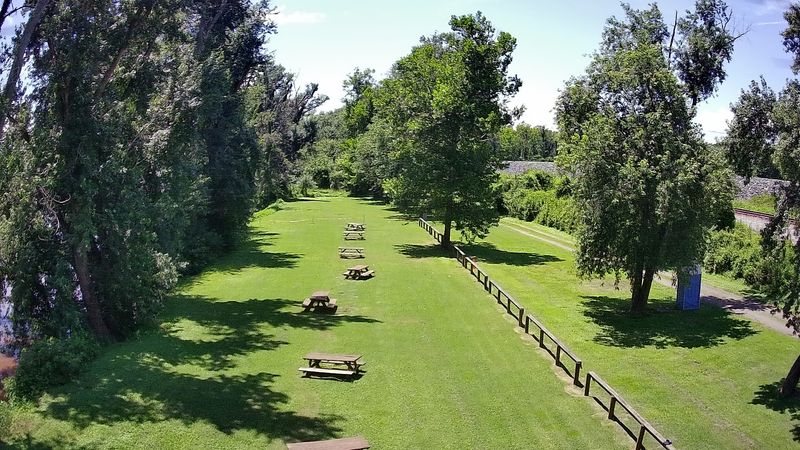
The James River runs directly beside Scottsville, giving the town an unusually close relationship with the water.
One of the easiest features to notice is the sharp bend in the river near town, often called Horseshoe Bend. That curve helps define the local riverfront and keeps the James close to downtown streets rather than pushing it far outside the center.
A public boat launch sits just off Main Street, giving paddlers and anglers a practical access point without requiring a long drive out of town.
That location makes the river useful even if you are not planning a full-day float.
You can begin with a short walk downtown, move toward the launch, and decide from there whether the day stays on land or shifts onto the water.
River conditions change with weather and rainfall, so checking current levels before paddling or floating is a sensible part of the plan.
The launch also makes the river easier to include in a shorter visit.
You do not need a complicated route or a long transfer between downtown and the water.
The river is already part of the town’s daily geography, and that keeps the first decision simple: walk beside it, launch onto it, or use it as the backdrop for the rest of the day.
River Traffic Helped Shape The Town’s Early History
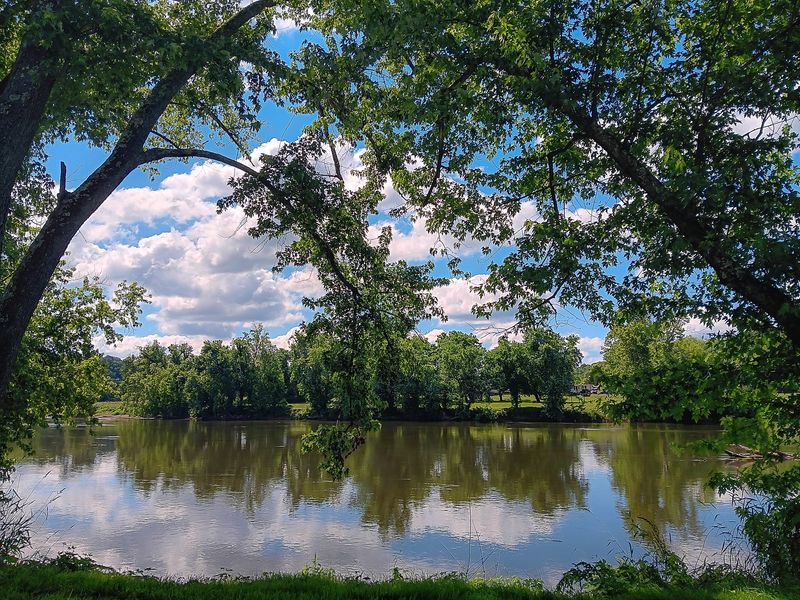
Scottsville’s location on the James was important long before modern roads defined travel through central Virginia.
The town developed as a river port and ferry crossing, connecting farms, travelers, and goods moving through the region.
The James River and Kanawha Canal later strengthened that role, giving river traffic another formal route through the area.
Road connections also mattered.
Turnpikes and ferry crossings linked Scottsville with surrounding communities and helped make the town a transportation point rather than an isolated settlement.
Downtown still sits close to the river, with historic streets extending inland from the waterfront.
The Scottsville Historic District preserves many buildings tied to different stages of that development.
Instead of treating the riverfront and downtown as separate stops, it makes more sense to see them as parts of the same story.
A walk near the water, a few blocks through the historic district, and a museum stop can all fit together without much backtracking.
That keeps the history grounded in the layout you can still see rather than turning it into something abstract.
About 100 Older Buildings Remain In The Historic District
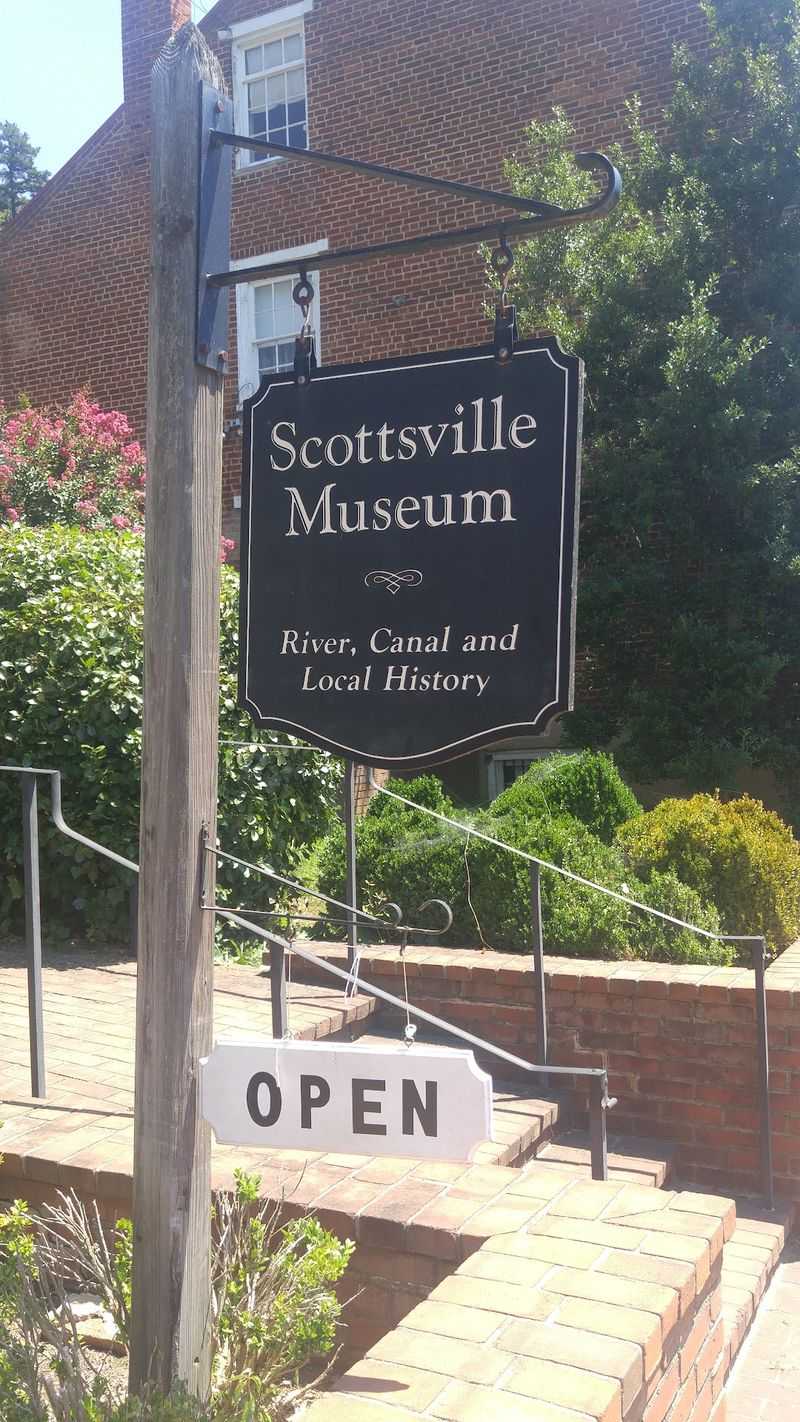
The Scottsville Historic District includes about 100 older buildings, with almost half dating from before the Civil War.
Brick buildings, storefronts, homes, and civic structures sit within a compact area that can be explored on foot.
That gives the center of town a visible concentration of older architecture without requiring a long drive between individual sites.
The Scottsville Museum adds context to that walk.
Its exhibits cover local history, including the river, transportation, community life, and the town’s development over time.
The museum operates seasonally, with regular weekend hours from April through October, along with select holidays and appointments.
Because the schedule is not year-round in the same way as a larger museum, checking the current calendar before heading over is useful.
You can also use the museum as a starting point rather than the entire focus of the visit.
Begin there, then continue through the historic district and toward the river.
The historic district works best as a walking section, not a checklist.
Pick a few streets, look for the older structures that catch your attention, and leave room to continue toward the river when you are ready.
Kayaks, Tubes And Canoes Keep The River Accessible
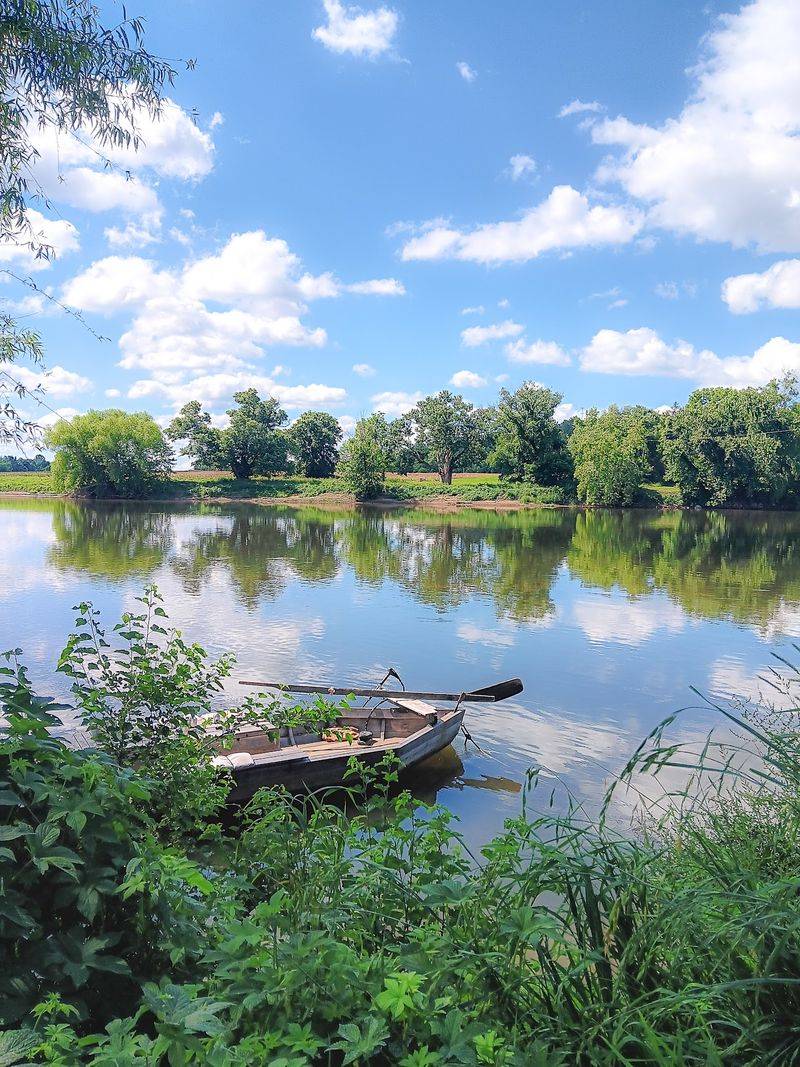
River recreation remains one of the easiest ways to build a Scottsville day around the James.
Seasonal outfitters in the area offer tubing, canoeing, kayaking, rafting, fishing trips, rentals, and shuttle services.
That gives you options without requiring your own boat or a complicated transport setup.
One common route runs from the Hatton area to Scottsville for about 3.5 miles.
The exact experience depends on river conditions, weather, and the outfitter’s operating schedule, so those details are worth checking before choosing a date.
If you want the simplest option, tubing keeps the focus on the river itself.
Kayaks and canoes give you more control over pace and direction.
Rafting or guided trips can work when you prefer a more structured outing.
Fishing adds another option for anyone who wants to stay closer to one section of the river.
Decide how much time you want on the water first.
Then use the launch, shuttle, or outfitter schedule to build the rest of the day around that choice.
Downtown Stays Close To The Public Boat Launch
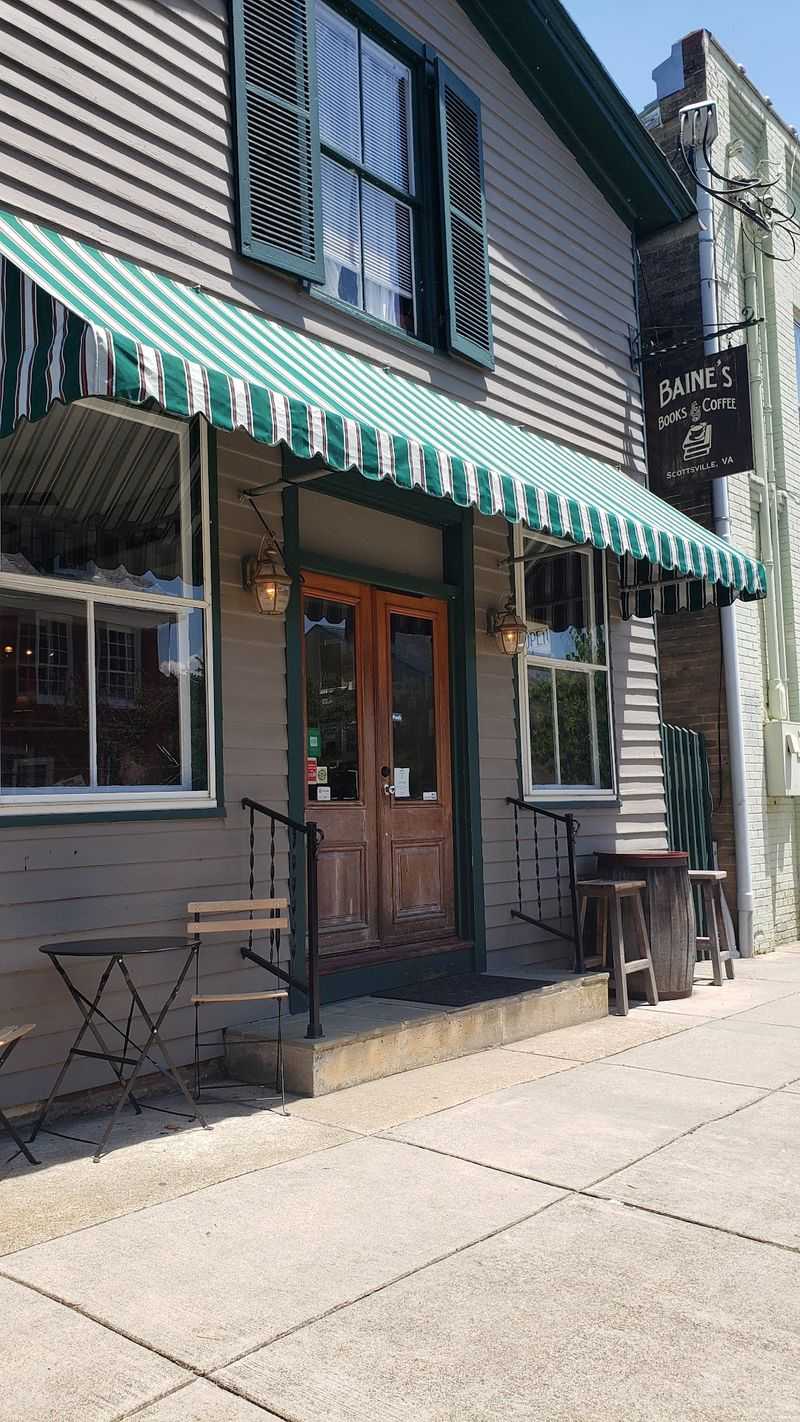
Scottsville’s compact scale makes it easy to move between the riverfront and downtown without turning the day into a series of separate drives.
The public boat launch is just off Main Street, and shops, restaurants, and older downtown buildings sit nearby.
That means a river outing and a downtown walk can fit into the same day without much planning.
You might start on the water and move into town afterward, or reverse the order and save the river for later.
Either way, the distances stay manageable.
A museum stop, a short walk through the historic district, a meal, and a river launch do not require crossing a large city or dealing with several distant neighborhoods.
The river launch, historic district, museum, shops, and restaurants all sit within a compact part of town.
That makes Scottsville easy to approach in sections.
Choose the river first if the weather is the priority.
Choose downtown first if the museum or historic district matters more.
Then let the second half of the day follow naturally.
Hatton Ferry Is Now A Historic River Access Site
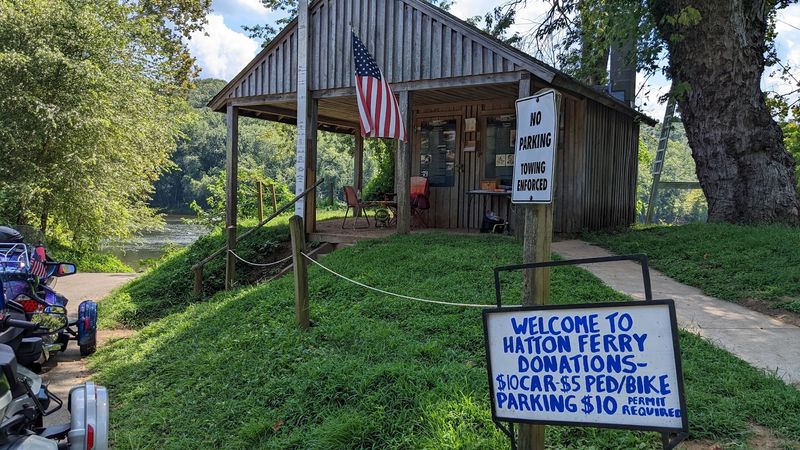
Hatton Ferry sits about five miles west of Scottsville and remains part of the James River story, but it is no longer an operating ferry crossing.
Ferry service was discontinued in 2026.
The site now works as a small public river-access area with interpretive information about Virginia’s historic poled-ferry tradition.
That history is distinctive.
Before bridges became common, flat ferries were moved across the river with long poles, connecting farms, communities, and travelers on opposite banks.
Hatton Ferry preserved that tradition longer than most comparable crossings in Virginia.
Today, the site is better approached as a historic stop and river-access point rather than a place where you can still ride the ferry.
It can also fit naturally into a paddling route.
The Hatton-to-Scottsville stretch is used for canoeing and kayaking, giving the site a practical role even after ferry operations ended.
If you add Hatton Ferry to the day, check current access conditions before driving out, especially after heavy rain or changes in river level.
Read the interpretive material, look over the river access, and then decide whether to continue toward Scottsville or use the site as part of a paddling plan.
A Little Planning Helps Shape A Scottsville Day
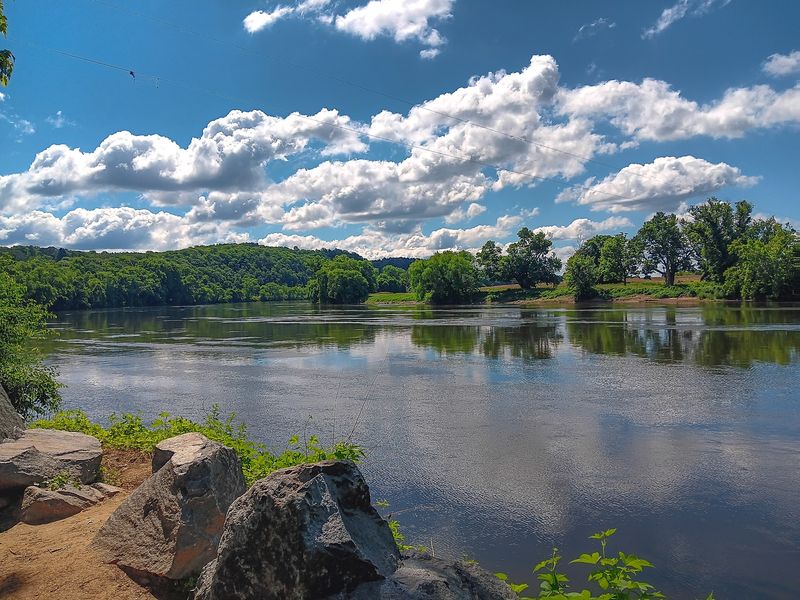
Scottsville sits along the James River in central Virginia and spans parts of Albemarle and Fluvanna counties.
The town had just over 500 residents in the 2020 Census, which helps explain its compact scale.
Town Hall is at 401 Valley Street, Scottsville, VA 24590.
The easiest way to plan a visit is to decide which part of Scottsville matters most before you arrive.
If paddling is the priority, begin with river conditions and outfitter schedules.
If history matters more, check the museum calendar and start downtown.
If you want both, keep the order flexible and let weather decide which comes first.
Hatton Ferry can be added as a short historic stop or as part of a river route, but remember that ferry service ended in 2026.
A river outing, a historic-district walk, and a museum or downtown stop are enough to give the visit structure without making it rigid.
Scottsville works best when you choose one anchor for the day and leave room for the river, streets, and history to fill in the rest.