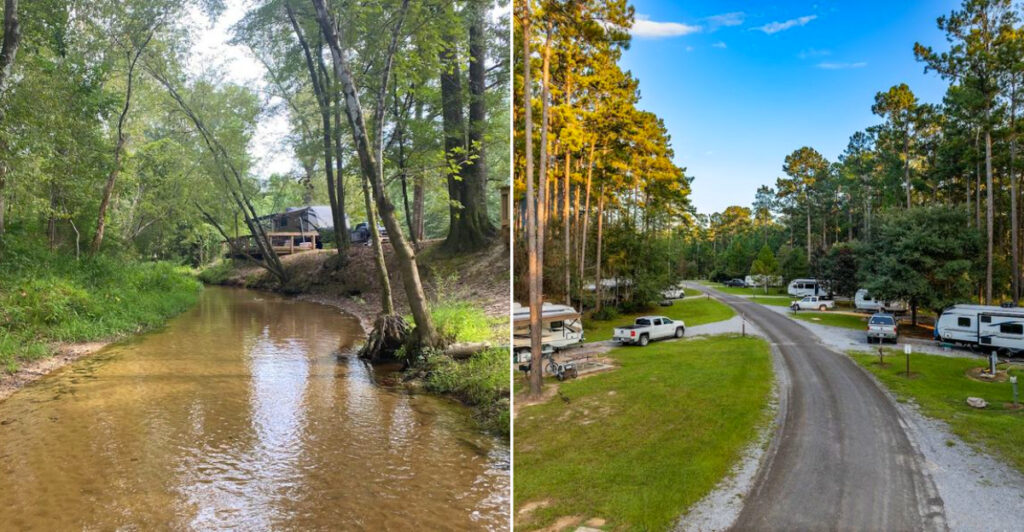
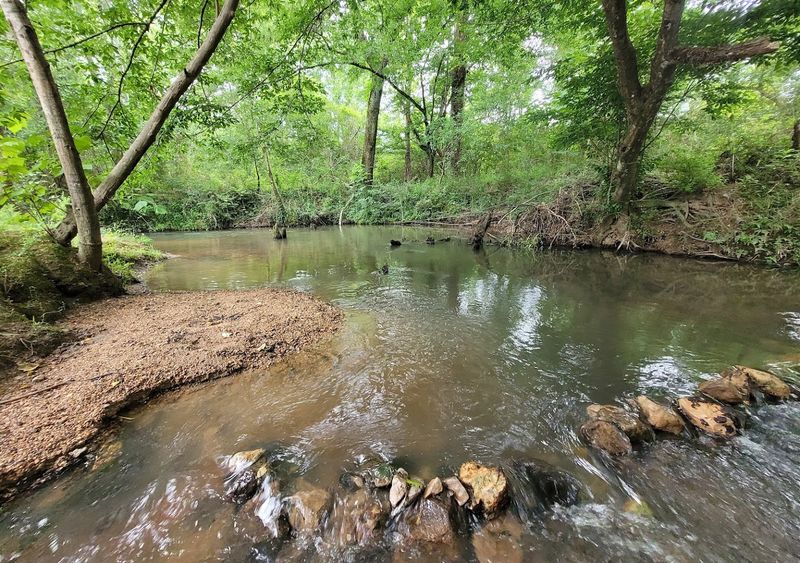
Putting in at the launch point the creek does not look like much from the road.
And that is half the point because the moment the current takes the kayak and the canopy closes over your head you realize that the thin blue line on the map was underselling the whole thing by about a thousand percent.
The water runs cool and clear over a sand and gravel bottom and every bend opens into a new room of cypress and tupelo where the only sound is the blade slicing the surface and the occasional splash of a turtle dropping off its log.
Sandbars appear in the wider stretches and they are the kind that make you want to pull over and stand barefoot in the shallows and eat whatever you packed because time on a creek like this has a way of bending in the best direction.
This is where a two-hour float turns into an afternoon without anyone noticing. A seventy-mile stretch of Louisiana creek turns a casual paddle into the kind of afternoon that makes you cancel your evening plans.
Read The River First
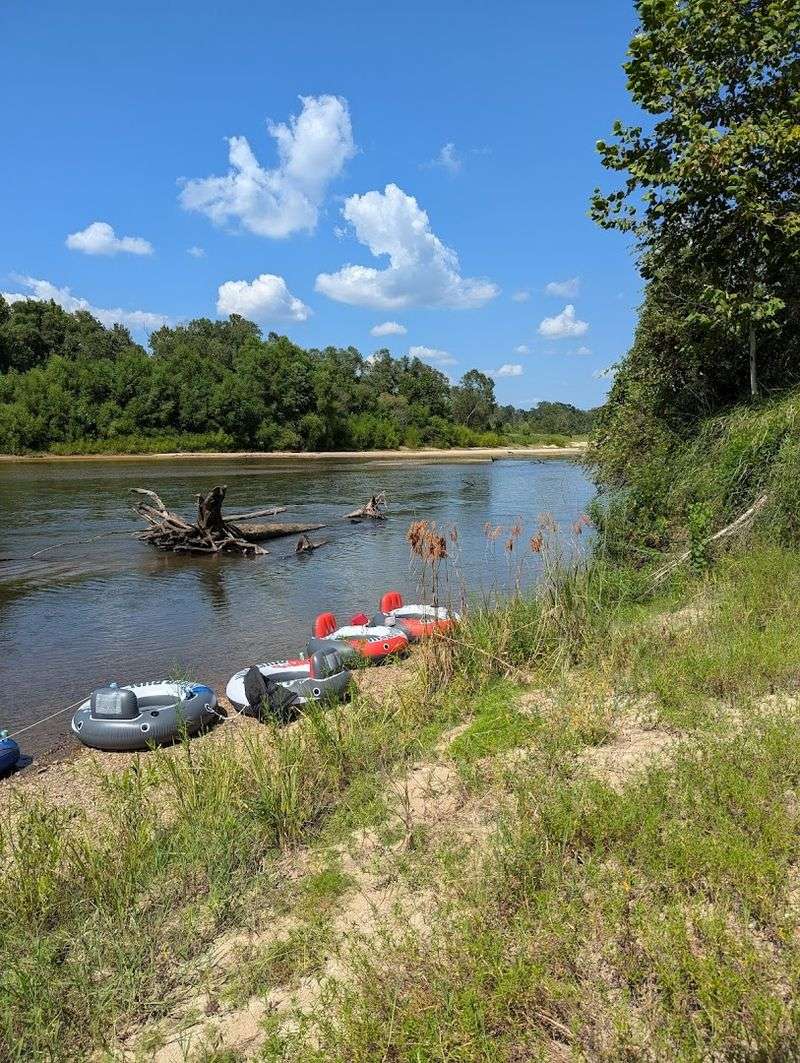
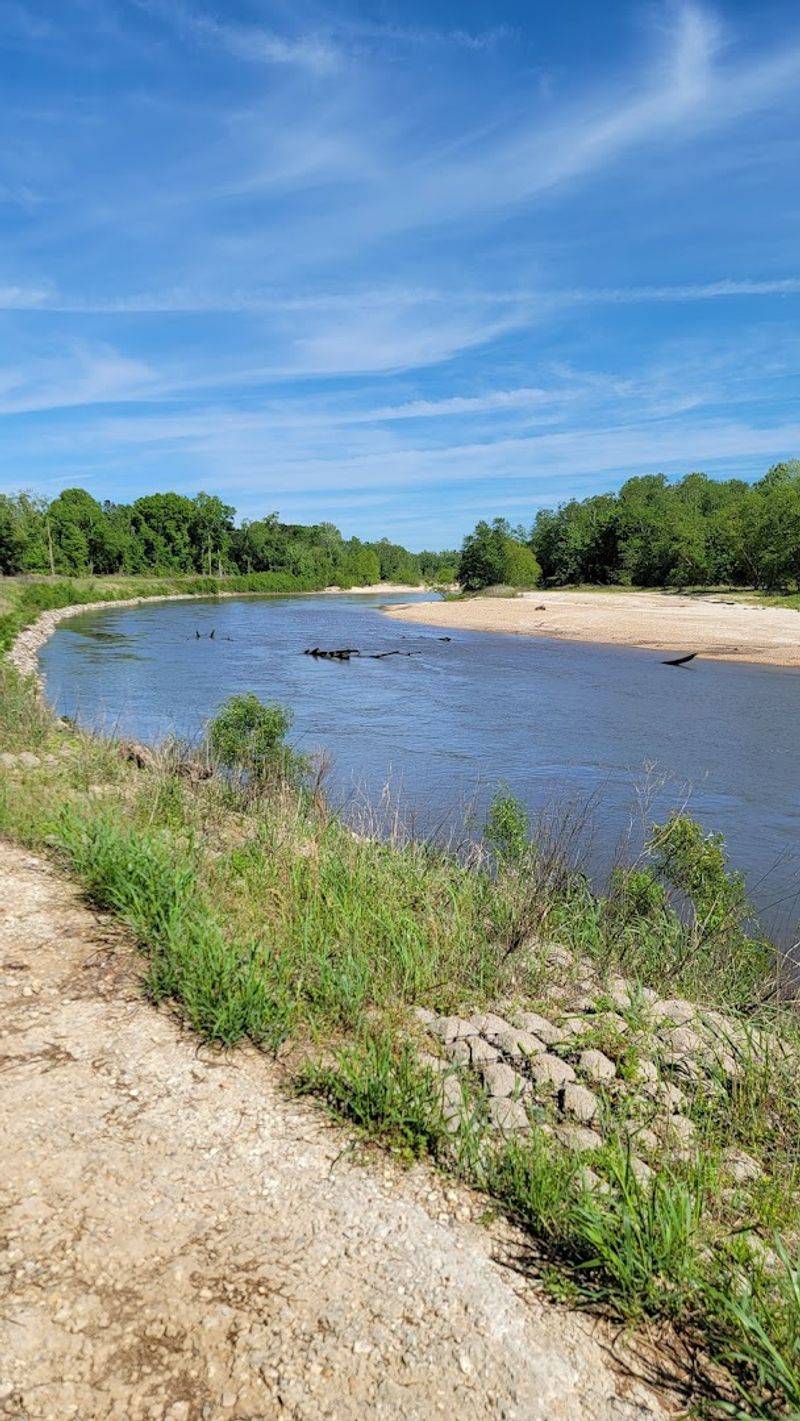
When you arrive, let the river set the agenda instead of a rigid plan. I watched currents carve around sandbars and logged the steady, sometimes swift flow; that pattern determines how far you should push on any given day.
The Bogue Chitto’s bends hide submerged logs and faster stretches, so scouting a short section first gives you a clear sense of challenge and rhythm. Rentals are available at the park and local outfitters, but even with gear in hand you’ll do better after a careful visual survey of the next mile or two of water.
Take photos of landmarks and estimate float-time between them; it pays off.
The Road Ends In River Country
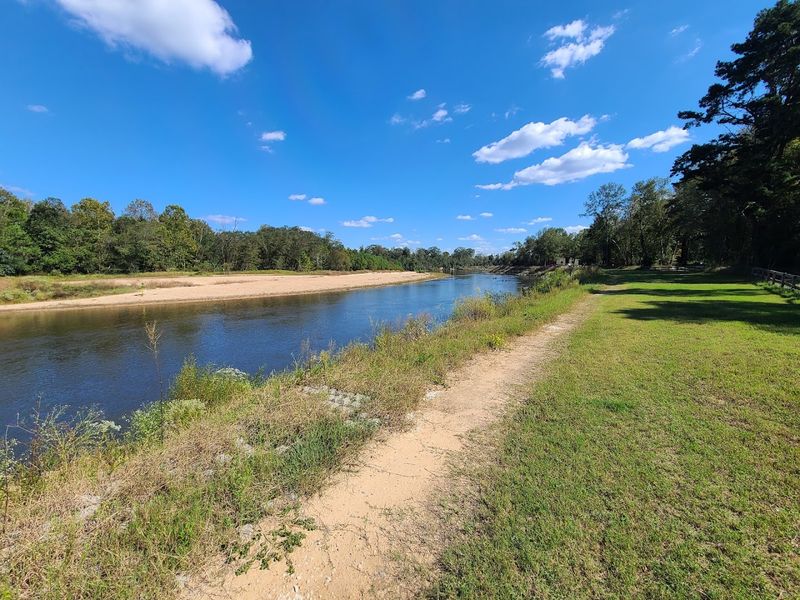
Bogue Chitto State Park trades the faster roads around Franklinton for pine forests, rolling hills, quiet streams, and cypress wetlands.
Set your GPS for 17049 State Park Rd, Franklinton, Louisiana 70438, about five miles south of town near Highway 25.
Follow the park road inward, check in near the entrance, and leave the rushed part of the day behind. By the time you park, the forest has already taken over.
Respect The Sandbars
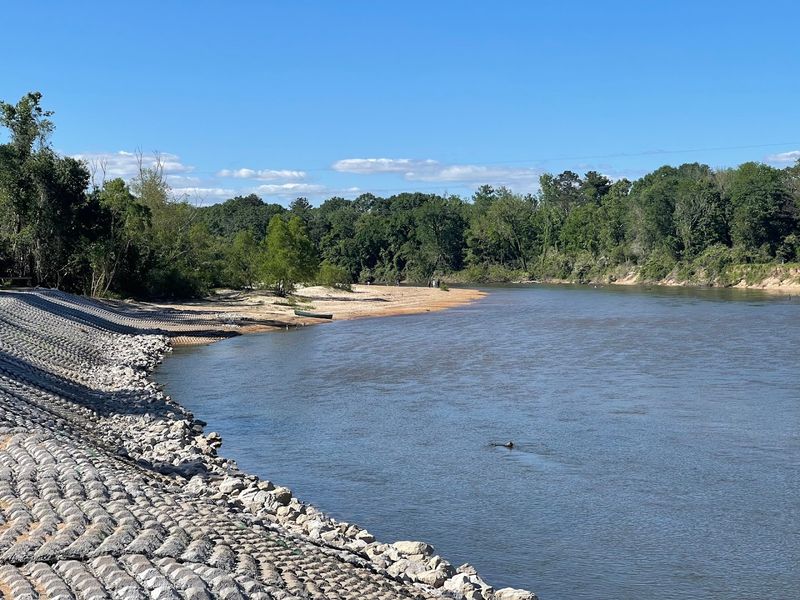
Those dazzling white sandbars are the park’s hidden oases, but they deserve light-footed respect. I noticed they host nesting birds and act as rest stops for otters; keeping your group compact and picking one edge to land reduces impact.
Avoid digging, moving driftwood, or creating permanent fire pits. If you picnic, pack out every scrap and use a lightweight tarp to keep food crumbs from entering the ecosystem.
Short visits are best; stay long enough to rest and photograph, not to alter the natural layout that other visitors and wildlife depend on. Arrive quietly and scan the shoreline before stepping out, especially during nesting season.
Soft voices, restrained movement, and a little distance help preserve the calm that makes these places memorable while giving animals room to feed, shelter, and move undisturbed.
Watch For Wildlife – Thoughtful Distance
Wildlife here is abundant and honest about living its life; keep your distance. I spotted deer and birds along the shore and an alligator sunning near a bend; observing quietly from the water felt like an honor.
Use binoculars and zoom lenses rather than approaching animals, and secure food to avoid attracting curious mammals. Park signage reminds visitors that alligators are present; a respectful margin keeps both you and the animal safe.
If you camp near the river, store food in closed containers and avoid leaving scraps where scavengers can access them at night.
Gear That Matches The River
Gear choices make a subtle but decisive difference. For the Bogue Chitto’s steady current and occasional Class II sections, I favored sturdy kayaks and canoes with secure dry storage and a well-fitted life jacket.
A throw rope and whistle belonged in easy reach, and shoes with good tread helped when stepping on slick sandbars. Waterproof maps and a phone in a dry case were invaluable for timing checkpoints and calling for a shuttle if plans changed.
Rentals are convenient, but if you bring your own craft, check hull integrity and fittings before launch to prevent a mid-trip repair headache.
Plan For Variable Distances
Trips on the Bogue Chitto can range from quick two-hour floats to ambitious daylong runs, so plan flexibly. I measured sections visually and timed short stretches before committing to longer routes; current speed and river obstacles can add unexpected minutes.
Popular stretches are shorter than the 50-mile system might suggest, so pick a section that matches your energy and logistics. Always communicate clear turnaround points with your group and set realistic timing for stops on sandbars and photo breaks.
Dropping a shuttle or arranging a pickup at a downstream exit ensures you won’t be racing the clock to return to vehicles.
Explore Fricke’s Cave Carefully
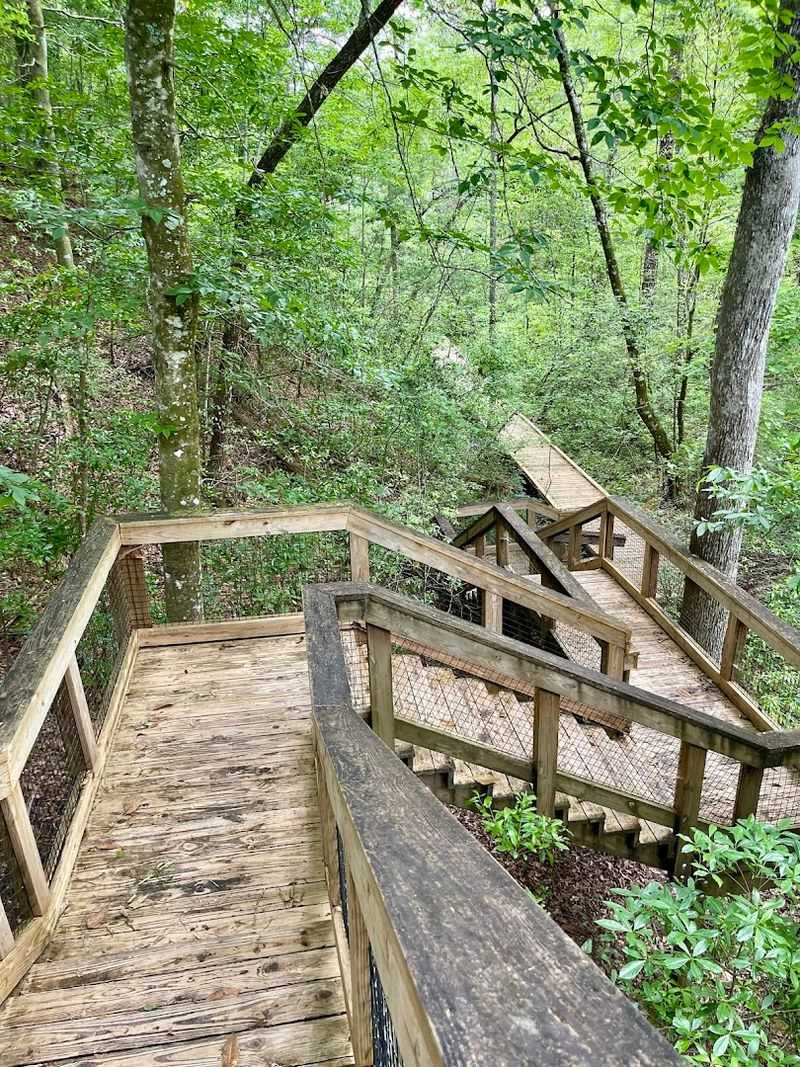
Fricke’s Cave is a delicate geological display; boardwalks keep visitors from disturbing the sandstone spires. I found the formations unexpectedly intricate up close, with channels carved by years of water flow.
Follow posted paths and read interpretive signs to appreciate preservation efforts. The boardwalk design lets you study textures and erosion patterns without trampling fragile layers, and early morning light brings out subtle striations that are easy to miss later in the day.
Photography is welcome, but avoid climbing or touching formations; oils and pressure accelerate erosion on those fragile surfaces.
Combine Trails And River For Variety
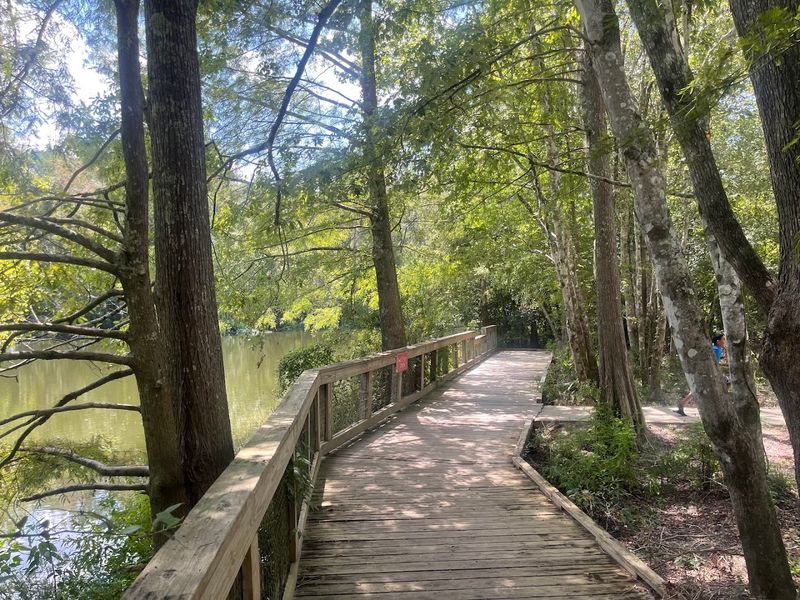
The park’s trails pair beautifully with a river day for balanced exploration. I did a short stretch of the Gorge Run Trail after floating and it refreshed my perspective of the same terrain from land; views from bluffs show meanders you can’t fully read from a kayak.
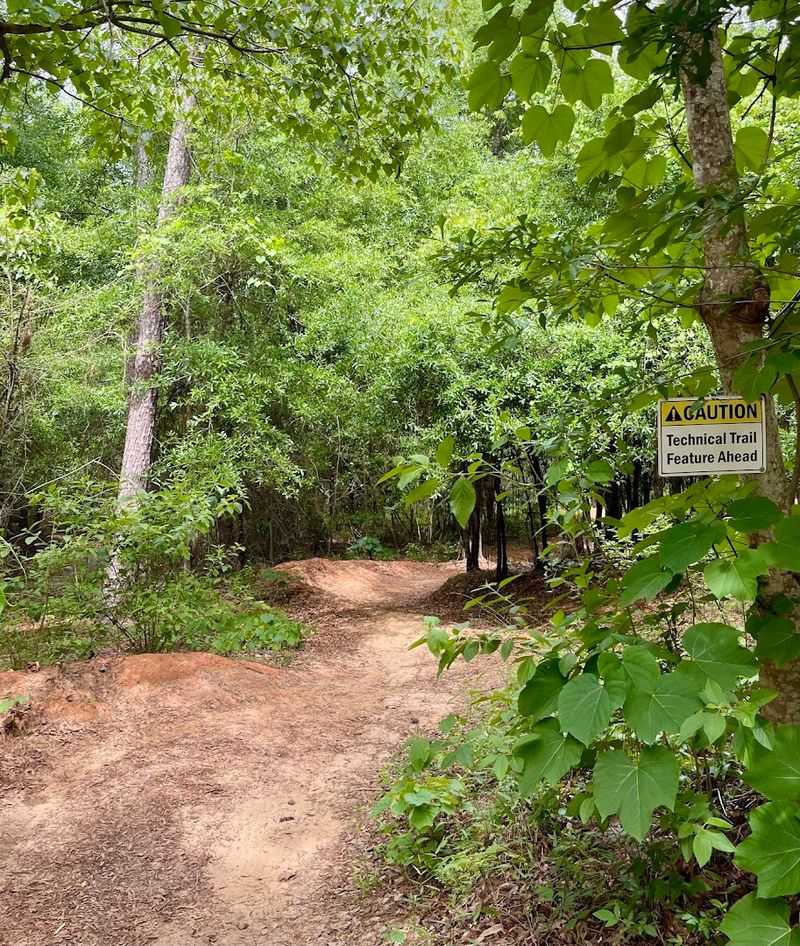
Mountain biking and equestrian routes offer different paces and angles on the landscape, and switching modes mid-trip keeps energy high. Check trail maps and closures before heading out, and remember pets must be leashed on hiking trails.
Blending a trail loop with an afternoon float turns a simple outing into a rounded adventure.
Time Your Visit In Accordance With Season
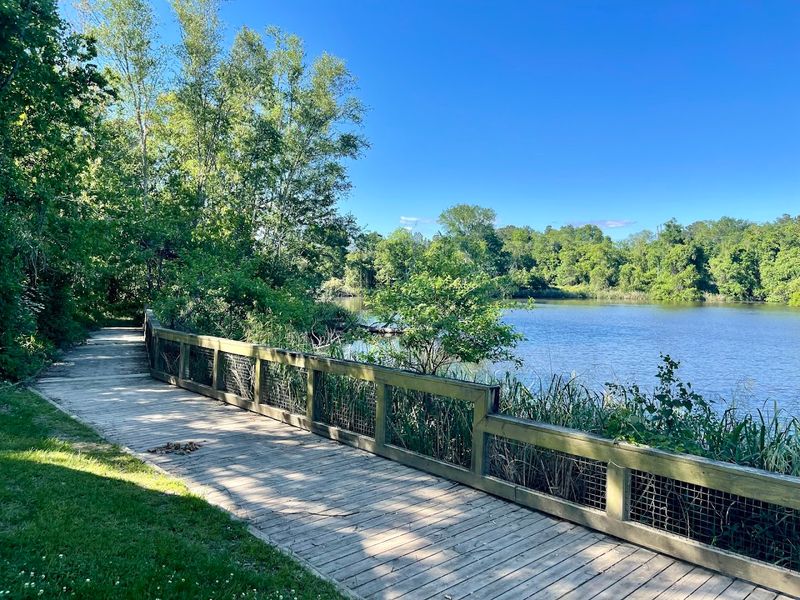
Season changes shift what you see and how you move. I noticed spring brings wildflowers and migratory songbirds, while summer fills the river with swimmers and families seeking shade.
Fall light sharpens textures and cools the water for longer paddles, and winter reduces crowds though some services may scale back. Check park hours and seasonal facility availability; gates generally open early but extended weekend hours vary.
Weather-driven flow differences also affect difficulty and comfort, so verify recent conditions before committing to a long run.
Choosing off-peak times can yield quieter sandbars and better wildlife viewing opportunities.
Camping – Campsites And Cabins
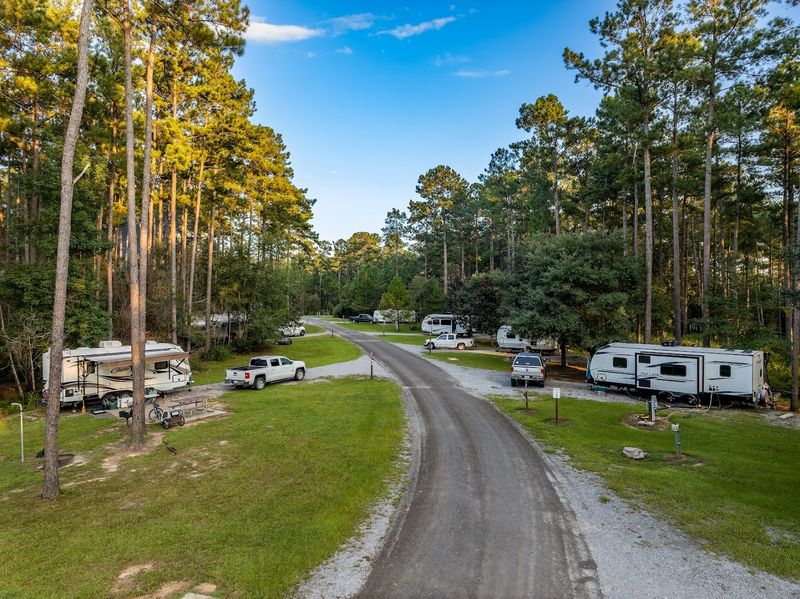
Staying overnight stretches the river’s mood into a full experience. I noticed the park offers tent and RV camping with hookups, plus cabins that overlook bluffs; choosing where to sleep shapes your morning routine.
Bottomland sites put you closer to water access but may lack sewer hookups, while upland sites offer full conveniences and quieter nights. Reserve ahead for peak weekends, and use designated fire rings for campfires to reduce spread.
The park fee is modest and gates have standard opening hours, so plan arrivals accordingly.
A riverside dawn is worth the planning; bring a headlamp and expect birdsong to set your alarm. Evening temperatures can fall quickly near the water, so pack an extra layer and keep food secured against wildlife.
Before settling in, locate restrooms, potable water, and the nearest trailhead, then leave enough daylight for an unhurried setup at camp.
Practice Leave-No-Trace Habits
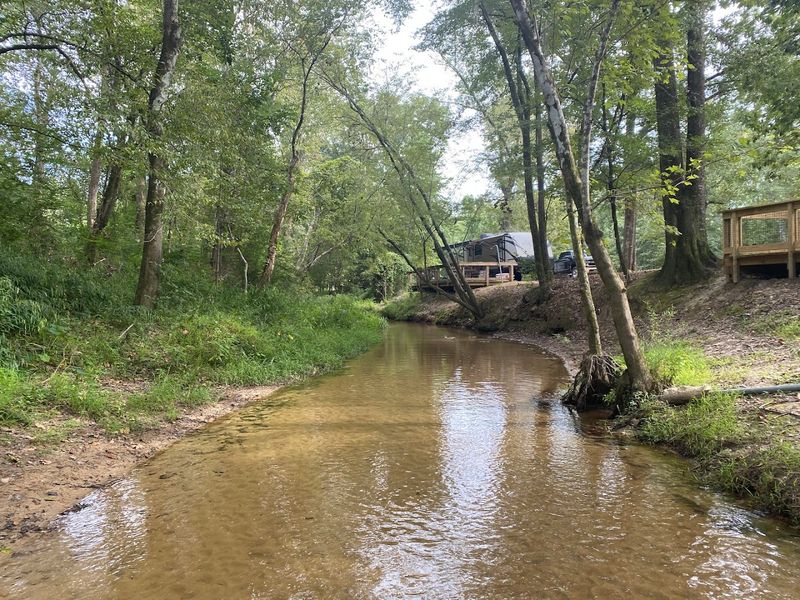
Protecting the park means small daily choices add up. I carried reusable containers and a small trash kit to prevent crumbs and wrappers from attracting wildlife to campsites and sandbars.
Avoid soap in the river and use established restroom facilities when possible; pit toilets and park restrooms reduce contamination. For groups, designate someone to sweep for micro-trash after a stop because bottle caps and food scraps scatter quickly in wind.
The park allows campfires in fire rings; never leave embers unattended and extinguish fully.
Leaving a spot better than you found it keeps the river welcoming for the next visitor and local wildlife alike.
Practical Safety And Local Info
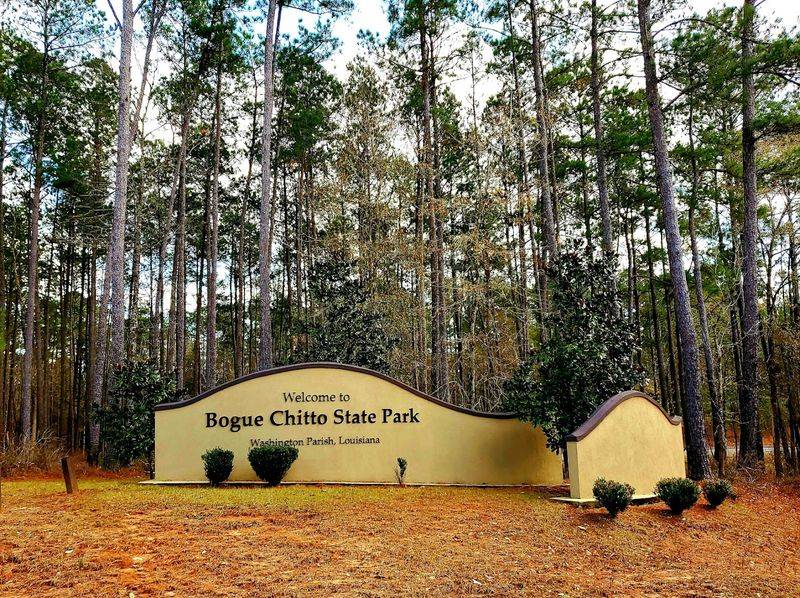
Practical details smooth a trip more than grand plans do. I checked gate hours and found the park generally open from 8 a.m. to 9 or 10 p.m. depending on day; the entrance fee is $3 per person for ages 4-61.
Phones can be spotty in parts, so share plans with someone off-site and consider a physical map. Pets are allowed on trails but must be leashed, and fishing is available in stocked lakes.
Finally, remember alligators are present; maintain distance and follow posted safety guidance.
Calling the park ahead can confirm rentals, horse availability, and any temporary closures. Pack water, insect repellent, sturdy shoes, and a small first-aid kit, especially if you plan to explore beyond the main facilities.
Starting early also helps you avoid the strongest heat, heavier crowds, and sudden afternoon weather changes near the lakes.