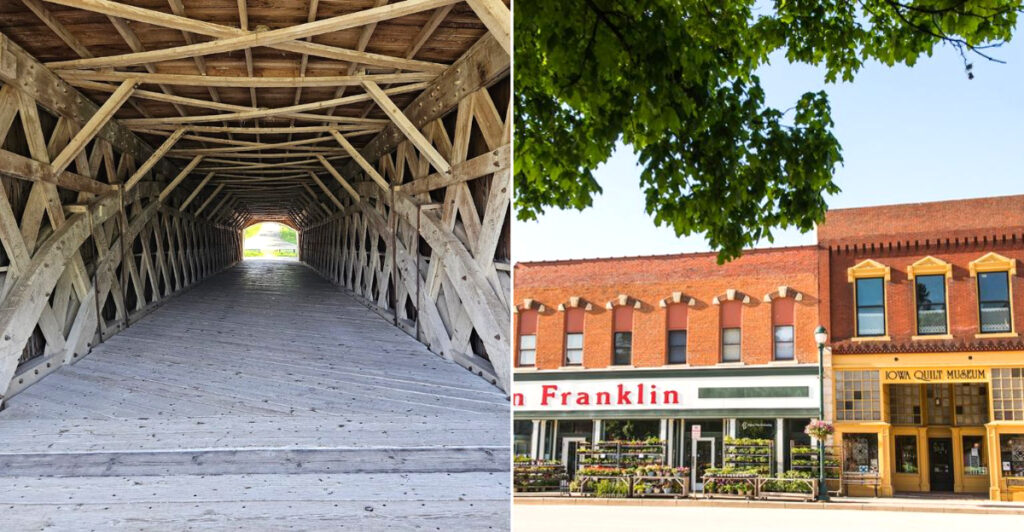
I expected a pleasant drive. What I did not expect was to keep pulling over because another old bridge or quiet hillside had caught my attention.
This corner of Iowa is made for that kind of wandering. The roads curve gently, small towns appear without much warning, and every stop gives you a reason to stay a little longer.
By the end of the afternoon, I had taken far too many photos and stopped caring about the original schedule. That usually means the drive was worth it.
What the Covered Bridges Scenic Byway Actually Is
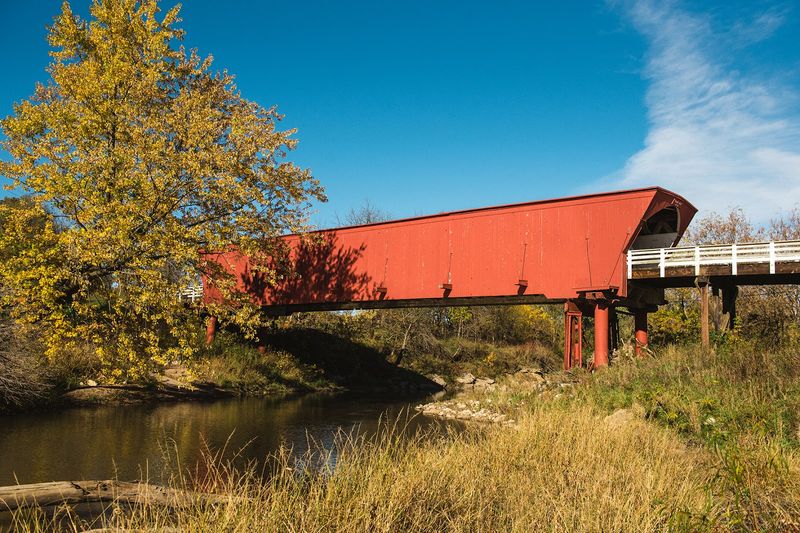
Madison County, Iowa is home to one of the most photographed rural drives in the Midwest, and the Covered Bridges Scenic Byway is the reason why.
The byway is a self-guided driving route that connects six remaining historic covered bridges spread across the county’s countryside.
The official starting point for the tour is the Madison County Welcome Center, located at 73 W Jefferson St, Winterset, IA 50273. That is where you can grab printed maps, talk to staff, and download the byway’s self-guided app before heading out.
The app is genuinely useful. It uses location prompts to tell you about each bridge as you approach, so you are not just staring at old wood and guessing.
Plan for at least three hours to see all six bridges comfortably, though most people stretch it into a full day once they factor in lunch, photos, and a few unplanned stops. The byway is free to drive, which makes it one of the best no-cost road trips in the state.
The Six Bridges and What Makes Each One Worth Stopping For
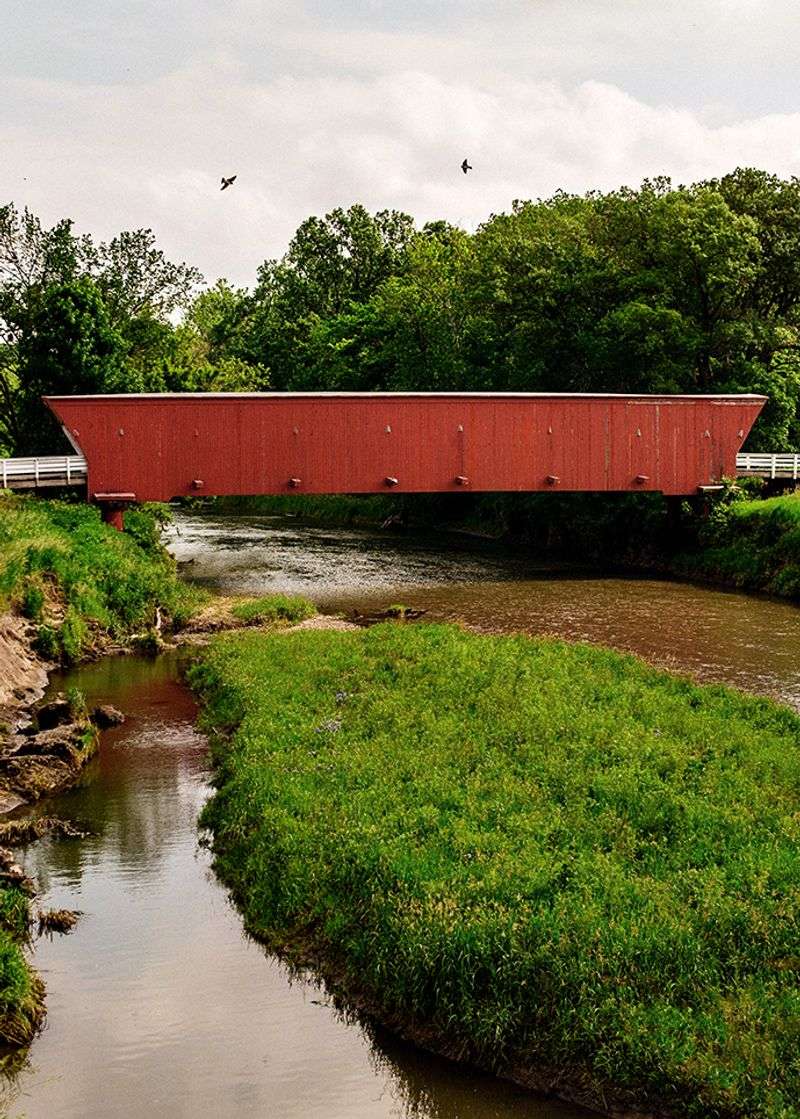
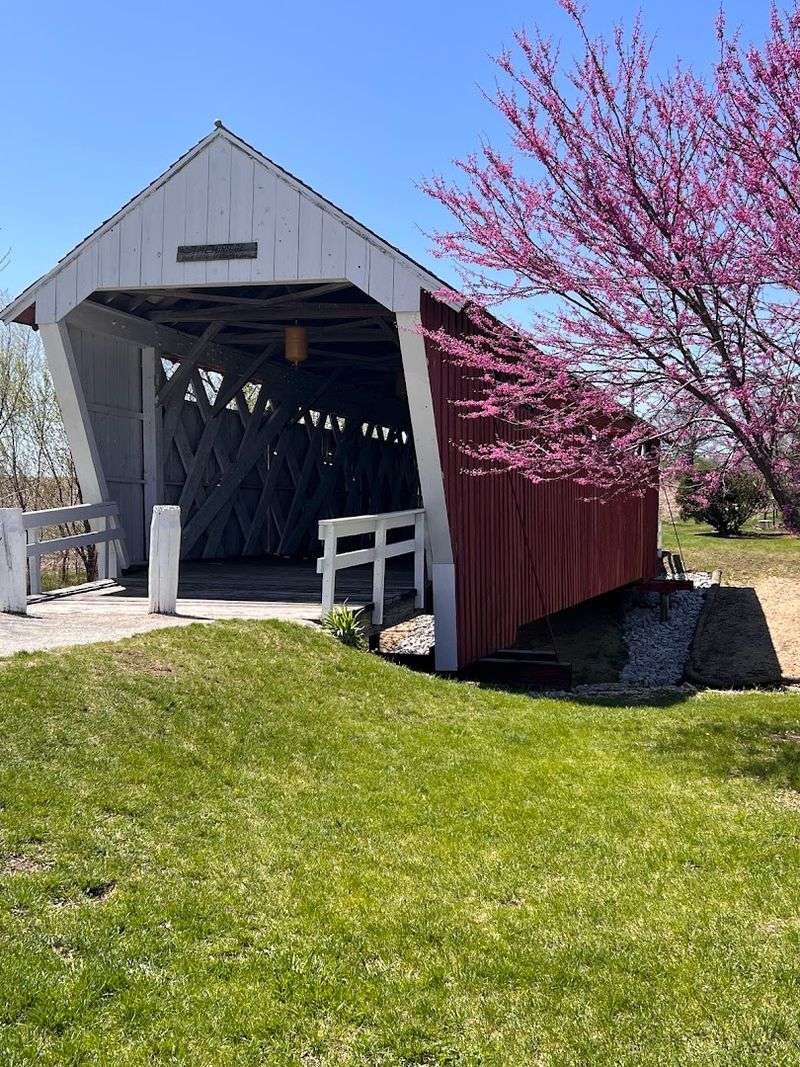
Six covered bridges remain standing in Madison County, and no two feel exactly alike. Some sit at the end of paved roads, easy to reach and well-marked.
Others require a short drive down gravel and dirt roads that kick up enough dust to coat your windshield by the end of the day.
Each bridge has its own character. Cedar Bridge is the only one still open to vehicle traffic, although the structure standing today is a replica completed in 2019 after the previous bridge was destroyed by fire.
Roseman and Holliwell were featured in the 1995 film “The Bridges of Madison County.” Holliwell is the longest of the six remaining bridges, spanning 110 feet, while Roseman is one of the best-known and most photographed.
Hogback, Cutler-Donahoe, and Imes round out the full set. Imes is the oldest remaining bridge, while Cutler-Donahoe now stands inside Winterset City Park.
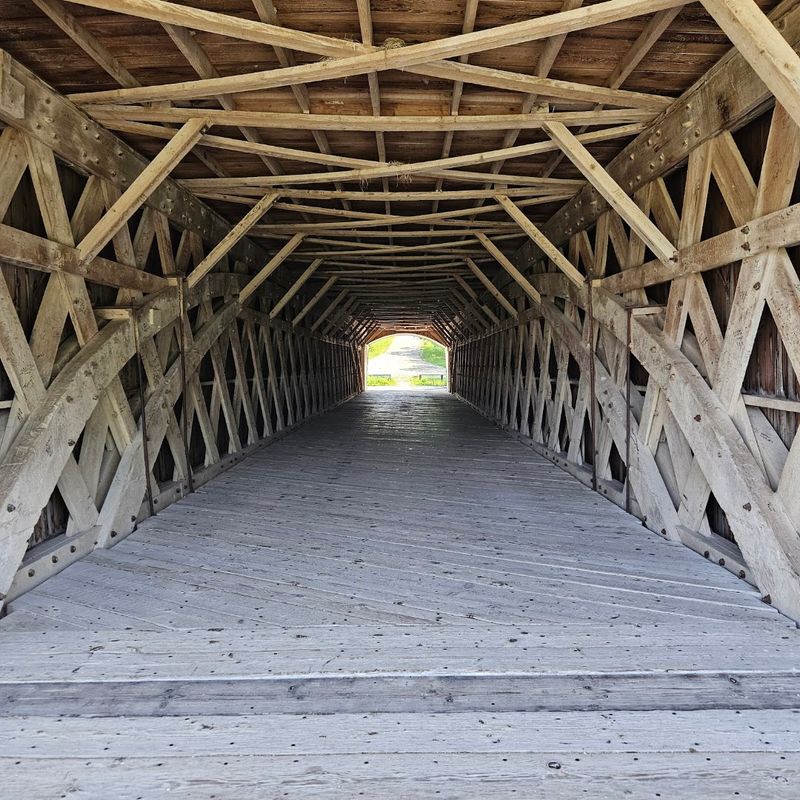
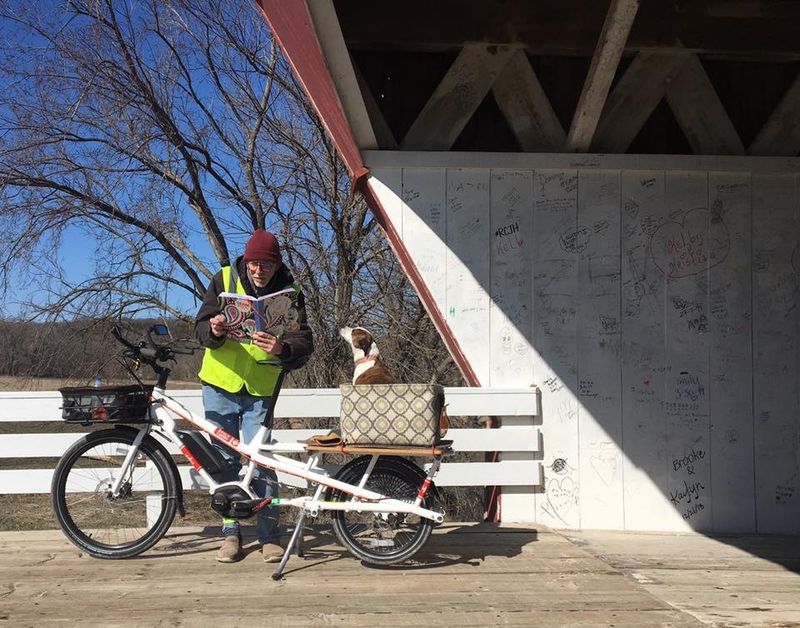
Walking through them is a different feeling than just looking at them from a distance. The interiors smell like aged timber, and the wooden plank floors echo underfoot.
One thing to know upfront is that Cedar Bridge is the only one open to vehicle traffic. All six may be crossed on foot or by bicycle, so bring comfortable shoes and leave extra time to explore each stop.
The History Behind the Bridges
Most of Madison County’s covered bridges were built between the 1870s and 1880s, when wood was the most available building material and Iowa winters were rough on open structures.
Covering the bridge protected the wooden floor timbers from rain and snow, extending the lifespan of the structure by decades.
At one point, Madison County had 19 covered bridges. Only six survive today, which puts them in a category of genuinely rare Midwestern landmarks.
The bridges that remain were saved largely through community effort and county investment in preservation and restoration.
The lattice truss design used in most of these structures was a common engineering approach of the era, but seeing it up close makes you appreciate how much thought went into building without power tools or modern materials.
Local historians who volunteer at the welcome center can walk you through the construction details and share stories about which families originally used each bridge.
If the welcome center is open during your visit, the conversation with staff is one of the better ways to understand what you are actually looking at before you hit the road.
Winterset the Town That Anchors the Whole Trip
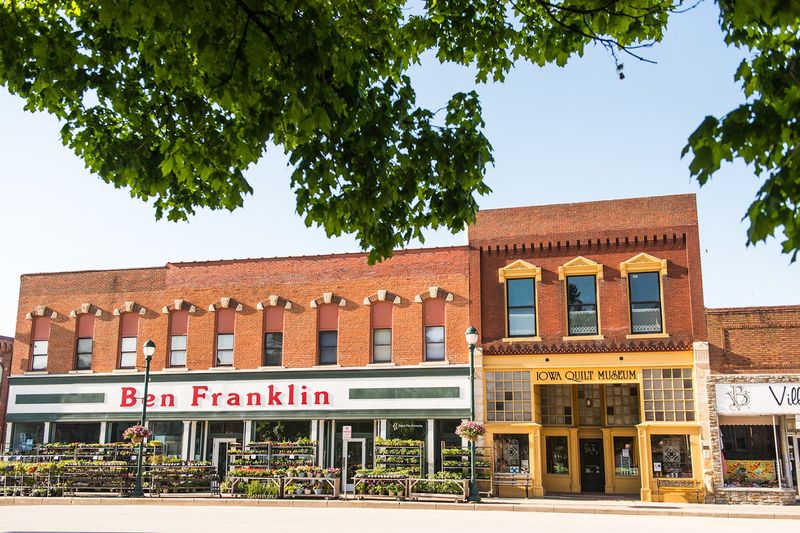
Before or after the bridges, Winterset itself deserves at least an hour of your time.
The town square is the real deal, with a limestone courthouse at the center, local shops around the perimeter, and the kind of unhurried pace that makes you want to sit on a bench and watch the world go by for a few minutes.
The square has a handful of good restaurants, and the Urban Cafe comes up often as a local favorite for a reason. The food is solid, the staff is friendly, and it is the kind of place where you can refuel mid-tour without feeling rushed out the door.
Winterset is also the birthplace of John Wayne, and the John Wayne Birthplace Museum is just a short walk from the square. Even if you are not a film buff, the museum offers an interesting look at mid-century Hollywood and small-town Iowa history side by side.
The town is compact enough to explore on foot, which makes it a natural rest stop between the western and eastern clusters of bridges. Parking around the square is free and easy to find.
The Best Time of Year to Make This Drive
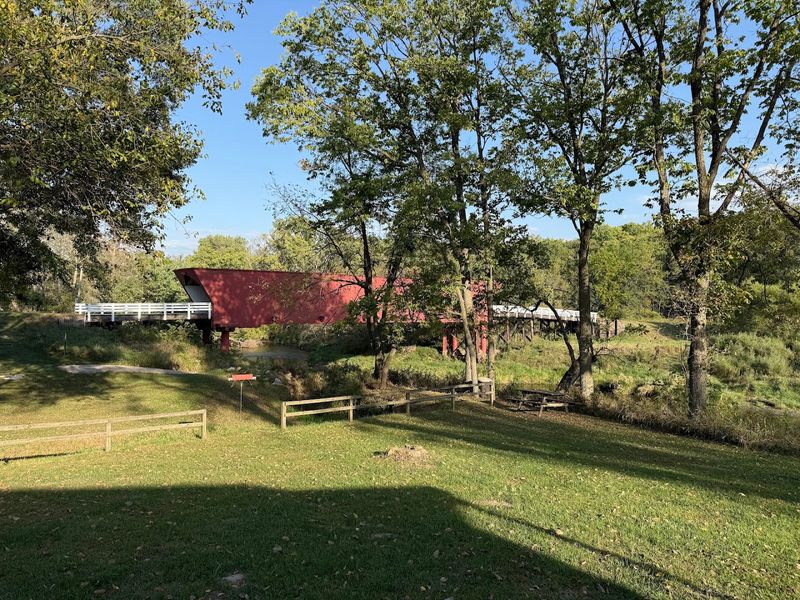
Fall is the obvious answer, and it earns that reputation honestly.
The hills around Madison County turn deep red, orange, and gold during October, and the contrast of those colors against the dark wood of the bridges is the kind of thing that makes even casual photographers stop and reconsider their hobby.
The annual Covered Bridge Festival happens every second full weekend in October and draws a serious crowd. The festival brings vendors, artisans, demonstrations, live entertainment, and food options to Winterset, and the whole county feels like it is celebrating at once.
If you want the festival energy, plan ahead and expect company on the roads. The 2026 festival is scheduled for October 10 and 11.
Spring and early summer are quieter and offer their own appeal. The countryside is green, the roads are less dusty than late summer, and you are far less likely to share a bridge with a tour group.
Winter visits are possible, but gravel roads can become difficult after heavy rain or snow, so check conditions before you go.
From May through October, the Madison County Chamber of Commerce Welcome Center is open Monday through Saturday from 9:00 AM to 4:00 PM, which is worth factoring into your timing if you want maps or visitor information.
Using the App and Navigating the Route
Navigation on the byway is a mixed bag if you go in unprepared.
The official byway signs are posted along the route, but some of the arrows can be confusing at intersections, especially when you are splitting attention between road signs and GPS.
A few bridges are not directly on the marked byway route either, so relying solely on roadside signage will leave gaps in your visit.
The smart move is to download the byway app before you leave the welcome center, or at minimum, grab a printed tearsheet map from the center or the county website at exploremadisoncounty.com.
The app uses location-based prompts, so it tells you what you are approaching before you get there, which is far more useful than trying to read a paper map on a gravel road.
Splitting the route into two halves works well if you have limited time in a single day. One strategy is to do the three western bridges first, take a lunch break in Winterset, and then tackle the eastern three in the afternoon.
That pacing keeps the day from feeling rushed and gives you time to actually stop and walk around at each bridge instead of just slowing down for a photo.
Road Conditions and What to Expect on Gravel
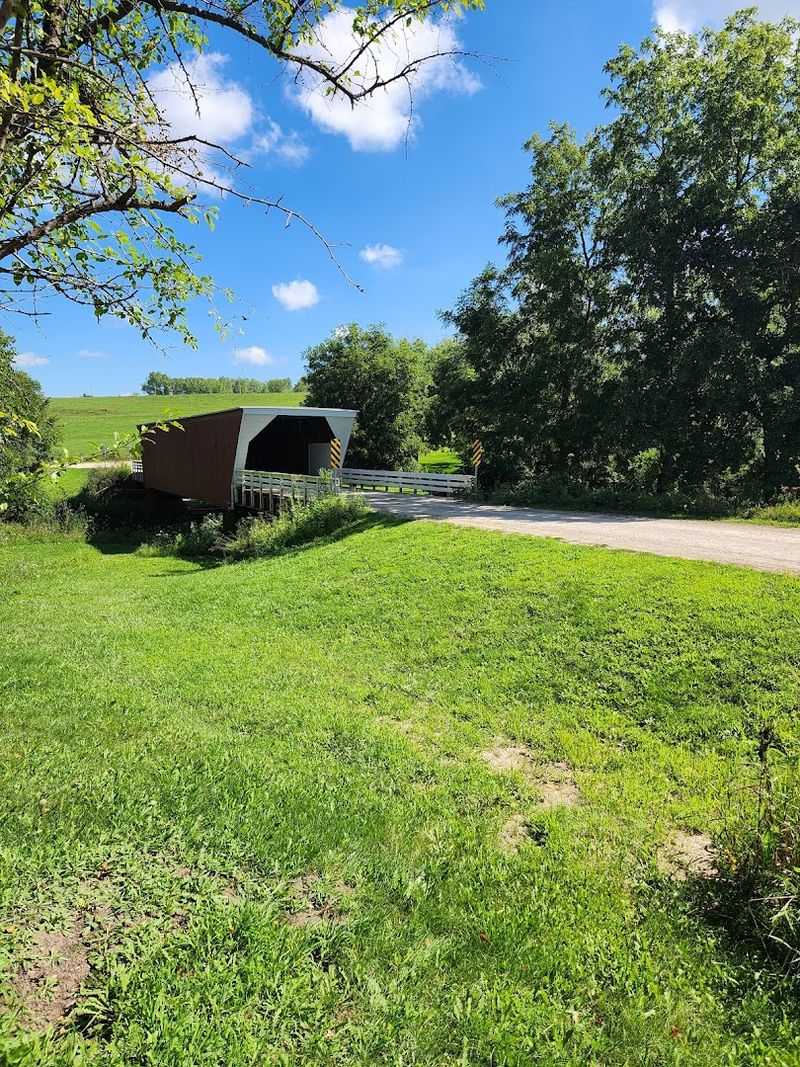
Three of the six bridges sit at the end of unpaved gravel roads, and that detail is worth knowing before you show up in a freshly washed car.
The dust is real. On dry days, it coats everything, and by the time you have visited two or three of the gravel-access bridges, your vehicle will look like it has been on a dirt track.
The roads are generally passable for standard passenger cars, but after heavy rain they can get soft and slippery, particularly in spring. If you are visiting in wet conditions, a vehicle with decent ground clearance will make the experience less stressful.
Pickup trucks and SUVs handle the gravel routes with no issues at all.
Accessibility is a real consideration for anyone with limited mobility. Some bridge access points require walking a short distance from the parking area, and the terrain is uneven in places.
The county is aware of this and has noted it as an ongoing challenge. If mobility is a concern, checking the byway website ahead of time for specific bridge accessibility details will save frustration on the day of the visit.
A few stops are easier to access than others.
Other Stops Worth Adding to Your Day
The covered bridges are the headline, but Madison County has enough other things going on that you can easily fill a full day without repeating yourself.
Winterset City Park is a short drive from the town square and is worth a visit on its own.
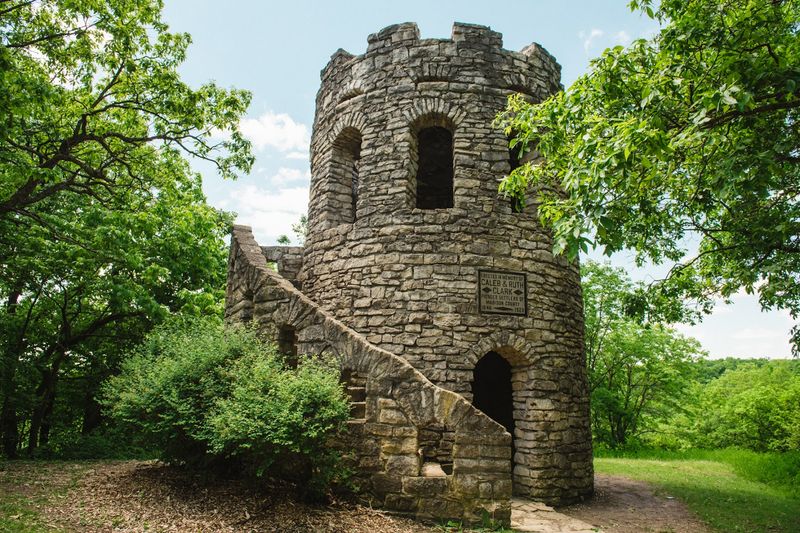
Clark Tower, a limestone monument completed in 1926, sits inside the park and honors Caleb and Ruth Clark, two of Madison County’s early pioneer settlers.
Pammel Park is nearby and provides trails, picnic areas, and some of the more rugged terrain in the county. It is a good option if anyone in your group wants to stretch their legs beyond the short walks at the bridges.
The park also contains the Madison County Conservation Center, which features interactive exhibits about the area’s wildlife, geology, forests, and natural history.
Groth’s Gardens & Greenhouses is another local stop worth considering during its operating seasons. It generally welcomes visitors from mid-April through mid-June and again from mid-August through October, so check its schedule before adding it to a summer drive.
For those who want to extend the day further, Madison County is approximately 36 miles from Des Moines and Des Moines International Airport, making it possible to combine the byway with a city dinner or overnight stay in the capital.
Why This Drive Is Worth Your Time
Road trips do not always need a dramatic payoff to be worth taking.
The Covered Bridges Scenic Byway works because it combines history, scenery, and a genuinely easy pace into a single afternoon or full day that does not require a lot of planning or spending.
The drive is free. The bridges are free.
The welcome center is free. Your only real costs are gas, food in Winterset, and whatever you pick up at a local shop if you wander around the square.
For a day out of the house that actually gives you something to talk about afterward, that is a hard deal to beat.
What stays with you is less about any single bridge and more about the cumulative effect of the drive itself. The hills, the quiet roads, the smell of old timber, the way the light comes through the slats of a covered bridge on a clear afternoon.
Iowa has a lot of open road, but this particular stretch of Madison County gives that open road a reason to slow down and look around.
The byway information center can be reached at 515-462-1185 if you want to plan ahead.