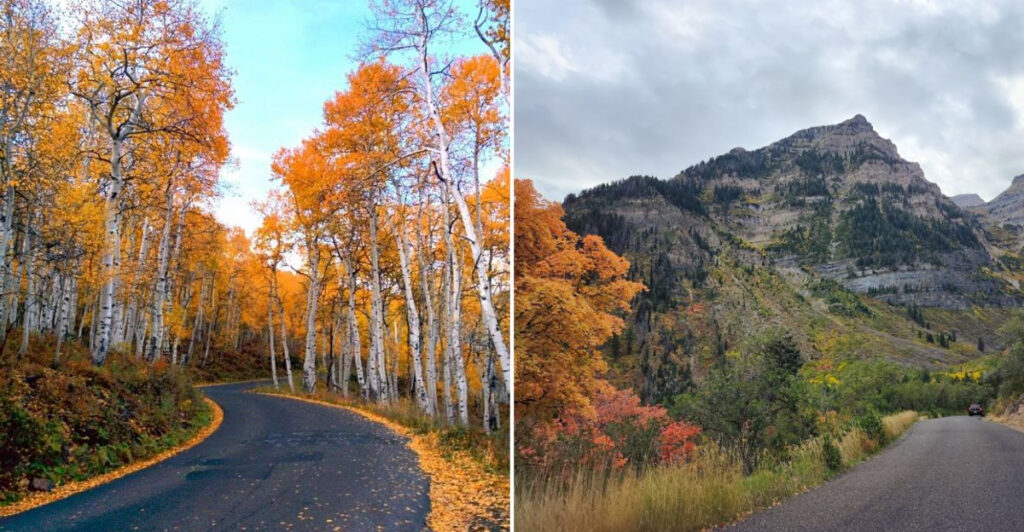
The best road trips do not beg for attention. They quietly steal your afternoon.
This mountain drive slips past waterfalls, limestone caves, and wide-open views with the confidence of a route that knows exactly what it is doing. Utah reveals a softer side here, trading crowded attractions for cool air, winding pavement, and scenery that keeps interrupting the conversation.
Nothing feels overplanned. You can pull over when curiosity wins, linger beside the water, or simply keep driving while the landscape changes around every bend.
That easy rhythm is the real reward. No packed schedule, no complicated gear list, no pressure to conquer anything before sunset.
Somewhere later, when the road finally levels out, you realize Utah gave you the rarest kind of getaway: one that felt effortless but never ordinary. Bring a full tank, an empty camera roll, and enough time to forget what was next on your list entirely.
The Drive That Plans Itself: Starting The Alpine Loop
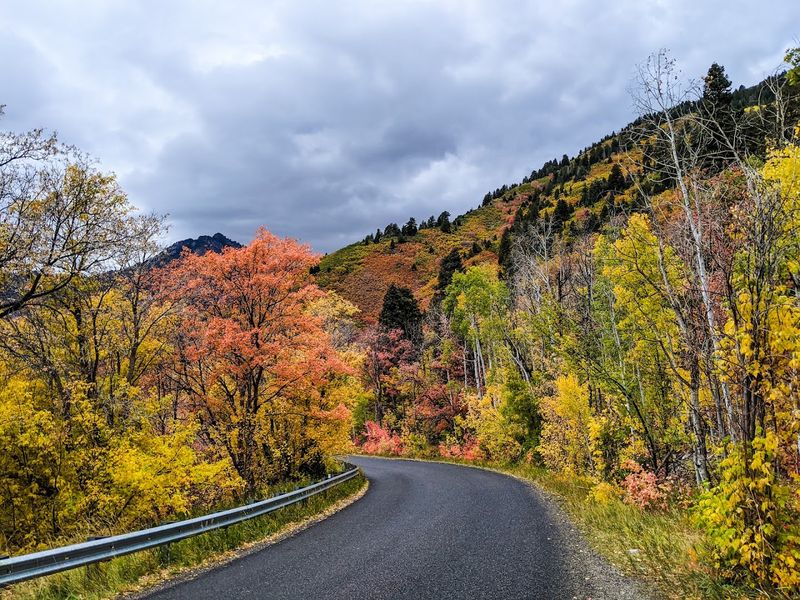
There are drives you research for weeks and drives that simply make the decision for you. This spot, accessed at 2038 W Alpine Loop Road, American Fork, UT 84003, falls firmly into the second category.
The moment you turn off the main road and the canyon walls close in around you, the outside world politely excuses itself.
The byway stretches roughly 20 miles through the Uinta-Wasatch-Cache National Forest, connecting American Fork Canyon to Provo Canyon. It climbs to elevations above 8,000 feet, which means the air gets noticeably thinner and the views get noticeably better the higher you go.
Plan for a leisurely pace. This is not a road designed for commuters; it is designed for people who still believe that the journey and the destination deserve equal billing.
Pro Tip: The road is typically open from late May through late October, depending on snowfall. Check road conditions before heading out, especially in early spring or after a late-season storm.
Best For: Families, couples, and solo adventurers who want a scenic mountain experience without a strenuous physical commitment.
Bridal Veil Falls: Where The Waterfall Actually Earns Its Name
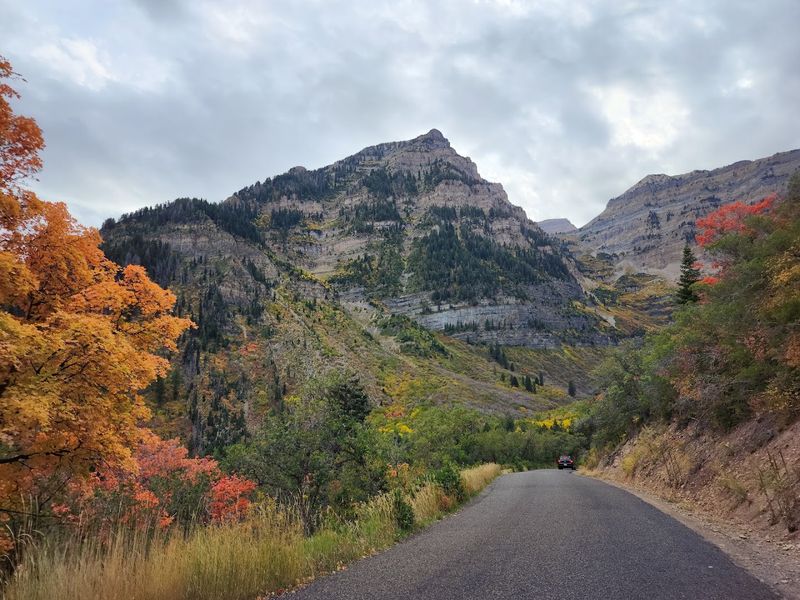
Not every waterfall named for a bridal veil actually looks like one. Bridal Veil Falls, near the Provo Canyon end of the Alpine Loop, is a refreshing exception.
The falls drop roughly 607 feet in two tiers down a sheer limestone cliff, and the effect is genuinely dramatic in a way that makes you stop mid-sentence.
Visitors can view the falls from a short, accessible path near the base. The spray reaches you before you even realize you are close enough to get wet, which is either delightful or mildly inconvenient depending on whether you remembered a jacket.
The surrounding canyon walls frame the falls in a way that photographers tend to appreciate and everyone else simply stands and absorbs quietly.
Quick Tip: Morning light hits the falls from a favorable angle, making it ideal for photos and for beating the midday crowd. Arrive before 10 a.m. if possible.
Why It Matters: Bridal Veil Falls is one of the most recognized natural landmarks along the entire Alpine Loop corridor, and it earns that recognition every single visit without any effort at all.
Timpanogos Cave: The Underground Surprise You Did Not See Coming
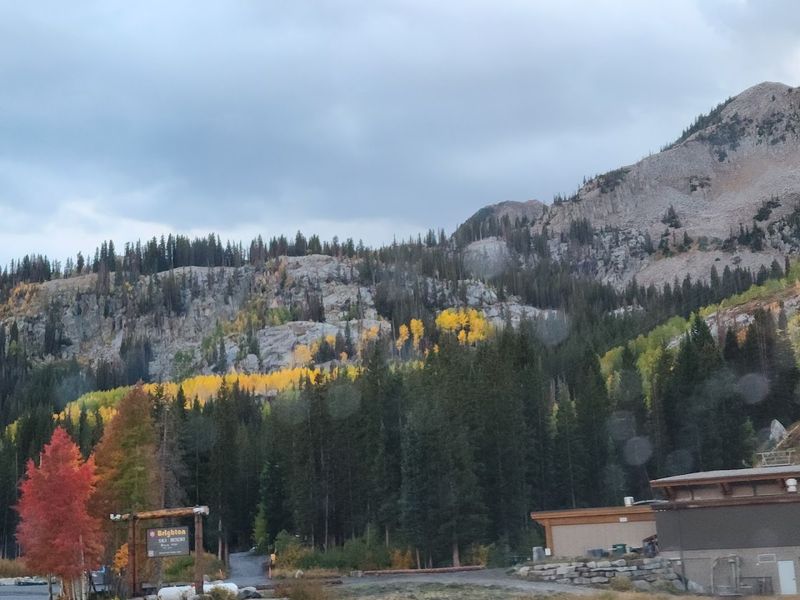
Nobody expects a mountain drive to include a cave system, which is exactly why Timpanogos Cave National Monument feels like such a satisfying plot twist. The cave complex sits within American Fork Canyon and features three connected caverns filled with helictite formations, stalactites, and mineral deposits in shades of pink, green, and white that look almost too vivid to be real.
Reaching the cave requires a 1.5-mile hike up a paved trail that gains about 1,100 feet in elevation. It is a genuine workout, and the cave rangers will tell you so with cheerful honesty before you start.
Once inside, guided tours walk visitors through chambers with names like the Great Heart of Timpanogos, a massive cave formation that has become the monument’s most photographed feature.
Insider Tip: Tours sell out quickly, especially on summer weekends. Reserve tickets in advance through the National Park Service reservation system to avoid disappointment at the trailhead.
Who This Is For: Curious families, geology enthusiasts, and anyone who enjoys a physical challenge paired with an underground payoff that feels genuinely unlike anything above ground.
Mount Timpanogos: The Peak That Follows You Everywhere
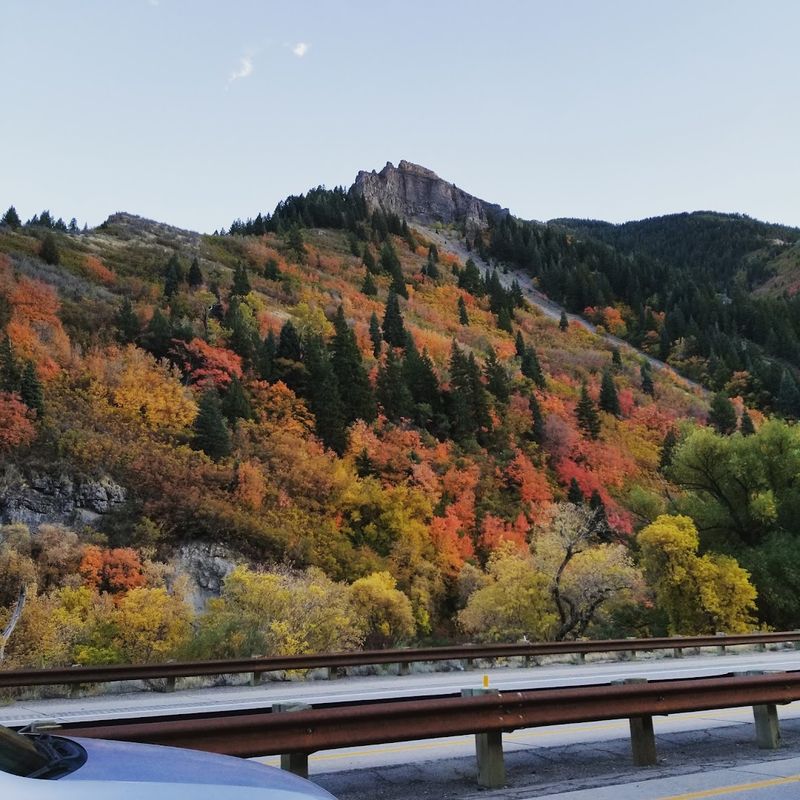
Mount Timpanogos stands at 11,752 feet and has a personality that refuses to be ignored. It dominates the skyline along virtually every stretch of the Alpine Loop, appearing around corners, reflecting in small mountain streams, and generally behaving like a natural landmark that knows exactly how impressive it looks.
The mountain is part of the Wasatch Range and is beloved by Utah residents in a way that borders on civic pride. Locals refer to it simply as Timp, which tells you everything about how embedded it is in the regional identity.
From the byway, the views of Timpanogos shift constantly as you gain elevation and change direction. No two pull-offs offer quite the same angle, which rewards the unhurried driver who stops more than once.
Best Strategy: Pack a camera with a wide-angle lens or use your phone’s panorama mode. The scale of the peak genuinely resists being captured in a standard frame, and you will want to make multiple attempts at different points along the route.
Common Mistakes to Avoid: Driving straight through without stopping. Every pull-off along this section offers a slightly different and equally worthwhile composition of mountain, sky, and canyon below.
Fall Foliage On The Alpine Loop: A Color Show With Reliable Timing
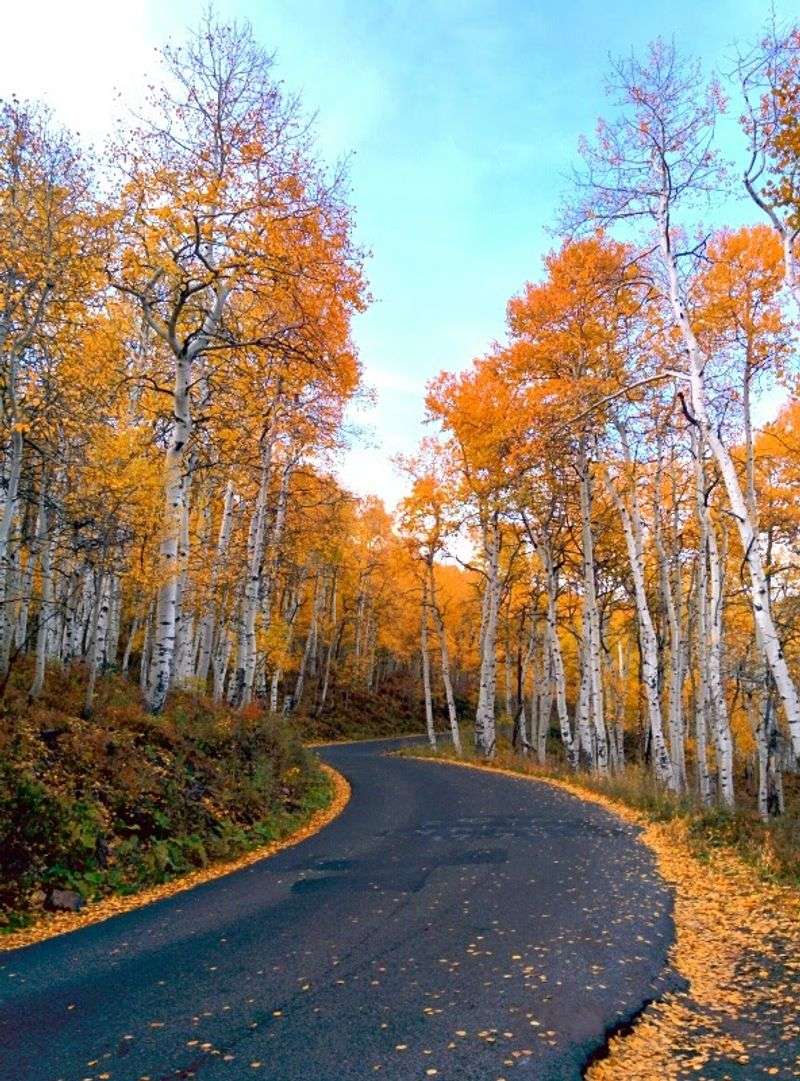
Here is a fact that Utah residents guard with the quiet possessiveness of someone who found a great parking spot: the Alpine Loop in autumn is one of the most concentrated displays of fall color in the entire Intermountain West. The aspen groves that line the road turn a shade of gold so bright it almost feels theatrical.
Peak color typically arrives in late September to early October, though elevation and annual weather patterns shift the timing slightly each year. The road fills up on weekends during this window, and the traffic is genuinely slow, which turns out to be a feature rather than a flaw.
Driving slowly through golden aspen corridors while the leaves catch afternoon light is the kind of experience that makes people reconsider their entire relationship with autumn.
Planning Advice: Check the Utah Office of Tourism’s fall foliage tracker in September for real-time color updates along the byway. Timing your visit to the peak window makes a significant difference in what you will see.
Quick Verdict: If you only drive the Alpine Loop once a year, make it October. The fall color alone justifies the trip from virtually anywhere in the Salt Lake Valley.
Picnic Stops And Pull-Offs: Making The Most Of The Middle Miles
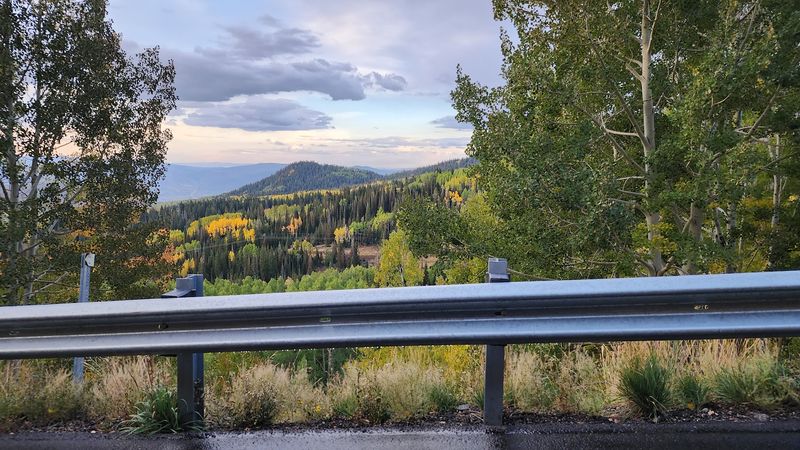
The Alpine Loop is not a drive you rush. The byway includes multiple designated pull-offs and picnic areas that invite you to park the car and actually inhabit the landscape for a few minutes, which turns out to be the most underrated part of the whole experience.
Several developed picnic areas sit within the Uinta-Wasatch-Cache National Forest corridor, offering tables, shade from mature pines, and the kind of mountain quiet that is genuinely hard to find within a short drive of a major metropolitan area. American Fork Canyon in particular has well-maintained spots suitable for families with younger kids.
Bringing your own food means you control the pace entirely, which is the whole point of a byway trip in the first place.
Pro Tip: A America the Beautiful National Parks Pass covers entry fees for the American Fork Canyon portion of the drive, which is managed by the U.S. Forest Service.
If you visit national parks or forests more than twice a year, the annual pass pays for itself quickly.
Best For: Families with younger children who need a break from the car, couples looking for a low-key lunch spot with a mountain backdrop, and solo travelers who simply want to sit still for a while.
Your Road Trip Starts Here: Final Thoughts On The Alpine Loop
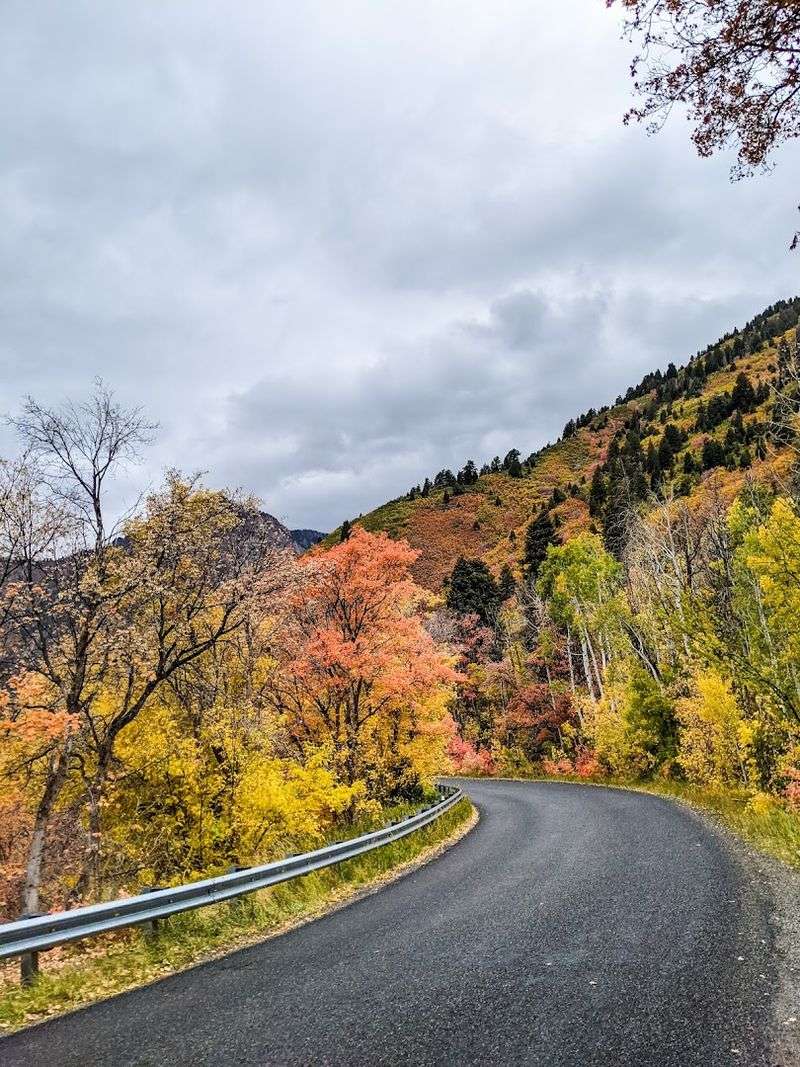
The Alpine Loop Scenic Byway earns its reputation without a single piece of marketing material. It delivers waterfalls, a nationally protected cave system, a mountain that dominates every horizon, and seasonal color that makes grown adults pull over and photograph trees for twenty minutes without embarrassment.
The drive is accessible enough for most vehicles during the open season, short enough to complete in a half-day, and varied enough that no two passengers will agree on which part was best. That last quality is rarer than it sounds.
For anyone based in the Salt Lake Valley or passing through central Utah, this byway is the kind of detour that quietly becomes the main event of the trip. A post-errand Sunday afternoon run up American Fork Canyon has converted more than a few casual visitors into repeat regulars who block off the same weekend every fall.
Quick Verdict: The Alpine Loop is the rare scenic drive that over-delivers on nearly every front without requiring significant planning, gear, or physical preparation from most visitors.
Who This Is For: Weekend planners, road-tripping families, couples looking for an effortless outdoor experience, and anyone who has ever said they should really explore more of Utah and actually meant it.