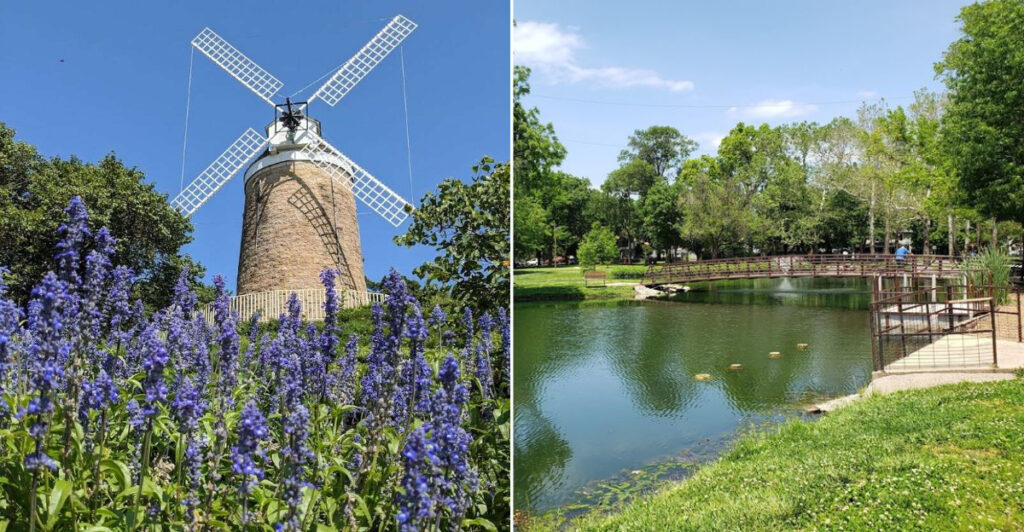
A windmill in the middle of Kansas already feels like a wink from another time. Set apart from the usual rush, this secluded landmark has the kind of old-century charm that makes a quick stop feel strangely transporting.
It is not trying to be flashy, which is exactly why it works. The shape, the setting, and the unexpectedness of finding it here all give the place a storybook quality without making the visit feel overdone.
Some roadside discoveries are memorable because they are loud. This one sounds memorable because it feels quietly out of place in the best possible way.
I have a soft spot for landmarks that make me pause and ask how they ended up there, because those are usually the stops that stay in my mind long after the drive continues.
Built By A Dutch Immigrant In 1879
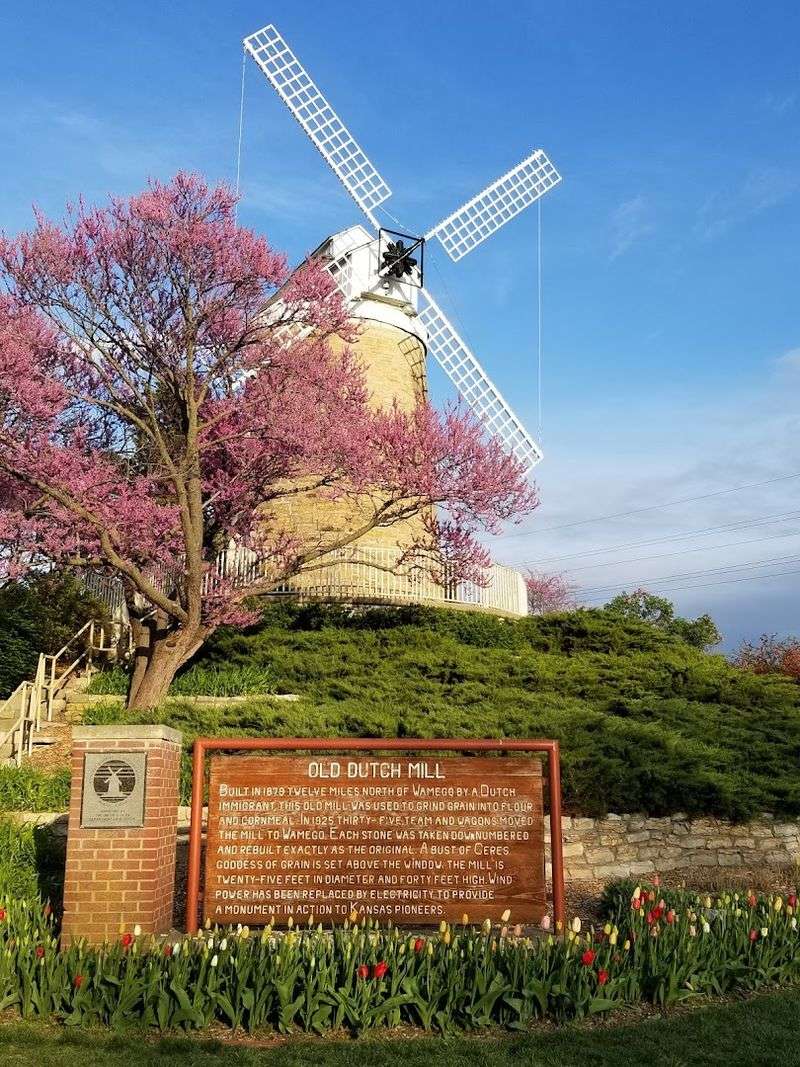
Long before Wamego became a recognizable name on the Kansas map, a determined Dutch immigrant decided to bring a piece of his homeland to the American frontier.
He constructed this windmill in 1879, roughly 12 miles north of what is now Wamego, on land that would later be known as the Lazy Heart D Ranch.
The purpose was entirely practical: the mill was built to grind wheat and corn, serving the agricultural needs of the surrounding community during a time when Kansas farming was just beginning to take shape.
What makes this origin story so compelling is how much personal ambition it represents.
This was not a government project or a commercial venture by a large company. It was one man’s decision to carry his culture and craftsmanship across an ocean and plant it firmly in the Kansas soil.
Relocated To Wamego In 1925
Moving a windmill is not exactly a simple weekend project, yet that is precisely what happened when the structure was carefully moved from its original site to Wamego.
The decision to move the Wamego Dutch Windmill into town was driven by a desire to preserve it and make it accessible to a wider audience rather than letting it deteriorate on a remote farm.
Transporting a structure of this size and age across Kansas terrain in the 1920s was a genuine logistical challenge.
In 1924, workers dismantled it stone by stone, numbered the pieces, and hauled them into town using 35 horse-drawn wagons.
The fact that it survived the move and reconstruction speaks to both the quality of its original construction and the care taken by those who handled the relocation.
That preservation decision turned a working farm tool into a community landmark that people still travel to see today.
Originally Built To Grind Wheat And Corn
Most people see a windmill and think decoration, but this structure had serious work to do from day one.
The Wamego Dutch Windmill was designed and used as a functioning grain mill, processing wheat and corn for local farmers across the region.
In the 1870s and 1880s, having access to a reliable mill was not a luxury but a necessity. Settlers depended on ground grain for bread, feed, and basic survival through harsh Kansas winters.
The engineering behind traditional Dutch windmills is surprisingly sophisticated.
The blades are angled to catch wind efficiently, which then powers a series of internal gears and millstones that crush grain into usable flour or meal.
Knowing that this windmill actually performed that labor for real families in real need adds a layer of meaning that no museum exhibit could fully replicate. It was not just built to look good.
Located Inside Wamego City Park
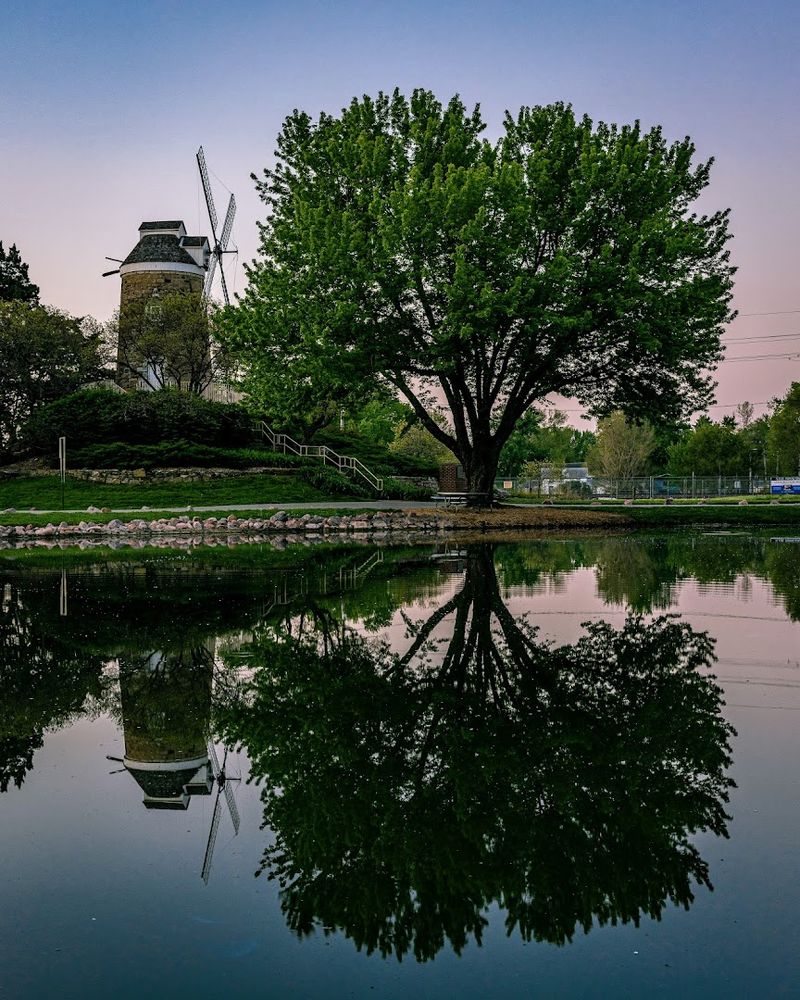
One of the most pleasant surprises about the Wamego Dutch Windmill is where you find it. Rather than sitting behind a fence in some dusty lot, it stands proudly at the entrance of Wamego City Park.
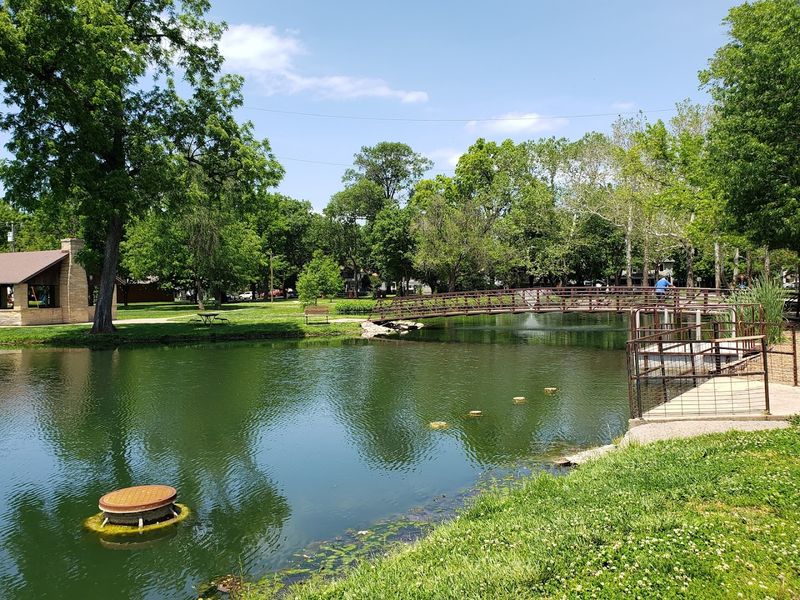
The park itself is genuinely lovely, with shaded lawns, covered picnic tables, and a calm atmosphere that invites you to slow down and stay a while.
There is a small pond nearby with a decorative statue, and the surrounding greenery gives the whole area a peaceful, almost storybook quality that complements the windmill perfectly.
The park also includes a playground, making this a surprisingly well-rounded stop for families traveling through central Kansas with restless kids in tow.
Whether you are passing through on a road trip or making a deliberate detour, the combination of the windmill and the park setting makes the stop feel rewarding rather than like just another roadside check-in.
The Address Is 406 4th St, Wamego, KS 66547
Pinpointing the Wamego Dutch Windmill is easy once you know where to look. The official address is 406 4th St, Wamego, KS 66547, placing it right in the central part of this small but character-filled Kansas town.
Wamego sits along US Highway 24, roughly halfway between Manhattan and Topeka, making it a natural midpoint stop for anyone driving across the state.
The town itself has a quirky personality, partly fueled by its well-known connection to The Wizard of Oz, with Oz-themed attractions scattered throughout. Spotting the various Toto statues around town has become a local tradition for visitors.
Getting to the windmill requires no special navigation skills. Park on the street or in the lot near the city park, and the windmill greets you almost immediately as you walk toward the park entrance.
It is the kind of address worth saving in your phone well before you arrive in Kansas.
Connected To The Wamego Historical Museum
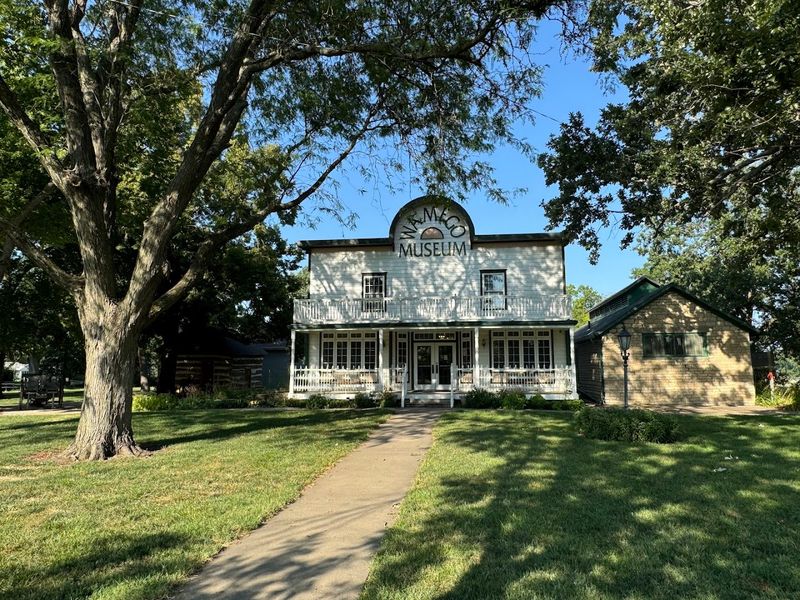
The Wamego Dutch Windmill does not stand alone in a cultural vacuum. It sits adjacent to the Wamego Historical Museum, which adds significant depth to any visit.
The museum campus includes several old historic buildings that transport you back to early Kansas settlement life. Seeing the windmill alongside these structures creates a coherent picture of what frontier living actually looked like in the late 1800s.
For anyone who cares about regional history, the combination of the windmill and the museum makes this a genuinely educational stop rather than just a photo opportunity.
More information about the windmill and the museum can be found at the official website: wamegohistoricalmuseum.org/dutchmill.html, which provides context and visitor details that help you plan your time wisely.
It is worth checking ahead of time since the museum has specific operating hours and may be closed on certain days, which a few visitors have discovered only after arriving.
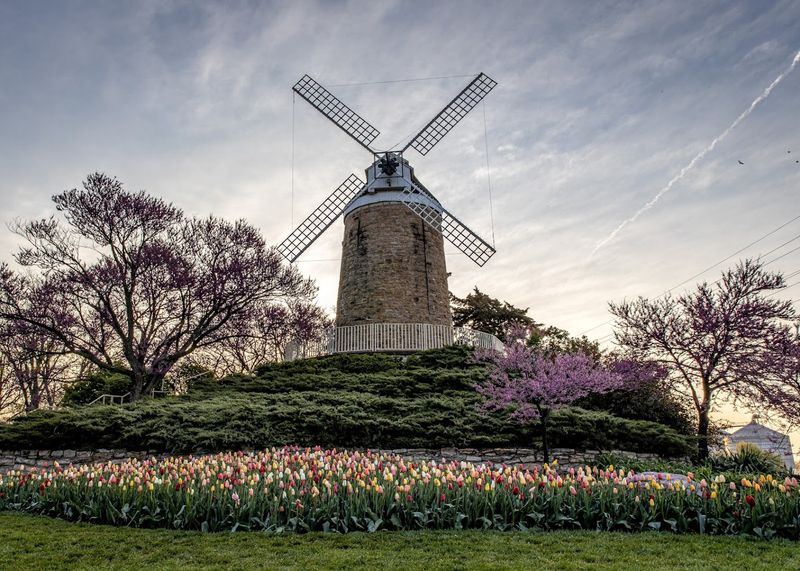
The Windmill Sits On A Raised Elevation
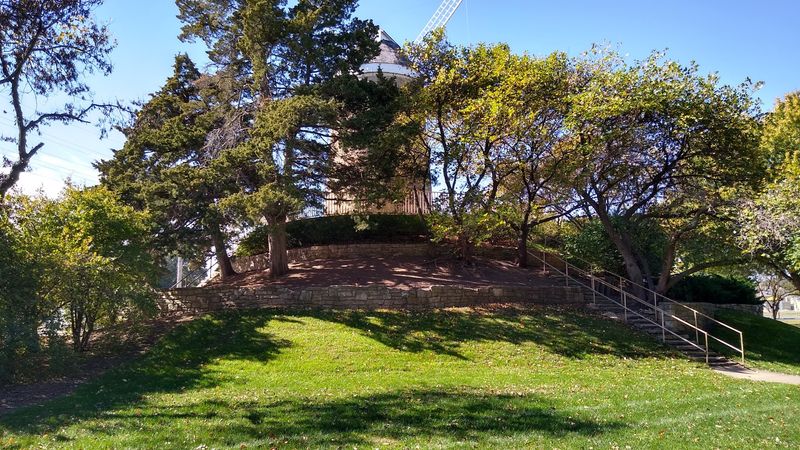
One detail that catches many first-time visitors off guard is how the windmill is positioned.
It sits on a raised mound of earth rather than flat ground, giving it a commanding presence that makes it visible from a distance.
This elevated placement came from the park’s creation, since the mound was formed with dirt excavated to make City Park Lake.
But the visual effect is just as striking as any practical benefit. Standing below and looking up at the Wamego Dutch Windmill against an open Kansas sky is the kind of image that sticks with you long after you leave town.
Lovely plants and landscaping surround the base of the mound, adding color and texture that make the setting feel curated rather than accidental.
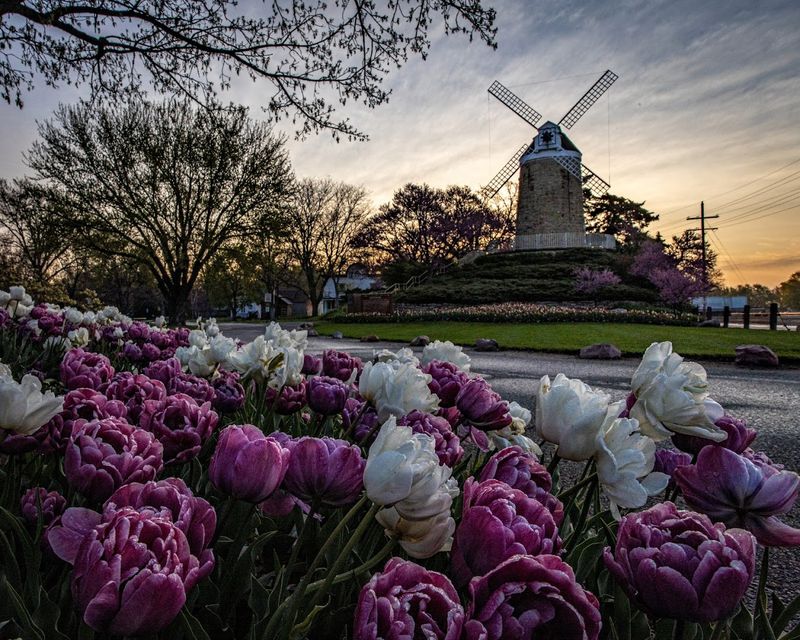
In springtime, when tulips and seasonal flowers bloom nearby, the scene becomes especially photogenic, drawing camera-happy travelers from well beyond Kansas during Wamego’s busy Tulip Festival each year.
A Classic Example Of Dutch Windmill Architecture
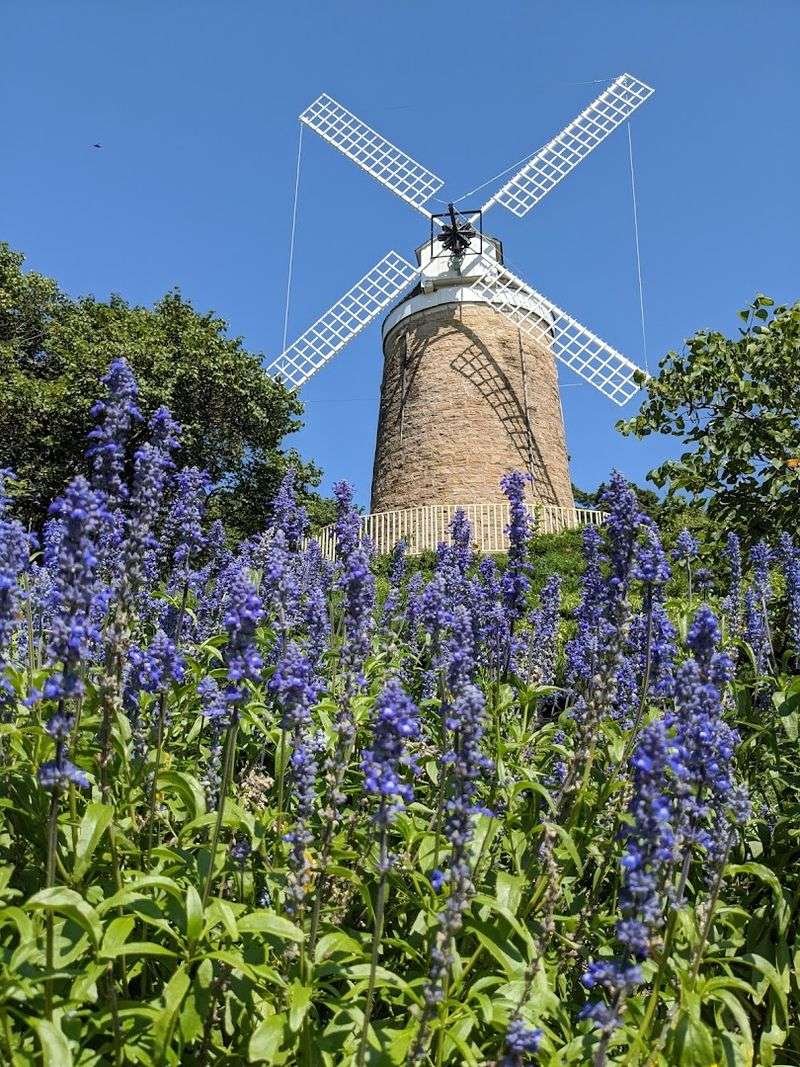
Architecture enthusiasts will find plenty to appreciate here beyond the novelty factor.
The Wamego Dutch Windmill is a genuine example of traditional Dutch windmill construction, not a replica or a decorative imitation.
Classic Dutch windmill design features a cylindrical or tapered tower, typically built from stone or brick, topped with a rotating cap that allows the blades to face into the wind.
The four large blades, or sails, are mounted at specific angles to maximize efficiency when catching the wind.
This design was refined over centuries in the Netherlands before being exported around the world by Dutch settlers and engineers.
Seeing this style of construction standing in central Kansas creates a fascinating visual contrast.
The flat, wide-open landscape of the Great Plains feels like the opposite of the compact, water-managed Netherlands countryside where this design originated.
Yet somehow, the windmill fits perfectly, which says a lot about how universal good design really is.
A Popular Photography Spot in Central Kansas
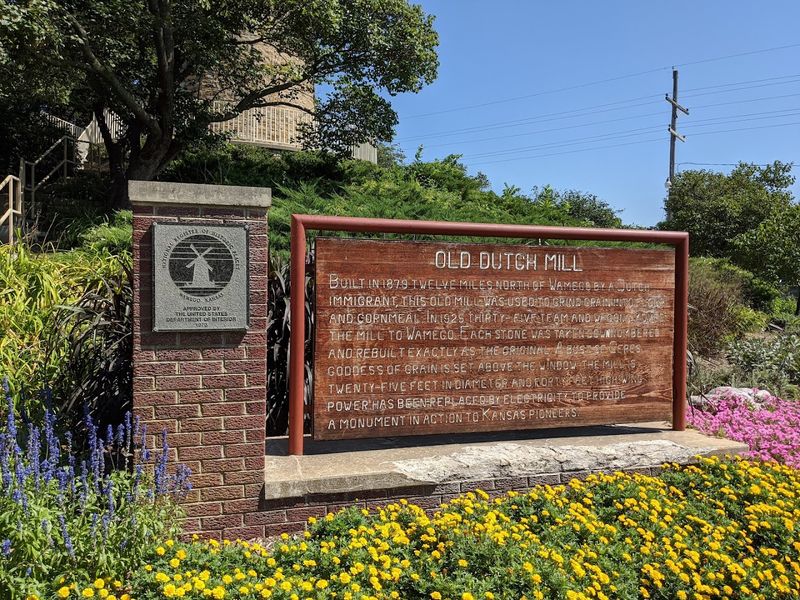
Ask anyone who has stopped in Wamego, and they will tell you the windmill is practically irresistible to photograph.
The combination of old-world architecture, elevated placement, and surrounding greenery creates a naturally compelling composition.
Morning light hits the structure with a warm glow that makes the blades and tower look almost painterly. Late afternoon brings longer shadows and a golden tone that photographers tend to love.
The Wamego Dutch Windmill has earned a reputation as one of the more visually distinctive roadside stops in central Kansas, and it earns that reputation every single time the light is right.
Since the windmill is part of a public park, there are no fences or barriers blocking your view or your shot. You can walk right up to the base and frame the image however you like.
For travel bloggers and social media enthusiasts passing through the state, this stop practically photographs itself.
A Landmark That Outlasted Its Original Purpose
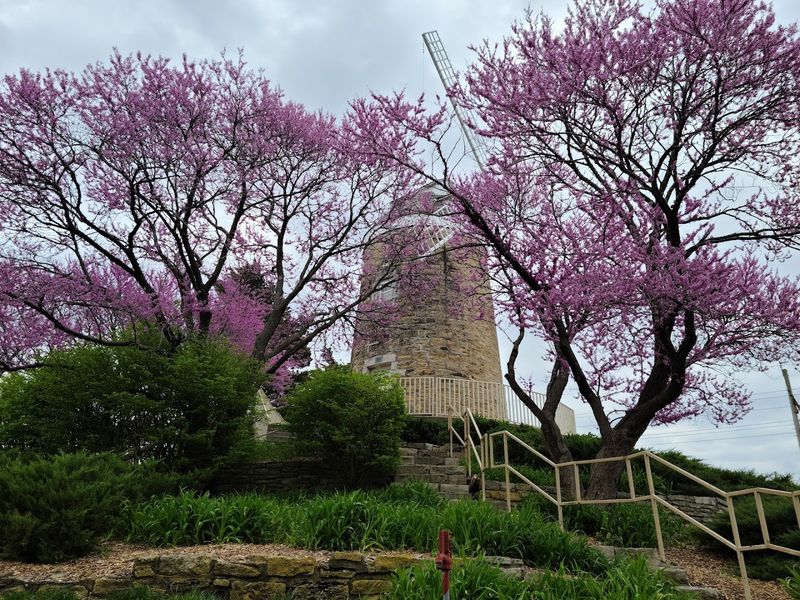
There is something quietly remarkable about a structure that was built to do one job, outlives that job for generations, and somehow becomes more meaningful in preservation than it ever was in daily service.
The Wamego Dutch Windmill stood idle for many years, but its cultural value only grew over time. It now serves as a symbol of immigrant craftsmanship, agricultural heritage, and small-town Kansas pride.
Communities across the country, from Ohio to Oregon, have historic structures that face the choice between preservation and neglect. Wamego made the right call when residents chose to dismantle, move, and protect this one.
Structures like this remind us that history is not just something found in textbooks.
Sometimes it is restored, protected, and still capable of grinding grain again, right there in front of you, at a modest address on 4th Street.