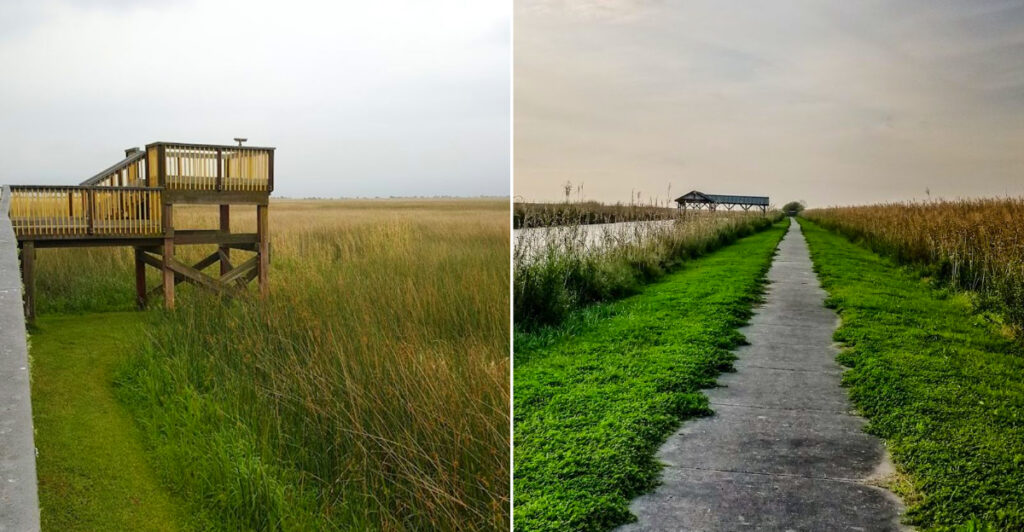
Step off the highway near Hackberry and the landscape opens like a watercolor that learned how to breathe. Marsh grass, open sky, still water, and tiny flashes of wings make the whole walk feel much larger than its modest distance suggests.
What I like about a trail like this is its quiet efficiency. You do not need a huge expedition to feel surrounded by coastal Louisiana wildness.
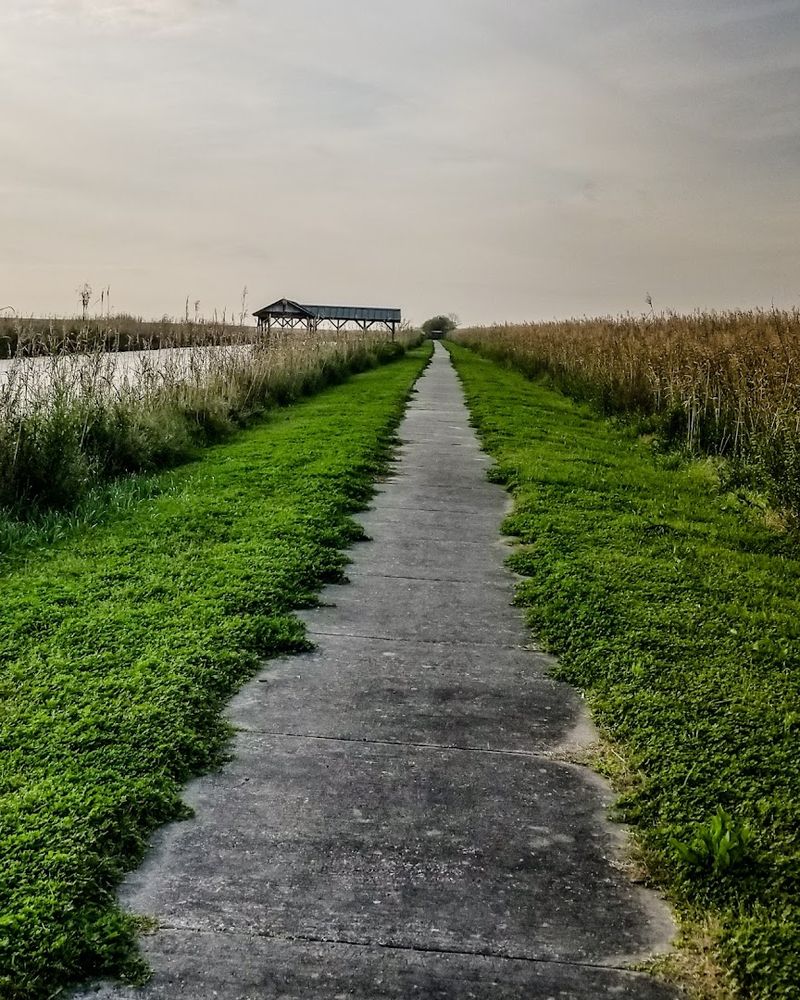
Concrete and boardwalk sections keep the route approachable, while observation points give you excuses to pause, scan the reeds, and pretend you are a patient nature expert instead of someone quietly hoping to spot an alligator.
A short Louisiana marsh trail like this offers an easy, scenic way to see birds, butterflies, dragonflies, and coastal refuge wildlife near Hackberry.
Bring binoculars, bug spray, and a willingness to slow down. Dawn and late afternoon are especially rewarding, when the light gets soft and the marsh starts showing off.
Vibe Of The Marsh
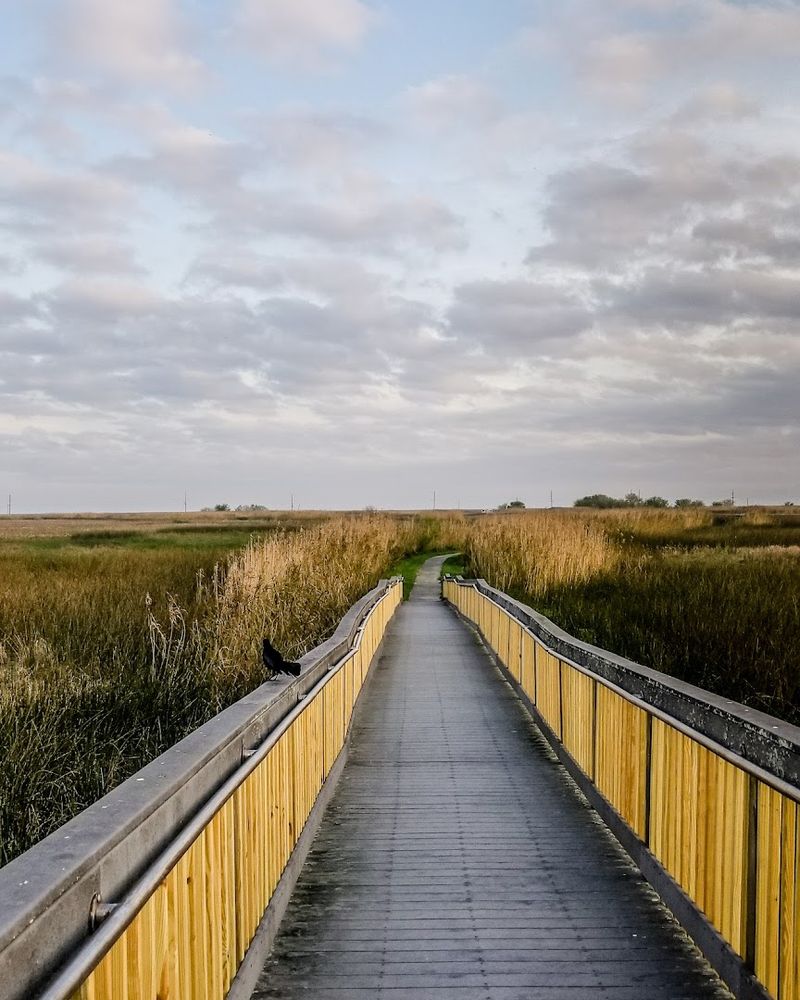
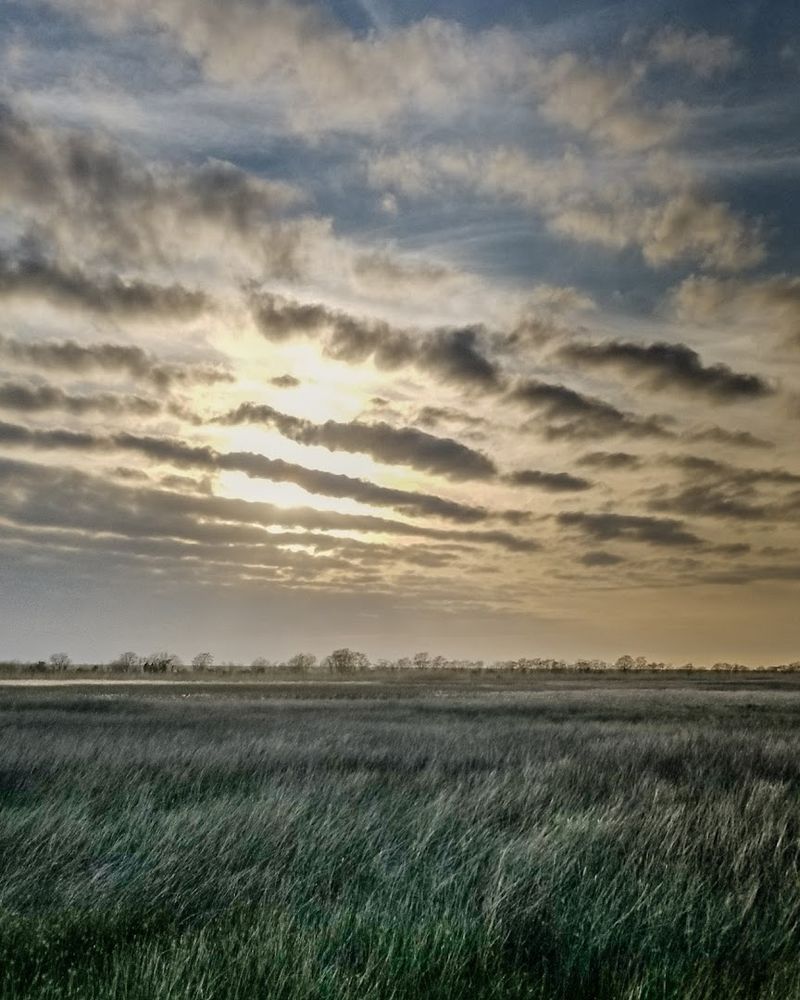
The first thing that grabs you is the hush, an odd, compressed quiet that feels full rather than empty. Tall marsh grasses sway and create a living curtain; beyond them the water shimmers and birds punctuate the skyline.
The walkway threads close to the action so wildlife often feels uncomfortably near yet safely observed.
Walk slowly and the pace of the refuge seeps into you; footsteps soften and you notice the small mechanical sounds of dragonfly wings and the sun warming the concrete. At certain bends the view opens into wide, mirror-flat bays where reflections double the sky and result in little private theaters of motion.
Let Highway 27 Carry You Into The Marsh
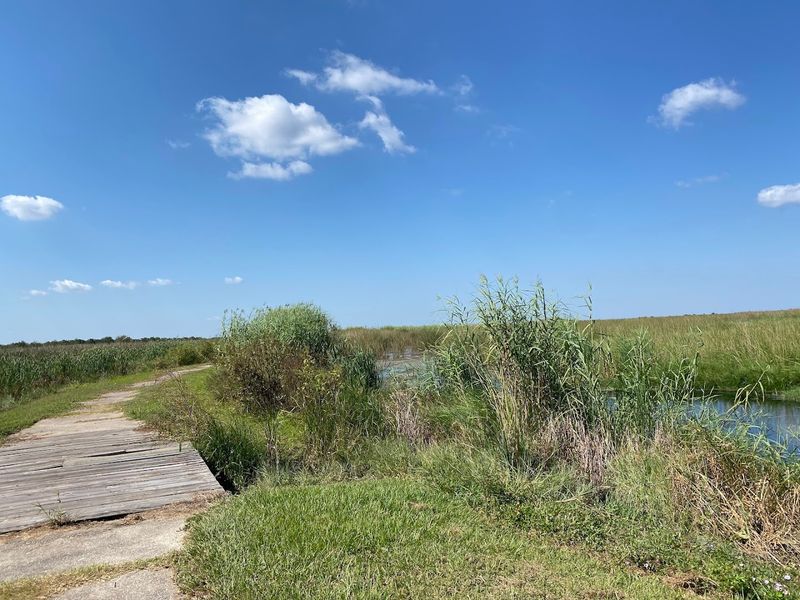
Wetland Walkway, Sabine National Wildlife Refuge, State Highway 27, Hackberry, Louisiana 70645, is the kind of stop where the road slowly hands you over to open sky, reeds, and water.
Head along State Highway 27 and expect the landscape to feel wider and quieter as you approach. This is not a downtown-style destination, so plug it in early and watch for refuge signage.
Once you arrive, take your time before stepping onto the walkway. The magic here is in slowing down, scanning the marsh, and letting birds, water, and silence become the main attraction.
Wildlife Close-Ups
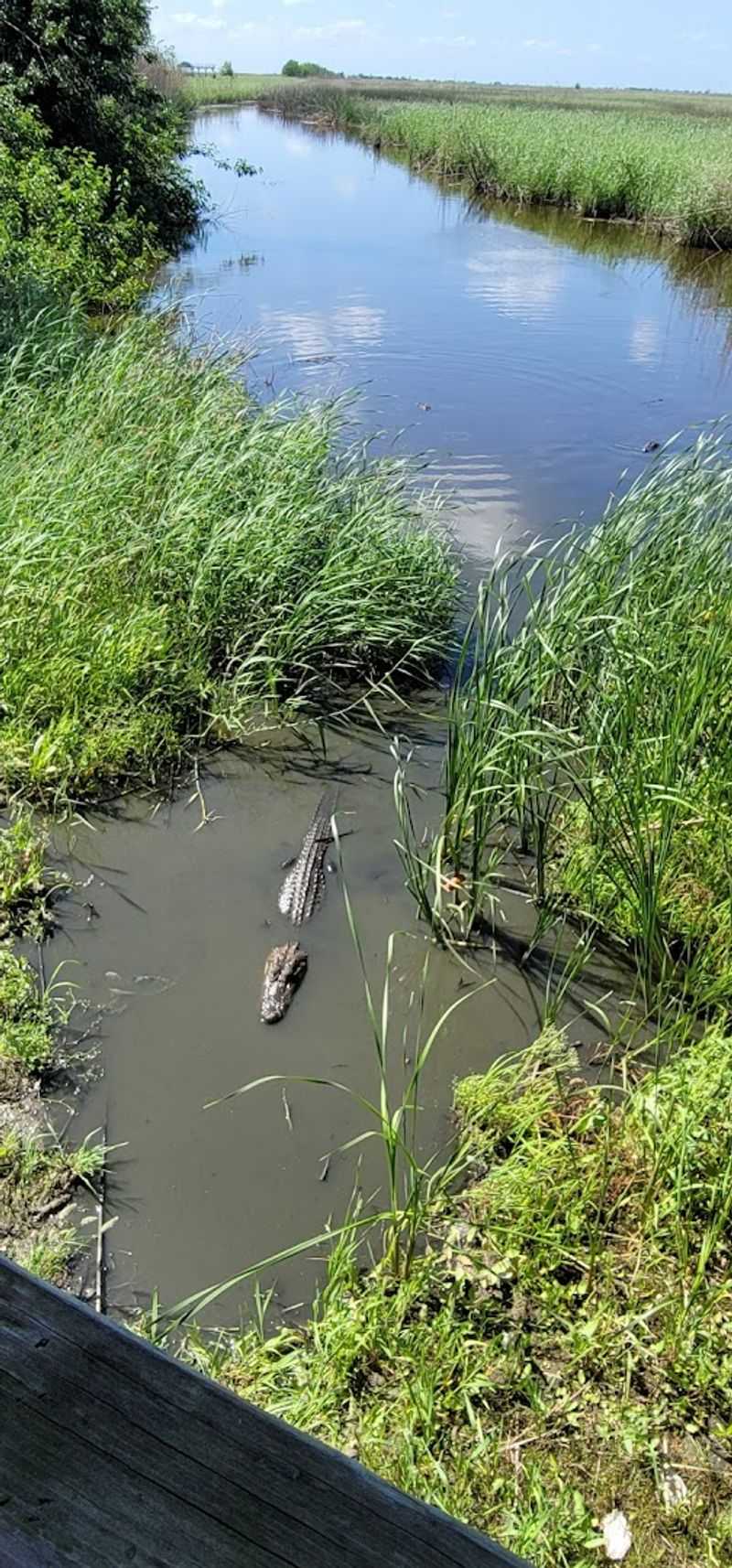
Wildlife here is the main event and it tends to be unselfconscious about human presence when you stay quiet. Early mornings and late afternoons are peak windows for activity, wading birds forage in the shallows, dragonflies and butterflies zigzag the boardwalk edges, and alligators can often be seen sunning near the waterline.
Patience and a steady pair of binoculars pay off with intimate encounters.
You will want a telephoto lens or binoculars to really appreciate distant behaviors without disturbing animals. Never approach or feed wildlife; the refuge’s ethic is clear and sensible, and keeping distance protects both you and the animals you came to admire.
Observation Tower Views
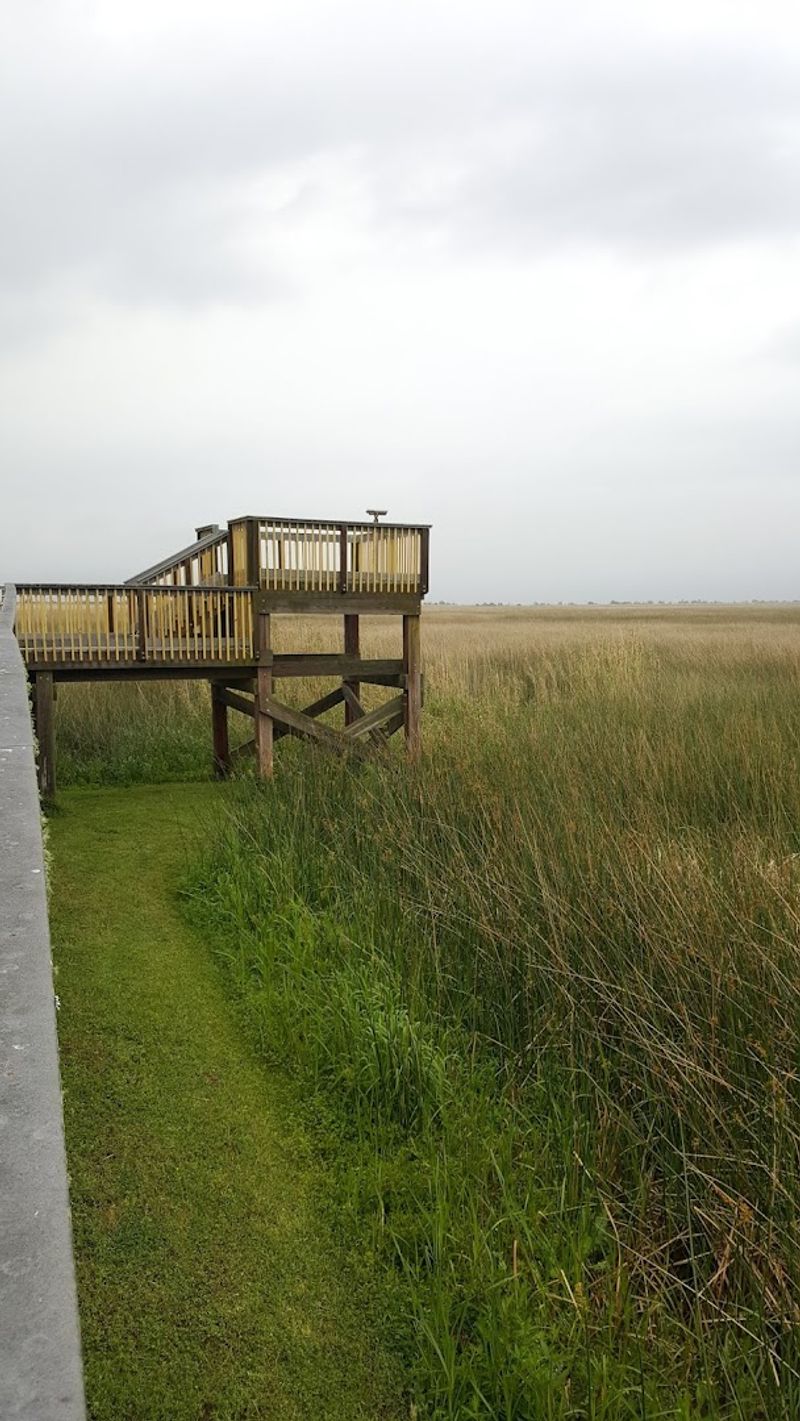
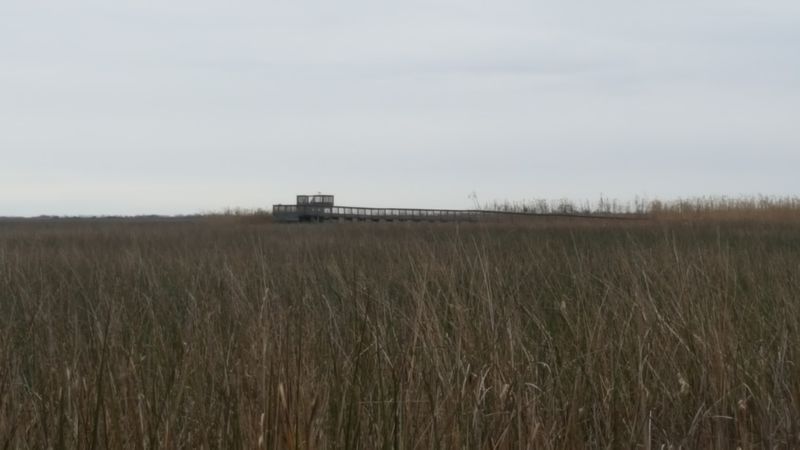
The tower is an architectural punctuation mark on the route and worth the short climb for broader perspective. From up high you can read the marsh like a map, channels, sandbars, and feeding flats become obvious, and you spot groups of birds that are invisible from ground level.
The layered views help explain why the refuge supports so many species during migration and nesting seasons.
Take your time at the top, because the scene changes as clouds pass, birds lift, and the water catches different angles of light. It is also one of the best spots to pause before continuing the trail.
If the tower is closed for repairs, check the nearby overlooks for similar vantage points; even mid-level platforms offer excellent opportunities to frame birds and alligators against open sky. Remember to step back from railings so other visitors can share the sightlines.
Interpretive Stations
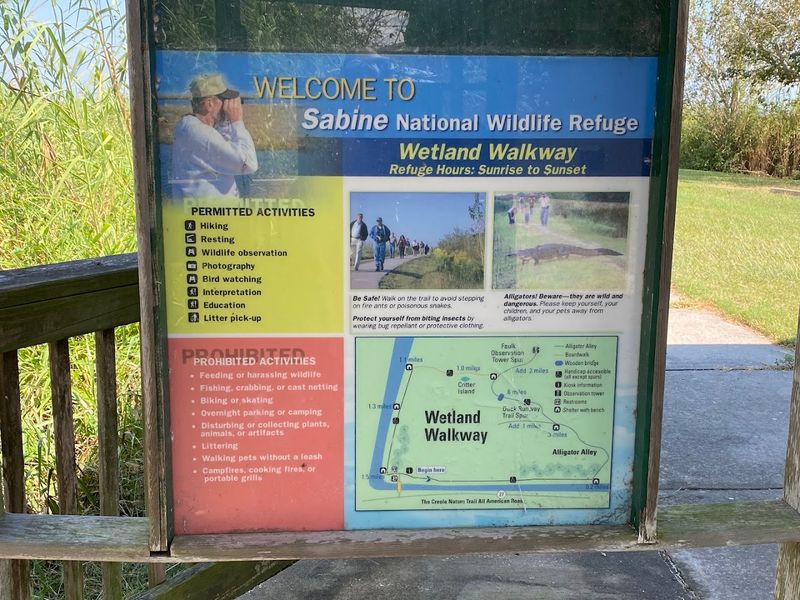
Fifteen knowledge stations are scattered along the mile-and-a-half loop and they are surprisingly informative without feeling schoolroom-stodgy. Panels explain marsh ecology, tidal influence, and species interactions in plain language, and they include helpful pointers for spotting subtle signs like mammal tracks or insect emergence points.
These stations make the walk richer by linking what you see to ecological context.
I found that reading one or two panels before a stretch of boardwalk changes how you look at the scene – small details that seemed incidental become key evidence of marsh processes. Use the displays to pace your walk and to decide where to linger for binocular work or photography.
Seasonal Shifts
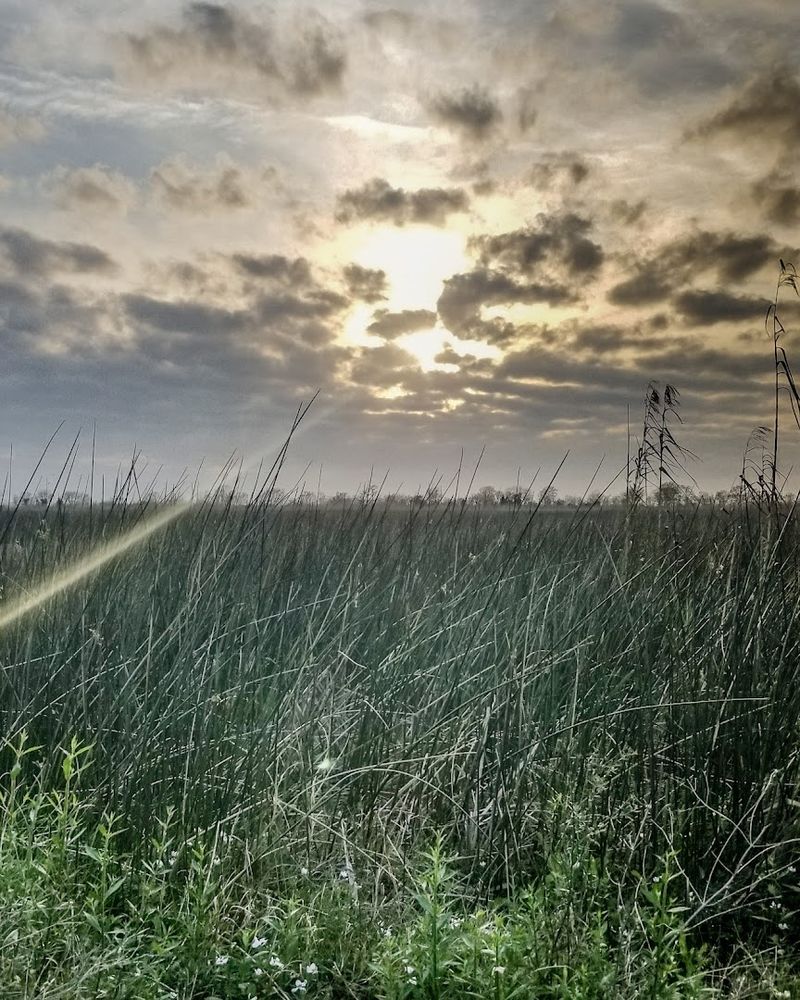
The refuge wears the seasons openly and each visit feels slightly different depending on timing. Spring brings migration energy and nesting activity from a variety of shorebirds and songbirds, while summer intensifies insect life and the notorious mosquito presence.
Autumn and winter compress the palette, but those months can still offer striking skies and clearer sightlines for distant flocks.
Pay attention to seasonal safety notes, breeding months elevate alligator territoriality and insect pressure can spike in warm seasons. Planning your visit around cooler hours reduces pests and increases the chances of seeing active wildlife in natural behaviors rather than midday lethargy.
Photography Tips
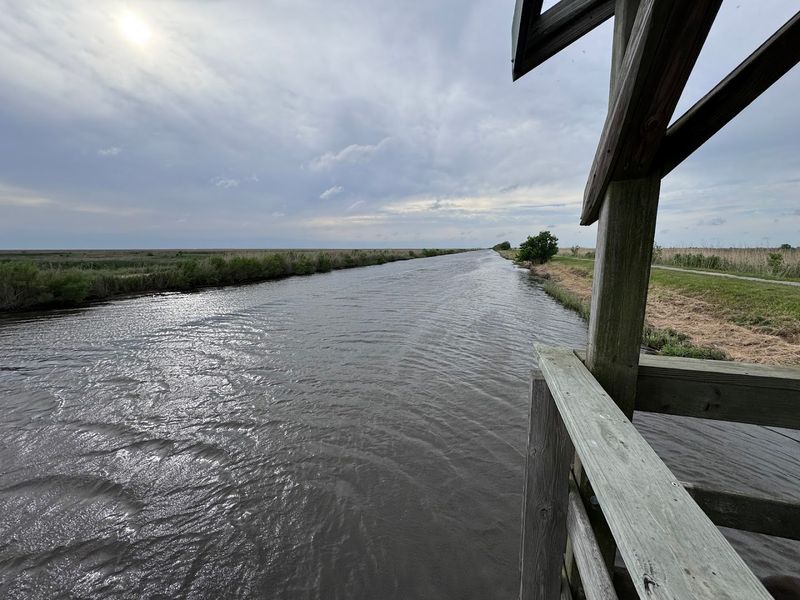
Photographing the marsh rewards quiet observation and a willingness to wait for the axis of action to arrive. Use a telephoto or zoom lens for birds and alligators and keep ISO modest in early light for cleaner images; reflections on low-tide flats make excellent subjects if you compose with sky and shoreline lines.
Low angles work well from boardwalk edges, while the tower gives clean horizon shots.
Bring a small beanbag or tripod for stability if you intend to shoot longer lenses from narrow platforms. Keep movement minimal and avoid sudden positions that could spook nearby animals; patience and steady breathing often yield the best frames.
Pests And Precautions
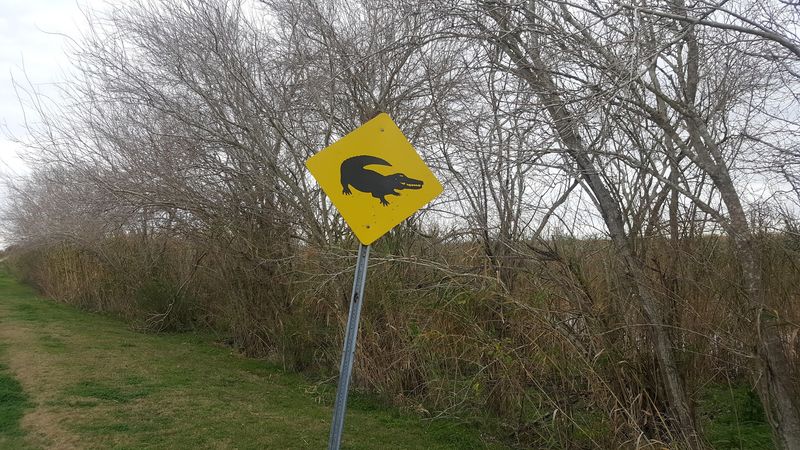
Insect pressure is a frequent theme in visitor reports, and it is worth treating as part of the experience rather than an afterthought. Mosquitoes and deer flies can be aggressive during warm months, so long sleeves, light pants, and effective repellent are practical essentials.
Also respect signage about alligators and keep pets in vehicles since dogs can attract dangerous attention.
A hat, closed-toe shoes, and extra water also make the walk more comfortable, especially when the heat rises off the marsh. Check yourself for bites afterward, and avoid brushing against tall grass when possible.
I recommend approaching the refuge with a safety mindset, stay on the path, maintain distance from wildlife, and be aware of venomous snakes like cottonmouths that can be encountered near the edges. These precautions let you enjoy the place responsibly and reduce the chance of unpleasant surprises.
Timing Your Visit
The best wildlife viewing tends to cluster near dawn and late afternoon when temperatures are lower and animals move more. Arrive close to official sunrise or a couple of hours before sunset to maximize chances of seeing feeding flocks and active reptiles.
Midday can be quiet and hot, and insect pressure is often higher when the sun climbs.
Allow roughly two hours for a relaxed loop including stops at interpretive stations and the tower; that pace leaves room for photography, binocular scanning, and a leisurely lunch afterward. Check the refuge hours as the trail is open from dawn until dusk year-round.
Trail Etiquette
The walkway is a shared space where small choices matter, leave nothing behind and respect the interpretive signs that ask you not to disturb plants or animals. Quiet observation yields better sightings and reduces stress on nesting birds and basking reptiles.
The refuge benefits when visitors follow simple courtesies like soft voices and keeping to the path.
Public stewardship is visible here, volunteers and staff sometimes patrol, and reports about overgrowth or maintenance needs pop up occasionally. If you notice issues, report them through the refuge contact so small problems don’t become lasting damage; community care helps preserve the walkway for future visitors.
Practical Logistics
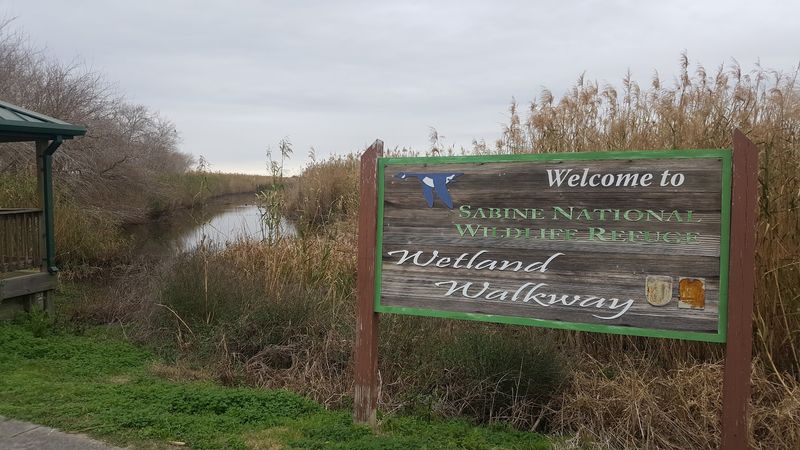
Getting there is straightforward, the trail is roughly four miles south of the Sabine office on the west side of State Highway 27 and there is hard-surfaced parking available. Restrooms and a water fountain are provided near the trailhead, and the interpretive display sits behind the restrooms so you can orient before you go.
There is typically no entrance fee to the refuge.
The walkway is handicapped-accessible thanks to a combination of concrete paving and boardwalk segments, though occasional repair work can limit access to certain overlooks. Check the refuge website or call ahead if accessibility features are crucial for your visit.
Why It Matters
This small footpath is a concentrated classroom for Gulf Coast marshland ecology and a reminder of why coastal habitats deserve attention. The refuge supports a surprising range of species and connects to the larger Creole Nature Trail network, illustrating regional conservation efforts at a human scale.
Observing the interplay of water, plants, and animals here gives a clear sense of ecological relationships and seasonal rhythms.
Leaving with a greater appreciation for marsh dynamics is part of the point; the walkway invites curiosity and a conservation-minded outlook. Carrying that perspective back to everyday life is the quiet payoff for spending time on this short but revealing trail.