There is a stretch of highway in Louisiana that feels like it leads nowhere in particular. Flat land, dark sky, the occasional set of headlights in the distance. And then, just when the drive starts to feel like a mistake, a white wooden building appears.
It does not look like a restaurant. It looks like someone’s house, if someone’s house had a gravel parking lot and the faint smell of garlic drifting through the screen door.
Louisiana has no shortage of legendary restaurants, but the ones worth driving for are often the hardest to find.
Inside, the tables are covered in white cloth. The menu has barely changed in decades. Families pass dishes across the table as they have done for generations. Somewhere in the kitchen, someone is making a salad that people have tried and failed to recreate for years.
The First Bite
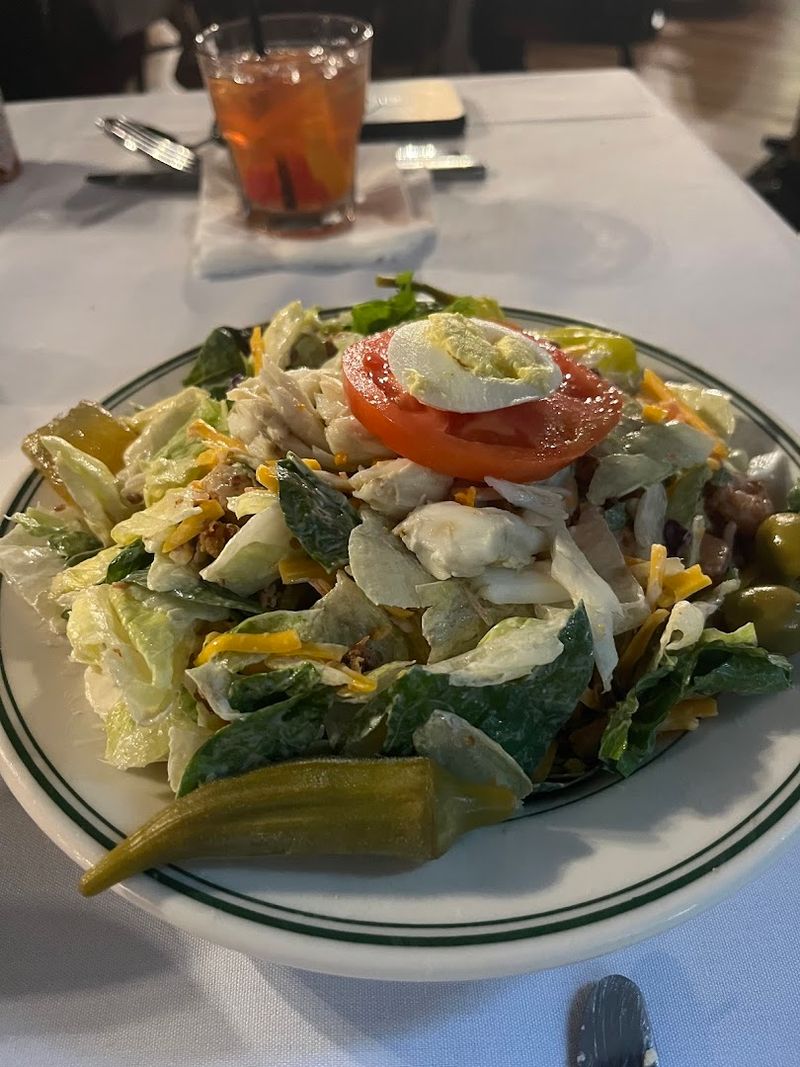
The first bite of Poor Boy’s Famous House Salad is a study in balance: sweet lump crab, briny shrimp, and the soft snap of crawfish meet crisp mixed greens and a scatter of cheese and bacon.
That mild dressing, labeled as the salad’s secret, is restrained enough to let the seafood shine yet creamy enough to tie textures together without overwhelming the palate.
The pickled vegetables add a bright, slightly acidic counterpoint that keeps the fork moving, while the portion size is generous enough to be a full meal for many diners. Expect freshness and classic Cajun restraint rather than flashiness.
Arrive Like You Mean Dinner
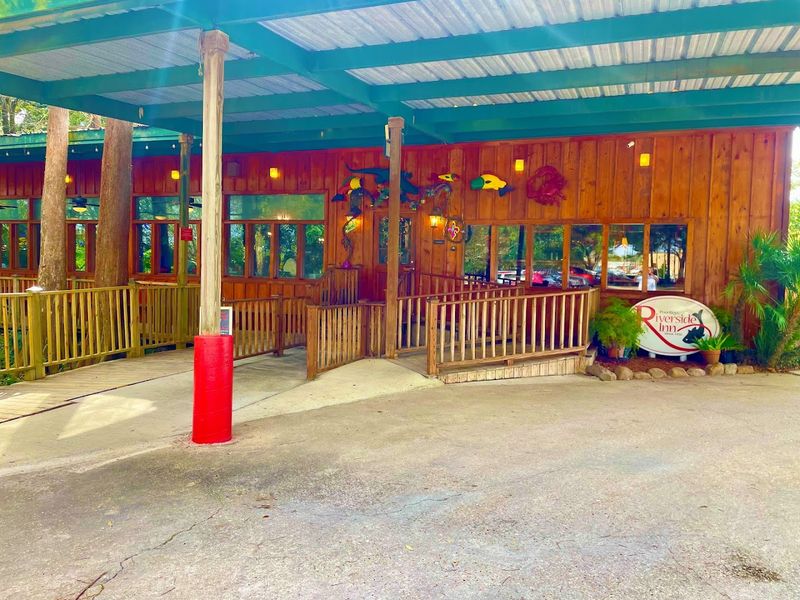
Poor Boy’s Riverside Inn is located at 240 Tubing Road, Broussard, LA 70518, tucked away from the main Lafayette-area rush just enough to make the drive feel like you’re heading toward a local secret.
This is not the kind of arrival where you casually wander past and stumble in by accident. Let the road pull you out of the busier stretch, watch for the turn, and trust that the slightly tucked-away feeling is part of the charm.
By the time you park, the trip already feels like a small Louisiana food pilgrimage. Step out, gather your appetite, and enjoy that excellent moment when the car ride ends and the seafood decision-making begins.
Why The Dressing Matters
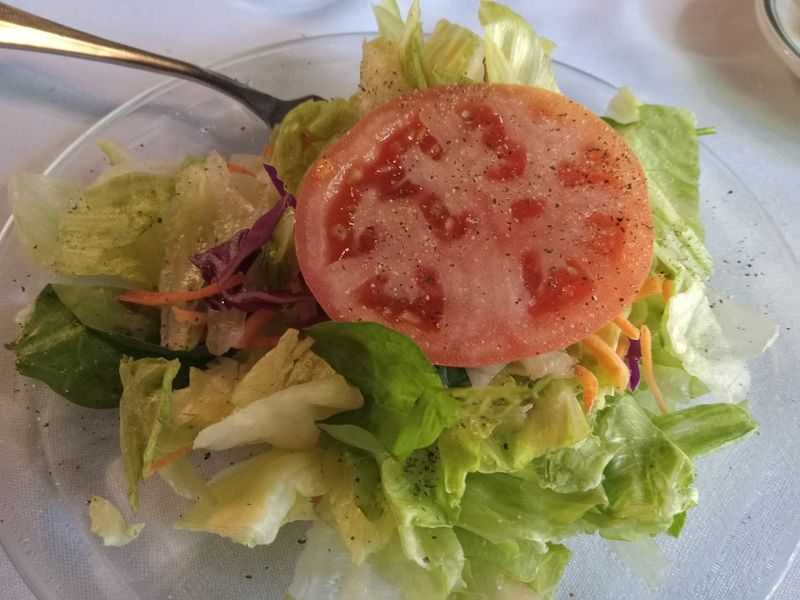
That mild dressing is the puzzle piece everyone talks about because it quietly defines the salad without shouting. Riverside lists several homemade dressings on the menu, and Fr.
Frank Coco’s Italian is one named option that guests sometimes credit for the flavor profile; whether the mild dressing is the same or a variant isn’t printed, which keeps the mystery alive.
In practice the dressing tastes balanced, a soft acid edge, a hint of herb, and a touch of creaminess – so it elevates the seafood while letting texture and quality speak first. When ordering, ask for dressing on the side if you prefer to control the final balance and to taste the seafood solo first.
Seafood Quality Spotting
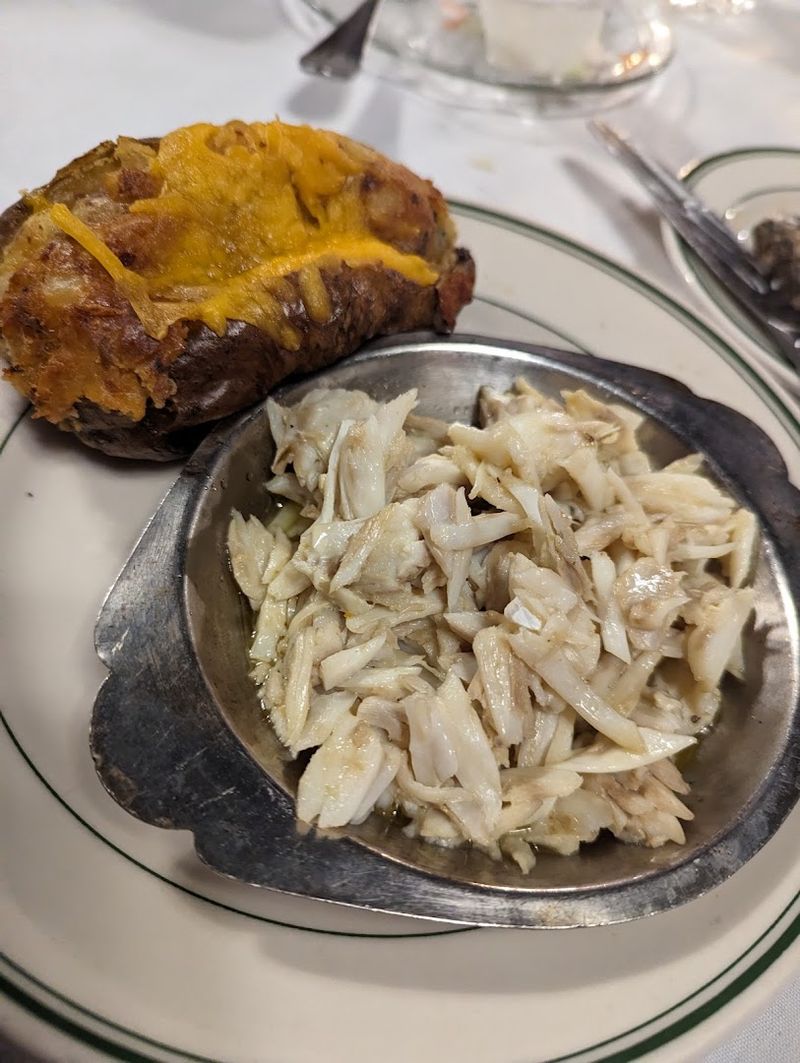
Not all salads are equal because the seafood inside matters more than any sauce. Riverside’s use of jumbo lump crab is clear in texture – large, soft pieces rather than finely flaked crab and the shrimp and crawfish are cleanly cooked, showing firm muscle and fresh sweetness.
These are the kinds of ingredients that survive transport from kitchen to table without losing integrity, which is why the salad reads as substantial rather than decorative.
If you care about sourcing, ask the server about the crab grade on a given day; their menu and staff are used to talking about lump crab availability and portioning, and it can influence whether you pair the salad with an entree or let it stand alone.
Portion And Price
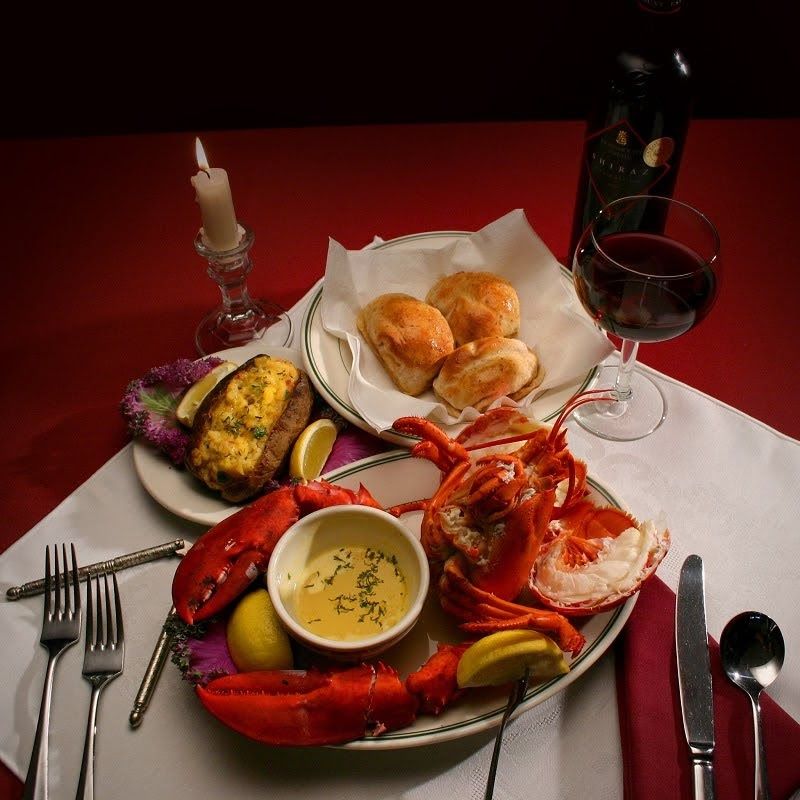
Portion size is part of the salad’s reputation, it’s widely described as large enough to be a full meal, and that matches my visit.
The plate arrives heaped with greens and a generous scattering of crab, shrimp, and crawfish, plus bacon and cheese, so it feels like value for a sit-down option at a mid-priced, long-running Louisiana restaurant.
Some guests mention wanting a larger helping of certain elements; if you prefer more crab relative to greens, politely ask when ordering for an extra scoop. The menu also lists an Eat Fit version that trims calories while keeping the core seafood components for people who want a lighter plate without losing the signature taste.
Pickled Vegetables – Small Twist, Big Effect
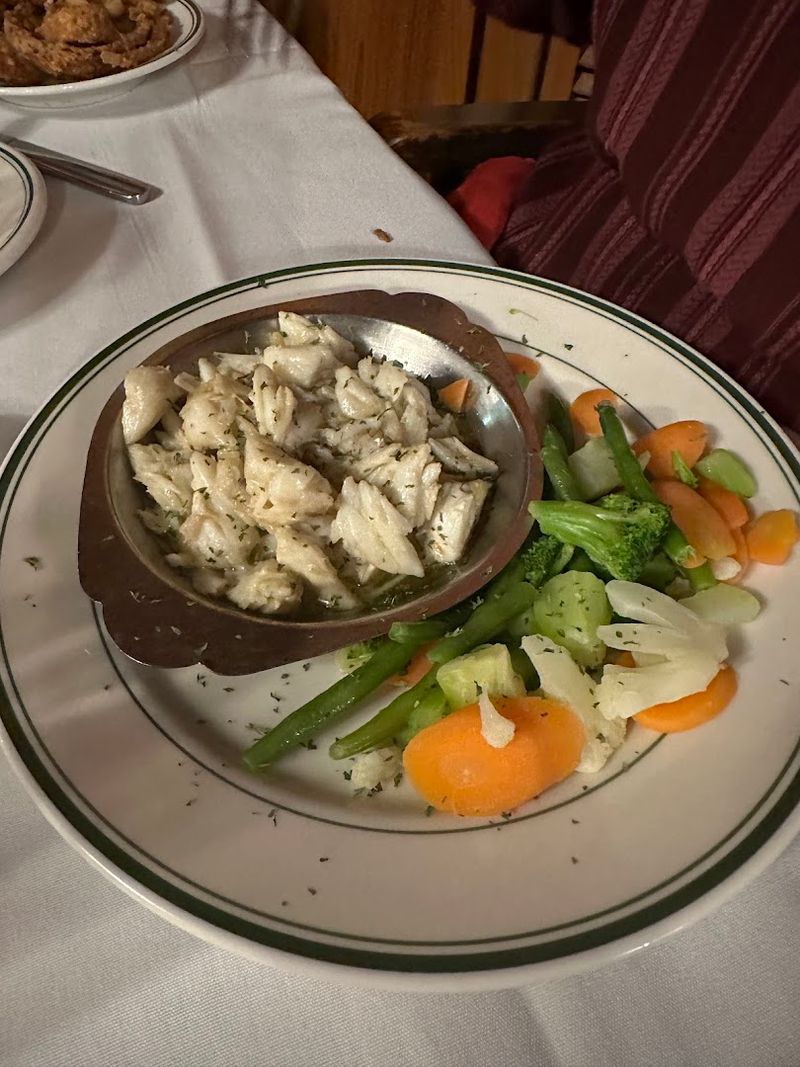
The pickled vegetables are a sly but decisive flourish on the house salad, adding bright acidity and crunchy texture that keeps each forkful lively. They aren’t flashy, yet their presence offsets the creaminess of dressing and the richness of the crab, meaning every bite resolves instead of going flat after a few mouthfuls.
On visits I watched diners pause mid-bite, pleased at the snap and tang that resets the palate. If you lean toward more acid, ask for extra pickles or a lemon wedge; otherwise let the garnish do its steady work balancing the plate’s richer notes and sustaining interest across a large serving.
Seasonality And Availability
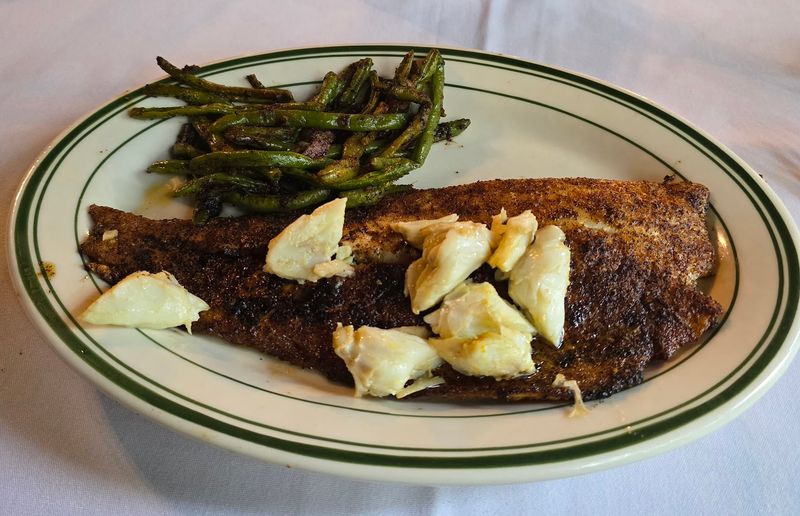
Because Poor Boy’s has been around since 1932 and operates on a thoughtful schedule, some menu elements reflect seasonal availability and kitchen rhythm. Crawfish can be more prominent at certain times of year, while crab supply and sizing vary with market conditions, which subtly alters the salad’s final composition from visit to visit.
That variability is part of the pleasure here, the house salad is reliably excellent but never identical across months.
When planning a visit, check hours and consider weekday lunch service for a steadier pace; the restaurant is closed on Sundays and Mondays and keeps set lunch hours during weekdays, which helps with timing fresher offerings.
Cottage Vibe And Dining Room Details
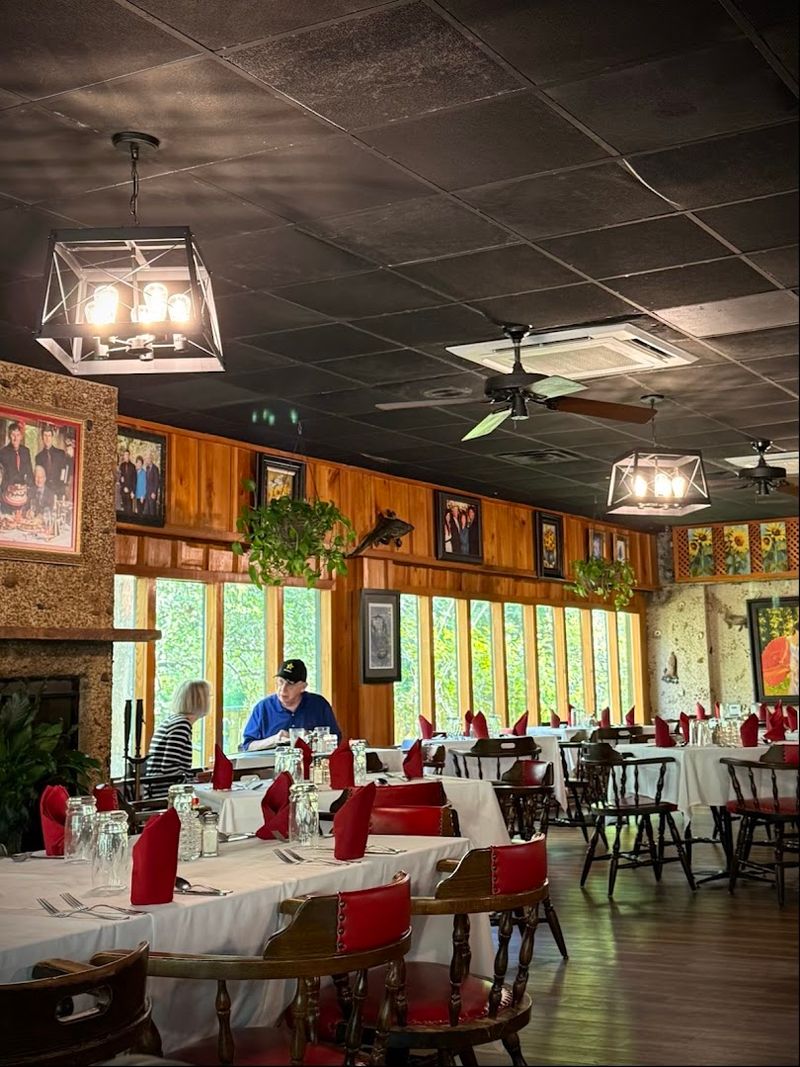
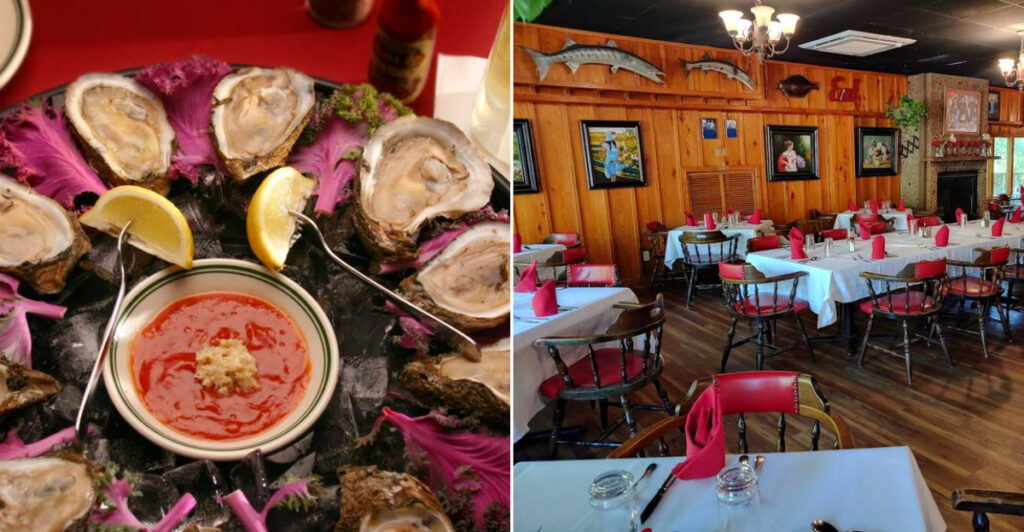
The dining room sets expectations before the first bite, it’s cabin-style with art and plants, a slightly nostalgic feel that makes seafood and Southern classics feel like a friendly inherited ritual.
The atmosphere encourages slow enjoyment, which suits a salad meant to be savored rather than forked down between courses.
That vibe matters because you’re not just buying a plate, you’re joining a small ritual rooted in local history and family ownership. If you want a relaxed experience, arrive early in the weekend dinner window or reserve ahead; the property’s tucked setting off the highway feels like a destination rather than a quick stop.
Family Ownership And Legacy
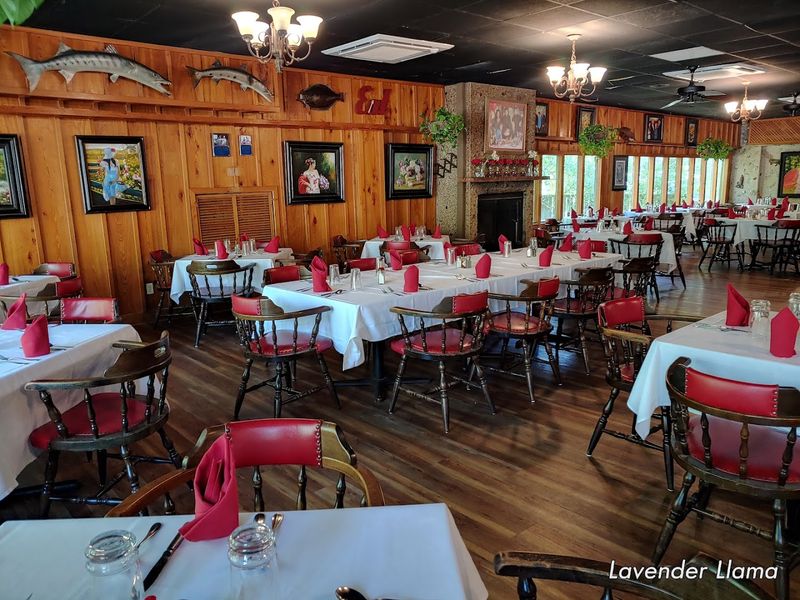
The Hurst family’s stewardship, spanning multiple generations since founder Hulo Landry began with a snowball stand, gives the salad a sense of continuity and care.
Family ownership often means recipes and approaches are maintained across decades, which explains the house salad’s steady place on the menu and its defensive tagline, “Famous for a Reason.”
Knowing the history adds depth to the tasting, the salad’s components feel chosen, not trendy, and the restaurant’s awards and local reputation reflect steady attention to detail.
When servers describe dressings or menu variations, they’re often repeating a family practice; it’s worth listening when they offer context about what’s best that day.
How To Order Like A Local
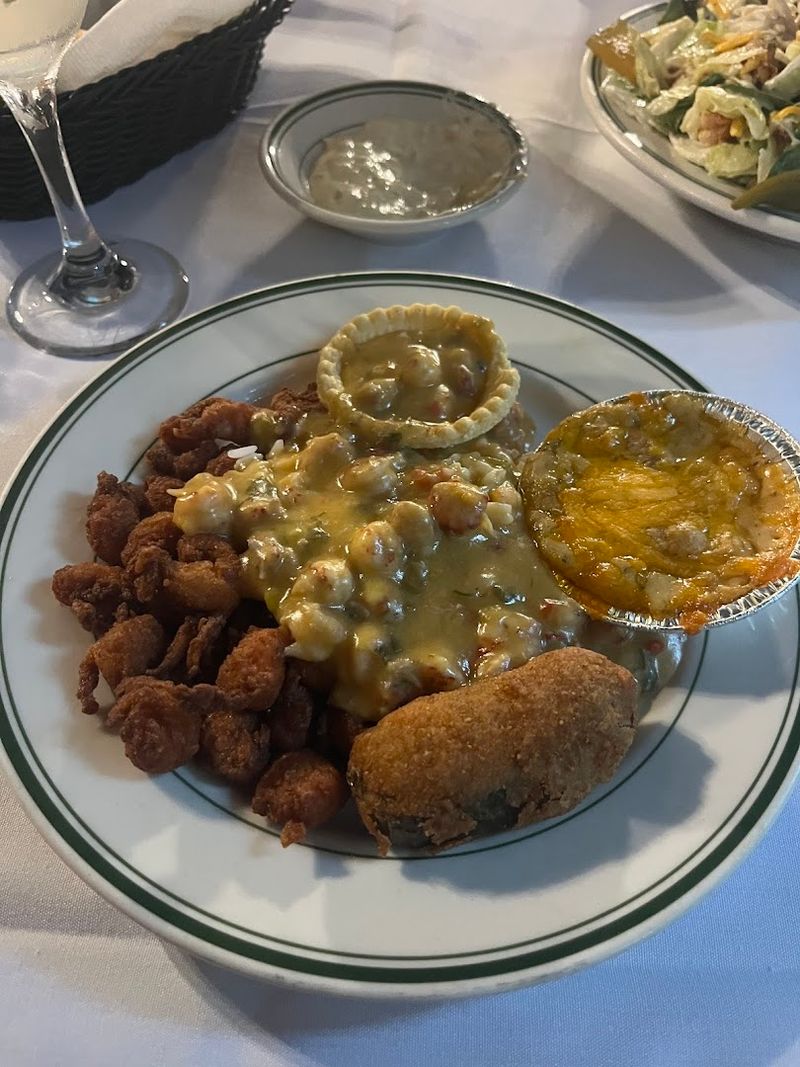
A simple ordering tweak improves the experience: request the dressing on the side if you want to judge seafood quality before committing to the mild sauce.
Locals often know the salad as shareable or substantial enough to be a main course, so if you’re splitting, ask for plates and a fork for each person to make the portions feel more composed.
For a lighter take, the Eat Fit Poor Boy’s Salad trims calories while retaining shrimp, crab, and crawfish. Servers are used to customization and can advise on portioning or which accompaniment – like warm bread or a cup of gumbo, pairs best for that visit’s rhythm.
Textural Tricks Chefs Use
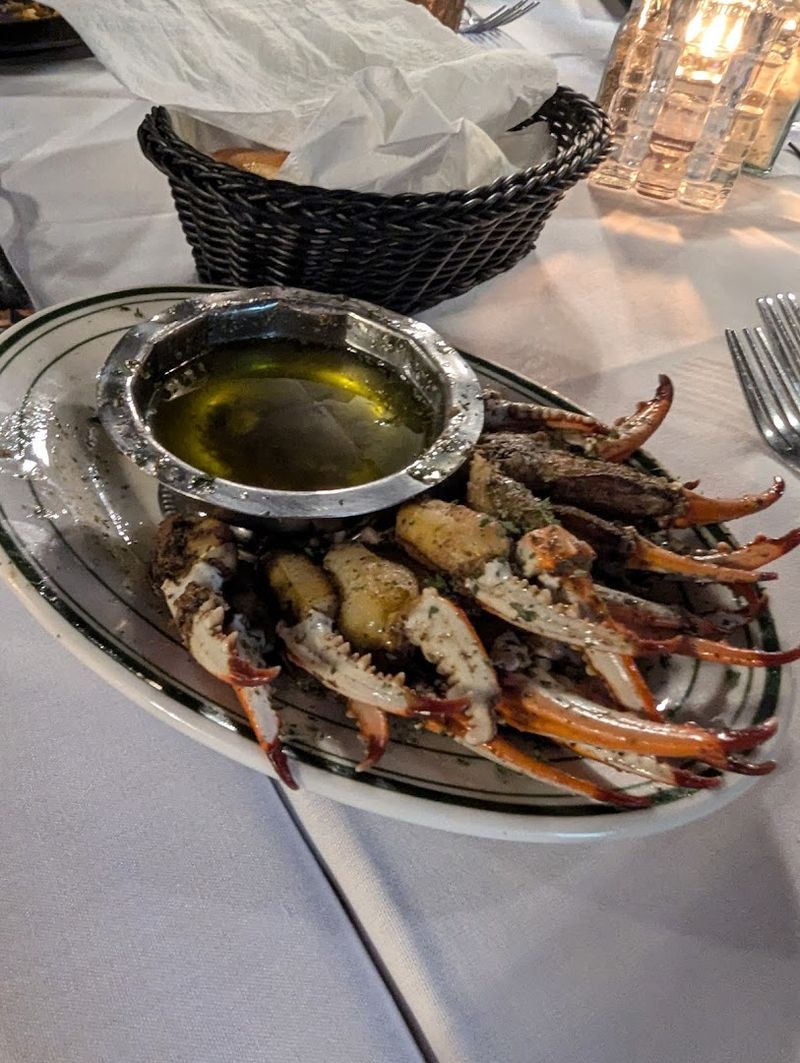
Chefs at Riverside layer textures deliberately: big crab lumps and tender shrimp meet crunchy bacon and the snap of pickled veg, so every mouthful has a contrast. That technique keeps the salad interesting across a large portion and prevents the soft elements from becoming monotonous toward the bottom of the bowl.
It’s worth noting how the kitchen balances coarse and fine textures to maintain structure during service.
If you notice a soggy patch, it’s likely from transport time or dressing application; asking for dressing on the side or a quick refresh by the server can restore the intended contrast and preserve the experience for the remainder of your meal.
A Small Mystery You Can Taste
The restaurant leans into the phrase “Famous for a Reason,” and for the House Salad that reason is subtle, high-quality seafood, balanced dressing, and thoughtful garnishes rather than a single secret ingredient revealed.
That mild dressing remains the local mystery because multiple homemade dressings appear on the menu and the exact recipe isn’t published, which feeds conversation rather than diminishing enjoyment.
For curious diners, the practical approach is sensory comparison: try the salad with dressing on the side, taste the Fr. Frank Coco’s Italian if offered, and note how acidity, herb, and cream elements shift the profile. The result is satisfying even without full disclosure.