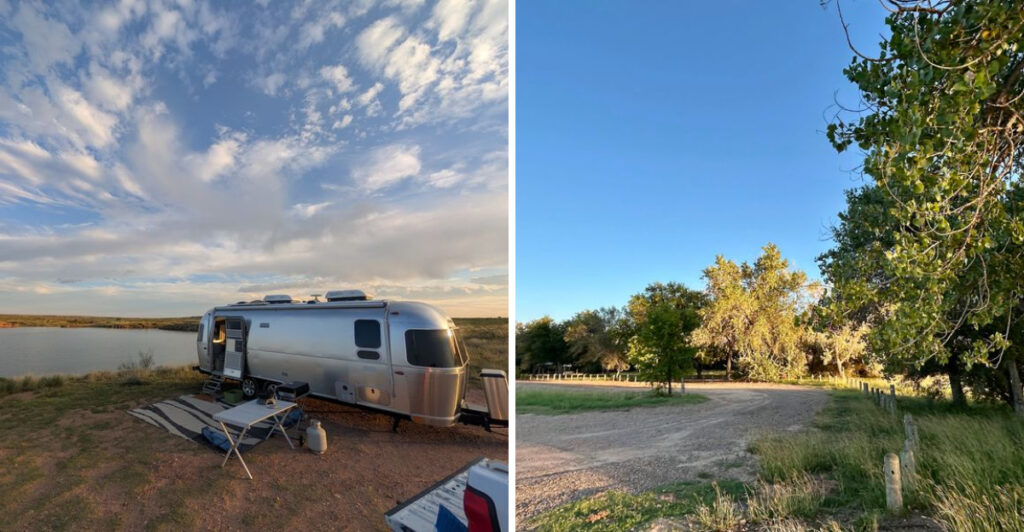
Some retirement towns sell the dream first and reveal the price later. This one flips that script.
In eastern New Mexico, a small lakeside community pairs wide water views with home values that remain lower than many bigger markets. The result is clear.
You can live close to a state park and reach the shoreline in minutes. You also avoid the pace that comes with a major resort town.
The scenery does not need much help either. Rocky bluffs frame the reservoir while evening light spreads across the water.
The streets settle down quickly after sunset. It feels calm without feeling cut off.
That balance matters when the goal is enjoying retirement instead of constantly calculating what everything costs. So what is daily life actually like here?
We are digging into the lake and the town itself, with a closer look at why this small community earns a second look.
Lake Views Shape The Rhythm Of Everyday Life
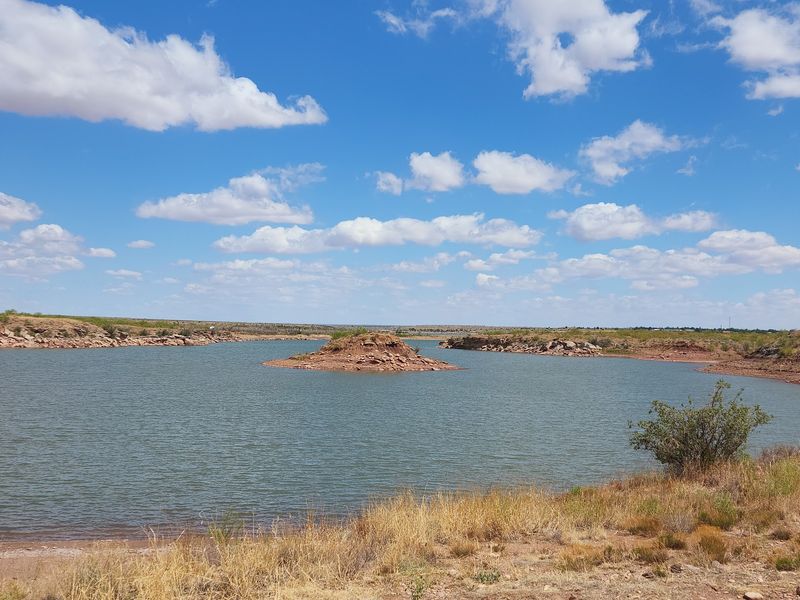
Morning here starts with a glance toward the water, not a glance at the clock. Locals check the wind before breakfast, because a calm surface means good fishing and a choppy one means chores.
The reservoir stretches roughly 13 miles along the old course of the Canadian River, so water is rarely out of sight. Homes on the higher ground look down on quiet coves that shift color as the day moves along.
Retirees seem to appreciate that pace, where a pontoon ride counts as a full afternoon plan. Grandchildren visit during summer, tubes get inflated, and the swim season stretches comfortably into September.
Fishing keeps the rhythm steady all year, with walleye, smallmouth bass, white bass, and channel catfish drawing anglers to the shoreline. Winter mornings bring fewer boats and a kind of stillness that longtime regulars quietly guard.
Coffee talk covers water levels, ramp conditions, and which cove held fish last weekend. Newcomers pick up the vocabulary within a month, and nobody minds the beginner questions.
I will admit a daily schedule that bends around weather instead of commute traffic sounds appealing. The lake in question is Ute Lake, and the village beside it is Logan, New Mexico 88426.
Quiet Streets Give The Town Its Easygoing Appeal
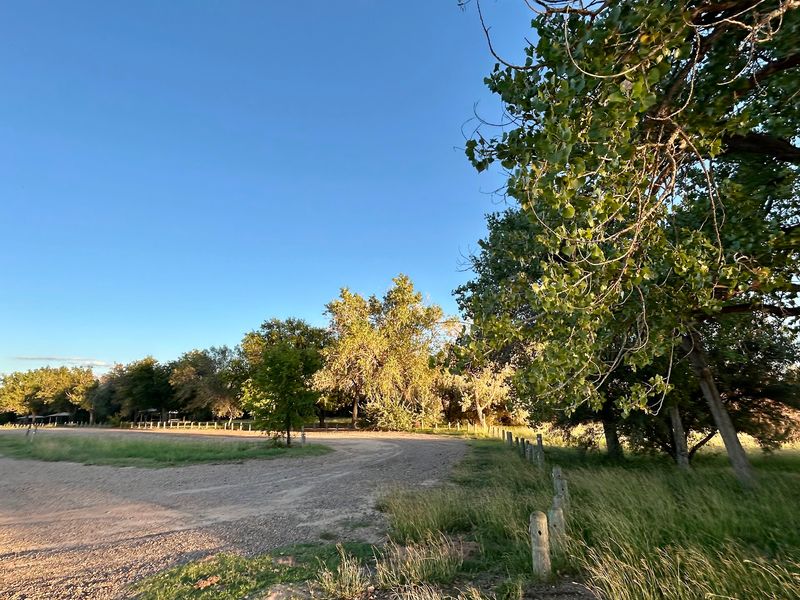
Only 970 people called the village home at the 2020 census, and it shows in the best way. Traffic here usually means waiting while a pickup backs a boat trailer down a driveway.
Streets run short and mostly flat, which makes evening walks easy on older knees. Neighbors wave because they actually recognize the car, and a wave costs nothing.
Quay County keeps things rural, with ranchland spreading out in every direction beyond the village limits. Tucumcari sits roughly 25 miles southwest and handles bigger errands and medical appointments.
US 54 slides through town, so getting in and out never requires a complicated route. That highway link matters for retirees who still want family visits without a punishing drive.
Property taxes in the county run low compared with national averages, which stretches a fixed income further. Utilities and insurance follow a similar pattern, and small-town life trims the temptation to overspend.
Mail and a hardware run can be handled inside twenty minutes. I appreciate a town where basic errands do not swallow an entire morning.
Housing remains the real headline, since older homes and modest lots trade for a fraction of big-city prices. Low-key does not mean lifeless, and the school gym still fills up on game nights.
Rocky Shorelines Add Drama To The Water’s Edge
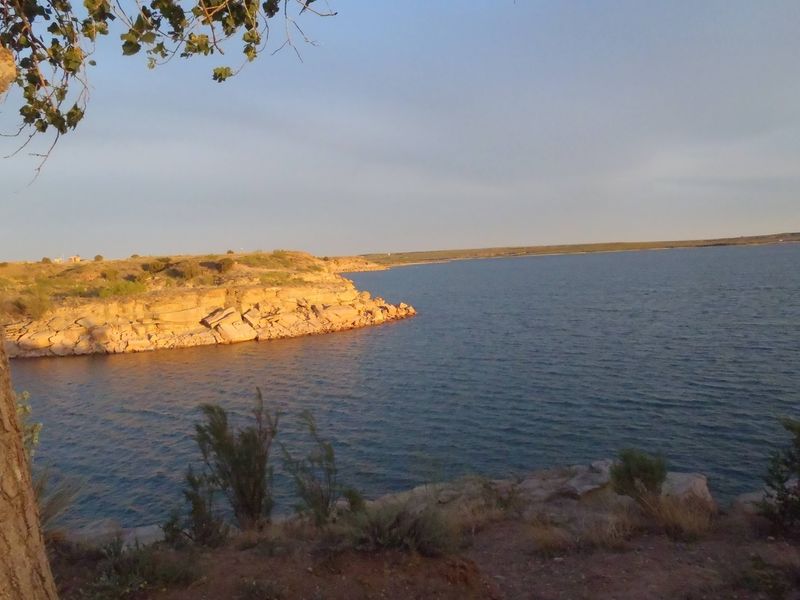
Red rock does the decorating around this reservoir, and it does not hold back. Sandstone bluffs rise straight out of the water, streaked rust and pale gray.
Rocky points and boulder-strewn ledges make the shoreline wonderfully uneven, which anglers consider excellent news. Smallmouth bass love that structure, and lures bounced along rocky drop-offs tend to earn attention.
Swimmers learn quickly that water shoes belong in the beach bag. The bottom near shore turns gravelly in spots, so bare feet get a rude education.
Photographers gravitate toward the ledges late in the day, when low light deepens every crack in the stone. Small shelves and hollows appear as water levels drop, revealing shapes hidden most of the year.
Cliff faces catch afternoon heat and hold onto it, which explains why lizards claim the sunniest slabs. Hawks ride the updrafts above, scanning the rocks with obvious patience.
Reservoir levels rise and fall with rainfall and irrigation demand, so the shoreline never looks identical twice. Regulars treat that shifting edge as part of the appeal rather than a flaw.
The contrast between rough stone and calm water is the kind of detail that sticks in memory. Boat ramps and gravel roads deliver visitors to the rugged parts without any hiking required.
Sunsets Turn The Lake Into The Main Attraction
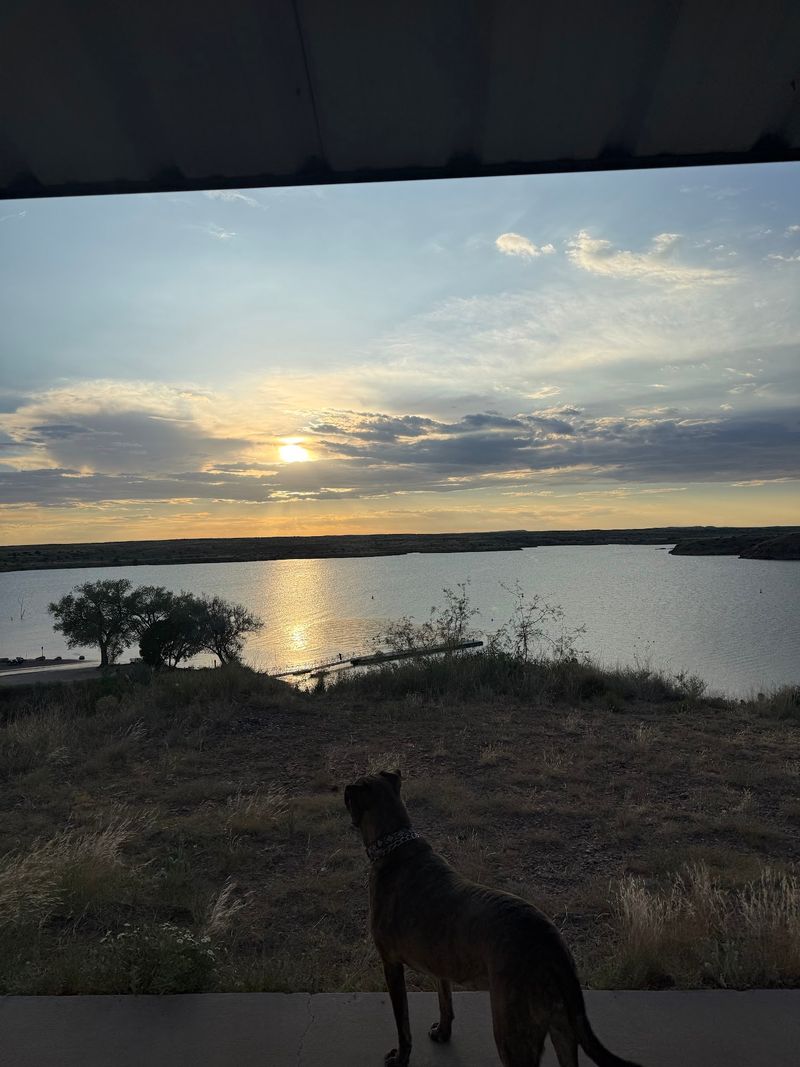
Evening color arrives with almost theatrical timing along this stretch of the high plains. Dry desert air carries little haze, so the western sky turns gold and deep orange with real intensity.
West-facing coves catch the whole show twice, once overhead and once on the water. Boats often idle in place while the light does its slow work across the coves.
Monsoon clouds stack up in July and August, adding towering shapes to the palette. Lightning sometimes flickers far off over the plains, silent and slow.
Retirees mention the sunsets more often than the fishing, which says plenty about local priorities. Lawn chairs face west along the shoreline, and nobody rushes back inside.
Cameras struggle to capture the scale, though phone photos still flood social feeds every spring. Longtime residents have firm opinions about the best viewpoints and share them freely.
Darkness follows fast, and the stars take over with very little competition. Porch lights are few and far between, so the Milky Way shows up clearly on moonless nights.
Winter versions come earlier and colder, throwing sharp pink light across the bluffs. Calling it a free nightly performance with unlimited seating feels about right.
Canyon Views Make The Lakeside Trails Worth Exploring
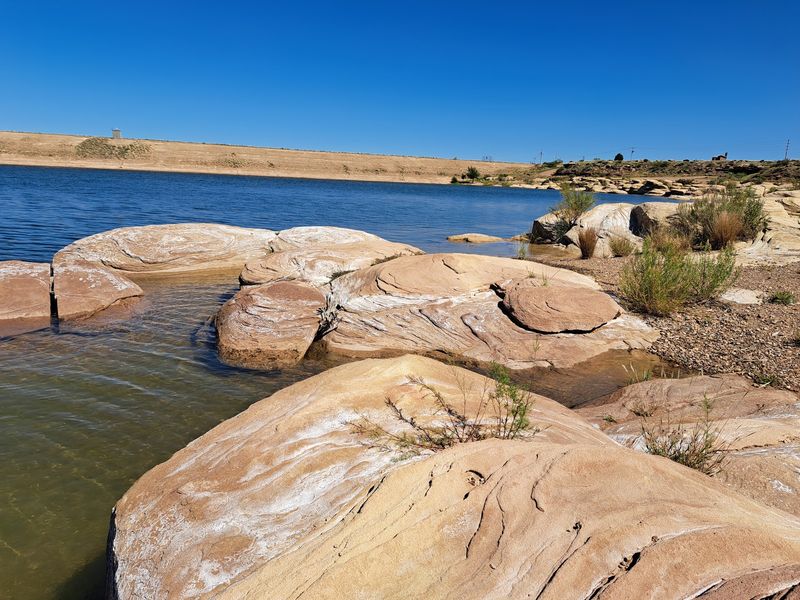
Beyond the campsites, the ground drops away and the canyon reveals its full shape. Ute Lake fills an old canyon carved by the Canadian River, and those walls still tell the story.
Short walking routes near the park trace the rim, opening views down onto coves and rocky points. Elevation sits near 3,800 feet, which keeps the air dry and the horizon far away.
Mule deer slip through the brush at dawn, and jackrabbits bolt across gravel with zero warning. Overhead, hawks work the thermals, tilting without a single flap.
Footing turns loose on the slopes, so sturdy shoes beat sandals by a wide margin. Shade barely exists, making early morning the smart window for walking in summer.
Wildflowers appear after late-summer rains, dotting rocky ground with yellow and purple. Cholla and prickly pear hold their own the rest of the year.
The dam at the lower end of the lake explains how all this water got here. Retirees on these paths collect exercise and scenery in the same outing.
Photos rarely convey how deep the canyon really feels, though visitors keep trying anyway. It strikes me as remarkable that terrain this rugged sits minutes past the village grocery run.
The State Park Brings The Outdoors Close To Town
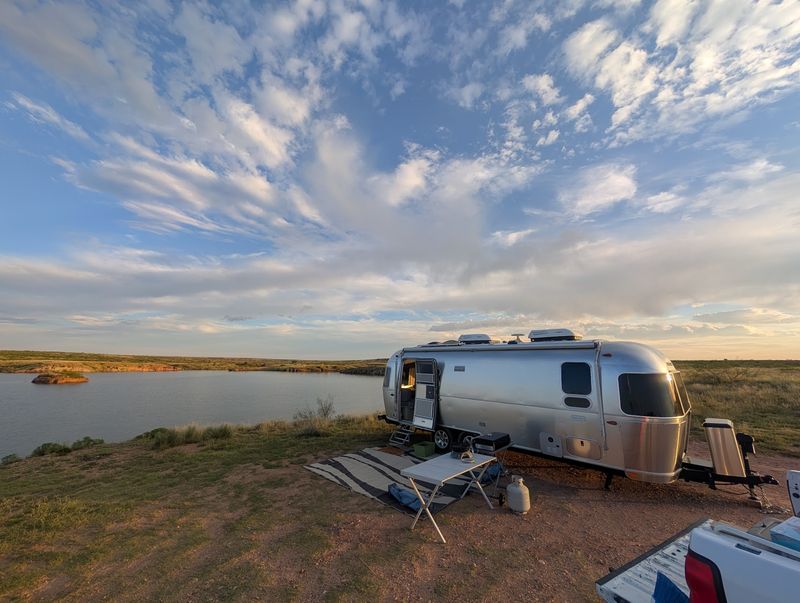
Camping fees here stay low, which explains the loyal repeat crowd. Ute Lake State Park sits right beside the village and opened in the 1960s once the dam was finished.
Sites spread across several areas, some with electric hookups and covered shelters for day use. RV travelers linger for weeks, and annual passes make return stays even cheaper.
Boat ramps give quick access to the water, so gear never needs hauling far. Anglers and paddlers share the shoreline without much crowding outside holiday weekends.
The day-use area stays open year-round, and winter visits bring nearly empty campgrounds. Retirees who dislike crowds tend to prefer those cooler months anyway.
Being one of New Mexico’s state parks means maintained facilities and predictable rules. Grandkids get playground time while the adults claim shaded picnic tables nearby.
Boat rentals and supplies exist nearby, so newcomers need not buy a vessel immediately. Tournament weekends fill the ramps early, with trucks and trailers lined up before sunrise.
Fishing licenses are available online or from authorized vendors, while campsites use Reserve America. Nothing about the setup feels fancy, and that appears to be entirely the point.
Big Skies Make The Open Landscape Feel Endless
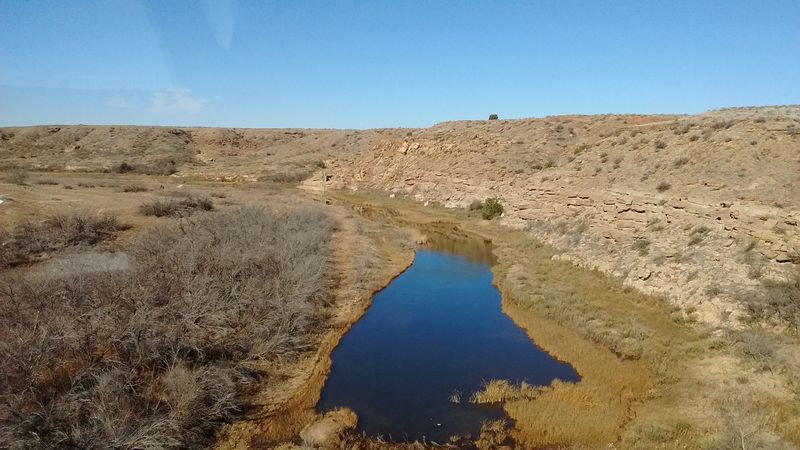
Trees are scarce out here, and that absence turns the sky into the main event. The eastern plains roll flat toward Texas, leaving almost nothing to block the view.
Summer afternoons build thunderheads that climb thousands of feet, white on top and bruised underneath. Rain often falls miles away in a visible gray column.
Wind arrives in spring with real commitment, rattling boat covers and testing patio umbrellas. Residents plan fishing trips around morning calm for very good reason.
Night skies stay dark because the nearest city glow sits comfortably far off. Meteor showers get watched right from driveways, no telescope required.
Sunrise deserves credit too, since the flat eastern horizon lets first light spread wide. Coffee on an east-facing porch becomes a habit rather than a plan.
Photographers chase cloud shows during monsoon season, when color piles up before evening. Weather apps rarely capture what the sky actually delivers around here.
Winter hands over crisp blue days with visibility that seems to stretch forever. Snow falls occasionally, dusts the bluffs, and vanishes by afternoon.
Space on this scale affects mood, and retirees frequently mention feeling less boxed in. Open ground and open sky give ordinary days a roomy quality.
The Lakeshore Gives The Town Its Strongest Sense Of Place
Ask anyone what defines the village and the answer points straight toward the water. The shoreline shapes the local economy and the yearly calendar alike.
Bait supplies and boat storage cluster around lake traffic. Summer visitors arrive on weekends, many driving over the Texas line for a few days of shoreline time.
Fishing tournaments fill warm-weather weekends, with ramps busy well before daylight. Winter thins the crowds and hands the lake back to residents.
Homes with water views still trade at prices that startle coastal buyers. Fixed incomes stretch further when the entertainment budget amounts to a rod and a tank of gas.
Community life runs through the school and the lakefront, and both stay lively in season. Newcomers get folded in quickly, especially the ones who own a boat.
Directions get handed out in landmarks rather than street names, which visitors find charming after a week. A wrong turn usually ends at the water anyway.
The post office doubles as an informal news hub most mornings. Word travels faster there than through any app on a phone.
Retirees hunting quiet water and honest prices keep circling back to this corner of New Mexico. The lake and the wide sky handle the rest of the argument.