Some Iowa towns look nice in photos. This one makes you wonder if a Hallmark movie crew just packed up and left five minutes before you arrived.
Brick storefronts, Dutch details, windmills, flower boxes, and a canal all work together so neatly that the whole place feels almost suspiciously charming.
The fun is that it still feels lived-in, not staged. You can wander past bakeries selling Dutch letters, pause by the water when the light hits just right, and find the kind of storefronts that make “just one more block” turn into an entire afternoon.
Come for the postcard looks, stay for the pastries, the walkable downtown, and the little details that make the town feel warm instead of polished flat. It is easy, pretty, quietly funny in its own old-world way, and exactly the kind of Iowa day trip that makes your camera work overtime.
Why Pella Feels Like a Storybook
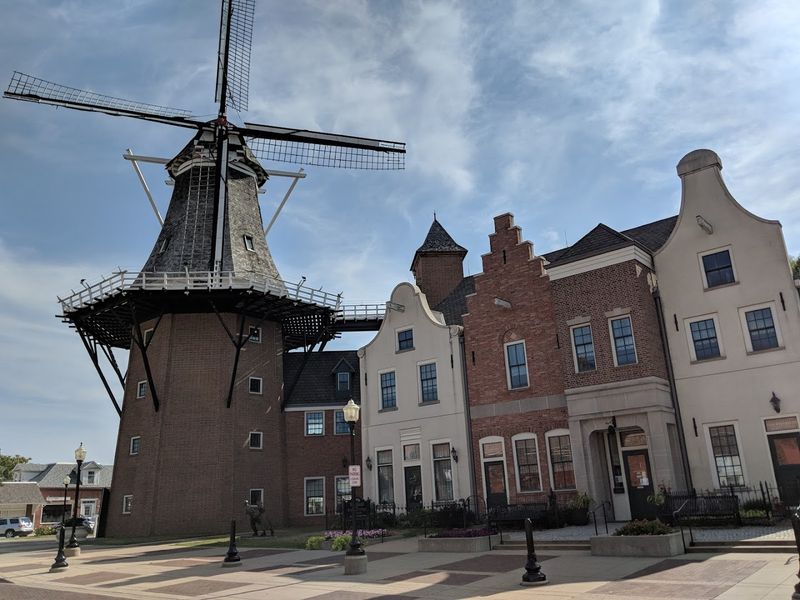
The first time I turned a corner and saw the wooden Dutch gables and tidy brick facades I paused, not because I was lost but because the architecture demanded attention.
Pella’s buildings are not replicas in a theme park; they’re maintained with a practical sort of pride, the kinds of details you notice when you lower your voice and listen to the town breathe.
The tulip-shaped carvings and painted shutters feel like signatures left by generations, and they tell a story without paragraphs.
Walking through the center, I noticed small practicalities that matter – broad sidewalks, clear crosswalks, and benches that invite an extra ten minutes of people watching.
The canal near the center catches afternoon light in a way that photographers love, but it also functions as a quiet place for a parent to sit while a child chases pigeons.
That blend of curated looks and everyday life is what gives the town its readable, lived-in quality.
If you come expecting a perfect postcard you might miss the best parts: the bakery’s morning line, the hardware store’s hand-painted sign, the neighbor who’ll tell you where to park.
Those human bits are the glue that makes the architecture more than decoration, and they’re why I kept wandering back to the main street until the light shifted and the town felt different again.
A Walkable Core with Practical Perks
I like towns where you can leave the car and let your feet do the touring, and Pella’s center makes that easy.
Sidewalks are wide enough for strollers and groups, and the storefronts are close to the street so window shopping actually works.
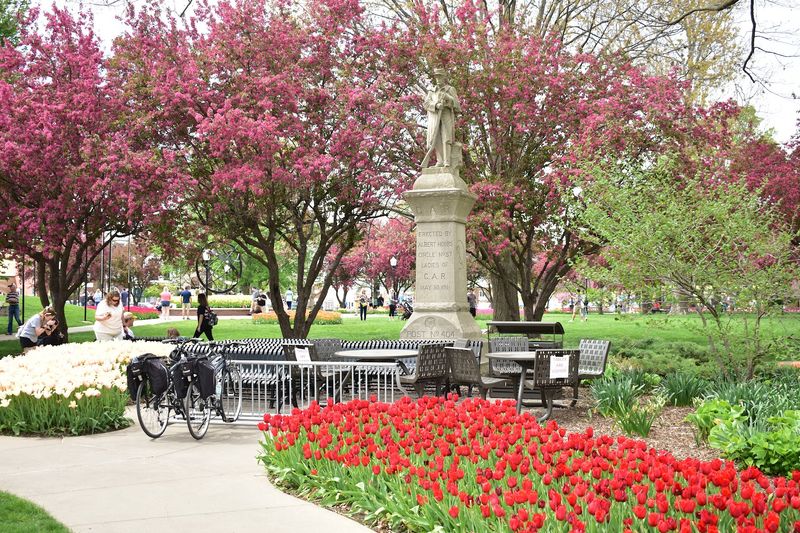
On my first loop, I noticed several practical additions that matter on a walking day, including benches around Central Park, clear downtown streets, and public restrooms available at city locations near the square.
Parking feels logical rather than puzzle-like, with public parking available in or near the central business district, including lots near Washington Street and East 1st Street, the Pella Public Library, Liberty Street, and the Molengracht underground parking garage.
I found myself choosing routes by shade rather than distance when the June sun warmed the bricks.
This walkable layout encourages detours, which is how I found independent shops, cozy storefronts, and little details I would have missed from the car.
Those discoveries made the stroll feel less like a checklist and more like a conversation with the town, and I appreciated that the little conveniences never felt overdone.
Food and Bakeries That Make You Pause
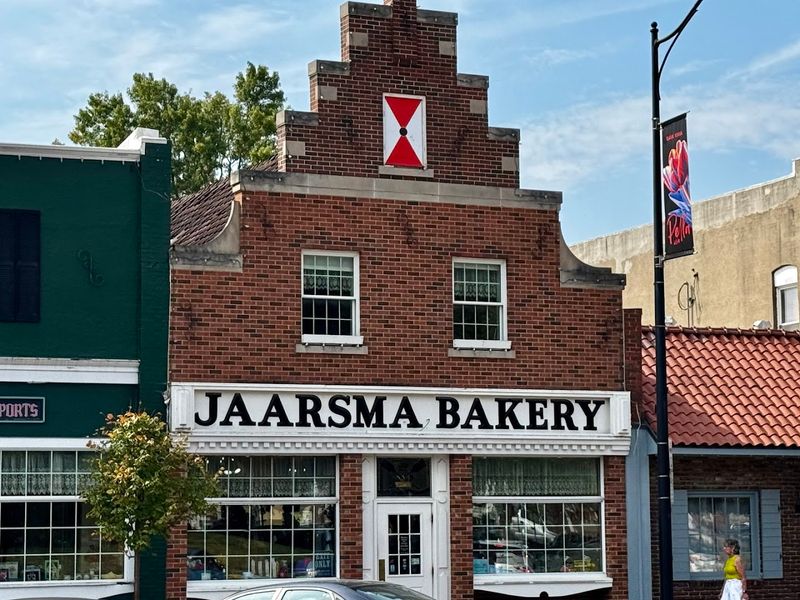
My first stop for food was a bakery that looks like it could have been here for generations, and the evidence was all in the morning rush.
People came with reusable bags and intentional orders, and the pastry case had that dangerous “just one more” energy.
Pella is especially known for Dutch bakeries such as Jaarsma Bakery and Vander Ploeg Bakery, both of which feature Dutch letters along with other pastries and favorites tied to local tradition.
For lunch or a slower break, the town also has small cafés and coffee stops with real menus, comfortable seating, and enough personality to make a quick bite feel like part of the trip instead of a pause from it.
I learned a simple trick while ordering: ask what regulars like, and you usually get a better answer than anything you would find by staring at the menu like it owes you money.
Evenings bring quieter dining options around town, while daytime bakery and café stops give Pella much of its easygoing flavor.
If you want the town to taste like itself, start with a Dutch letter and let the rest of the day make its case.
Tulips and Seasonal Color
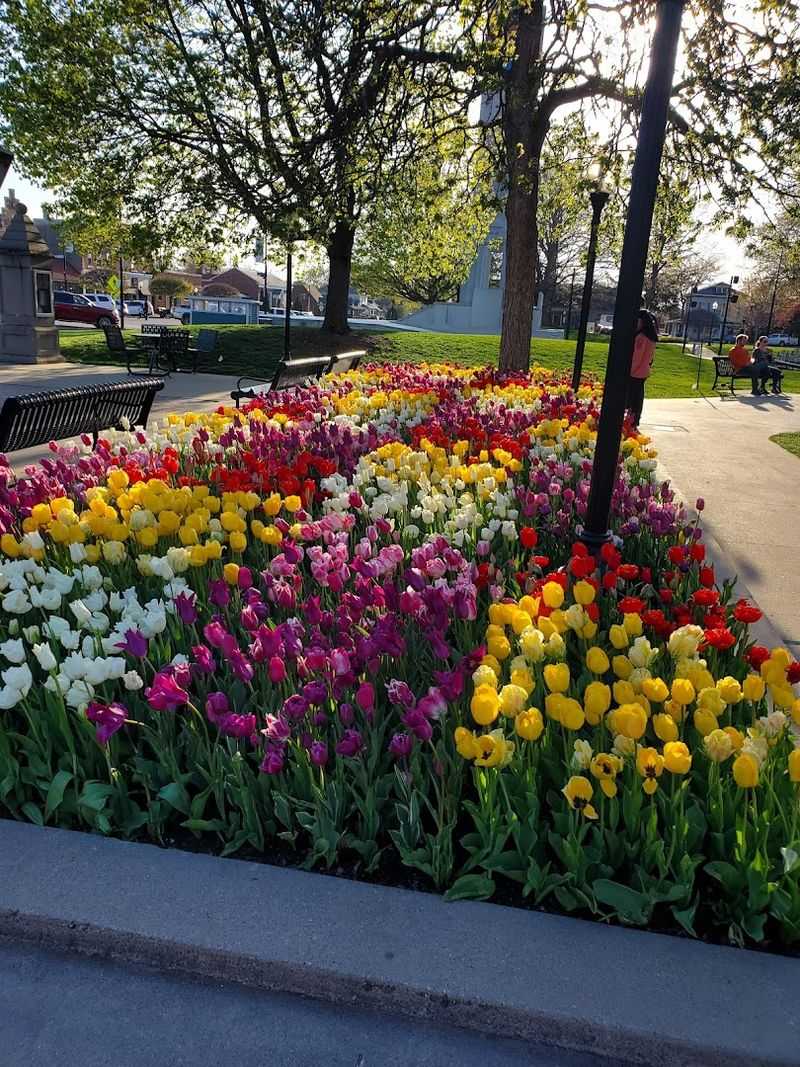
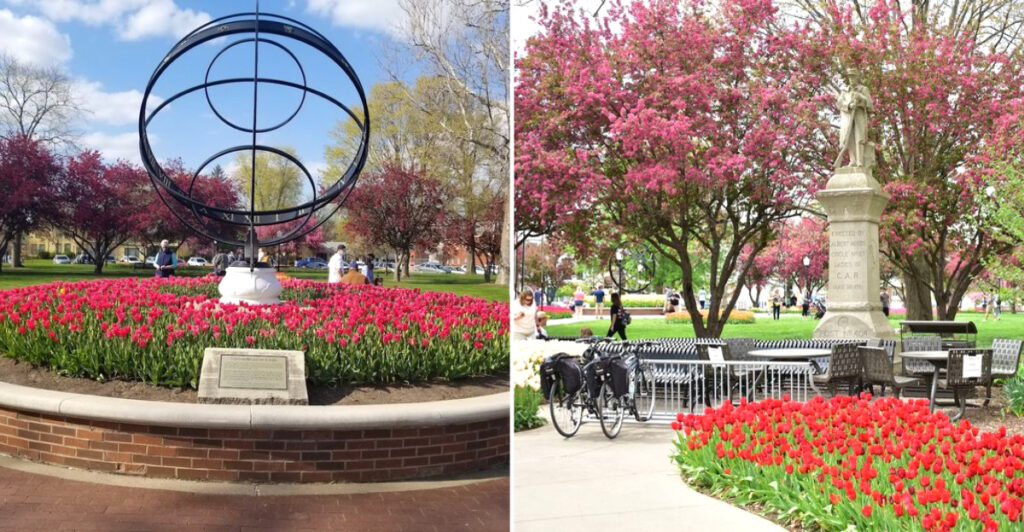
Come spring and the town does not pretend to be subtle about its floral ambitions; tulip beds are arranged with intent and visible personality.
I timed a visit during peak bloom and found color blocked beds that make for easy photo compositions without feeling like a forced backdrop.
Volunteers and municipal staff maintain the displays with an eye for variety, so beds cycle through color schemes that keep the stroll visually interesting.
Tulip season also brings practical adjustments worth noting – temporary signage reroutes foot traffic, and some lots are reserved for festival vendors during weekends. I got an early view of the best plantings by walking the north side of the canal before public tours started.
That quiet hour offered not only better pictures but a sense of how the town plans for big weeks without letting routine crumble.
Even outside peak bloom, planters and window boxes keep color in the streetscape through summer and into fall.
The floral rhythm helps set a pace for a walk here: stop to smell, yes, but also stop to read a plaque or pop into a small shop when a bed steers you that way.
How Pella’s Dutch Roots Show Up Today
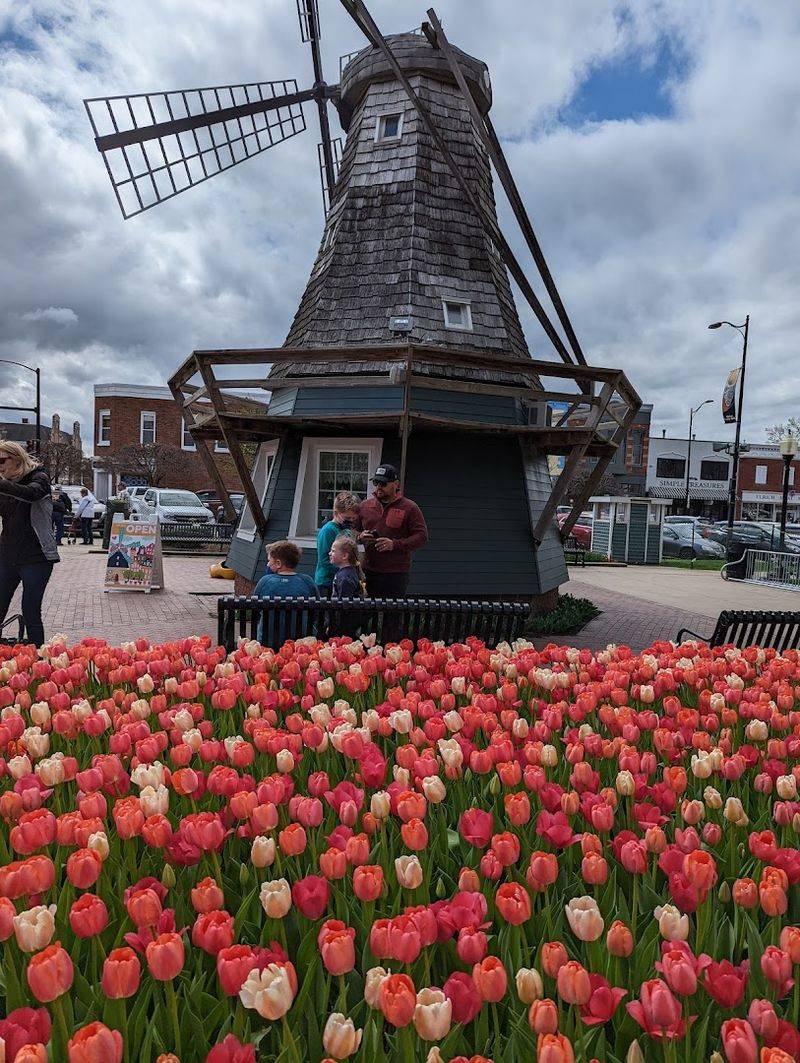
The Dutch heritage is visible in more than architecture; bakery traditions, museum displays, shop names, and public landmarks all help carry that history into the present.
I spent a morning reading plaques and visiting the Vermeer Windmill area, where the town’s story feels practical rather than decorative.
The Vermeer Windmill is an 1850s-style grain mill and one of the tallest working windmills in North America, with guided tours offered on posted schedules.
I noticed language echoes in shop names and in the occasional family surname on a storefront. There’s also an annual rhythm of events that mark heritage in ways locals plan around, especially Tulip Time in spring.
When I checked schedules I realized timing a visit around a specific event changes the town’s energy in predictable and useful ways.
Understanding that continuity made the town feel less like a staged set and more like a place where culture shifts slowly but meaningfully.
The heritage here is a living layer you can touch, not just a motif on a souvenir mug, and I appreciated how everyday life carries those traces forward.
Practical Tips for Planning Your Visit
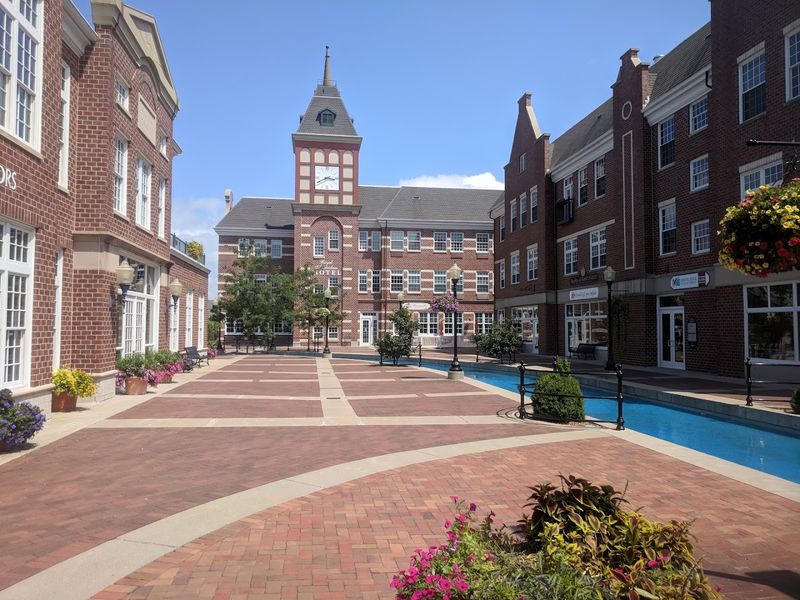
Planning a day in Pella felt straightforward once I learned a few simple patterns to follow.
Arrive in the morning to grab a bakery item and a parking spot close to the downtown area, and if you want the canal to yourself aim for a weekday.
Weekends can be lively during festival season, so book any special tours or timed activities in advance when possible.
Comfortable walking shoes matter because brick sidewalks and older downtown surfaces are charming but can feel uneven in a few spots. Bring a refillable water bottle and check public restroom locations ahead of time, especially if you are visiting with kids or planning a longer stroll.
If you’re driving from Des Moines during a major event, allow extra time for traffic, parking, and festival crowds rather than assuming the day will move at its normal small-town pace.
I found that a light layer works well because mornings can be crisp, afternoons warm, and evening air near the canal can cool down.
With those basics handled, the day slides into place, and you’ll have more time to slow down and notice the small practical pleasures that make the town feel lived in.
Family-Friendly Activities and How Kids React
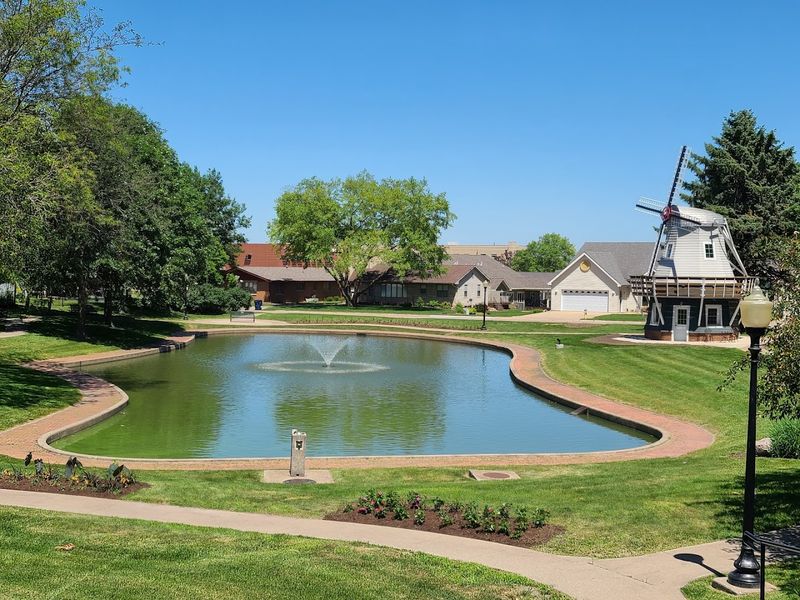
Kids I saw in Pella found easy pleasures that kept them engaged and let adults relax a bit.
Central Park gives families benches, flower beds, the Tulip Toren, and room to pause without making the day feel overplanned.
The town also has family-friendly stops such as Kiwanis Park and Wonder Spelen Playground, plus nearby places where kids can turn a walk into a small adventure instead of a slow-motion complaint parade.
Historical sites can work surprisingly well for families when visits are kept short and visual. A Vermeer Windmill tour, for example, lets visitors see the mill structure, large blades, and views over Pella, while the Miniature Dutch Village adds another easy visual stop.
That kind of programming matters far more than a long lecture when you’re with a small group.
If you plan around school schedules and arrive before midday, the town feels more relaxed and family-friendly.
Simple conveniences like public restrooms and nearby parking mean less scrambling and more time for shared discoveries, whether that’s finding a favorite pastry or watching the canal do its quiet little charm offensive.
Accessibility and Moving Around
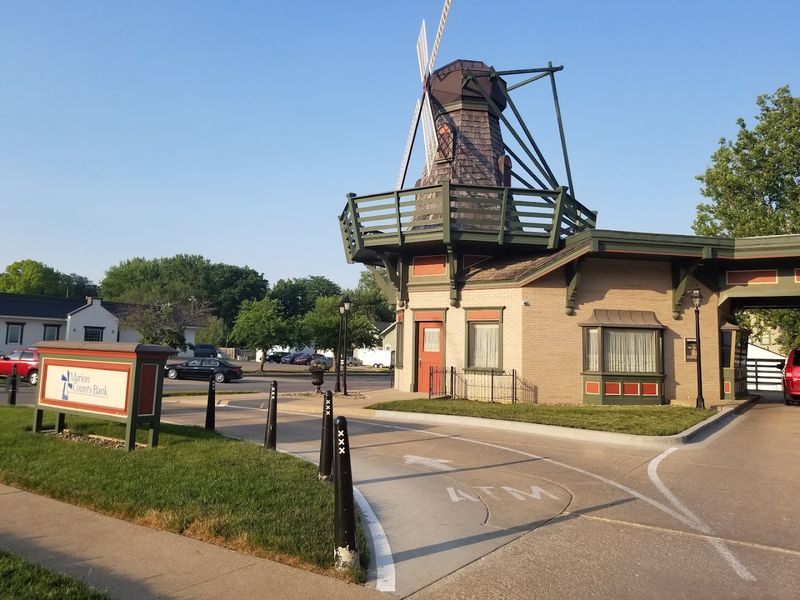
Accessibility in Pella feels pragmatic and visible in many spots, though a few older buildings may still require checking entrance details before you go.
I appreciated how many downtown areas feel easy to navigate, especially around the main visitor corridors.
Public parking is available in or near the central business district, and visitors can check city listings for specific lots before choosing where to start.
Public restrooms are available at the Police Department one block south of Central Park and at City Hall on the west side of Central Park, with different hours depending on the location. If mobility is a primary concern, call ahead to specific shops or museums to confirm entrance details.
The canal paths are generally pleasant for strolling, though bridge grades and older downtown surfaces can still make route planning useful.
During Tulip Time, off-site parking and shuttles are offered, but not all shuttles are equipped for accessibility and some parking areas may require significant walking.
Planning routes and checking hours ahead of time made the visit more relaxed and kept the focus on enjoying the town rather than negotiating logistics.
Seasonal Events and How to Time a Visit
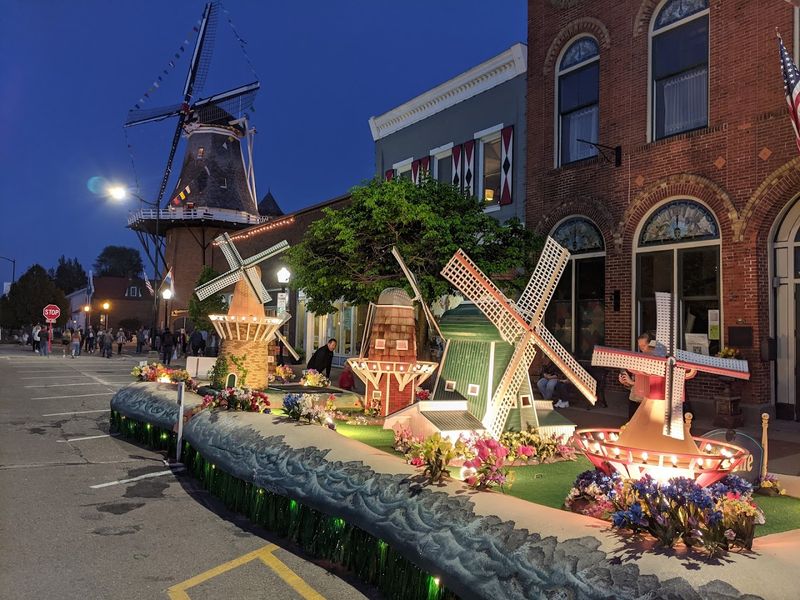
The town’s calendar has distinct peaks, and planning around them changes everything.
Tulip Time in spring is the obvious headline, bringing crowds and bright color; I learned to time arrivals for weekday mornings to avoid the thickest foot traffic.
Summer brings smaller music nights and outdoor dining, while fall settles into a quieter rhythm that highlights local markets and harvest produce.
When I checked event schedules I noticed how the town stages activities to keep main streets flowing – temporary traffic adjustments, extra waste stations, and volunteer-run info booths.
If you want the communal energy of a festival without the crush, pick a peripheral show or an early block of programming.
Conversely, if you aim to be in the center of things, expect lines and plan for reservations at popular restaurants.
For practical timing, I recommend checking the city website or visitor center a few weeks ahead. That simple step saved me an anxious scramble for tickets and let me slot in quieter experiences between the headline events.
Nearby Attractions and Day-Trip Ideas
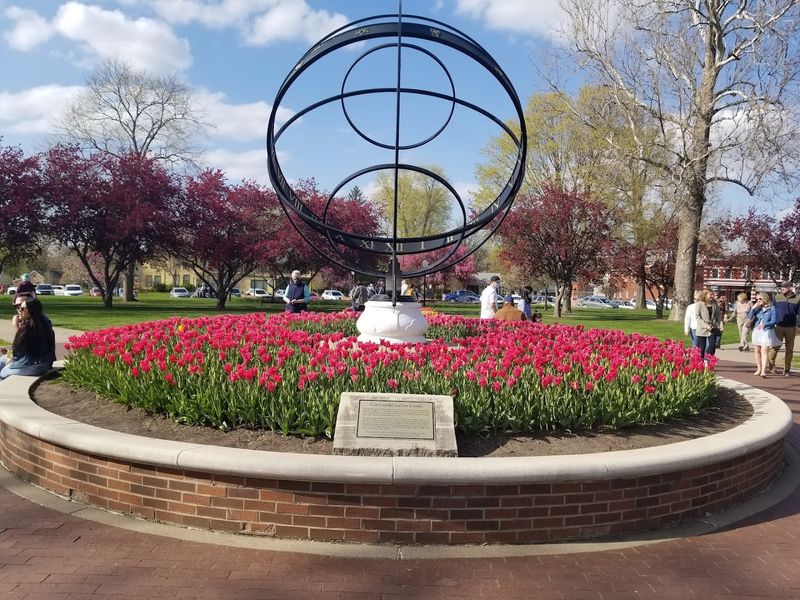
I found Pella pairs well with a short regional loop if you have a day or two to spare.
Des Moines is about forty miles away and makes a logical drive-in point for airport connections or museum detours.
Closer by, county parks and small farms offer opportunities to stretch legs on a bike or pick seasonal produce without adding long driving time to your schedule.
A short scenic drive around the county revealed roadside stands and a couple of artisan workshops that welcome visitors by appointment. I recommend saving time for a late-afternoon return to Pella so the light on the canal softens and the town’s color palette shifts toward gold.
That timing made a short day trip feel complete rather than rushed.
If you plan to combine a Pella visit with other stops, factor in event schedules and local business hours to avoid closed-door disappointments.
The region rewards a relaxed pace, and the right little detour often becomes the best memory of the trip.