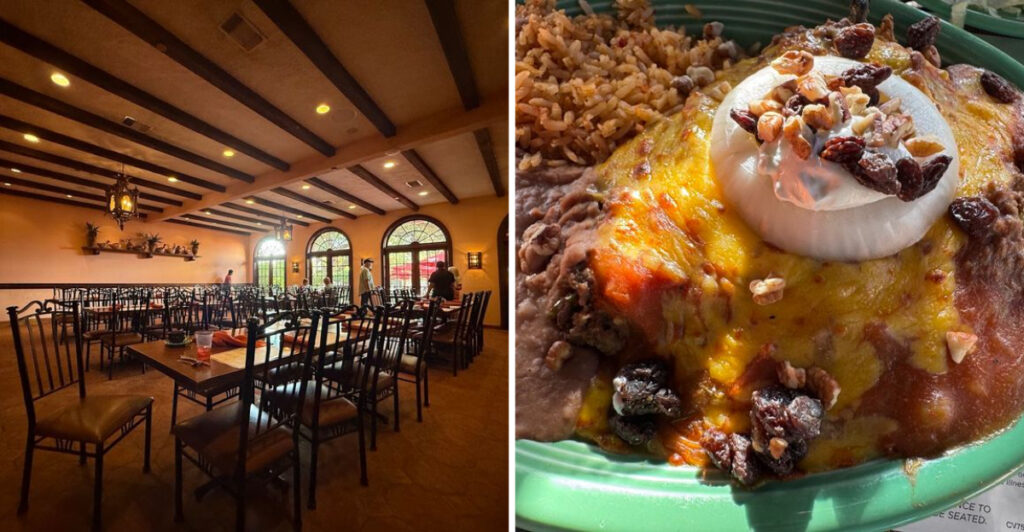
Austin has a seventy-four-year-old family argument, and queso keeps winning it.
A ten-table cafe opened in 1952 with scratch cooking, hand-shaped tortillas, and enough confidence to outlast generations of restaurant trends.
The city grew louder. The enchiladas never needed to.
Texas history often arrives with plaques and speeches. Here, it arrives beneath chile con carne, beside refried beans, and dangerously close to a basket of chips.
You may begin with one orderly plan. Then the Bob Armstrong Dip reaches the table and turns restraint into an abandoned campaign promise.
This kitchen does not survive on nostalgia alone. It keeps earning the next visit through recipes still handled by the Martinez family and classics that refuse retirement.
Texas has changed considerably since the owners opened the doors. The appetite at their tables apparently missed the memo.
Seventy-four years later, Austin still reports to the same delicious local chain of command.
A Ten-Table Cafe Started A Seventy-Four-Year Run
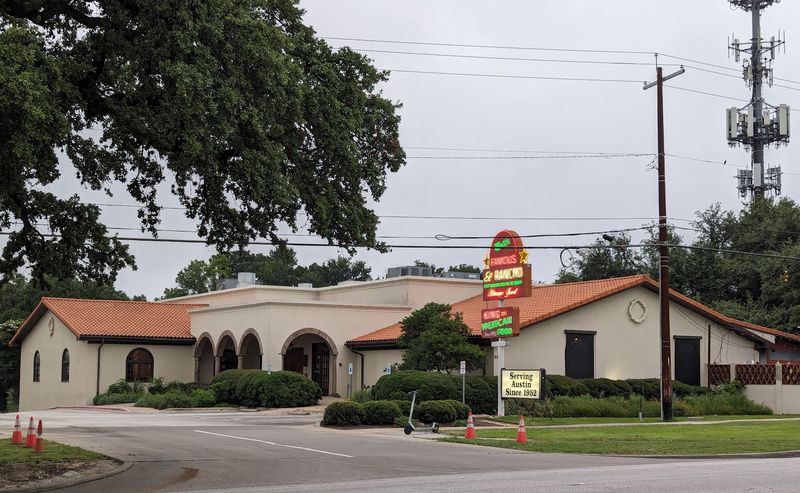
Ten tables walked into 1952 and somehow became an Austin institution.
Matt and Janie Martinez opened the first El Rancho on East First Street with a small dining room and no army of employees.
Matt handled guests while Janie cooked from scratch using her own recipes. The operation began simply, but the food gave Austin a reason to keep returning.
The story had started even earlier. In 1923, six-year-old Matt sold tamales from a wooden pushcart near the Texas Capitol. Nearly three decades later, that early hustle had become a restaurant with forty seats and a growing neighborhood following.
The first menu did not need endless categories or theatrical descriptions. It needed plates that arrived hot, recipes that held together, and hospitality strong enough to turn a first visit into a habit.
Austin changed rapidly around the family business. The original dining room grew, the customer base widened, and the restaurant eventually needed more space. What never left was Janie’s scratch-made approach.
The cafe started with ten tables. The appetite surrounding it never learned to count that low.
The Martinez Family Keeps The Recipes In Motion
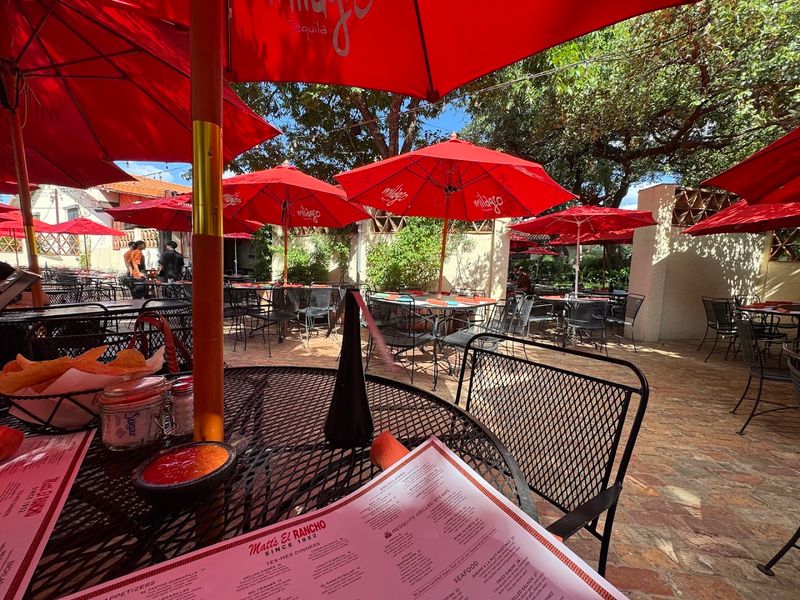
Family trees usually branch outward. This one keeps leading back to the kitchen.
The Martinez family continues guiding the restaurant long after Matt and Janie established its identity. Their daughters Gloria, Cecilia, and Cathy, along with daughter-in-law Estella, remain connected to the operation and the recipes that shaped it.
That continuity matters because the food is not being interpreted by a distant company office. The same family that built the restaurant still has a hand in how tortillas, chips, enchiladas, and complete plates reach the dining room.
Today, the family welcomes diners at 2613 South Lamar Boulevard in Austin, Texas, where the current restaurant has operated since 1986. The address changed from the original East First Street location, but the kitchen did not trade its history for a new personality.
You taste that consistency in dishes that have remained important across generations. A cheese enchilada does not arrive as a museum piece. It arrives hot, covered, and fully prepared to compete with whatever newer order caught your attention.
Other families pass down photo albums. The Martinezes passed down dinner service.
Handmade Tortillas Catch Every Shortcut
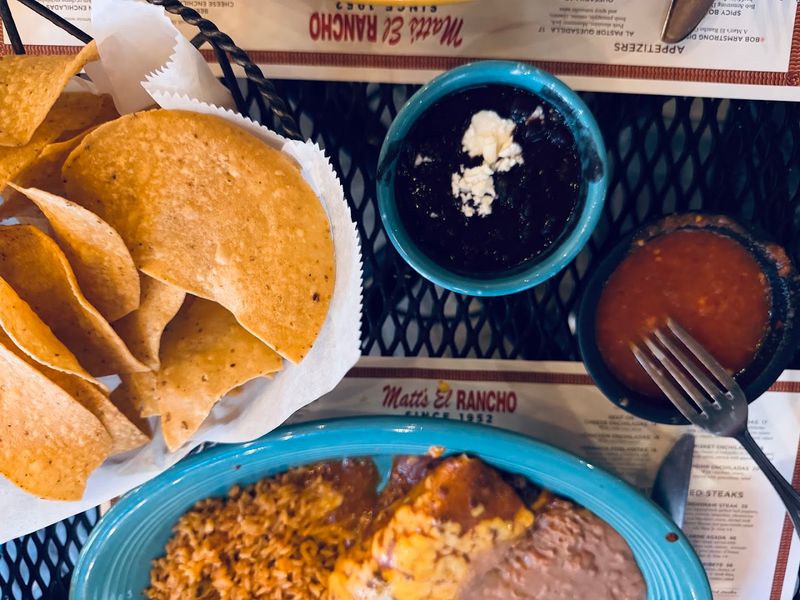
A tortilla can tell on a kitchen before the filling gets a chance.
Matt’s continues making tortillas, chips, and enchiladas by hand, keeping Janie’s scratch approach active rather than framing it as restaurant folklore. The current menu also notes that the house-made corn tortillas and chips use non-GMO corn.
That daily work shows up in texture. Fresh tortillas stay soft enough to fold around fajitas, tacos, or carne guisada without behaving like edible cardboard. Corn tortillas bring enough structure for tacos while still tasting like part of the meal rather than packaging.
The chips carry equal responsibility. They arrive before many entrées, which means they make the first impression and face the Bob Armstrong Dip without backup. A weak chip would fold immediately under that assignment.
Handmade production also keeps a basic ingredient from becoming invisible. You notice warmth, flexibility, and corn flavor before the meat, sauce, or cheese takes over.
You may come for the enchiladas and leave discussing the tortillas. That is what happens when the supporting cast refuses factory settings.
Enchiladas Keep The Old-School Heart Beating
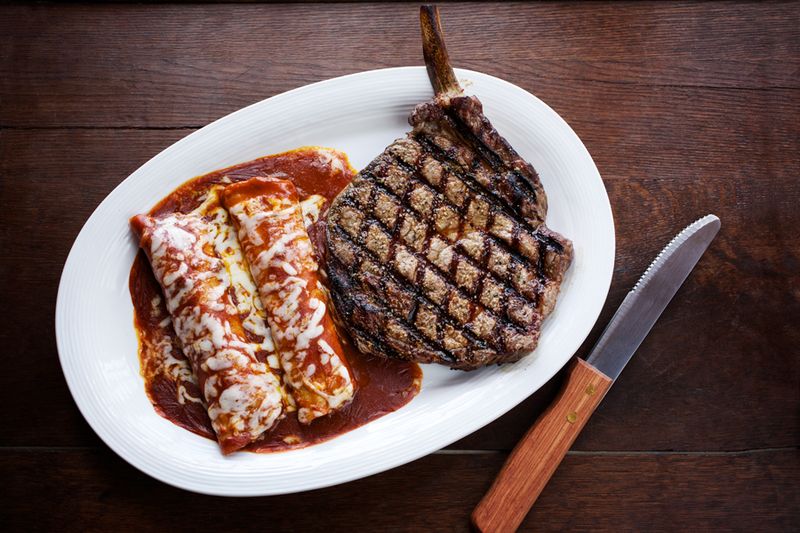
Enchiladas look simple until one bad version ruins the disguise.
Matt’s serves beef or cheese enchiladas with chile con carne, chicken enchiladas with ranchero sauce, and green enchiladas finished with tomatillo sauce. Brisket, shrimp, and spinach-filled options widen the decision without pushing the classics aside.
The cheese version makes the strongest test of balance. Corn tortillas, filling, sauce, and melted cheese must work together without collapsing into one heavy texture.
Rice and refried beans complete the plate, giving every stray streak of sauce somewhere useful to land.
Brisket enchiladas bring a smokier direction, while shrimp enchiladas trade chile con carne for ranchero sauce and guacamole salad. Green enchiladas let you choose beef, chicken, or cheese before adding tomatillo and either queso or sour cream.
The variety keeps repeat visits from becoming automatic. You may arrive loyal to cheese, spot brisket passing nearby, and spend the next five minutes renegotiating a decision made in the parking lot.
The menu offers several enchiladas. The sauce makes sure none of them leave quietly.
The Bob Armstrong Dip Became An Austin Original
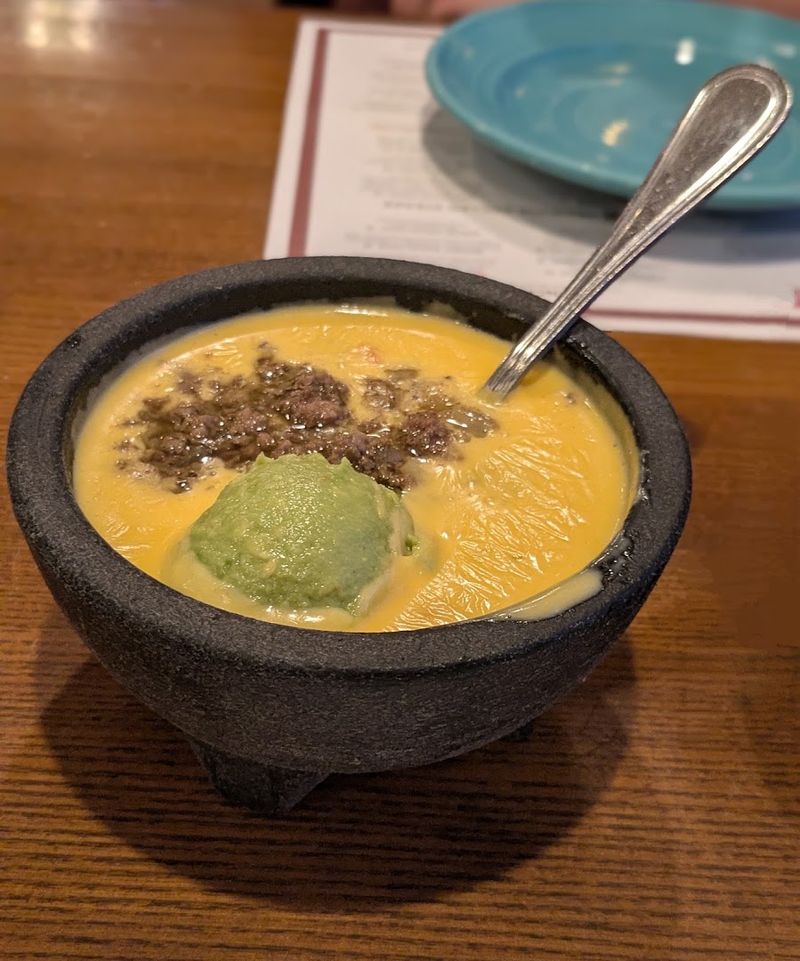
A Texas land commissioner asked for something different and accidentally created Austin’s most famous bowl.
Bob Armstrong was a regular when he stepped into the kitchen and challenged a teenage Matt Martinez Jr. to improvise an appetizer.
Matt layered taco meat, guacamole, sour cream, and chile con queso into one dish, then sent it out without knowing he had started a local tradition.
Armstrong returned to the Capitol and told others about the off-menu creation. Soon, diners were asking for “that Bob Armstrong dip,” even when the staff had no idea what they meant. The name stuck, and the restaurant eventually made the dish official.
Today’s menu lists the Bob Armstrong Dip as a Matt’s El Rancho original, pairing queso with seasoned ground beef and house-made guacamole. The Spicy Bob adds fajita beef and grilled jalapeños for anyone who thinks the original needs a louder campaign.
One order can slow the entire table. Everyone keeps dipping while insisting the entrées deserve attention.
Bob Armstrong held public office. His strongest landslide may still be measured in tortilla chips.
South Lamar Gave The Tradition More Room
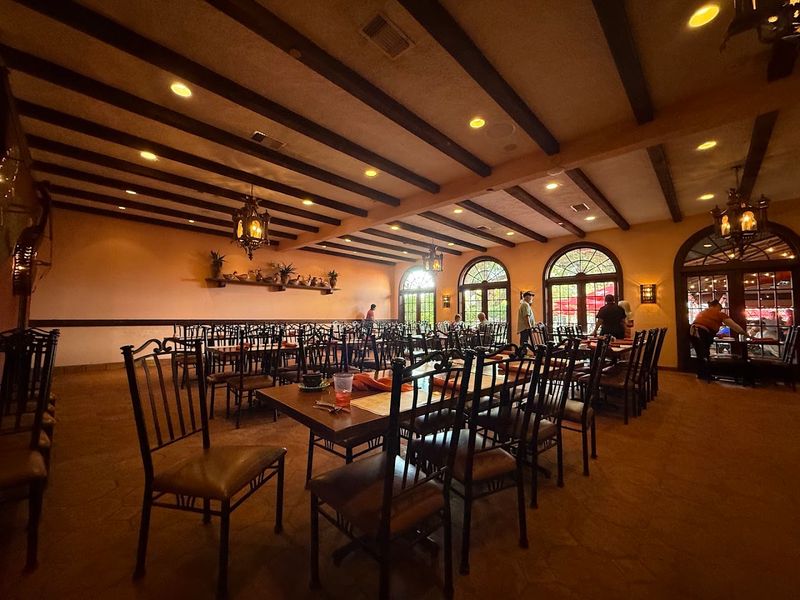
In 1986, the family moved the restaurant south without asking the enchiladas to change careers.
The current South Lamar location gave Matt’s more space than its earlier homes, allowing the restaurant to serve larger crowds while keeping the family’s scratch-made approach intact.
Decades later, the building remains one of Austin’s most recognizable Tex-Mex addresses.
The move could have weakened the neighborhood connection. Instead, South Lamar became part of the restaurant’s identity as the city expanded around it.
Generations who first visited with parents now return with children, each group arriving with its own preferred order and firm opinions about queso.
The larger menu now reaches beyond the earliest cafe plates. Fajitas, tacos, seafood, grilled steaks, flautas, tamales, carne guisada, and Tex-Mex combination dinners give the dining room plenty of reasons to stay busy.
Still, growth has not erased the original scale of hospitality. The restaurant may serve far more people than the ten-table cafe, but the family history keeps dinner from becoming anonymous.
Austin kept building upward and outward. Matt’s simply made more room at the table.
A Texas Treasure Still Earns The Next Visit
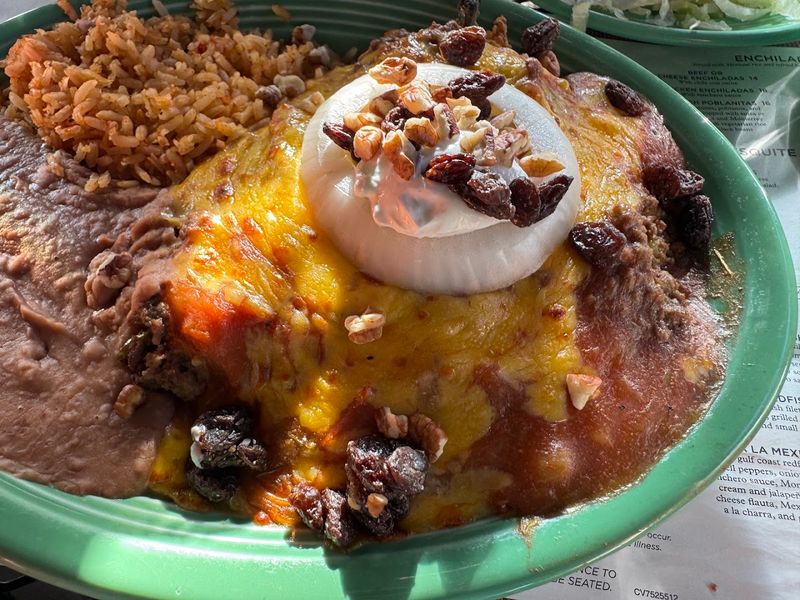
In 2017, Matt’s El Rancho received the Texas Treasure Business designation, a recognition that honors businesses with long histories and meaningful contributions to the state’s economy.
That designation put an official stamp on something Austin residents had already known for generations. This restaurant is not just a good place to eat. It is part of the cultural fabric of the city.
Seven decades of service means the restaurant has fed multiple generations of the same families. Grandparents who discovered the spot in the 1960s have brought their children, who in turn have brought their own kids.
That generational loyalty is visible on busy weekends when the dining room fills with parties of every age, all drawn by the same thing that started it all back in 1952.
What keeps a restaurant relevant for over seventy years is not a single dish or a catchy concept. It is the daily commitment to doing things the right way, even when it is harder.
The scratch cooking, the family stewardship, the consistent flavors, and the welcoming atmosphere all add up to something that trends cannot manufacture.
Matt’s El Rancho keeps earning its place in Austin not because of its history alone, but because it keeps showing up and delivering every single service.