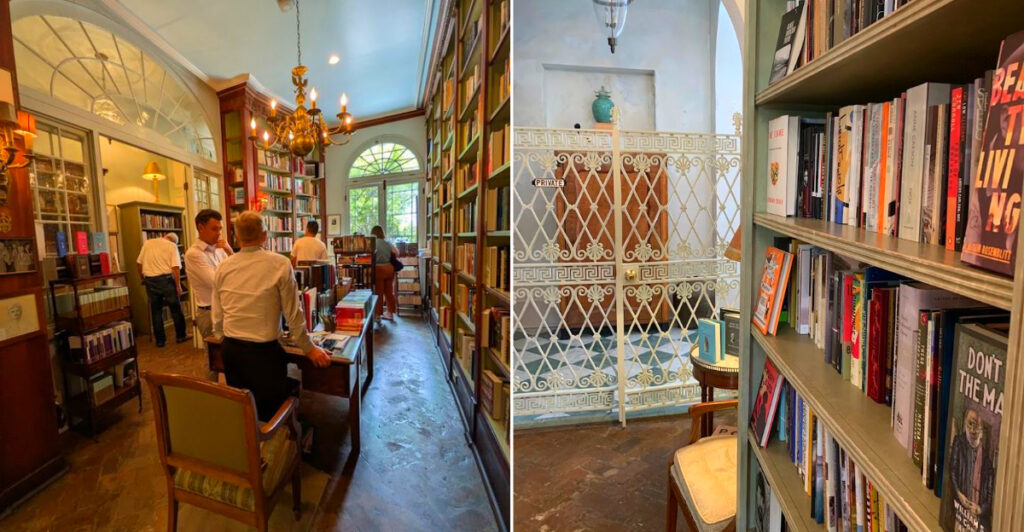
I walked past the door twice before I noticed it. Tucked into a narrow alley off one of the most photographed squares in the country, the entrance gives nothing away. That is precisely the point. Inside, books line every wall from floor to ceiling.
The whole space feels more like a private library than a shop. The building holds a literary secret that most visitors never learn, because the only clue is a small plaque you have to know to look for.
Southern literature fills the shelves, from first editions to writers whose names you recognize from reading lists you forgot you had. The history inside these walls shaped the way an entire region tells its stories.
Walking through the door feels like stepping into a conversation that started long before you arrived. Most people walk past the literary history inside this Louisiana French Quarter bookstore without ever knowing it is there.
Echoes Of A Literary Beginning
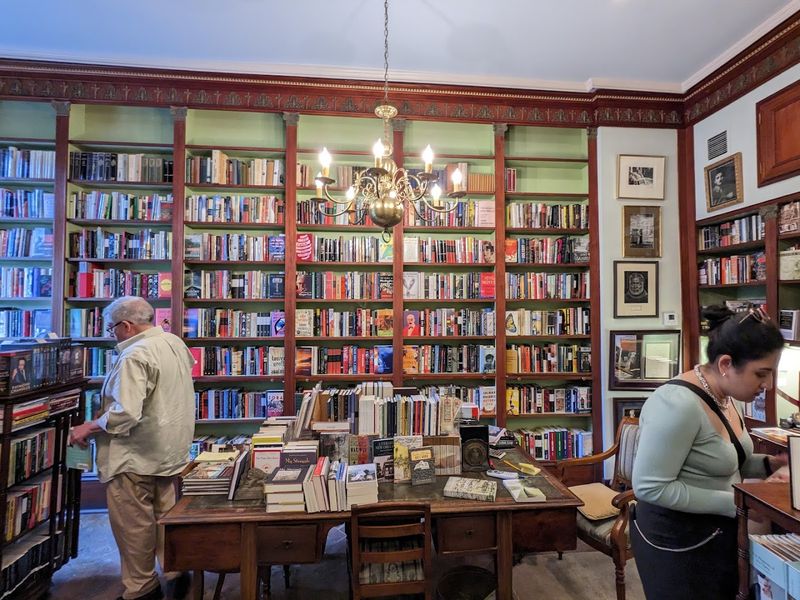
The building at 624 Pirate’s Alley carries an undeniable literary provenance that frames the shop’s small footprint. William Faulkner lived here in the 1920s while composing early drafts of his first novel, and that provenance is palpable in how the rooms are arranged and curated.
A small plaque and period details acknowledge the connection without becoming a shrine; the focus remains on books themselves.
Knowing this history deepens the browsing experience, turning ordinary titles into conversation pieces tied to a specific place in Faulkner’s timeline.
The designation as a Literary Landmark in 1993 added formal recognition, but the single best way to appreciate the legacy is to spend a quiet half hour with a slim paperback in hand and imagine the same light falling on those earlier drafts decades ago.
The Bookstore Begins Where Cars Lose Access
Faulkner House Books is at 624 Pirate’s Alley in the French Quarter of New Orleans, Louisiana, beside Jackson Square and behind the Cabildo. Approach the area by way of Chartres Street, Royal Street, or Decatur Street, then continue toward the square on foot.
The final stretch slips into the narrow pedestrian alley beside St. Louis Cathedral. Walk away from Jackson Square through Pirate’s Alley and look for the small, understated bookstore entrance built into the historic row rather than expecting a conventional street-facing shop.
There is no parking at the bookstore itself. Use a public garage or legal metered space outside the pedestrian core, then walk through Jackson Square or around the Cabildo to reach Pirate’s Alley and number 624.
Curated Southern Soul
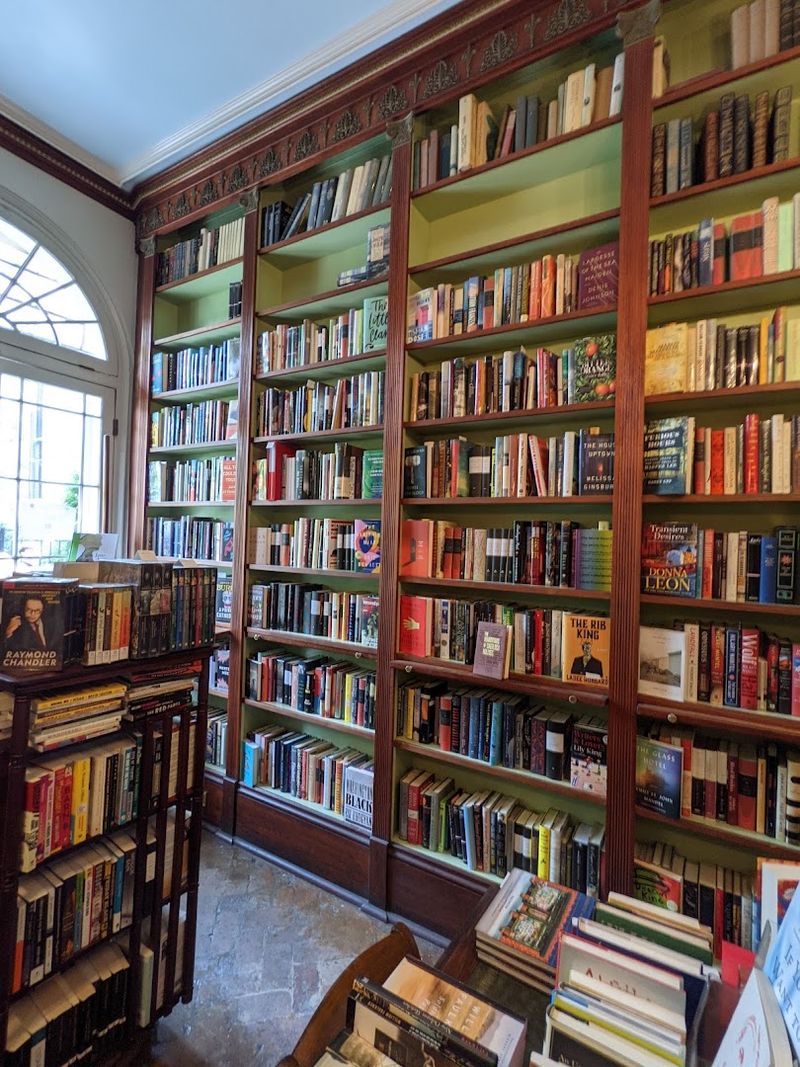
The inventory at Faulkner House Books reflects a patient, deeply informed hand that favors Southern voices and first editions.
Shelves bring together canonical writers such as Faulkner, Flannery O’Connor, Eudora Welty, Walker Percy, and Tennessee Williams, but the selection also includes lesser-known regional authors and local-interest titles.
Many special items are kept behind glass or in a desk display, signaling their rarity and encouraging thoughtful consideration rather than impulse picking.
The curation rewards readers curious about southern literature’s textures and themes: regional preoccupations, gothic leanings, and the complexities of place.
Staff recommendations feel tailored rather than rote, and the collection’s quiet coherence makes it easy to follow a thematic thread from shelf to shelf until you find something that surprises and satisfies in equal measure.
A Gallery Of Words
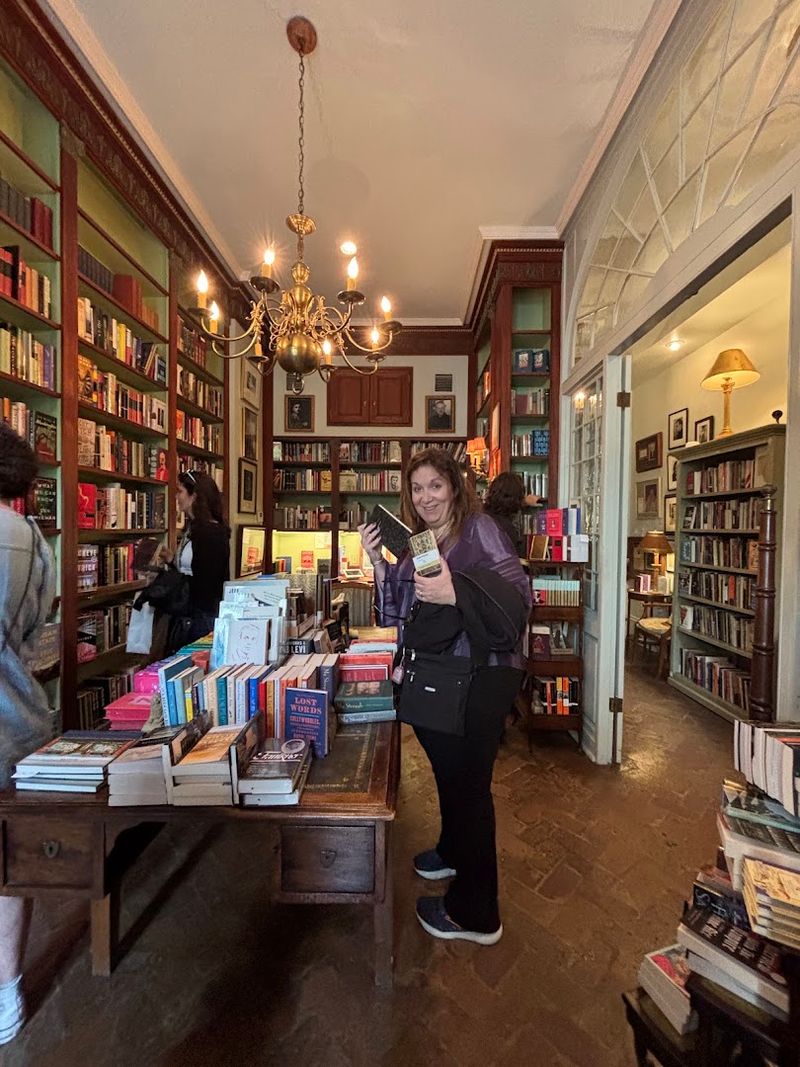
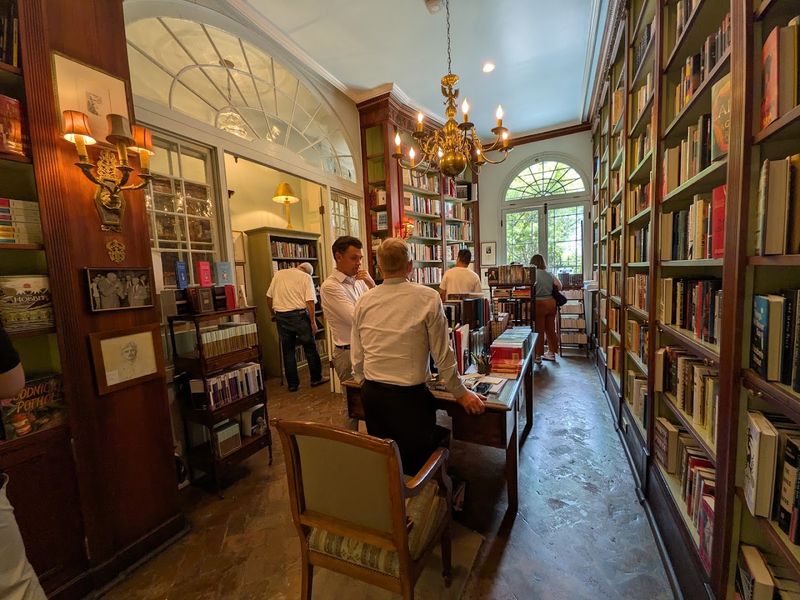
The shop’s interior feels curated like a small museum where books are both artifacts and living objects to be handled. Antique mahogany bookcases, old photographic prints of authors, and a few well-placed armoires form a backdrop that highlights the books without competing for attention.
Poetry occupies a particular niche, often shelved or tucked inside a side wardrobe, inviting readers to pause and sample a few lines aloud if they wish.
Because the footprint is compact, every display choice matters and communicates the shop’s priorities: preservation, reverence for authorship, and an invitation to slow reading. That gallery-like atmosphere reframes a simple purchase into a quiet act of stewardship toward the literary past contained within those shelves.
Practical Entry Tips
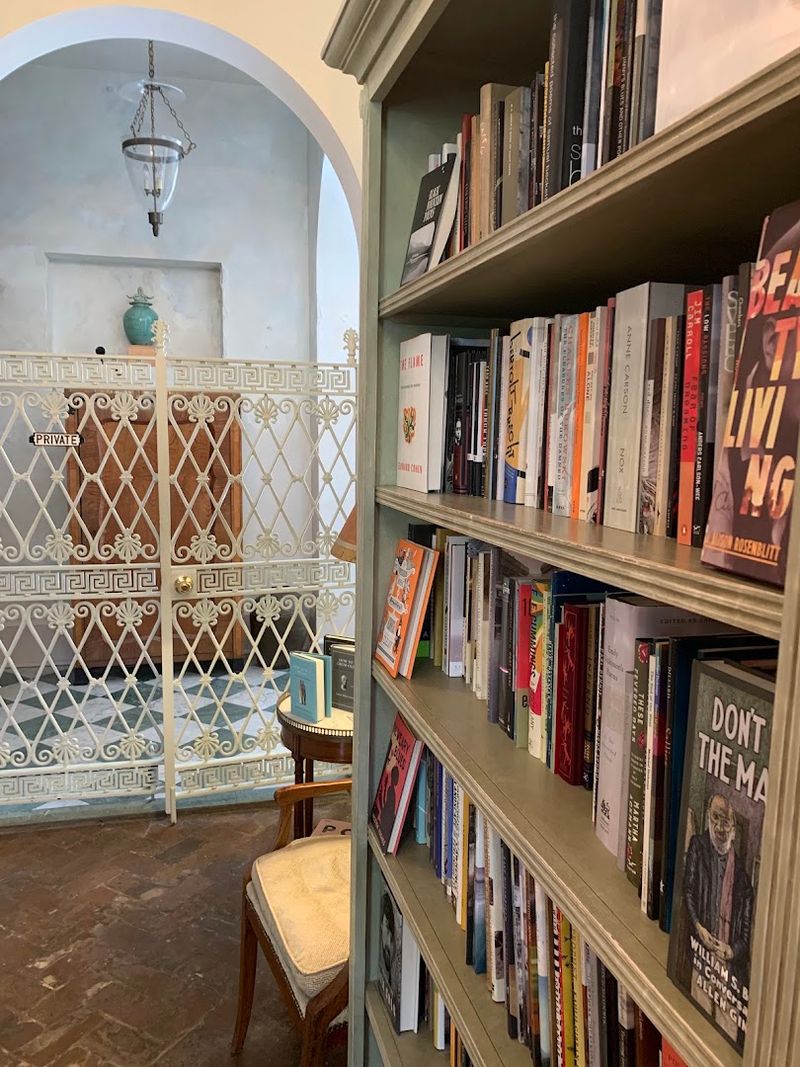
Because the shop is tiny, plan for brief waits during peak hours near Jackson Square and midafternoon on weekends. The owner and staff often enforce a limited number of visitors inside at once to preserve the quiet browsing experience, so patience is part of the visit.
Arrive early in the day for a calmer atmosphere and more room to move around if you want to linger over first editions.
Phone details and hours are posted online, and the shop typically closes at 5 PM daily, so schedule visits accordingly. If you have a specific title in mind, calling ahead can save time; otherwise accept the unhurried pace as part of the charm and let the constraints shape a slower, more attentive encounter with the books.
Scent And Memory
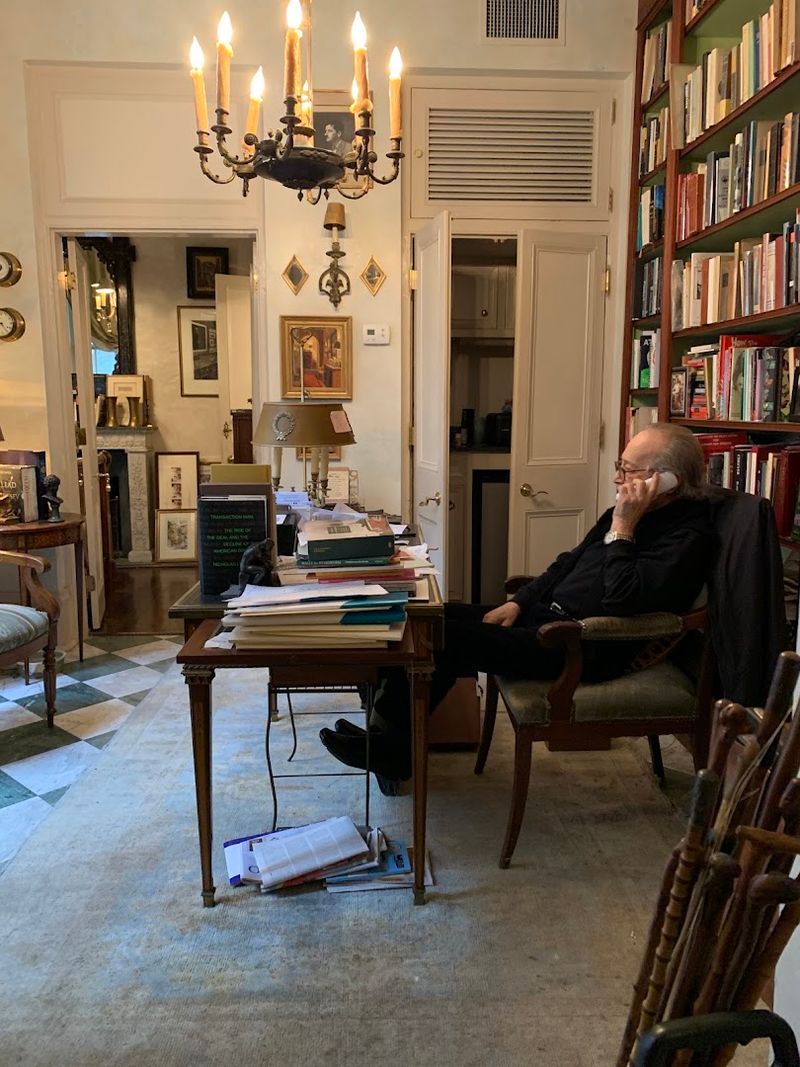
The smell inside the shop is a layered memory of old paper, leather bindings, and polished wood; it’s an olfactory shorthand for a place that values the physical book. That scent can trigger a kind of focused nostalgia, encouraging visitors to handle titles gently and read a sampling at the small desk or by a window.
It’s a sensory detail that frequently becomes part of people’s recollections of the visit. Because of that atmosphere, bring an open curiosity rather than a quick shopping list.
Letting your senses guide a few minutes of browsing often produces more memorable finds than a targeted search, and the sensory richness of the shop enhances whatever book you eventually carry out into the alley and back into the city’s sunlight.
Architecture And Intimacy
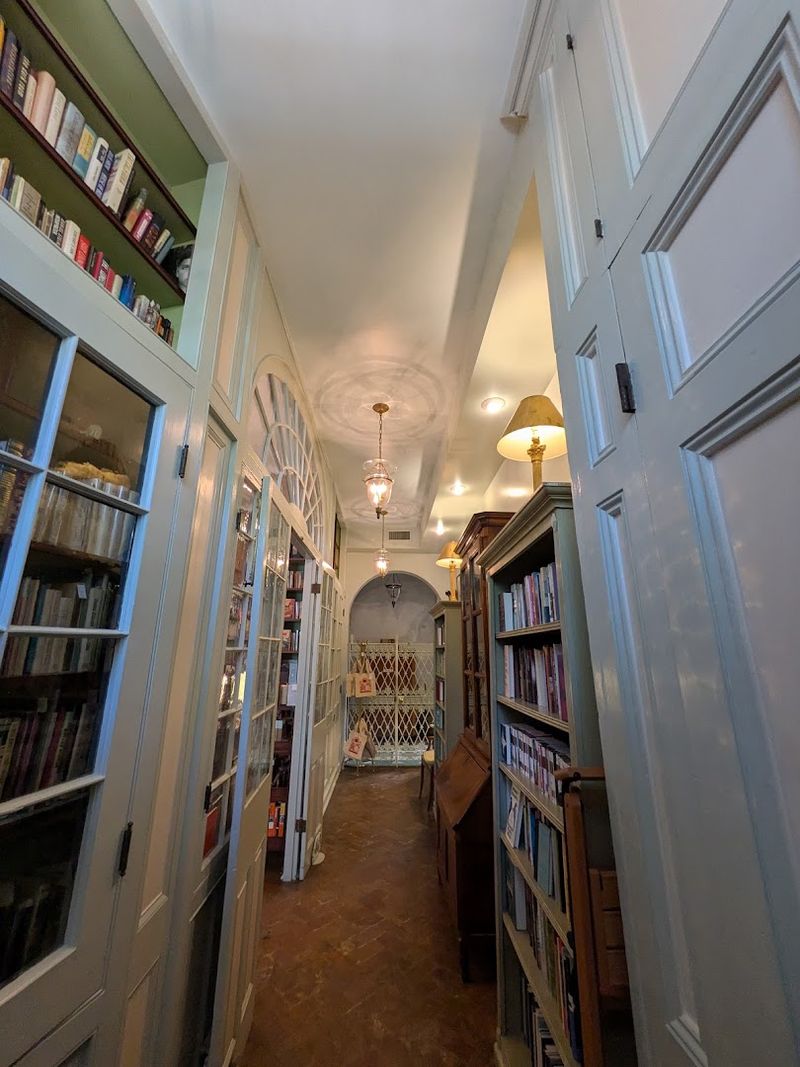
The store’s home is an 1837 townhouse with classic French Quarter proportions, narrow frontage, tall ceilings, and a living-room scale that translates into intimacy inside.
Architectural details like original moldings and worn floorboards contribute to a sense of continuity between the building’s past life and its present use as a bookstore.
The small rooms emphasize human-scale encounters with books, rather than overwhelming displays.
This architecture supports the shop’s temperate pace and invites close attention; curatorship feels like a natural outcome of working within such measured spaces.
Appreciating the physical structure adds another layer to the visit and deepens the impression that you are stepping into a preserved piece of literary history rather than a converted retail space.
Staff And Shopkeeping
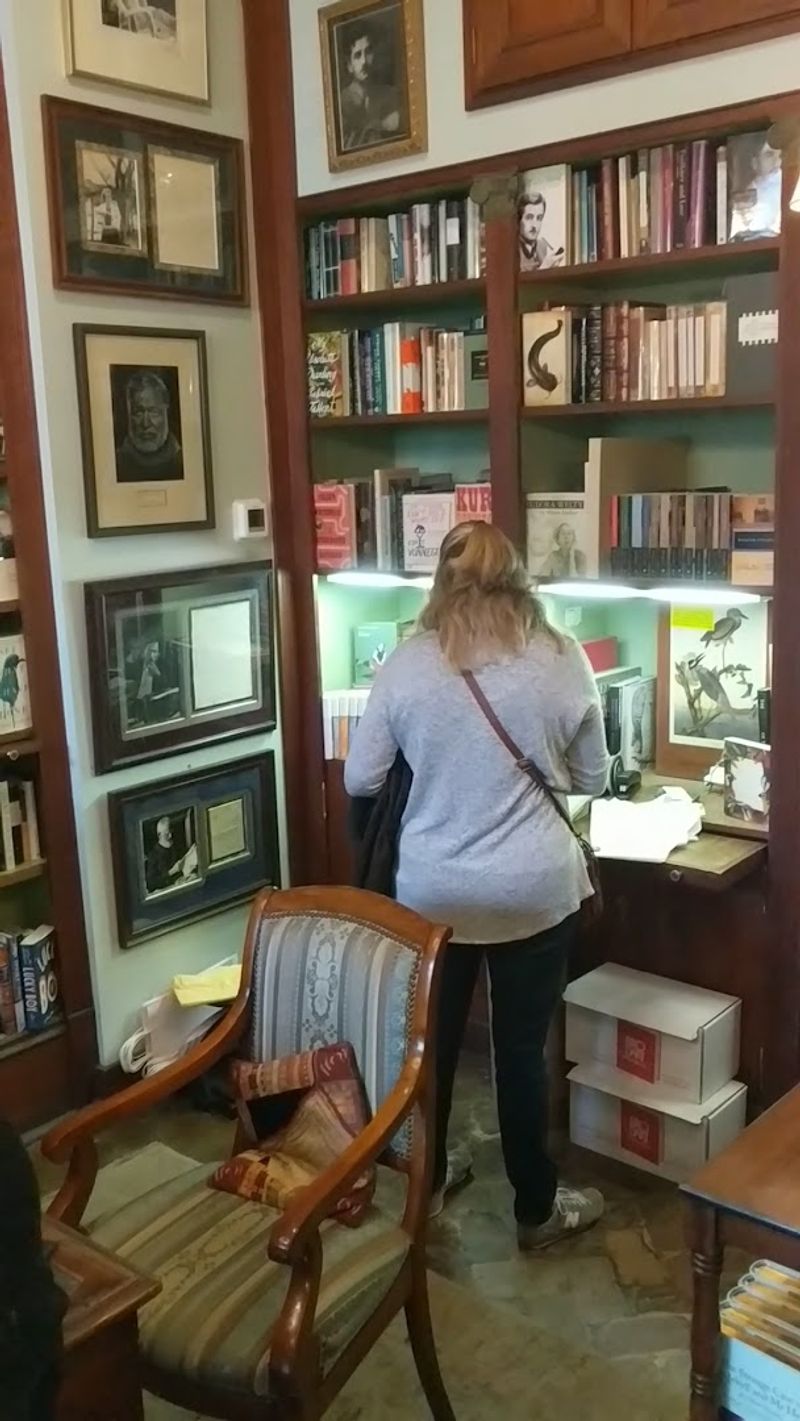
The people who run Faulkner House Books tend to be quietly knowledgeable and gently helpful, favoring conversation that feels personal rather than performative.
Staff often recommend titles based on a few conversational clues, and their suggestions usually reflect a depth of familiarity with southern literature and local authors.
Many reviews mention the warmth and assistance of the shopkeeper as integral to the experience.
If you want help, mention a favorite author or theme and trust the shop’s instincts; if you prefer silence, staff respect that too. Their approach supports a low-pressure environment where discovery feels collaborative and the shop’s stewardship of rare items comes through in careful, unobtrusive guidance rather than hard sell tactics.
Seasonal Light And Atmosphere
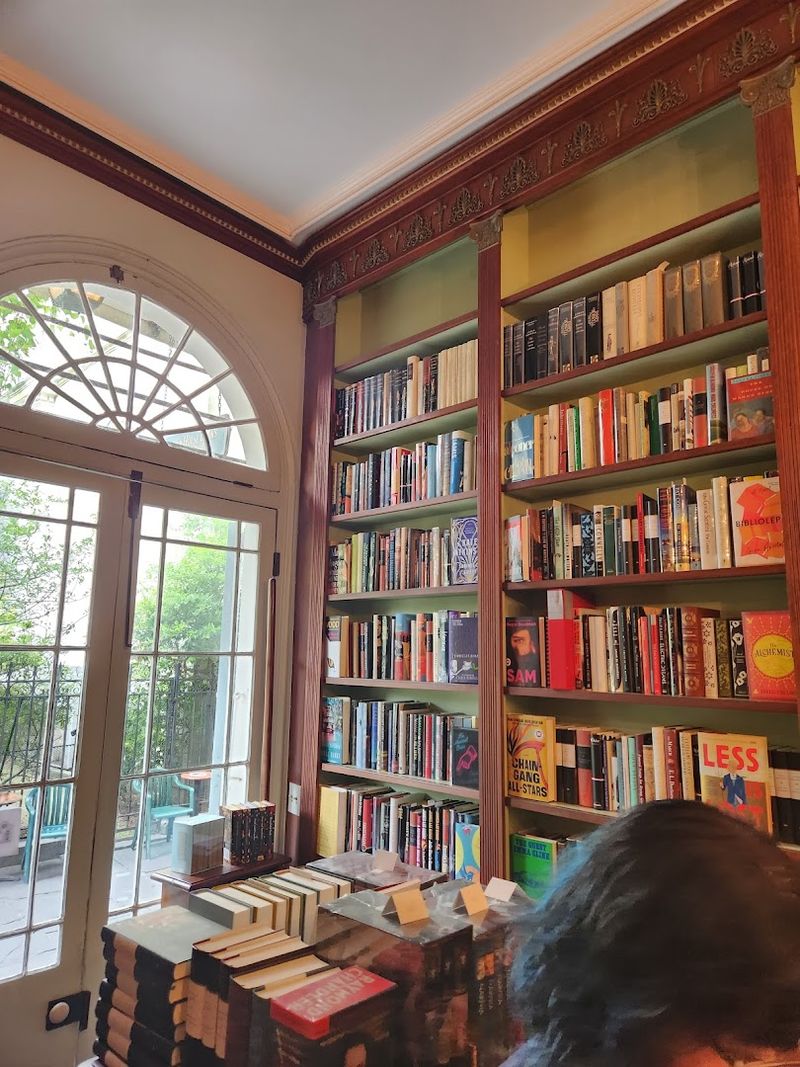
The shop’s mood shifts with daylight and seasons; morning light produces a crisp, almost cool calm while late afternoon offers a golden hush that seems to deepen the pages’ colors. During quieter seasons or weekdays the experience feels meditative, whereas busier tourist periods create a gentle turnover of readers and discovery.
The small footprint means light and time of day significantly shape how the space reads to a visitor.
Choosing your visit time can thus tailor the experience: early for solitude and careful research, later for ambient warmth and a steady stream of fellow literature-lovers. Either way, the interplay of light, wood, and paper makes the store feel like a living room of literary memory that responds to the day outside.
Detail Spotlight, Rare Finds
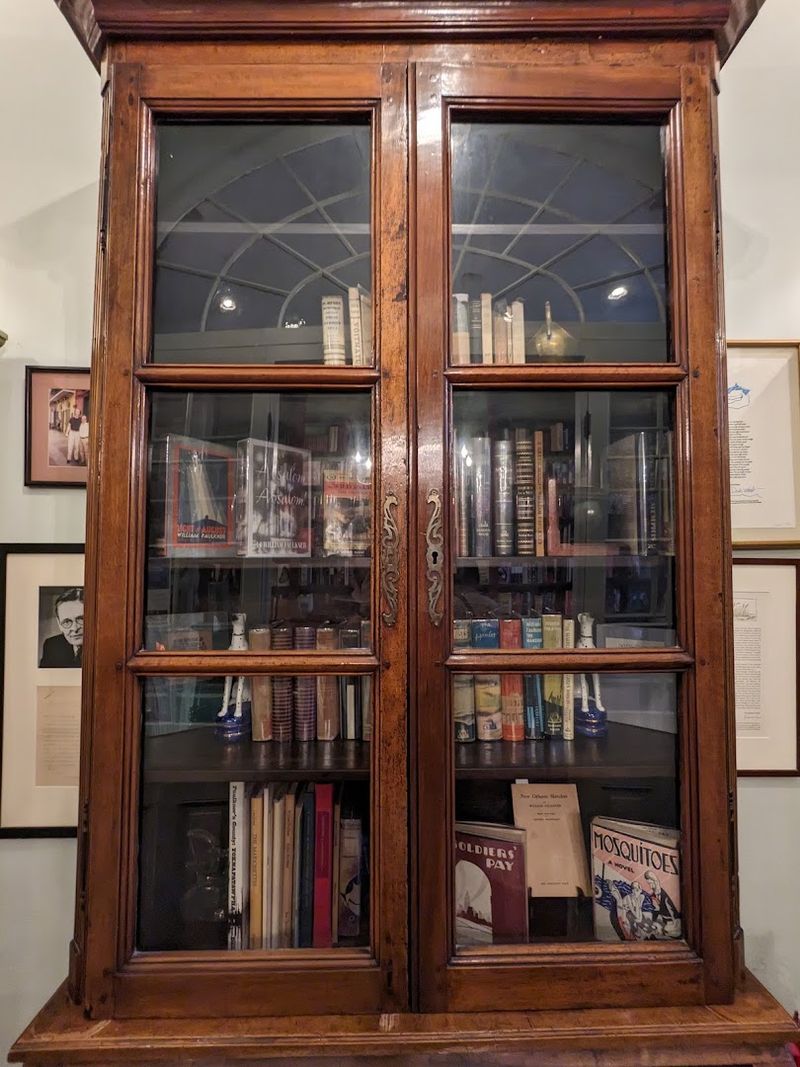
Some of the shop’s most compelling elements are the small, secured displays of rare or signed editions that reward attentive visitors. These items are often tucked behind a desk or in a glass case, each with a provenance note or placard when appropriate.
Spotting a first edition or a signed volume among more common copies is a quiet thrill that feels fittingly private in such a modest setting.
If you want to examine a rare volume, ask politely and staff will often unlock a case or retrieve a book for closer inspection.
Treat those moments with patience and respect; handling is typically supervised and the shop’s care for rare material underscores a broader ethic of preservation and responsible collecting within its compact, historic home.
Leaving With A Sense Of Place
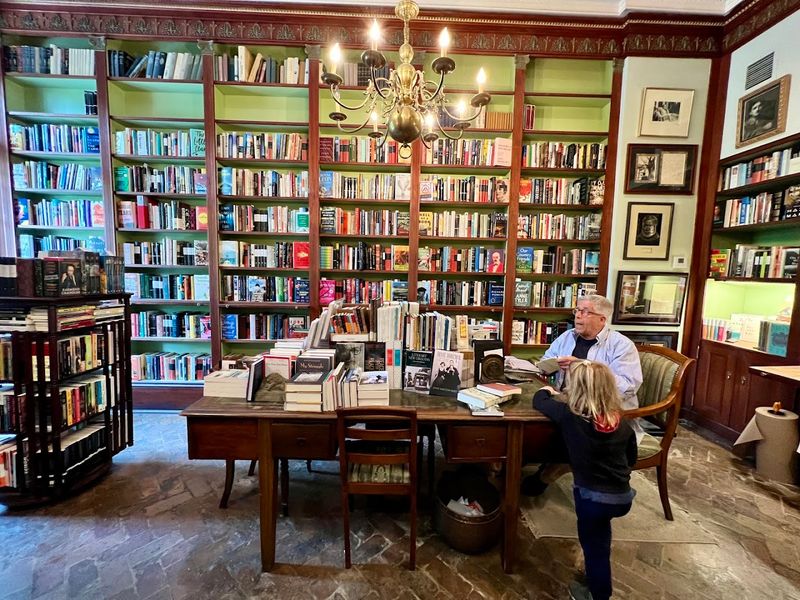
Walking back into Pirate’s Alley with a new book in hand carries a satisfying sense of continuity between the city and the shop’s intimate interior world. The purchase feels like a souvenir not of a tourist stop but of a meaningful conversation with a place and its history.
The book’s spine often becomes a mnemonic, a way to recall light, scent, and the soft hush of the visit long after you leave.
Try to leave with more than a quick impulse buy; let the space suggest a title that will keep giving over time. Returning visitors often report that the memory of the shop grows richer with each subsequent visit, as the building, the books, and the quiet of Pirate’s Alley accumulate into a layered personal archive.