A small mountain town sounds lovely until the practical questions start lining up.
Is everyday life manageable? Is medical care nearby? Can you keep things simple without feeling cut off?
This Montana community gives retirees a few useful answers.
Home values have remained below the statewide typical level, which can make the town easier to consider than some better-known parts of the state.
Prices have been rising, though, so it still pays to look carefully rather than assume small automatically means cheap.
The town also has its own medical center and a compact downtown.
Outdoor recreation stays close, and local history gives you something to explore without turning every afternoon into a full excursion.
So the appeal is not about chasing the lowest number.
It is about finding a smaller place that still handles everyday life well.
Small-Town Living Keeps Daily Errands Fairly Simple
Deer Lodge is an incorporated city in Powell County, not part of Anaconda-Deer Lodge County. That distinction matters because the names are easy to mix up when you are looking at maps, housing data, or local services.
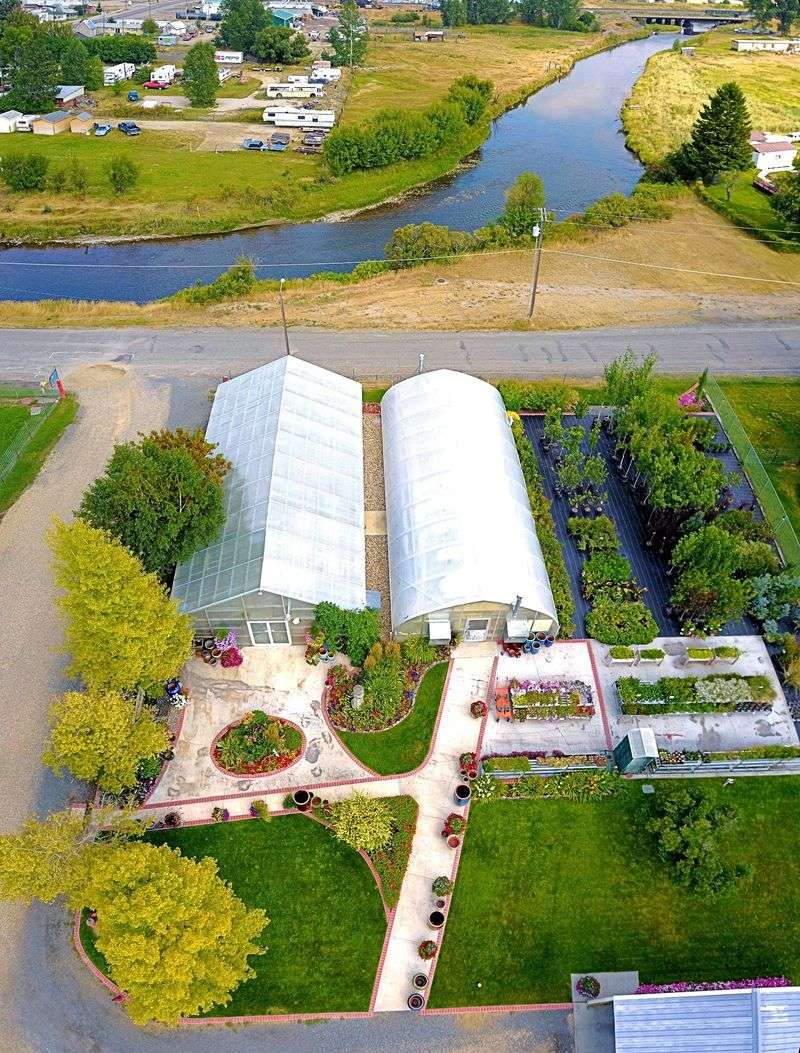
The center of town is compact, and Main Street handles much of the everyday orientation. Basic errands can be grouped into a short loop rather than spread across a large metro area.
For retirement planning, that smaller scale can be useful. Groceries, appointments, and routine stops do not automatically require long stretches of city traffic, and a familiar route can become easy to learn quickly.
There are trade-offs. Deer Lodge does not offer the shopping range or specialty services of a larger Montana city, so some purchases and appointments may still mean a trip elsewhere. Butte is the larger regional center to the southeast, while Missoula lies farther west.
A scouting visit can answer questions that housing numbers cannot. Spend an ordinary weekday in town rather than treating it only as a sightseeing stop.
Drive the streets you would actually use, check the stores you would rely on, and see how the pace feels when there is no vacation itinerary to follow.
Home Values Sit Below Montana’s Typical Level
In August 2026, the typical home value in Deer Lodge was about $304,000. Montana’s statewide typical value was roughly $472,000 during the same period.
Local values were up about 5.7 percent from the previous year, so buyers still need current figures when comparing neighborhoods, property types, and monthly costs.
For someone selling a home in a more expensive market, the difference may create more room in the budget. That could mean buying with a smaller mortgage, keeping more savings invested, or leaving extra space for travel, home repairs, and other retirement expenses.
The purchase price is only one piece of the monthly picture. Heating costs matter in a Montana winter. Insurance, property taxes, maintenance, and the condition of an older house can change what a seemingly affordable property costs over time.
Inventory can also be limited in a small market. In August 2026, Deer Lodge had only a few dozen homes listed for sale, so finding the right property may take patience.
City Hall is at 300 Main Street, Deer Lodge, MT 59722, placing local government in the center of town rather than on the edge of a sprawling municipal complex.
Use current listings, inspect carefully, and compare the full cost of ownership rather than focusing on one number alone.
Local Health Care Covers More Than Basic Checkups
A smaller town can feel less practical if every medical appointment requires a highway trip. Deer Lodge has its own medical center with a range of services available in town.
The emergency department operates around the clock.
Deer Lodge Medical Center also provides imaging, laboratory services, rehabilitation, cardiac and pulmonary rehabilitation, oncology and infusion care, orthopedic services, surgery, transitional care, and a rural health clinic.
That gives retirees more options for routine care and follow-up without automatically heading to a larger city. Specialty providers also visit the clinic in several fields, although individual availability can vary.
No small-town hospital covers every specialist or major procedure. Complex care and some specialty appointments may still require travel, so anyone managing an ongoing condition should compare specific needs with what is available locally.
For everyday planning, nearby emergency care and a broad group of services can reduce the number of trips out of town. A lab visit, rehabilitation appointment, or routine clinic stop may stay within Deer Lodge.
Before moving, check your insurance network and the doctors you use most often. Retirement planning gets easier when those details are clear before the moving boxes arrive.
Grant-Kohrs Ranch Adds More Than A Quick History Stop
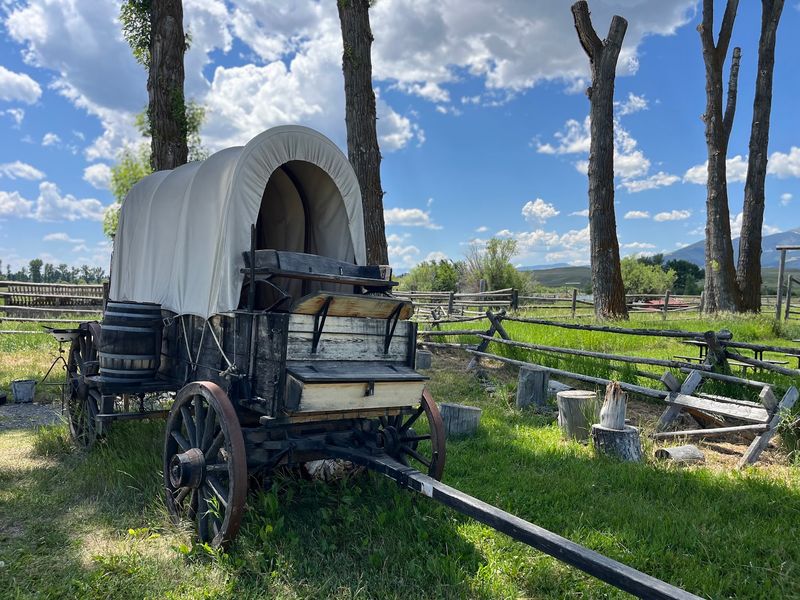
Just outside the center of Deer Lodge, Grant-Kohrs Ranch National Historic Site preserves a major piece of western cattle-ranching history. The site covers about 1,600 acres and remains a working cattle ranch.
The property traces its ranching story to 1862, when Johnny Grant established the ranch. Conrad Kohrs purchased it in 1866 and expanded the operation, eventually building a cattle enterprise with grazing interests spread across a huge section of the West.
Today, the national historic site preserves the ranch house, barns, bunkhouse, blacksmith shop, cattle sheds, and dozens of other historic structures. Visitors can also use nearly ten miles of ranch roads and trails.
That gives local residents more than a one-time attraction to show visiting relatives. The landscape changes with the seasons, and programs can include historic ranch-house tours and living-history demonstrations.
If history is part of your retirement routine, you do not need a long road trip to spend a few hours around preserved ranch buildings and open pasture. Another visit can focus on a program, a trail, or a different part of the grounds.
Give yourself enough time to walk at an easy pace and check seasonal access before heading out.
The Old Montana Prison Anchors A Whole Museum Complex
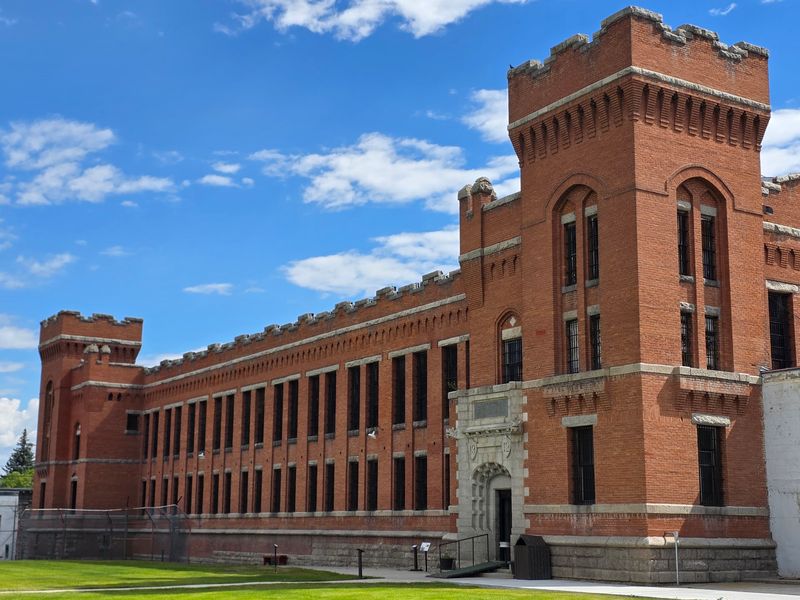
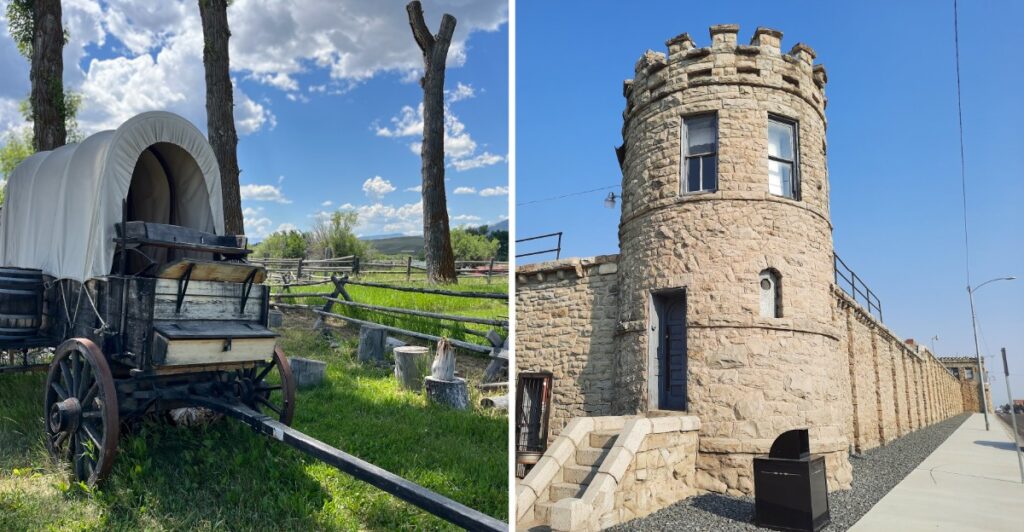
Deer Lodge has another major historical attraction right along Main Street. The Old Montana Prison Complex brings several museums together at one site, with the former prison at the center.
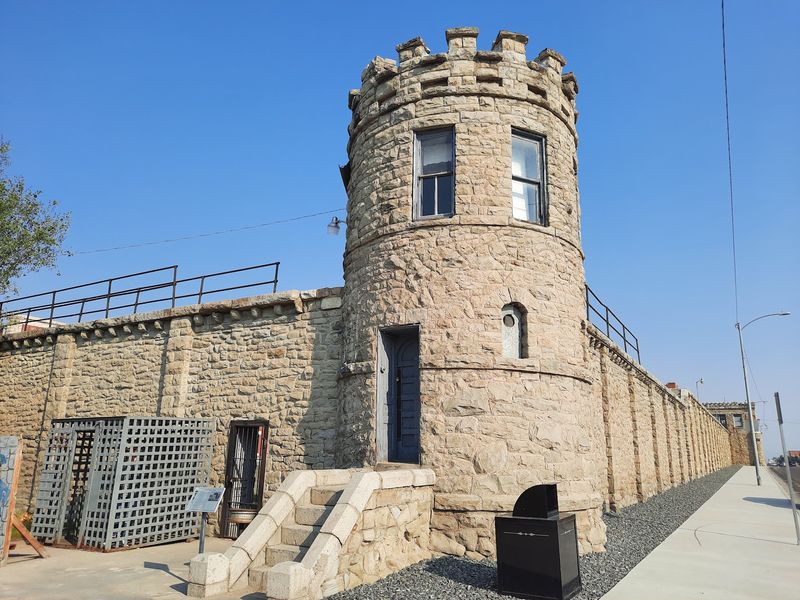
The old territorial prison opened in the nineteenth century and later became one of Deer Lodge’s defining landmarks. Its stone walls, cell blocks, and enclosed yards are now part of a museum experience rather than an operating correctional facility.
A standard admission covers five attractions in the complex, including the prison and the Montana Auto Museum collection. Hours change by season, with the complex operating daily through much of spring, summer, and fall before a winter closure.
For residents, that gives visiting family or friends an easy local outing. One afternoon can be built around the prison complex, while another can go toward Grant-Kohrs Ranch.
The seasonal schedule matters, especially outside summer. Check the calendar before promising an out-of-town guest a tour in the colder months.
With both attractions close to town, a free afternoon can stay local instead of turning into a highway trip.
The Valley Keeps Outdoor Time Close To Home
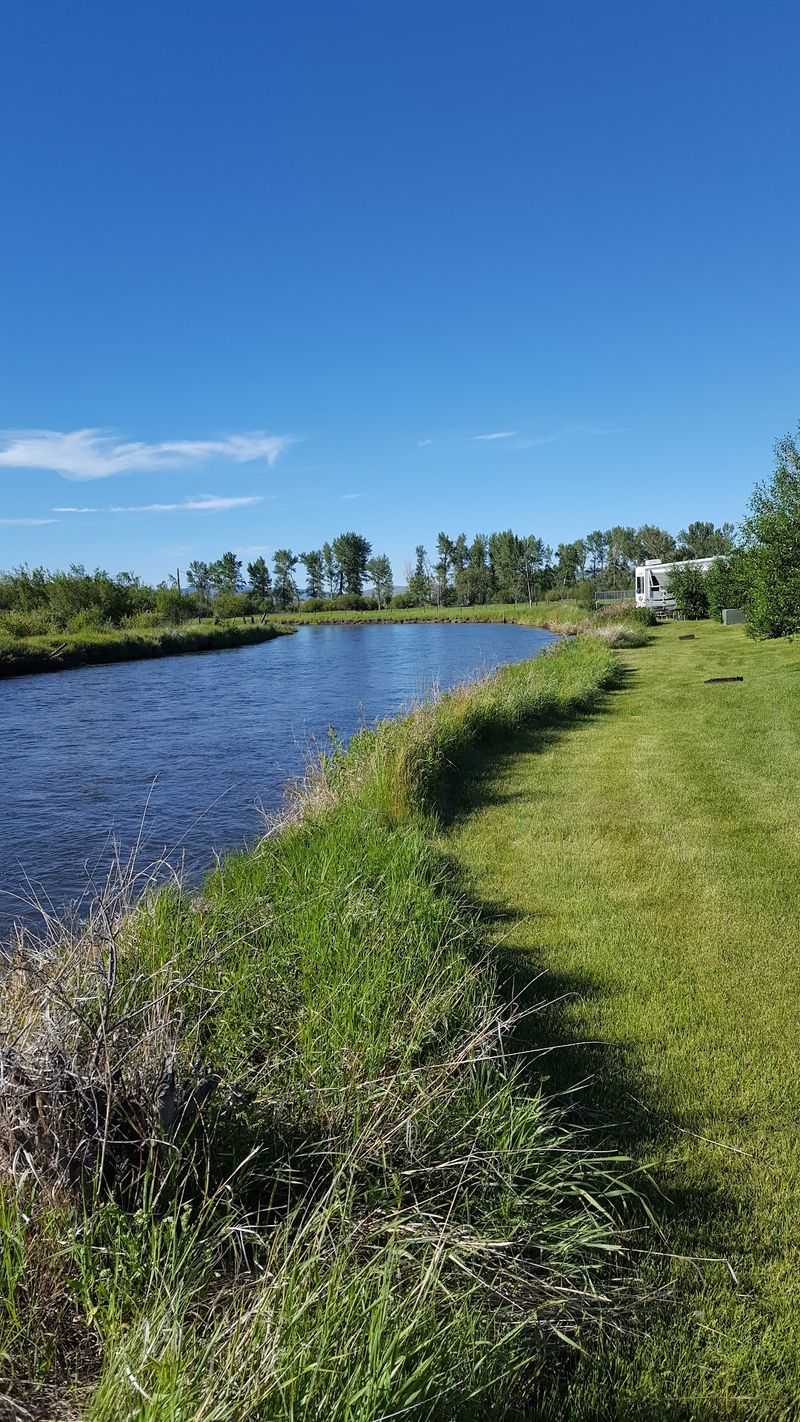
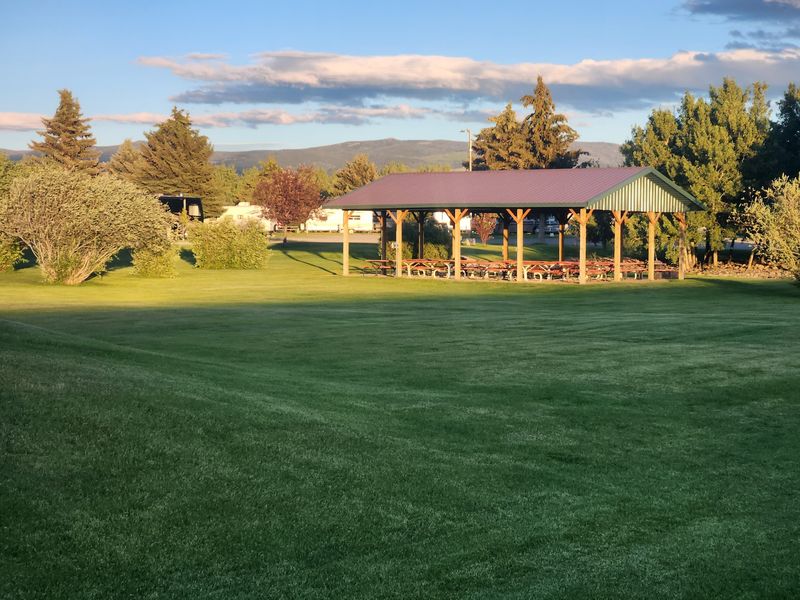
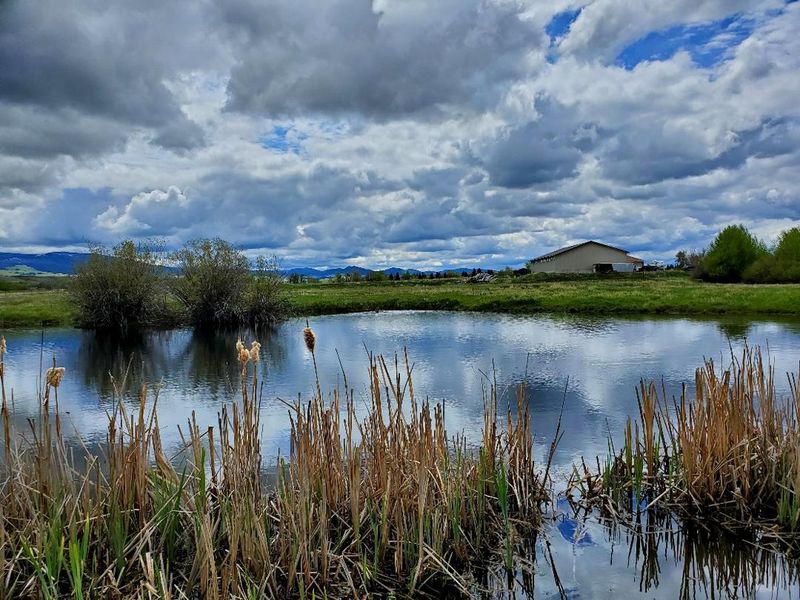
Deer Lodge sits in a broad valley shaped by mountains, open ranch land, and the upper Clark Fork watershed. That setting puts outdoor time close to town without requiring every outing to become a major expedition.
Grant-Kohrs Ranch already provides miles of walking routes, but the larger region opens the door to fishing, camping, wildlife watching, scenic drives, and access to public lands.
The trick in retirement is matching the outing to the day. Some mornings may call for a longer drive into the mountains. Others may be better suited to a short walk, a camera, and an hour outside before lunch.
Montana weather deserves respect in every season. Conditions can change quickly, winter driving can require more preparation, and higher elevations may stay colder than town.
Fishing and other regulated activities also come with current state rules and licensing requirements. Check those before heading out rather than relying on what applied the previous season.
The range of options lets you adjust the day to energy, weather, and how far you feel like driving. A quieter afternoon outdoors does not have to become an all-day mountain trip.
For someone retiring from a larger metro area, that can make outdoor time easier to fit into an ordinary week.
Retirement Here Still Comes With Trade-Offs To Weigh
Deer Lodge combines several practical features that matter when comparing smaller retirement towns. Home values currently sit below Montana’s statewide typical level, medical care is available locally, and the town has historical and outdoor options close to home.
The smaller scale also means accepting limits. Shopping choices are fewer, some specialists require travel, and winter is not a minor footnote. Snow, cold temperatures, heating costs, and winter driving belong in both the budget and the lifestyle discussion.
A useful test is to visit in more than one season. Summer can make almost any mountain town feel straightforward. A colder-weather visit tells you more about roads, daylight, heating, errands, and how much time you are comfortable spending indoors.
Talk to a local insurance agent, compare current housing listings, check medical networks, and drive the routes you would use for bigger-city services. Those ordinary details reveal more than a weekend packed with attractions.
If the town still feels comfortable after you have checked the practical side, then the quieter streets, nearby health care, historic sites, and access to the valley can become part of the everyday picture rather than just reasons for a short visit.