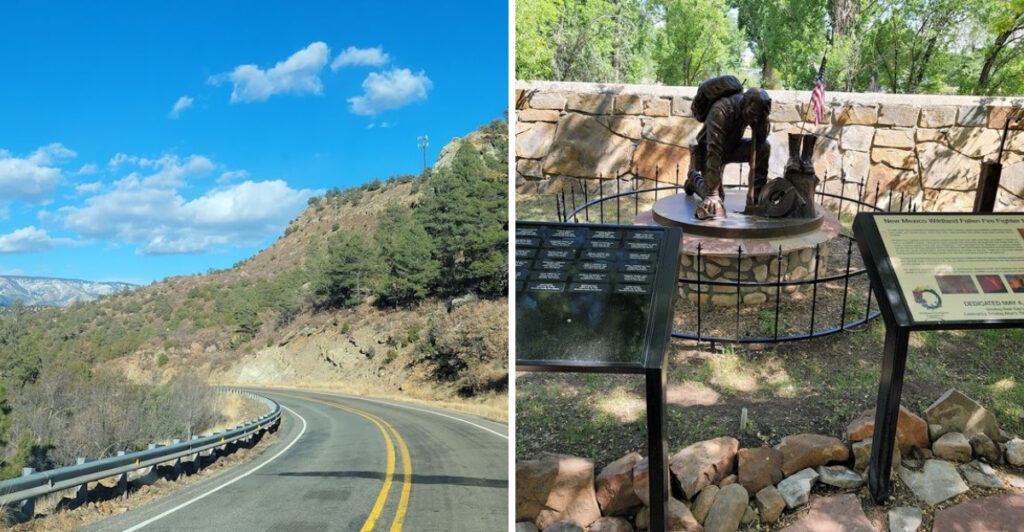
This New Mexico village has a way of making a small arrival feel like a scene. The mountains sit close, the road feels unhurried, and the storefronts seem to have grown into the sunlight.
Then comes the reason many people stop in the first place. Smokey Bear was not just a name on posters.
He was a rescued cub from a 1950 wildfire, and that story still gives this place a steady emotional pull. You feel it most in the quiet parts, when there is no crowd and no big buildup.
A sign can stop you. A stretch of road can linger in your mind.
The history lands softly, but it lands. That is the charm here.
Nothing has to shout. The village lets you come closer at your own pace, and before long, a simple stop starts feeling like a memory before you leave the same afternoon somehow too.
A Quiet Main Street With Western Soul
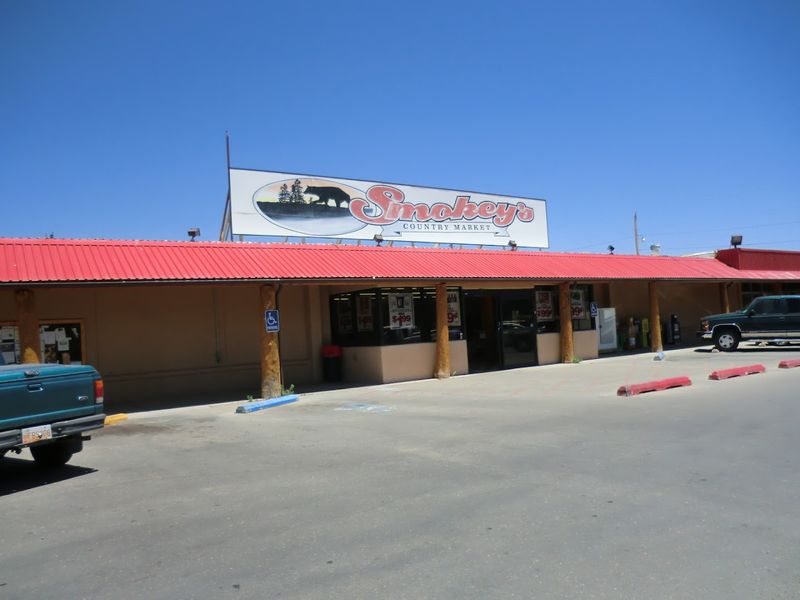
Some streets feel like they were built not just for traffic but for time itself to slow down a little.
The main street running through this village carries that exact energy, with low-slung storefronts, hand-painted signs, and sidewalks wide enough to actually stroll without bumping into anyone.
Western architecture mixes with practical desert design here, and the result is something that feels genuinely lived-in rather than staged for tourists.
Local shops sit side by side with small galleries and casual eateries, each one reflecting the personality of the people who run them.
Nothing feels chain-produced or cookie-cutter, which is exactly what makes the street so refreshing to walk.
Mornings are especially good, when the light hits the storefronts at a low angle and the whole block glows in warm amber tones.
Afternoons bring a steady trickle of visitors who slow their cars instinctively, drawn in by the unhurried atmosphere.
The street does not need neon signs or flashy attractions to hold your attention because the soul of the place does that work on its own.
Capitan, New Mexico 88316 puts its best face forward right here on its main drag.
Mountain Air Above The High Desert
At 6,350 feet above sea level, the air in this village has a crispness that city lungs are simply not prepared for.
That first deep breath when you step out of your car is almost a shock, clean and cool and laced with the faint scent of pine that drifts down from the surrounding slopes.
New Mexico’s high desert gets a reputation for being dry and flat, but Capitan sits in a completely different kind of landscape, where mountains rise sharply and the sky feels closer than it should.
The elevation keeps summer temperatures mild compared to the scorching lowlands, making it a genuinely comfortable place to explore on foot during July and August.
Spring and fall bring their own rewards, with wildflowers pushing through rocky soil and aspen groves shifting color in ways that feel almost theatrical.
Winter adds a quiet layer of snow to the mountain ridges above town, turning the whole area into something almost impossibly picturesque.
Each season here reads like a different chapter of the same compelling story.
The mountain air is not just a backdrop but a full sensory feature of the visit that stays with you long after you leave.
A Historic Stop With A Wildfire Legacy
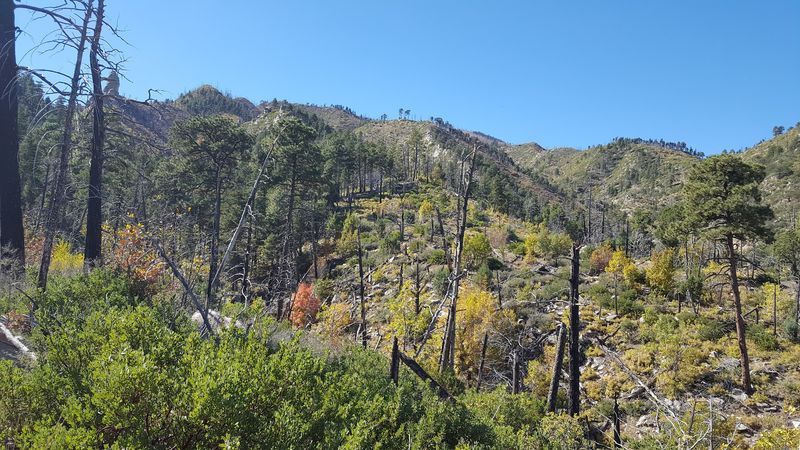
Back in 1950, the Los Tablos and Capitan Gap fires burned roughly 17,000 acres in the Capitan Mountains. Out of that devastation came one of the most recognized symbols in American conservation history.
A black bear cub was found clinging to a charred tree with badly burned paws, rescued by firefighters, and nursed back to health before being named Smokey Bear.
His story became a nationwide campaign for fire safety and forest preservation that generations of schoolchildren grew up knowing by heart.
Smokey eventually lived at the National Zoo in Washington, D.C. for 26 years, but when he passed in 1976, his body was returned to the place where his story began.
That decision to bring him home gave this small village a permanent connection to one of the most enduring conservation stories in the country.
The legacy of those 1950 fires shaped not just local identity but national policy around wildfire prevention and public education.
Visitors who arrive expecting a simple roadside attraction often leave with a much deeper appreciation for how one rescued cub changed the conversation around forest stewardship.
The wildfire legacy here runs deeper than any single exhibit can fully capture.
Rustic Corners Full Of Character
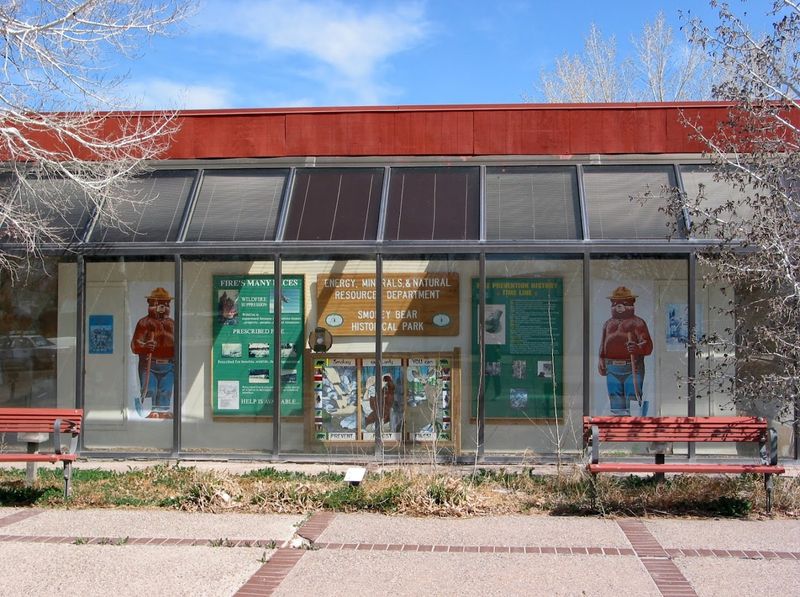
Every small town has corners that tell its story better than any guidebook ever could, and this village has more than its fair share.
Weathered wood, faded paint, and hand-lettered signs appear around nearly every turn, giving the impression that authenticity was never something anyone here had to try very hard to manufacture.
A rusted gate here, a porch with mismatched chairs there, a garden bursting with native plants tucked between two buildings that look like they predate the highway itself.
These details accumulate as you walk, building a portrait of a community that has grown organically rather than according to any master plan.
Local artists have left their marks on several walls and storefronts, adding color and personality without overwhelming the quiet character of the streets.
The village was founded in the 1890s and officially incorporated in 1941, which means those rustic corners have had well over a century to develop their particular charm.
Nothing feels forced or curated for effect, and that honesty is what separates Capitan from places that merely perform authenticity.
Each corner you turn here feels like a small discovery waiting to happen.
Pine-Framed Views Beneath Open Skies
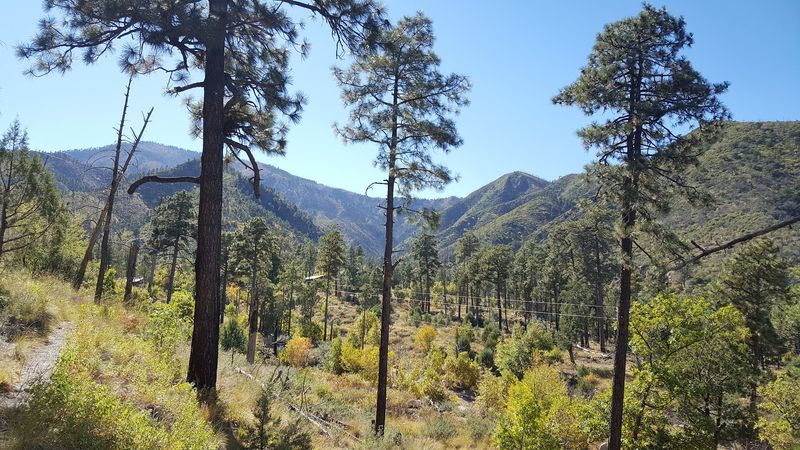
Few things prepare you for the visual scale of the landscape surrounding this village until you are actually standing in it.
Pine trees frame the edges of nearly every view, their dark green canopy acting as a natural border against skies that seem wider and bluer than anywhere else.
The Capitan Mountains to the north and the Sacramento Mountains to the south create a kind of natural amphitheater around the village, giving even a casual drive through town a sense of drama.
Lincoln County stretches out in every direction with a generosity of space that feels almost extravagant to anyone used to crowded urban landscapes.
Photographers tend to stop frequently along the roads leading into and out of town, and it is easy to understand why once you see the way the light moves across those pine-covered ridges in the late afternoon.
Stargazing is another reward that comes with the territory, since the low light pollution at this elevation and distance from major cities makes the night sky genuinely spectacular.
The pine-framed views here do not compete for your attention but simply hold it, quietly and completely.
New Mexico delivers this kind of scenery without apology or embellishment.
A Peaceful Park With A Famous Story
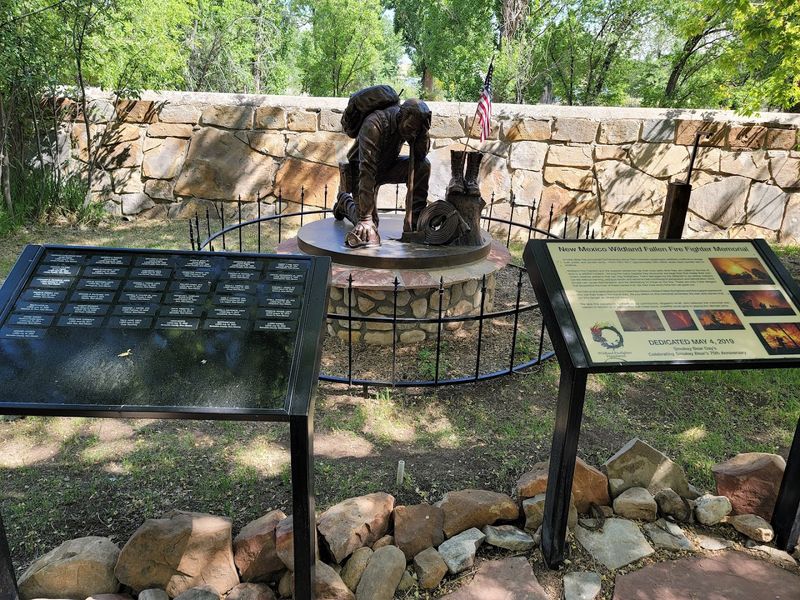
Most parks in small towns offer a bench, maybe a fountain, and a patch of grass to sit on.
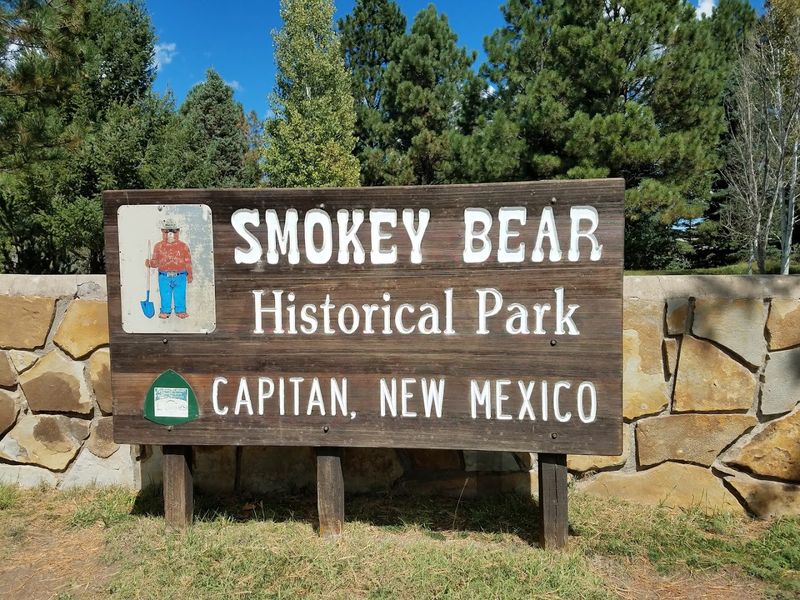
The Smokey Bear Historical Park here offers all of that plus one of the most quietly moving grave sites you will find anywhere in the American Southwest.
Smokey’s grave sits on the park grounds, simple and dignified, surrounded by trees and a gentle landscape that feels entirely appropriate for the bear who spent his life representing the protection of forests.
Indoor exhibits walk visitors through the full story of forest health, fire ecology, and the biology of black bears in a way that is accessible to kids without being condescending to adults.
Outdoor spaces invite you to slow down and actually read the interpretive panels rather than rushing past them, because the story they tell is genuinely worth your full attention.
Families with children tend to linger here longer than they planned, drawn in by the combination of education and genuine emotional resonance that the park manages to deliver.
The Smokey Bear Historical Park sits in Capitan, New Mexico 88316, and it earns every minute you give it.
Old-School Storefronts In Desert Light
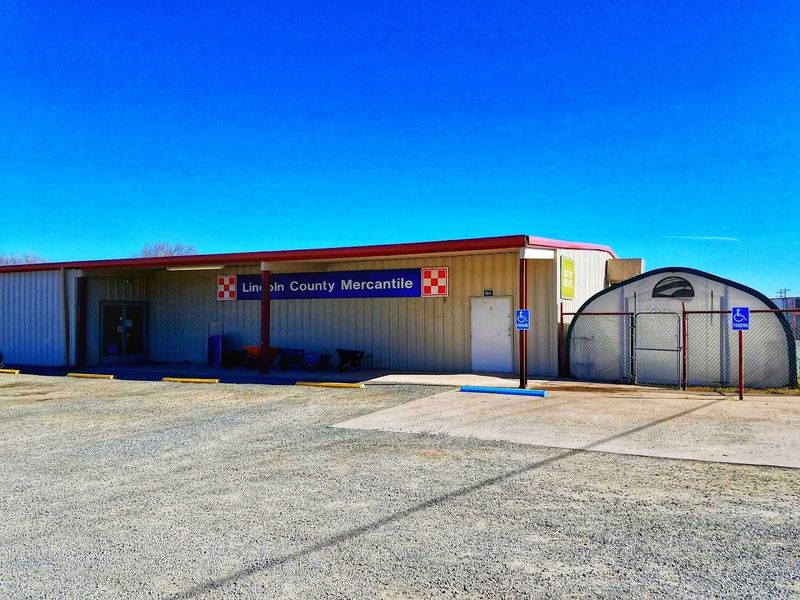
There is a particular quality to afternoon light in the high desert that turns ordinary storefronts into something worth photographing.
In this village, that light falls on facades that have not been aggressively modernized, which means the visual reward is even better than usual.
Adobe walls, wooden trim, and hand-painted window lettering catch the golden tones of late afternoon in ways that make you reach for your camera almost involuntarily.
The storefronts here reflect the town’s railroad origins, its ranching history, and its gradual evolution into a community that values character over commercial polish.
The El Paso and Northeastern Railroad once made stops here in the 1890s to collect coal, and that industrial past left an architectural fingerprint that you can still read in certain building proportions and street layouts.
Shopping in these stores feels personal in a way that large retail spaces simply cannot replicate, with owners who know their inventory and their customers by name.
Picking up a locally made piece of art or a handcrafted souvenir from one of these storefronts feels like a genuine connection to the place rather than a transaction.
Desert light makes everything here look like a painting you want to take home.
Forest Edges Along Wide Roads
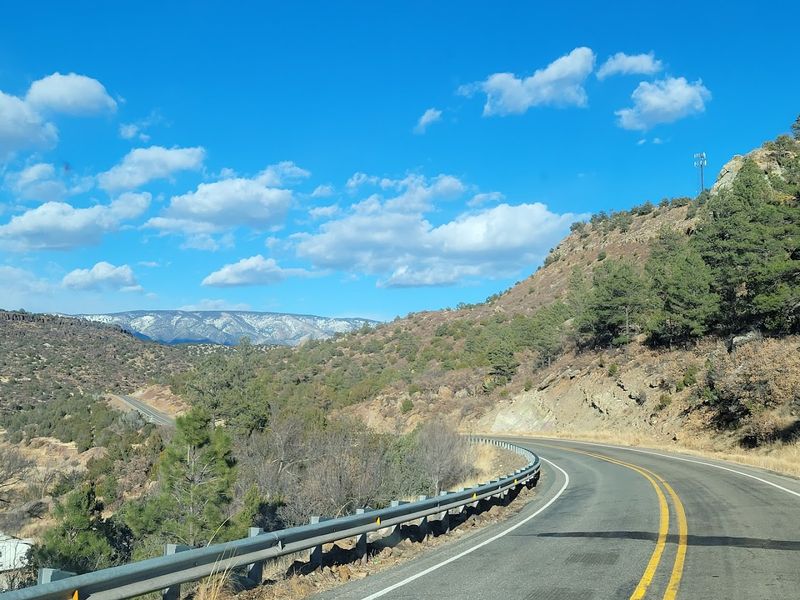
Approaching this village by road is an experience worth savoring slowly, especially if you resist the urge to rush the last few miles.
Wide, unhurried roads carry you through terrain where the Lincoln National Forest pushes right up to the roadside, creating a green wall of ponderosa pine that feels both welcoming and slightly wild.
The forest edges here are not manicured or managed into submission but allowed to grow with the kind of density that reminds you just how close to genuine wilderness this small community sits.
Deer are a common sight along these roads in the early morning and at dusk, stepping out of the tree line with a casual confidence that suggests they consider the roads as much theirs as anyone else’s.
Big game hunting and fishing draw outdoor enthusiasts to the surrounding forests throughout the year, adding a layer of recreational identity to a town that already has plenty going for it.
The Annual Smokey Bear Independence Day Parade and the Smokey Bear Stampede rodeo bring the community together in ways that feel rooted and real rather than performative.
New Mexico delivers its best welcome along roads exactly like these, wide and pine-edged and absolutely unhurried.