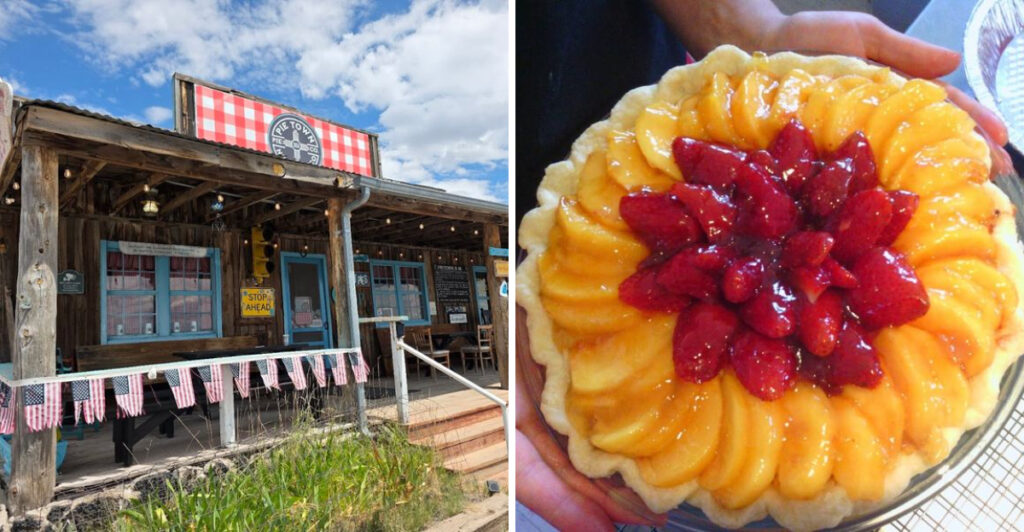
The middle of western New Mexico does not prepare you for this place at all. One minute, there is nothing but open desert, fading mountain views, and long empty stretches of Highway 60.
Then suddenly, cars start filling the roadside outside tiny cafes known for serving some of the most talked-about pie in the Southwest. Warm apple filling baked with roasted green chile sounds unusual at first.
Then people take one bite and immediately start debating which slice to order next. Travelers make long drives just to try recipes locals have been making for generations.
Lunchtime feels almost chaotic in the best way. Strangers trade recommendations near the counters while fresh crusts cool by the windows.
The smell of cinnamon, butter, fruit, and roasted chile drifts through the desert air long before visitors even park their cars. Some places become famous for scenery.
This one became famous for pie.
Remote Highway Stop With A Sweet Reputation
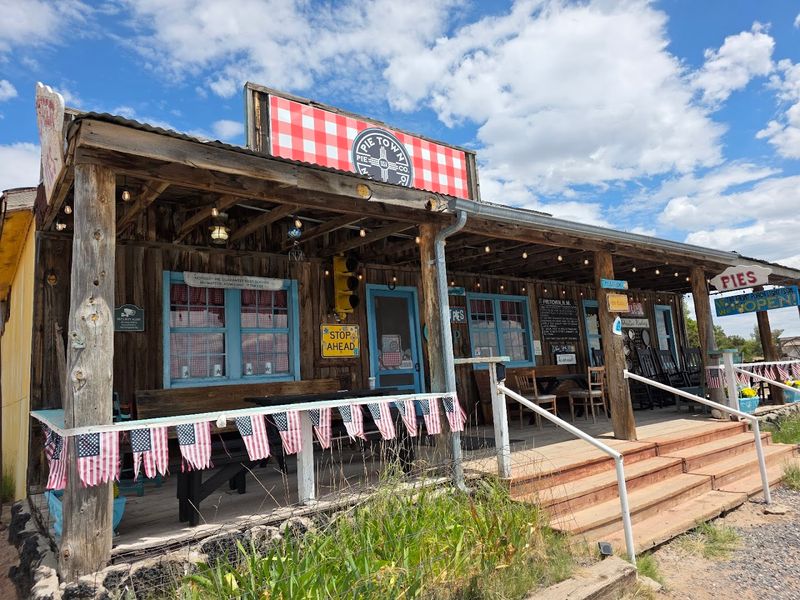
Nobody warns you how much a tiny highway stop in the middle of the New Mexico high desert can stick with you long after you have driven away.
I rolled into this spot late on a Tuesday afternoon, the kind of day where the sky is so blue it almost looks painted and the road ahead seems to stretch forever.
The elevation sits around 7,700 feet, which means the air has a crisp edge to it even in summer, and the landscape is a patchwork of juniper, pinon pine, and wide open grassland that makes you feel far removed from anything familiar.
U.S. Highway 60 cuts right through the heart of the community, and for most drivers it is just another stretch of asphalt connecting Socorro to Springerville, Arizona.
But slow down for even a few minutes and the place starts to reveal itself in small, memorable ways.
Hand-painted signs, gravel parking lots, and the smell of something baking inside a low adobe building all add up to something that feels both accidental and completely intentional.
I had no idea I was about to fall hard for Pie Town, New Mexico 87827.
Homemade Pies That Shaped A Roadside Legend
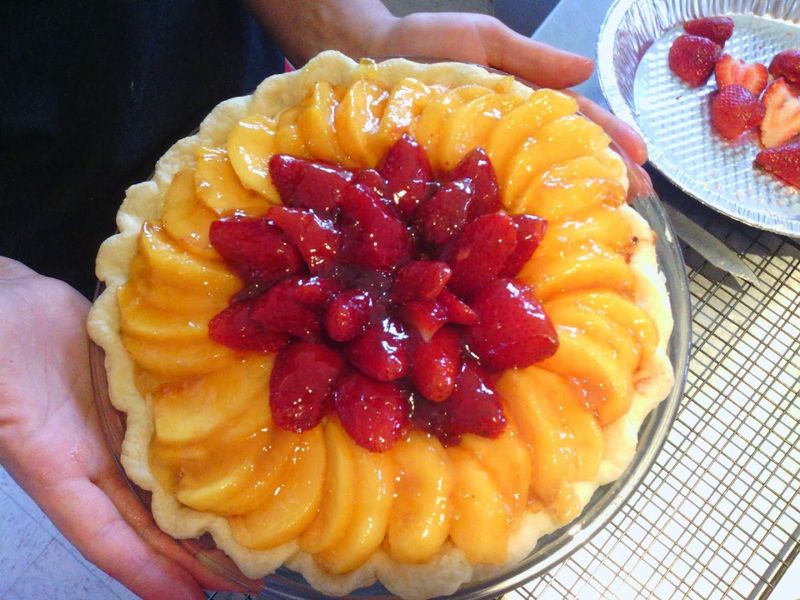
The legend of the pies here did not start with a famous chef or a Food Network segment.
It started with a man named Clyde Norman, who set up a trading post along Highway 60 back in the 1920s and began selling homemade pies to travelers passing through.
The pies were simple, filling, and made from whatever was available in the high desert, and word spread the way good food always does, one hungry traveler at a time.
Over the decades, the tradition of baking and selling pies became so tied to the community that the place eventually took on the name that everyone was already using anyway.
Today, the spirit of those early roadside slices lives on in the cafes that still operate here, each one baking fresh pies daily using recipes that feel rooted in something real and unhurried.
Visitors often describe the experience of getting a slice here as weirdly emotional, like eating something that tastes like a memory you never actually had.
Every buttery, flaky crust tells a story that goes back nearly a hundred years.
Rustic Cafes Known For Fresh-Baked Slices
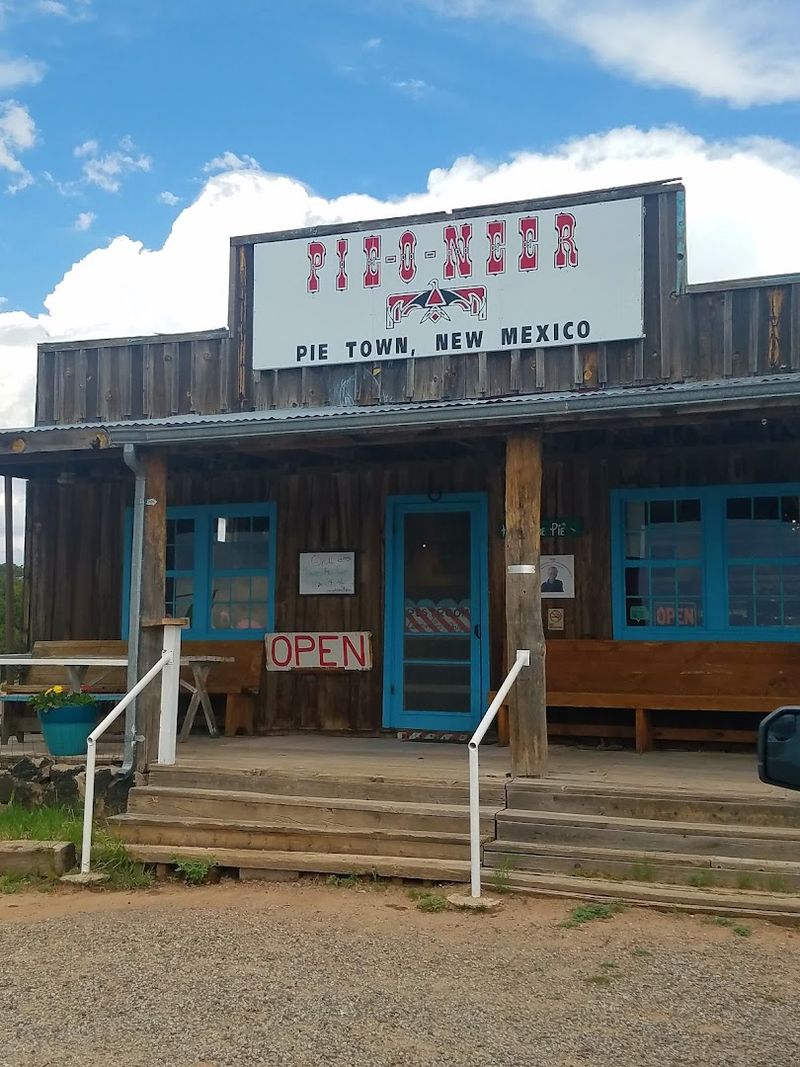
One step inside the cafes here and the atmosphere feels more like somebody’s home than a restaurant along a highway.
The interiors are low-key and unpretentious, with mismatched chairs, hand-lettered menus on chalkboards, and pie cases lined with slices that rotate depending on what was baked that morning.
The Pie-O-Neer Cafe became the most well-known of these spots, earning a devoted following among road-trippers who built entire route plans around stopping here for pie.
The menu leans into local ingredients and regional flavor profiles, which is where things start to feel especially interesting for first-time visitors.
You might find a classic apple or peach sitting right next to something involving pinto beans, dried fruit, or locally harvested nuts.
Coffee fills the room, conversations drift between tables, and the portions arrive in that comforting small-town style that makes people stay longer than expected.
Leaving without a second slice feels like a decision you will quietly regret somewhere around mile marker 30.
Travelers Detour Miles For Regional Flavors
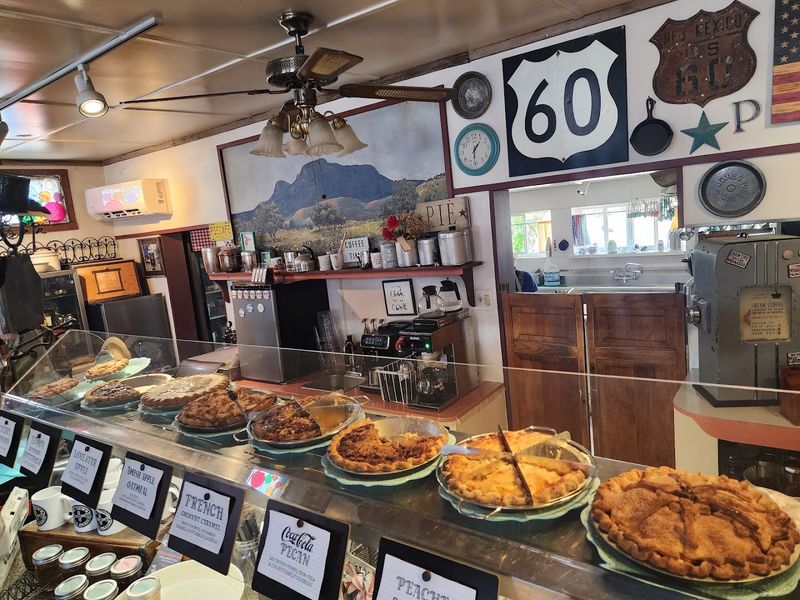
A tiny community with fewer than 200 people somehow convinces travelers to reroute entire road trips just to eat pie.
Drivers regularly leave the fastest route behind for the chance to stop here, and most seem completely happy about the extra miles once the first slice arrives at the table.
The draw is not just the pies themselves but the experience of eating something this specific and this local in a place that has no interest in being anything other than exactly what it is.
Regional flavors are taken seriously here, and the menu reflects the culinary landscape of the Southwest in ways that feel honest rather than performative.
Piñon nuts, dried apricots, prickly pear, and other ingredients native to the area show up in fillings that you simply cannot find at a chain bakery in a shopping mall.
The long drive in on Highway 60, with its dramatic skies and total absence of billboard clutter, also works as a kind of palate cleanser that makes everything taste better upon arrival.
Some detours end in disappointment, but this one tends to end with a fork in hand and a very satisfied smile.
Green Chile Apple Pie Draws Curious Visitors
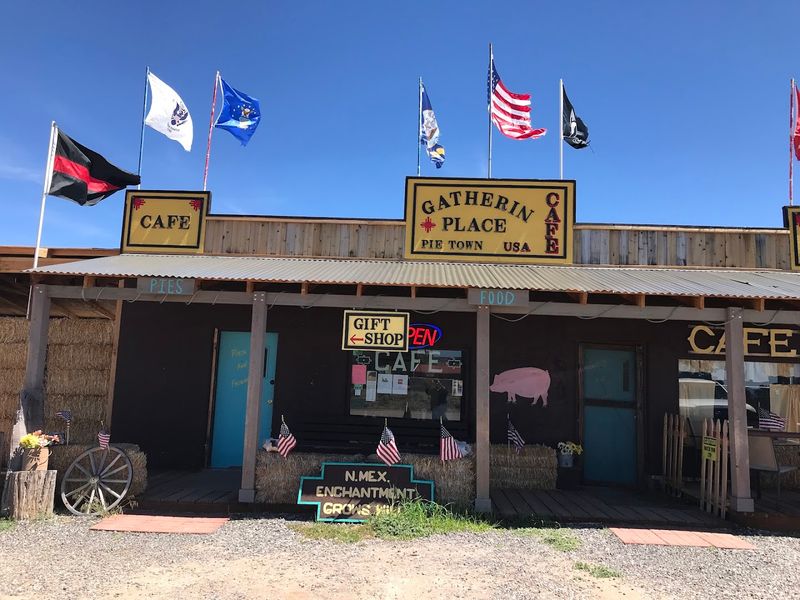
If you thought you had tried every apple pie variation worth knowing about, green chile apple pie is here to respectfully challenge that assumption.
The first time I saw it on the menu, I genuinely paused, tilted my head, and ordered it immediately because that is the only reasonable response.
The combination sounds strange on paper, but the mild heat of roasted Hatch-style green chile cuts through the sweetness of the apple filling in a way that is surprisingly balanced and genuinely addictive.
New Mexico has a deep and passionate relationship with green chile that extends far beyond the usual savory applications, and this pie is perhaps the most playful expression of that love affair.
Visitors who try it often describe the experience as a moment of real surprise, the kind where your brain and your taste buds are briefly having two different conversations.
The pie has been featured in food publications and travel guides, and it consistently shows up as the top recommendation from people who have made the trip.
One bite and you understand completely why curious travelers keep making the journey out to the high desert just for this.
Small-Town Traditions Rooted In The 1920s
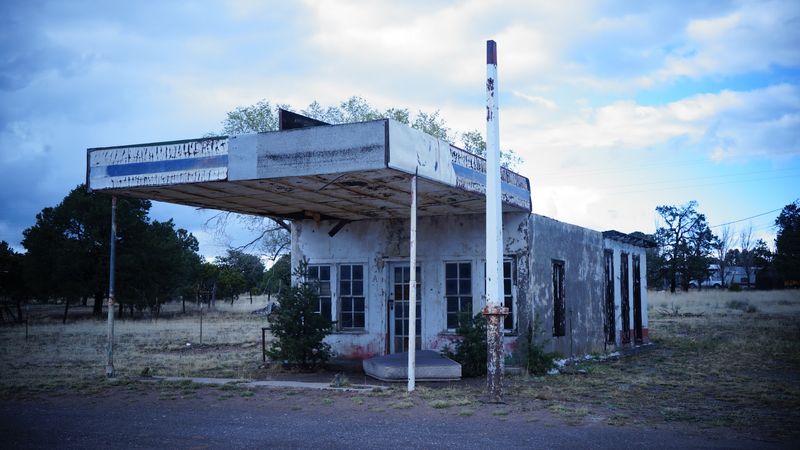
Most small towns have a founding story, but few can trace their entire identity back to a single baked good the way this one can.
The tradition here began in earnest during the 1920s when roadside businesses started selling pies to hungry travelers navigating the rough roads of the Southwest.
Back then, Highway 60 served ranchers, motorists, and traders moving through western New Mexico, and a hot meal with a slice of pie was not a luxury but a real comfort on a demanding journey.
The community that grew up around that stretch of road developed a culture of hospitality that became tied to its identity from the very beginning.
Photographs from the mid-20th century show a humble but lively stop, with travelers from across the country pausing here to rest and eat before continuing west or east.
The name Pie Town did not appear on official maps right away, but locals and travelers had been using it informally for years before it became the recognized designation.
That kind of grassroots naming is a rare and charming thing, and it says everything about what this place has always meant to the people who pass through it.
Annual Festival Celebrates Baking And Community
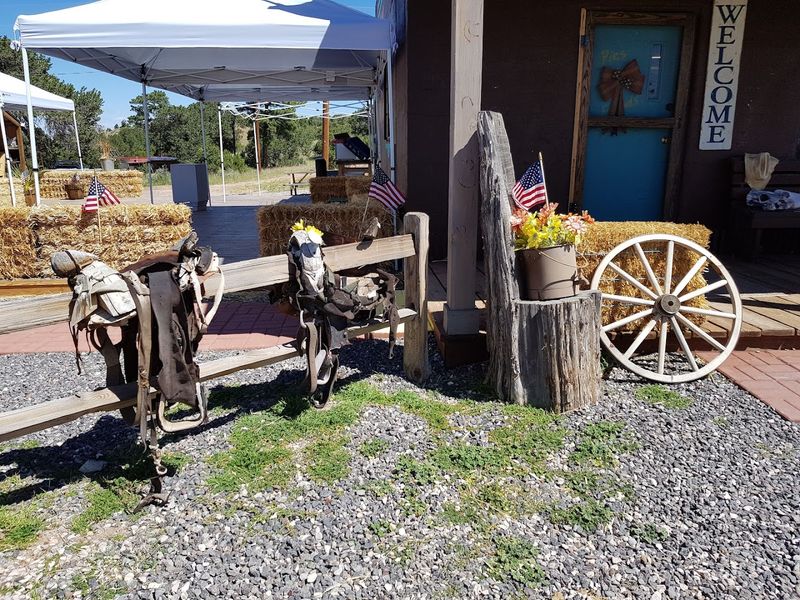
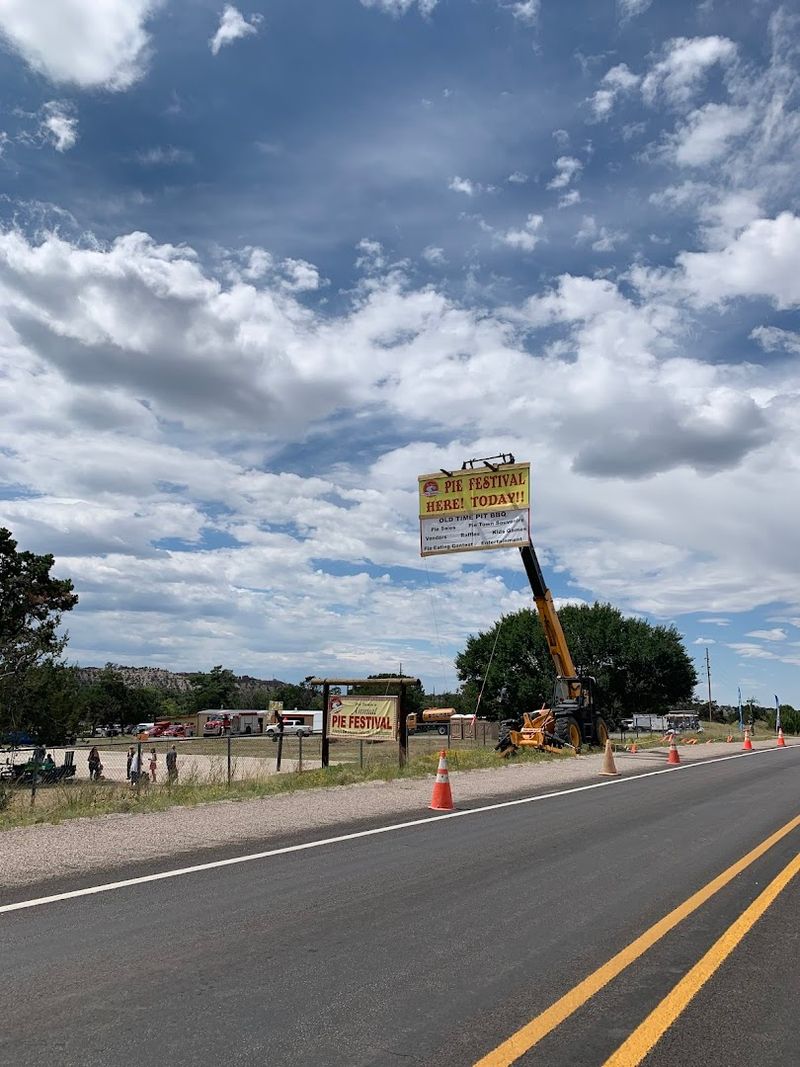
Once a year, this already lively little community turns its love of pie into a full-blown celebration that draws visitors from well outside Catron County.
The Pie Festival, usually held on the second Saturday in September, transforms the already pie-centric town into an even more fragrant and festive version of itself, with baking contests, live music, and community gatherings rooted in local pride.
Participants enter pies in a range of categories, and the judging is taken with the kind of seriousness that only a town named after pie could properly justify.
The event also draws artisans, musicians, and food vendors who set up alongside the cafes, giving the whole thing a warm county fair energy that feels easy and unhurried.
First-time visitors usually find the festival to be the perfect introduction to the community because it offers a chance to meet bakers, hear stories, and sample a wide range of pies in one afternoon.
Conversations start easily between strangers over shared slices, and the atmosphere never feels forced or overly organized.
Showing up for this festival once is usually enough to turn a casual visitor into someone who starts marking the date on their calendar every year.
Why This High-Desert Stop Became A Southwest Favorite
Plenty of roadside stops across the American Southwest lean into quirky appeal, but very few have built the kind of lasting reputation this one has carried for nearly a century.
The combination of history, a memorable food identity, and a landscape that feels both remote and welcoming creates something that is difficult to manufacture.
Travelers who stop here often describe a sense of being far outside the usual tourist circuit without ever feeling disconnected, which is a balance many destinations try hard to achieve.
The high desert setting at nearly 8,000 feet adds another layer to the experience, with cool temperatures, wide skies, and a quietness that makes sitting down with a slice of pie feel almost meditative.
Food publications, travel writers, and photographers have all found their way here over the years, and many leave with the same feeling that the place deserves far more attention than it gets.
The community remains small and unpretentious, and that restraint is a big part of what makes it so appealing to people tired of overly polished travel experiences.
Pie Town is proof that sometimes the most satisfying stops are the ones you almost drove right past.