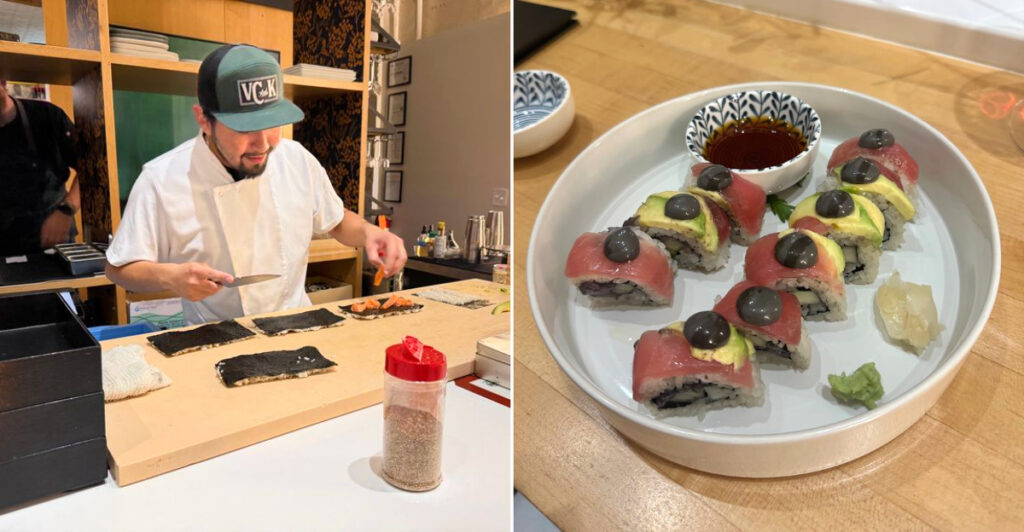
I did not expect my favorite sushi counter in the country to sit on a corner in Iowa, but here we are.
Picture bluefin flown in from Japan, seared scallops resting in lemon beurre blanc, and a chef slicing fish two feet from your plate in a room so small you can hear the rice being pressed.
In January 2026, the two chefs behind this little dining room were named James Beard Award semifinalists for Best Chef: Midwest, which is a very big deal for a very small space.
I have eaten here, taken notes, and made a few rookie mistakes so you do not have to.
Keep reading for the dishes worth ordering, the seat worth begging for, and the parking trick locals already know.
The Corner Address Behind All The Buzz
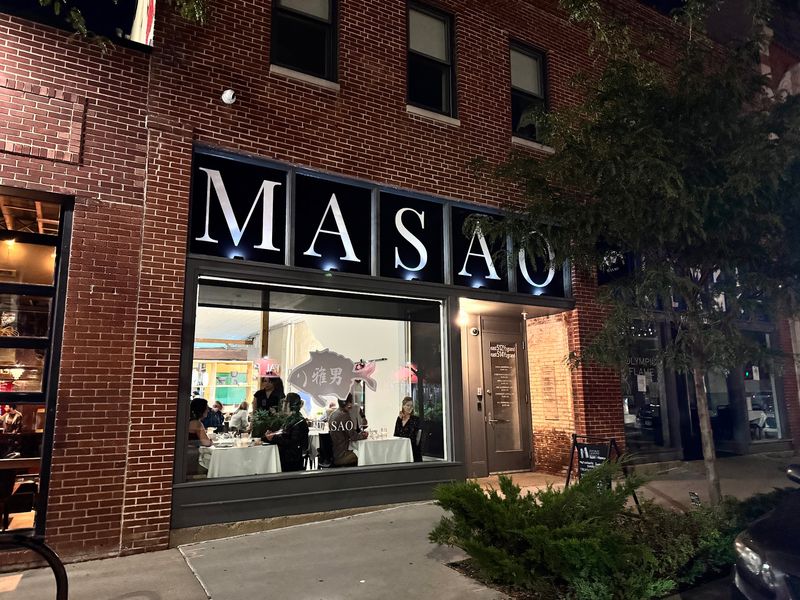
Everyone in the metro seems to be talking about one narrow dining room, and I finally understand why. The place is called Masao, and it opened in May 2025 inside a space with real history behind it.
Before Masao, this address housed Miyabi 9, run by Chef Mike Miyabi. One of Masao’s chefs, Nick Hanke, trained under him and named the restaurant in his mentor’s honor.
That detail matters. Naming a restaurant after the person who taught you says something about the kind of kitchen you are walking into.
The building sits in the East Village, a walkable stretch of shops, coffee spots, and old brick storefronts just east of the Iowa State Capitol grounds. It is one of my favorite neighborhoods to wander before dinner.
You will find it at 512 E Grand Ave, Des Moines, IA 50309, right in the heart of that district in central Iowa.
With a great average across more than a hundred reviews, this address has become a destination rather than a drop-in.
How A Semifinalist Nod Changed Everything In 2026
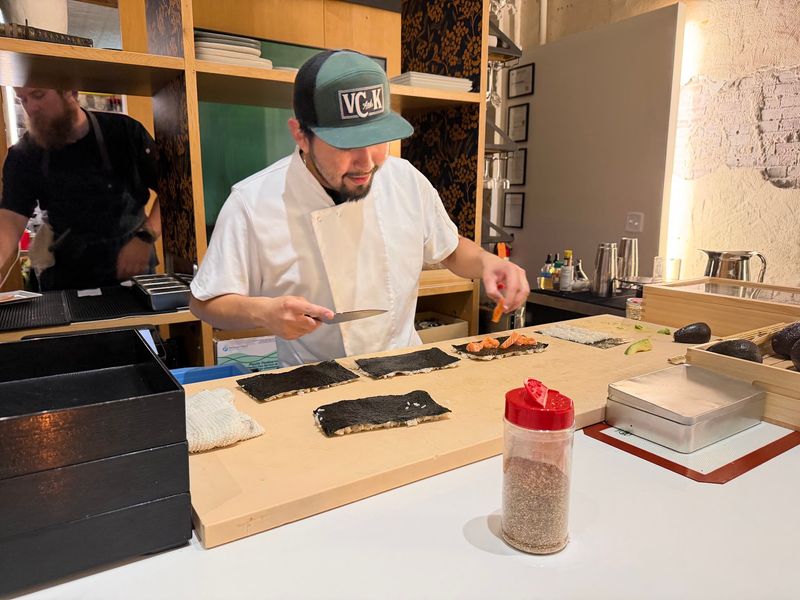
January 2026 brought news that made the whole state sit up. Chefs Nick Hanke and Phil Shires were named James Beard Award semifinalists in the Best Chef: Midwest category.
For context, that category covers a huge swath of the country, and Iowa restaurants have rarely been part of the conversation. Getting two names from one tiny dining room onto that list counts as a real leap forward.
Shires already had history with the awards, having earned semifinalist recognition earlier in his career while cooking at Cafe di Scala. He now runs the French side of Masao’s kitchen.
The next round of nominees was announced on March 31, 2026, but Hanke and Shires did not advance beyond the semifinalist stage. The Best Chef: Midwest winner was announced at the June 15 ceremony.
Semifinalist status alone puts a restaurant on the national radar. I noticed the effect immediately in how quickly tables started disappearing from the booking calendar.
If you have been meaning to try it, the recognition is your nudge. Reservations got harder the week that list went public, and they have not gotten easier since.
When Japan And France Share One Kitchen
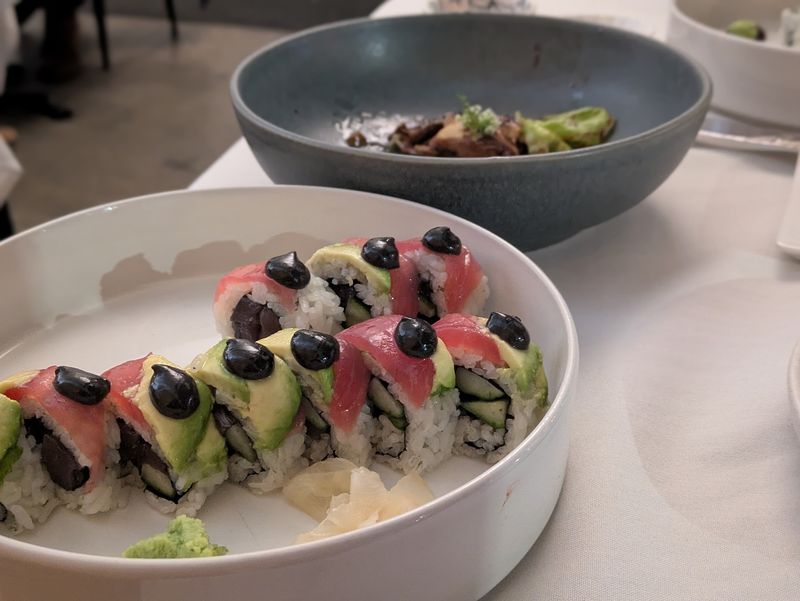
Two cuisines, one small kitchen, zero apologies. Masao builds its menu around traditional sushi technique sitting right beside French-inspired cooking, a combination the restaurant describes as Euro-Asian.
The split is real. Hanke handles the sushi side, slicing and pressing at the counter, while Shires builds the French plates and small tapas-style courses.
I loved how the two halves talk to each other on the table. A plate of bluefin akami followed by seared scallops in lemon beurre blanc feels less like whiplash and more like a well-planned evening.
Not everyone agrees, and I think that is fair. Some guests find the sushi outshines the French plates, and a few have said the two sides feel like separate restaurants.
My honest advice is to order across both columns anyway. The mushroom dish called Trois Facons de Cuire les, better known as three-way mushrooms, has won over even the skeptics.
Come hungry for something unfamiliar rather than something safe. The kitchen encourages guests to arrive with an open mind, and that mindset is genuinely the difference between a good night and a great one.
Fish That Racks Up More Air Miles Than I Do
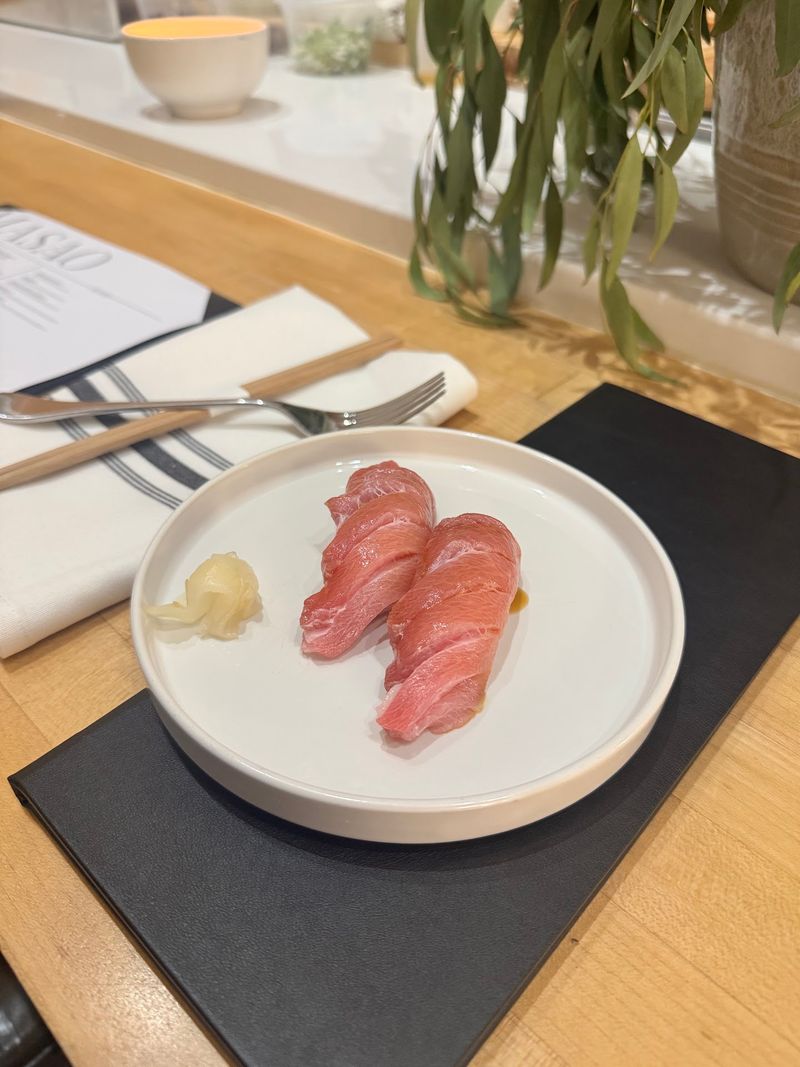
My seafood traveled farther than my car did to get to dinner.
Masao brings in seafood and specialty ingredients from sources around the world, with documented offerings from places including Japan, Spain, Florida, Colombia, Massachusetts, and the Faroe Islands.
Real Japanese wasabi root is part of the operation too. Hanke has explained that the restaurant uses fresh wasabi along with a higher-quality ground mixture rather than relying on the standard green paste.
Bluefin akami arrives a deep cranberry red. Bluefin toro is richer, softer, and worth every penny of its price tag.
Guests regularly praise the salmon nigiri, octopus nigiri, hamachi, smoked eel, and red snapper. I still think about the eel, which had a sweet, smoky depth I did not expect.
Because sourcing drives the menu, the lineup shifts with the seasons and with whatever arrives that week. Ayu and isaki have both made appearances, along with firefly squid and Japanese wagyu.
A practical note. Since the menu changes often, do not walk in fixed on one specific fish.
Ask what came in that day and order it. That single habit turned my second visit into my best one.
The Rolls And Plates Regulars Keep Reordering
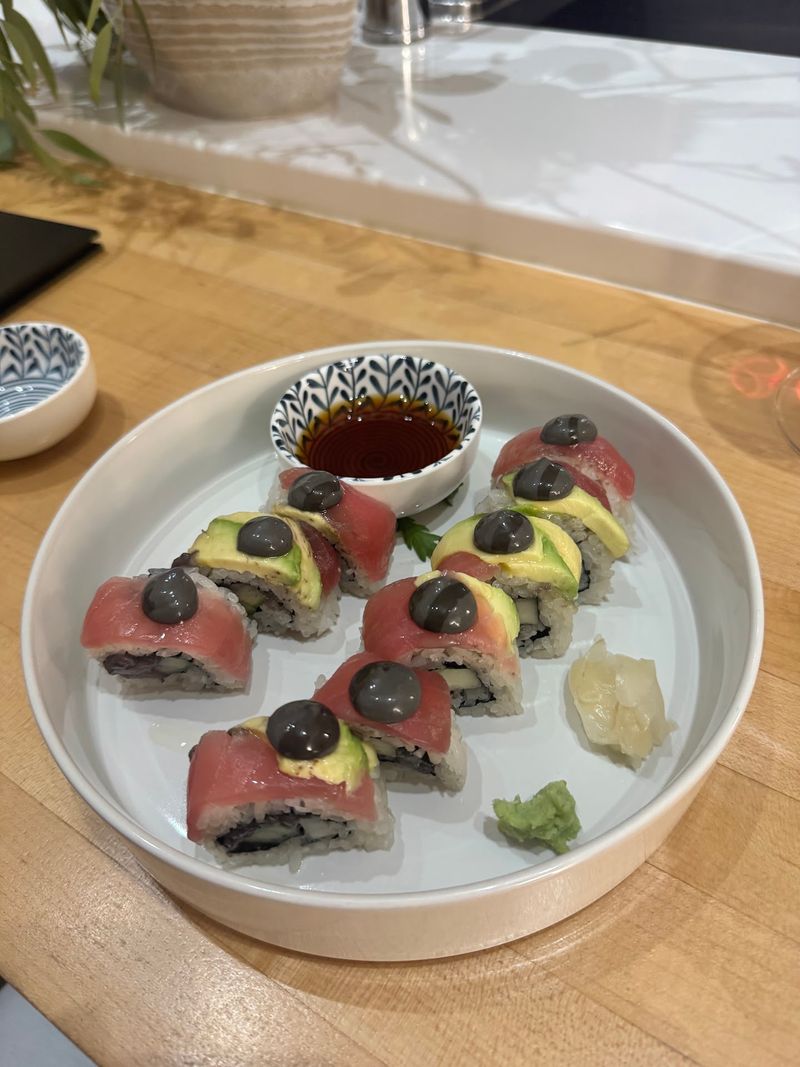
Ask any regular what to order and one answer comes back over and over. The Tuna Lemon roll has developed something close to a cult following, and after trying it I get the fuss.
Bright citrus, clean tuna, and just enough restraint to keep it from tipping into sweet. Several guests have called it the best roll they have had anywhere, including in Boston and Los Angeles.
The Volcano roll is the other crowd favorite, though it occasionally sells out. The J-Pablo roll and futomaki round out the specialty list.
On the cooked side, the scallops with lemon beurre blanc and sauteed leeks draw constant praise. Karaage chicken with Okinawa purple potato chips is a sleeper hit, and the gnudi surprised me more than anything else on the table.
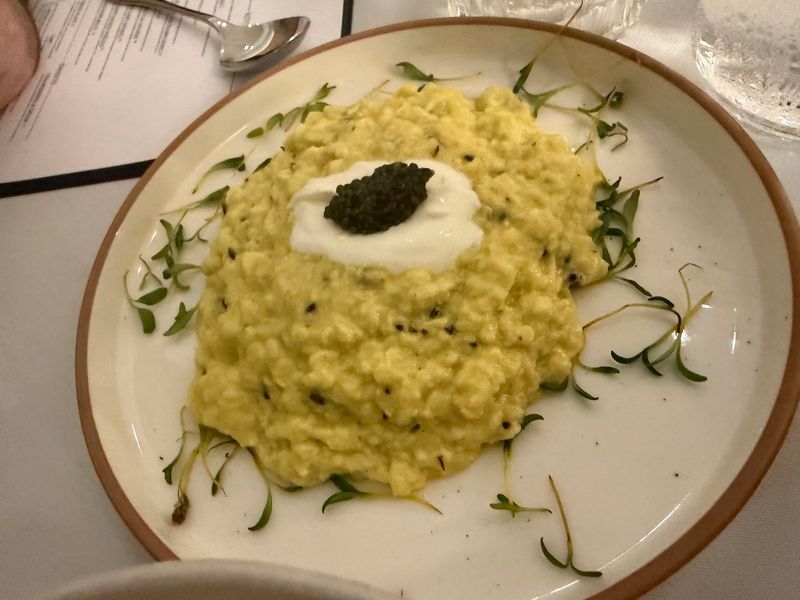
Other plates that have appeared include lavender eggs with caviar, mussels in a broth worth spooning, pork belly, clams in lemongrass broth, and parsnip and ginger soup.
Save room for dessert. Creme brulee, crepes, beignets, a fruit and goat cheese tart, and an apple tart have all earned their applause.
A Room Small Enough To Feel Like An Invitation
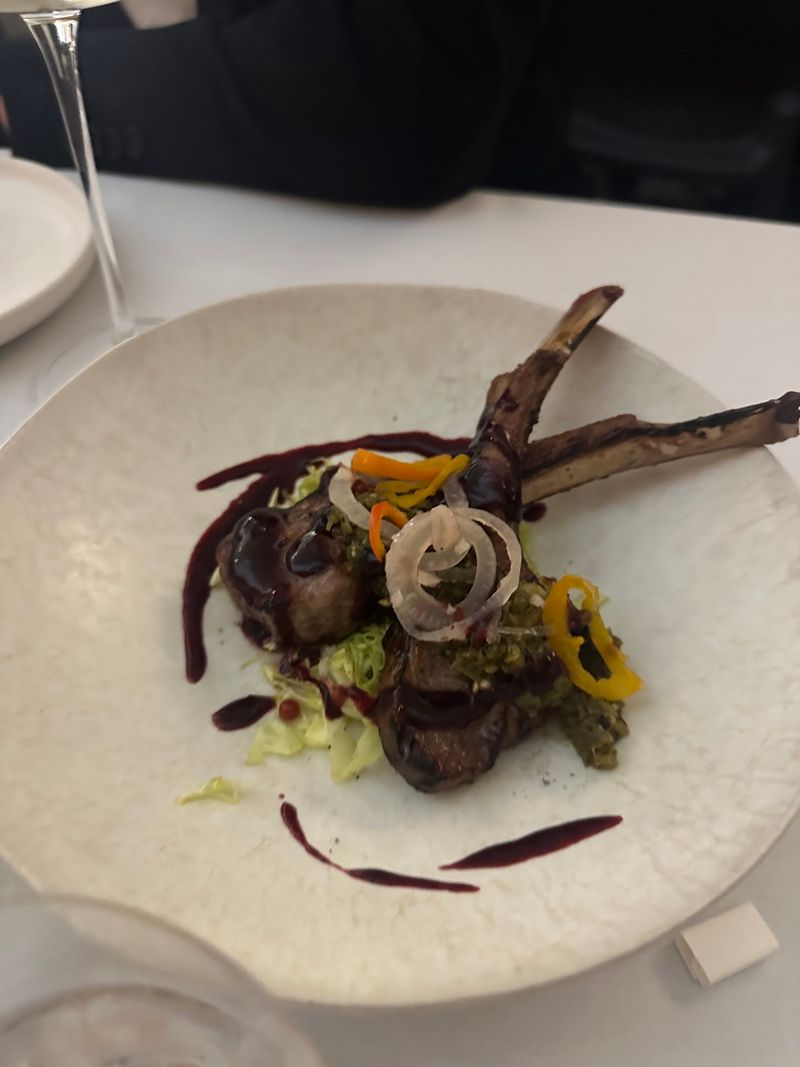
Thirty-ish seats change how a restaurant behaves. Nothing hides in a room this size, which is either terrifying for a kitchen or a badge of confidence.
The decor leans minimal and modern, with subtle lighting, linen tablecloths, and crystal glassware. Guests describe it as upscale but inviting, cozy, and a little romantic.
What I appreciate most is how unstuffy it feels. The music in the back might be mellow one night and classic rock the next, and somehow it works.
Even the restrooms get compliments, which tells you the attention to detail runs deeper than the plates.
Fair warning on two things. Some guests have found the chairs less plush than the table settings suggest, and a cold draft near the front door can sneak up on you in winter.
If you run cold, request a table away from the entrance when you book. Bring a layer in January regardless.
The intimacy is the whole point. Conversations stay low, plates arrive quickly, and the room fills with that particular hum of people who know they lucked into a good table.
Service That Knows The Menu Cold
Great service is the quiet backbone of this whole operation. Guests consistently call the staff attentive, knowledgeable, and genuinely warm, and my experience matched that word for word.
Servers here can explain where a fish came from, how a sauce was built, and why a particular roll works. That fluency is rare, and it makes ordering far less intimidating.
Zero-proof drink options get real thought rather than feeling like an afterthought. Guests have complimented the refreshing choices, which I always take as a sign a restaurant respects everyone at the table.
Special occasions get noticed too. Anniversary and birthday guests regularly mention small gestures that made the night feel marked rather than routine.
Owner Nick Hanke is frequently visible in the restaurant, and the hands-on presence of the chefs helps set the tone for the small, tight team.
One honest caveat. Because the kitchen is compact, ingredients occasionally run out and a favorite dish may be unavailable.
Ask your server for the night’s strongest options instead of hunting for one specific item. That flexibility is the key to enjoying a menu that genuinely changes.
Hours, Parking, And The Reservation Reality
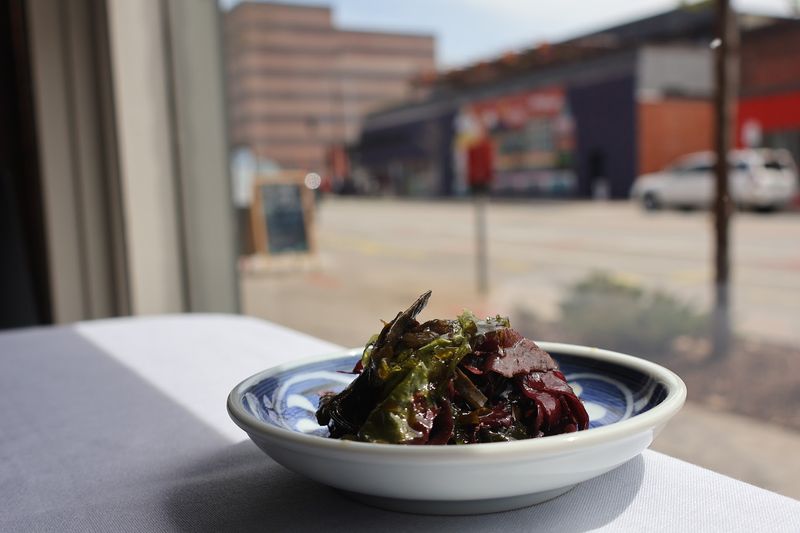
Timing is half the battle at a place this small. Masao serves dinner only, opening at 5 PM Wednesday through Saturday.
Wednesday and Thursday run until 9 PM, while Friday and Saturday stretch to 10 PM. Final seating can shift depending on how busy the night gets.
Closed Sunday, Monday, and Tuesday, so plan around that four-night window. I learned this the hard way on a Monday drive downtown.
Reservations are strongly recommended and the calendar fills quickly. Even with a booking, a short wait can happen on packed weekends, so build a little cushion into your evening.
Parking is easier than most downtown blocks. Street spots line East Grand Avenue, and a free parking garage sits about a block and a half away at 628 E Grand Ave.
My routine now looks like this. Park in the garage, walk the East Village for fifteen minutes, then arrive five minutes early.
For the calmest experience, aim for a Wednesday or Thursday at 5 PM. The room is quieter, the counter is easier to snag, and the kitchen has its full lineup of ingredients ready.
Worth The Price Tag? My Honest Take
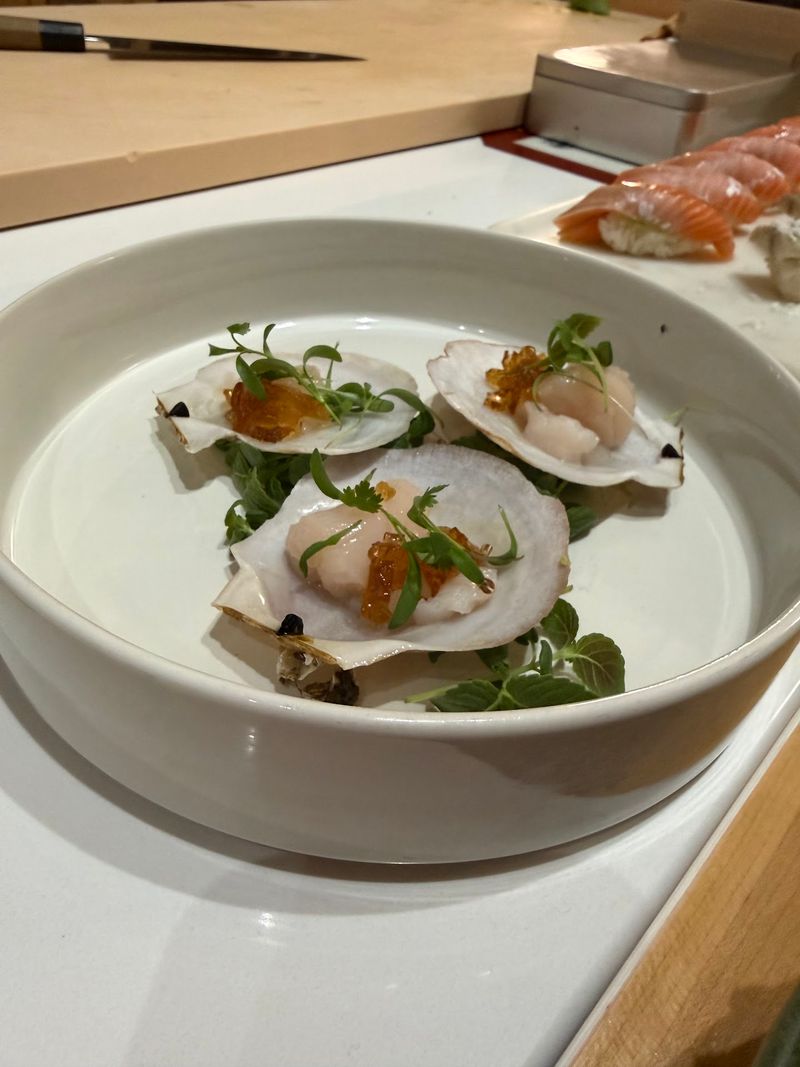
Let me address the elephant on the tasting menu. Masao is a higher-end restaurant, portions run small and refined, and the bill reflects flown-in seafood and hand-built plates.
Some guests have left feeling the portions did not match the cost, and a few found certain dishes uneven. I think that criticism deserves an honest mention rather than a quiet edit.
My own read is that the value depends entirely on how you order. Treat it as a series of small courses to share and the math works beautifully.
Treat it like a standard entree-sized dinner and you may leave wanting more. Two people ordering four or five plates plus dessert hits the sweet spot.
Several guests who have eaten in Chicago, New York, and San Francisco have said this meal would cost noticeably more in those cities. That comparison stuck with me.
Fresh grated wasabi, bluefin from across the Pacific, and a semifinalist-level kitchen in a thirty-seat room is not a common combination anywhere, let alone in Iowa.
Go curious, order across both menus, and let the counter do the deciding. That is where the money earns its keep.