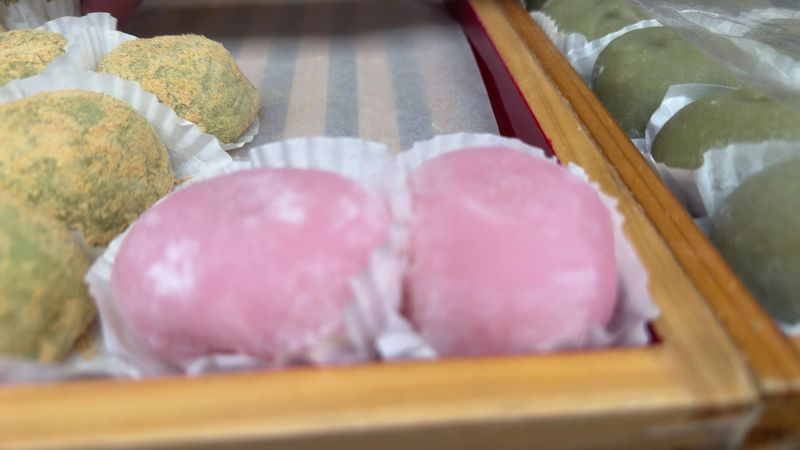
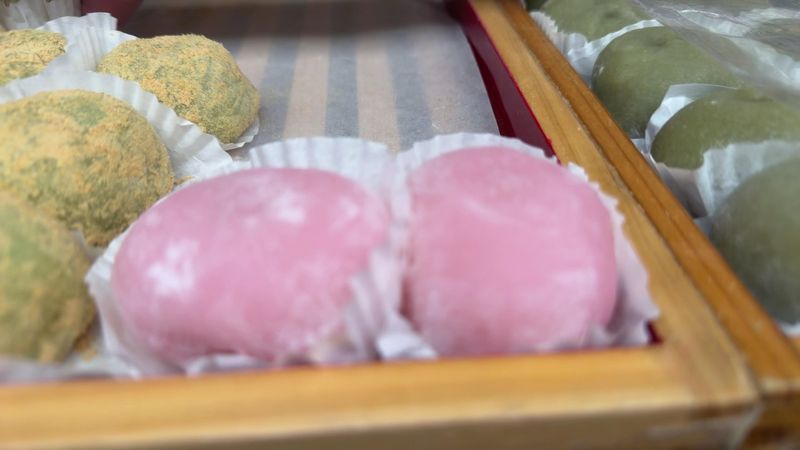
A tray of pink peanut butter mochi was the last thing I expected to fall for on a quick walk through California’s busiest city. The shop looked small and plain from the sidewalk, the kind of place you pass without a second glance.
Then the door opened, the smell of sweet rice drifted out, and a line of patient people told me I had found something special. This family bakery has been shaping soft, chewy treats by hand for more than a century, and it is still worth a weekend trip.
A Sweet Shop on First Street in Little Tokyo
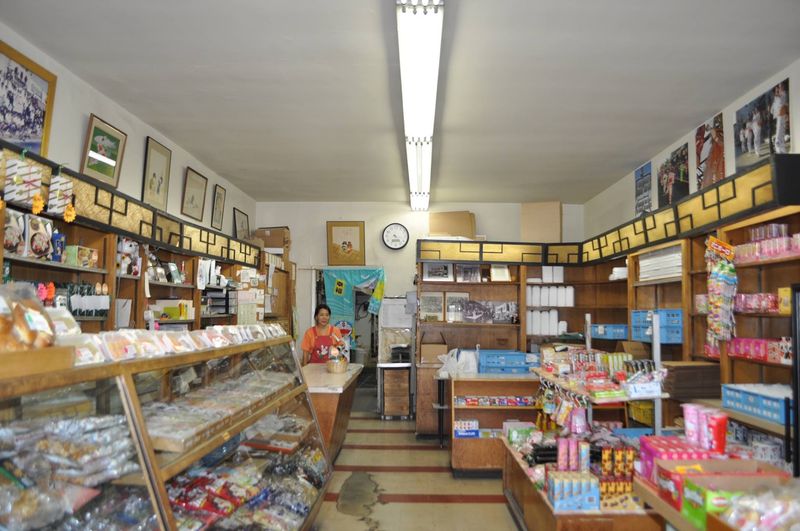
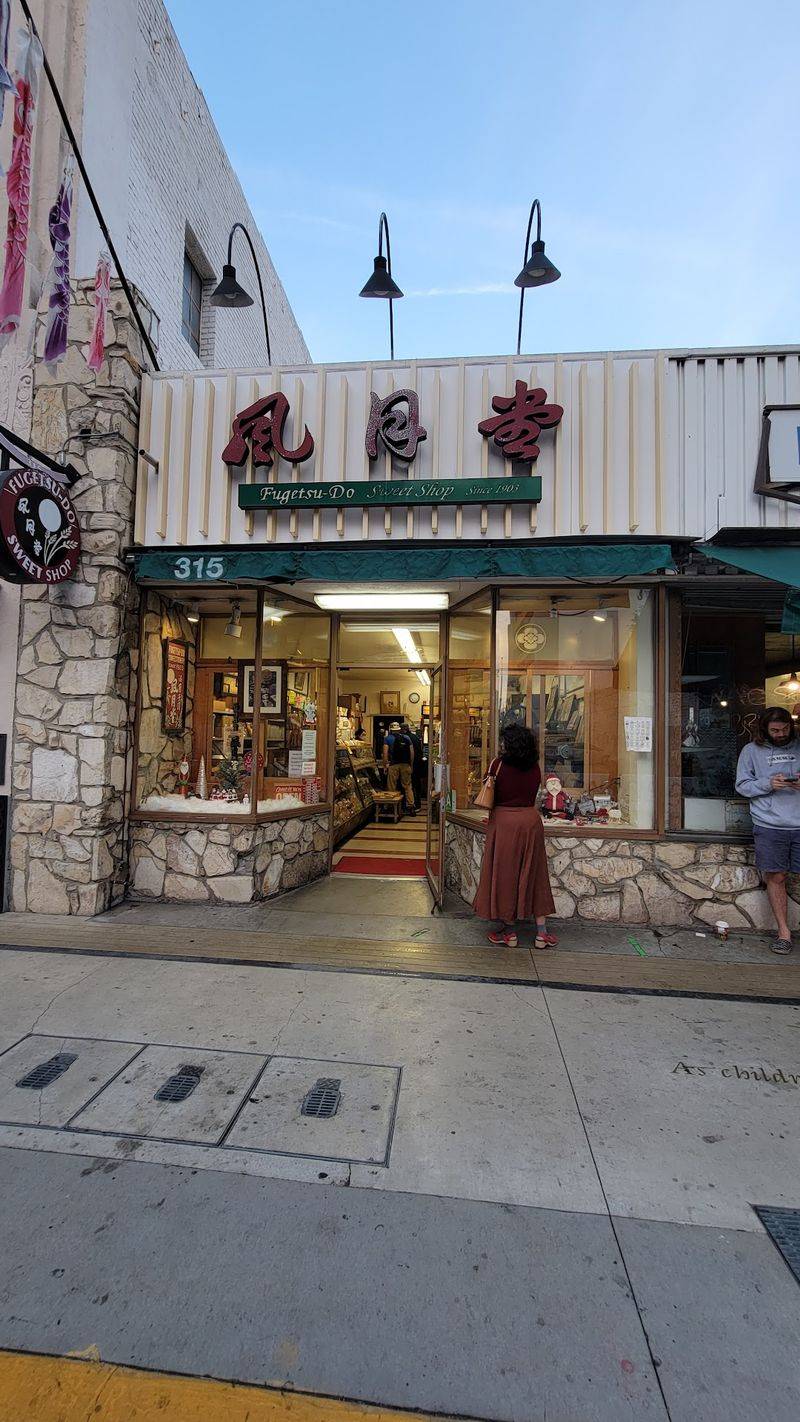
Right across the street from Tokyo Village, a modest stand-alone storefront quietly holds one of Los Angeles’ oldest food traditions. Fugetsu-Do Bakery Shop sits at 315 1st St in the heart of Little Tokyo, surrounded by gift shops, noodle counters, and busy sidewalks.
From the outside, it does not shout for attention. The building is small, the sign is simple, and the window display is more practical than flashy.
Many first-time visitors only spot it because of the line forming near the door.
Inside, the focus is clear. Fugetsu-Do is a Japanese confectionery shop that specializes in mochi and manju, the soft rice cakes and filled sweets that have been part of Japanese celebrations and everyday snacking for generations.
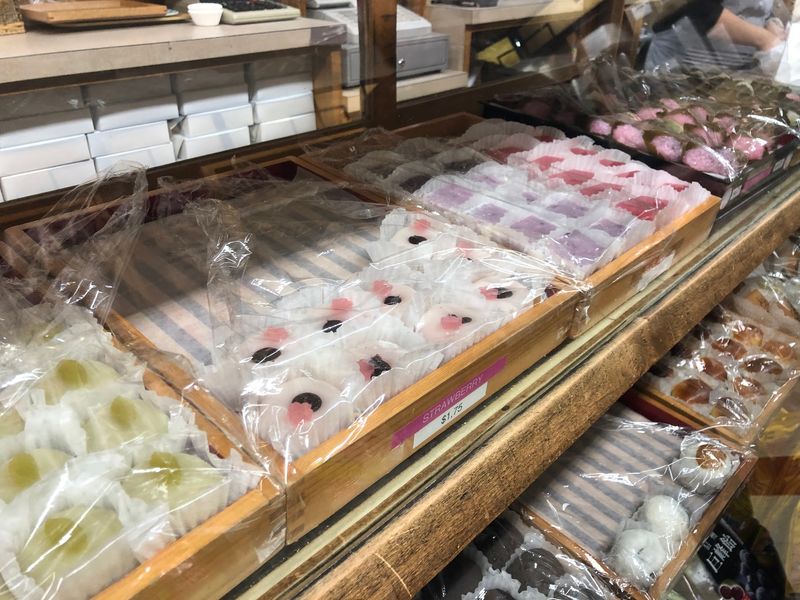
Rows of colorful pieces fill the cases, each one shaped by hand.
The location makes it easy to fold into a bigger Little Tokyo outing. You can browse the neighborhood plazas, grab lunch nearby, and finish with a box of sweets to carry home.
For a day-tripper, it is the kind of stop that turns an ordinary city visit into something you will talk about on the drive back.
Roots Reaching Back to 1903
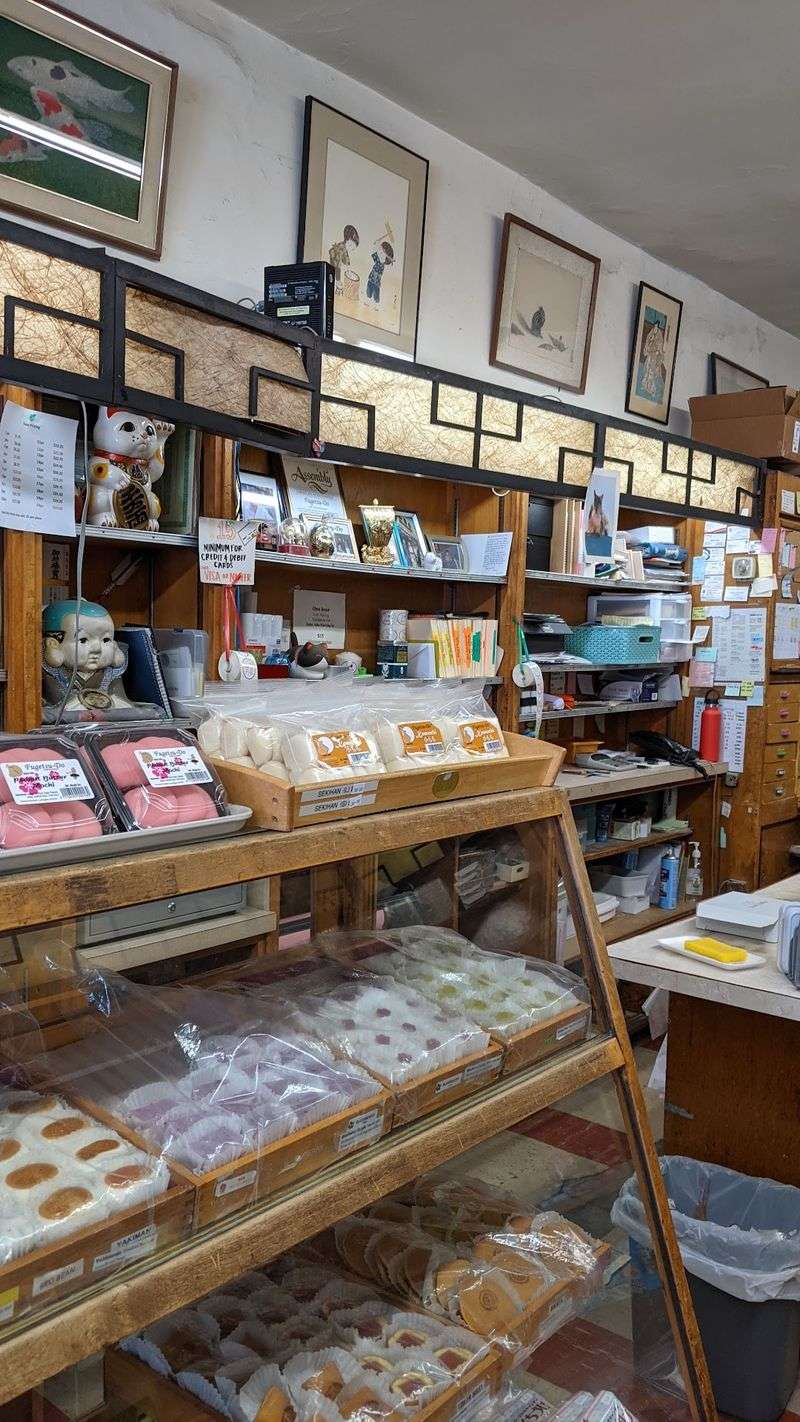
Back in 1903, when Los Angeles was still a far smaller city, a family opened a sweet shop that would outlast countless trends. More than 120 years later, Fugetsu-Do is still family-owned and family-operated, which is rare for any business in California.
That long history is a big part of the charm. Visitors often mention that you can sense the age of the place the moment you step in.
The shop has kept an old-school feel, and that steady approach seems to be exactly what keeps people coming back.
Think about how much has changed in Little Tokyo since the early 1900s. Streets have been rebuilt, new shops have opened, and whole neighborhoods around downtown have transformed.
Through all of it, this little confectionery has kept making mochi the same careful way.
Regulars describe a visit as more than a snack run. One guest called it a culinary and cultural experience, a blend of traditional Japan with a touch of rugged Los Angeles character.
It is a living piece of local history you can actually taste, which is a lot more fun than reading about it on a museum placard.
Third-Generation Hands at the Mochi Table
Family recipes rarely survive three generations without changing, yet here they have. Visitors familiar with the shop mention that master manju maker Brian Kito is the third generation carrying on the craft, keeping the family’s line of handmade sweets going strong.
That sense of continuity matters. Mochi is not a quick or easy treat to make well.
The rice has to be prepared just right, the dough has to stay tender, and each filling has to be wrapped neatly so the piece holds its shape without turning tough.
Guests who have watched videos about the shop online often arrive curious about the people behind the counter. Several describe the operation as truly impressive, especially knowing it has stayed in the same family for so long.
Here is a fun way to think about it. Every soft piece you pick up connects to techniques passed from grandparent to parent to child, right here in California.
When you bite into a red bean daifuku, you are tasting skills that have been practiced, refined, and protected for over a century. Few desserts in Los Angeles can claim that kind of backstory, and even fewer still taste this fresh.
Soft, Chewy, and Gently Sweet
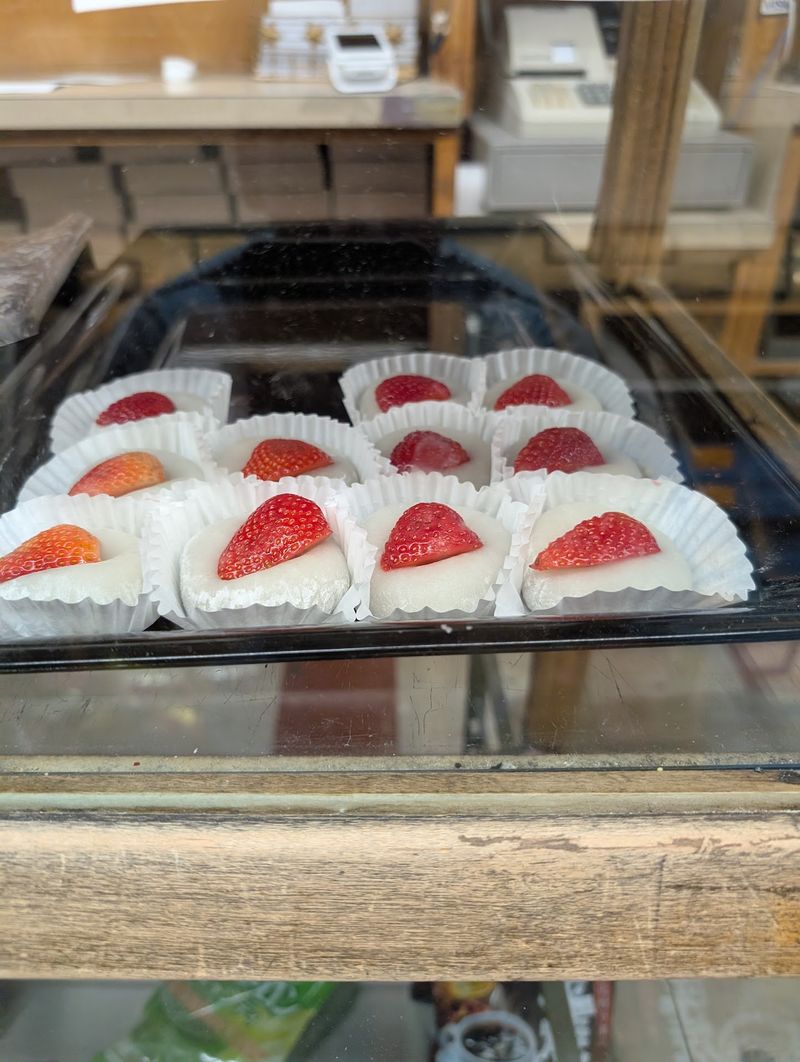
Squish, stretch, and then a quiet hint of sweetness. That is how most people describe their first bite of Fugetsu-Do mochi, and it explains why the word mochi shows up in so many conversations about this shop.
Texture is the real star. Regulars say the pieces are soft, chewy, and carry the gentle fragrance of sweet rice.
One visitor pointed out that they are much softer than the shelf-stable mochi sold in grocery store snack aisles, which can feel firm and rubbery by comparison.
Sweetness stays balanced too. Many guests praise the shop for not making the treats overly sugary.
The subtle flavor lets the rice shine, so the filling and the dough work together instead of competing.
Another happy surprise is how well the mochi holds up. Several people say pieces stayed soft into the next day, and one family reported their box lasted two days at home.
A group that bought day-old unfilled rainbow mochi said it was still squishy and tasty.
Opinions are not unanimous, of course. A few visitors found certain pieces too sweet or doughy, but most leave convinced the texture alone is worth the trip.
Classic Bean Fillings Worth Getting First
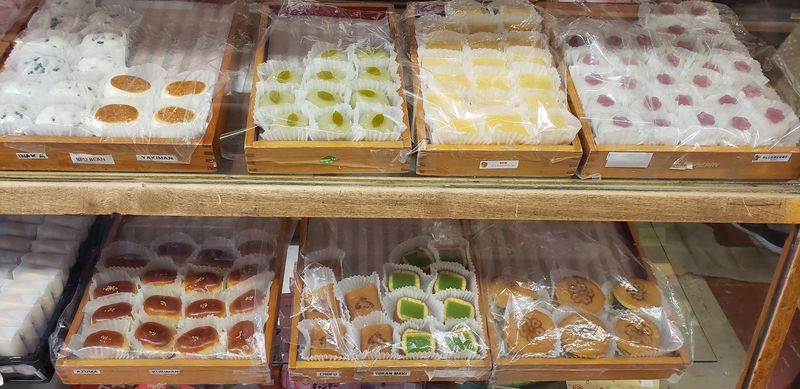
Traditionalists, this is your corner of the case. Fugetsu-Do offers a wide range of classic fillings, and many longtime fans say these are the pieces that truly show what the shop does best.
Red bean is the headliner. Visitors repeatedly name the red bean daifuku as a standout, with a generous amount of smooth filling and a deep, earthy sweetness.
White bean is another popular choice, a little milder and creamier in flavor.
Beyond those two, the menu stretches into mugwort, soybean, kinako, and matcha. Kinako is roasted soybean flour with a nutty taste, and one guest especially loved a red bean mochi finished with that soybean powder.
Mugwort gives the dough a soft green color and a slightly herbal note.
One regular offered smart advice for newcomers. If fruit flavors are not your thing, try some of the plainer, unflavored pieces, since each has its own texture and rice flavor.
After all, the mochi itself is the main event.
Another tip comes from a fan who visited with friends from New York. Ask the staff about the traditional options rather than sticking only with familiar flavors, and you may discover a new favorite.
Fruit, Chocolate, and Playful Colors
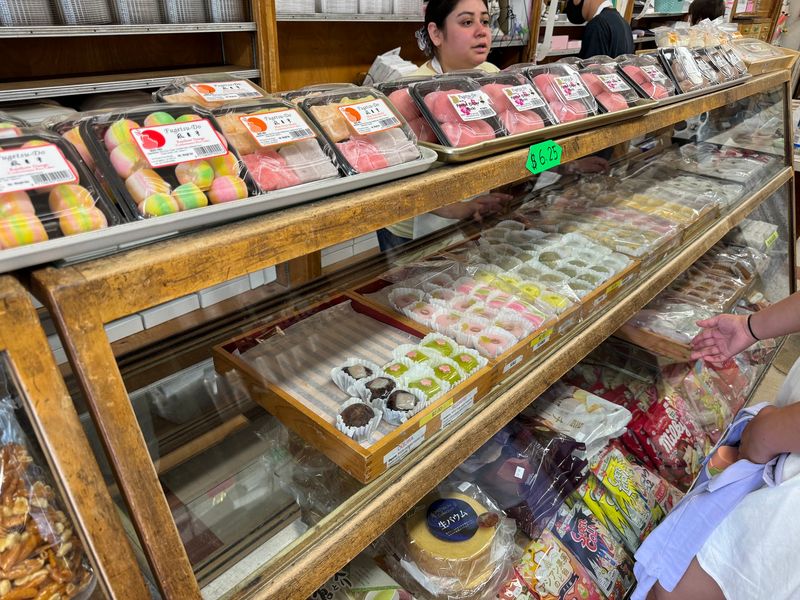
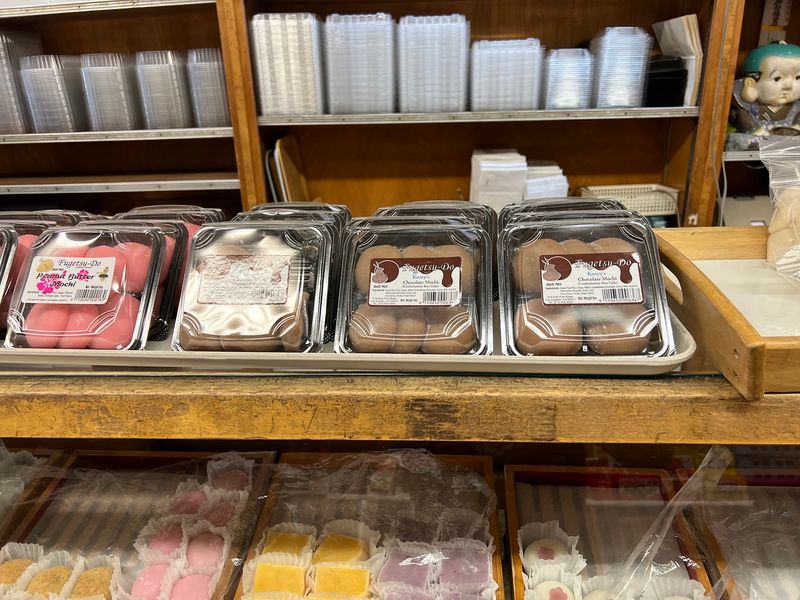
Bright pink, sky blue, sunny yellow, and swirled rainbow pieces make the display case look like a candy shop window. Alongside the classics, Fugetsu-Do turns out a cheerful lineup of modern flavors that draw plenty of fans.
Chocolate mochi earns a lot of love. One visitor called the chocolate pieces incredibly good, and another singled out a chocolate variety named after a family member as a must-try.
Mango is also a frequent favorite, along with blueberry, which some guests adore and others find a bit too candy-like.
Strawberry mochi gets glowing praise too. Several people say it is one of the best pieces in the shop, and even a disappointed guest admitted the fresh strawberry slice was a highlight.
Then there are the fun ones. The pink peanut butter mochi has a devoted following, and a blue Ohtani-themed piece has become a local hit with baseball fans.
Rainbow mochi, sold unfilled, is pretty enough for party trays.
Keep in mind that the shop focuses mostly on bean fillings, so fresh fruit options are limited. Think of the colorful flavors as a playful bonus rather than the whole menu.
Manju and the Baked Side of the Counter
Mochi gets most of the attention, but manju is the other half of the family tradition. These are small buns made with flour and usually filled with sweet bean paste, and the shop has been selling them right alongside mochi since 1903.
Guests who love chewy textures tend to enjoy both. One visitor described the mochi and manju as super chewy, not too sweet, and still good on the second day.
That kind of staying power makes them handy for sharing with family later.
Not every bite wins everyone over, though. One guest who adored the red bean daifuku found the bun version a little dry, comparing it to a slightly stale Chinese mantou.
Taste is personal, so it is worth trying a single piece before committing to a full box.
Here is a helpful way to plan. Grab a manju or two to sample next to your favorite mochi flavors, then compare.
Some people prefer the soft, baked shell, while others will always choose the stretchy rice dough.
Either way, tasting both gives you a fuller picture of what this historic Los Angeles kitchen has been perfecting for over a century.
Building Your Own Box
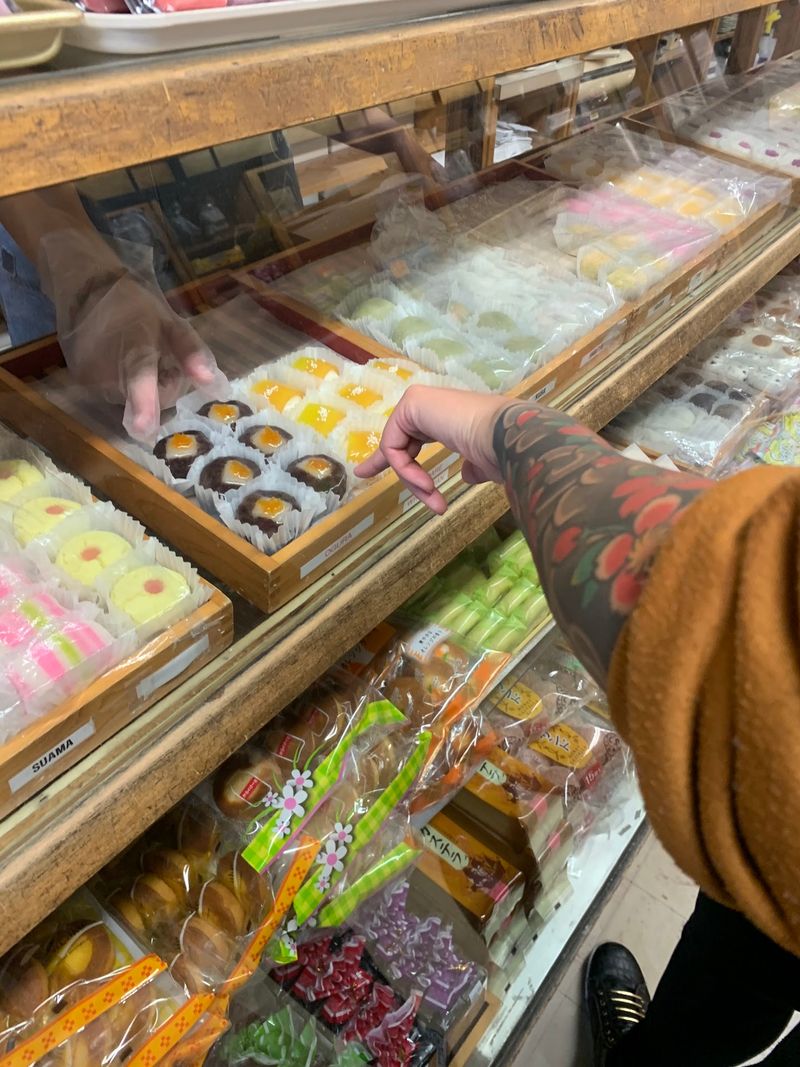
Choosing just one piece is nearly impossible, and the shop seems to know it. Fugetsu-Do sells pre-packaged mochi sets for quick grab-and-go trips, but you can also mix and match your own selection.
Custom boxes come in 6, 8, and 12 piece sizes. That makes it easy to build a sampler of red bean, white bean, chocolate, mango, and a couple of wildcards you have never tried before.
Families and office groups often go for the larger boxes so everyone gets a turn.
One group of visitors bought a sampler, several fruit and chocolate pieces, and some day-old rainbow mochi, filling about ten containers for around $60. They called the prices reasonable for that amount of handmade food.
A box also makes a thoughtful gift. Bringing mochi to a birthday, holiday dinner, or weekend gathering in California is a sweet way to share a piece of Little Tokyo history with people who may never have tasted it.
Besides mochi, the shop carries some other Japanese products as well, so take a look around while you wait. You might leave with a little extra treat tucked into the bag next to your box.
Friendly Faces and a Secret Worth Asking About
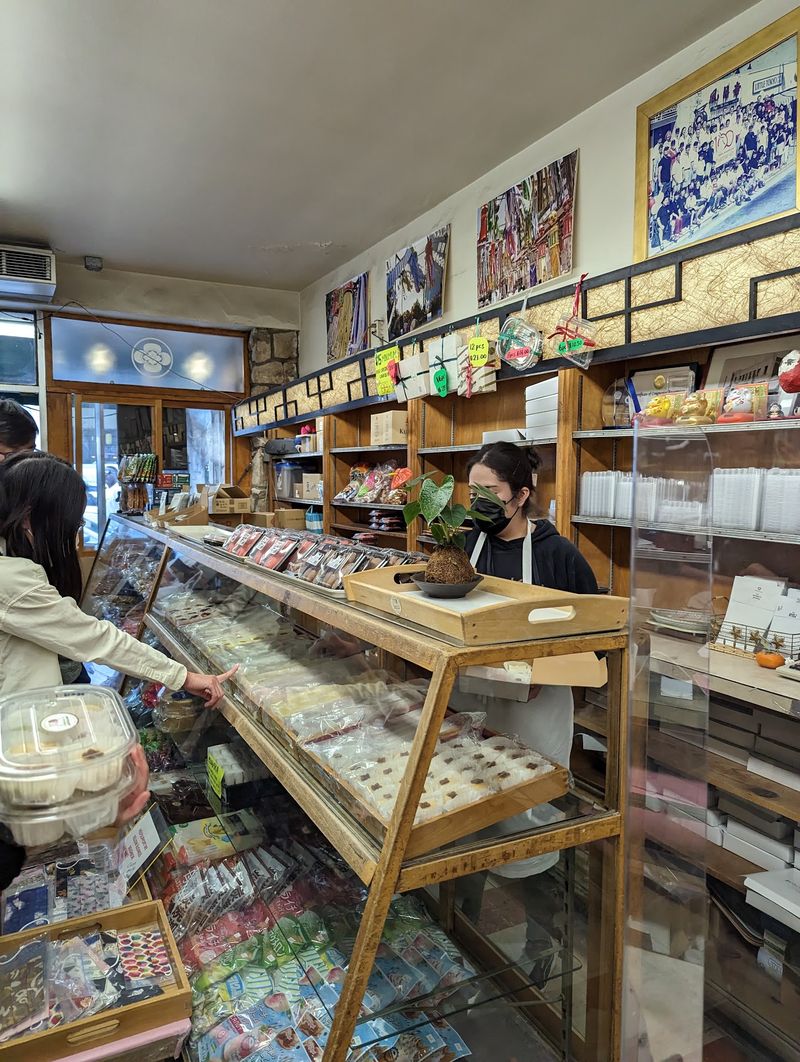
Kindness is one of the most mentioned details about this shop, right after the mochi itself. Visitors frequently describe the staff as warm, patient, and happy to answer questions about every flavor and filling.
First-timers especially appreciate it. One guest said the team took time to explain each item during their very first visit, which made the whole experience more enjoyable.
Another praised how patiently workers walked through the options, even with a line waiting.
Now for a pro tip that regulars love to share. Even if a flavor looks sold out, ask anyway.
One visitor watched customers behind them request a couple of flavors that seemed gone, and the staff found more in the back.
That small detail captures the spirit of the place. Fresh batches come out of the back kitchen, and the case is not always the full story.
A friendly question might land you the exact piece you were hoping for.
Speed matters too. Guests say service moves quickly once it is your turn, so the wait never drags too much.
The combination of fast hands and genuine friendliness turns a simple purchase into a pleasant little moment in your day.
Cozy Old-School Atmosphere
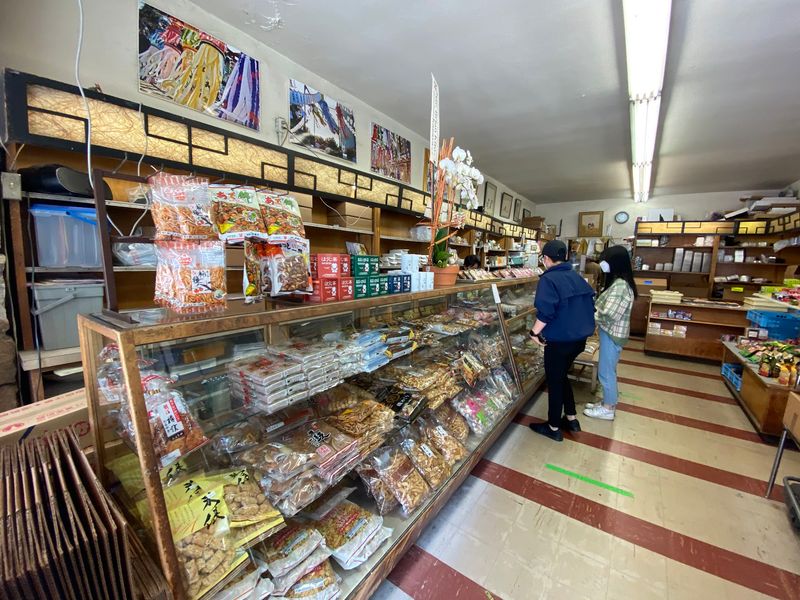
Step inside and the noise of downtown seems to fade a little. The interior is small and simple, and many guests describe it as a cozy little store packed with good feelings.
Nothing about it feels trendy or overdesigned. Visitors note that the shop has kept an old-school style, and that unhurried character is part of its appeal.
It feels like a neighborhood bakery that has quietly done its job for decades.
So who will love it most? History lovers will enjoy stepping into a business that opened in 1903.
Families will have fun letting kids pick bright pink and rainbow pieces, and dessert fans can taste their way through dozens of flavors in one stop.
Newcomers to mochi are welcome too. One guest admitted they barely knew what mochi was before visiting, yet left raving about the peanut butter flavor.
You do not need to be an expert to enjoy this place.
Travelers exploring Little Tokyo for the first time often call it an awesome find. Out-of-town friends seem especially charmed, which makes it a great spot to bring guests visiting California for the weekend.
Lines, Timing, and Patience
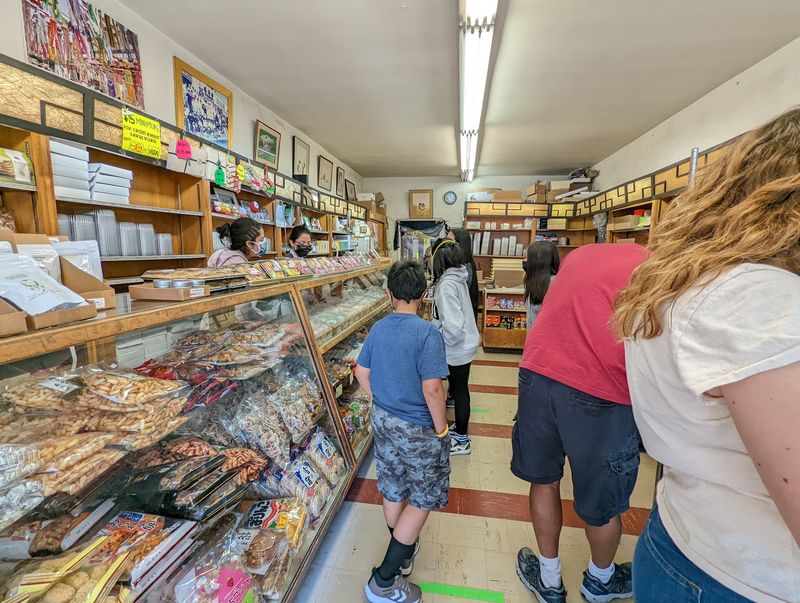
Expect company. Long lines are one of the most common things guests mention, and the popularity has grown even more since social media videos turned the shop into a destination.
Fortunately, the wait is usually manageable. Visitors often say the line moves quickly, and many call it completely worth it once they taste the first piece.
Weekends tend to draw the biggest crowds.
Timing can help. One visitor arrived around noon on a Saturday and found the line shorter than expected, with quick and friendly service once inside.
Since the shop opens at 8 a.m., an early morning stop is another smart plan.
Here are a few easy ways to make the wait pleasant:
Have a rough idea of your flavors before reaching the counter. Decide on a box size ahead of time.
Bring a friend so you can split more pieces and taste extra varieties.
Patience pays off. Even guests who stood in line for several minutes describe the experience as cheerful and smooth.
Think of it as part of the ritual, a little anticipation before the soft, sweet reward that has kept Los Angelenos lining up for generations.
Hours, Prices, and Getting There
Good news for planners: Fugetsu-Do keeps the same schedule every day of the week. The shop is open Sunday through Saturday from 8 a.m. to 6 p.m., so you can fit it into a morning stroll or an afternoon outing.
Prices are friendly for handmade sweets. Visitors have reported a red bean piece at around $2 and a blueberry piece at about $2.25.
Most guests call the cost reasonable, though a few feel it adds up quickly with larger orders.
Bring a card or a little cash. One regular mentioned the shop accepts cards only with a certain minimum purchase, which fits its old-school way of doing business.
Getting there is simple. The shop is at 315 1st St in Little Tokyo, about a 5 to 10 minute walk from the Little Tokyo Metro station.
Taking the train can save you the hassle of downtown parking.
Live farther east? Guests say the bakery delivers mochi to Tokyo Central in West Covina every Tuesday, Thursday, and Saturday around 10 to 11 a.m.
Some Asian grocery stores carry it too, though nothing beats the original shop.
Why the Trip Feels Worth It
After more than 120 years, it is easy to see why people keep returning. One guest put it simply, saying it is clear why the shop has lasted over a century once you taste the mochi.
Not every visit is perfect. A few guests have found certain flavors too sweet or a bit artificial, and the buns do not win everyone over.
Still, the large majority leave happy, praising the soft texture, balanced sweetness, and friendly service.
What makes Fugetsu-Do memorable is the mix of history and everyday joy. You can taste a recipe tradition that began in 1903, chat with kind staff, and walk out with a box of colorful treats in just a few minutes.
For California day-trippers, it is an easy win. Pair it with a stroll around Little Tokyo, a ride on the Metro, or a casual lunch nearby.
Whether it is a cool winter weekend or a bright spring afternoon, the shop makes a sweet anchor for the day.
Grab a red bean classic, add something playful like peanut butter or strawberry, and enjoy a quiet taste of Los Angeles history.