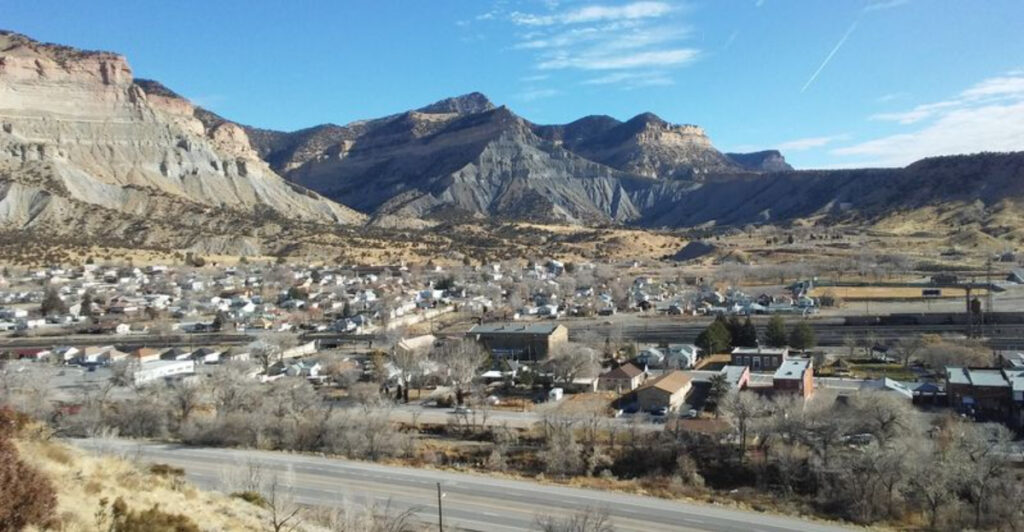
Affordable retirement should not feel like giving up the good stuff, and this small Utah town proves that point fast. Set in rugged canyon country, it offers the kind of slower pace that feels practical without feeling sleepy.
The appeal is not flashy, which is exactly the point. You get room to breathe, local character, wide-open scenery, everyday convenience, and a cost of living that can help a fixed income stretch further than it would in many bigger destinations.
For retirees, that combination matters. A town does not need luxury shopping or resort polish to feel rich in the ways that count.
It needs comfort, community, manageable expenses, and enough personality to keep daily life interesting. Across Utah’s quieter corners, places like this are becoming harder to ignore.
Move at your own pace, keep more of your money, and enjoy a life that feels grounded instead of squeezed.
Carbon County’s Quiet Outdoor Playground Right Outside Your Door
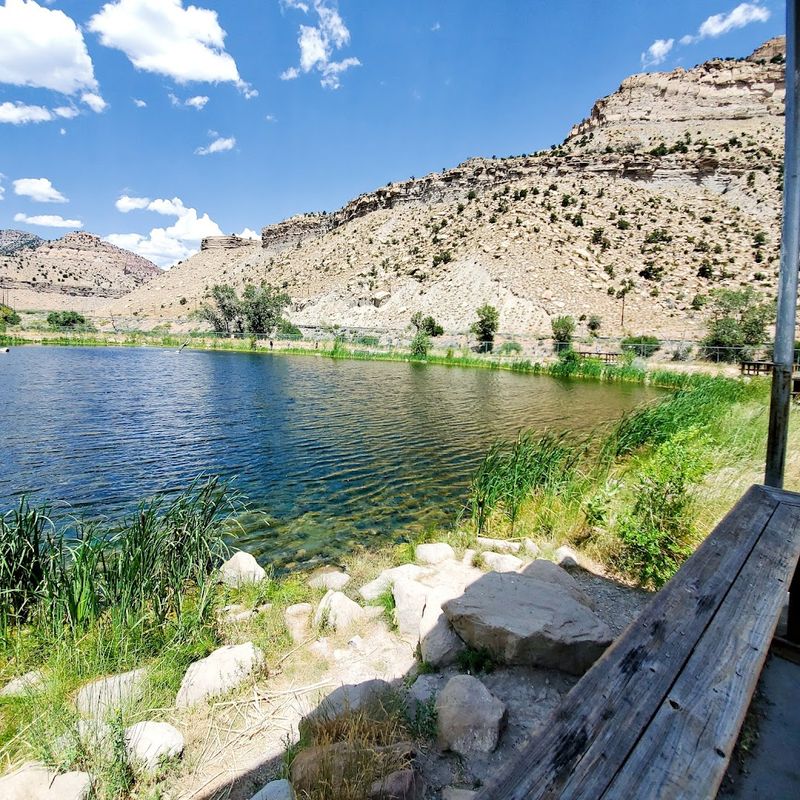
There’s a particular pleasure in stepping outside your front door and immediately being somewhere worth being. This town sits in a canyon setting that hands you dramatic scenery without requiring a drive to a national park entrance fee booth.
The surrounding Carbon County terrain offers accessible natural spaces where a morning walk feels genuinely rewarding rather than like exercise disguised as scenery.
The Price River runs nearby, and the canyon walls that frame the town give everyday life a backdrop that most retirees would pay considerably more to enjoy elsewhere. Fresh air, open space, and trails that don’t demand elite fitness levels make outdoor time here genuinely approachable.
Pro Tip: Early mornings in the canyon are especially good, cooler temperatures and quieter roads mean you get the landscape almost entirely to yourself before the day picks up speed.
Best For: Active retirees who want regular access to nature without the crowds, entrance fees, or long drives that usually come with Utah’s more famous outdoor destinations. It gives you the scenery at a neighborhood scale.
A Town That Actually Fits a Retirement Budget
Most retirement planning conversations eventually circle back to one uncomfortable truth: the places worth living in tend to cost more than they should. Helper flips that script in a satisfying way.
Located in Carbon County, Utah, this city of roughly 2,100 residents carries a cost of living that consistently runs well below the national average, giving retirees room to breathe financially without sacrificing a sense of place.
Housing costs here are particularly notable. Whether you’re renting or buying, the price tags don’t require a second mortgage on your dignity.
Utilities, groceries, and everyday expenses follow a similar pattern, staying modest without feeling sparse.
Why It Matters: For retirees on fixed incomes, predictable and low monthly costs aren’t a luxury, they’re the whole plan. Helper delivers exactly that kind of financial stability.
Best For: Retirees transitioning from higher-cost metros like Salt Lake City who want to keep their savings intact while still living in a community with genuine personality and history baked right into its streets.
A Real Main Street That Still Functions Like One
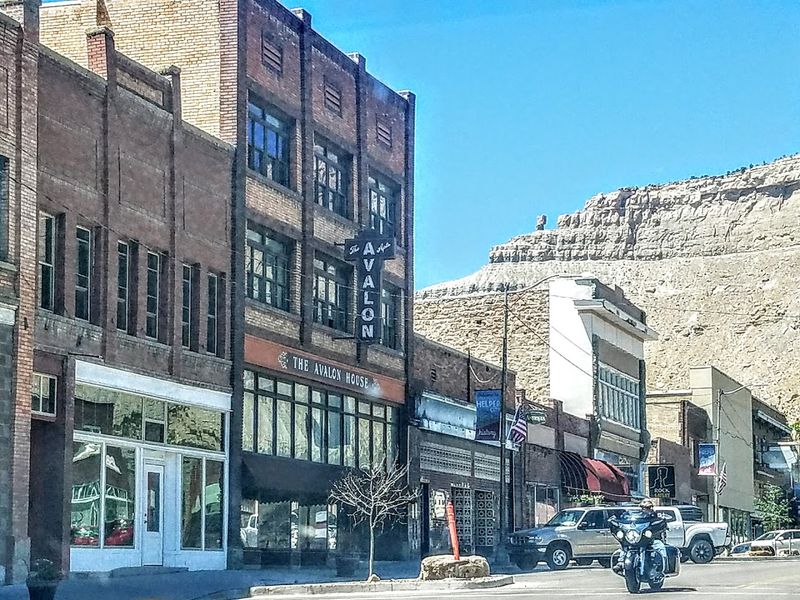
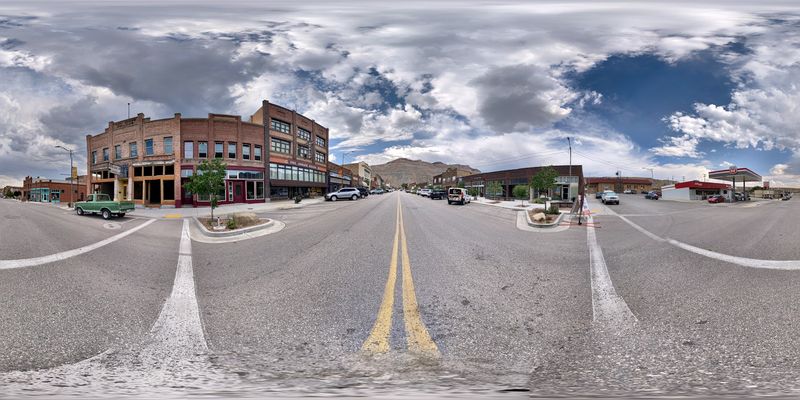
Helper’s Main Street is the kind that urban planners spend entire careers trying to recreate and usually fail at. The historic brick buildings that line it aren’t decorative props.
They house actual businesses, community spaces, and the kind of foot-traffic rhythm that makes a downtown feel inhabited rather than curated for tourists.
Walking Main Street in Helper is a short but genuinely satisfying experience. The scale is human, meaning you can cover it without a car and without planning an expedition.
A quick stroll gives you a clear read on the town’s personality: practical, unpretentious, and quietly proud of its working-class roots.
Insider Tip: The architecture along Main Street reflects Helper’s history as a railroad and mining supply hub, and the buildings themselves are worth a slow look. You don’t need a guidebook to appreciate the craftsmanship that went into structures built to last.
Best For: Retirees who value walkability and want a downtown they can actually use on a daily basis, not just admire from a car window passing through on a weekend drive.
The Social Fabric That Makes Small Towns Actually Work
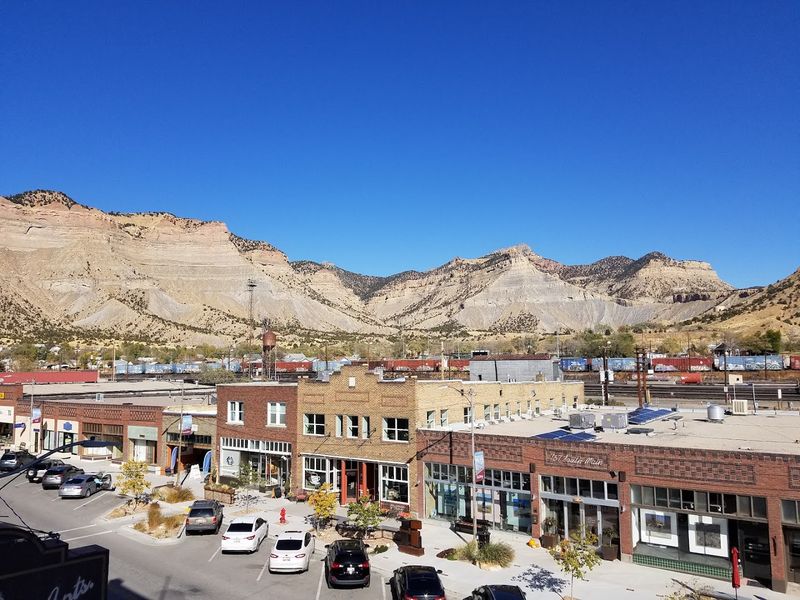
One of the underrated risks of retirement is isolation, and it’s more common than most people admit. Helper’s size, just over 2,100 residents according to the 2020 census, turns out to be close to ideal for building genuine social connections without getting swallowed by anonymity.
You’ll recognize faces at the grocery store within weeks of moving in, and that’s not a small thing.
The town has an arts and community culture that punches above its population weight. Local events, galleries, and shared public spaces give residents regular, low-pressure reasons to show up and interact.
That kind of organic social infrastructure is exactly what retirees need and rarely find pre-packaged in larger cities.
Who This Is For: Retirees who’ve watched friends disappear into suburban sprawl and want a community where neighbors are actually neighbors, not just people who share a zip code.
Who This Is Not For: Anyone who prefers total anonymity and zero social obligation. Helper is small enough that you will be known, and most people here consider that a feature rather than a drawback worth avoiding.
Proximity to Price Without Paying Price’s Prices
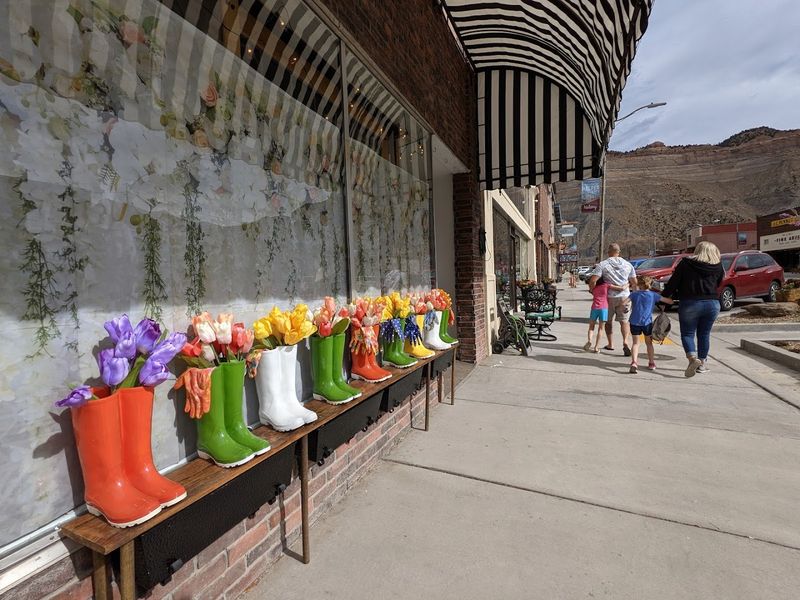
Seven miles. That’s the distance between Helper and Price, the nearest city with a broader range of shopping, medical services, and amenities.
For retirees, that proximity is genuinely practical. You get the quiet and affordability of a small town while staying within easy reach of a larger service hub whenever you need it.
Price offers hospitals, chain retailers, and the kind of infrastructure that supports day-to-day life at a more complete scale. Helper residents can access all of that without actually paying to live in it.
It’s the kind of geographic advantage that retirement calculators don’t capture but your monthly budget will absolutely notice.
Planning Advice: Run your errands in Price on a schedule rather than making daily trips. Most Helper retirees find that a couple of well-planned visits per week covers everything, keeping fuel costs low and the quiet of small-town living intact the rest of the time.
Best For: Retirees who want small-town peace but aren’t willing to sacrifice access to quality healthcare, shopping variety, and services that a larger nearby city reliably provides without much fuss.
Four Seasons Without the Four-Season Price Tag
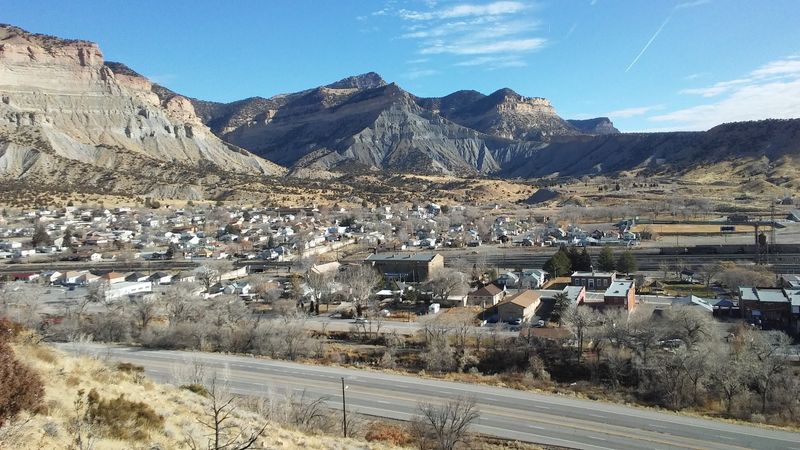
Utah’s climate gets a lot of deserved attention, and Carbon County delivers a genuine four-season experience without the premium that comes with resort towns or coastal addresses. Helper sees real winters with snow, warm summers, and the kind of transitional seasons that actually feel like transitions rather than just a two-week blip between extremes.
For retirees who spent decades in climate-controlled offices dreaming of actual weather, Helper delivers. Winter evenings carry that specific canyon chill that makes a warm house feel earned.
Summers are warm but the elevation keeps things from tipping into the oppressive heat that flattens lower-desert towns in July and August.
Quick Tip: Spring and fall are arguably Helper’s best seasons for getting outside. The canyon light at those times of year is exceptional, and the temperatures are forgiving enough for long, unhurried walks without much preparation required.
Best For: Retirees who want seasonal variety and the psychological rhythm that comes with it, without paying mountain resort prices for the privilege of watching leaves change or snow fall on a quiet street.
The Bottom Line on Living Big in a Small Place
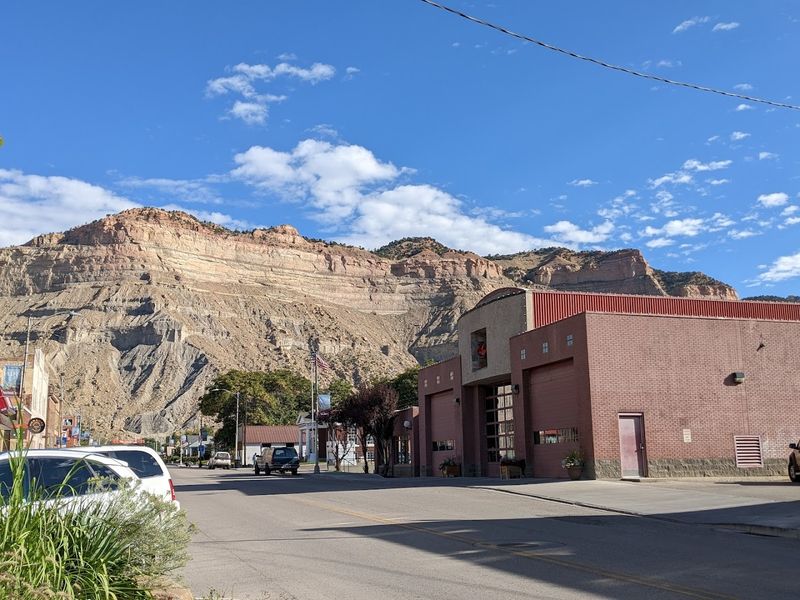
Here’s what Helper, Utah actually offers retirees: a low cost of living, a walkable historic downtown, canyon scenery outside the door, a real community at human scale, quick access to a larger city seven miles away, and four genuine seasons without resort-town pricing. That’s a list most retirement destinations would struggle to match at twice the cost.
The town sits 110 miles southeast of Salt Lake City, far enough to feel genuinely removed from urban pressure but close enough that a day trip is always an option. At just over 2,100 residents, it’s small enough to feel personal without being so small that daily life becomes inconvenient.
Quick Verdict: Helper is the retirement move that makes financial sense and lifestyle sense at the same time, which is rarer than it should be.
Common Mistakes to Avoid: Don’t confuse small with limited. Helper’s size is its advantage, not its compromise.
Retirees who arrive expecting a miniature version of a big city leave disappointed. Retirees who arrive ready to trade scale for substance tend to stay far longer than they originally planned, and most of them will tell you that was exactly the right call.