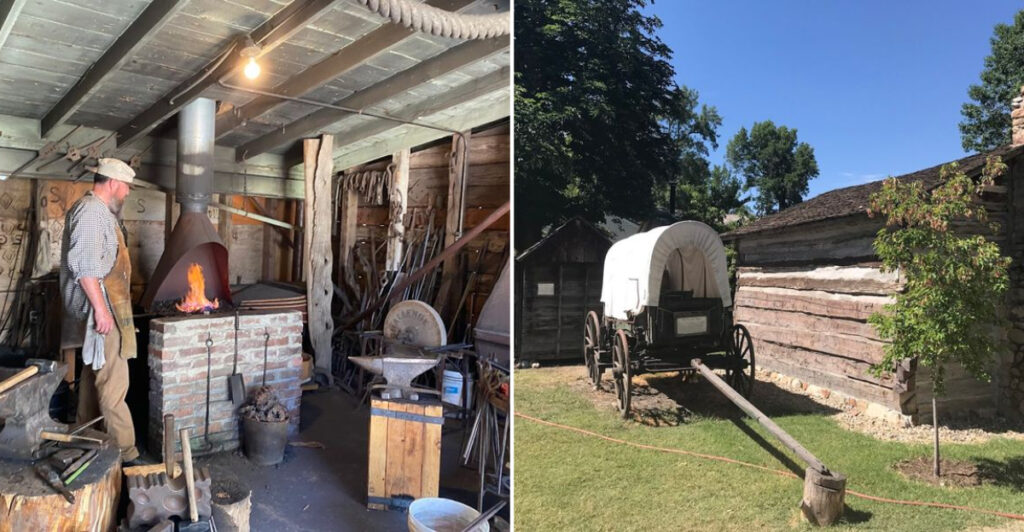
Utah history gets a lot more interesting when it comes with creaking floorboards, scavenger clues, and people who can make the 1800s feel surprisingly alive. This free, donation-supported village turns pioneer life into something you can actually wander through, not just read about on a sign.
Wooden buildings, period clothing, hands-on details, and a strong dose of community care give the place a warmth that feels rare in family outings. Kids get the fun of searching, spotting, and exploring, while adults get that satisfying feeling of learning without being trapped in lecture mode.
Nothing about it feels overproduced, which is exactly the charm. It works because it feels personal, patient, and lovingly preserved.
Utah’s past can seem distant when it is reduced to dates, but here it becomes rooms, tools, stories, and little discoveries that make everyone stay longer than planned.
A Hidden Gem That Locals Treat Like a Family Secret
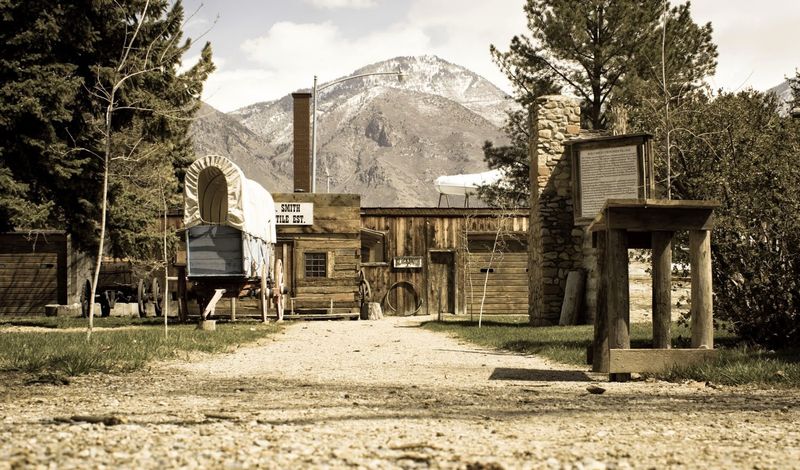
There is a particular satisfaction in finding a place that feels completely off the tourist radar, and this place delivers that feeling the moment you step through the gate. Most visitors stumble across it by word of mouth, which is exactly the kind of social currency that keeps a place honest and unhurried.
The village holds a strong rating built on hundreds of visits, and the consensus is remarkably consistent: people leave genuinely surprised by how much they enjoyed it. That is not a small thing for a free, volunteer-run historic site tucked into a residential corner of Provo.
What makes it feel like a secret is not that it is hidden, but that it operates with the quiet confidence of a place that does not need to advertise. The wooden structures, the period-dressed guides, and the unhurried pace all signal that this is somewhere worth your afternoon.
Quick Tip: Check the operating hours before you go. The village runs Wednesday, Friday, and Saturday with limited windows, so a little planning goes a long way toward avoiding a wasted trip.
What the Village Actually Is and Why That Matters
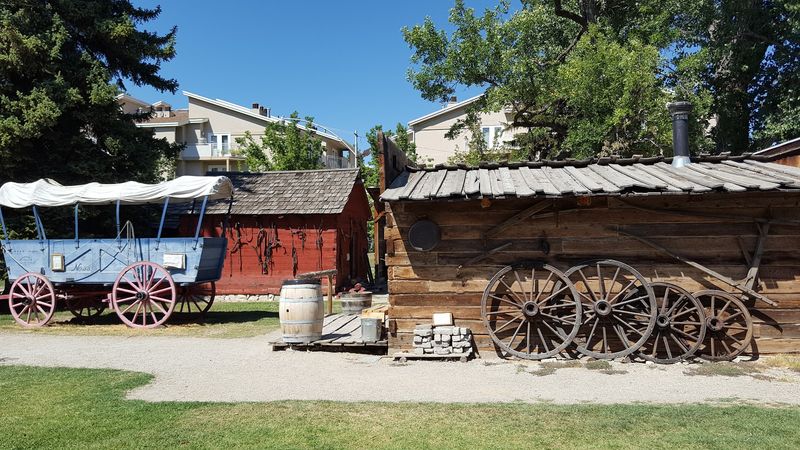
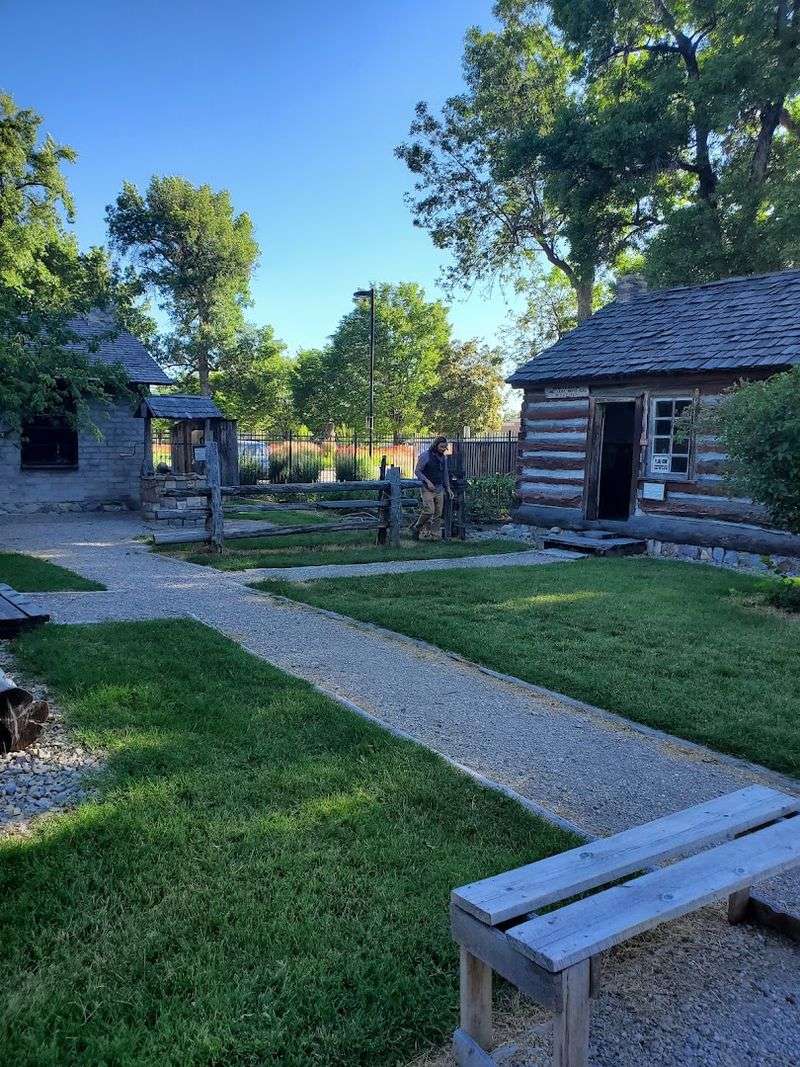
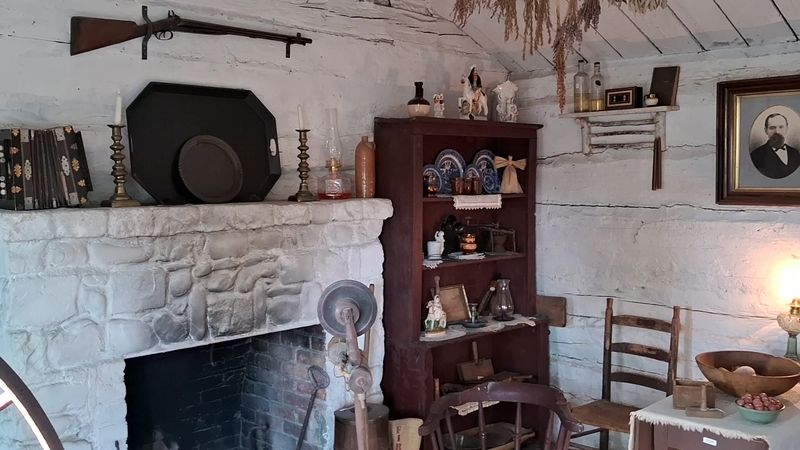
Provo Pioneer Village is a summer living-history museum featuring authentic wooden buildings that transport visitors directly into pioneer-era Utah. The structures are not replicas built for ambiance; several of them are original constructions, and some artifacts on display are more than 100 years old.
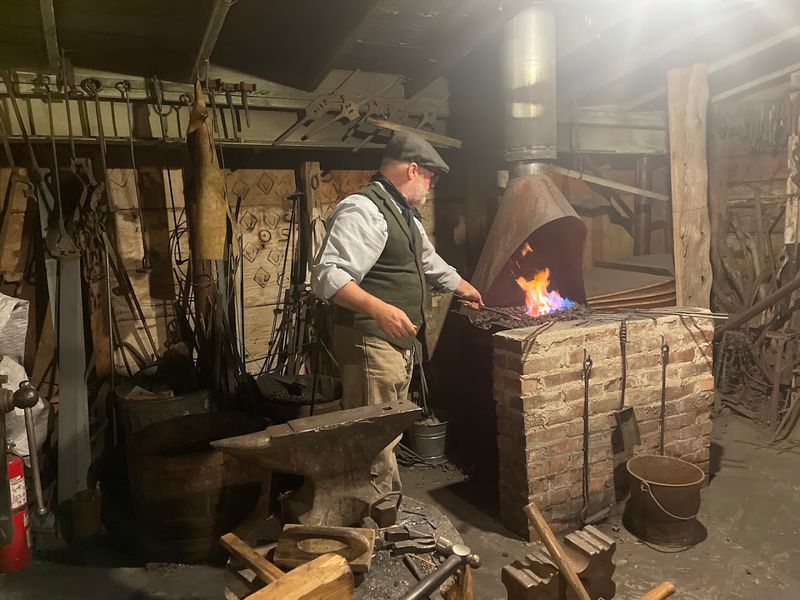
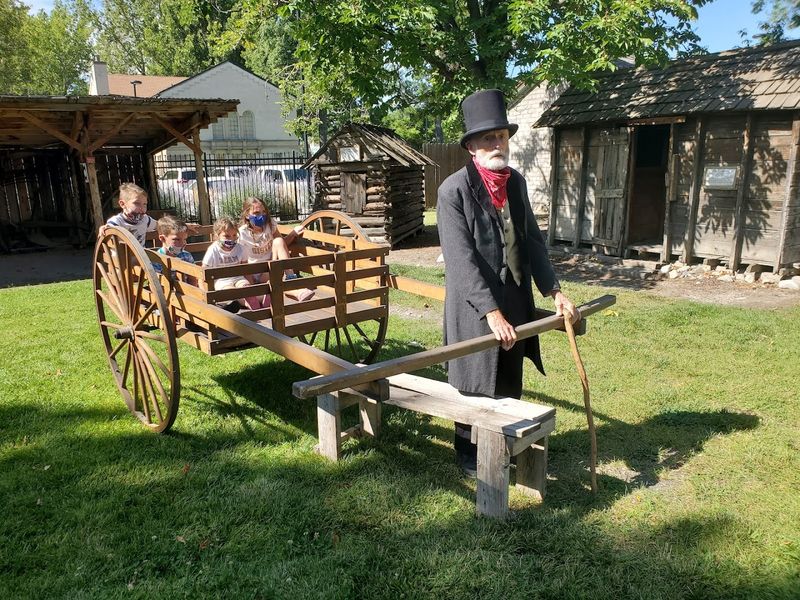
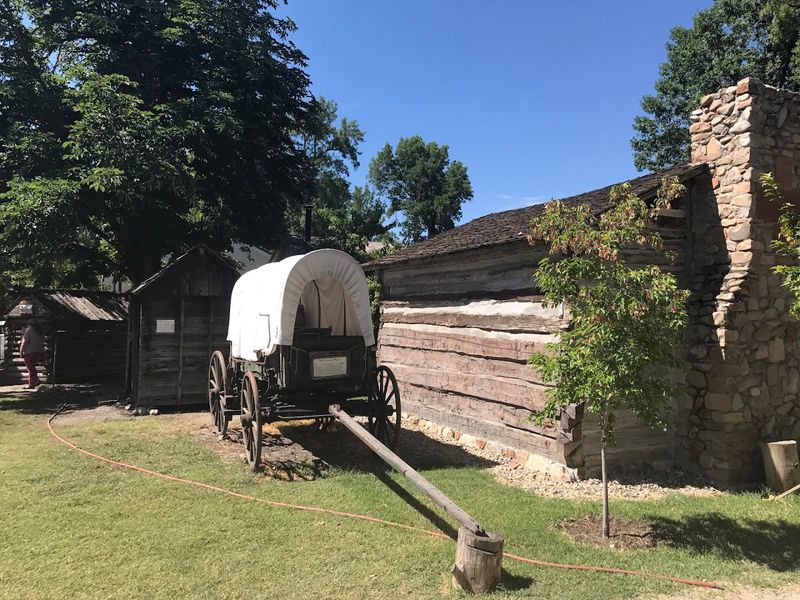
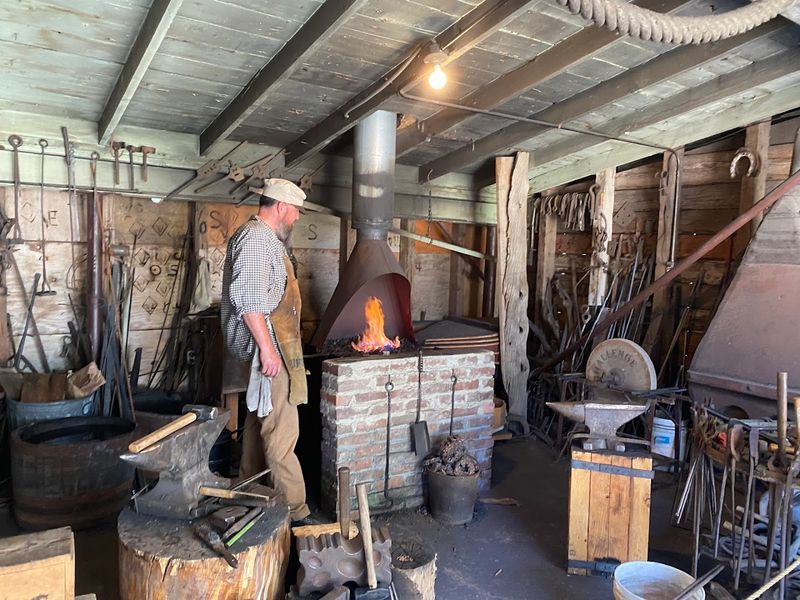
The site includes a schoolhouse, a blacksmith shop, original cabins, outhouses, and US military wagons. Costumed interpreters walk the grounds and actively engage visitors, sharing stories and demonstrating what daily pioneer life actually looked like.
It is the kind of place where history stops being a subject and starts being an experience.
There is also a gift shop on-site, though it is worth knowing that they accept cash or Venmo only, so come prepared. The museum building itself is wheelchair accessible, with a ramp at the entrance and an elevator serving multiple floors.
Why It Matters: Living-history museums like this one preserve not just objects but practices, stories, and community memory. For a site that charges nothing at the gate, the depth of what it offers is genuinely impressive and worth supporting with a donation on your way out.
The Arrival Moment That Changes Your Afternoon
Pull into the parking area on a Wednesday evening around 5 PM and something shifts. The noise of Provo’s regular traffic fades, and what replaces it is the sound of someone explaining how butter was churned in the 1850s while a child in a pioneer bonnet looks on with genuine concentration.
That is the arrival scene at Provo Pioneer Village, and it lands differently than you might expect. There is no ticket booth, no gift shop gauntlet, no branded merchandise stand demanding your attention before you see a single historical object.
You just walk in and the 19th century quietly takes over.
The grounds are small enough to feel approachable but layered enough to reward slow exploration. Families with young children tend to orbit the schoolhouse and the games area.
Adults without kids often linger near the blacksmith shop, watching a volunteer craft something by hand with the kind of focused patience that modern life rarely rewards.
Best For: Visitors who want an experience that feels genuinely different from a standard museum visit. The open-air format and interactive elements make it engaging for all ages, not just the historically inclined.
Why the Volunteers Are the Real Attraction
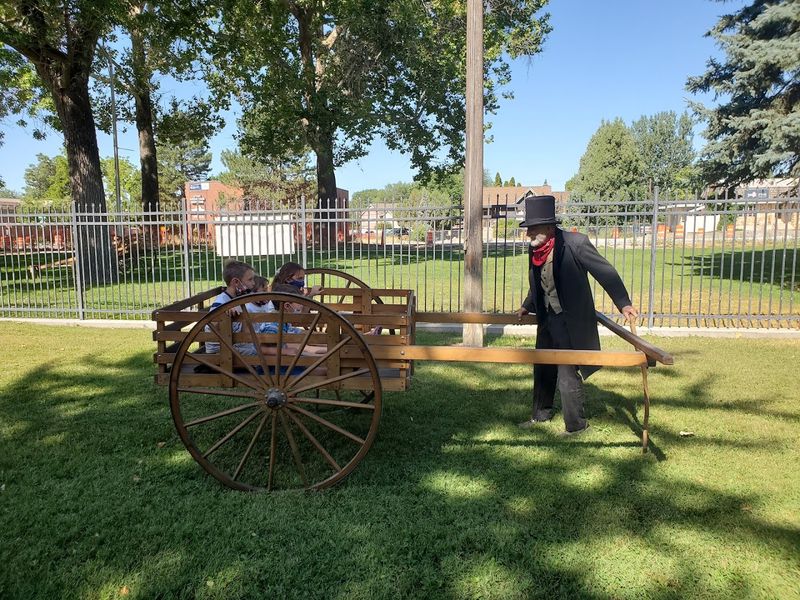
Every great historic site has a secret ingredient, and at Provo Pioneer Village, it is the volunteers. They wear period clothing, carry genuine knowledge, and engage visitors with the kind of enthusiasm that cannot be faked or scripted.
Multiple visitors have pointed to the storytelling as a highlight that elevates the entire experience.
On Monday evenings, the village has historically featured rotating storytellers, each bringing a different tale from pioneer life. That rotating format keeps return visits feeling fresh rather than repetitive, which explains why so many families come back season after season.
Regulars treat it the way others treat a favorite local spot: with loyalty and the occasional nudge to a friend who has not been yet.
The volunteers are also remarkably good with children, which is no small feat. They field questions about outhouses, butter churns, and pioneer candy with equal patience and humor, which is exactly the energy a summer evening outing needs.
Insider Tip: If you have kids who are curious but easily distracted, let a volunteer lead the conversation. They are skilled at reading the room and keeping young visitors engaged without turning it into a classroom moment.
The Scavenger Hunt That Earns Genuine Enthusiasm
Few things unite a group of children faster than the promise of a prize at the end of a task, and the scavenger hunt at Provo Pioneer Village understands this perfectly. Kids are handed a paper list of objects and clues to find across the grounds, and what follows is a focused, surprisingly educational sprint through pioneer history.
At the end of the hunt, children trade in their completed sheets for candy, which in past visits has included butterscotch suckers and other period-appropriate sweets. The candy itself has a coating that might look dusty but is actually powdered sugar or cornstarch, a genuine 1800s preservation method that the staff are happy to explain.
It is a small detail that turns a snack into a history lesson.
Parents consistently report that the scavenger hunt kept their children engaged for the entire visit, asking questions and making observations they would not have made on a standard walkthrough. That is the kind of organic learning that no worksheet or classroom exercise reliably produces.
Pro Tip: Grab the scavenger hunt paper right at the start of your visit rather than halfway through. It reframes every building and artifact as a clue rather than a backdrop, which changes how kids experience the whole site.
How It Fits Into a Real Family Afternoon
Provo Pioneer Village works for families, couples, and solo visitors without requiring any of them to compromise. Families get the scavenger hunt, the games, the dress-up clothes, and the schoolhouse.
Couples get a genuinely unhurried walk through history with no crowds pushing them along. Solo visitors get the rare pleasure of a volunteer who will actually talk to them like a person rather than a ticket number.
The site is small enough that a visit with young children typically runs about 30 to 60 minutes, which is the ideal length for keeping everyone happy without anyone melting down in the parking lot. Adults who linger and explore more deeply can stretch that to two hours without running out of things to look at or ask about.
There is also a park adjacent to the village with picnic tables and play equipment, which makes it easy to extend the outing naturally. Pack a simple lunch, finish the scavenger hunt, and let the kids run off the remaining energy before the drive home.
Common Mistakes to Avoid: Do not arrive in the last 30 minutes of an operating window. The volunteers are generous with their time, but the experience is richer when you give yourself room to wander rather than rushing through before closing.
Making It a Mini Outing Without Overcomplicating Things
The village is open Wednesday and Friday from 5 to 8 PM and Saturday from 11 AM to 3 PM, which makes it a natural candidate for a post-errand reward or a pre-dinner detour rather than a full-day commitment. Provo’s downtown is close enough that you can pair the visit with a short Main Street stroll without any logistical gymnastics.
Saturday mornings work particularly well for families who want to make the visit feel like an event without waking up at an unreasonable hour. The 11 AM opening gives everyone time to arrive fed, caffeinated, and in a reasonable mood, which is a scheduling gift that more attractions should consider.
Parking is described by visitors as easy and accessible, which removes one of the standard friction points of any spontaneous outing. Clean bathrooms on-site are another small but meaningful detail that parents of young children will quietly appreciate more than they let on.
Planning Advice: Check the website at provopioneervillage.org before your visit, especially if you are planning around a seasonal event like the Autumn Harvest or Pioneer Christmas celebration. Those dates draw larger crowds and offer programming that goes well beyond the standard visit.
Seasonal Events That Make Return Visits Worth Planning
One of the underrated qualities of Provo Pioneer Village is that it gives you reasons to come back. The site hosts seasonal celebrations including an Autumn Harvest event and a Pioneer Christmas, and both have earned enthusiastic responses from families who have made them annual traditions.
The Pioneer Christmas event has featured music, dancing, games, stories, refreshments, and an appearance by Father Christmas, which is the kind of lineup that sounds modest on paper but lands with real warmth in person. The evening hours during winter events give the village a completely different atmosphere from a summer afternoon visit, with lantern-style lighting and the particular quiet of a cold Utah night making everything feel more intimate.
For families who visit once in summer and once in December, the contrast between the two experiences is sharp enough to feel like two different places sharing the same address. That kind of seasonal range is genuinely rare for a free, volunteer-run site.
Who This Is For: Families looking for a low-cost holiday tradition that feels meaningful rather than commercial. The Pioneer Christmas event in particular offers something that no mall Santa or light display can replicate: a sense of history made personal and warm.
The Honest Case for Putting This on Your List
Here is the straightforward version: Provo Pioneer Village is free, well-maintained, staffed by people who genuinely care, and stocked with enough authentic history to make you feel like the afternoon was well spent. That combination is rarer than it should be.
The site holds a strong rating from a solid base of visitors, and the feedback is remarkably consistent across years and seasons. People who expect little leave impressed.
People who bring skeptical teenagers occasionally report that the blacksmith shop won them over. That is a meaningful data point.
It is small, which some visitors note as a limitation but which others correctly identify as a feature. Small means unhurried.
Small means the volunteers actually talk to you. Small means your kids cannot get lost, and you can have a real conversation with the person explaining how pioneer families survived a Utah winter without a thermostat.
Quick Verdict: If you are in Provo and have two hours to spare, this is the easiest confident recommendation in town. Bring cash or Venmo for the gift shop, bring patience for the candy coating explanation, and bring a genuine willingness to be surprised by how much you enjoy a place that costs you nothing to enter.