At first glance, a quiet wetland can seem almost too still, all open water, waving grass, and sky stretching farther than expected. Then migration season arrives, and Kansas turns the volume all the way up.
Suddenly the air fills with wings, calls, ripples, and constant motion as thousands of birds sweep across the landscape like a living tide.
It is one of those rare natural spectacles that feels both peaceful and thrilling, the kind of scene that makes you forget your phone until you realize you should have been recording the whole thing.
The beauty is not polished or staged. It is wild, seasonal, and completely unforgettable.
I always love places that reward patience, and watching a calm wetland transform into a sky-filled gathering place feels like nature handing you a front-row seat to something extraordinary.
The Largest Interior Marsh In The United States
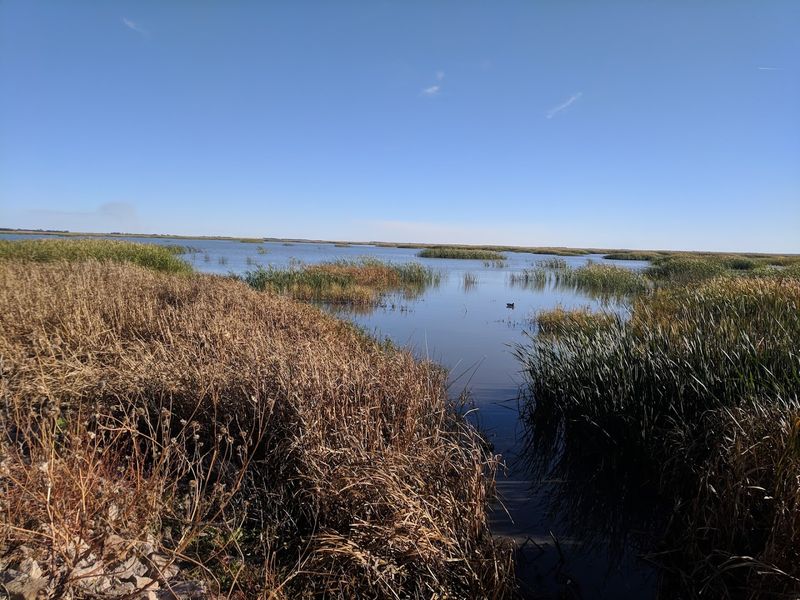
Most people picture mountains or coastlines when they think of dramatic American landscapes, but Cheyenne Bottoms near Great Bend, Kansas, quietly holds a record that surprises nearly everyone who hears it.
The full Cheyenne Bottoms basin covers approximately 41,000 acres, making it the largest interior wetland in the United States.
Within that larger wetland complex, the Cheyenne Bottoms Wildlife Area managed by Kansas wildlife officials covers 19,857 acres, while The Nature Conservancy protects an adjacent preserve.
The area formed naturally in a low-lying basin where water collects from surrounding watersheds, creating a vital wetland environment in an otherwise dry region.
Kansas is not exactly famous for its water features, which makes this place feel even more unexpected.
Few interior marshes anywhere in the country rival the scale and importance of what exists here. The size alone makes it worth the detour on any cross-country road trip.
A Critical Stop On The Central Flyway
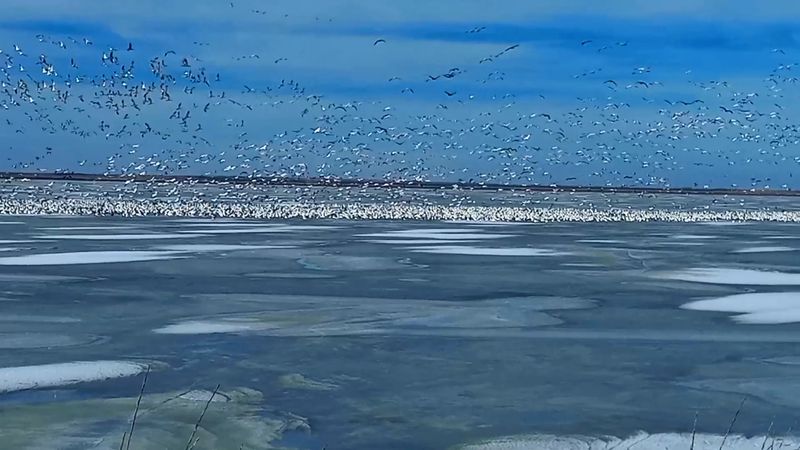
Twice a year, the skies above central Kansas transform into something that looks like a living, breathing river of birds.
Cheyenne Bottoms Wildlife Area sits directly on the Central Flyway, one of the major North American bird migration corridors.
An estimated 45 percent of North American migratory shorebirds stage at Cheyenne Bottoms during migration, making it one of the most important shorebird stopover sites on the continent.
That statistic is almost hard to process until you actually see the flocks gathering above the marsh.
The Central Flyway runs through the Great Plains, connecting northern breeding grounds with wintering areas far to the south, and Cheyenne Bottoms functions as a crucial rest and feeding stop along the route.
Birders from across the country plan dedicated trips just to witness the migration spectacle.
Missing this place during migration season would be like skipping the main event at one of the world’s great nature shows.
The Staggering Variety Of Bird Species Found Here
The species list at Cheyenne Bottoms reads more like a fantasy checklist for serious birders than a realistic inventory for a single location in Kansas.
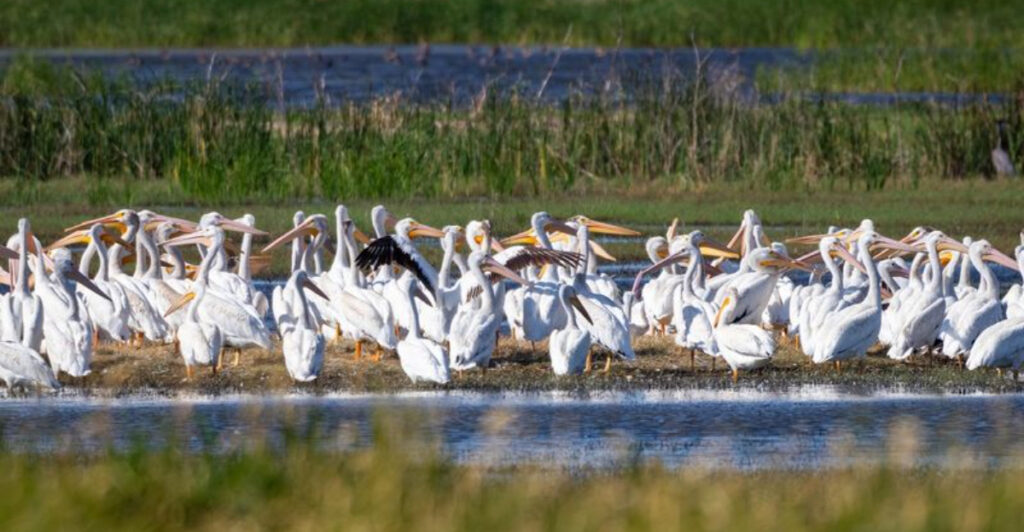
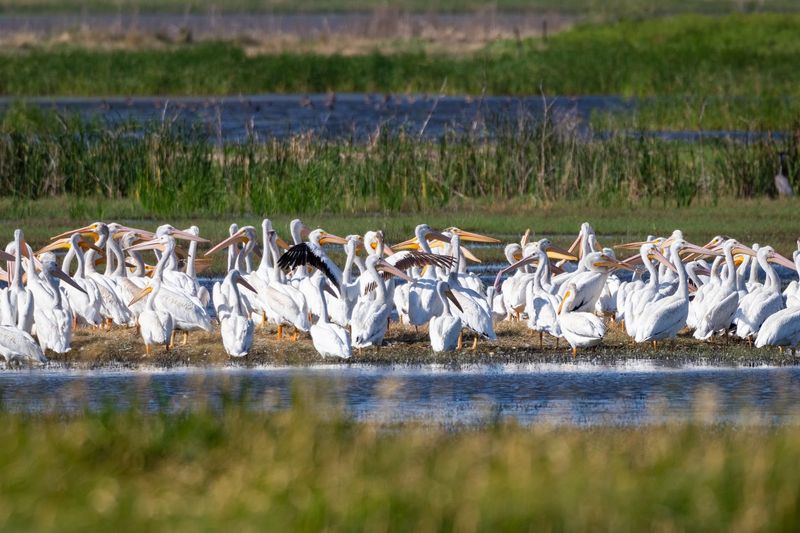
Sandhill cranes, whooping cranes, white pelicans, bald eagles, northern harriers, Franklin’s gulls, northern pintails, and red-winged blackbirds all show up in the broader region at different points of the year.
White egrets, great blue herons, and dozens of duck and shorebird species round out the mix, making every visit feel like a new experience.
Even winter visits can surprise first-time visitors with bald eagles and hardy waterfowl.
More than 330 bird species have been documented at Cheyenne Bottoms, and The Nature Conservancy lists 356 bird species observed across the larger wetland complex.
The combination of shallow water, open sky, and rich food sources creates conditions that attract an almost absurd range of species.
You could spend an entire day here and still not see everything the marsh has to offer.
Why So Many North American Birds Pass Through
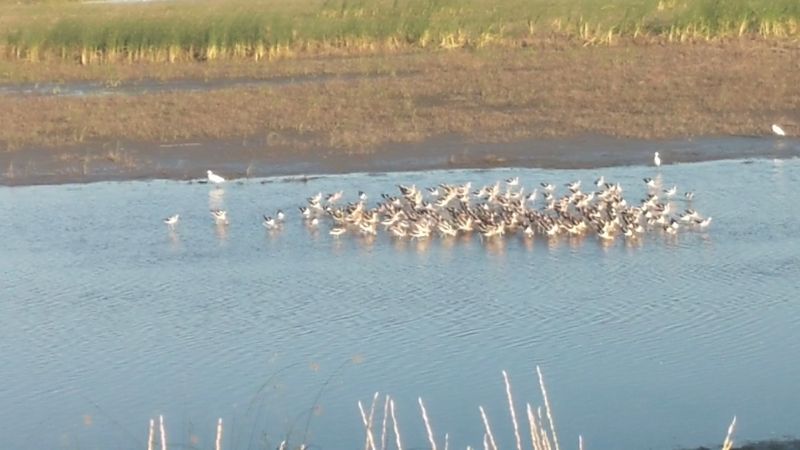
Here is a number that puts everything into perspective: more than 330 bird species have been observed at Cheyenne Bottoms, making it one of the most important birding destinations in the interior United States.
That figure includes birds traveling between northern breeding grounds and southern wintering areas across the Americas.
The reason so many birds funnel through this specific spot comes down to geography and food availability.
The wetlands provide shallow water teeming with invertebrates, seeds, and small fish, giving migrating birds exactly what they need to rebuild their energy reserves.
The flat, open terrain of central Kansas also offers clear sightlines and broad resting habitat, which migrating birds rely on during long seasonal journeys.
Conservation experts consistently identify Cheyenne Bottoms as an irreplaceable link in the continental migration chain. Remove this marsh, and the entire system would feel the impact almost immediately.
The Nickname That Says It All: Oasis On The Plains
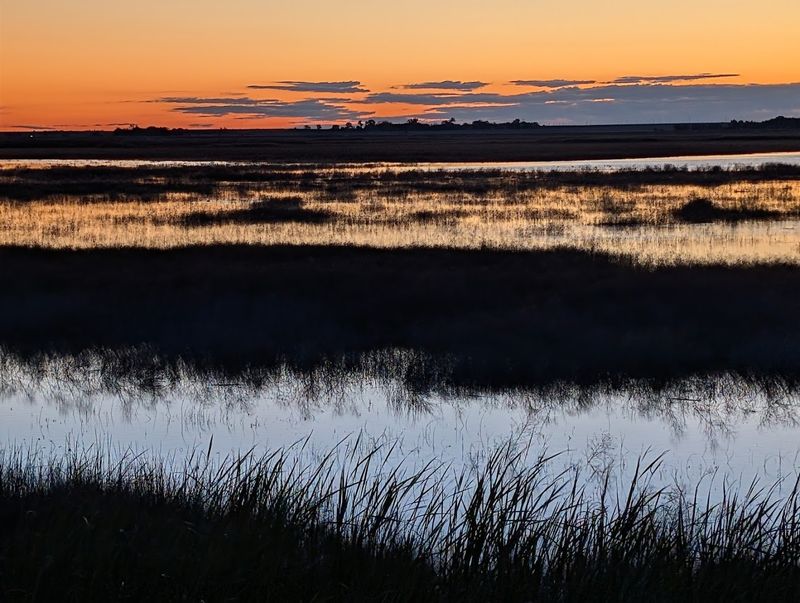
Locals and wildlife enthusiasts have long called Cheyenne Bottoms the “Oasis on the Plains,” and once you see it for yourself, the nickname makes perfect sense.
Surrounding the marsh in every direction is the wide, dry expanse of the Great Plains, where grasslands and wheat fields stretch endlessly toward the horizon.
Then, almost without warning, the land dips into a basin filled with water, cattails, and the constant sound of birds calling from every direction.
The contrast is genuinely striking, especially during dry summer months when the surrounding landscape looks parched and golden.
Travelers driving through Kansas often report that stumbling upon the bottoms for the first time feels like finding a secret garden hidden inside a geography textbook.
Even visitors from wetter states like Ohio frequently comment on how unexpected and refreshing the wetland feels against the surrounding terrain.
An oasis is exactly the right word for what this place delivers.
How Water Management Keeps The Marsh Alive
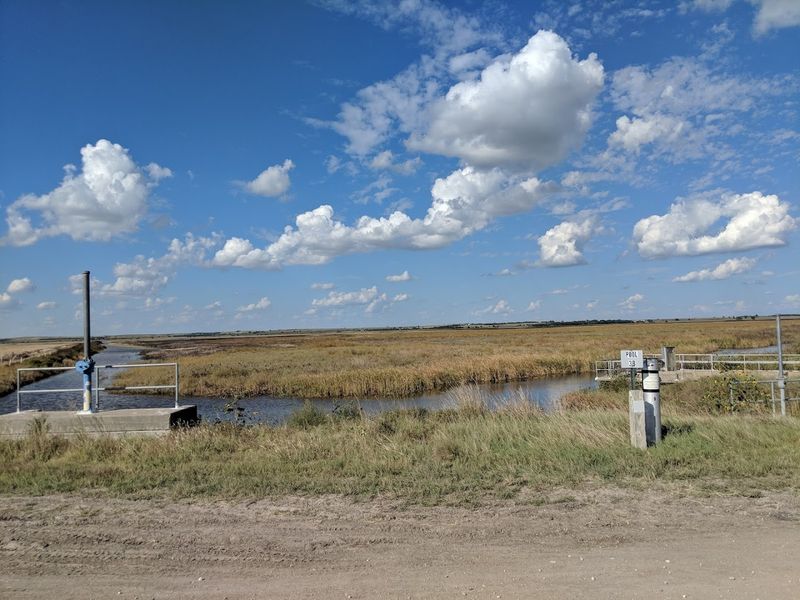
Nature created the basin, but human management helps keep Cheyenne Bottoms Wildlife Area functioning as the powerhouse habitat it is today.
The Kansas Department of Wildlife and Parks operates an extensive system of levees, water control structures, pools, and impoundments that allow managers to raise and lower water levels throughout the year.
This control helps provide the shallow mudflats and open water that migratory birds depend on, especially during spring and fall movement.
Without active management, the marsh would be far less productive for wildlife during critical migration windows.
Drought years present the biggest challenge, and the area has experienced periods when water levels dropped dramatically, leaving large sections of the marsh dry.
Freshwater wetlands are vulnerable places, especially when precipitation patterns shift and upstream water use adds pressure.
The dedication required to maintain a wetland complex of this scale year-round is genuinely impressive and often goes unnoticed by casual visitors.
The Education Center And What You Will Learn There
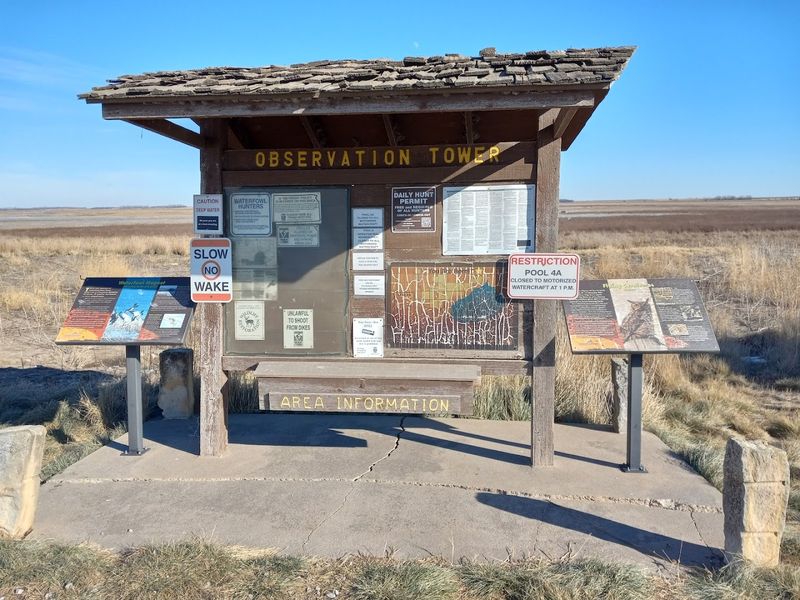
Pulling up to the Kansas Wetlands Education Center near Cheyenne Bottoms feels a little like walking into a well-kept secret that the local community has been quietly proud of for years.
Located at 592 NE K-156 Highway, Great Bend, Kansas 67530, the center features interactive exhibits, touchable displays, and videos that explain how the marsh formed, why it matters, and what lives inside it.
Staff members are consistently described by visitors as knowledgeable and welcoming, making the center a genuinely pleasant place to start any visit.
The gift shop stocks science-focused souvenirs and nature books that lean more toward education than typical tourist trinkets.
The center includes a 2,000-square-foot exhibit gallery, classroom, auditorium, gift store, and an accessible half-mile nature trail that passes through grassland, marsh, and wooded habitats.
Admission is free, which makes the stop even easier to recommend. Even if you only have an hour to spare, the education center alone makes the visit worthwhile.
Wildlife Beyond Birds: Deer, Turtles, Snakes, And More
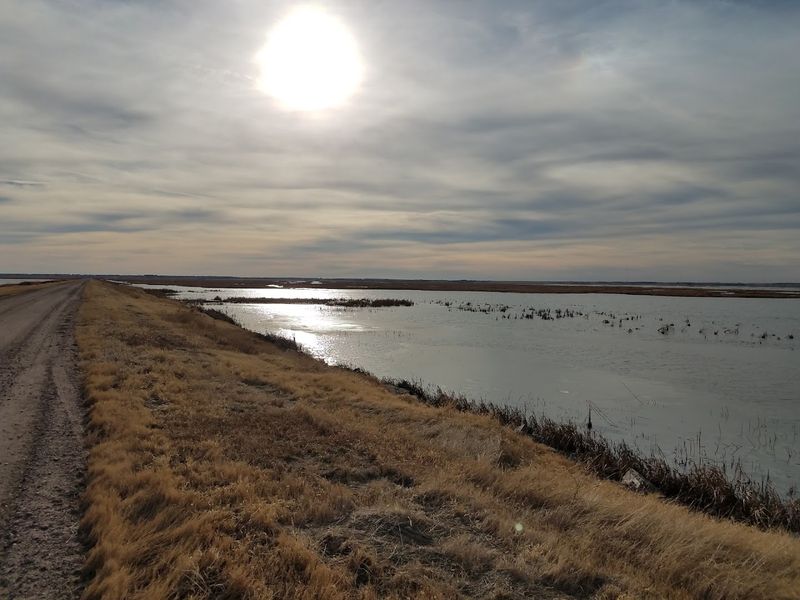
Birds get most of the attention at Cheyenne Bottoms Wildlife Area, and fairly so, but the marsh supports a surprisingly rich community of other wildlife that rewards patient observers.
White-tailed deer appear regularly along the access roads, particularly in the early morning and evening hours when they move between feeding areas.
Rabbits, muskrats, and the occasional coyote round out the mammal sightings, while the water and surrounding vegetation shelter an impressive variety of reptiles.
Turtles are frequently spotted basking on logs or crossing the gravel roads, and rare snake species have been documented by herpetologists studying the area’s biodiversity.
Naturalists who have surveyed wetlands from Ohio to the Texas Gulf Coast often highlight Cheyenne Bottoms as an underappreciated hotspot for reptile and amphibian diversity.
The combination of warm shallow water, dense vegetation, and minimal human disturbance creates ideal conditions for cold-blooded species to thrive.
The place rewards anyone willing to slow down and look beyond the obvious.
The Best Times Of Year To Visit For Peak Bird Activity
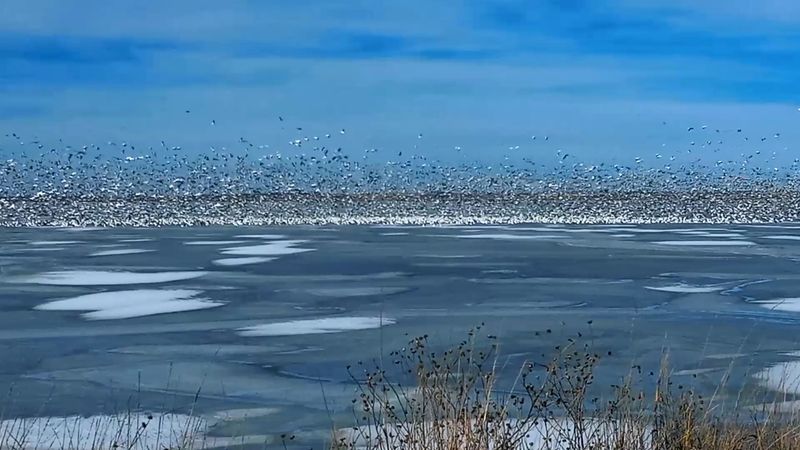
Timing a visit to Cheyenne Bottoms Wildlife Area can make the difference between a pleasant outing and an experience you will talk about for years.
Spring migration brings waterfowl and sandhill cranes as early as February, followed by herons and egrets in March and April, with most shorebirds arriving in late April and early May.
Fall migration begins early for shorebirds, sometimes starting in July and extending into September and October.
Fall duck viewing usually peaks in early to mid-October, while whooping cranes are most likely to stop in late October into early November.
Even winter visits can surprise first-timers, since bald eagles may be present from November into March and the quiet, frosty landscape has its own stark appeal.
Birders often plan Kansas road trips specifically around the spring and fall migration windows. The wildlife area address for planning purposes is 204 NE 60 Road, Great Bend, Kansas 67530.
The area is open year-round to vehicles, while the nearby Kansas Wetlands Education Center keeps separate visitor-center hours.
Conservation Challenges And The Future Of The Marsh
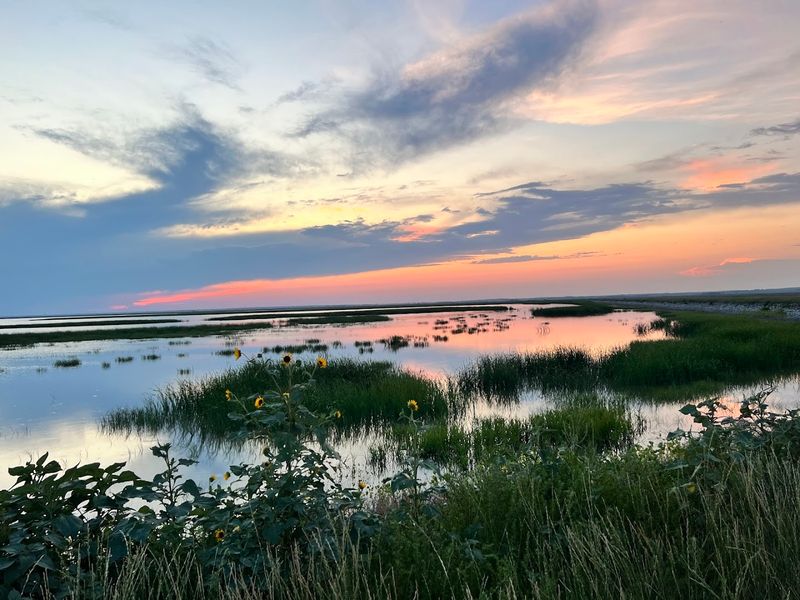
For all its biological richness, Cheyenne Bottoms faces real and ongoing threats that conservationists take seriously.
Prolonged drought has already shown how quickly the marsh can lose its productive capacity, with some years leaving large sections dry and bird activity reduced.
Agricultural water use upstream, changing precipitation patterns, and the need for continued infrastructure maintenance all put pressure on the water supply and management system that the marsh depends on.
The Kansas Department of Wildlife and Parks and The Nature Conservancy both play major roles in protecting habitat across the larger wetland complex.
Conservation advocates argue that Cheyenne Bottoms deserves sustained attention because its importance extends far beyond Kansas.
The marsh supports tens of thousands of shorebirds and up to a quarter million waterfowl during migration seasons, making it a critical stopover site in the Central Flyway.
Protecting Cheyenne Bottoms is not just a Kansas issue; it is a continental responsibility that demands ongoing care from birders, policymakers, land managers, and the public alike.