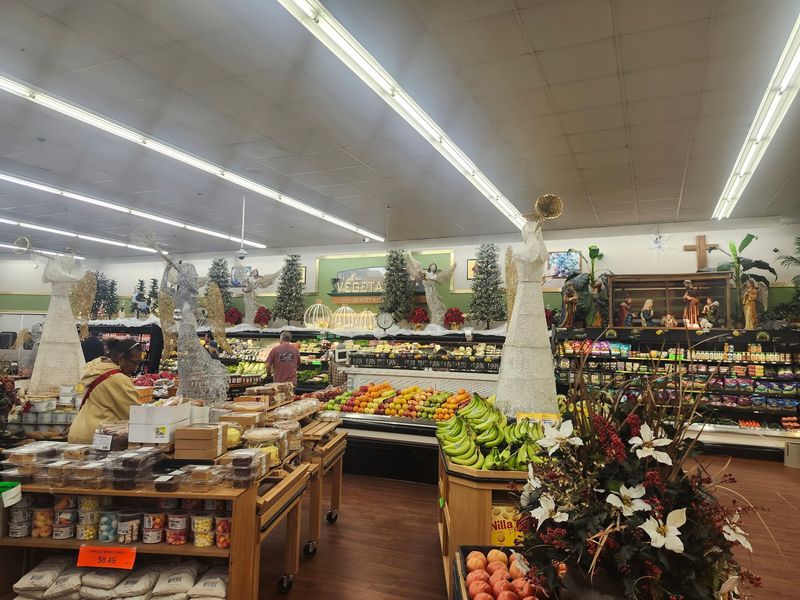
Some of the most memorable meals in North Carolina happen at places you might almost drive past without a second glance. A low-key building beside a grocery store, a gravel lot, a hand-lettered sign, and then, once you step inside, something genuinely worth talking about.
The state has a long tradition of cured ham and scratch breakfast cooking that puts most highway stops to shame. If you have ever wondered where that tradition shows up in real life, a spot in the Rocky Mount area of North Carolina might be exactly the kind of answer you have been looking for.
The North Carolina stop behind the story
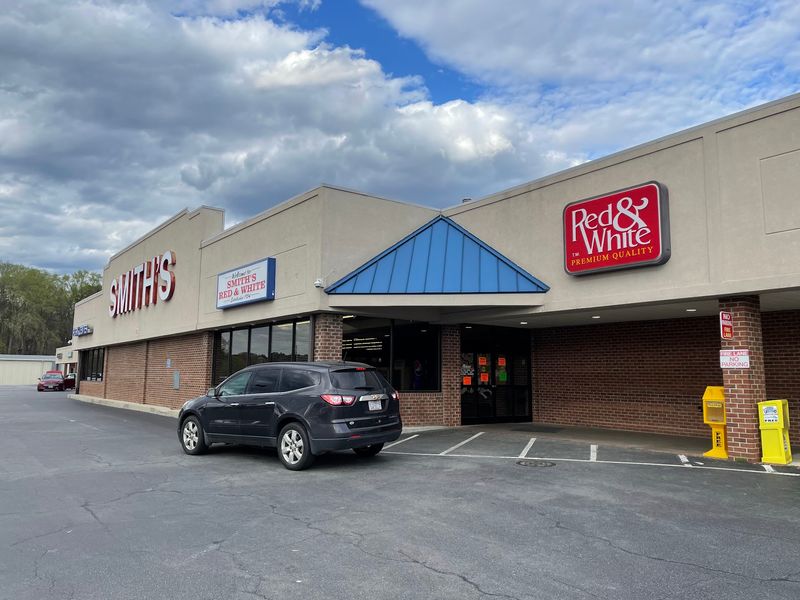
Somewhere along North Halifax Road in the Dortches community outside Rocky Mount, there is a business that doubles as both a working grocery and a sit-down restaurant. Smith’s Red & White has been a fixture in this part of eastern North Carolina long enough that its identity is genuinely tied to the region, not just its zip code.
Calling it a diner is tempting, but the official description is a restaurant beside a grocery store, and that distinction matters when you understand how the two sides of the operation grew up together.
The story starts in 1954, when S.B. “Sherwood” Smith opened a grocery in the old Dortches schoolhouse. Over the following decades, the business expanded into general merchandise, fuel, grocery retail, and pork processing, building a reputation that stretched well beyond the immediate community.
The restaurant side came later, opening in spring 2010, which means it is the newest chapter in a business with more than seventy years of roots in the same stretch of eastern Carolina highway.
The location puts it close to Highway 43, making it accessible without requiring a long detour off a main travel route. Whether you come across it by accident or look it up in advance, the place has a quality that travel writers sometimes reach for a single adjective to describe: unassuming.
That word is a subjective call, not a certified fact, but it captures something real about a spot that lets its food and its history do the talking rather than a flashy storefront. Smith’s Red & White Restaurant sits at 3635 N.
Halifax Road in Rocky Mount, and its menu, which you can get a sense of on the official restaurant page, reflects a kitchen rooted in the food traditions that define this part of North Carolina.
What country ham brings to breakfast
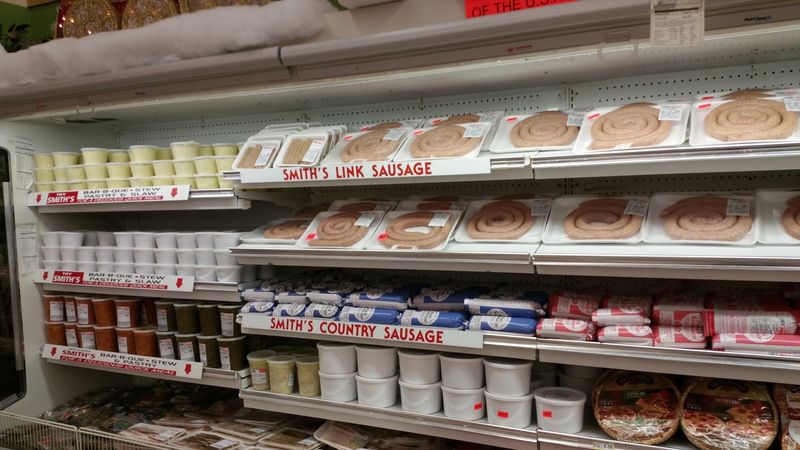
Country ham is one of those foods that people who grew up with it take for granted, and people who encounter it for the first time rarely forget. The product is fundamentally different from the soft, mild, water-added ham sold at most grocery store deli counters.
North Carolina’s country ham tradition reaches back to colonial times and describes a product that is dry-cured, aged, and often smoked, producing a flavor that is concentrated, intensely salty, and distinctly its own.
The federal government draws a clear line between country ham and ordinary ham. Federal standards define country ham as a single piece of pork prepared by the dry application of salt, with optional additional curing ingredients, which separates it from wet-cured products that are soaked or injected with brine.
That dry process pulls moisture out of the meat, concentrates the flavor, and creates a texture and saltiness that no wet-cured city ham can replicate. The two products may share a name in casual conversation, but they are not interchangeable, and treating them as the same thing undersells what country ham actually is.
Ham biscuits have long held a place in North Carolina food culture, appearing at church breakfasts, family tables, and roadside stops for generations. When country ham goes into a biscuit, the salt and depth of the cured meat become the defining feature of the whole item.
The biscuit softens the intensity slightly, but the ham is still the star. That combination, when it is done well, is the kind of breakfast that makes a forty-five-minute drive feel like a reasonable trade.
Understanding that tradition is what gives a stop like Smith’s its context, and why a country ham breakfast at a place with genuine roots in pork processing carries more weight than a similar item at a chain restaurant.
The biscuit question needs confirmation
Here is the honest part of this story. Smith’s Red & White confirms breakfast service and country ham on its official pages, and those facts are not in question.
What the available official material does not establish is the exact construction, ingredients, preparation method, or daily availability of a specific country ham biscuit. The restaurant’s official page promotes breakfast and lunch alongside country ham, barbecue, and sausage options, but a complete current menu confirming that a country ham biscuit is served every day, made in-house, or built a particular way is not visible in the publicly available material reviewed for this article.
That gap matters if you are planning a trip specifically for that item. A writer covering this stop needs to call Smith’s directly or visit in person to confirm whether the biscuit is a regular daily menu item, whether it is available during the full breakfast window, and whether there are any seasonal or supply-related interruptions.
Texture descriptions like flaky or descriptions of exact construction are not supported by the current official sources and should not be presented as established facts until a firsthand account or the restaurant’s own description fills that space.
Readers who want to make the drive for a country ham biscuit specifically should contact Smith’s before leaving home to confirm the item is available on the day they plan to visit. The phone number is 252-443-0418.
This is not a reason to skip the stop; it is a practical step that keeps the trip from becoming a disappointment. The broader experience at Smith’s, including its history and its connection to North Carolina’s food traditions, holds up regardless of whether a single menu item is confirmed in advance.
Why the stop can be worth the drive
Making a case for a road trip requires honest evidence, not just enthusiasm. The argument for Smith’s Red & White as a worthwhile stop rests on three things: its proximity to a main highway route, the documented habit of customers arriving from outside the immediate area, and the kind of regional loyalty that tends to develop around food businesses with deep local roots rather than marketing budgets.
Our State magazine describes Smith’s location as close enough to the interstate to draw customers from well beyond the local community, and specifically mentions country ham biscuits as part of that draw. That kind of coverage in a publication focused on North Carolina life carries a different weight than a generic travel list.
It suggests that the stop has earned attention from people who take the state’s food traditions seriously, not just from passersby who happened to pull in.
Walter magazine reports customers driving more than an hour to shop at Smith’s, specifically for house-made sausage and pork products. That detail supports the idea that the business functions as a regional destination, though it is worth being clear: the evidence points to loyalty to Smith’s as a whole, including the grocery, the pork products, and the restaurant together.
No source establishes that every long-distance visitor arrives specifically for a country ham biscuit, and the article should not overstate that connection.
What the evidence does establish is a business with highway access, a documented history of attracting customers from outside the area, and a food identity centered on cured pork and scratch cooking. For a traveler who enjoys that kind of regional stop, Smith’s offers a combination that most interstate exits simply cannot match.
The drive is defensible as an editorial recommendation, even if “worth it” remains a judgment call that each reader will make for themselves.
A restaurant connected to a working food business
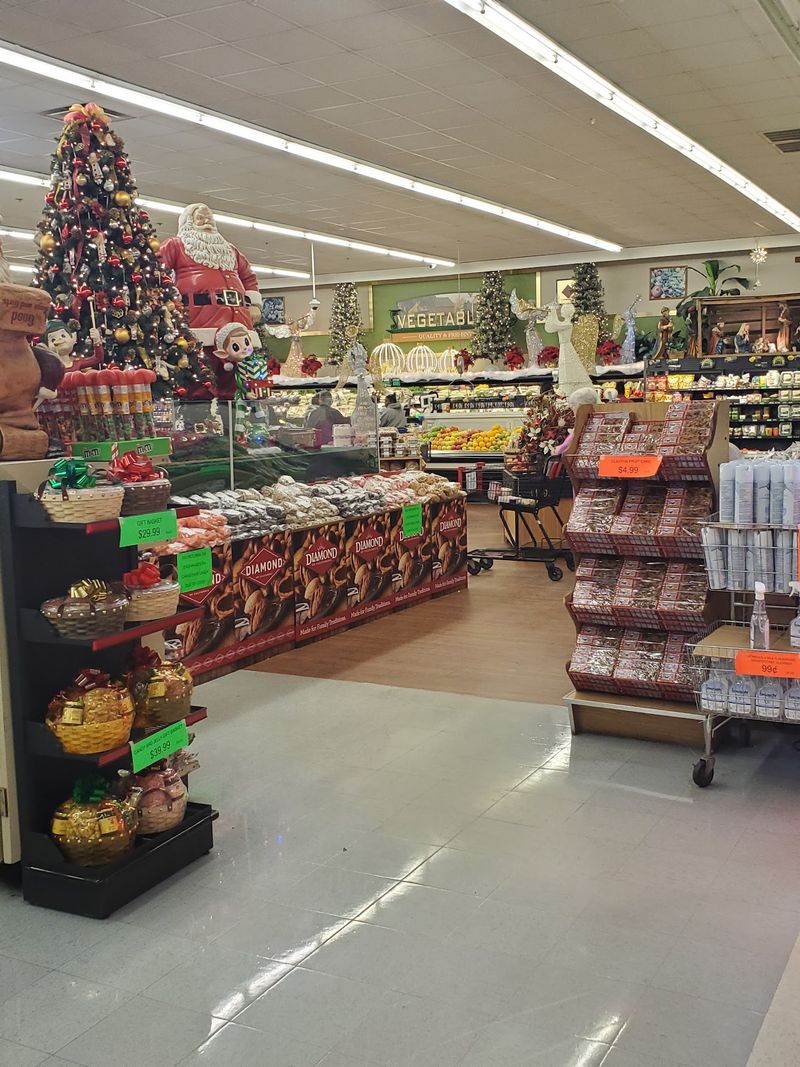
Part of what separates Smith’s from a generic roadside breakfast spot is the context around it. The restaurant does not exist in isolation; it sits beside a working grocery and pork-processing operation with decades of history in eastern North Carolina.
That background gives the food on the menu a different kind of credibility, even if a writer should be careful not to assume that every restaurant dish is sourced directly from the grocery’s processing operation without confirmation from the business itself.
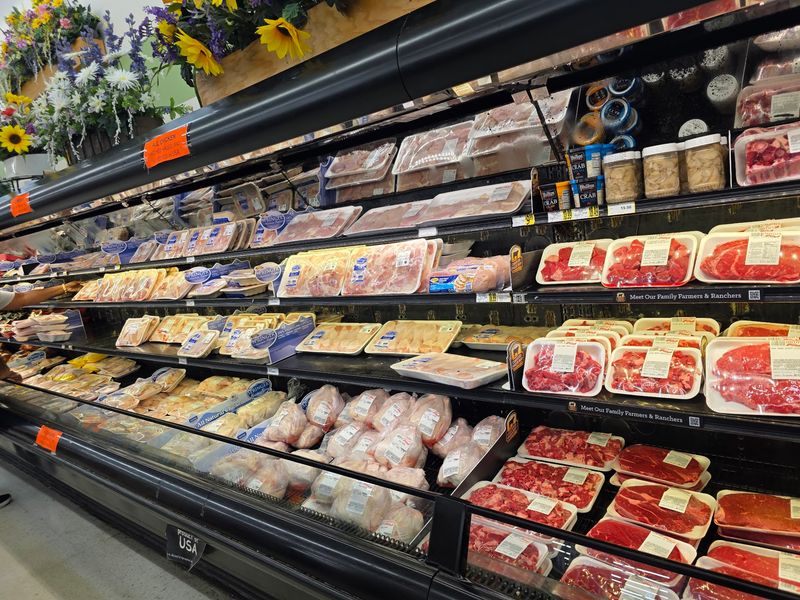
The official restaurant page promotes breakfast and lunch, country ham, barbecue, country link sausage, and patty sausage, which is a menu profile that reflects a kitchen oriented toward cured and smoked pork rather than a generic all-day breakfast lineup. Our State reports that Smith’s cooks approximately 800 pounds of barbecue each week, a figure that gives a sense of the scale and seriousness of the cooking operation.
That number is included here as context for the food identity of the business, not as a reason to shift the focus away from the country ham.
The possible country ham biscuit remains the central subject of this article, and the broader menu is worth knowing about because it shapes what kind of experience a visitor can expect. Smith’s is not a one-item stop.
If the country ham biscuit turns out to be unavailable on a particular day, there are other items rooted in the same pork-focused tradition that make the stop worthwhile. The restaurant’s identity as part of a larger, working food business is a genuine distinction, and that distinction is part of what gives the potential biscuit its regional character.
Check the details before making the trip
A stop that is worth the drive is only worth it if you arrive when the restaurant is open and the item you came for is available. Smith’s Red & White Restaurant is located at 3635 N.
Halifax Road in Rocky Mount, beside the grocery store and off Highway 43 in Dortches. The restaurant phone number is 252-443-0418.
Those details come from the current Smith’s contact page, which is the better reference for address and phone information.
The listed hours are Tuesday through Saturday, 6:30 a.m. to 2 p.m. The restaurant is closed Sunday and Monday.
If you are planning a weekend breakfast run, Sunday and Monday are not the days to make it happen, and a Tuesday or Wednesday morning may offer a quieter visit than a Friday or Saturday. Keep in mind that hours can change for holidays, seasonal adjustments, or operational reasons, and the official restaurant page has included outdated notices alongside current information in the past.
A quick phone call before leaving home is the most reliable way to confirm that the restaurant will be open when you arrive.
Readers who are making the trip specifically for a country ham biscuit should ask about that item directly when they call. Confirm that it is on the menu that day, confirm the hours, and confirm whether any special circumstances apply to your visit date.
That call takes two minutes and prevents a two-hour round trip from ending in disappointment. Smith’s has built its reputation over decades, and the people running it are in the best position to tell you exactly what to expect when you walk through the door.
A regional breakfast possibility, not a proven champion

Smith’s Red & White earns its place in this conversation through documented history, regional loyalty, and a food identity rooted in North Carolina’s cured pork tradition, not through a statewide ranking or a verified superlative. A family business that began in 1954 and grew into a grocery, processing operation, and restaurant represents the kind of staying power that most roadside stops never achieve.
Regional coverage from Our State and the documented pattern of long-distance customers support the editorial judgment that this is a worthwhile stop for travelers who enjoy strongly seasoned, dry-cured ham and scratch breakfast cooking. The specific country ham biscuit must still be confirmed directly with the restaurant, and no available source establishes it as the best in North Carolina.
North Carolina’s country ham tradition runs deep, and Smith’s is one compelling place to experience it, not the only one.
Before making the drive, call ahead to confirm hours and menu availability. A place this connected to its community tends to reward the effort of showing up prepared.
The best regional food stops are rarely the ones with the loudest reputation; they are the ones that have been quietly doing the same honest work long enough that people keep coming back.