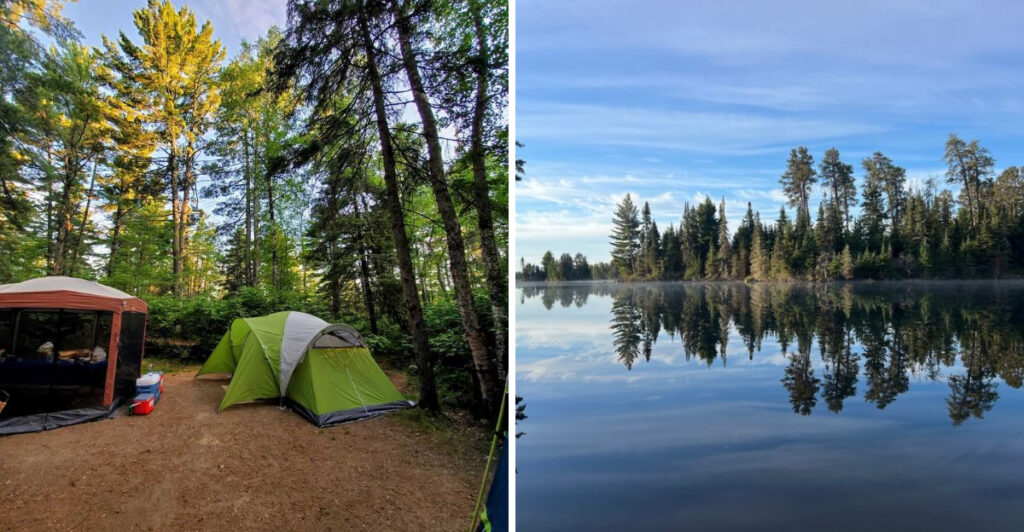
North Woods mood: on, and the lake is doing most of the work.
This Minnesota state park gives you the wild scenery without asking for a full wilderness expedition. The lake stretches across hundreds of acres, with most of its shoreline protected as parkland and plenty of quiet water to explore.
Fishing stays busy with walleye, bass, crappie, pike, and panfish in the mix. Paddlers can follow long stretches of undeveloped shore, while a sandy beach gives swimmers an easy place to cool off.
Camping keeps you close to the water, with useful extras like showers, rental gear, camper cabins, and a fish-cleaning shelter nearby.
You get the north woods without giving up every comfort.
The hardest part may be deciding whether the fishing rod or the paddle gets first turn.
An Undeveloped Shoreline Keeps The Lake Looking Wild
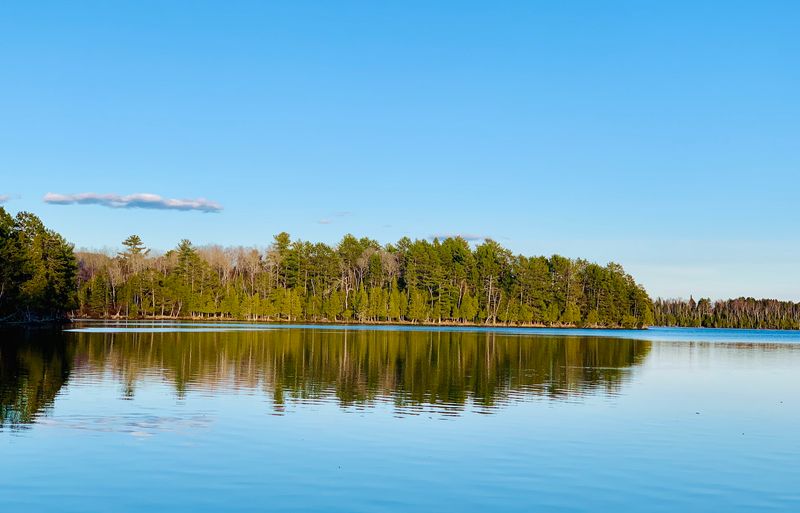
Bear Head Lake covers 674 acres and carries about 12 miles of shoreline. With the exception of the state park campground on the northwest side, the entire lakeshore is undeveloped.
That is a rare advantage for a drive-in camping lake. Instead of circling past cabins, private docks, and lawns, you spend most of the shoreline looking at forest, wetland, and natural vegetation.
The Minnesota DNR manages the whole lake edge through Bear Head Lake State Park.
The surrounding watershed is almost entirely forest and wetland, which helps explain why the lake became one of Minnesota’s Sentinel Lakes for long-term monitoring of water quality, habitat, and fish communities.
For a visitor, the science translates into scenery. Red and white pine, spruce, fir, birch, and other northern forest species frame the water, while the park’s position just south of the Boundary Waters gives the landscape a similar north-country character.
Launch from the park, move away from the campground, and the developed world drops out of the view remarkably fast. That is a strong opening move for any fishing weekend.
Walleye And Bass Give Anglers Plenty Of Reasons To Stay
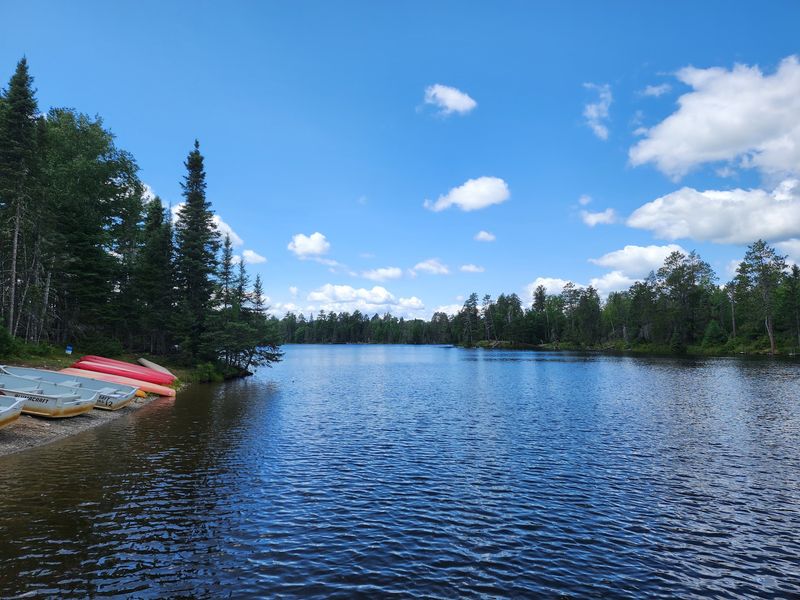
Fishing is one of Bear Head Lake’s strongest reasons to linger. The lake supports walleye, northern pike, largemouth bass, bluegill, black crappie, pumpkinseed, yellow perch, and other warm- and cool-water species.
Walleye deserve special attention. DNR monitoring describes Bear Head Lake as supporting a high-quality walleye fishery, with gill-net catches above the average for similar lakes.
Largemouth bass and black crappie are also part of a fish community that has been shifting toward more warm-water species over time.
The lake reaches a maximum depth of 46 feet, giving anglers a mix of shallow habitat and deeper water to work. Aquatic vegetation is abundant and diverse, adding structure along the nearshore areas.
A fishing pier sits near the picnic area, with the boat launch and rental area close by. The park also loans fishing equipment during the summer, which can make an introductory outing easier.
For navigation, Bear Head Lake State Park is located at 9301 Bear Head State Park Road, Ely, MN 55731, south of the Boundary Waters region.
One clarification matters before you build a trout plan. Bear Head Lake itself is not the park’s designated trout water. Norberg Lake and Cub Lake fill that role, with Norberg especially known for brook trout.
That gives you several fishing options without pretending one lake does everything.
Seventy-Three Campsites Put The North Woods Outside Your Tent
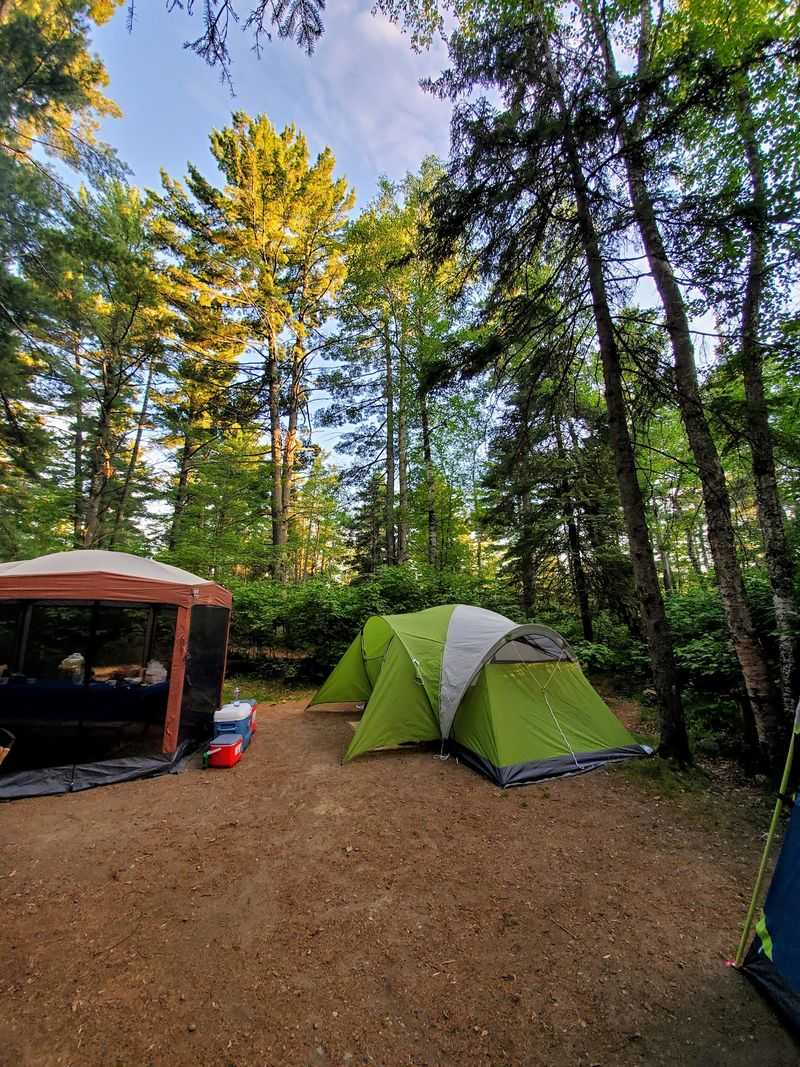
The main campground has 73 back-in sites for tents and RVs, placing overnight visitors close to Bear Head Lake without moving the entire experience away from the forest.
The campground occupies the northwest side of the lake, the one developed stretch along an otherwise natural shoreline. That arrangement gives you practical access to roads and facilities while keeping most of the lake visually undeveloped.
Several small docks are available around the campground for park visitors. They create easy places to spend time near the water without walking back to the main launch every time.
The park also has a group campsite plus remote backpacking sites near Blueberry Lake for campers who want more distance from the main loop.
Seasonal campground facilities include showers and modern restrooms, while primitive toilets remain available in other parts of the park. Winter camping is possible too, although warm-season amenities should not be assumed to operate every month.
A fishing weekend beside the main lake and a backpacking night near Blueberry Lake are very different versions of the same park. Both come with plenty of trees.
The Campground Has Anglers In Mind
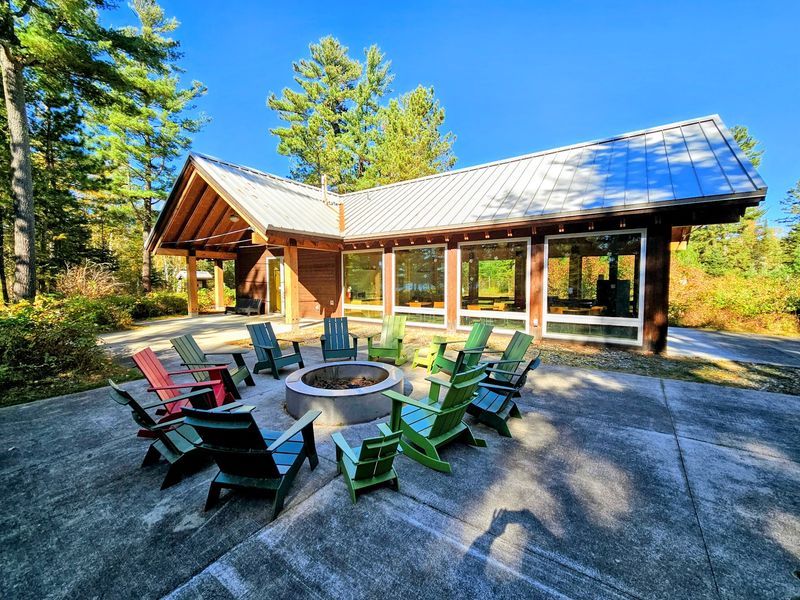
A fish-cleaning shelter inside the campground makes one thing clear: fishing is not treated as a side activity here.
That facility gives anglers a dedicated place to handle the day’s catch instead of turning a picnic table into an improvised cleaning station. The nearby boat launch, fishing pier, and campground docks keep the water connected to the overnight side of the park.
Seasonal shower buildings add another useful layer after a long day outside. A warm rinse becomes a much better idea after hours of handling bait, paddles, campfire smoke, and lake water.
The park office loans summer fishing gear, and winter visitors can find ice-fishing equipment when conditions and seasons allow. Fishing regulations still apply, so the convenience does not replace checking current rules before casting.
You can fish from the pier, launch a boat, work vegetated shoreline, or switch to Norberg or Cub Lake when trout is the goal.
That flexibility is useful when the fish decide your carefully planned technique is hilarious. A good fishing campground cannot guarantee a bite. It can at least make everything around the bite easier.
Canoes And Paddleboards Open Up The Quiet Shoreline
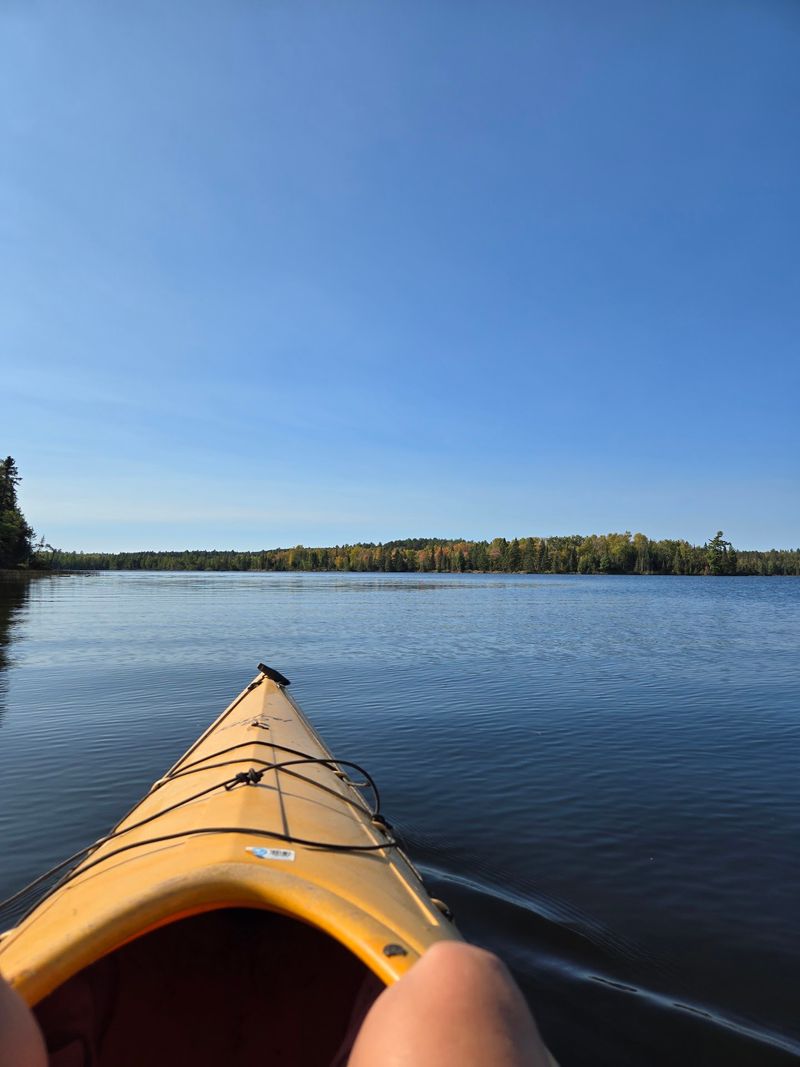
Paddling may be the cleanest way to understand why the undeveloped shoreline matters. Once you move away from the campground, Bear Head Lake gives you long sections of forested waterline with very little built scenery interrupting the view.
The Minnesota DNR currently lists canoe and stand-up paddleboard rentals at Bear Head Lake State Park. Life jackets are included with state-park paddle rentals, removing one more piece of gear from the packing list.
The fishing pier sits beside the boat launch and rental area, while small campground docks add more places for overnight visitors to spend time near the water.
Wind still deserves attention. A lake can look flat in the morning and become much more work after weather moves through.
Staying close to shore, wearing flotation gear, and matching the outing to your experience level are smarter than chasing a distant bay because the map makes it look close.
Early light can be hard to beat. The forest reflects across the surface, fishing boats have more room to spread out, and the shoreline can look much farther from ordinary life than the campground actually is.
That is exactly the trick Bear Head Lake pulls off so well.
Clear Water Adds Another Layer To The Scenery
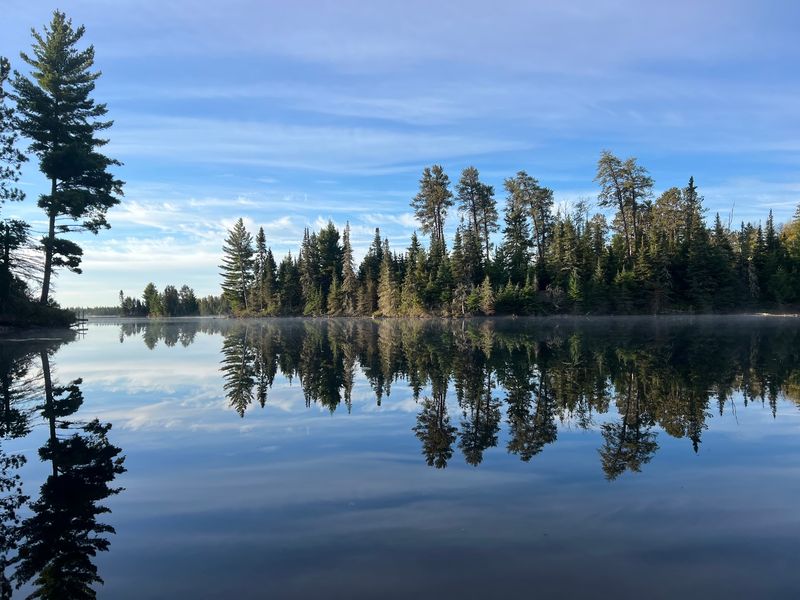
Bear Head Lake is part of Minnesota’s Sentinel Lakes monitoring program, and its water quality is rated good. Typical summer water clarity averages roughly two to three meters.
The lake’s small watershed helps. The surrounding drainage area is almost entirely forest and wetland, with very little developed shoreline feeding directly into the water.
Aquatic plants are abundant and diverse, including species that are sensitive to disturbance. That underwater vegetation is important habitat rather than something to dismiss as weeds around the edge.
For swimmers, the park has a sandy, shallow beach and picnic area. The beach gives camping groups a break from fishing and paddling without requiring a drive somewhere else.
Water clarity naturally changes with weather, season, algae, sediment, and other conditions, so two to three meters is an average rather than a promise for every visit.
Still, the combination of monitored water quality, forested shoreline, and shallow beach access gives the lake more than one kind of visual appeal.
You can spend the morning looking down for fish and the evening watching the surface turn into a mirror if the wind cooperates.
That is a full day without much of an itinerary.
Bear Head Lake Brings Boundary Waters Scenery Into A State Park

The Minnesota DNR describes Bear Head Lake State Park as offering scenery similar to the Boundary Waters Canoe Area Wilderness immediately to the north.
The comparison works because the park combines forest, lakes, wildlife habitat, paddling, and long undeveloped shorelines.
The difference is convenience. You can reserve a drive-in campsite, use seasonal showers, launch from developed access, rent a canoe or paddleboard, and stop at the park office for information and equipment.
Five camper cabins provide another overnight option. Each has bunk beds, electric outlets, a screened porch, heat, a picnic table, and a fire ring, with docks nearby in the north bay.
For more space, the park’s three-bedroom guesthouse sleeps up to 10 people and includes a full kitchen, bathrooms, heat, air conditioning, a deck, and outdoor gathering space. A canoe is included with guesthouse rentals during the warmer operating season.
The park also has a trail center and miles of hiking routes, while the surrounding forest supports wildlife such as deer, wolves, pine martens, snowshoe hares, and bald eagles.
So you can make the weekend as rustic or comfortable as you want. Sleep in a tent, choose a heated cabin, or take the guesthouse route and keep the kitchen nearby.
Bear Head Lake does not replace the Boundary Waters. It offers a different bargain: north-woods scenery, serious fishing, and camping that keeps the wilderness atmosphere close without asking you to leave state-park conveniences behind.