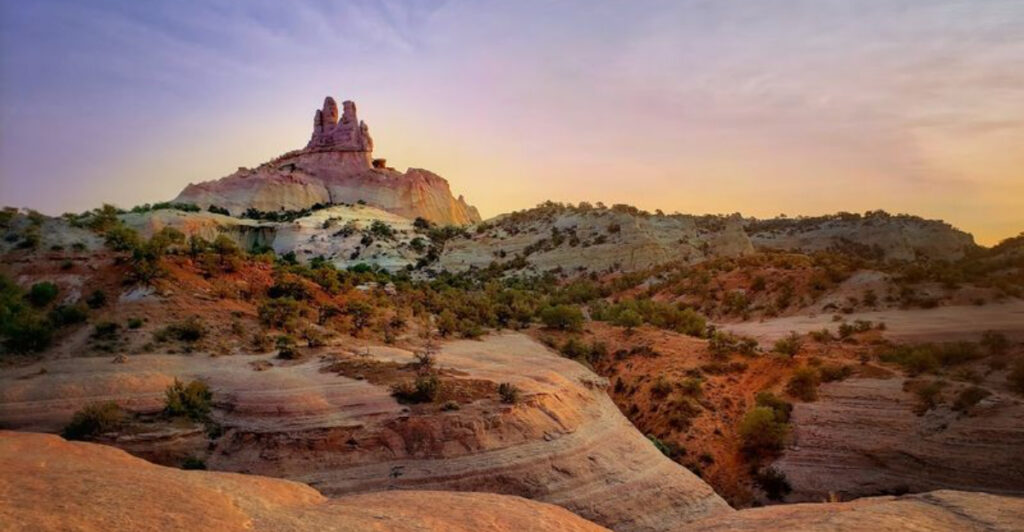
Red cliffs rise so sharply above the desert that the park feels dramatic before the hike even begins. Look closer, and the landscape becomes even more impressive.
Sandstone spires stand above winding paths, while high viewpoints reveal Gallup and distant mountain ranges. The two main trails offer different experiences, but neither feels ordinary.
One heads toward a summit with a sweeping panorama. The other approaches the formation that gave the nearby community its name.
Cairns help guide hikers through exposed rocky sections where the route can blend into the terrain. That small detail makes every turn feel a little more adventurous.
New Mexico is filled with places that look built for postcards, yet this park manages to surprise first-time visitors. Arrive early for cooler conditions, stay long enough to watch the colors deepen, and expect the cliffs to look different by evening.
The scenery does most of the talking here.
Towering Red Cliffs Dominate The Landscape
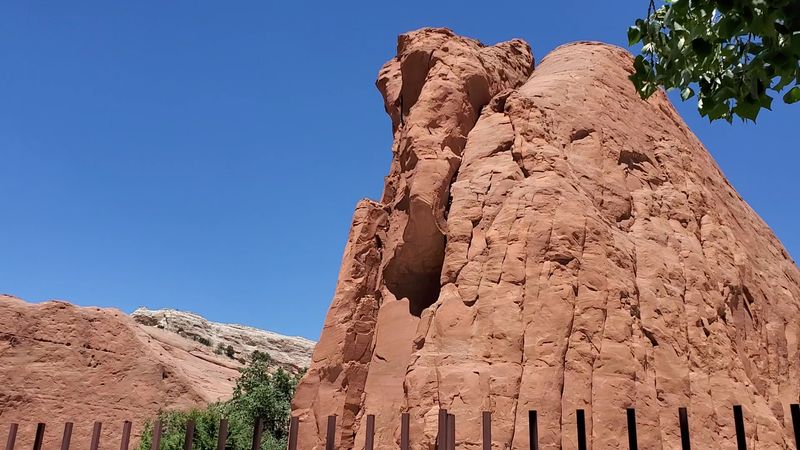
Stand at the base of these walls and your neck tilts back before your brain even catches up. The red cliffs at this park include Jurassic Entrada Sandstone, a geological formation created roughly 160 million years ago when windblown sand accumulated across a vast desert dune field.
Over time, pressure and mineral cement transformed those dunes into the reddish-orange ancient stone rising dramatically from the desert floor today, with bands from overlying formations adding contrast to the cliffs.
The sheer vertical scale of these formations creates a sense of magnificent isolation. Campgrounds, an arena, and a convention center sit against their base, which makes the cliffs feel like protective walls built by the earth itself.
First-time visitors often stop mid-stride just to stare upward for a full minute before remembering where they were headed.
The color shifts throughout the day, moving from deep burgundy at dawn to blazing copper in afternoon sun. I found myself reaching for my camera every twenty minutes, convinced the light had just hit its absolute peak, only to be proven wrong again an hour later.
You can find this jaw-dropping scenery at Red Rock Park, located at 825 Outlaw Rd, Church Rock, NM 87311.
Ancient Trails Wind Beneath Sandstone Spires
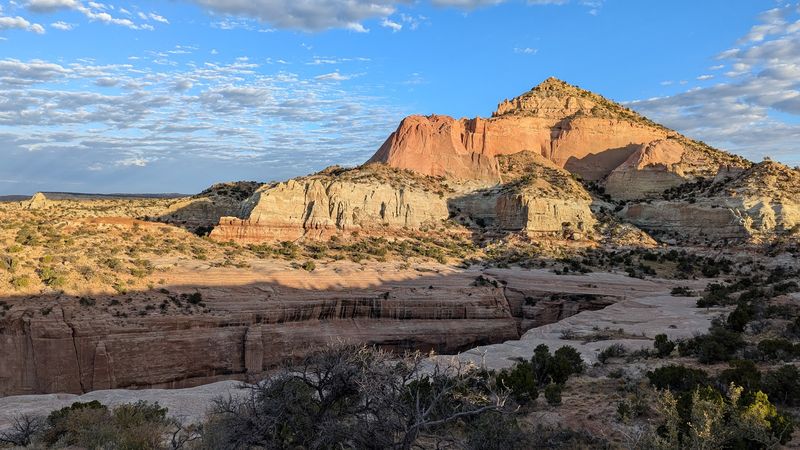
The Church Rock Trail follows a 0.7-mile stem before reaching a 0.8-mile loop, creating a route that moves through varied sandstone terrain near the park’s namesake formation. What makes this path memorable is not only the physical landscape but also the way the route approaches the towering spires.
The trail remains within Red Rock Park, a landscape long connected to the surrounding Gallup and Church Rock communities.
The trail winds toward the sandstone spires, keeping them close overhead rather than distant on the horizon. That proximity is what separates this hike from a standard desert walk.
The formations loom above the path and occasionally seem to tilt toward you, creating an atmosphere that feels both sheltering and awe-inspiring at the same time.
The route is described as moderate, but hikers should remember that the park sits near 7,000 feet above sea level and the trail reaches about 7,240 feet. New Mexico’s high desert elevation catches many visitors off guard, especially those arriving from lower altitudes.
Take water, pace yourself honestly, and let the ancient landscape set the tempo for the whole experience.
Narrow Canyons Reveal Dramatic Rock Walls
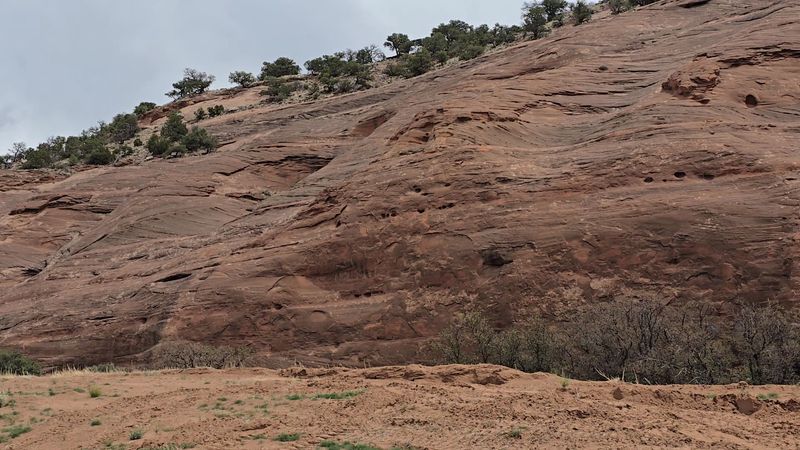
Push past the open stretches of trail and the landscape begins to tighten. Deep canyons cut through the park’s formations, revealing vertical rock walls that display layers of color in a single glance.
Bands of red and pale stone stack on top of each other like pages of a very old book written entirely in geology.
The Church Rock Trail contours along deep, vertical canyons near the base of the sandstone spires, where the surrounding formations become far more imposing at close range. The route includes rocky terrain and some scrambling near the spires, so hikers should pay attention to cairns and move carefully through exposed sections.
Cooler pockets of shade can offer welcome relief on a warm desert afternoon, when the sun sits high.
These canyon passages also provide excellent natural framing for photography. Position yourself where the walls narrow and the rock formations funnel the eye toward a spire or a patch of sky at the far end.
These sections reward hikers who pause and watch how the light shifts. I spent far longer than planned inside one of these passages, fascinated by the way a single shaft of afternoon sunlight transformed the entire color palette of the walls around me.
Desert Paths Climb Toward Sweeping Views
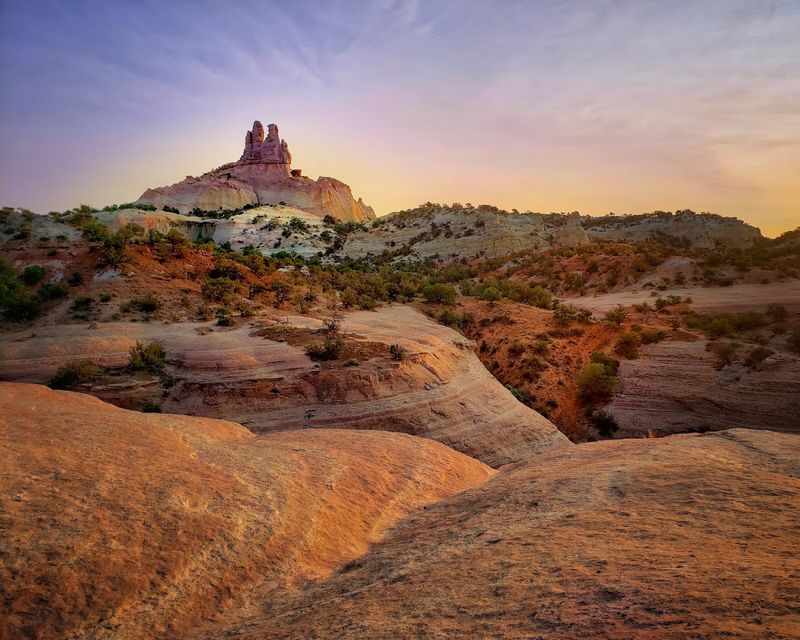
Elevation gain is the honest price of admission for the best views in this park, and most hikers agree it is well worth paying. The Pyramid Rock Trail climbs to approximately 7,487 feet, and the ascent involves some light scrambling over rocky sections that add a bit of adventure to what might otherwise be a straightforward climb.
The effort is genuine but manageable for most reasonably active visitors.
As you gain height, the surrounding landscape opens up in stages. First the park’s facilities shrink below you, then the broader valley spreads out, and finally the distant mesas and mountain ridges appear on the horizon.
Each new elevation band delivers a noticeably wider perspective, which keeps the motivation strong even when your legs start asking questions about your life choices.
Wide-angle views from the upper sections of the Church Rock Trail are equally rewarding, showcasing the full dramatic sweep of the cliffs and surrounding terrain. I found myself stopping at each natural ledge not just to catch my breath but to properly absorb what the landscape was showing me from that particular height.
New Mexico rewards those willing to climb, and this park is a strong argument for lacing up your boots and finding out for yourself.
Massive Formations Rise Above The Valley
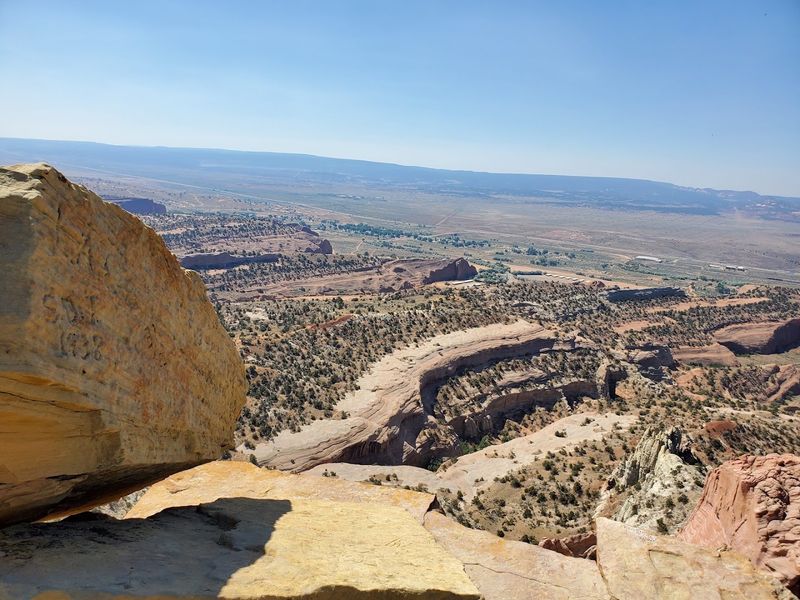
Two geological giants define the skyline of this park and give the surrounding area its identity. Church Rock, a towering sandstone spire, stands like a natural monument above the valley floor, and its distinctive silhouette is visible from a considerable distance before you even reach the park entrance.
The nearby community of Church Rock takes its name directly from this formation, which speaks to how deeply the landmark is woven into the local sense of place.
Pyramid Rock rises nearby with a broad, angular profile that earns its name honestly. Together these formations create a dramatic backdrop that makes the park instantly recognizable in photographs and equally impressive in person.
They are not simply large rocks but rather sculptures shaped by millions of years of erosion working patiently on ancient stone.
Both formations are best appreciated from multiple angles. The view from the campground area is striking, but the perspective from the upper trail sections adds a completely different dimension.
From higher up, you begin to understand the true scale and relationship between these giants and the valley spread out beneath them. Visitors attending events at the park’s arena often find themselves distracted mid-event by the formations looming magnificently just beyond the fence line.
Stone Cairns Mark The Rugged Route
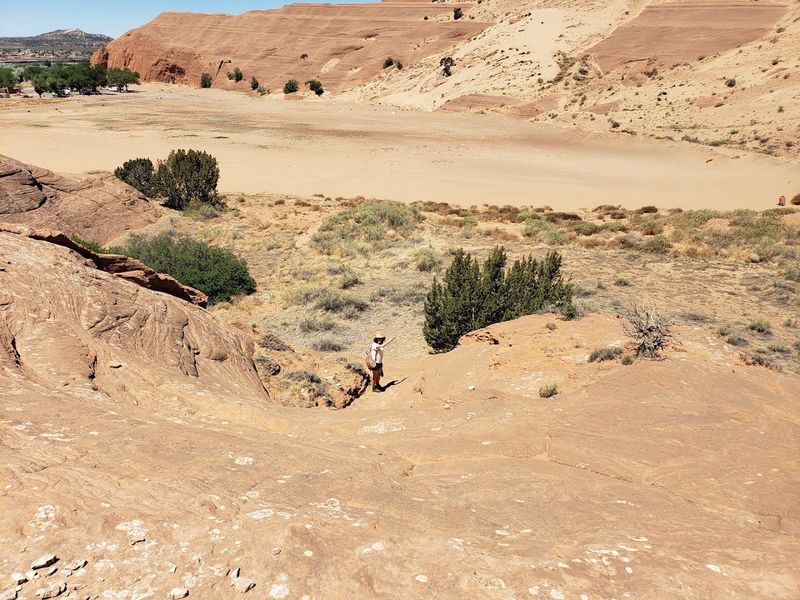
Out on the more exposed sections of trail, the path does not always announce itself with obvious signage. That is where the cairns earn their keep.
These carefully stacked piles of stone appear at key decision points along the route, guiding hikers through terrain where the correct direction might not be immediately obvious. They are ancient in concept and deeply practical in function.
Following cairns requires a different kind of attention than following a paved walkway. You scan ahead, spot the next stack, adjust your course, and move forward with quiet confidence.
It builds a rhythm that feels genuinely connected to the landscape rather than imposed upon it. Visitors who have hiked the Pyramid Rock and Church Rock trails specifically mention the cairns as essential navigation aids, particularly where the trail surface blends into surrounding rock.
A useful courtesy for all hikers: resist the urge to add or rearrange cairns beyond what already exists. The existing stacks are intentional guides, and altering them can create confusion for those who follow.
I appreciated the quiet trust embedded in this system, the idea that someone before me had taken the time to stack a few stones so that I would not lose my way on rugged ground.
High Vantage Points Open To Distant Peaks
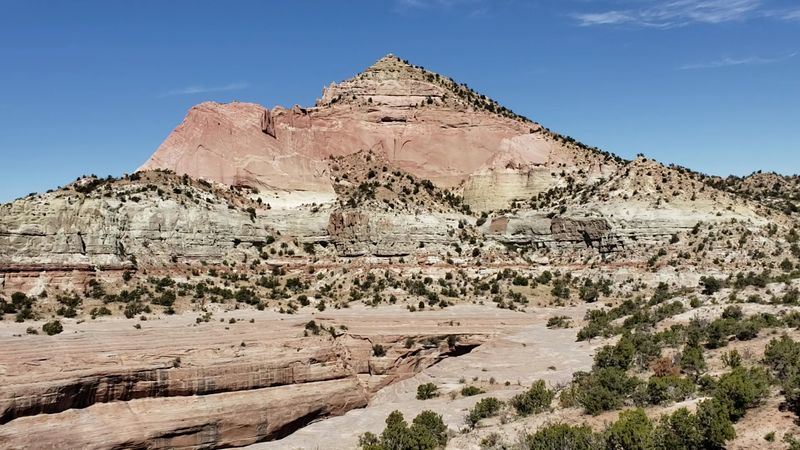
Reach the summit of Pyramid Rock and the world opens up in every direction without apology. From that elevated perch, the city of Gallup spreads out to the west, the historic bunkers of Fort Wingate are visible in the middle distance, and the Zuni Mountains rise on the southern horizon.
On particularly clear days, the distant outline of Mount Taylor appears, adding one more layer of depth to an already extraordinary panorama.
These vantage points deliver something that lower trail sections simply cannot, which is a profound sense of scale. The high desert of New Mexico stretches in every direction, and from above you understand just how vast and varied this landscape truly is.
The feeling of standing at that height, with wind moving across open rock and nothing blocking the view, is one of those travel moments that stays with you longer than any photograph.
Arriving at the summit near sunrise is particularly rewarding. The low-angle morning light carves shadows across the valley floor and catches the red formations at their most vivid.
I recommend building extra time into your morning so you are not rushing the descent when the light is still performing its best work on the cliffs below.
Sunset Light Makes The Cliffs Glow
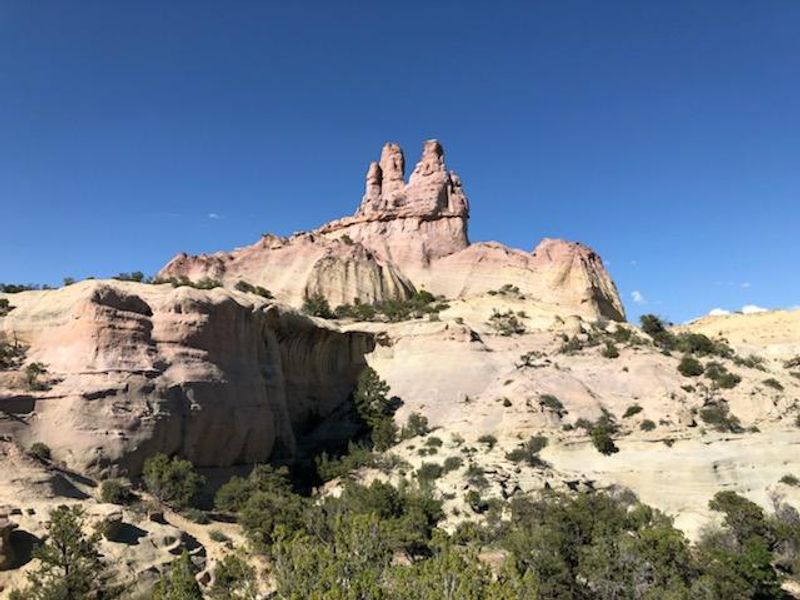
Few natural spectacles in New Mexico match the transformation that happens here when the sun begins its descent. The red cliffs, already vivid in midday light, shift into something closer to molten copper as evening approaches.
Shadows lengthen across the valley floor while the upper faces of the formations hold the warm golden light for a few extra magical minutes before it fades.
Visitors who have timed their arrival for sunset consistently describe it as the highlight of their entire visit. The combination of the cliffs’ natural color, the warm spectrum of evening light, and the quiet that settles over the desert at dusk creates an atmosphere that feels almost ceremonial.
Photography conditions during this window are outstanding, with soft directional light that brings out every texture and layer in the sandstone.
Sunrise earns equal praise from those willing to set an early alarm. The first light catches the eastern faces of the formations and produces a similar glow from the opposite direction.
I found both moments genuinely moving in ways that are difficult to explain without sounding theatrical, but the cliffs at golden hour have a way of making even the most camera-shy visitor reach instinctively for their phone to capture what the light is doing to that ancient red stone.