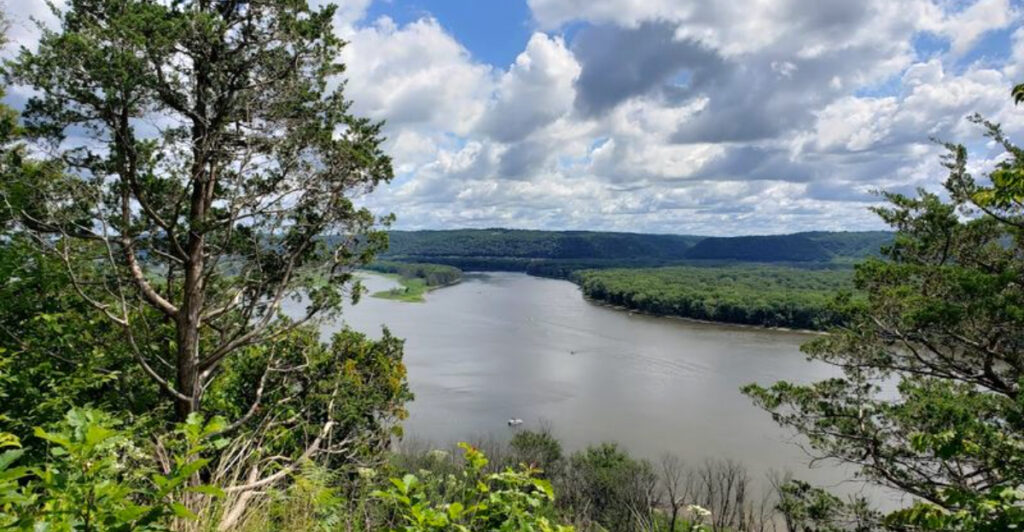
Iowa changes shape in the northeast, and the cornfield postcard suddenly feels like old news.
The road drops into bluff country, creeks flash below the trees, and ridgelines stack up like the Midwest borrowed a page from the Ozarks.
Cell service fades, trout water talks over the rocks, and the forest starts feeling bigger than the map promised.
This is what the Iowa people do not always picture: steep trails, primitive campsites, horseback routes, cold streams, starry nights, and enough climb in the hills to make your calves file a complaint.
Go for a hike, stay for the creek noise, and let this corner of Iowa quietly redraw the whole state in your head.
Where Paint Creek Turns Iowa Into Bluff Country
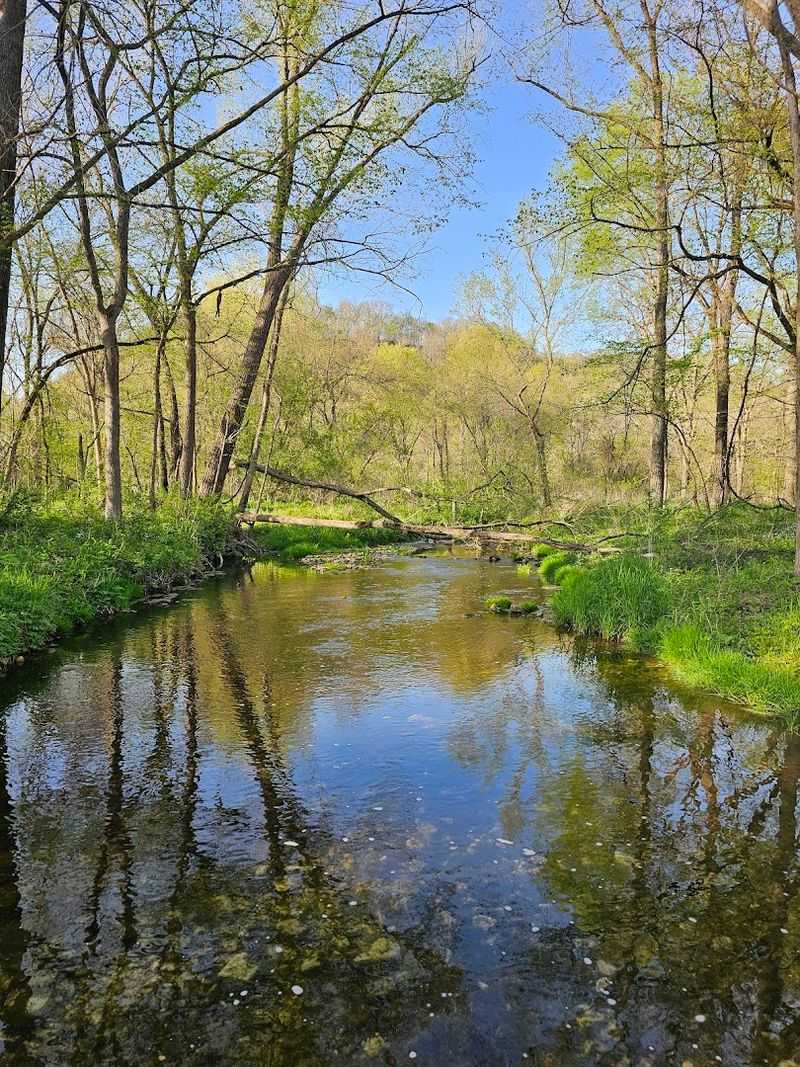
This forest changes the Iowa script fast. Yellow River State Forest drops you into bluff country, where steep ridges, cold creeks, and wooded valleys feel nothing like the flat Midwest many people expect.
The Paint Creek Unit is the part that really makes the landscape feel surprising.
Here, trails climb through forested hills, campgrounds sit close to clear trout streams, and the whole place has a rugged, tucked-away feeling that makes the map seem almost suspiciously modest.
Paint Creek and Little Paint Creek shape much of the experience, giving hikers, anglers, campers, and backpackers a natural thread to follow through the valley.
The forest is part of Iowa’s Driftless Area, where the land stayed hilly and carved-up instead of being flattened by glaciers.
That is why this corner of the state feels so different, with real climbs, quiet hollows, and scenery that can catch first-time visitors off guard.
For an Iowa escape with trout water, primitive campsites, challenging trails, and a landscape that feels bigger than expected, this forest is worth the drive.
You will find Yellow River State Forest headquartered at 729 State Forest Rd, Harpers Ferry, IA 52146.
The Driftless Area and Why It Changes Everything
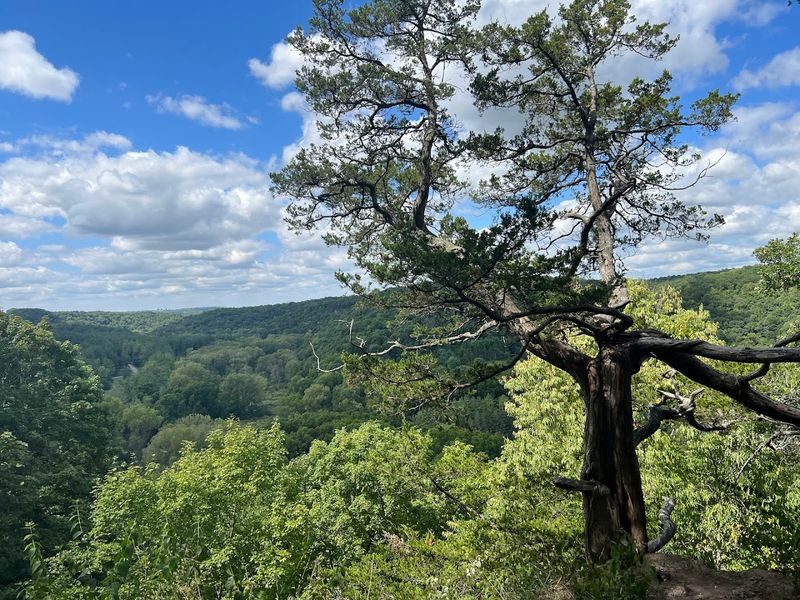
The Driftless Area is the reason this forest exists the way it does. And it is worth understanding before your visit because it completely reframes what you are looking at.
During the last Ice Age, glaciers flattened most of the Midwest into the familiar rolling plains we associate with states like Iowa. But a specific region covering parts of Iowa, Wisconsin, Minnesota, and Illinois was bypassed entirely.
Without glacial leveling, the land kept its ancient topography, meaning steep valleys, exposed limestone bluffs, spring-fed streams, and elevation changes that feel more like the Ozarks than central Iowa.
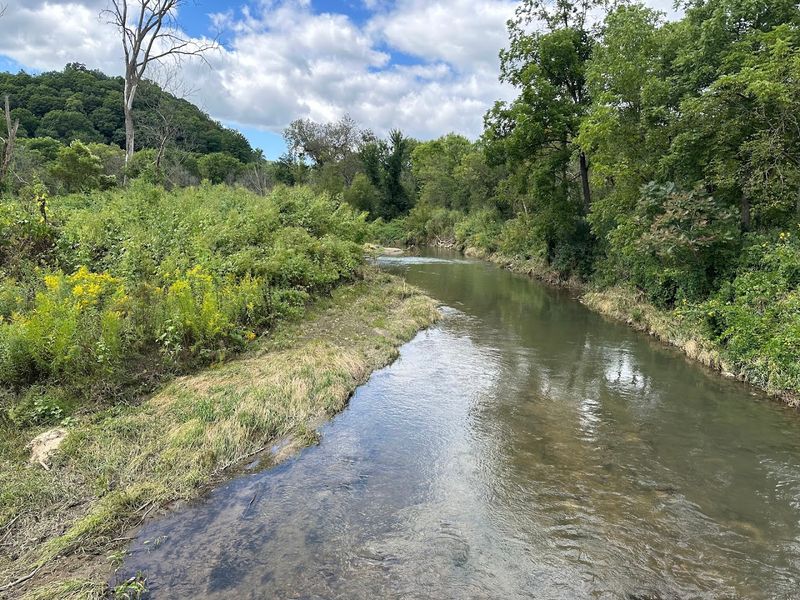
Paint Creek runs cold and clear because it is fed by groundwater springs, which also keeps it at a stable temperature year-round.
That cold, clean water is exactly what wild trout need to survive, which is why this stretch of northeastern Iowa holds some of the best trout fishing in the entire region.
Hikers who come expecting a gentle midwestern nature walk often find themselves genuinely working on the climbs.
One trail review specifically mentioned leg muscles burning on the opening stretch, and that kind of honest feedback is actually a selling point for anyone who wants a real workout in the woods.
Trout Fishing on Paint Creek
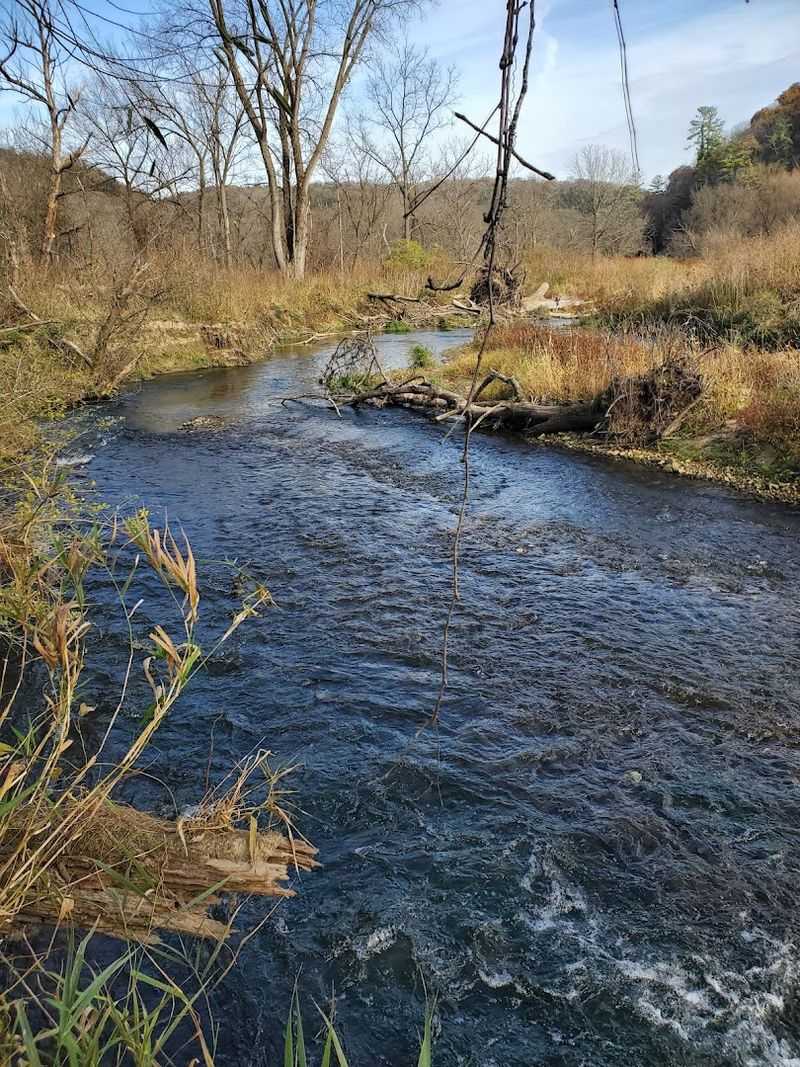
Cold water, rocky streambeds, and enough canopy to keep the sun off the surface for most of the day. Paint Creek has everything trout want, and the fish here know it.
Paint Creek and Little Paint Creek both support trout fishing, with Iowa DNR stocking catchable rainbow trout regularly from April through October and wild trout opportunities adding even more interest.
Paint Creek provides opportunities for wild brown trout, while Little Paint Creek offers wild brook and brown trout along with stocked rainbow trout.
Campsites near the creek put you within a short walk of the water, and some campground spots sit close enough that you can hear the current from your tent.
Stream habitat work has also improved parts of Little Paint Creek in recent years, with projects focused on banks, flow, and trout habitat.
Summer weekends do attract crowds and fishing pressure, so if you want a quieter stretch of water, late fall and early spring are your best bets.
The fish are still active, the campgrounds are far less crowded, and the forest takes on a completely different look when the leaves are down and the ridgelines become visible through the bare trees.
Hiking Trails That Actually Challenge You
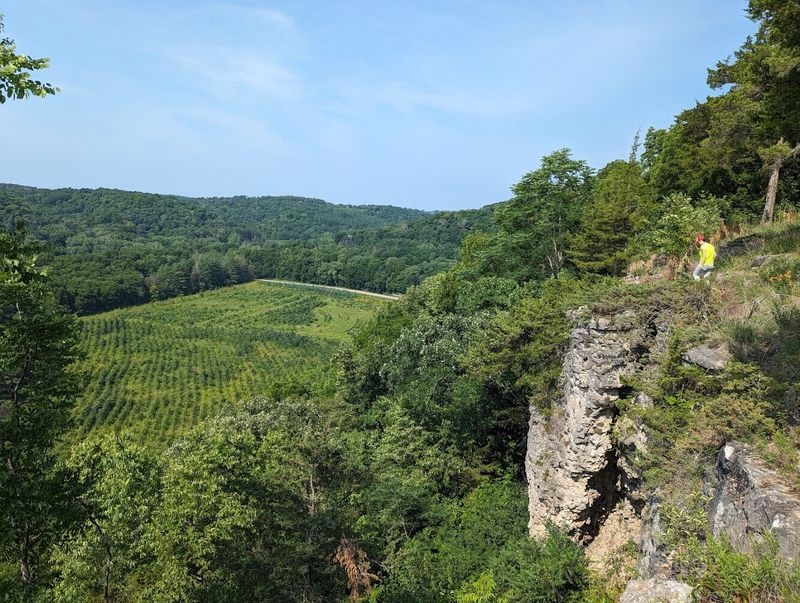
Over 40 miles of trails run through the Paint Creek Unit, covering enough terrain to keep a repeat visitor busy across multiple trips without retracing the same ground twice.
The trail system ranges from easy creek-side walks to steep ridge climbs with serious elevation gain. One visitor described the opening stretch of a particular trail as a genuine leg-burner, with the rest of the route becoming more moderate once you hit the ridgeline.
The payoff at the top is a view of forested valleys spreading out in every direction, the kind of view that makes you realize how different this corner of Iowa actually looks from the rest of the state.
Not every trail intersection is marked, which is worth knowing before you head out. Bringing a downloaded map or a paper copy from the DNR website is a practical step that saves a lot of guesswork on longer routes.
A few backpacking trails have also been reported as overgrown in spots, so checking current conditions with the ranger station at 563-586-2254 before a multi-day trip is a smart move.
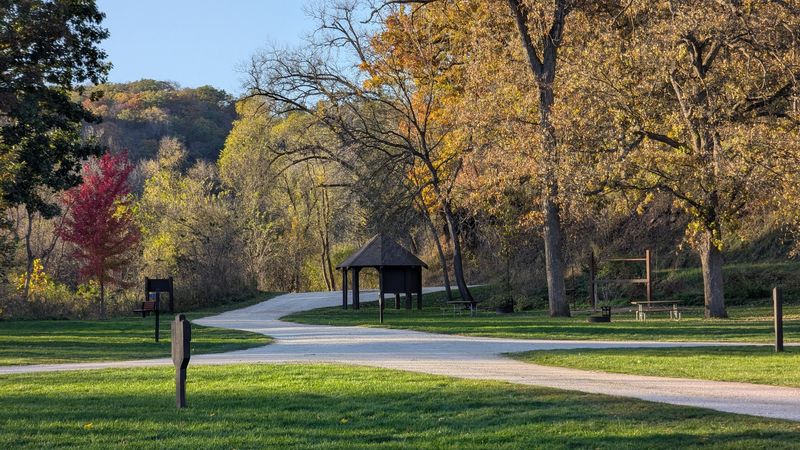
Fall is widely considered the best time for trail hiking here, when the hardwood canopy turns and the cooler air makes the climbs far more manageable.
Camping Along the Creek
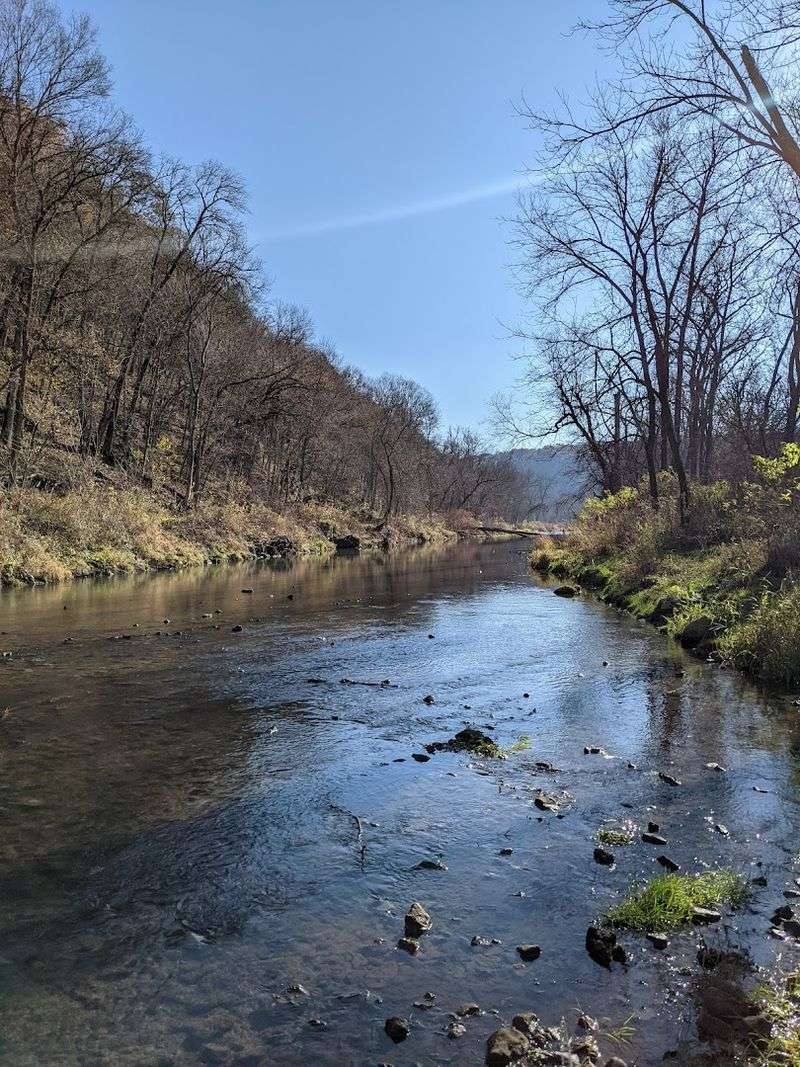
Campsite selection at Paint Creek Unit is straightforward in the best possible way. You pick a spot in one of the forest campgrounds, set up your tent, and let the creek country handle the soundtrack.
Big Paint campground and Little Paint campground are both positioned near their respective creeks, giving campers easy access to the water and the surrounding trails. Sites come with fire rings and picnic tables, keeping the setup simple, practical, and nicely low-fuss.
The cost generally runs from $12 to $16 per night for tent and standard non-electric sites depending on season, with equestrian sites costing more.
One thing to set expectations on before arriving: this is a non-modern campground setup. No electricity, no water hookups, no shower facilities, and vault toilets only.
Drinking water is not located in the campgrounds, though it is available at the A-frame information center near Big Paint Campground.
Cell service is essentially nonexistent once you are in the valley, which most campers here consider a feature rather than a problem.
The raccoons, however, are ambitious and creative, so keeping food secured and off the picnic table overnight is genuinely necessary advice.
Backpacking Options for Overnight Adventures
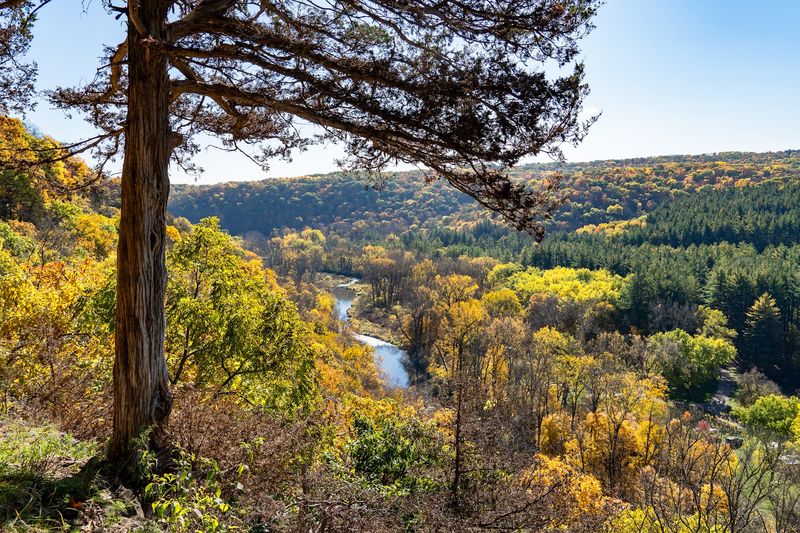
Paint Creek Unit has quietly earned a reputation as probably the best backpacking spot in Iowa. That claim holds up once you look at what the trail system actually offers.
The elevation changes throughout the forest make it genuinely useful for building fitness and testing gear before heading to more demanding destinations.
Ridgelines, creek crossings, forested hollows, and open bluff tops give you a variety of terrain that keeps multi-day routes interesting rather than repetitive.
Backpacker traffic stays light compared to most destination forests, which means solitude is a realistic expectation rather than a hopeful one.
On a four-night trip, you might cross paths with a fly fisherman or a group on horseback, but long stretches of trail with no other people in sight are completely normal here.
Planning matters more than at a fully developed park. Trail intersections are not all marked, water from the creek needs treatment before drinking, and no services are available once you leave the campground area.
Downloading the DNR trail map before you lose cell service is a basic step that makes the whole trip run more smoothly.
The forest rewards preparation with genuine quiet and some of the most interesting terrain Iowa has to offer.
Horseback Riding Through the Forest
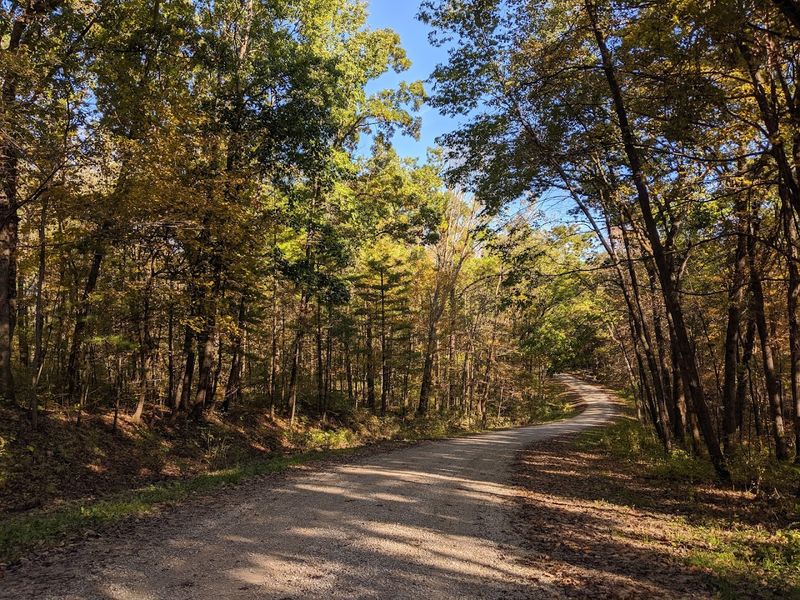
Not every trail system in Iowa is set up to accommodate horses, but Paint Creek Unit is well equipped for equestrians, and the infrastructure shows it.
Many miles of trails are open to horseback riding, covering ridge routes, creek crossings, and forested hollows that give riders a genuinely varied and scenic experience.
Dedicated equestrian campgrounds are available within the forest, with non-electric sites, hitching rails, and space suited for horse campers.
The gravel forest roads that wind through the unit add another layer of riding access, though one visitor noted that road conditions can be rough in spots and recommended high-clearance vehicles for some sections.
That same advice applies when hauling a trailer, so scouting the route or calling the ranger station ahead of time is a practical step for first-time visitors bringing horses.
Riding through the Driftless terrain gives a completely different perspective than flat trail systems. The ridge climbs open up long views across the valley, and the creek crossings add a natural drama to the ride that flat-ground trails simply cannot replicate.
Fall colors along the wooded bluffs turn the whole experience into something worth planning a return trip around.
Winter and Off-Season Visits
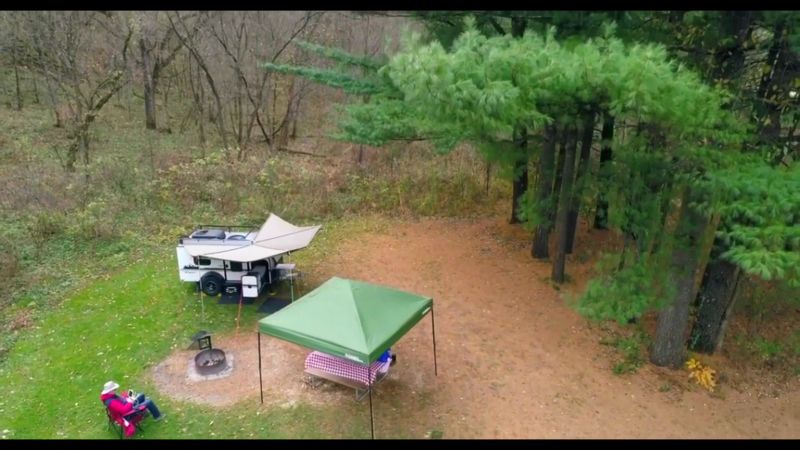
Most people pack up and leave the forest behind once October ends, which is exactly what makes visiting Paint Creek Unit in late fall or winter such a different kind of trip.
The forest is open year-round, and winter camping here is a real option for people who come prepared. Snowmobile trails run through the forest when conditions allow, adding an entirely different use of the same landscape that hikers and anglers know from warmer months.
The bare hardwood canopy in winter opens up ridge views that are completely hidden by leaves during summer.
Late fall and early spring hit a particular sweet spot. Fishing pressure drops dramatically, the campgrounds quiet down, and the temperatures are cool enough to make hiking the ridge trails genuinely comfortable.
The trout streams stay cold and fishable well into the colder months, and the creek sounds carry differently through a quiet winter forest than they do in a busy summer campground.
One practical note for cold-weather camping: this remains a primitive forest experience, so there are no heated campground facilities, and layering and preparation matter more than at a developed park.
Wildlife, Stars, and the Sound of the Creek at Night
No cell service and no light pollution add up to something that is genuinely rare in the modern Midwest: a night sky that actually looks like a night sky.
Visitors consistently mention the stars as one of the unexpected highlights of camping at Paint Creek.
The valley location and surrounding forest block out what little ambient light exists in this corner of northeastern Iowa, and on a clear night, the sky overhead fills up in a way that surprises people who have spent most of their camping life at developed parks near towns.
Wildlife activity adds a layer of entertainment that nobody puts on their packing list but everyone ends up talking about. Raccoons are the most frequently mentioned, and they are bold enough to approach picnic tables directly, so food storage is not optional here.
Beyond the campsite visitors, the forest holds deer, wild turkey, and the kind of birdlife that comes with a healthy, diverse hardwood ecosystem.
The creek itself is audible from most campsites throughout the night, a steady sound of water moving over rocks that works better than any white noise machine.
After a few nights of sleeping to that sound, going back to a quiet bedroom at home feels like something is missing.
Practical Tips Before You Head Out
A few practical details can make the difference between a smooth trip and a frustrating one at Paint Creek Unit. Most of them are easy to handle before you leave home.
Cell service disappears once you drop into the valley, so download the Iowa DNR trail map and any navigation you need before you arrive.
The DNR website at iowadnr.gov has current information on campground reservations, park alerts, maps, and seasonal notices.
Calling the ranger station at 563-586-2254 is also worthwhile if you are planning a backpacking trip or coming in shoulder seasons when conditions may vary.
Camping generally costs from $12 to $16 per night for tent and standard non-electric sites depending on season, with no hookups of any kind.
Bring the water you need for camp, since drinking water is not located in the campgrounds, though it is available at the A-frame information center near Big Paint Campground.
High-clearance vehicles handle the forest roads more comfortably than low-profile cars, especially after rain.
Dogs are welcome, which is worth noting for pet owners who want to bring their animals along on the trail.
Harpers Ferry is nearby, but larger resupply options require more planning, so building a grocery stop into your drive-in plan keeps the trip running without unnecessary backtracking once you are settled in.