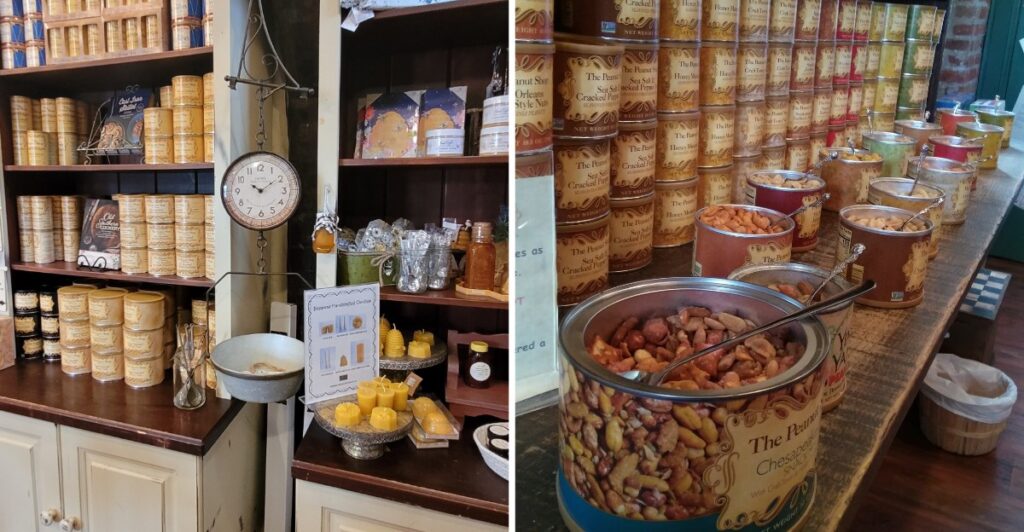
Big Virginia peanuts. Small batches. More than five decades of practice.
That is the short version.
The longer version starts in 1973, when this Virginia shop began building its name around oversized kernels cooked carefully in peanut oil.
Today, the shelves go well beyond the classic salted tin, but the plain peanuts still tell the story best.
They are crunchy, simple, and hard to ignore once the samples start circulating.
Then the trouble begins.
Seasoned versions pull you one way. Chocolate-covered treats pull you another. A quick stop near the historic district can suddenly turn into a very serious snack decision.
I’d try the traditional peanuts first.
Mostly so everything after that has something to beat.
The Peanut Shop Has Been Part Of Williamsburg Since 1973
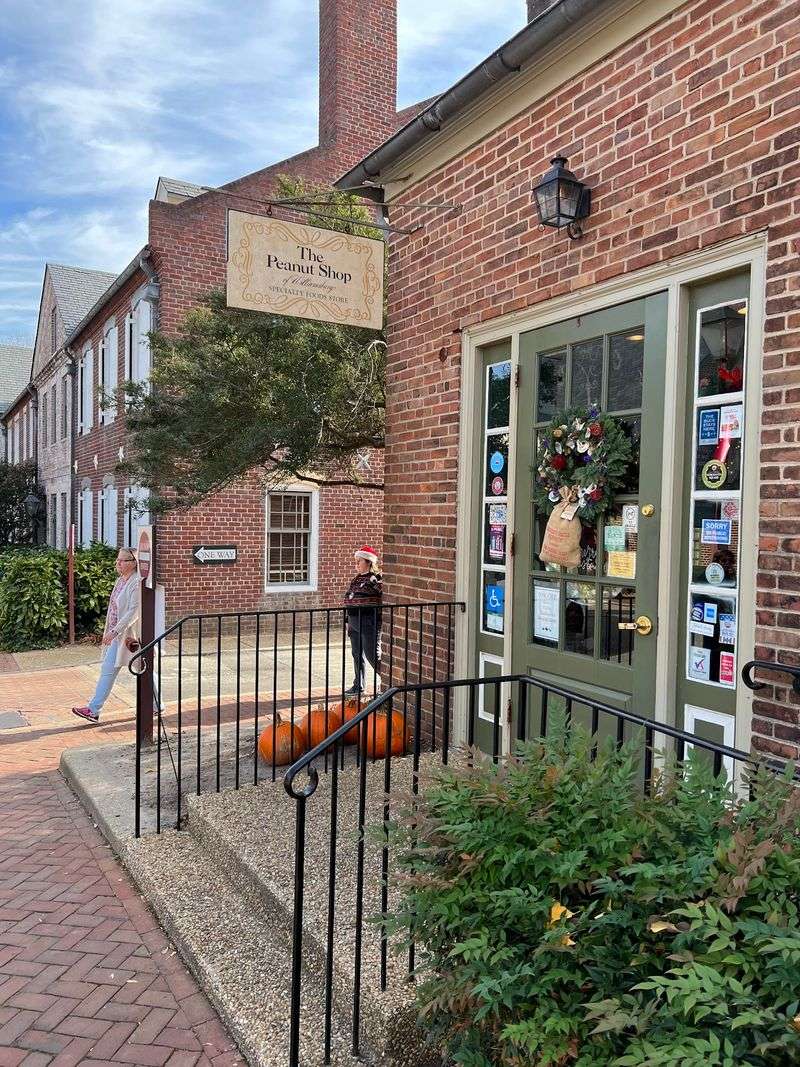
The Peanut Shop of Williamsburg began in 1973 and has spent more than half a century building its identity around Virginia peanuts.
The original concept was straightforward: select high-grade Virginia peanuts and hand-cook them in small batches rather than treating them like a mass-produced snack.
That process remains central to the business now, even as the product lineup has grown well beyond the basic salted tin.
The Williamsburg store also has a natural place in the city’s visitor routine. Merchants Square sits beside Colonial Williamsburg’s Historic Area, so the shop can fit easily into a day already built around walking, museums, historic streets, restaurants, and other stores.
That makes the visit flexible. You can stop for a few samples and leave with one tin, or spend longer comparing seasoned peanuts, sweet options, and gifts.
There is no need to make the history the main event. The easiest way to understand what has lasted since 1973 is still to taste the peanuts.
One classic tin gives you the old formula. Everything else shows how far the shelves have expanded around it. That makes the store easy to approach even if you have no idea which seasoned flavor belongs in the bag yet.
Small-Batch Hand Cooking Still Defines The Classic Peanuts
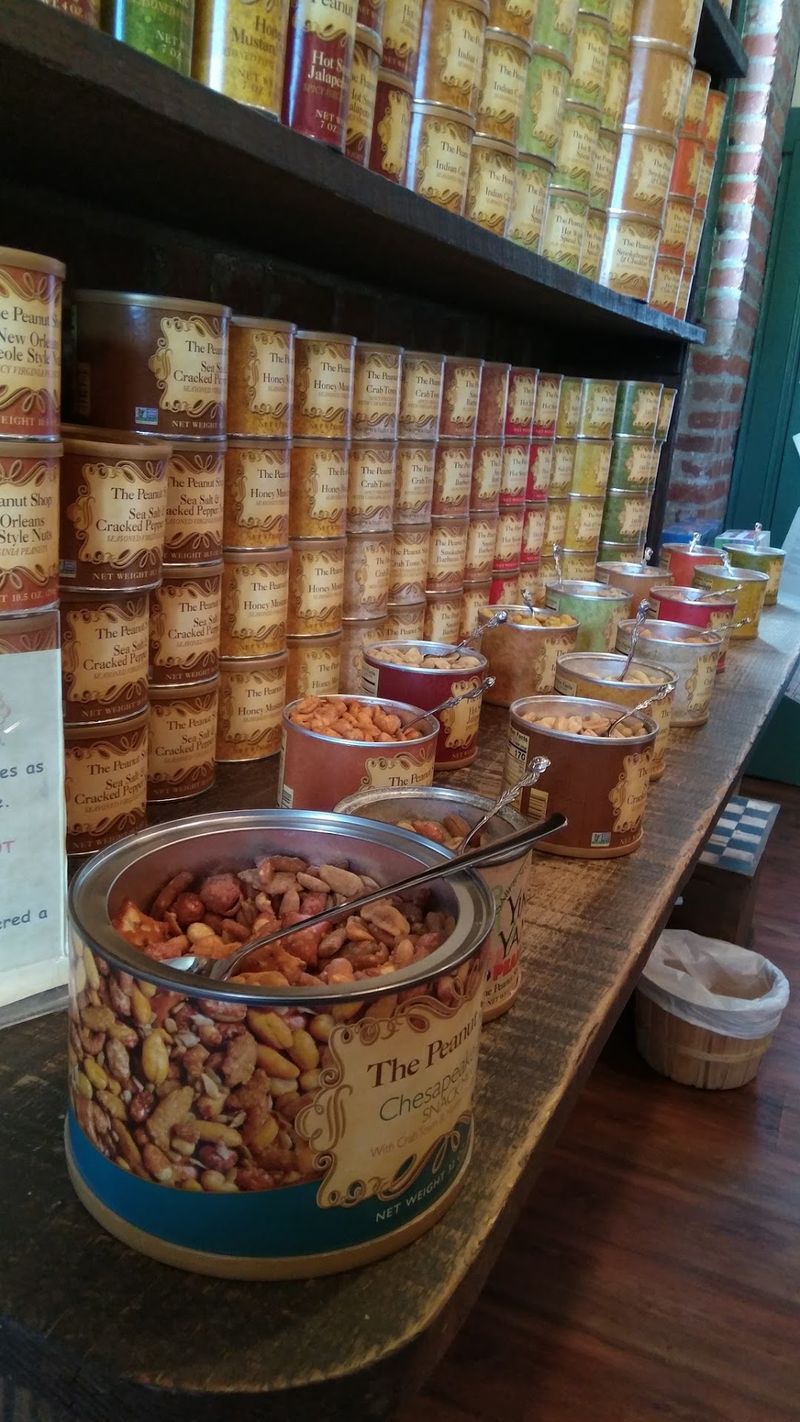
The shop’s traditional Virginia peanuts are prepared in small batches under the direction of a Roastmaster.
The peanuts are hand-cooked in peanut oil using the company’s long-running process, with no additives or preservatives added to the classic hand-cooked recipe. The goal is a crisp, blistered peanut rather than the softer texture some packaged nuts can have.
That method also explains why the shop talks about cooking rather than simply roasting. Peanut oil is part of the process, and the finished nuts are packed after each batch has been checked.
For a first purchase, the lightly salted version is the simplest place to start. The unsalted option uses the same basic peanut-and-peanut-oil formula without added salt, which makes the difference between the two easy to compare.
You do not need to understand the production details to enjoy them, but knowing the process helps explain why the classic tins remain the center of the brand after so many years.
If you are sampling in the store, try the plainest version before moving toward stronger seasonings. It gives the next flavor something useful to compete against.
Super Extra Large Virginia Peanuts Set The Classic Tins Apart
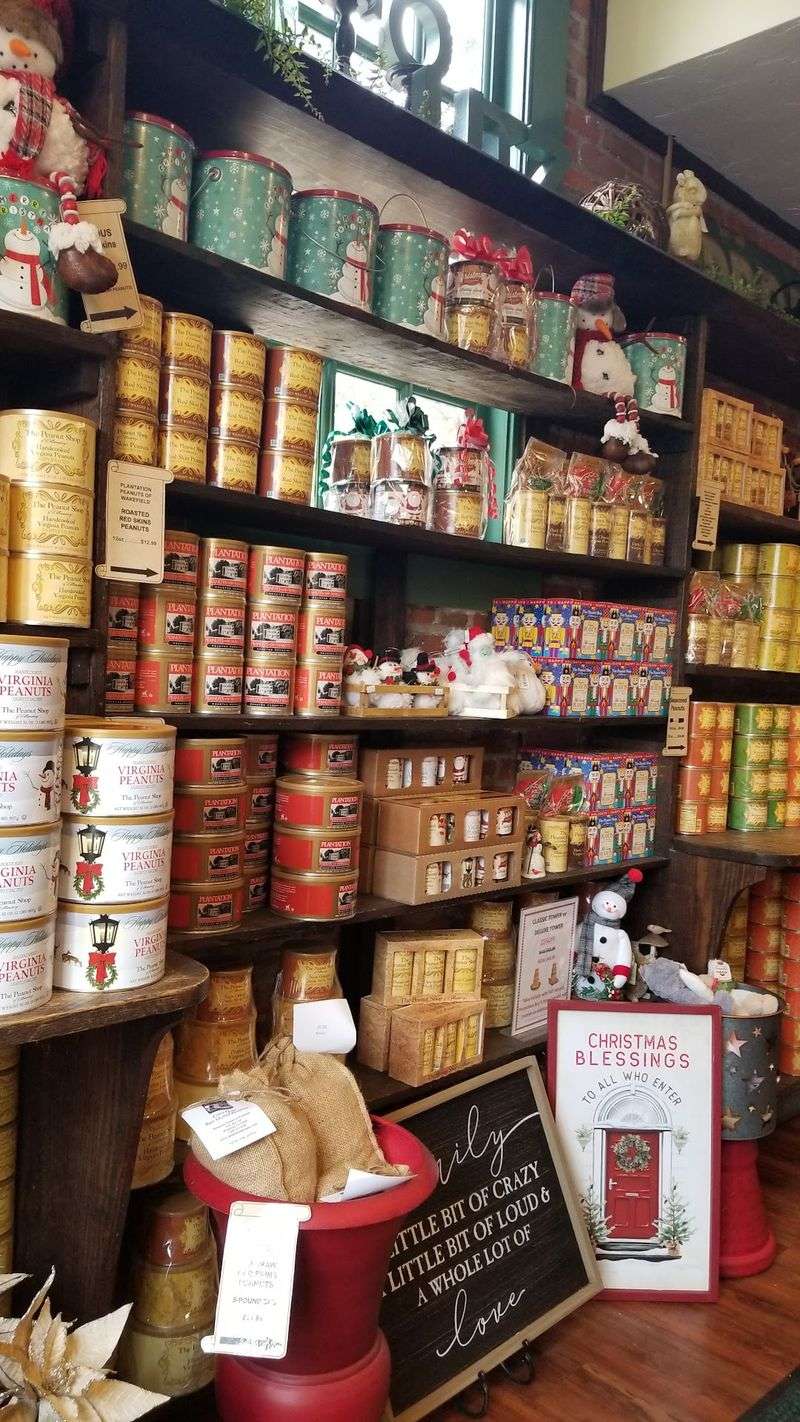
Virginia peanuts are already known for larger kernels, and the shop narrows its selection further.
For its classic hand-cooked peanuts, the company uses the Super Extra Large market grade. Its current product and company information says fewer than three percent of Virginia peanuts meet the standards for that grade.
The size can vary from season to season because growing conditions affect the crop, but the grade remains the target for the traditional product.
The peanuts are sourced from Virginia peanut country, with current Williamsburg tourism information pointing specifically to farmland south of the James River.
From there, the shop’s small-batch cooking process turns the raw agricultural product into the tins visitors see on the shelves.
That makes the classic peanut a useful starting point before the flavored varieties enter the picture. You are tasting the kernel size and cooking method without a heavy seasoning layer covering either one.
Choose lightly salted if you want a little seasoning, or unsalted if you want the peanut itself doing nearly all the work.
After that, the seasoned shelves can get much louder.
Merchants Square Makes The Shop Easy To Add To A Williamsburg Day
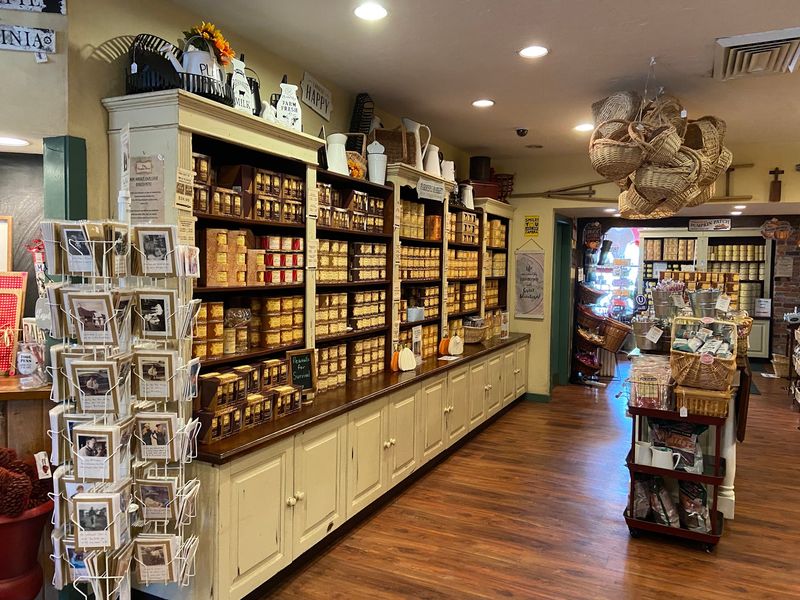
The Peanut Shop of Williamsburg sits in Merchants Square, the walkable shopping district beside Colonial Williamsburg’s Historic Area.
You will find the store at 414 Prince George St, Williamsburg, VA 23185.
The current shop is open daily, which makes it easy to work into a day already moving through the historic district or downtown Williamsburg. Exact hours can vary, so checking the day’s schedule is sensible if the peanut stop is the main reason for the trip.
For everyone else, the location works best as part of a walking day. Merchants Square has restaurants, specialty food stores, clothing shops, gifts, and other places to browse, while the Historic Area begins just beyond it.
That means a peanut stop does not need its own complicated plan. Walk through the square, follow the shopping route that already makes sense, and step inside when the snack break wins.
If you are buying several tins, it may be smarter to stop toward the end of the walk rather than carry them for hours.
Samples, however, are much easier to manage. If you are walking with children or a group, letting everyone taste before buying can also prevent three different tins from being opened five minutes after leaving the store.
Daily Samples Turn Flavor Decisions Into A Quick Taste Test
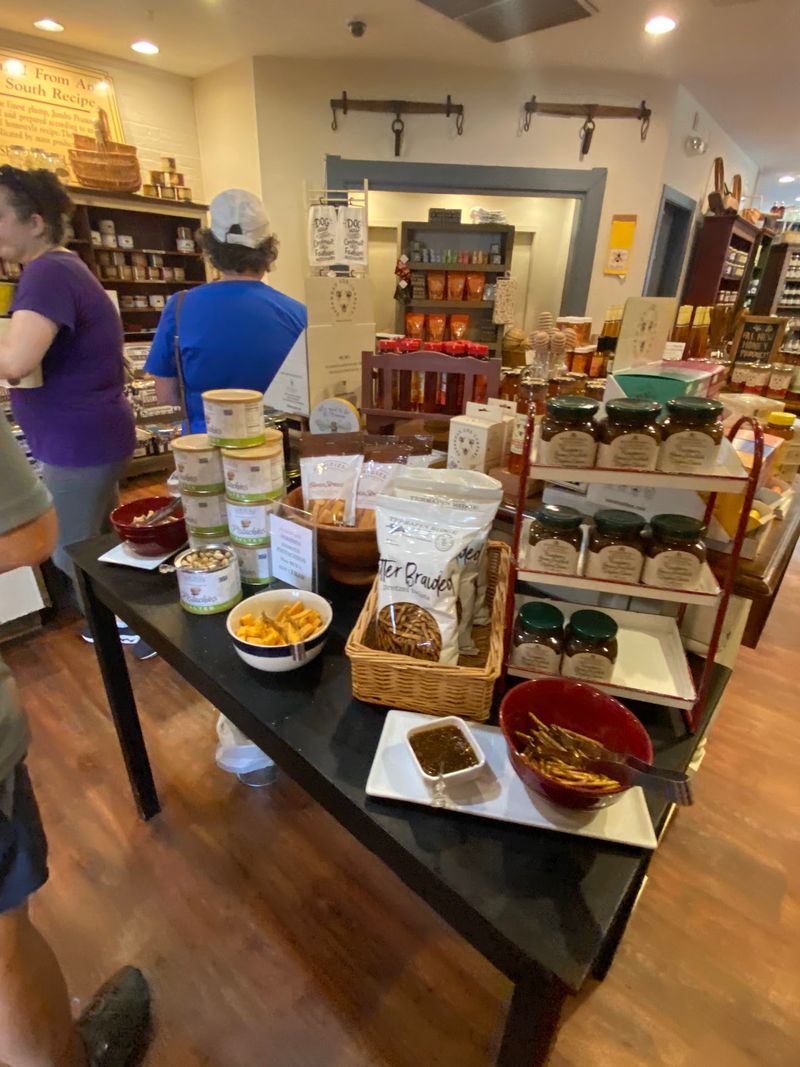
Sampling is still part of the in-store experience.
Current Williamsburg tourism information specifically highlights the shop’s daily samples, and Merchants Square promotes the store as a place where visitors can taste before deciding what to take home.
That helps because the current peanut lineup stretches well beyond lightly salted and unsalted.
Sea Salt and Cracked Pepper, Hot Habanero Chile Pepper, Sea Salt and Vinegar, Hot Wasabi, Spicy Crab Town, Smokehouse Bacon Ranch, and other seasoned varieties give the shelves a much wider range.
You do not need to taste every option to make progress. Start with one familiar flavor and one that sounds slightly questionable. The second choice is usually more useful because a seasoning name can tell you only so much.
Sampling also keeps the gift decision easier. If you are buying for someone else, a flavor you actually tried is a safer bet than one selected entirely because the label sounded clever.
The same rule works for your own basket.
Taste first, choose second, and do not assume the hottest or strangest name will automatically be your favorite.
Sweet Nuts, Chocolate And Other Varieties Stretch The Shelves Further
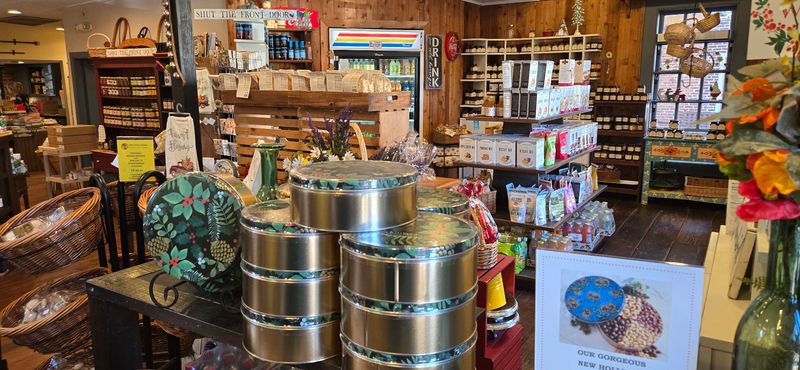
Peanuts remain the headline, but the shop’s current assortment covers several kinds of nuts and sweets.
Honey-roasted Virginia peanuts sit on the sweeter side of the peanut lineup, while chocolate-covered nuts and old-fashioned peanut crunch move the snack toward dessert. The shop also sells cashews, pecans, almonds, snack mixes, and other nut-based treats.
That variety matters when one person wants classic salted peanuts and someone else has no interest in another savory snack. A mixed basket can move from traditional Virginia peanuts to chocolate-covered cashews without requiring a second store.
Gift options are part of the business too. The company sells towers, assortments, and other combinations built around its nuts and confections, making the shop useful when the snack is supposed to travel farther than the hotel room or car.
Keep the basket practical by choosing one classic item first. Add a seasoned tin, sweet option, or different nut only after the basic choice is settled.
Otherwise, a short visit can turn into a shelf-by-shelf negotiation.
The good news is that most of the choices are easy to pack, store, and share later. That makes them practical souvenirs when you want something edible but do not want to carry a fragile box around Williamsburg.
The Warm Peanut Aroma Is Still Part Of The Merchants Square Experience
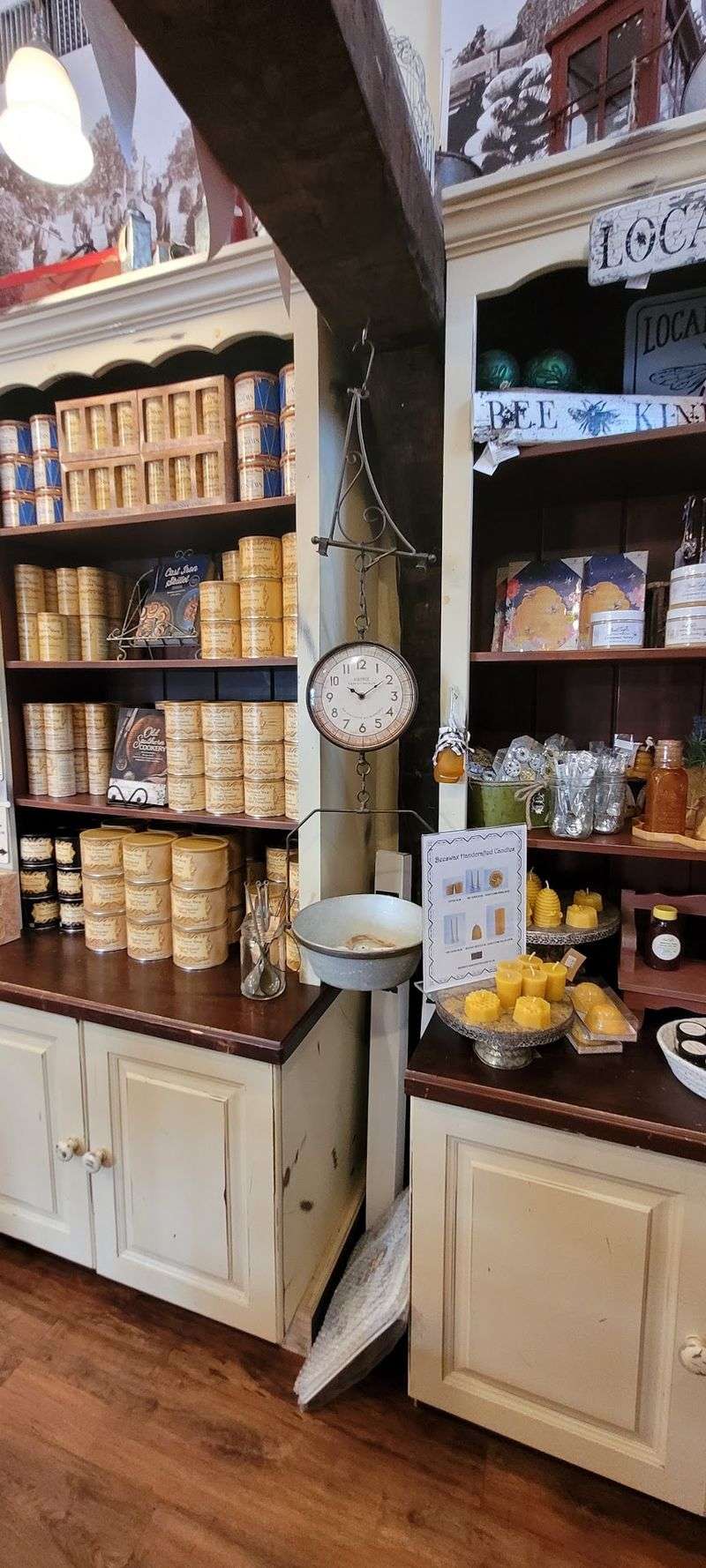
The shop’s small-batch process is not confined to a product description.
Current Williamsburg tourism guidance still tells visitors to follow the scent of warm roasted peanuts toward the store, where peanuts from farmland south of the James River are prepared in small batches in the shop.
That makes the aroma a practical part of the visit rather than an old story attached to a historic business.
Once inside, the experience stays uncomplicated. Sample a few varieties, look through the classic and seasoned tins, and decide whether the purchase is meant for the car, the pantry, or somebody else.
The Peanut Shop also sells online, so forgetting a favorite flavor does not require another Virginia trip. Still, the Williamsburg store adds something a shipping box cannot: the chance to taste before buying and the smell of warm peanuts in the middle of a walking day.
For a first visit, one traditional tin is enough to understand why the business has lasted since 1973.
If a second flavor follows you to the register, that is a separate decision. The daily samples can settle that argument faster than another five minutes spent reading labels.