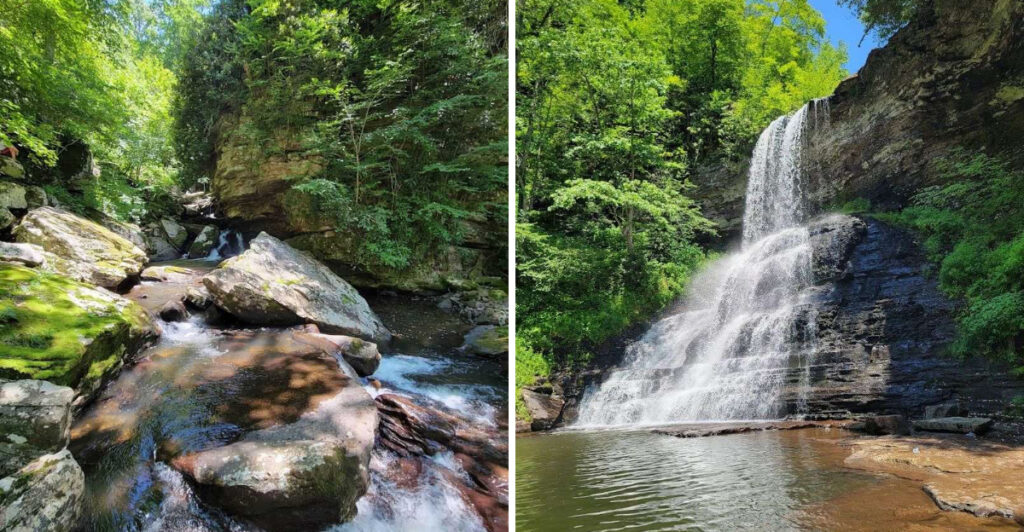
Virginia rewards hikers who know where to look, and this waterfall is one of the state’s most satisfying short adventures. Two miles of trail, a rushing mountain creek, and a 66-foot curtain of white water waiting at the end.
You get two trail options, and both are worth your time. Take the lower route for mossy boulders, wooden bridges, and the sound of the creek the entire way up.
Come back on the upper trail for sweeping valley views and an easier descent. Spring, summer, fall, or winter, this gorge delivers something different every season.
Virginia does not make you work hard for this one, and the payoff is genuinely unforgettable.
The Waterfall That Stops Hikers In Their Tracks
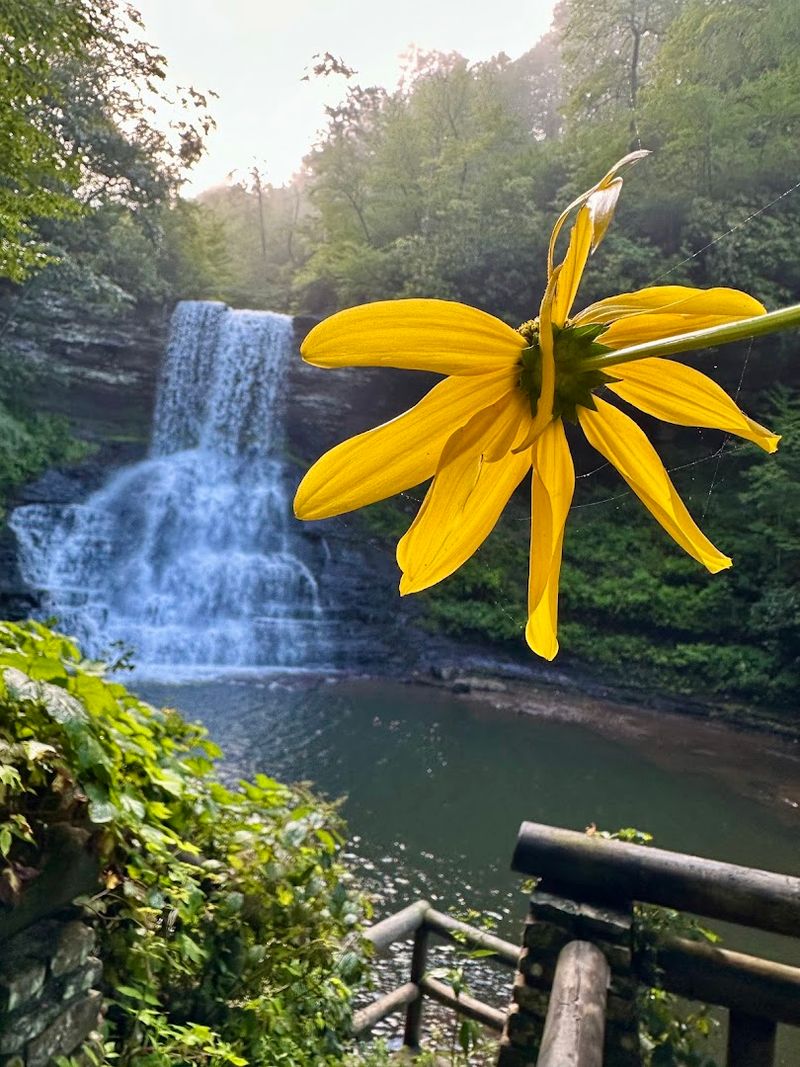
Few waterfalls in Virginia earn the kind of reaction that Cascade Falls pulls out of first-time visitors. Coming around the final bend on the trail and suddenly seeing a 66-foot curtain of white water crashing into a clear pool below is genuinely breathtaking.
The falls are fed by Little Stony Creek, which winds its way through the gorge before launching off the rocky ledge. Towering cliff walls, stretching nearly 200 feet on either side, frame the whole scene like a natural amphitheater.
Standing at the base, the mist hits your face and the roar of the water fills the air around you. It feels bigger and more powerful than the short hike would suggest.
This spot consistently ranks among the most photographed natural landmarks in the state, and it is easy to understand why once you are standing right in front of it.
Two Trails, One Epic Destination
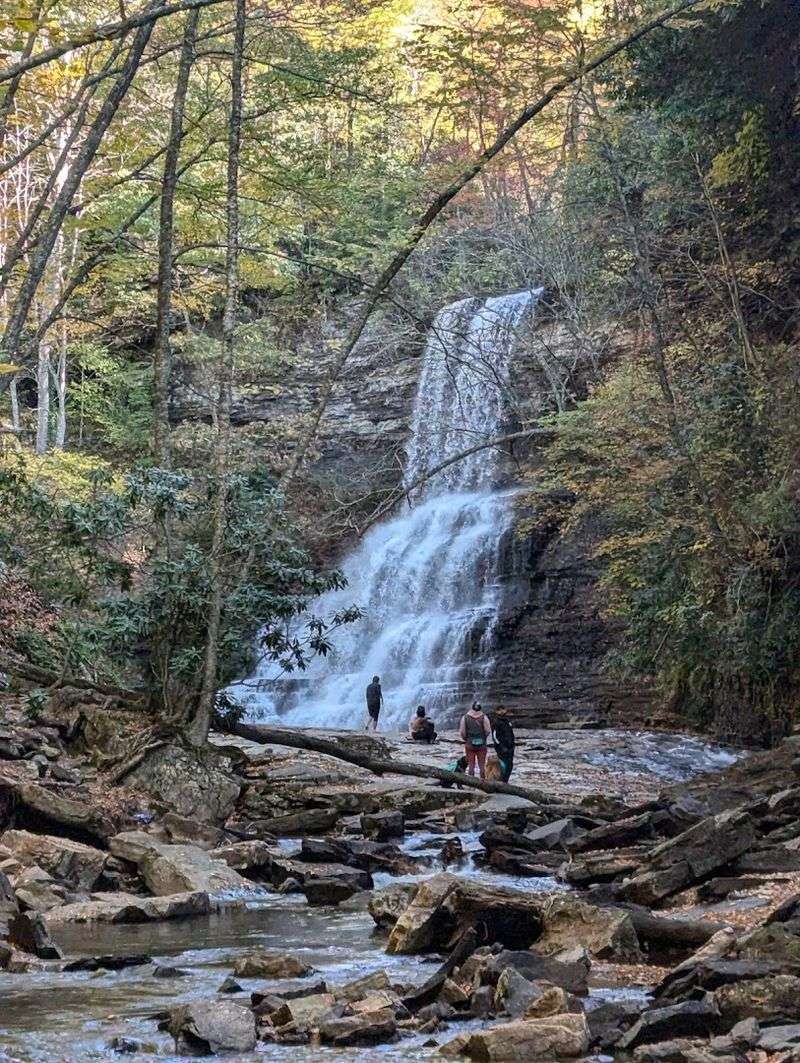
The Cascade Falls trail system offers two distinct paths to the same stunning finish line. Choosing between the Lower Trail and the Upper Trail shapes the entire feel of the hike.
The Lower Trail hugs Little Stony Creek the whole way, treating hikers to a constant parade of rushing water, mossy boulders, wooden bridges, and stone steps carved right into the gorge. It is rockier and more demanding underfoot, but the scenery rewards every extra step.
The Upper Trail runs higher through the forest, offering smoother terrain and occasional sweeping views over the valley below. Many hikers prefer a smart combination: take the Lower Trail on the way to the falls for maximum scenery, then return on the Upper Trail for an easier descent.
Together, the two paths form a loop of roughly 4 miles round trip, giving visitors a full taste of everything this remarkable Virginia landscape has to offer.
What The Lower Trail Feels Like Up Close
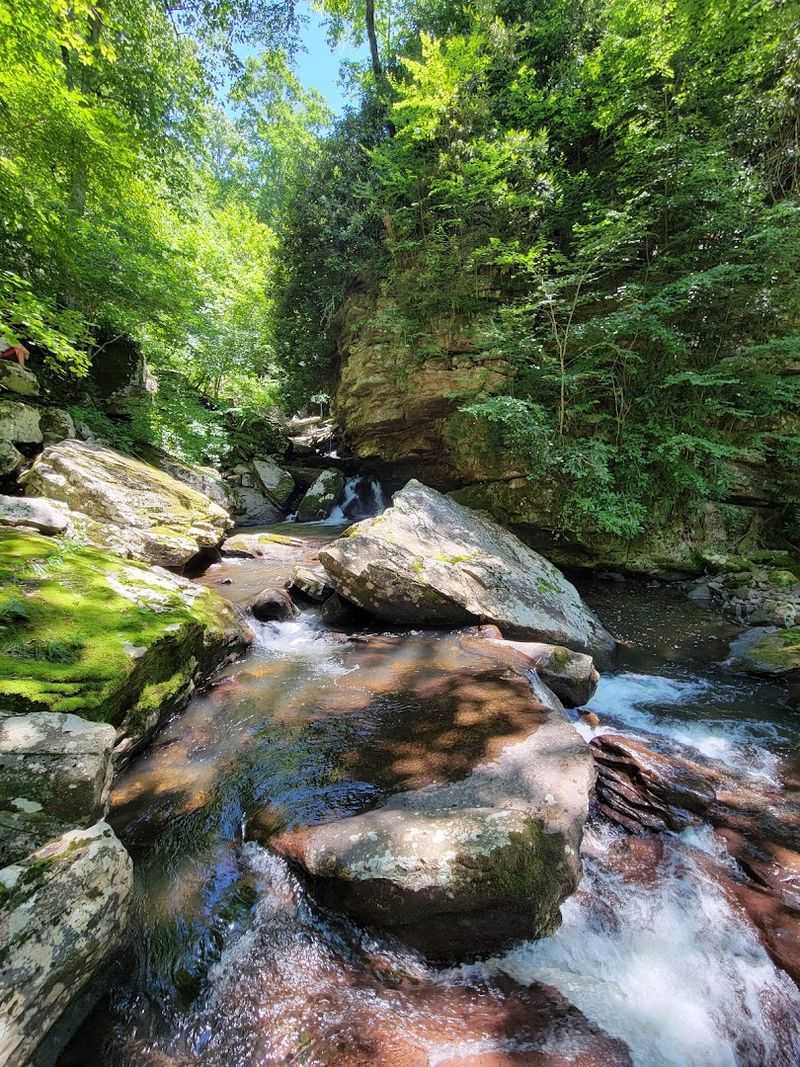
The Lower Trail is the kind of path that makes you stop every few minutes just to look around. Mossy rocks line the creek banks, and the sound of rushing water stays with you from the very first step out of the parking area.
Stone steps and wooden walkways help navigate the trickier sections, but sturdy footwear is still a smart call. The terrain gets progressively rockier as you approach the falls, and the final stretch involves scrambling over boulders to reach the base.
Wildflowers pop up along the creek banks during spring, adding bursts of color against the deep green of the forest. Photographers love this trail because every turn offers a fresh composition.
The Lower Trail is rated moderate to strenuous in spots, but the payoff at the end makes every challenging step feel completely worth the effort put in.
The Upper Trail Offers A Different Kind Of Beautiful
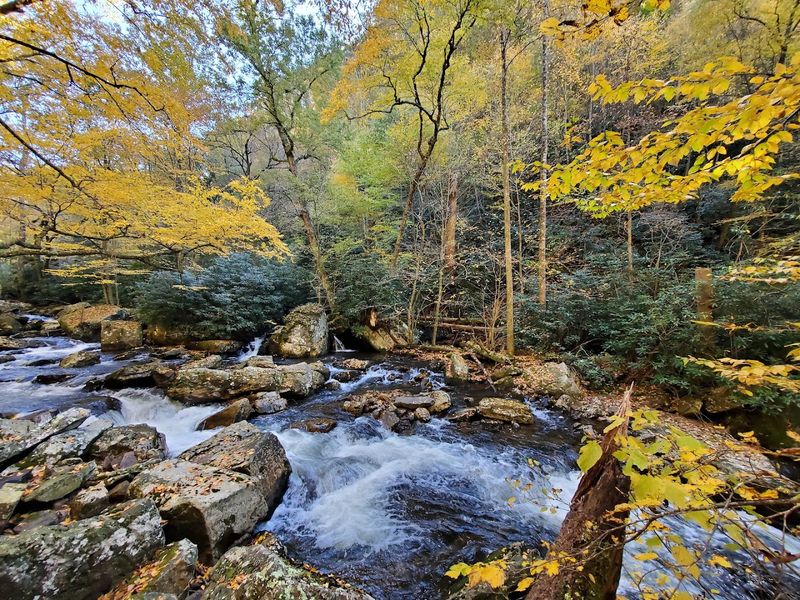
Not every great hiking experience requires scrambling over rocks. The Upper Trail at Cascade Falls proves that a smoother path can still deliver serious scenery.
Running along higher ground above the creek gorge, this route offers a more consistent and gentle climb through thick Virginia forest. Periodic clearings open up views over the valley that feel surprisingly expansive for a moderate forest hike.
The trail is wider and more forgiving underfoot, making it a solid choice for families with younger children or hikers who prefer a steadier pace.
Dogs on leashes do well on this path too, since the footing stays manageable throughout. Coming back down via the Upper Trail after visiting the falls is a popular strategy, giving tired legs a gentler finish to the loop.
The forest canopy overhead creates a cool, shaded corridor that feels especially welcome on warmer afternoons in the Virginia mountains.
Getting There And What To Expect At The Trailhead
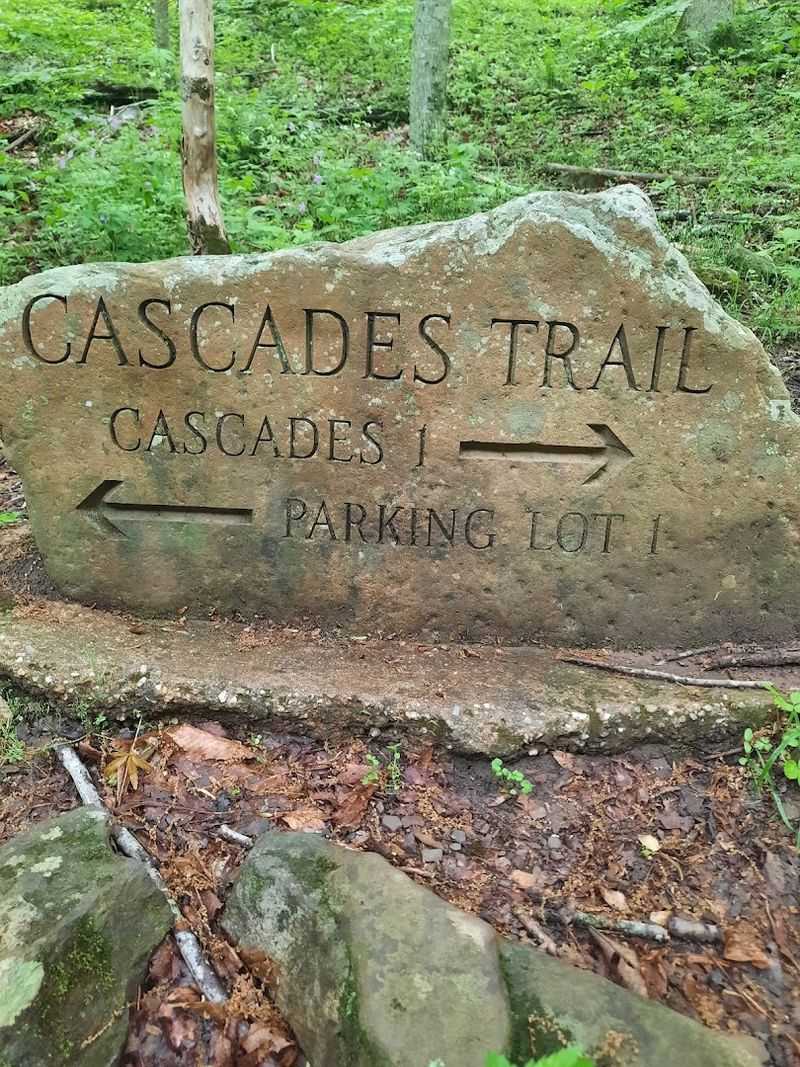
Finding the trailhead is straightforward. The Cascades Day Use Area sits at 2068 Cascade Drive in Pembroke, Virginia, right in the heart of Jefferson National Forest in Giles County.
Parking comes with a small fee per vehicle, payable by credit card or cash at the lot. Arriving early on weekends is strongly recommended, since this trail draws significant crowds and spots fill up fast.
Weekday mornings offer a noticeably calmer experience for those with flexible schedules.
Restrooms are available right at the trailhead, so take advantage before hitting the trail since there are no facilities further along the path. Picnic tables near the parking area make for a pleasant pre-hike or post-hike break spot.
The trail is clearly marked from the start, and the signage at the junction makes choosing between the upper and lower routes easy for first-time visitors arriving without prior trail knowledge.
How Hard Is This Hike Really
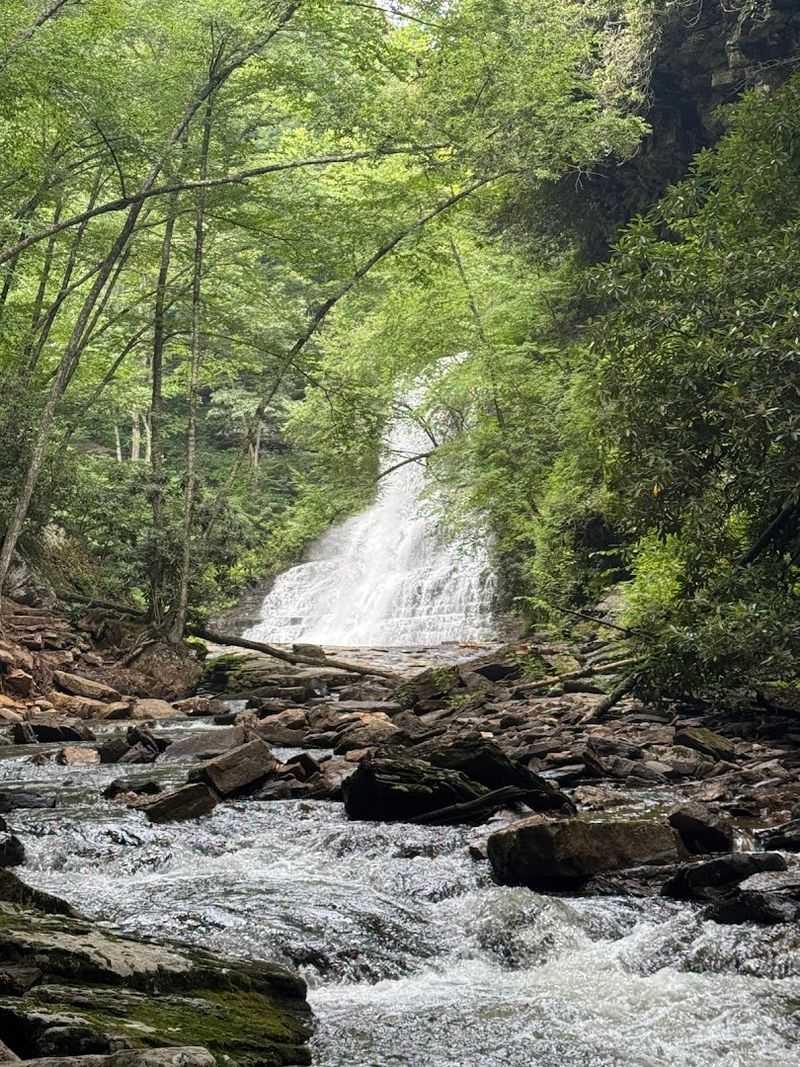
Moderate is the honest rating for the Cascade Falls hike, with a few sections that push toward strenuous depending on the route chosen. The total elevation gain sits around 700 to 800 feet across the full loop.
Families with children as young as five have completed the loop without major difficulty, especially when sticking to the Upper Trail or a combination approach. That said, the lower path demands real attention to footing, particularly near the creek and on the boulder sections close to the falls.
Good hiking shoes with solid grip are not optional here. Flat sneakers or sandals make the rocky sections genuinely tricky and increase the chance of slipping on wet surfaces.
Bringing plenty of water is equally important, especially during warmer months when the trail gets busy. Benches are scattered along the route, offering welcome rest stops for those who need to pace themselves through the climb.
The Best Time Of Year To Visit
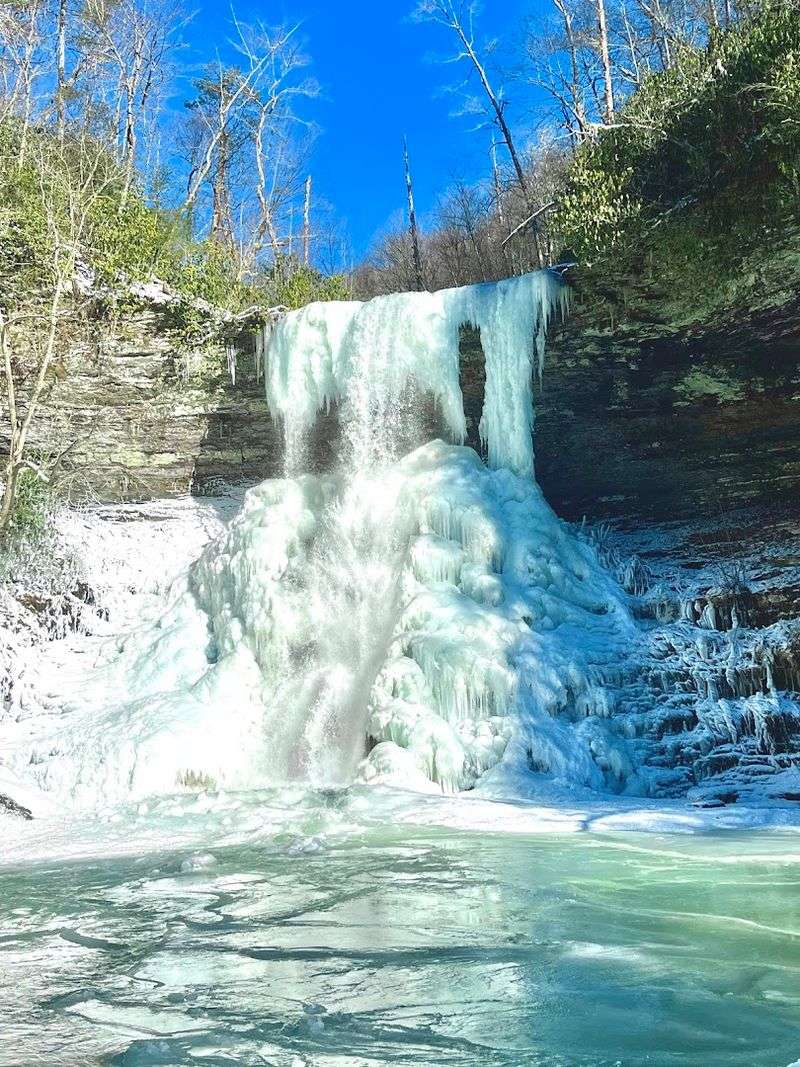
Cascade Falls rewards visitors in every season, but each time of year brings a completely different atmosphere to the gorge. Spring is wildly popular for a reason: the creek runs high from snowmelt, the falls thunder with extra force, and wildflowers line the lower trail in full bloom.
Summer brings lush green canopy and cooler air near the water, making the gorge feel like a natural refuge from the heat. Fall transforms the surrounding Virginia forest into a blazing patchwork of orange, red, and gold, turning the hike into a visual feast from start to finish.
Winter delivers perhaps the most dramatic version of the falls. Ice formations build up along the cliff walls and surrounding rocks, creating a scene that looks almost surreal.
The trail sees fewer visitors in colder months, which means a quieter, more personal experience for those willing to brave the temperature and layer up appropriately for the conditions.
Wildlife And Nature Along The Trail
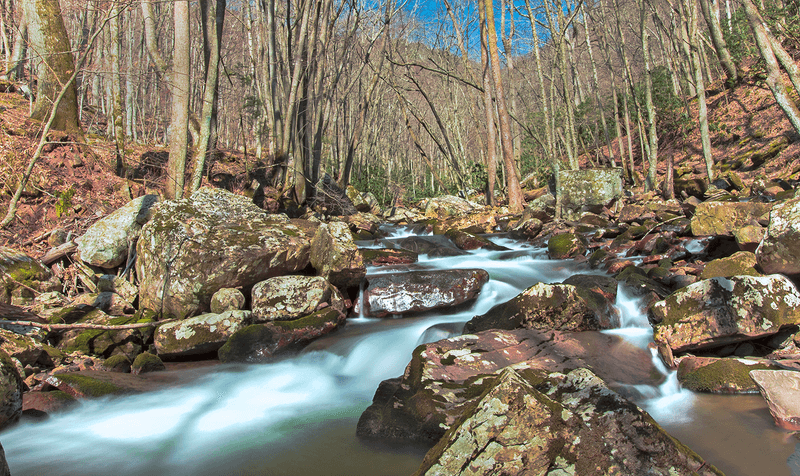
The gorge surrounding Cascade Falls is far more than just a backdrop for a waterfall photo. Jefferson National Forest supports a rich variety of plant and animal life that makes the hike feel alive in every direction.
Ferns carpet the forest floor along the lower trail, and mosses coat almost every rock surface near the creek. Wildflowers bloom in clusters during spring, and the dense tree canopy overhead creates a cool, layered environment that feels genuinely wild.
Bird calls echo through the gorge throughout the year.
Deer are occasionally spotted near the edges of the trail, particularly during quieter early morning visits. The creek itself supports aquatic life visible in the clearer pools along the lower route.
Virginia’s mountain forests are known for biodiversity, and this particular stretch of the Jefferson National Forest is a strong example of that richness playing out in a relatively compact and accessible hiking corridor.
Photography Tips For Capturing The Falls
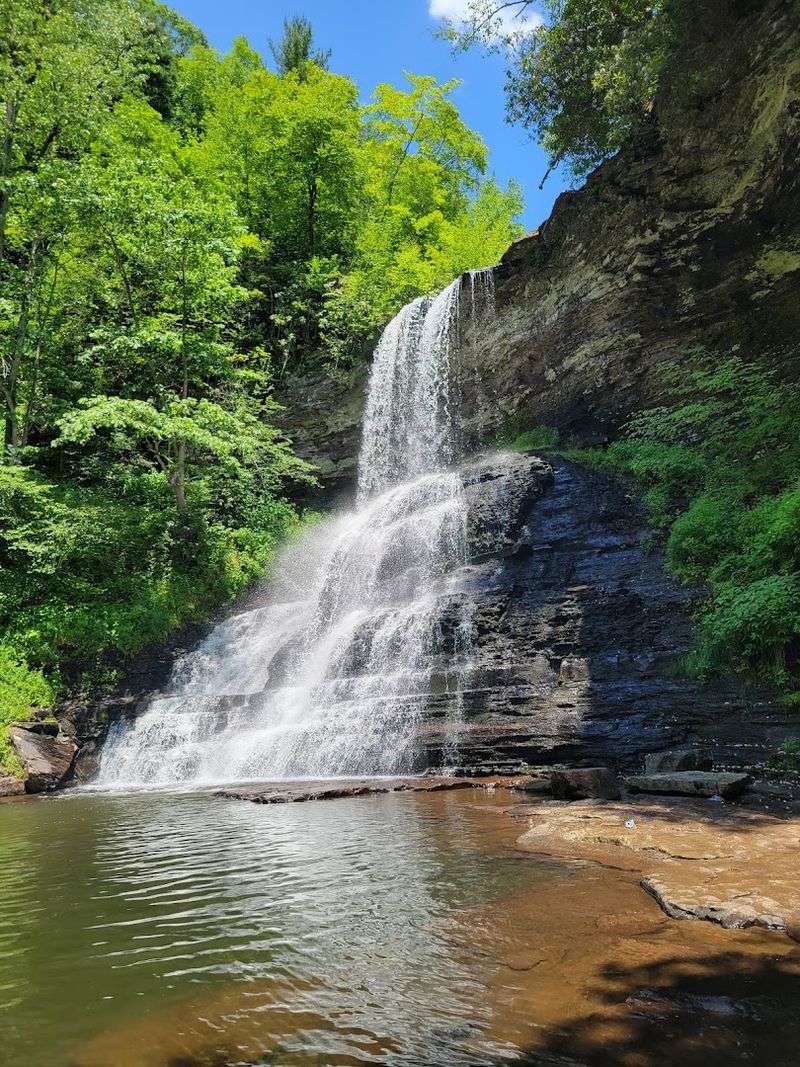
Cascade Falls is a photographer’s dream, but getting the best shot takes a little planning. The falls face in a direction that catches soft, diffused light best during morning hours, making early arrivals especially worthwhile for anyone carrying a camera.
A wide-angle lens helps capture the full scale of the drop and the surrounding cliff walls in a single frame. Long exposure shots of the flowing water create that silky, smooth effect that makes waterfall photos look polished and dramatic.
A tripod is helpful but not always practical on the rocky terrain near the base.
The lower trail offers countless compositions before even reaching the main falls. Smaller cascades, mossy boulders, wooden bridges, and creek reflections all make compelling subjects.
The viewing platform near the base of the falls provides a stable spot for steady shots. Overcast days actually produce some of the most evenly lit and color-rich images at this particular Virginia location.
What To Pack And How To Prepare
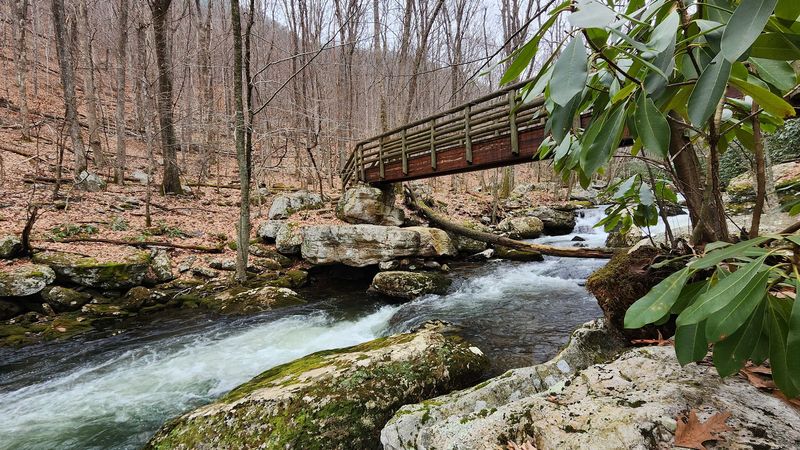
Preparation makes the difference between a comfortable hike and a miserable one on this trail. The basics apply here with extra emphasis: wear real hiking boots with ankle support and solid grip, especially if planning to tackle the lower route.
Water is essential. The trail covers roughly 4 miles round trip with meaningful elevation gain, and the exertion adds up faster than expected on warmer days.
Packing snacks is a smart move since there are no food vendors anywhere near the trail. Trail mix, fruit, and energy bars travel well and keep energy levels steady.
A small first aid kit, sunscreen, and a light rain layer round out a solid packing list. Cell service can be unreliable in the gorge, so downloading an offline map before leaving is a practical precaution.
Dogs are welcome on the trail but must stay on a leash throughout the entire hike for safety and trail etiquette.