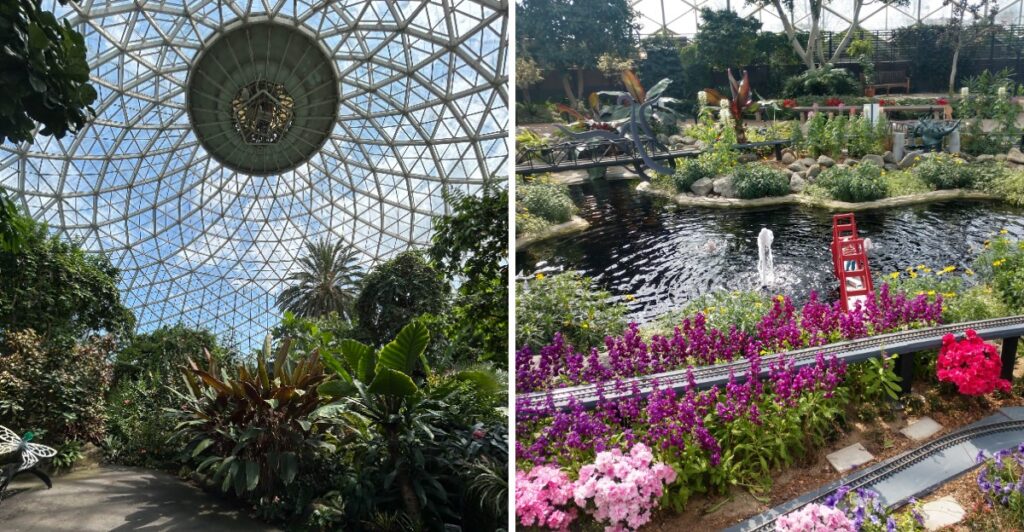
There’s a 60-foot tropical tree growing inside a glass dome in Wisconsin. And the gardeners have to keep trimming it because the ceiling won’t let it grow any taller. I guess even tropical giants have to follow the building rules.
Nearby, bananas, papayas, and cacao grow like they’re nowhere near a Wisconsin winter. Then there’s a desert plant that produces just two leaves in its entire life. Two!
And it can live for more than a thousand years. Meanwhile, I’m just happy when my houseplants make it through the season.
You can go from humid rainforest to dry desert in minutes, then wander into another dome where the flowers change with the seasons.
Meanwhile, outside, Wisconsin might be dealing with snow and freezing temperatures.
I don’t know about you, but spending an afternoon in the tropics without buying a plane ticket sounds like a very good winter plan.
Three Beehive-Shaped Domes Rise Like Something From A Sci-Fi Movie
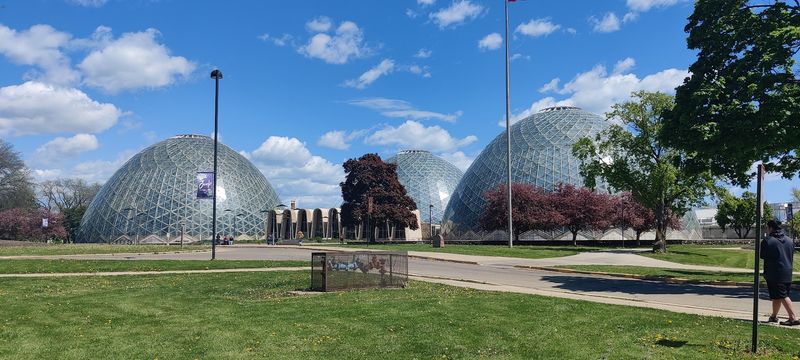
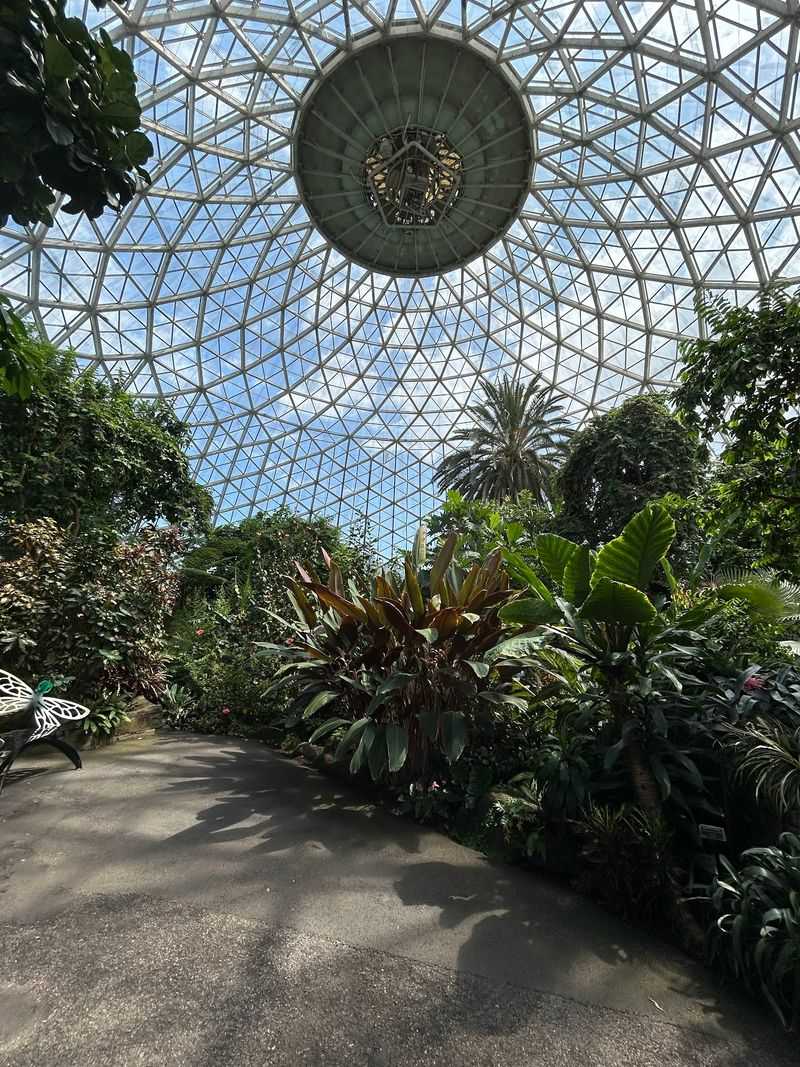
Plenty of people call them geodesic domes, but that label is wrong. The Mitchell Park Horticultural Conservatory uses conoidal domes, shaped more like giant beehives.
Architect Donald Grieb designed them with concrete, aluminum, and glass. Each dome measures 140 feet across at the base and stands 85 feet tall.
That shape is clever for a practical reason. There are no columns inside, so tall trees can stretch upward without bumping into supports.
The glass is a quarter inch thick with wire set inside it. More than 85 percent of the available light passes through, which plants clearly appreciate.
Big fans keep things comfortable for the greenery. The air in each dome changes completely about every three and a half minutes.
Construction began in 1959, and the domes opened one by one between 1964 and 1967. In 2026, the building joined the State Register of Historic Places in Wisconsin.
That honor recognizes the unusual design and engineering. It’s a nice reminder that the buildings themselves deserve attention, not just the plants inside.
Take a slow lap outside before heading in. The curves look different from every angle, and your camera will notice.
Bananas, Cacao, And A Very Tall Kapok Await In The Rainforest
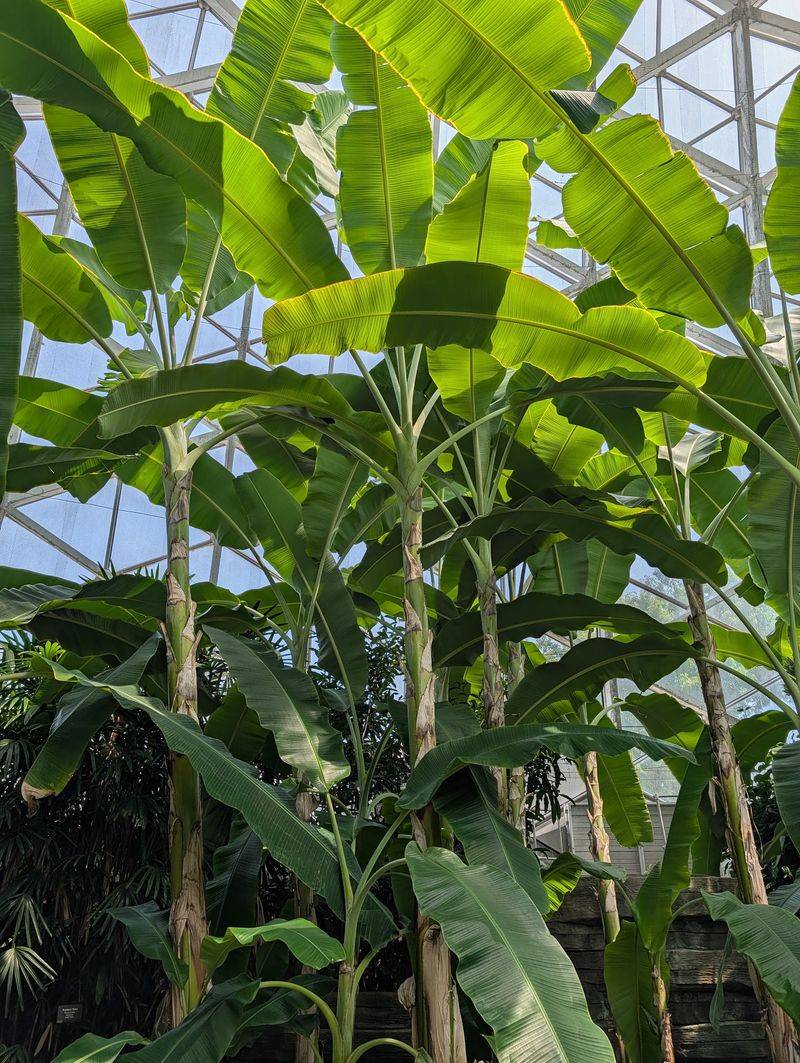
Bananas growing indoors in Milwaukee sounds like a joke. In the Tropical Dome, it’s simply Tuesday.
The dome opened in February 1966 and holds more than 1,200 plant species. Fruit plants include banana, papaya, ackee, guava, avocado, and cacao.
One cacao tree is more than 60 years old. Chocolate fans may want to pause and pay their respects.
Hardwood trees grow here too. Look for big-leaf, little-leaf, and African mahoganies, plus ebony and lignum vitae.
The star of the room is a huge kapok tree in the center. Gardeners keep it at about 60 feet, so it doesn’t push through the glass.
Colorful birds live in the dome as well. Keep your ears open while you walk, since they add plenty of personality.
Twisting trails lead past water features and benches. A bench is a fine spot to let your glasses defog after stepping in from the cold.
Dress in layers for this one. The air feels warm and humid, so a heavy winter coat quickly becomes a thing you carry around.
Cactus Lovers Get A Whole Dome Of Spiky Superstars
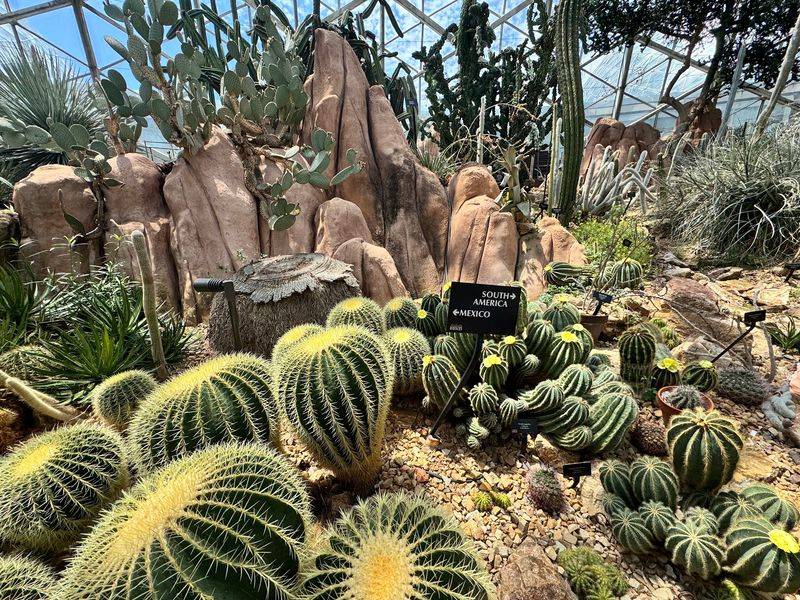
Sunshine and sand in a Wisconsin winter? The Desert Dome makes a strong case for both.
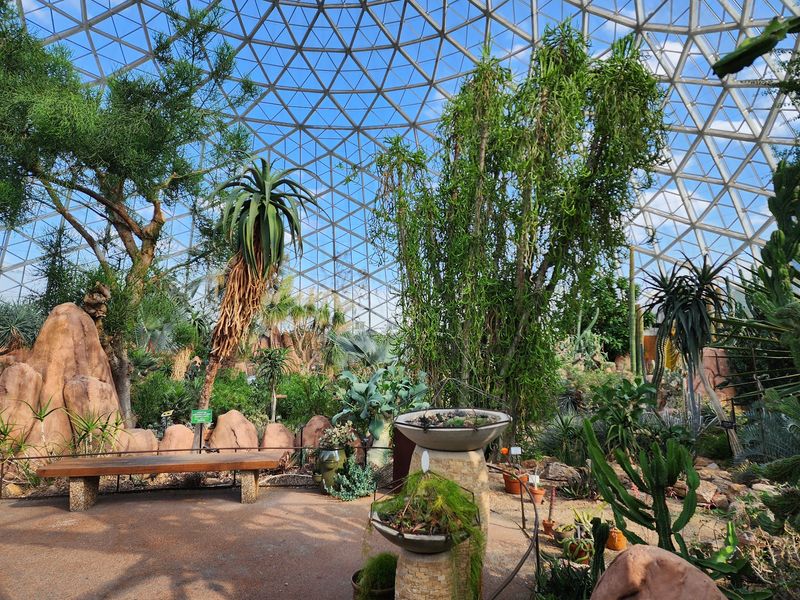
It opened in November 1967 and gathers arid-land plants from the Americas, Africa, and Madagascar. Expect cacti, succulents, aloes, crassulas, and euphorbias of all sizes.
Plants from the Sonoran Desert appear here too. If you’ve only seen saguaro shapes in cartoons, this is a fun upgrade.
The dome feels like a different planet compared with the rainforest next door. Dry air replaces humidity, and the plant shapes get bold and strange.
Some look like stacked stones. Others look like green sculptures made by someone with a wild imagination.
Paved pathways make it easy to explore at your own pace. Benches also give you time to study the details without blocking the trail.
Bring curious kids into this dome with a challenge. Ask them to find the plant with the longest spines or the oddest shape.
One tip helps everyone. Look closely, but keep your hands to yourself, since many residents here bite back in their own pointy way.
Meet A Two-Leaf Plant That Might Outlive Everyone You Know
Two leaves. That’s the whole wardrobe of the Welwitschia, and it wears them for centuries.
This plant sits in the Desert Dome and might be the oddest thing in the building. Its two leaves keep growing nonstop for its entire life.
The lifespan is the real shocker. A Welwitschia can live for more than a thousand years.
Over time, the leaves split and curl into long ribbons. It can look a little messy, like it just rolled out of bed after a long nap.
Nearby, another collection deserves your attention. The Desert Dome holds one of the largest Madagascar plant collections in the United States.
Some of its specimens were grown from seeds sent directly from Madagascar. The island is famous for plants found nowhere else, so this group is a big deal.
Many of these plants look like they came from a fantasy novel. Their shapes help them store water and survive tough, dry conditions.
Take your time in this corner. Read the labels, snap a few photos, and enjoy bragging rights about meeting a plant capable of living for more than a thousand years.
Every Few Months, The Third Dome Gets A Total Makeover
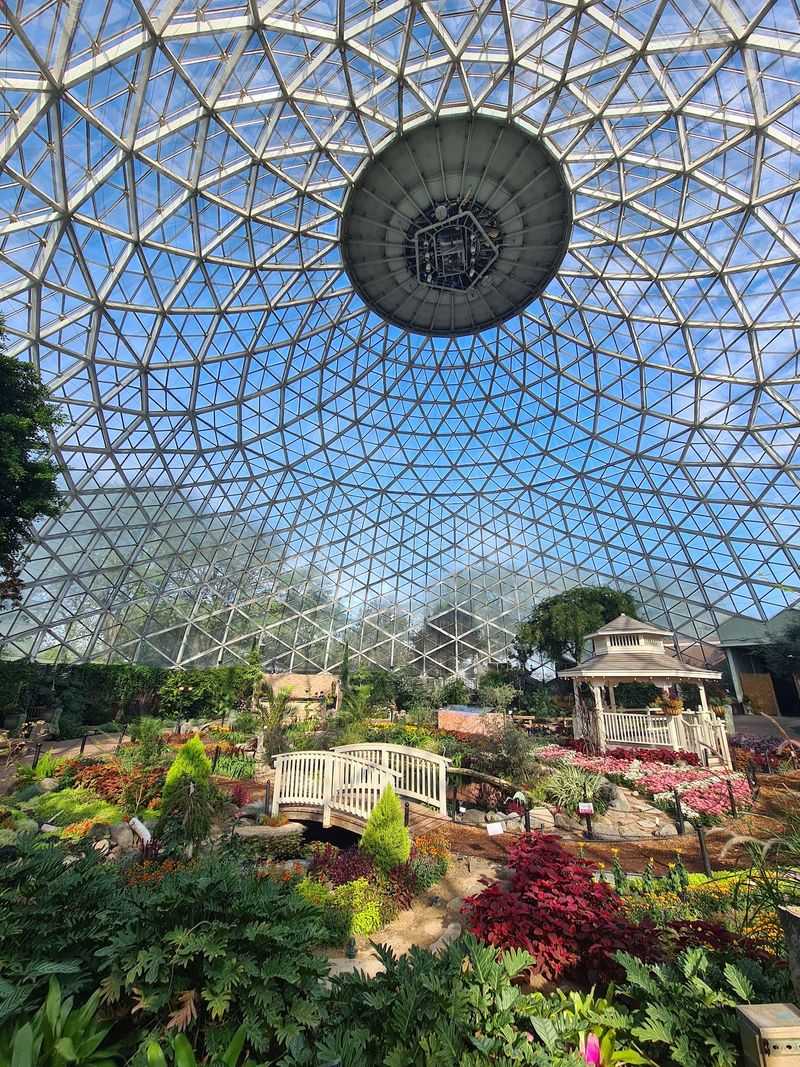
Repeat visitors have a secret weapon here. The Floral Show Dome never stays the same for long.
It was the first dome to open, back in 1964. First Lady Lady Bird Johnson dedicated it in September 1965.
Each year the dome hosts five themed shows, including the annual holiday exhibit. Themes often draw from culture, literature, or history.
Spring, Summer, and Fall shows all bring their own colors and designs. Gardeners rebuild the whole space between shows, so plan ahead.
The dome closes briefly while crews install a new display. Check before you go if seeing it matters to you.
A paved brick pathway winds through the flowers. That path makes the space easy to explore for strollers and wheelchairs.
Wednesdays add a small bonus. Sticker Wednesdays offer a free show-themed sticker with paid admission while supplies last.
Kids tend to treat these stickers like gold medals. Grown-ups are allowed to want one too, and nobody needs to know.
This dome gives the Mitchell Park Horticultural Conservatory its sense of surprise. Each visit feels a little like opening a new present.
Holiday Blooms And Tiny Trains Make Winter Feel Cozy
Poinsettias, chrysanthemums, and amaryllis fill the Holiday show each year. A decorated spruce brings the season together.
This display usually runs from November into January. It arrives right when Wisconsin weather starts testing everyone’s patience.
Some evenings get extra special. Select Late Night at the Domes events stretch hours and add live music.
Past dates in November and December ran from 9 a.m. to 8 p.m. Watch the schedule, since these nights are only offered on certain dates.
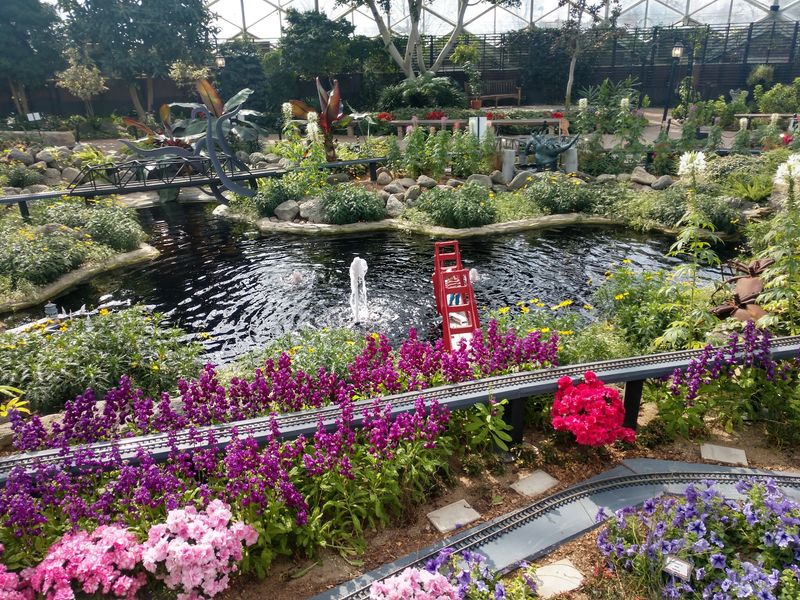
Then comes a fan favorite. The Train Show takes over from January through March.
Miniature model trains run on 600 feet of track. More than 4,000 plants surround the little railways.
Young train fans can lose track of time here. Their adults may need a strategy for leaving, such as promising one more lap.
Plan your visit around the season you love most. Holiday color and winter trains both make a gray day feel brighter.
Either way, you get warm air and green leaves. That’s a pretty great trade for a chilly afternoon in Milwaukee.
Thoughtful Extras Help Every Kind Of Visitor Feel Welcome
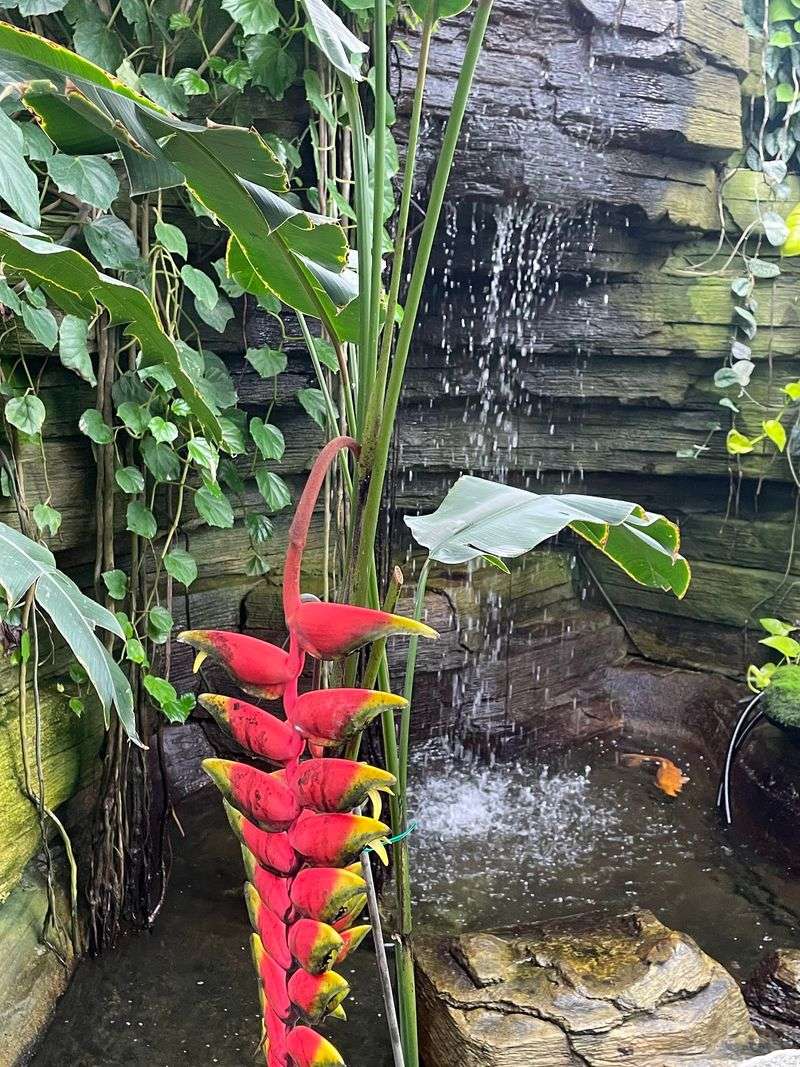
Small touches can make a big difference on a family outing. The Domes include several that are easy to miss.
Free KultureCity Sensory Kits are available for guests with sensory needs. They include headphones and fidget gadgets.
Aira Services help visitors who are blind or have low vision. A Mamava Lactation Pod sits in the atrium for nursing parents.
Wheelchair users can roll along paved paths in the Tropical and Desert Domes. The Floral Show Dome uses a paved brick path.
A limited number of free wheelchairs are available too. They go out first come, first served, so arrive early if you need one.
A central lobby links all three domes together. That setup makes it simple to take a break between climates.
Families with little ones can join storytime every Wednesday morning. On the last Wednesday of each month, storytime turns bilingual.
Educational programs and scavenger hunts also keep kids busy. A scavenger hunt turns a plant walk into a mission.
Free on-site parking is another win. Nobody enjoys circling a lot in January.
Know The Hours And Address Before You Bundle Up
Timing matters more than you might expect here. Weekday and weekend hours are a little different.
The Mitchell Park Horticultural Conservatory sits at 524 S. Layton Boulevard, Milwaukee, WI 53215. It’s open year-round, which is great news for winter plans.
Monday through Friday, doors open from 9 a.m. to 5 p.m. Last admission is at 4 p.m.
Saturdays, Sundays, and most holidays run from 9 a.m. to 4 p.m. Last admission on those days is at 3 p.m.
On Christmas Eve, the Domes close at 2 p.m., with last admission at 1 p.m. The Domes close on Thanksgiving Day and Christmas Day. Plan around those dates if you’re hosting relatives who need an outing.
Discounts exist for certain groups. Milwaukee County residents, students, and seniors can qualify for reduced admission.
Morning visits give you the most daylight inside the glass. They also leave room for lunch somewhere in the city afterward.
Dress smart before heading out. A light layer under your coat lets you stay comfy in the humid Tropical Dome.
Then you can shed the bulky stuff. Your future self will be grateful.