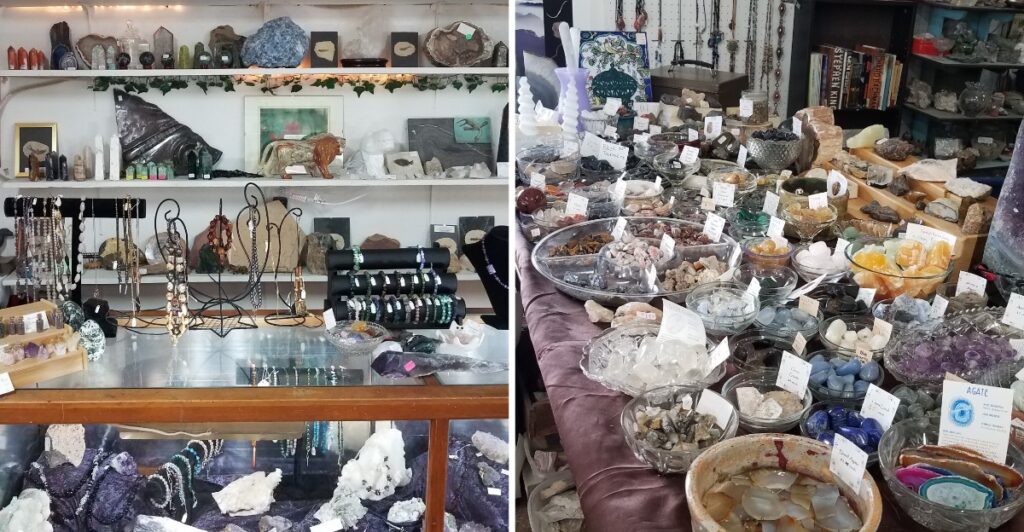
Five minutes in, and suddenly you are comparing pieces of jade like you have done this your whole life.
Too green? Too pale? Better polish?
Welcome to the rabbit hole.
This shop has been pulling curious travelers into the rock world since the 1920s. Decades later, the appeal is still wonderfully hands-on.
Wyoming jade gets plenty of attention, which feels fitting for the state gemstone. You can see it rough, polished, and turned into jewelry, so the transformation happens right in front of you.
Then something else inevitably steals your eye.
Maybe a fossil. Maybe petrified wood. Maybe a stone you cannot name but suddenly feel very strongly about.
That is how a quick roadside browse gets complicated.
You arrive curious, and you leave suspiciously invested in rocks.
The Shop’s Story Reaches Back To The 1920s
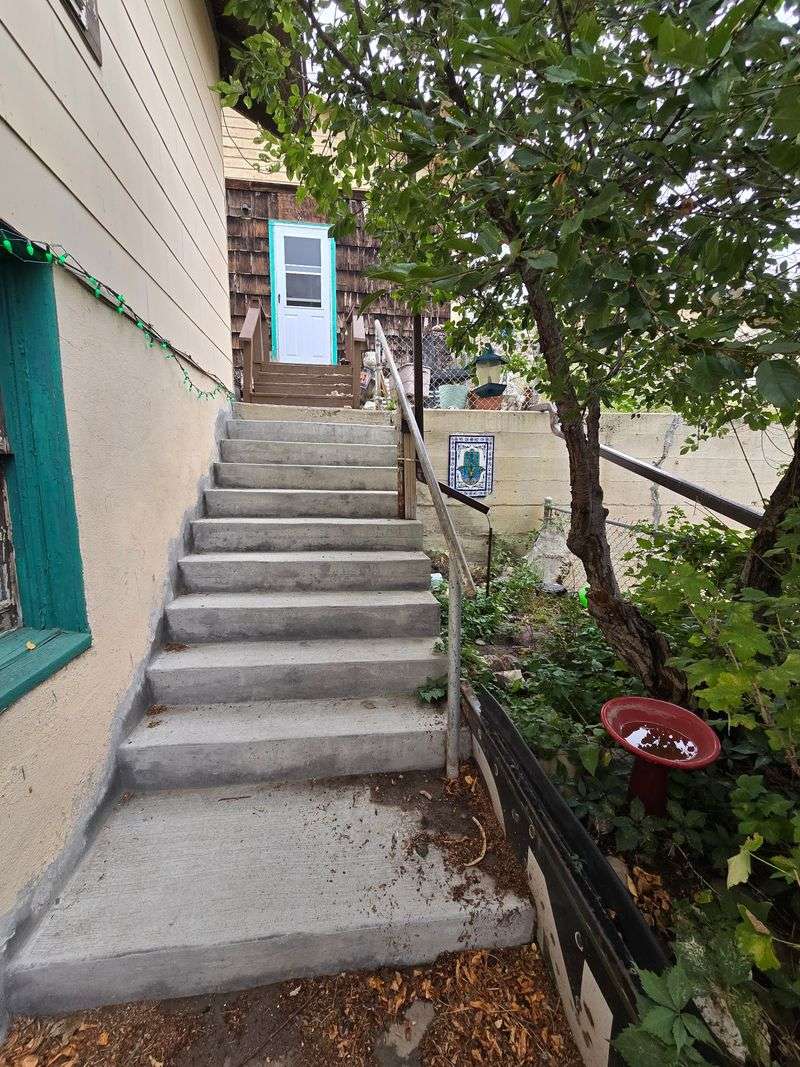
Tynsky’s roots go back to Sylvester “Switz” Tynsky, who started the business in the 1920s. That gives the shop a much longer story than its current location or present ownership might suggest.
The business changed hands over the decades, but the Tynsky name stayed with it. Pam and David became the third owners in 2021 after the passing of their family member and mentor, Bari Sines.
Rather than rename the store, they kept the original name and continued the rock-and-jewelry focus.
Their own experience in the rock business stretches back more than 20 years. That background shows up in the mix of lapidary services, Wyoming material, handmade jewelry, fossils, and mineral specimens that fill the shop today.
Rock Springs and the way people shop have changed enormously since the 1920s, but the store still centers on rocks, jewelry, and the questions collectors bring through the door.
Give yourself enough time to browse slowly. The shelves reward curiosity more than speed. If you are new to collecting, start with the Wyoming pieces and ask questions before moving toward the more specialized material.
The shop’s mix makes it easy to compare rough rock, polished surfaces, fossils, and finished jewelry without needing a collector’s vocabulary first.
Wyoming Jade Still Gets A Place Of Its Own
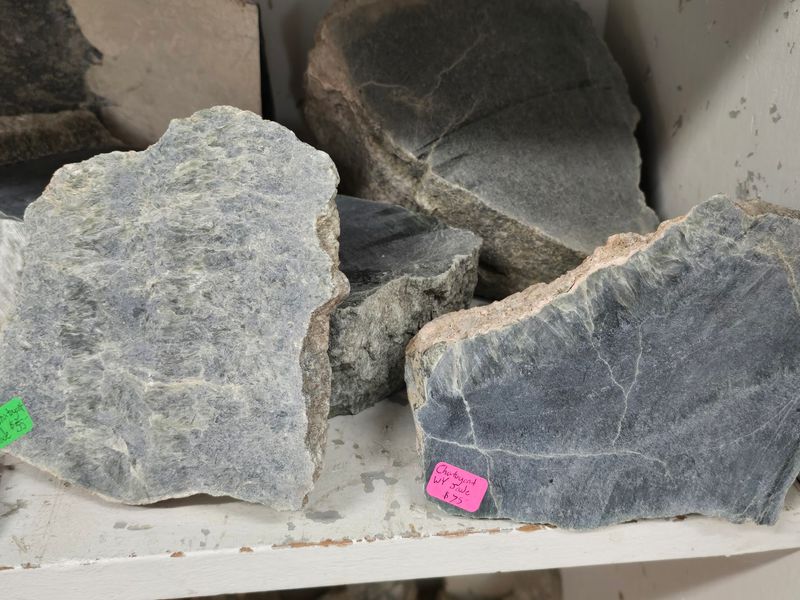
Wyoming jade is not just a souvenir label. The state’s official gemstone is nephrite jade, a tough material that occurs in shades ranging from pale tones to deep greens and nearly black.
Most Wyoming nephrite is green, with color variations that include apple, emerald, leaf, and olive. Its dense, fibrous structure also makes it durable enough for carving and polishing, which is one reason it works so well in jewelry.
Tynsky’s carries Wyoming jade in several forms. Current offerings include rough slabs, polished pieces, pendants, rings, earrings, and snowflake jade. Some pieces come from Fremont County, while others are identified more generally as Wyoming material.
Two pieces labeled jade can look surprisingly different once color, translucency, patterning, and polish enter the picture.
If you are new to the stone, start by comparing rough and polished examples. A weathered surface can hide the color underneath, while a finished face makes the green or darker tones much easier to see.
There is no need to pick the brightest piece automatically. Choose the color and pattern you actually want to live with.
Local Artists Turn Stone Into Handmade Jewelry
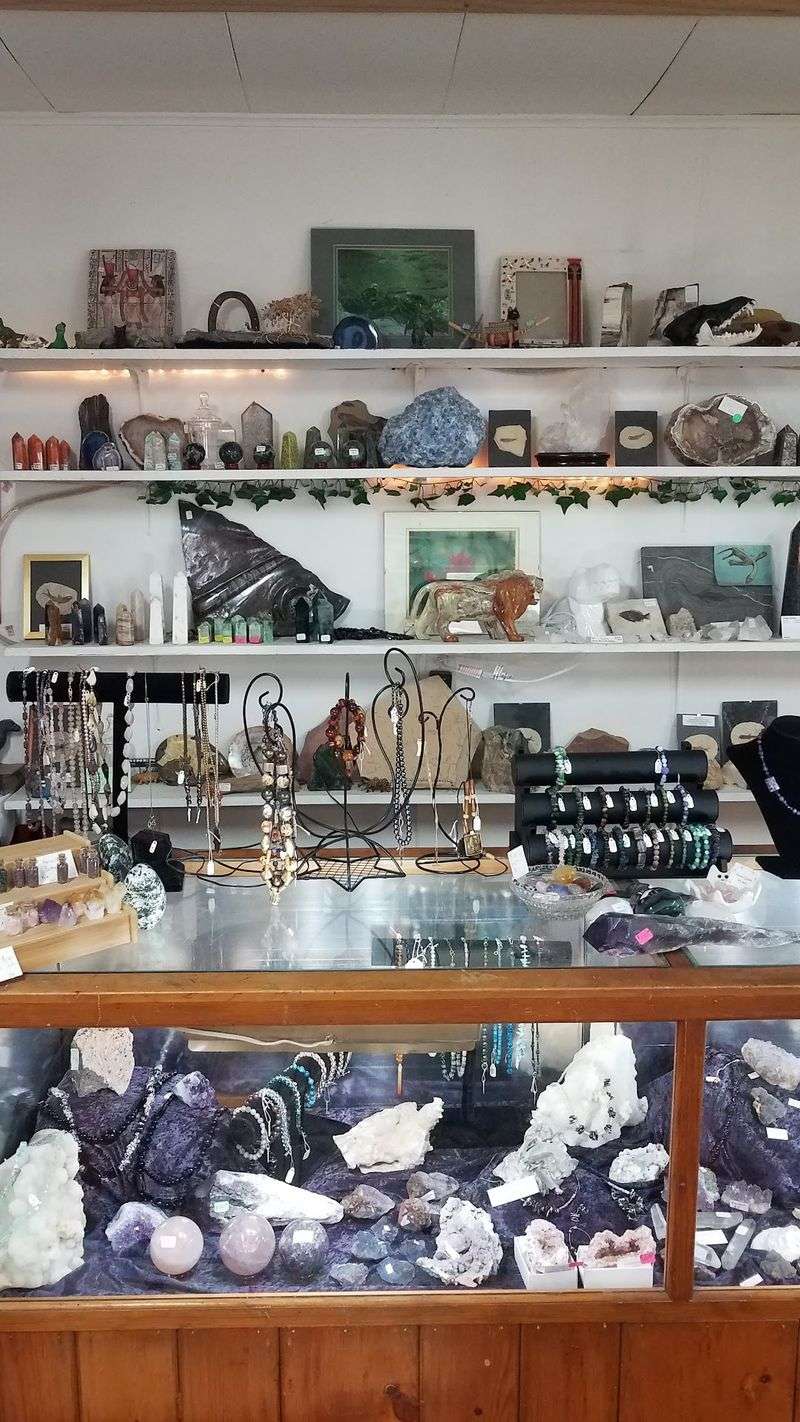
The jewelry cases go beyond factory-made souvenirs. Tynsky’s supports local jewelry makers and carries handmade pieces that include silver work, beadwork, carvings, wire wraps, and other styles.
That gives the shop a useful middle ground between raw specimens and finished keepsakes. You can look at a rough piece of Wyoming stone, then move a few feet and see how a maker has turned similar material into something wearable.
Current items include Wyoming jade pendants and earrings, wire-wrapped stones, and other pieces built around regional or collector material.
Color, inclusions, patterning, and shape vary from piece to piece, so two pendants made from the same material may still look noticeably different.
If you are shopping for a gift, pay attention to size and weight as much as color. A dramatic stone may look great in a case but feel heavier than someone wants around the neck all day.
Custom jewelry commissions are also available. If you already have a stone with personal meaning, ask whether it can be worked into a finished piece rather than leaving it in a drawer.
That turns the jewelry counter into part shop, part workshop conversation.
Rough Rock, Fossils, And Petrified Wood Fill The Shelves
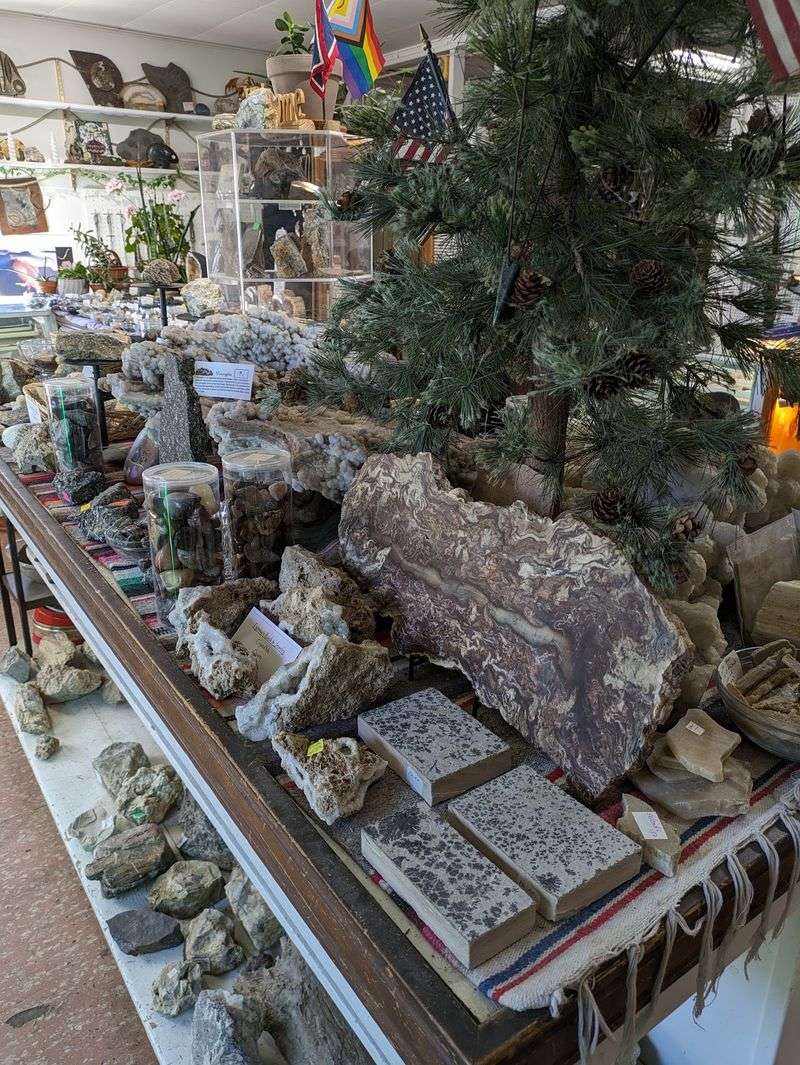
Wyoming jade may get top billing, but it is far from the only material in the building. The shop carries rough and polished Wyoming rocks, petrified wood, Turritella agate, fossils, crystals, tumbled stones, and mineral specimens from outside the state as well.
Current inventory includes Wyoming petrified wood, Turritella agate, jade, fossils, tumbled stones, and other rough and polished Wyoming material.
Knightia fossils add another Wyoming connection. These small fossil fish come from the Green River Formation and are among the recognizable fossil types associated with the state.
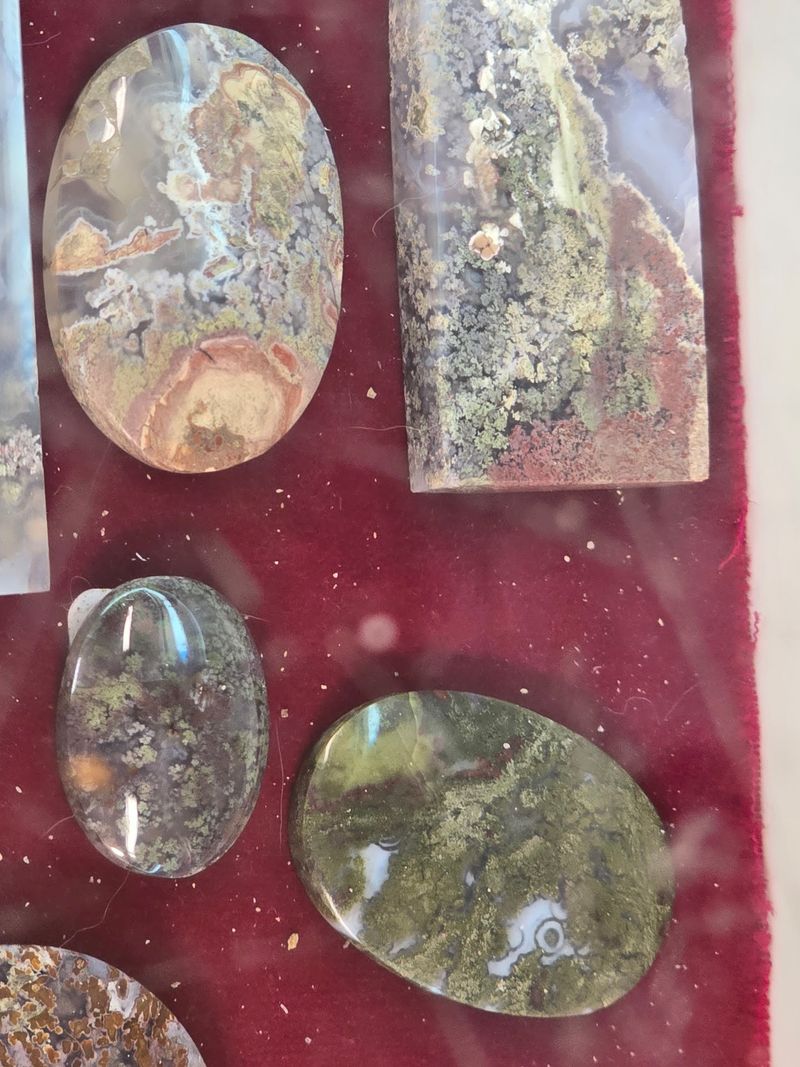
Seeing rough rock beside polished material can be surprisingly helpful. A dull exterior may give little hint of the color, pattern, or translucency that appears after cutting and polishing.
You do not need to know every mineral name before walking in. Pick up what catches your eye, read the labels, and compare similar pieces side by side.
A rock shop should make curiosity easier, not turn it into homework. Even a small specimen can become more interesting once you know where it came from, what it is made of, and how polishing changes its appearance.
Cutting, Polishing, And Identification Happen Here Too
Some stones arrive with a question attached. Maybe you found one on a trip, inherited a small collection, or simply cannot tell whether a green rock is jade or something that only resembles it.
Tynsky’s offers rock identification along with cutting and polishing services. The shop also handles simple jewelry repairs and accepts some custom commissions.
That matters in Wyoming, where several rocks can be mistaken for nephrite jade. Serpentinite, amphibolite, quartzite, epidote, and other materials can resemble jade closely enough to confuse an inexperienced collector.
Identification is therefore more useful than guessing from color alone.
Cutting can reveal another layer entirely. A dull outside surface may hide banding, translucency, color changes, or patterns that are difficult to see until the stone is opened and polished.
If you are bringing in a project, keep expectations flexible. The exact work depends on the material, size, condition, and what you want done. Some stones are better candidates for cutting or jewelry than others.
The same applies to repairs and custom pieces. Talk through the project before assuming a particular result.
Sometimes the best outcome is simply learning what has been sitting in the glove box for the last 500 miles.
The Current Owners Took Over In 2021
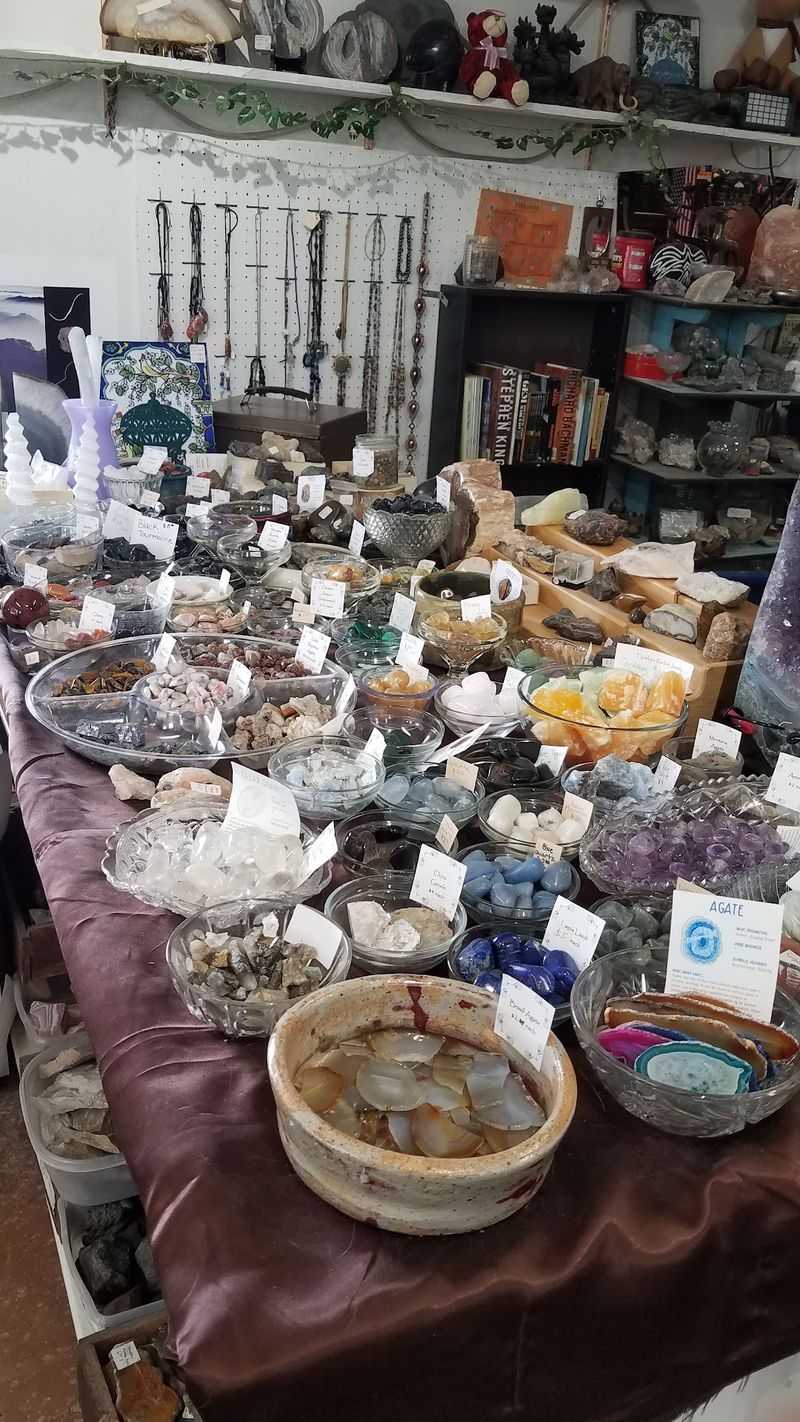
Pam and David have operated Tynsky’s since 2021. They took over after Bari Sines, their family member and mentor, passed away, becoming the third owners in the shop’s history.
Their family had already spent more than 20 years in the rock business, so the transition did not begin from scratch. They continued the store’s focus on Wyoming geology, lapidary work, jewelry, fossils, and collector material while keeping the Tynsky name.
The inventory changes and online sales now supplement the physical store, but the core focus remains rocks, jewelry, fossils, and Wyoming geology.
The store currently keeps regular hours throughout the week: noon to 6 p.m. Sunday through Thursday and 10 a.m. to 6 p.m. Friday and Saturday.
You will find it at 706 Dewar Drive, Rock Springs, WY 82901.
Those hours make it easy to work the shop into an Interstate 80 day without turning the visit into an all-morning project. Friday or Saturday gives you an earlier start, while the rest of the week calls for a noon arrival or later.
Once inside, let the rocks set the pace.
Wyoming Geology Gives The Shop Plenty To Work With
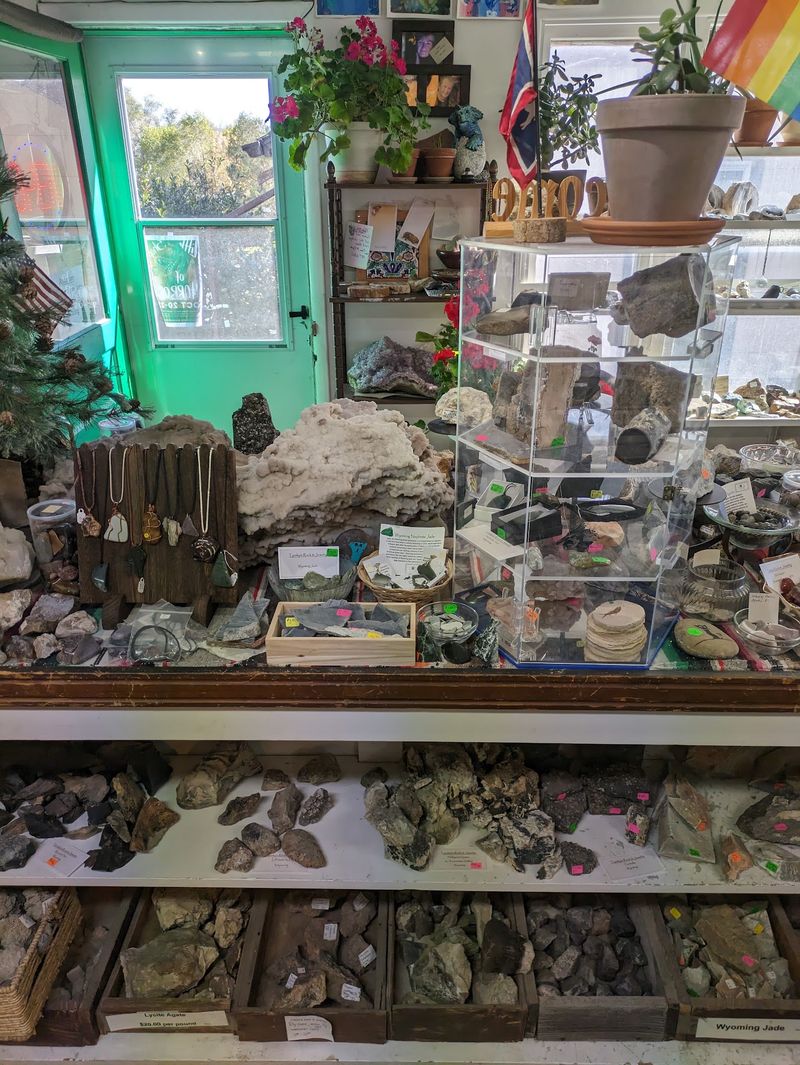
Wyoming gives rock collectors an unusually broad geologic playground. The state contains rocks spanning billions of years, along with gemstones, fossils, agates, petrified wood, and mineral deposits shaped by very different geologic environments.
Jade has a particularly strong connection to Wyoming. Nephrite became the official state gemstone in 1967, and notable deposits and scattered finds occur across parts of central and southern Wyoming.
That helps explain why a Rock Springs shop can build so much of its identity around regional material without limiting itself to a single stone.
Tynsky’s current selection includes Wyoming petrified wood, Turritella agate, jade, fossils, tumbled stones, and other rough and polished Wyoming material.
There are also minerals and crystals from around the world, which give you useful comparisons. A local specimen can look more distinctive when it sits beside material formed under completely different conditions.
Start with the Wyoming section if the road trip is shaping your curiosity. Then wander outward.
A polished jade pendant, a slab of petrified wood, or a small fossil can all carry a different piece of the state’s geology home. The hard part is deciding which piece gets the last bit of space in the bag.