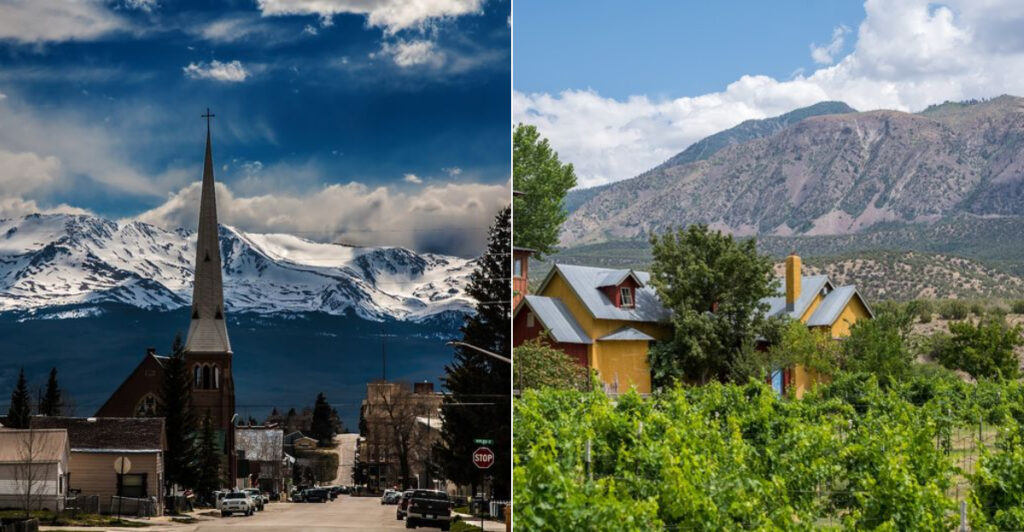
Fresh mountain air can change the mood fast.
These small Colorado towns prove a great getaway does not need giant crowds or sky-high prices. The views stay big.
The streets stay relaxed. Travelers get room to wander, explore, and actually enjoy the mountains without spending half the trip stuck in traffic or searching for parking.
This is the kind of adventure that feels good from the moment the road starts climbing. Browse local shops.
Grab comfort food after a long drive. Watch the mountains glow at sunset without fighting shoulder-to-shoulder crowds.
Colorado still has places where a weekend escape feels easy and welcoming. These towns offer scenery, charm, and a slower pace that makes people want to stay longer than planned.
A little mountain time can do wonders for a tired schedule and an overloaded mind.
1. Trinidad
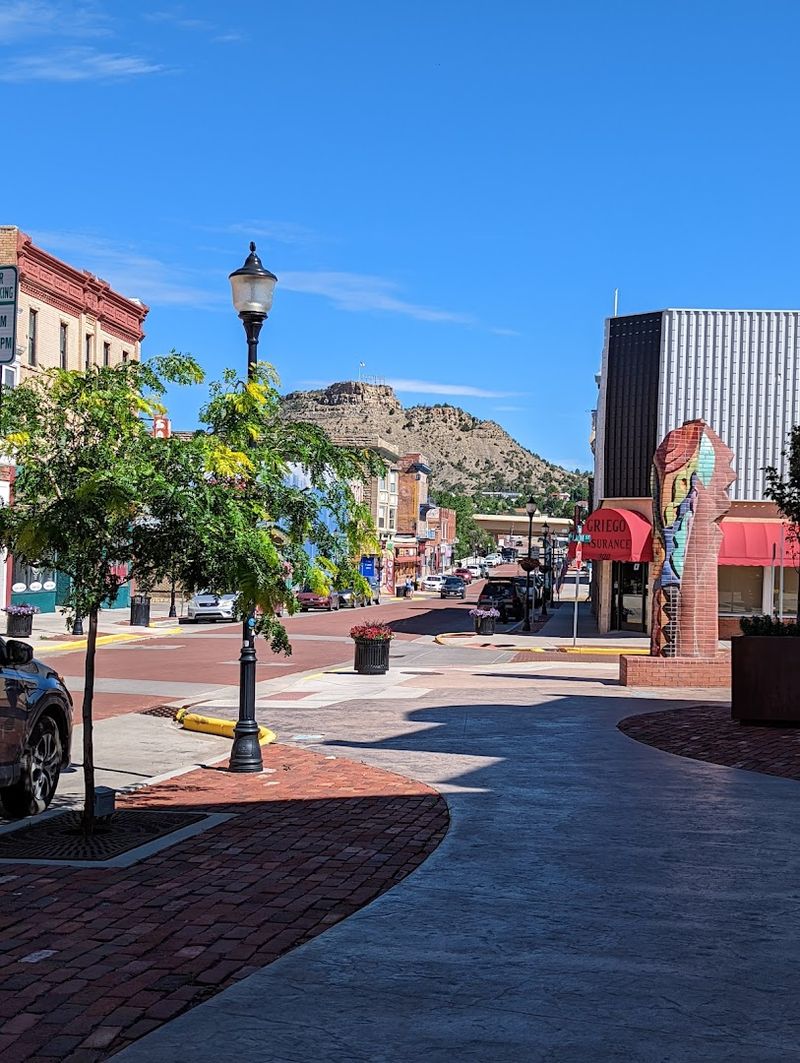
Right at the foot of the Sangre de Cristo Mountains, Trinidad sits where the prairies meet the peaks in southern Colorado. It is one of those towns that surprises you the moment you arrive.
The architecture alone is worth the drive.
Trinidad’s historic downtown is lined with beautifully preserved Victorian and Spanish Colonial buildings. The Corazon de Trinidad National Historic District makes it feel like a living museum.
Walking those streets gives you a real sense of how the Old West actually looked and felt.
Art has taken root here in a big way. Local galleries, murals, and creative spaces have brought new energy to a town with deep roots.
The Trinidad History Museum tells the story of this place in a way that sticks with you long after you leave.
Outdoor lovers will find plenty to do nearby. Trinidad Lake State Park offers fishing, hiking, and camping just minutes from town.
The lake views against the mountains are genuinely stunning in every season.
Home prices here remain among the most affordable in Colorado. That makes Trinidad a real option for anyone dreaming of a fresh start in the mountains.
The cost of living is low, the community is warm, and the scenery never gets old.
2. Cañon City
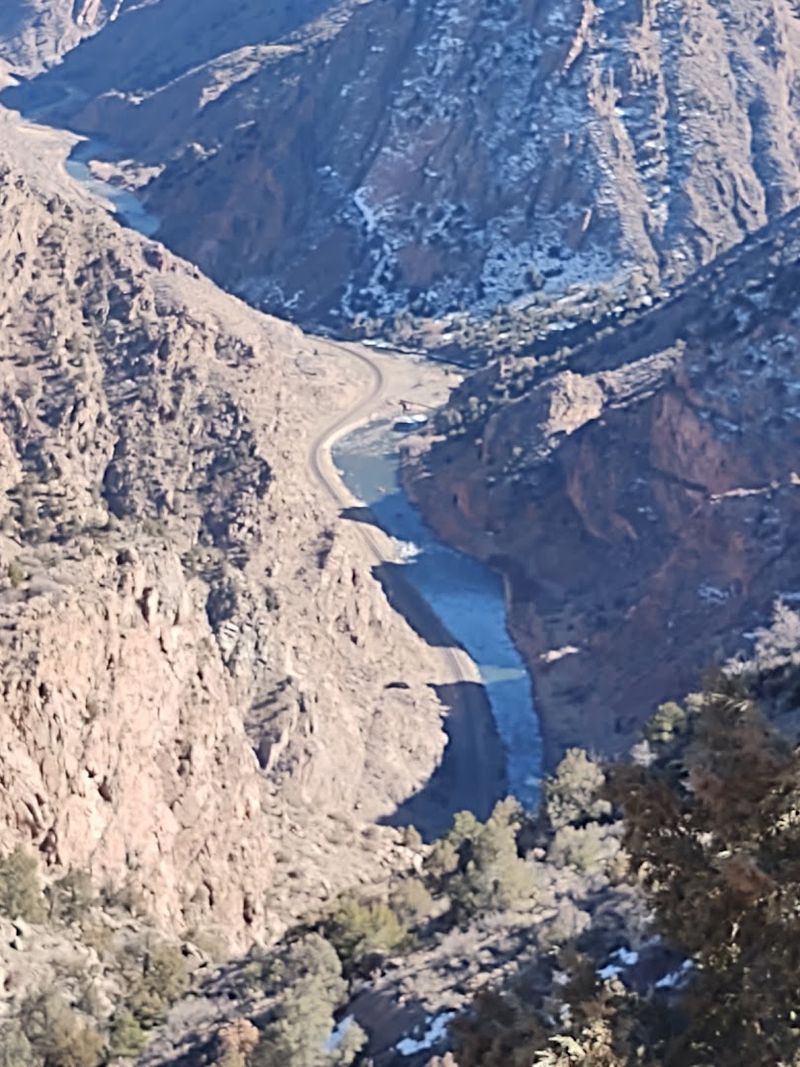
Cañon City has one of the most dramatic natural backdrops of any small town in Colorado. The Royal Gorge cuts through the landscape just west of town, dropping over a thousand feet to the Arkansas River below.
It is the kind of view that makes you stop mid-sentence.
The Royal Gorge Bridge is one of the most visited attractions in the entire state, and for good reason. Standing above that canyon on the world-famous suspension bridge is an experience that does not require any special skills or gear.
Just your own two feet and a little courage.
Beyond the gorge, Cañon City offers a surprising amount of variety. The Fremont Center for the Arts brings culture to the community, and local restaurants have been quietly building a reputation for great food.
The downtown area is compact, walkable, and full of independent shops.
The climate here is milder than many Colorado mountain towns, which is a genuine bonus. Cañon City sits at around 5,300 feet, so you get four real seasons without the brutal winters of higher elevations.
That alone draws a lot of people who want mountain life without the deep freeze.
Real estate remains relatively affordable compared to resort towns. For outdoor lovers who also want a real community, this place checks a lot of boxes.
3. Alamosa
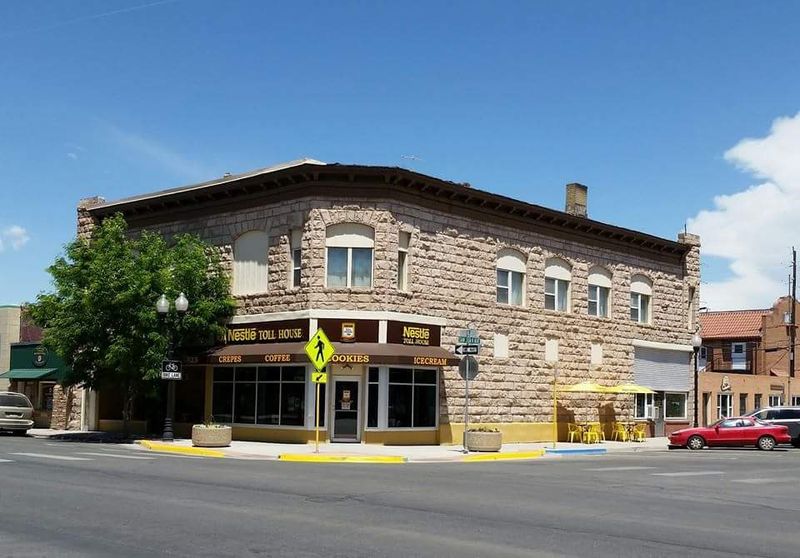
Not many towns in America can say they sit next to the tallest sand dunes in North America. Alamosa, Colorado can.
The Great Sand Dunes National Park and Preserve is just 35 miles northeast of town, and it draws visitors from around the world every single year.
But Alamosa is more than a gateway to famous dunes. It is the largest city in the San Luis Valley, a high-altitude basin that stretches for miles in every direction.
The open landscape here feels almost otherworldly, especially at sunrise when the light turns the mountains pink.
The town itself has a lot going on. Adams State University brings a youthful energy to the community, and the local food scene reflects the deep Hispanic cultural roots of the San Luis Valley.
Fresh tamales, green chile, and locally grown produce are all part of daily life here.
Alamosa is also a birding hotspot. The Monte Vista National Wildlife Refuge nearby draws tens of thousands of migrating cranes every spring.
Watching that migration is one of those experiences that people talk about for years.
Housing costs are low, the community is tight-knit, and the outdoor access is genuinely world-class. If you want a Colorado life that feels real and rooted, Alamosa deserves a serious look.
4. Monte Vista
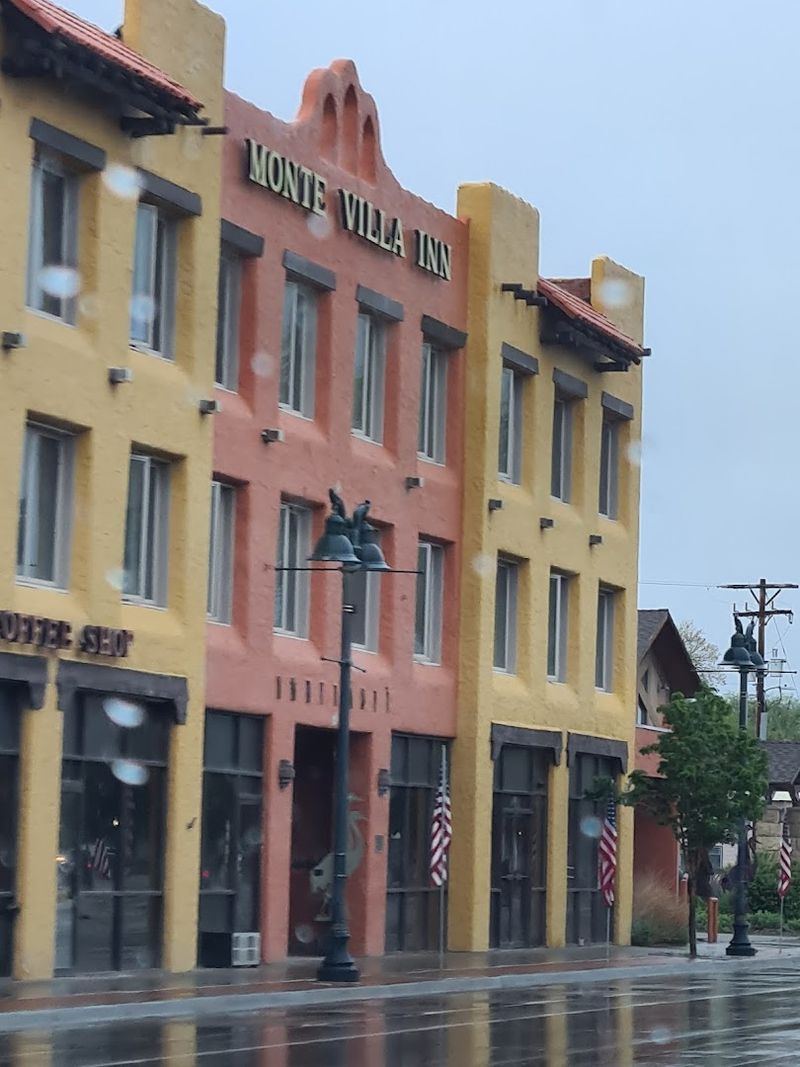
Every February and March, something remarkable happens near Monte Vista. Tens of thousands of sandhill cranes descend on the San Luis Valley during their annual migration, turning the sky into a living river of wings.
It is one of the most spectacular wildlife events in the entire American West.
Monte Vista is a small agricultural town with a big personality. It sits at about 7,600 feet in the San Luis Valley, surrounded by potato farms, barley fields, and the distant wall of the Sangre de Cristo Mountains.
The pace of life here is steady and unhurried.
The Monte Vista National Wildlife Refuge is the main draw for nature lovers. But the town itself has a charming downtown with local shops, a historic theater, and community events that bring residents together throughout the year.
This is the kind of place where neighbors actually know each other.
Outdoor recreation is easy to access. The Rio Grande National Forest begins just a short drive west, offering hiking, fishing, and camping in some truly remote terrain.
Wolf Creek Ski Area is also within driving distance for winter adventures.
Home prices in Monte Vista are among the lowest in Colorado. That makes it a genuine option for families, retirees, or remote workers who want space, nature, and a real community without a huge price tag.
Head to the Monte Vista National Wildlife Refuge at 6120 CO-15, Monte Vista, CO 81144 to start your visit.
5. Del Norte
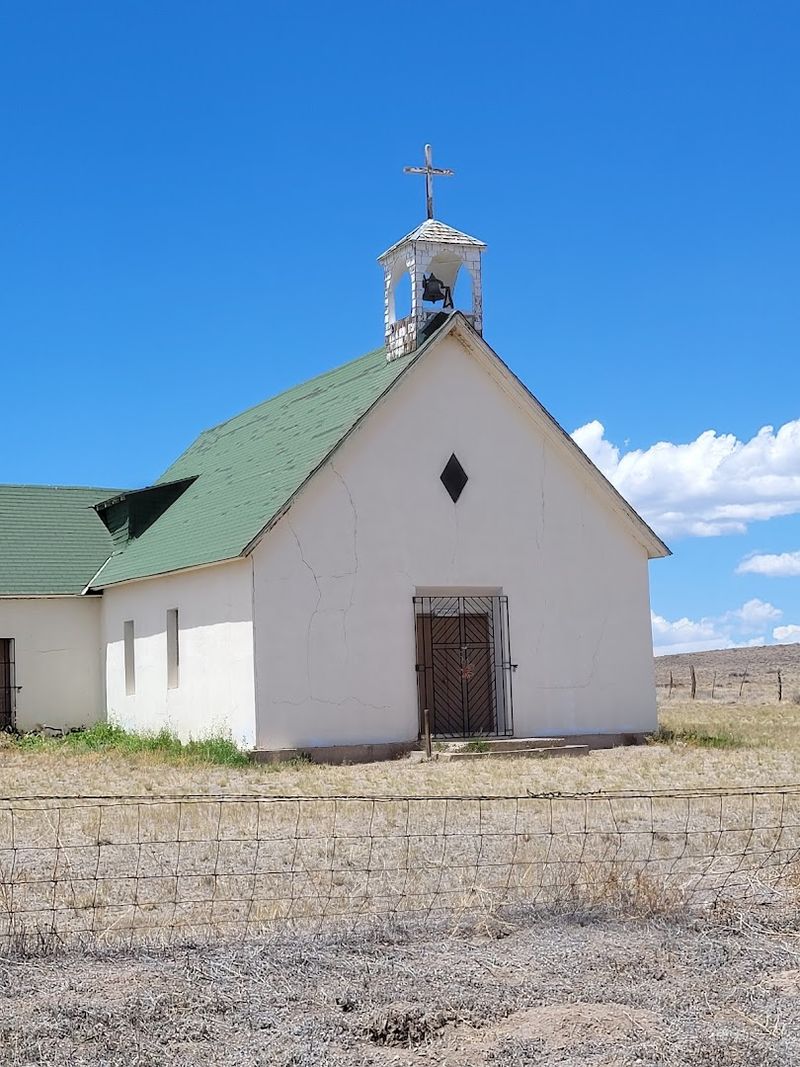
Del Norte has a quiet confidence about it. Sitting along the Rio Grande in the southern San Luis Valley, this small town does not need to shout to get your attention.
The mountains do that for it.
The town was founded in 1872 and served as a hub for the surrounding mining and ranching communities. That history is still visible in the architecture and in the stories locals are happy to share.
The Rio Grande County Museum is a great first stop for anyone who wants to understand the roots of this region.
Outdoor access here is exceptional. The Rio Grande National Forest wraps around the area, and the river itself is a popular destination for fly fishing.
The water runs clear and cold, and the trout are plentiful. You do not need to be an expert angler to enjoy a morning on the river.
Del Norte also sits close to the Weminuche Wilderness, one of the largest wilderness areas in Colorado. Backpackers and day hikers both find what they are looking for in that rugged terrain.
The trails are challenging but deeply rewarding.
Housing in Del Norte is very affordable by Colorado standards. The town is small enough to feel personal but connected enough to have what you need day to day.
It rewards those who take the time to slow down and pay attention.
6. Walsenburg
The Spanish Peaks rise dramatically behind Walsenburg, two volcanic mountains that have guided travelers across the southern Colorado plains for centuries. From almost anywhere in town, you can look up and see them.
That view never gets boring.
Walsenburg sits at the crossroads of Interstate 25 and Highway 160, making it one of the most accessible small towns in southern Colorado. It is about two hours from both Denver and Santa Fe, which gives it a surprisingly central location for such a quiet place.
Road trippers often stop here and end up staying longer than planned.
The town has a deep coal mining history that shaped its identity for generations. The Walsenburg Mining Museum tells that story with honesty and detail.
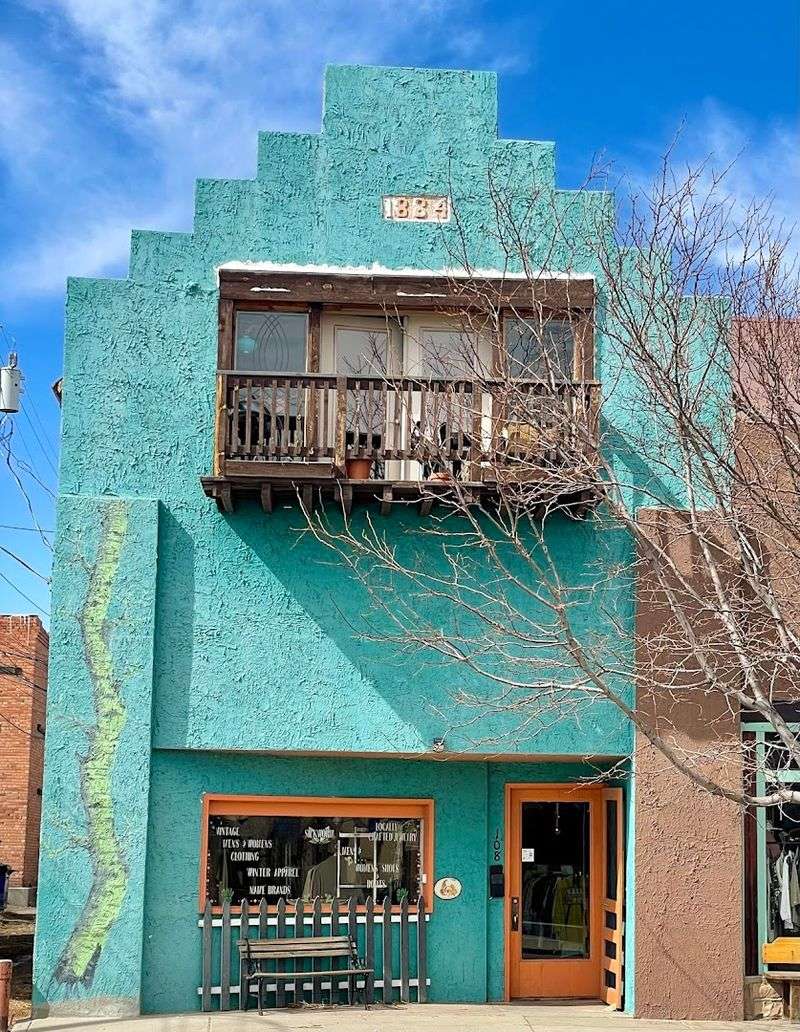
The old downtown still has buildings from the early 1900s that give the streets a lived-in, authentic feel.
Lathrop State Park, just west of town, offers two lakes for fishing, boating, and camping. It is Colorado’s oldest state park and a genuinely underrated outdoor destination.
Families find it especially welcoming because the terrain is accessible and the facilities are well maintained.
Real estate prices in Walsenburg are low, and the community has been quietly attracting artists and remote workers in recent years. The combination of affordability, access, and scenery is hard to beat at this price point anywhere in Colorado.
7. Leadville
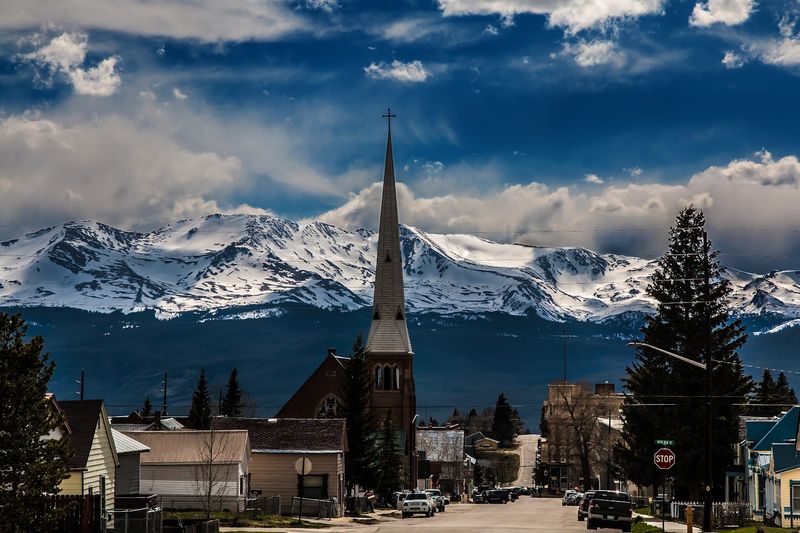
At 10,152 feet above sea level, Leadville holds the title of the highest incorporated city in the United States. That is not just a fun fact.
It means you are living closer to the sky here than almost anywhere else in the country.
The town boomed during the silver rush of the 1880s, and its Victorian-era buildings still line Harrison Avenue like a well-preserved chapter from a history book. Walking that main street feels like flipping back in time without losing your phone signal.
The architecture here is genuinely impressive.
Leadville is surrounded by Colorado’s two highest peaks, Mount Elbert and Mount Massive. Both are accessible to experienced hikers during summer months.
Even if you never lace up a hiking boot, the views from town are enough to take your breath away, and the altitude might finish the job.
The town has a strong arts scene, good coffee shops, and a community that takes pride in its roots. The National Mining Hall of Fame and Museum is one of the best small museums in the state.
It connects visitors to the real human stories behind the silver rush era.
Housing prices are more affordable than nearby resort towns like Breckenridge or Vail. For people who want genuine mountain living with real history and real community, Leadville delivers on every level.
8. Gunnison
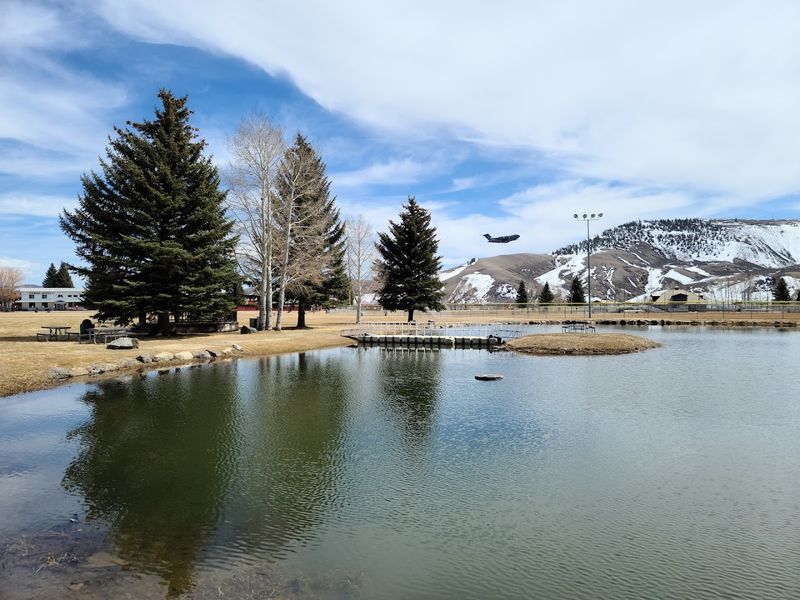
Gunnison is the kind of place that outdoor enthusiasts find and then quietly tell their closest friends about. Sitting in a high mountain valley at 7,703 feet, this small Colorado city is surrounded by some of the most spectacular public land in the state.
The Black Canyon of the Gunnison National Park is just 15 miles north. That canyon is one of the most dramatic natural features in all of Colorado, with sheer walls dropping nearly 2,000 feet to the Gunnison River below.
It is the sort of place that makes you reconsider your sense of scale.
Blue Mesa Reservoir, the largest body of water in Colorado, sits just west of town. It is a major destination for fishing, boating, and simply sitting by the water and watching the light change.
Kokanee salmon fishing here has a dedicated following of anglers who return every season.
Western Colorado University is based in Gunnison, which keeps the town energetic and young. The local food scene has grown alongside that energy, with restaurants and cafes that punch well above the town’s modest size.
The community genuinely supports its local businesses.
Winter here is cold and snowy, but Crested Butte Mountain Resort is just 28 miles north for skiing. Gunnison itself offers affordable housing and a strong sense of community that is hard to find at this altitude anywhere else in Colorado.
9. Cortez
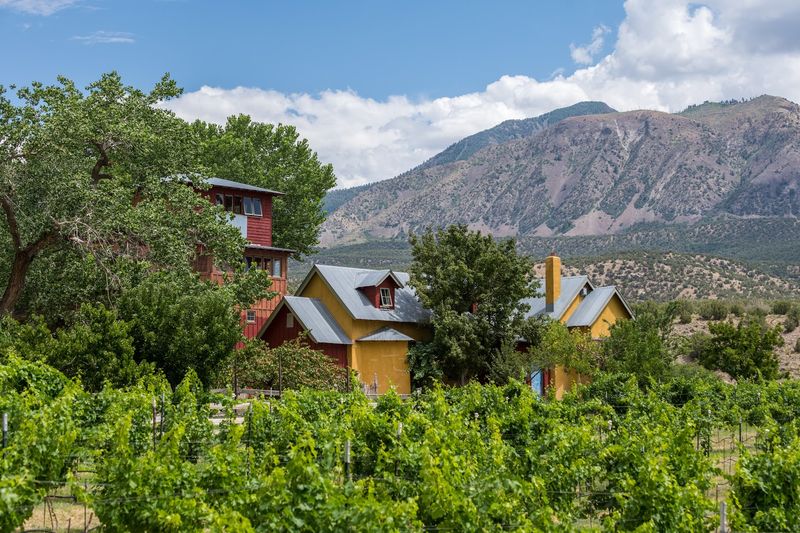
Cortez sits in the Four Corners region of southwestern Colorado, where the desert meets the mountains and ancient history is literally built into the cliffs. This is the gateway to Mesa Verde National Park, one of the most remarkable archaeological sites in North America.
Mesa Verde is home to cliff dwellings built by the Ancestral Puebloans over 700 years ago. Touring those structures is an experience that changes how you think about human ingenuity.
The park draws visitors from around the world, and Cortez is the most convenient base for exploring it.
The town itself has a warm, unpretentious character. The Cortez Cultural Center hosts events, exhibits, and performances that celebrate the Indigenous heritage of the region.
Local art galleries also reflect this deep cultural connection to the land and its original people.
Outdoor recreation around Cortez is diverse and accessible. The McPhee Reservoir offers excellent fishing and boating.
Hovenweep National Monument and Canyons of the Ancients National Monument are both within easy driving distance for those who want to explore more ancient sites.
Housing costs in Cortez are low compared to most of Colorado. The town has a practical, working-class energy that makes it feel genuinely livable rather than just visitable.
Sunshine is plentiful here, with over 300 sunny days per year in this corner of the state.
10. Rangely
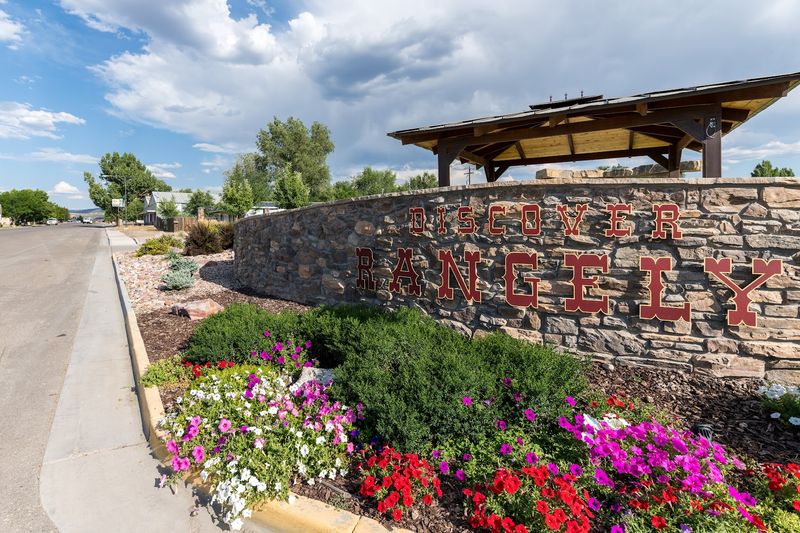
Rangely is one of Colorado’s best-kept secrets, sitting in the remote northwest corner of the state along the White River. Most people have never heard of it, and that is exactly what makes it so appealing.
The solitude here is real and refreshing.
The town is surrounded by canyon country that looks nothing like the mountain scenery most people associate with Colorado. Red rock walls, sagebrush flats, and the winding White River create a landscape that feels more like Utah than the Rockies.
It is a genuinely unique setting.
Rangely has a rich prehistoric history. The area contains one of the largest concentrations of rock art in Colorado, with petroglyphs left by the Fremont people thousands of years ago.
The Canyon Pintado National Historic District preserves these ancient images along a 16-mile stretch of Highway 139.
Visiting them is a humbling and fascinating experience.
The White River offers excellent fishing, and the surrounding BLM land is open to hiking, mountain biking, and off-road adventures. Dinosaur National Monument is just 18 miles to the north, adding another major attraction to the area’s outdoor lineup.
Rangely has some of the lowest housing costs in the entire state of Colorado. For anyone who truly wants space, quiet, and access to wild land without the price tag of more famous destinations, this town is worth a serious look.
The adventure here is all yours.