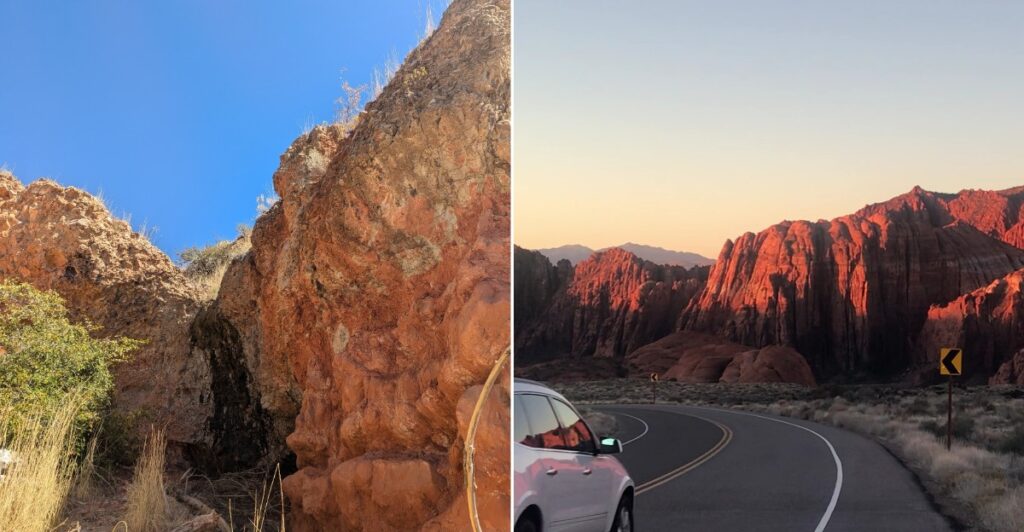
Rattlesnakes are not lurking around every bend, but fall can put you in the same terrain. On exposed trails and rocky slopes across southern Utah, warm ledges and shaded crevices can become places where hikers and snakes briefly cross paths.
That does not mean the outdoors becomes off-limits. It means paying attention to where you step, especially near rocks, brush, and narrow trail edges.
Some routes run through dramatic desert country, while others sit surprisingly close to neighborhoods and busy recreation areas. Farther north, Utah also has dry foothills and lakeside trails where encounters are possible during the warmer months.
Give any snake plenty of room, keep pets close, and never try to move or provoke one for a better look. A careful eye usually does more than fear ever could.
The goal is simple: enjoy the trail, respect the wildlife, and let both sides keep moving in peace.
Snow Canyon State Park, Ivins, UT
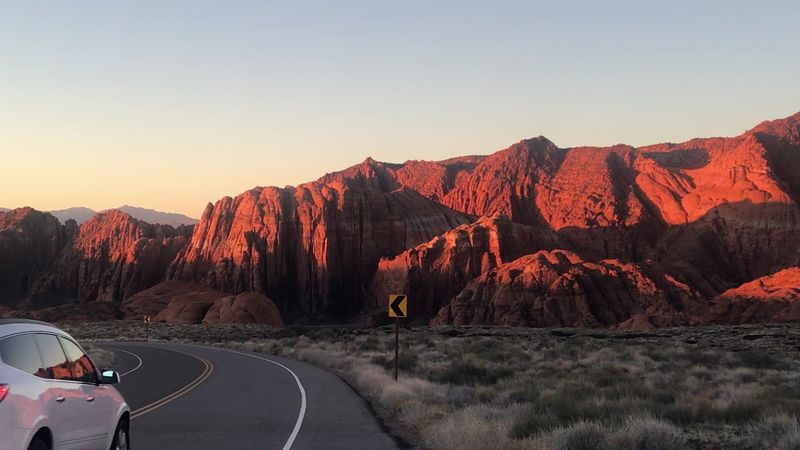
Sandstone, lava rock, and dunes share the stage at Snow Canyon State Park, a striking mix even by Utah standards. The park near Ivins has trails for different ability levels, plus routes used for climbing and horseback riding.
Utah State Parks warns that two kinds of rattlesnakes live here, so the scenery deserves your attention in more ways than one.
Warm sand and rock can make a snake hard to notice, especially when your eyes are fixed on the cliffs. Stay on established paths, watch where you step, and look before placing a hand on a rock.
Give any snake plenty of room rather than trying to identify it up close. Rattlesnakes generally want space, not an audience.
For a family outing, make staying together part of the plan. Keep children from reaching into gaps in the rocks, and keep dogs under close control while following posted pet rules.
The park has picnic tables and restrooms, so you can take a break without treating a patch of rough ground as a seat. If you spot a snake near a trail, stop, back away slowly, and let it move on.
Snow Canyon rewards curious visitors, but its wildlife is best appreciated from a respectful distance.
Goblin Valley State Park, Green River, UT
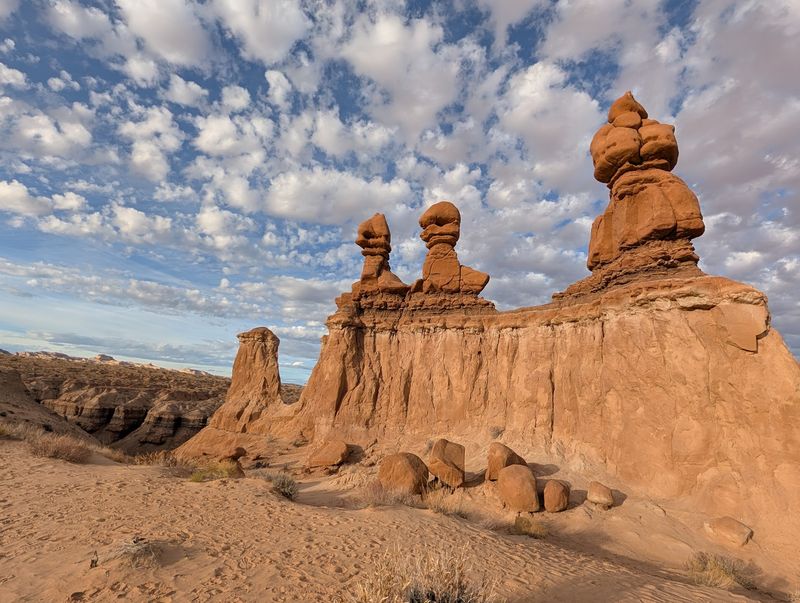
The sandstone figures at Goblin Valley State Park look as if a sculptor had a very odd sense of humor. Erosion shaped the squat formations that give the park its name.
Visitors can explore the valley and use the park’s trails, which makes it tempting to stare at the rocks rather than the ground between them.
That is where a little care helps. A rattlesnake encounter has been reported in the park, but that does not mean snakes will appear on every visit.
Watch your footing around rocks and less traveled areas, and never put a hand beneath a ledge without looking. Even a small snake should be given room.
Size is not a useful test of whether approaching one is safe.
Goblin Valley also has camping and picnic facilities, so the outing can last longer than a quick photograph. Keep food and gear where you can see what you are picking up, and use a light if you are walking after dark.
A phone camera can capture the unusual stone shapes without anyone climbing into a narrow gap for a better angle. The simple rule here is to enjoy the goblins freely while leaving the living desert residents alone.
Mount Olympus Trailhead, Holladay, UT
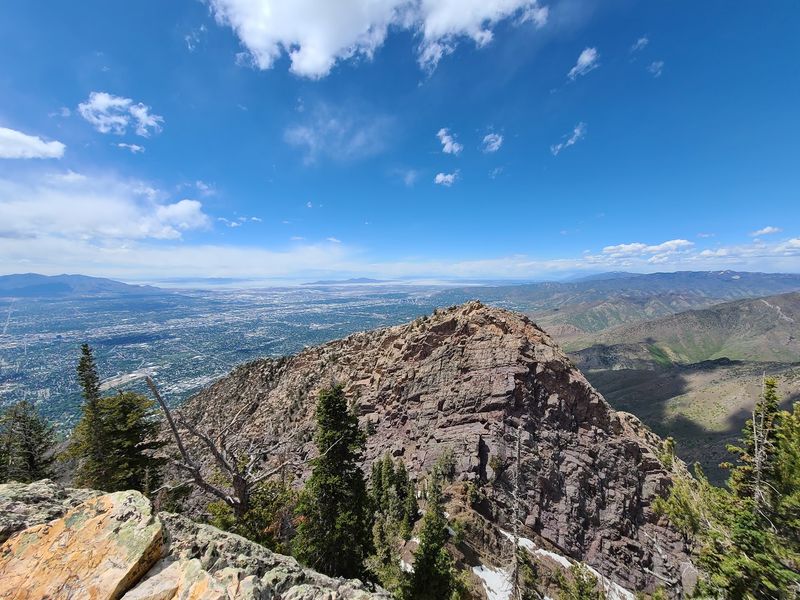
Mount Olympus Trailhead does not believe in easing hikers into a climb. From Holladay, the route gains a great deal of height over a short distance before reaching mountain views and a scramble near the top.
That steep, rocky setting is also a good reason to stay alert for rattlesnakes during fall.
Snake encounters have been reported in the area, though no sighting is promised on any given hike. Pay attention along the lower trail as well as higher on the mountain.
A parking area is not a magic line between wildlife habitat and everything else. Before sitting down or grabbing a rock for balance, check the space first.
If you see a snake, pause and give it a clear way to leave.
Plan the hike around your fitness rather than the summit photograph. The trail’s climb is strenuous, and the upper scramble calls for care even without wildlife in the picture.
Bring water, wear shoes suited to uneven ground, and turn around when the route exceeds your comfort level. The trailhead has a small parking lot and pit toilets, but those conveniences do not make the mountain tame.
Mount Olympus is a fine reminder that the Wasatch foothills begin close to town, with all their wild neighbors included.
Hell Canyon – Ensign Peak Trailhead, Salt Lake City, UT
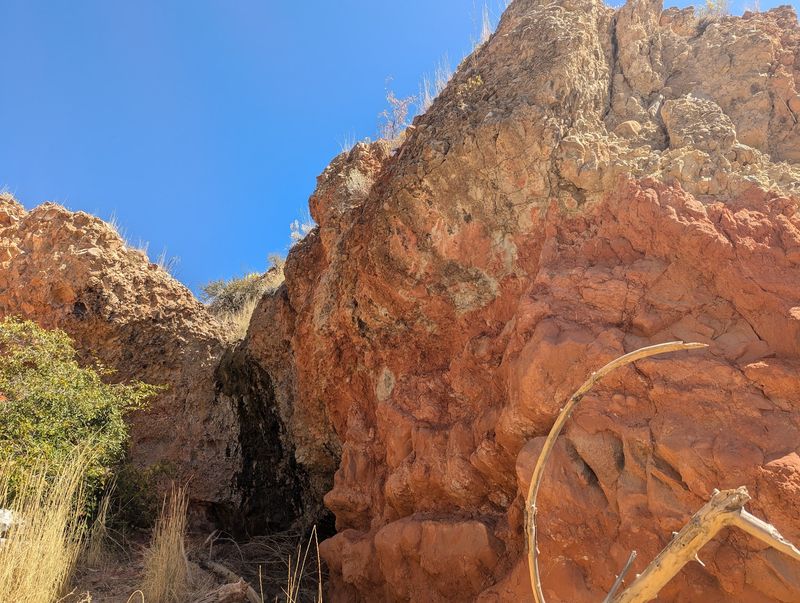
A trail close to city streets can still have very wild neighbors. Hell Canyon – Ensign Peak Trailhead sits in the foothills of northern Salt Lake City, where a moderate out-and-back walk leads through open, uneven terrain.
A rattlesnake has been reported near the lower trail and parking area, a useful reminder not to switch off your trail awareness at the car.
Look ahead as you walk, especially where the path bends around rocks or plants. Step around a snake rather than over it, leaving plenty of distance and turning back if there is no safe way past.
Never try to move one with a stick. That job belongs to trained professionals, not a hiker trying to keep an afternoon on schedule.
The trailhead on Victory Road makes this foothill route a possible short outing, but short does not mean careless. Carry water for a fall walk and keep dogs close under the rules posted for the area.
If you stop to rest, choose a spot you can inspect first. You do not need to scan every pebble with suspicion; just pay attention before reaching or sitting.
The city view is part of the appeal here, while the trail under your feet deserves equal notice.
Millcreek Canyon, Salt Lake City, UT
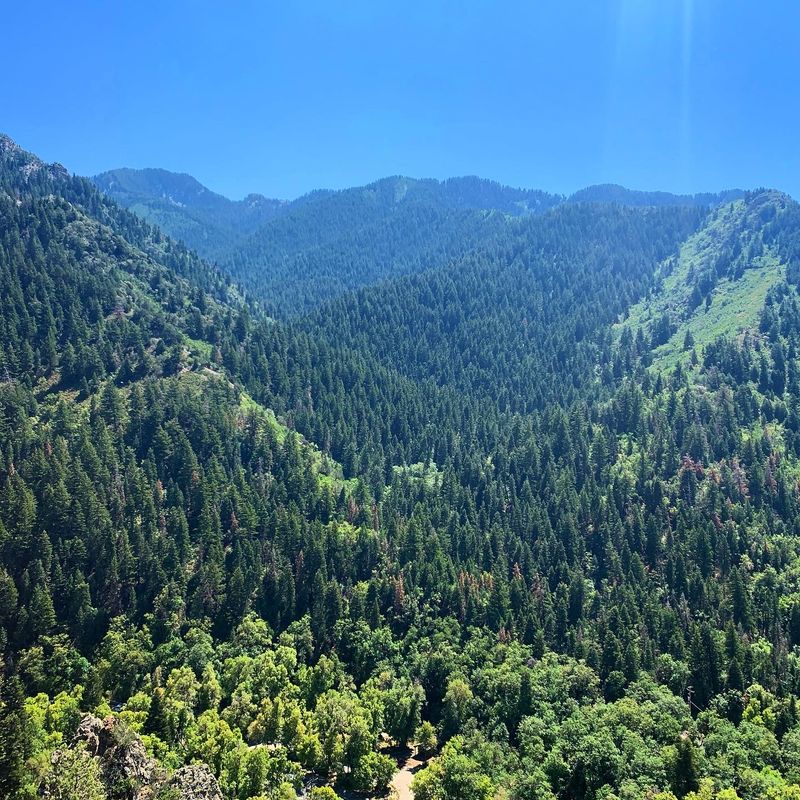
Millcreek Canyon gives Salt Lake City residents a long menu of trails, with hiking, running, biking, and picnic areas all part of the setting. One local route is even called Rattlesnake Trail.
The name is a prompt to pay attention, not proof that every stretch of the canyon has the same chance of a snake encounter.
The canyon’s trails vary in difficulty, so choose a route that matches your group before setting out. On warmer, lower stretches, watch the edges of the path and any rocky place where you might stop.
Give a snake room if one appears, and wait or turn back instead of crowding it for a photograph. A trail name makes for a good conversation starter; it does not make wildlife predictable.
Dogs are part of many Millcreek outings, but leash rules vary by day and location, so check the current rules before leaving home. Keep a dog close enough that it cannot investigate a snake ahead of you.
Picnic sites offer a better place for a break than an unseen patch beside the trail. With so many routes available, Millcreek Canyon lets you adjust the outing to your energy level.
The smartest adjustment on a fall hike may simply be slowing down long enough to notice what shares the path.
Antelope Island
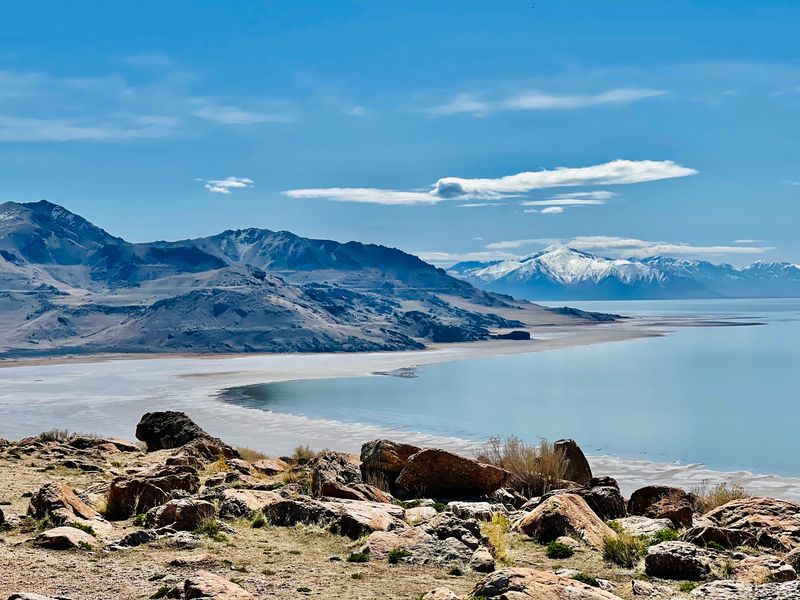
Antelope Island is the largest island in the Great Salt Lake, and its open land can feel surprisingly far from the city. A causeway from Syracuse provides access to the island’s state park, where visitors can hike, bike, and watch for wildlife such as bison.
Dry, rocky ground also calls for the usual fall caution around snakes, even if bison are easier to spot.
Do not treat a rattlesnake sighting as guaranteed here. The island belongs on an awareness list because its open desert setting is suitable for native wildlife, not because every visitor will meet a snake.
Watch where you step on trails, avoid reaching into rocks, and leave any snake you see alone. Keep plenty of distance from bison, too.
Neither animal needs help posing for your vacation picture.
A visitor center can help you choose a walk that fits your plans. Before setting out, check current park conditions and take water for the route you choose.
Insects can be a nuisance at times, so checking conditions also helps with the less dramatic parts of trip planning. Antelope Island’s broad lake views make looking into the distance natural.
On the trail, remember to give the ground nearby its share of attention as well.
Zion National Park
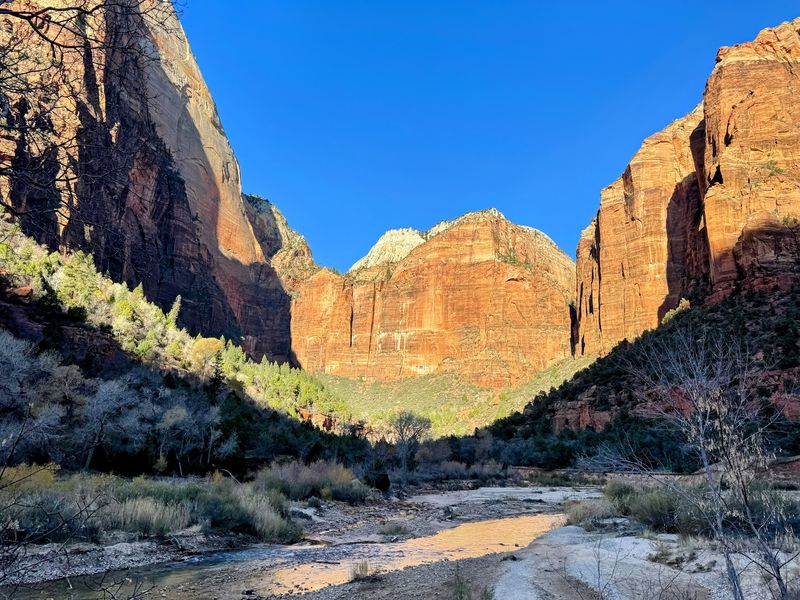
Zion National Park has towering sandstone walls, deep canyons, and trails that ask very different things of hikers. A paved walk on the Pa’rus Trail is not the same undertaking as a strenuous route such as Angels Landing.
Across the park, Great Basin rattlesnakes use dry, rocky areas, making snake awareness relevant well beyond one named trail.
Warm weather increases their activity, while fall conditions can push more activity into the night. That does not give visitors a reliable snake-free hour.
Look before stepping over rocks or placing a hand beside one, and use a light when walking in darkness. If a rattlesnake appears, stop, give it space, and let it choose its own exit.
There is no reason to test how close your camera can focus.
For your plans, check the current status and rules for the specific trail you want to use. Some of Zion’s demanding hikes have permit requirements, and conditions can change.
Carry water and match the route to everyone in your group. Utah’s famous canyon scenery is a strong reason to visit, but the animals living among those rocks are not part of a performance.
A careful, unhurried look at the path helps you enjoy both the landscape and a respectful distance from its wildlife.
Red Cliffs Recreation Area, Washington, UT
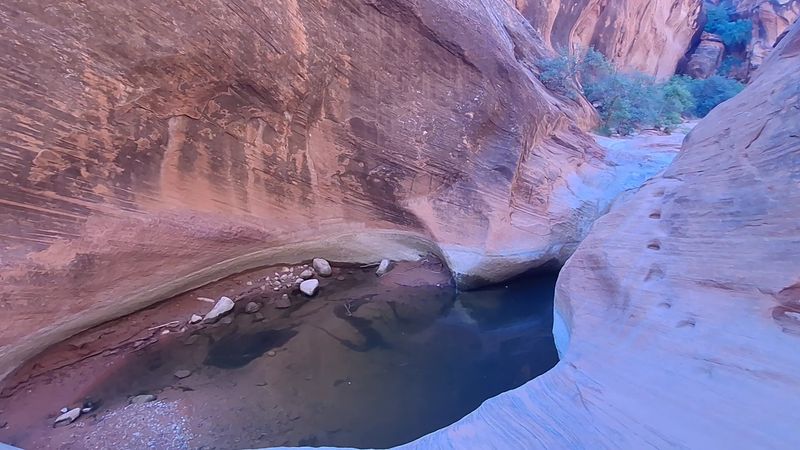
Red Cliffs Recreation Area puts hiking trails and a campground among the red rock landscapes near Washington. It lies within the wider Red Cliffs Desert Reserve, which records both Great Basin rattlesnakes and Mojave Desert sidewinders.
The reserve covers a much broader area than this recreation site, so those records are a reason to stay alert, not a promise of sightings on a particular trail.
The rocks invite exploration, but choose handholds and places to sit only after checking them. Give crevices a wide berth rather than reaching into one to recover a dropped item.
If you encounter a snake, step back and let it remain undisturbed. Photographing the landscape is easier when you are not trying to share a narrow ledge with wildlife.
Red Cliffs has trails, tent sites, water, and restrooms, which can make planning a longer outdoor stop simpler. Check current conditions and campground details before you go.
Fall visitors should carry water on walks and keep children and dogs close enough to guide away from an unexpected animal. Utah’s red rock terrain often rewards looking up at the formations.
Here, a glance at the next step is just as useful. The best snake encounter is one where everyone has room to continue in peace.
Dead Horse Point State Park
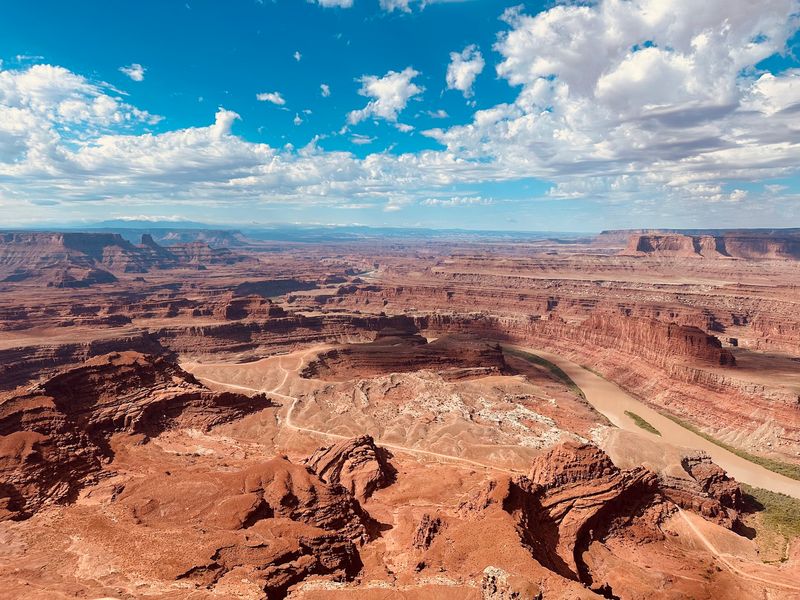
At Dead Horse Point State Park, the Colorado River lies far below a high desert overlook. The park near Moab also has rim trails, biking routes, camping, and a visitor center.
With so much to see beyond the edge, it is easy to forget that the ground beside a trail deserves attention too.
Rocky desert habitat can support rattlesnakes, but the available park details do not establish that sightings here are especially frequent. Think of snake awareness as sensible preparation, not a wildlife guarantee.
Stay on established routes, watch where you place your feet, and inspect a spot before sitting. If a snake appears, back away calmly and give it room to leave.
Never reach toward it, even for a close photograph.
For a family walk, the rim paths let you enjoy the canyon without committing to a long hike. Keep children close around both uneven ground and overlook edges, and follow the park’s pet rules if a dog comes along.
Restrooms are available at the visitor center and the Dead Horse Point Overlook. Bring water for time outdoors, and check current park information before your trip.
The grand view may be the reason for the stop; paying attention to the smaller details is how you enjoy it safely.
Dimple Dell Regional Park, Sandy, UT
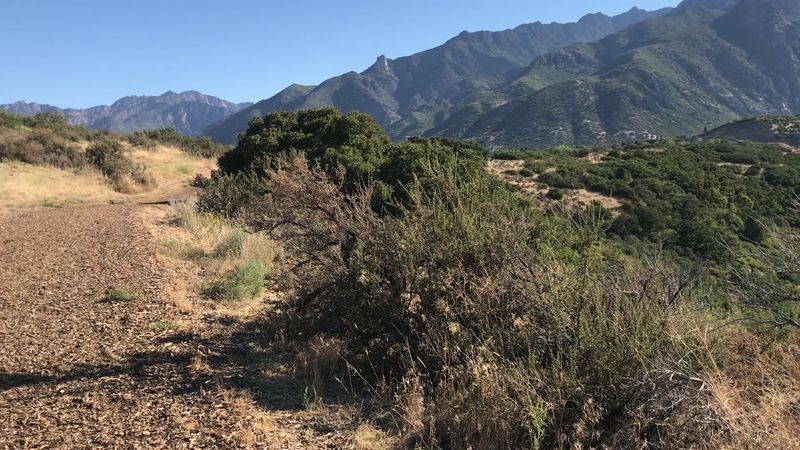
Dimple Dell Regional Park is a reminder that a city address does not turn a natural ravine into a sidewalk. In Sandy, the park spreads across open space with trails for walking, biking, and horseback riding, as well as streams and picnic areas.
Its mix of paths and less developed ground gives visitors good reason to watch where they step during fall.
There is no solid basis for promising frequent rattlesnake sightings on these trails. Still, a snake could be present in suitable foothill habitat, and a little care costs nothing.
Stay on the path, look ahead around bends, and check the ground before settling down for a break. If you spot a rattlesnake, give it space and choose another way around only if you can do so safely.
Otherwise, turn back.
Dimple Dell has restrooms and an accessible pathway, useful details when planning an outing with different ages or mobility needs. Dogs are welcome on leashes, which also helps prevent an unwanted meeting with wildlife.
Choose a trail that suits your group rather than assuming every route through the park is the same. Utah’s outdoor spaces are not all remote canyons.
Sometimes the useful wildlife lesson is close to home: enjoy the trail, and let its other residents keep their distance.