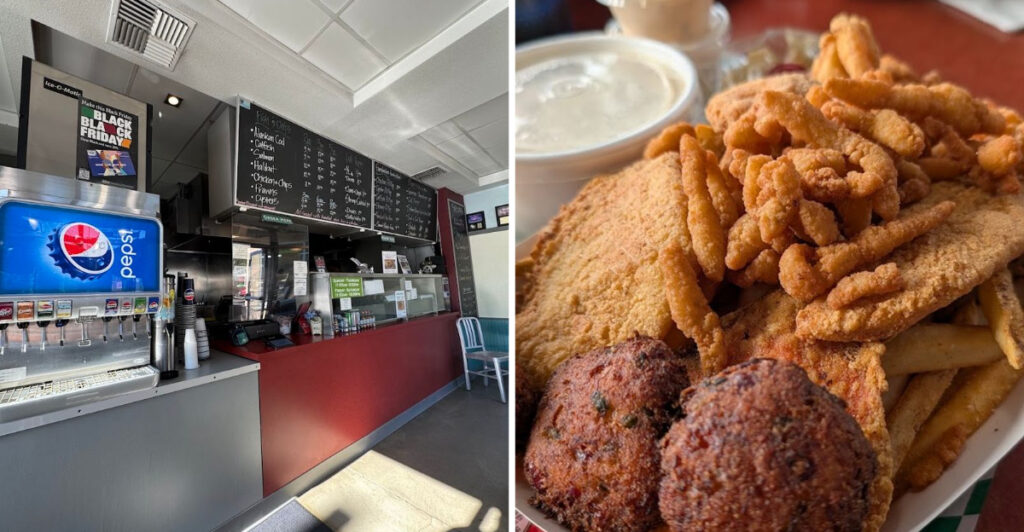
Cod can keep the rulebook. Seattle handed the fryer to salmon.
The fillet arrives under a crisp Southern-style coating, with fries beside it and coleslaw trying to keep lunch respectable.
You expected fish and chips. Did you expect the fish to make an entrance? This Washington kitchen has been answering that question since 2009.
The owner learned to cook beside his Southern-raised grandmother, then paired those lessons with Pacific Northwest seafood.
The result gives salmon more swagger than most baskets can contain.
The gumbo may be available. Crab puppies may interrupt. An oyster po’boy could make you question the decision you rehearsed in the car.
Start with the salmon if you need direction. Dip one crisp corner into the spicy tartar sauce and reconsider every ordinary fish basket that came before it.
Cod had a perfectly good career, but salmon just stole its lunch shift.
Salmon And Chips Puts A Northwest Fish In A Southern Basket
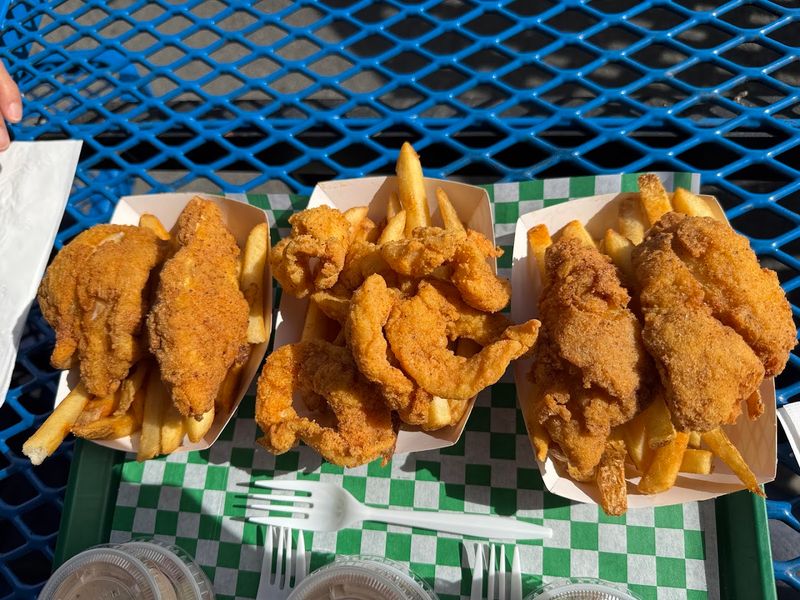
Salmon and chips is the clearest expression of what Emerald City does differently. The dish takes a fish closely tied to Washington dining and serves it through the lens of Southern fried-seafood cooking.
The current menu offers salmon baskets in several portion sizes. Each comes with fries and coleslaw, keeping the format classic even though the choice of fish moves beyond the usual cod.
Salmon brings a richer character to the basket. Its fuller texture stands up to bold seasoning, while the crisp exterior creates the contrast that makes fried fish so satisfying.
That first bite is only the beginning of the problem. Once salmon proves how well it handles the fryer, ordering the same thing forever becomes tempting.
Still, the salmon and chips plate deserves its headline status. It takes a familiar Seattle ingredient and presents it without turning dinner into a formal occasion.
The fries and coleslaw keep the basket grounded in familiar territory, which lets the salmon do the surprising work. One bite brings richness, crunch, seasoning, and enough personality to make cod wait patiently for another visit.
You can eat it in a compact neighborhood restaurant, add extra tartar sauce, and spend the final minutes collecting the crisp pieces left at the bottom of the basket. Those fragments are the closing argument.
Every Basket Starts With A Difficult Seafood Decision
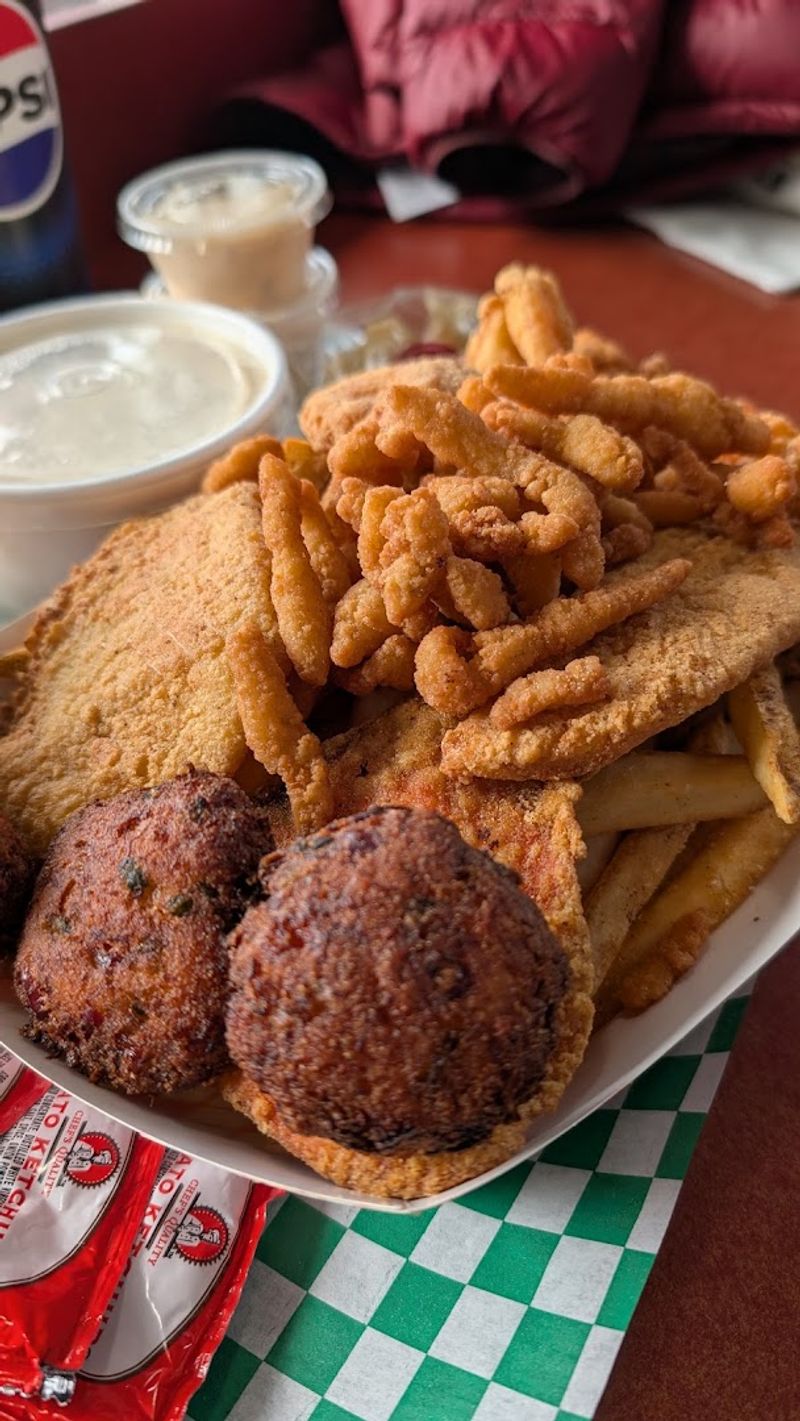
Salmon may draw the first look, but Emerald City Fish & Chips does not make loyalty to one fish easy. Alaskan cod, halibut, and catfish share the fish-and-chips section, each available in different portion sizes.
Cod offers the most traditional route. Its mild flavor and flaky texture give the seasoning and coating plenty of room to work.
Halibut provides a firmer, meatier bite. Catfish pulls the meal toward the South and links directly with the family cooking traditions behind the restaurant.
The selection continues with oysters, prawns, clam strips, chicken, and crab puppies. Each basket comes with fries and coleslaw, so changing the main item does not require abandoning the comfortable structure of the meal.
Po’boys expand the choices further. Shrimp, catfish, oyster, and chicken versions appear on the current menu, alongside salmon and cod burgers.
A po’boy changes the pace without leaving the restaurant’s Southern foundation. The bread contains the crunch, the filling brings the seafood forward, and the fries make sure the sandwich does not travel alone.
The restaurant also states that its fish-and-chips selections are gluten-free and that its chicken is halal. Those details broaden the menu without changing the straightforward cooking style that built the business.
Fresh preparation remains central to the appeal. The fish is fried to order, which protects the crisp exterior and keeps the inside from losing moisture while it waits beneath a heat lamp.
The reward arrives when the coating crackles instead of bending, and patience immediately starts looking like the smartest person at the table.
Stevie Allen Opened The Rainier Avenue Shop In 2009
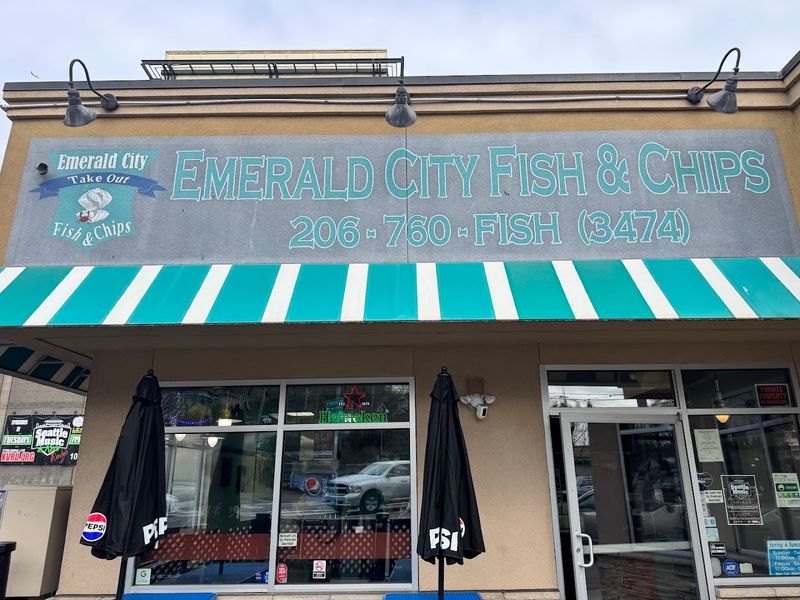
Emerald City Fish & Chips began serving Seattle on December 26, 2009. Opening the day after Christmas gave Stevie Allen an unusually memorable anniversary and Rainier Avenue a new source of fried seafood.
Allen did not build the menu around a borrowed restaurant concept. He drew from the Southern cooking he learned while watching and helping his grandmother during childhood.
Allen added a Northwest connection by placing salmon and halibut beside cod and catfish. The mix gave the menu an identity that belonged in Seattle while still carrying the kitchen traditions that inspired it.
More than 16 years later, the restaurant continues serving the same Rainier Avenue neighborhood with the same basic promise: seasoned seafood, fried when ordered, and served without unnecessary ceremony.
The Address Keeps The Restaurant Close To Its Roots
The location places it near Columbia City in a part of South Seattle where neighborhood restaurants often earn loyalty one repeat customer at a time.
Emerald City Fish & Chips operates at 3756 Rainier Avenue South, Seattle, Washington.
The building does not announce itself like a grand waterfront dining room. Its scale is modest, and the setup keeps the attention on the trays leaving the kitchen.
That restraint suits the food. Salmon and chips needs a crisp coating, hot fries, cold coleslaw, and enough tartar sauce to prevent mid-meal rationing.
The address has stayed constant since opening day. In a city where restaurant turnover can quickly erase familiar routines, that continuity gives regulars a dependable place to return.
New diners come for the salmon. Regulars rotate through catfish, halibut, prawns, gumbo, and po’boys.
The Small Dining Room Keeps The Focus On The Food
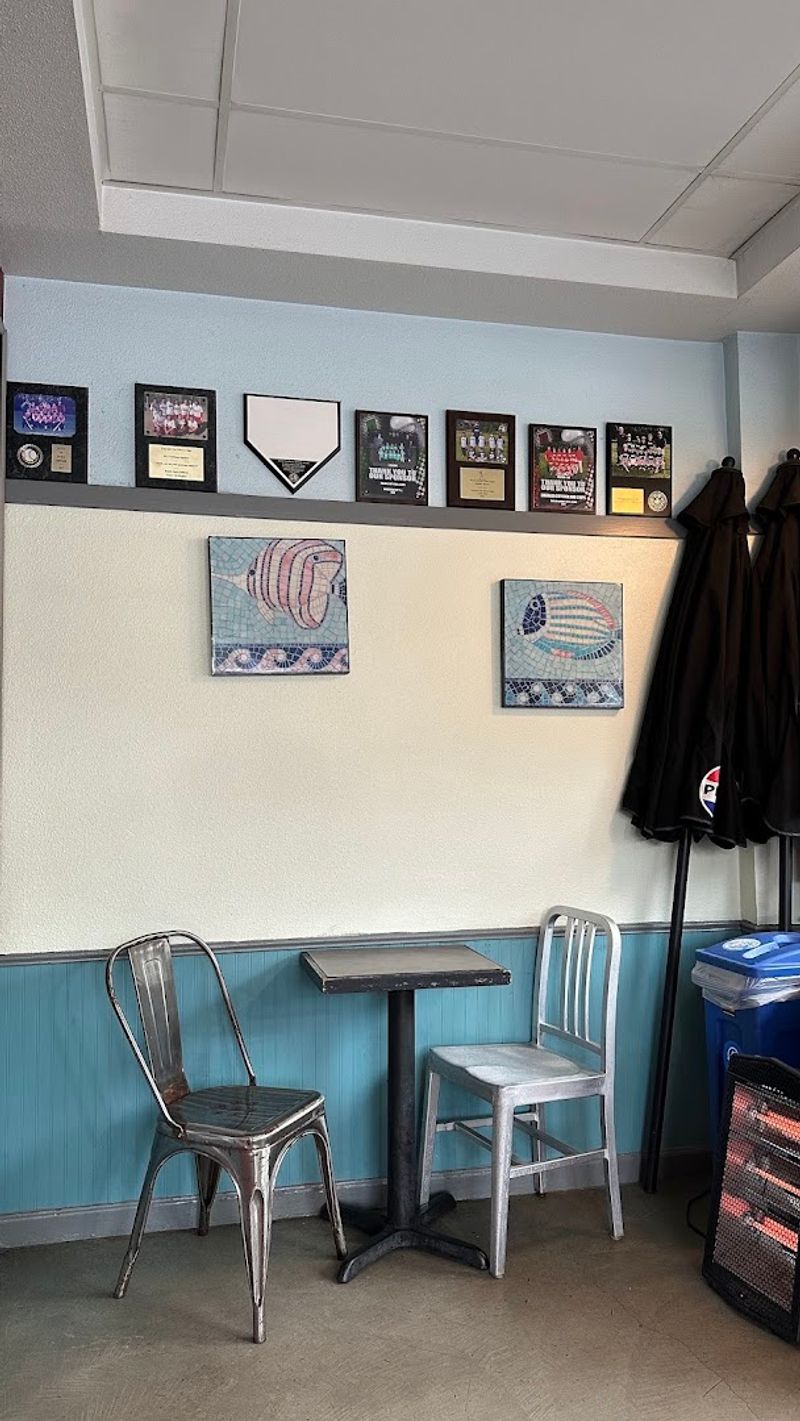
Emerald City Fish & Chips has long been known as a tiny, bare-bones South Seattle restaurant. That description is not an insult here. It is part of the appeal.
The room does not ask you to admire expensive design choices before opening the menu. The strongest visual is usually the food itself, especially when a basket arrives with golden pieces of fish stacked beside fries.
The hole-in-the-wall character also matches the restaurant’s history. Allen opened a neighborhood shop built on family cooking rather than a large hospitality project designed to impress an entire city overnight.
Over time, word spread beyond the immediate area. The room stayed modest while the restaurant’s reputation grew, creating the satisfaction of finding serious food in a place that still looks approachable.
The compact setup also keeps the meal direct. You are not waiting for a parade of courses or a dramatic tableside reveal. You are waiting for fried fish, and the kitchen knows exactly what kind of anticipation that creates.
Online reservations are now available through the restaurant’s website, but the basic personality has not changed. This remains an easygoing stop where the menu carries far more weight than the decor.
Spicy Tartar Sauce And Gumbo Refuse Supporting Roles
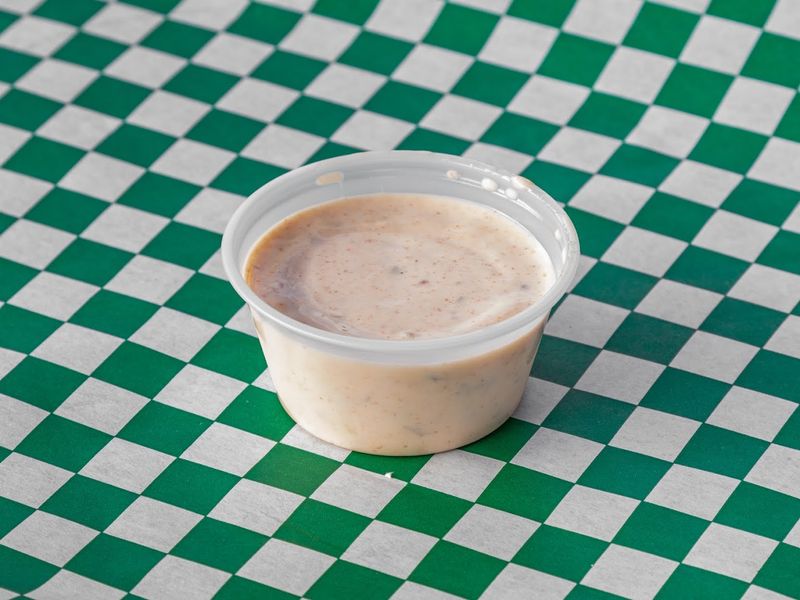
Tartar sauce often sits quietly beside fried fish, useful but forgettable. Emerald City Fish & Chips serves a spicy version that has earned attention of its own.
The heat adds energy without burying the seafood. It cuts through the richness of the fried coating and gives the fries a second job as sauce-delivery equipment.
Ordering extra makes practical sense. A single container can disappear quickly when it has to cover salmon, fries, crab puppies, and the occasional bite taken solely to confirm that the sauce is still excellent.
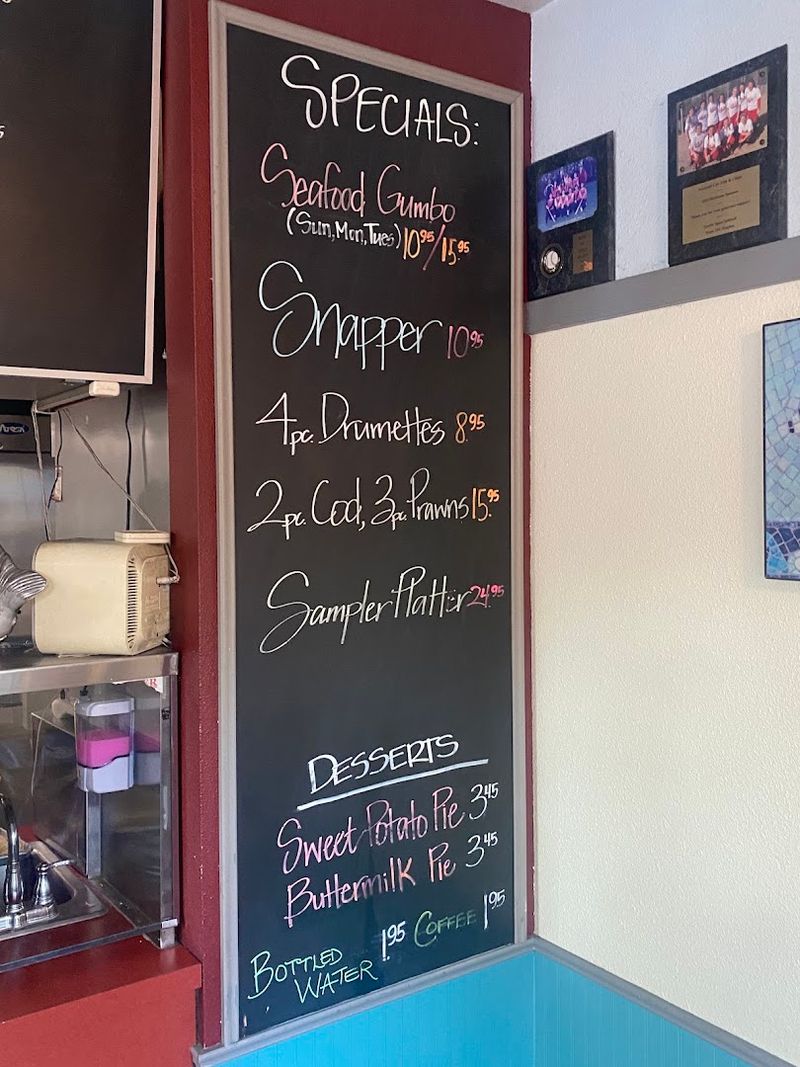
Then there is the gumbo. The current menu limits it to Sunday through Tuesday, turning an ordinary bowl into an appointment worth remembering.
The bayou-style seafood gumbo is made with shrimp, andouille, dark roux, and rice. It brings deep, savory flavor and a slower spoonful-by-spoonful rhythm beside the crunch of fried fish.
Availability can be limited, so the weekly schedule matters. Arriving on the right day and finding a bowl available gives the meal a small sense of victory before the salmon lands.
The salmon may be the headline, but the tartar sauce and gumbo have no interest in standing quietly behind it. They arrive ready to steal several paragraphs and most of the fries.
That is the trouble with a strong supporting cast. You order around one famous plate and leave discussing the sauce cup and the bowl you nearly skipped.
More Than Sixteen Years Have Strengthened Local Loyalty
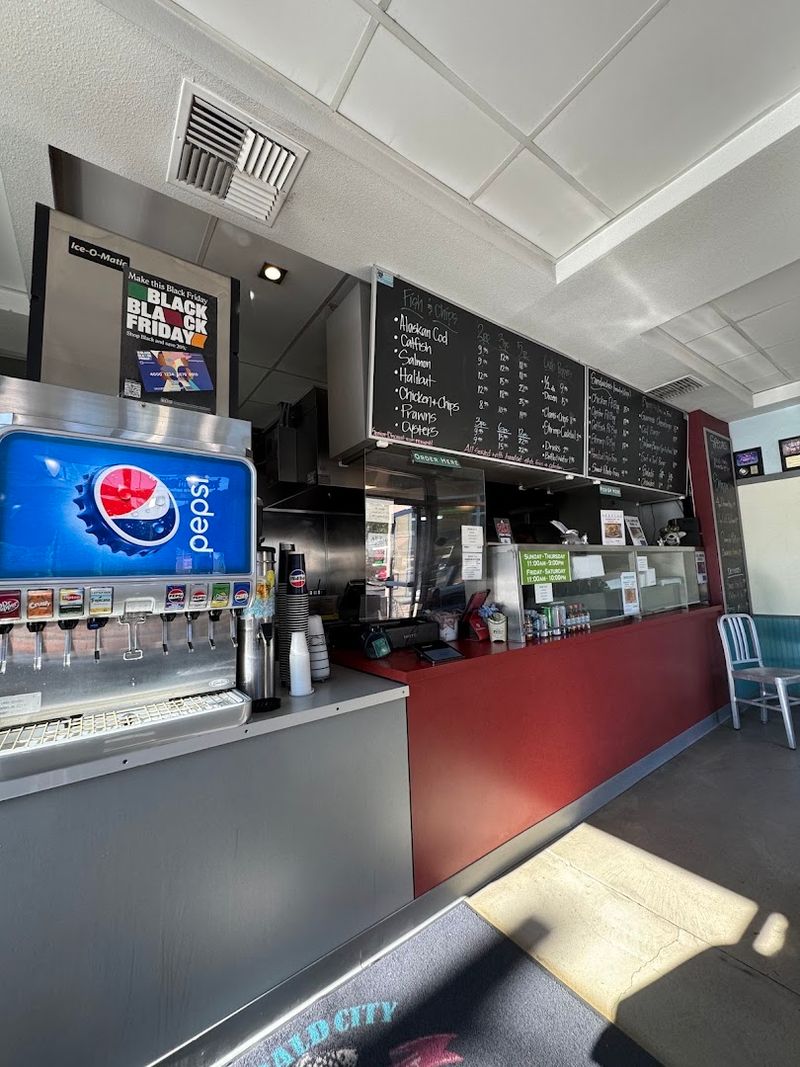
A neighborhood restaurant does not stay open for more than 16 years on novelty alone. Customers return because the kitchen keeps giving them a reason to repeat the trip.
Its lasting appeal comes through most clearly in the customers who continue returning for familiar dishes and seasonal favorites
Southern family recipes still guide the cooking. Northwest seafood still gives the menu its regional connection, and the small dining room still keeps the experience grounded.
The restaurant does not need to become larger or more elaborate to justify that attention. Its strength comes from knowing what belongs on the menu and giving each order the care required to make fried fish worth crossing town for.
You should begin with salmon and chips because the dish explains the restaurant in one order. Add spicy tartar sauce, keep the coleslaw nearby, and consider crab puppies if restraint has already left the building.
A return visit can handle the catfish po’boy, halibut basket, prawns, or gumbo. By then, the original plan to sample the menu once will have quietly become a schedule.
That is how local loyalty develops. One basket becomes a favorite, one sauce becomes essential, and one small Rainier Avenue restaurant becomes the answer whenever fried salmon starts sounding better than whatever dinner you had planned.