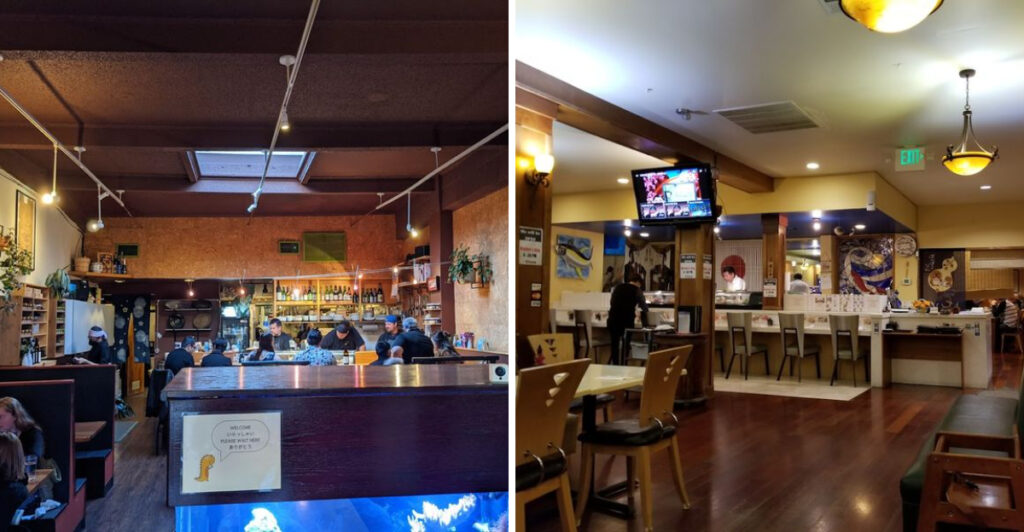
A great meal does not always need to be the cheapest thing on the itinerary. Sometimes paying a bit more makes sense when the experience feels thoughtful, steady, and memorable from the first course to the last.
These sushi bars in Washington make that argument beautifully.
You are paying for more than just fish and rice. You are paying for careful sourcing, skilled hands, properly seasoned rice, balanced seasoning, and a dinner that feels handled with real attention.
Washington’s sushi scene makes the splurge feel practical, especially when the fish, rice, and pacing all show clear intention.
That kind of confidence matters when you want the night to feel special instead of uncertain.
The best part is knowing the splurge has a purpose. When quality stays consistent and every detail feels considered, the bill becomes less of a risk and more of a smart choice.
1. LTD Edition Sushi
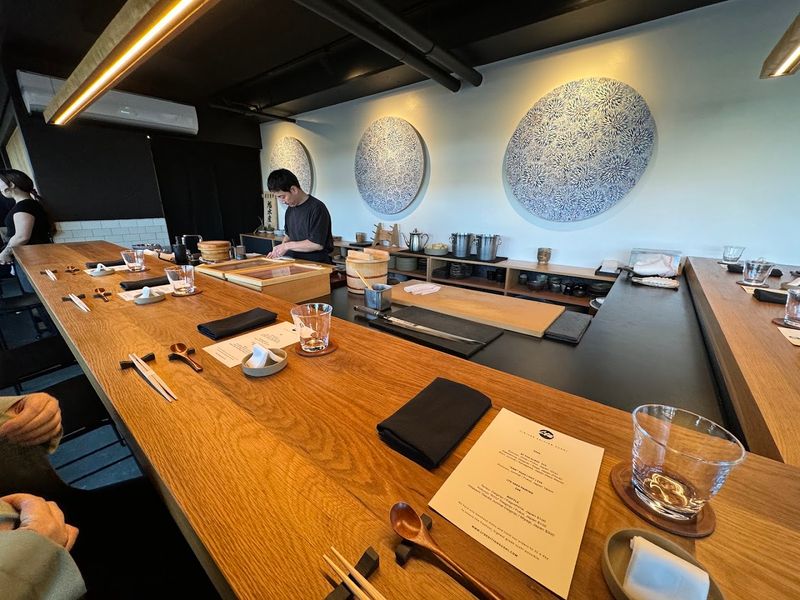
Some dinners whisper luxury before the first piece of fish ever touches the rice.
The experience at LTD Edition Sushi centers on omakase. The official booking page explains that the restaurant offers one omakase menu while limiting daily orders to protect freshness and quality.
Seasonal fish comes from local sources and Tokyo’s Toyosu Fish Market, which gives the meal both Northwest footing and Japanese-market reach.
That focus keeps the decision-making simple and practical.
You are not flipping through pages of rolls or negotiating a table full of competing cravings.
The point is to sit down, follow the progression, and notice how rice temperature, fish texture, seasoning, and pacing build the value of the meal.
The small format also changes how each course lands. A piece of nigiri can feel more deliberate when there is nowhere for it to hide, and that is part of why locals treat this seat like a splurge with purpose.
Near the end of the planning, the address at 1641 Nagle Pl Suite 006, Seattle, matters because reservations and timing do most of the work.
The bill makes sense when the meal feels edited, seasonal, and highly specific.
2. Takai By Kashiba
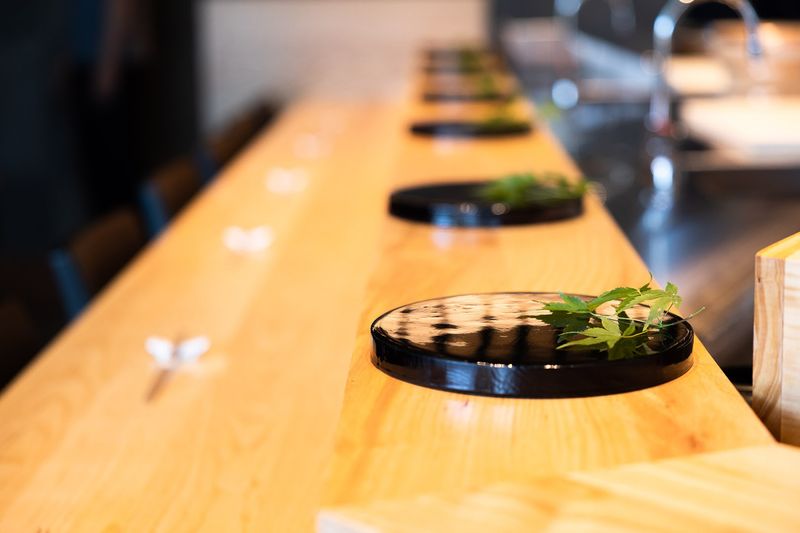
Bellevue’s sushi scene gets very serious when the counter starts feeling like a front-row seat.
Takai By Kashiba gives Bellevue a sushi counter where precision does most of the talking.
The official menu makes the structure clear: guests can order chef’s omakase or choose from the dining-room à la carte menu, with sushi and sashimi à la carte sets also available.
That flexibility matters, because the restaurant can feel special without forcing every diner into the exact same path.
The omakase side carries the serious pull.
This is the meal for diners who want progression, control, and a chef-guided rhythm instead of a scattered order of rolls. The à la carte option still keeps things focused, especially for anyone who wants to shape the evening around nigiri, sashimi, or a tighter set.
Nothing here needs loud presentation to feel valuable. The appeal comes from fish quality, careful cuts, and a room that lets the sushi stay central.
The address, 180 Bellevue Way NE in Bellevue, backs up a clear promise: a polished meal built around restraint and technique.
Locals who defend the check are usually defending that discipline, not just the name on the door.
3. Sushi Suzuki
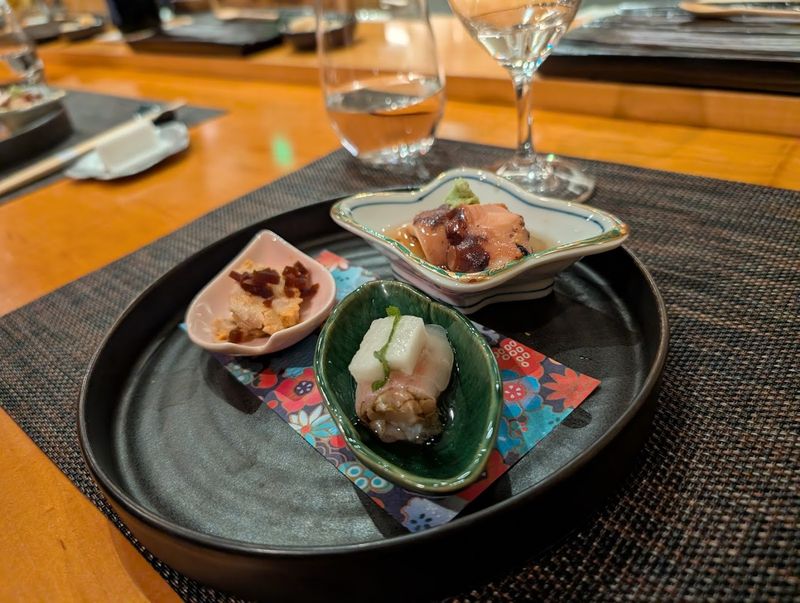
A quiet room can make sushi feel louder, sharper, and far more memorable.
Sushi Suzuki has the quiet intensity of a dinner that asks everyone to pay attention.
The restaurant describes itself as an intimate chef’s-table omakase in Madison Park led by Chef Yasutaka Suzuki, and its reservation page frames each service as seasonal and not exactly the same twice. That alone gives the menu a sense of timing before the first course begins.
The strongest menu details show up in the omakase format.
Seattle Met has described Chef Suzuki’s omakase as a roughly 20-course experience, with rice seasoned using two kinds of aged vinegar and place settings that include two types of ginger.
The same coverage notes a tuna presentation that highlights different cuts and preparations, including cured or aged pieces.
That is the kind of detail that makes the bill feel less mysterious.
You are paying for progression, temperature, aging, seasoning, and choices that would be easy to miss in a louder room. Every piece needs to carry its own argument.
The address at 4116 1/2 E Madison St, Seattle, gives the experience its physical anchor.
The meal works because it feels composed, not padded.
4. Sushi Kappo Tamura
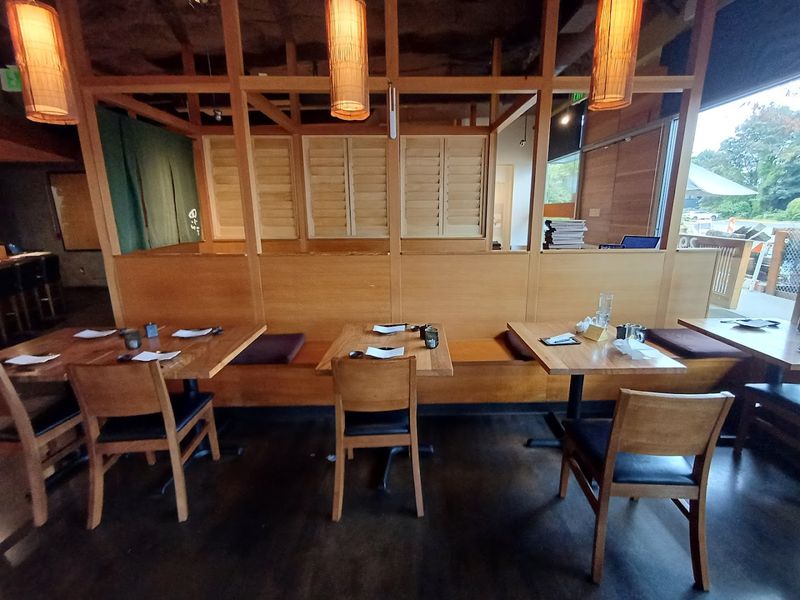
Sometimes the best sushi night is the one that lets you choose your own level of adventure.
Sushi Kappo Tamura gives serious sushi more breathing room than the strictest omakase counters.
The menu itself supports that flexibility. Its official sample menu includes nigiri and sashimi, special rolls, rolls, small plates, combination sushi platters, and dessert, while noting that selections can change daily.
That means the restaurant can serve both focused sushi eaters and diners who want a wider meal.
The seafood specifics help explain the reputation.
The sample menu lists items like Washington albacore tuna, along with nigiri and sashimi pricing by piece or slice.
The takeout menu also shows a Nigiri Combo with six types of chef’s-choice nigiri, a Deluxe Sushi Combo with nine pieces of nigiri and one roll, and a 12-piece chef’s-choice nigiri omakase.
That range is the value. Across Washington, the best sushi bars prove that a higher bill can still feel fair when every detail earns and proves its place.
You can lean into a chef-selected sequence or build a meal around specific pieces, small plates, and rolls without losing the restaurant’s sushi-bar identity. It feels polished, but not boxed into one narrow occasion.
Diners who want quality options should head to 2968 Eastlake Ave E, Seattle.
Locals return because the menu makes seriousness feel usable.
5. SanKai
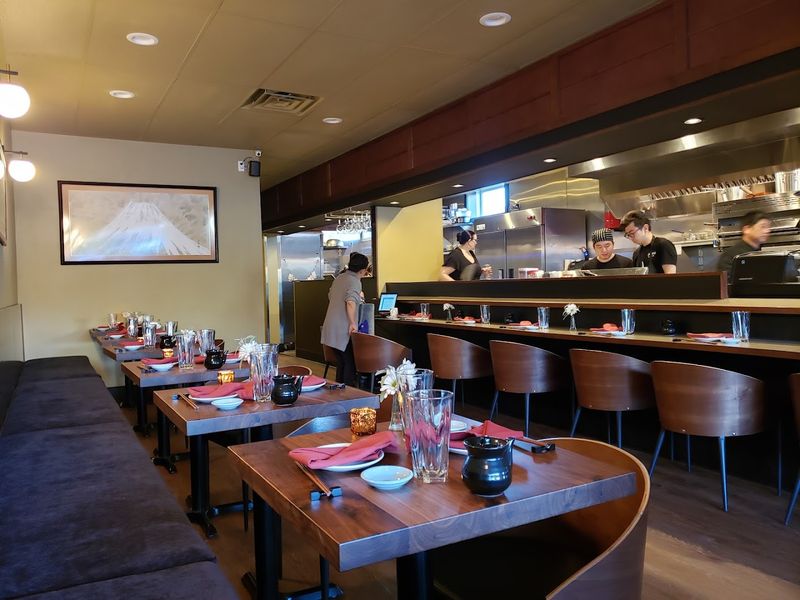
Great sushi does not always need a big-city address to feel worth the splurge.
SanKai makes its case through clean sushi-bar choices rather than a complicated performance.
The official menu lists nigiri and sashimi by the piece, with tuna, medium fatty tuna, fatty tuna, albacore, Atlantic salmon, wild sockeye salmon, wild king salmon, and yellowtail among the options.
That lineup gives the meal a strong foundation before rolls or combinations even enter the picture.
The chef’s-choice route adds another reason to trust the bill.
SanKai’s ordering page lists an 11-piece Omakase Nigiri described as chef’s choice and made with the best fish of the day, with fish subject to change. It also lists combo options that pair nigiri with a California roll made with real crab.
Specialty rolls broaden the meal without pulling it away from sushi. The Great Pacific Northwest Roll includes albacore, avocado, flying fish roe, salmon, crab, and jalapeño, while the Rainbow Roll keeps the familiar assorted-fish structure.
The address at 111 4th Avenue North, Edmonds, WA 98020, gives the meal its destination point.
The value comes from clarity: good fish, chef’s choice, and enough variety to please a table.
6. Mashiko
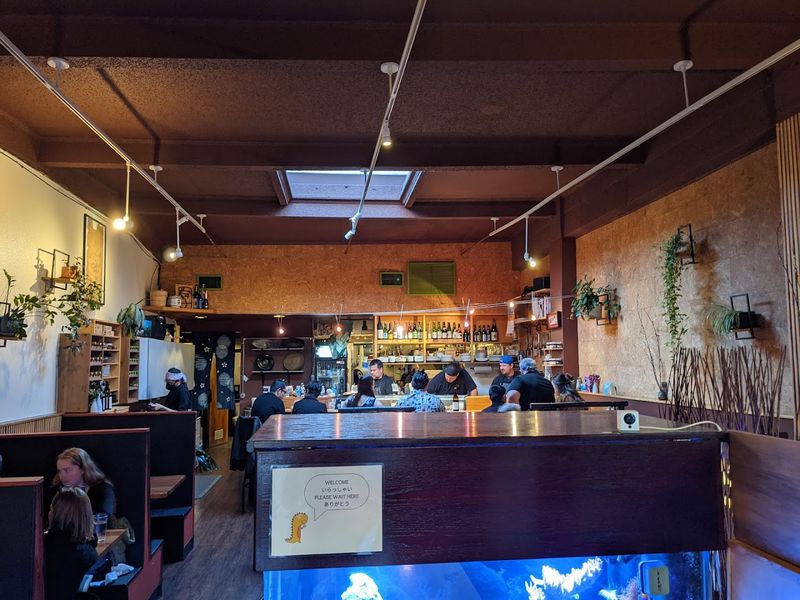
A sushi meal gets more interesting when every bite seems to have an opinion.
Mashiko feels worth the bill because the menu has a point of view.
The restaurant’s menu frames its omakase as a “taste adventure,” and the Oiwai tasting menu includes two kobachi appetizers, an assortment of sashimi, five pieces of nigiri, a washoku-style soup, dessert, and real fresh-grated wasabi. That gives the meal a clear beginning, middle, and finish.
The sushi-bar menu adds strong à la carte support.
Current ordering details list fresh nigiri of the day as seven pieces of chef’s-choice seasoned nigiri and tamago, along with chirashi, traditional pressed oshizushi, tuna poke over sushi rice, sashimi assortment, and sashimi salad.
That range matters because Mashiko is not only selling luxury.
It gives diners several ways to experience careful fish, from a composed tasting menu to a bowl or pressed sushi order. The restaurant is also widely associated with sustainable seafood, which adds another layer to why locals may see the price as justified.
The address 4725 California Ave SW, Seattle, WA 98116, is the location behind a meal with both appetite and intention.
The check feels easier to understand when every choice seems connected to sourcing.
7. Kisaku Sushi
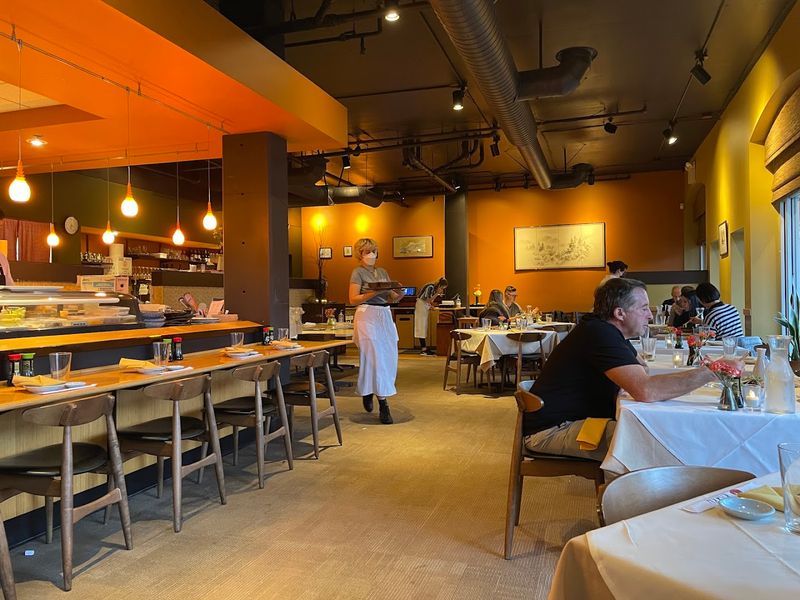
Not every chef’s-choice dinner has to arrive with a formal mood and a bill that feels like a commitment.
Kisaku Sushi proves that chef’s choice does not have to feel intimidating.
The menu gives diners several structured paths into the meal. Its ordering page lists the Kisaku Omakase Moriawase as 12 pieces of chef’s-choice nigiri or sashimi, served with miso soup, and rice when sashimi is chosen.
It also lists a Market Sampler with six chef’s-choice pieces.
That format makes the value easy to read.
You can let the kitchen choose without committing to the most elaborate dining experience in town.
That is where Washington excels, turning a careful sushi dinner into something more reliable than a random night out.
The menu also supports more detailed tasting with appetizer choices like hamachi with Thai chili and ponzu, salmon sashimi rolled with crab and avocado, crispy onion with albacore sashimi, and ceviche with tuna, salmon, yellowtail, whitefish, vegetables, and marinade.
The broader combinations help too.
OpenTable’s menu listing includes sushi combinations with nigiri and rolls, plus sashimi combinations, which makes Kisaku useful for diners who want quality without a rigid script.
At the end, 2101 N 55th St, Seattle, WA 98103, feels like a practical anchor rather than a luxury signal.
Locals can justify the bill because the menu balances care, comfort, and control.
8. Wataru
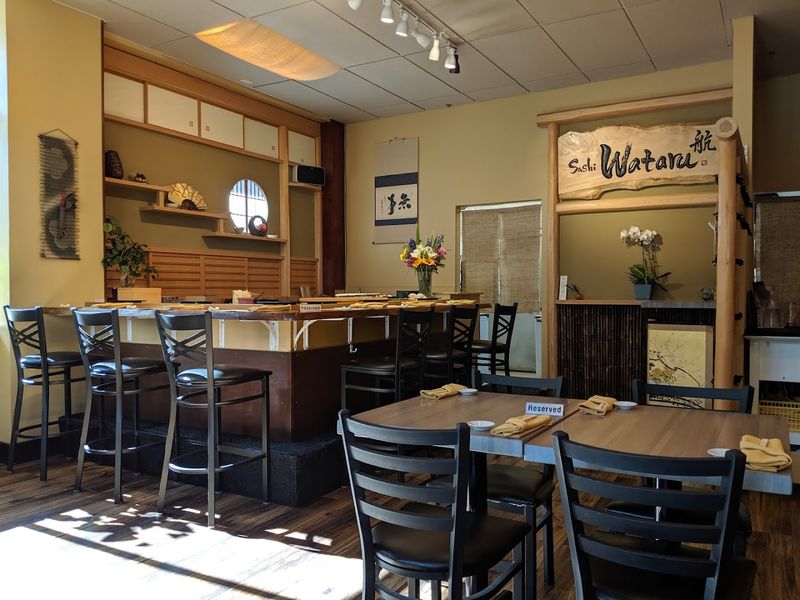
A serious sushi bill gets easier to understand when every piece seems built on method.
Wataru earns its place by giving Ravenna a focused Edomae-style sushi experience where the counter, not the room, carries the drama.
Official information describes Wataru as an Edomae-style sushi restaurant using fresh seafood from local sources and Tokyo’s Toyosu Fish Market.
The reservation page adds more useful detail, noting house techniques that include nikiri soy, aging, smoking, marinating, and pickling. That gives the meal a clear reason to cost more than a casual roll night.
And to taste richer, too.
Wataru lists sushi-bar omakase services Wednesday through Sunday, with reservations opening monthly and limited sushi-bar seating built around chef-prepared, open-ended omakase.
A takeout omakase option also appears, showing that the restaurant’s identity stays centered on chef’s-choice sushi rather than a scattered menu.
The appeal comes from precision, restraint, and the feeling that each piece has been handled before it reaches the rice.
Nothing about the 2400 NE 65th St, Seattle, stop needs to feel flashy.
The bill makes sense when sourcing, technique, and a tightly focused omakase format all line up.
9. Gari Of Sushi
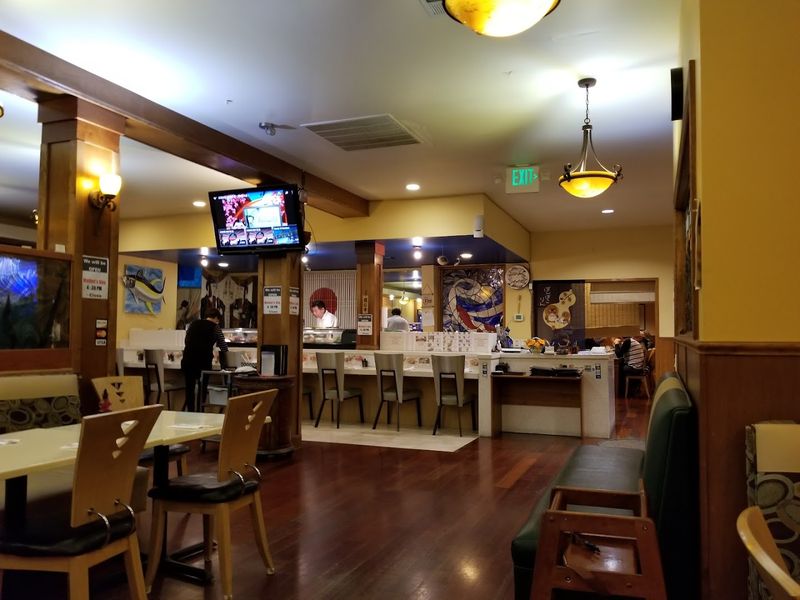
A good sushi list needs a strong closer, and Tacoma knows how to make that happen.
Gari Of Sushi broadens the list with a Tacoma restaurant that handles both traditional and fusion Japanese dining.
Its official site says it offers guests a dining experience through traditional and fusion cuisines, while the menu lists appetizers, sashimi, sushi à la carte, rolls, and combinations. That range gives the restaurant a flexible sushi-bar backbone instead of a single narrow identity.
The menu details are specific enough to build a real meal.
Appetizers include hamachi sashimi, salmon sashimi, tuna sashimi, yellowtail with jalapeño and cilantro, gyoza, vegetable tempura, shrimp tempura, and ponzu preparations.
The à la carte sushi list includes halibut, smoked salmon, tuna, salmon, squid, yellowtail, tamago, shrimp, and sea urchin.
Popular delivery listings add another layer with items like the Salmon Ladder, Tempura Dragon, salmon combo, Scorpion Roll, and Tacoma Roll.
That mix makes the restaurant useful for groups. One person can stay close to nigiri and sashimi, while another can lean into bigger rolls and combinations without leaving the sushi framework.
Near the end of the plan, 1209 S 38th St, Tacoma, WA 98418, gives the stop its landing point.
The value comes from variety, comfort, and enough menu depth to make the check feel reasonable.