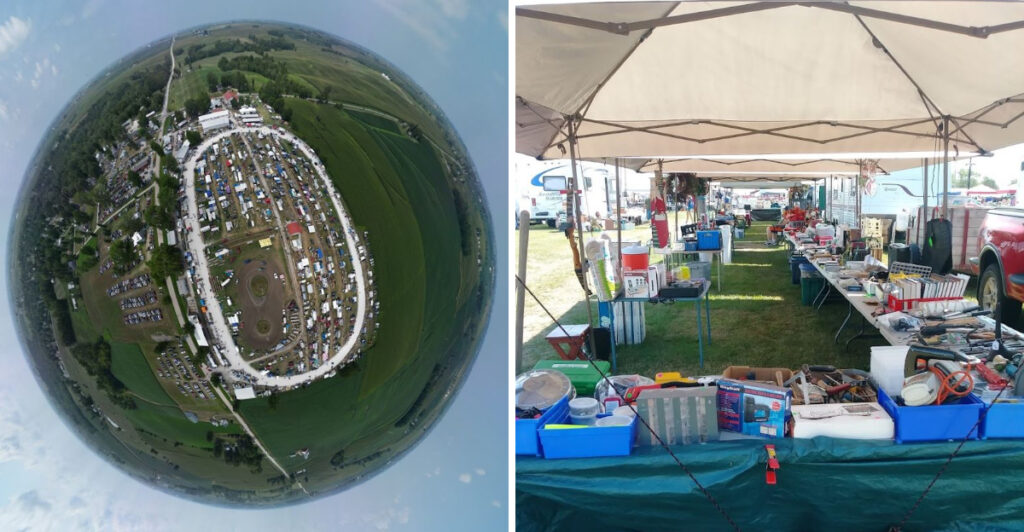
What if a flea market was less of a shopping trip and more of an event you started planning for months in advance? In Iowa, that is not a hypothetical.
This flea market has been doing exactly that to people since 1976, and the loyalty it has built is the kind that gets passed down through families.
More than 400 vendors spread across a historic county fairground in Iowa’s heartland, three times a year, four days at a stretch. The range is real, the finds are unpredictable, and the atmosphere feels less like retail and more like a reunion.
First-timers leave with a car full of things they did not know they needed. Regulars leave already thinking about the next one.
A Market With Deep Roots In Small-Town Iowa
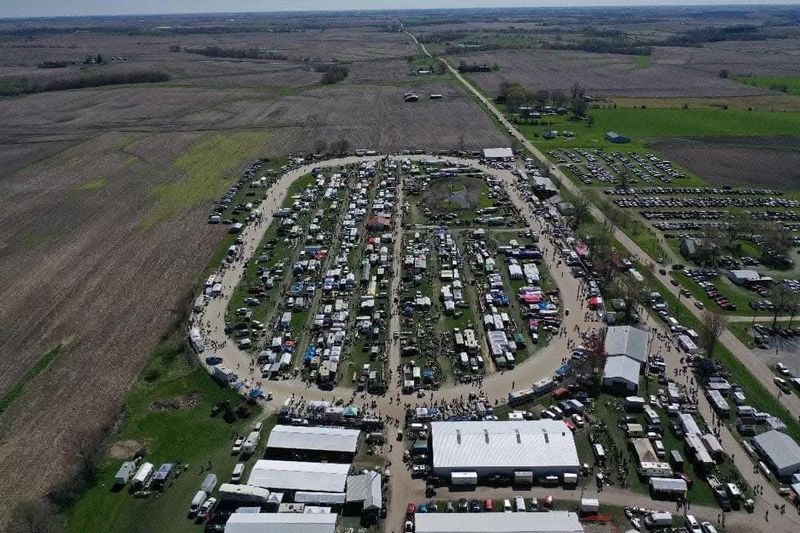
Few flea markets in the Midwest carry the kind of reputation that this one has quietly built over the decades. The What Cheer Flea Market calls the Keokuk County Fairgrounds its home, and that setting alone gives it a character most markets simply cannot match.
The fairgrounds bring a sense of community history to every visit. The open layout, the old buildings, and the familiar fairground smell all contribute to an atmosphere that feels rooted in Iowa tradition.
It is not just a shopping event; it is a seasonal gathering that the town of What Cheer organizes with genuine pride.
Located at 13061 170th St, What Cheer, IA 50268, the market draws visitors from across the region who treat each edition as a calendar highlight. For many regulars, missing a season feels like missing something truly important.
That kind of loyalty says everything about what this place means to the people who love it.
Three Times A Year And Worth Every Trip
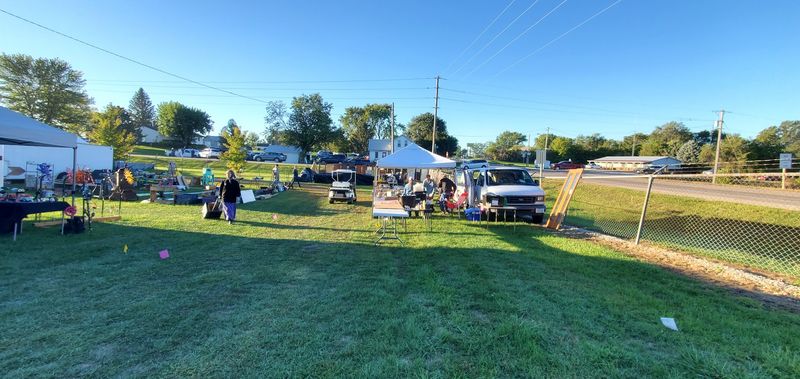
Mark those calendars carefully, because this market runs only three times a year. The What Cheer Flea Market takes place three times a year, with each edition running Thursday through Sunday, typically spanning the first weekend of May, late July into August, and early October.
The May market has that fresh spring energy, with vendors unpacking items that have been stored through winter. August brings summer heat and a bigger crowd, with families and collectors arriving early to beat the sun.
October is perhaps the most atmospheric, with cool air and fall colors framing the fairground grounds.
Each four-day run begins on Thursday and wraps up on Sunday, giving shoppers a real window to explore at a comfortable pace. Regulars in Iowa often plan their schedules months in advance just to secure those dates.
For first-timers, knowing the schedule ahead of time is the single most important piece of planning advice anyone can offer before making the trip.
Over 400 Vendors Covering Every Interest Imaginable
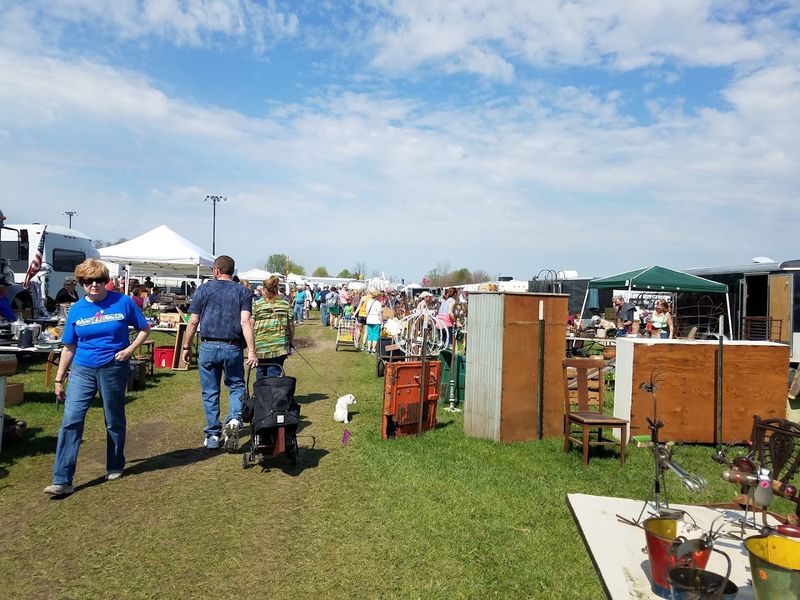
The sheer number of vendors here is what separates this market from weekend yard sales and smaller local events. With more than 400 exhibitors setting up shop across the fairgrounds, the variety on offer is genuinely staggering.
Antique furniture sits next to modern handcrafted goods. Farm tools share space with vintage jewelry, old signage, and upcycled art projects.
Glassware collectors can spend an entire morning in just one row, while someone hunting for car parts or old machinery will find plenty to keep them busy elsewhere on the grounds.
The layout stretches across seven rows inside the main round track, plus several buildings throughout the property, meaning there is always another corner to explore. Shoppers who think they have seen everything often turn a corner and discover an entirely new section.
That sense of endless discovery is what keeps people coming back to this Iowa market season after season, year after year.
The Layout Is Big Enough To Need A Strategy
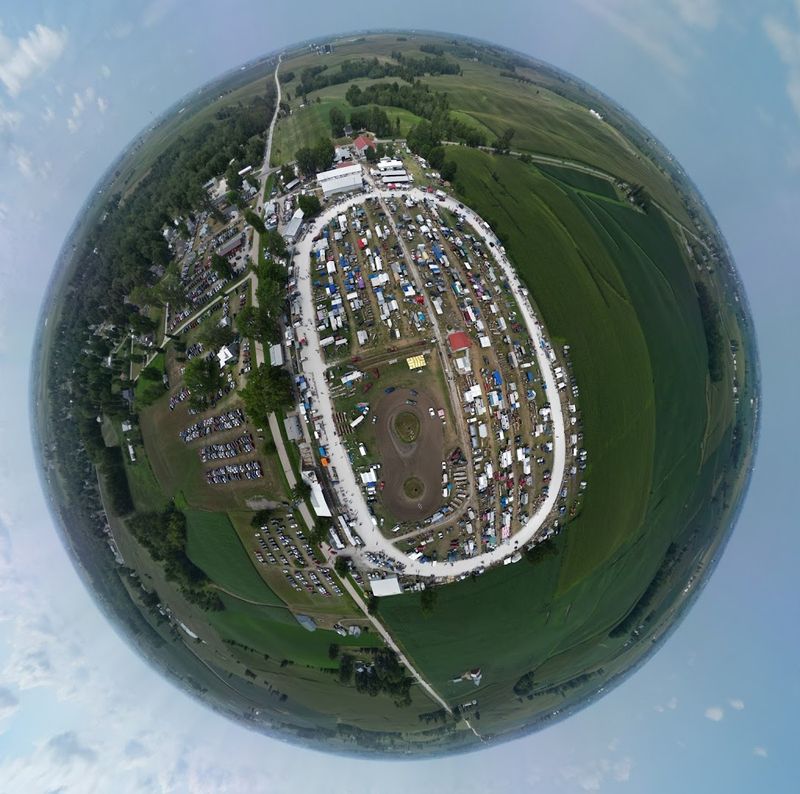
Underestimating the size of this market is a common mistake for first-time visitors. The grounds cover a substantial area, with vendor rows running along the inside of the main track and additional booths filling multiple permanent buildings across the fairground property.
Golf carts are available to rent, and seasoned visitors strongly recommend taking advantage of that option. Spending four or more hours on foot across the full grounds is genuinely tiring, and a cart allows shoppers to cover more territory without wearing out before the best vendors have even been reached.
Bringing a wagon or rolling cart for purchases is another practical move that experienced visitors swear by. Items add up quickly, and carrying bags across that much ground gets uncomfortable fast.
Planning a rough route before arrival, starting with the buildings and then working through the outdoor rows, helps ensure nothing gets missed during what can easily become a full day of exploration in Iowa.
What Treasures Are Actually Hiding In Those Rows
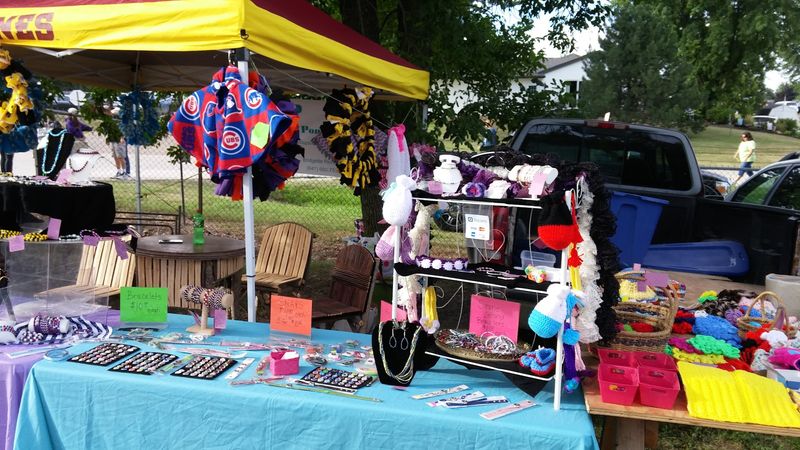
The range of items available at this market is one of its most celebrated qualities. Antique glassware in every color and style shows up regularly, drawing collectors who know exactly what they are hunting.
Vintage jewelry, old clocks, and framed artwork appear in abundance across vendor tables.
Farm machinery and agricultural tools reflect the Iowa heritage of the surrounding region, and those items often carry genuine historical value. Upcycled crafts and handmade goods add a creative dimension that keeps the market from feeling like a purely nostalgic experience.
Clothing, books, vinyl records, sports memorabilia, and kitchen antiques round out the mix in ways that make every booth feel different from the last. Part of the charm is that nobody can predict exactly what will turn up on any given weekend.
That unpredictability is not a flaw; it is the entire point. Shoppers arrive not knowing what they want and leave with something they cannot imagine living without.
Admission And Timing: What To Know Before You Go
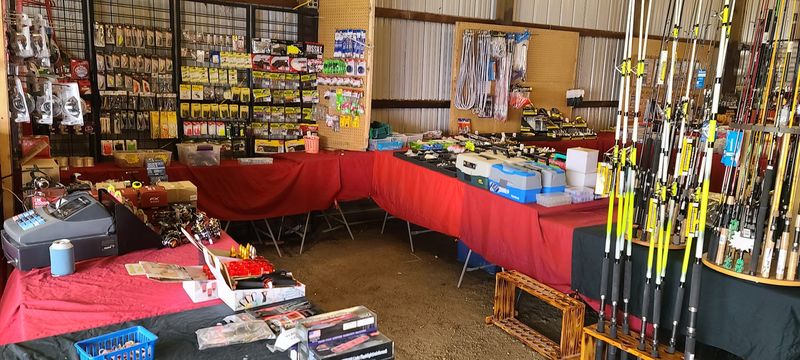
Getting the most out of this market starts with understanding how admission and timing work across the four-day run. Thursday is considered the early bird day, with a slightly higher entry fee that grants access before the weekend crowds arrive.
Friday and Saturday carry a standard admission charge, while Sunday entry is free.
Gates open early each morning, and vendors typically begin closing up by mid-afternoon. Arriving early is not just a suggestion; it is genuinely the best way to see the most and have first pick of whatever vendors have brought that season.
Saturday tends to draw the largest crowds, making the grounds feel lively and energetic but also more competitive for popular items. Sunday has a looser, more relaxed energy, with some vendors willing to negotiate on prices as they prepare to pack up.
Each day of the market has its own rhythm, and knowing which pace suits a particular shopper makes the experience significantly more enjoyable from start to finish.
Part Market, Part Community Celebration
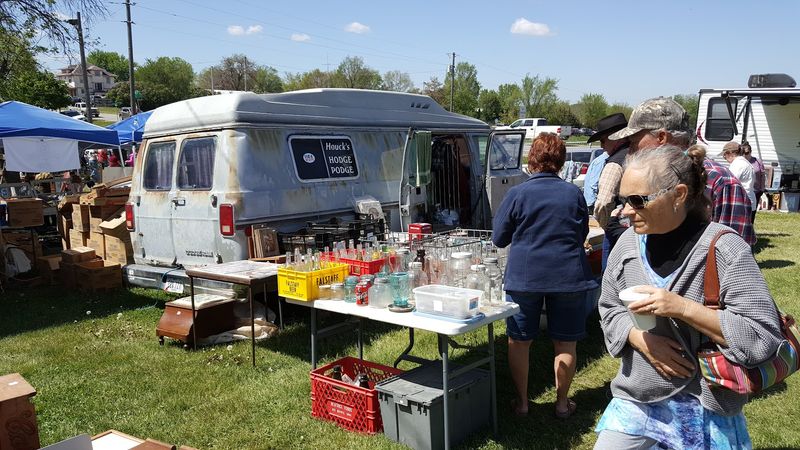
Stepping onto the fairgrounds during market weekend feels like arriving at something bigger than a shopping trip. The energy is warm and communal, with vendors and shoppers exchanging friendly conversation across tables stacked with decades of accumulated objects.
Families bring children who dart between booths looking at old toys and curious gadgets. Older visitors move at a slower pace, stopping to chat with vendors about the history behind particular pieces.
That mix of ages and interests gives the market a festive quality that purely commercial retail spaces simply cannot replicate.
Food options are scattered throughout the grounds, which helps keep energy levels up during long browsing sessions and shortens wait times by spreading hungry visitors across multiple spots. The overall vibe is welcoming rather than competitive, even when the crowds are thick.
Vendors and shoppers alike seem genuinely happy to be there, and that collective enthusiasm creates an atmosphere that feels distinctly Iowan in the best possible way.
A Collector’s Serious Playground
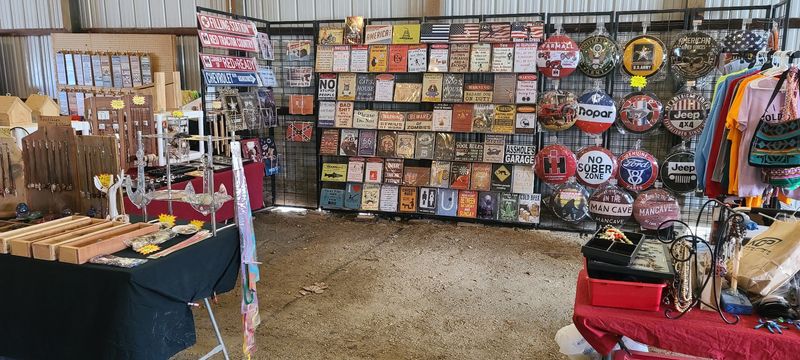
For serious collectors, this market operates on a different level than casual weekend sales. The concentration of antique and collectible vendors across the fairgrounds creates genuine opportunities to find items that rarely surface in retail antique shops or online auctions.
Vintage advertising signs, Depression-era glassware, mid-century ceramics, and folk art pieces all make regular appearances. Vendors who specialize in specific categories often bring deep, curated inventories that reward shoppers who know what to look for and take the time to look carefully.
The pricing landscape varies widely, which is part of what makes the hunt exciting. Some vendors price aggressively, while others are open to conversation, especially later in the weekend when packing up becomes a real consideration.
Experienced collectors know that patience and timing are just as important as knowledge when navigating a market of this scale. Iowa has produced some legendary flea market finds, and this fairground has been the setting for more than a few of those stories.
Practical Tips For Making The Most Of Your Visit
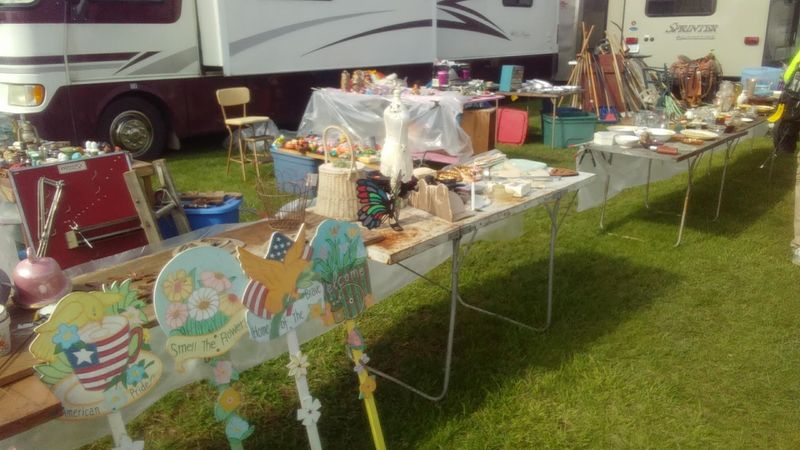
Preparation makes a real difference at a market this size. Comfortable walking shoes are non-negotiable, and many experienced visitors bring their own wagons or rolling carts to haul purchases without straining their arms across hours of browsing.
Cash is the preferred payment method for most vendors, so arriving with enough on hand avoids the frustration of missing out on a great find because of a payment mismatch. Bringing small bills also makes transactions faster and smoother when things get busy on peak days.
Arriving early on Friday or Saturday gives shoppers the best combination of full vendor attendance and manageable crowd levels. Wearing layers is smart, especially for the May and October editions, when Iowa mornings can be genuinely cool even when afternoons warm up.
Sunscreen and water are essentials for the August market, where the open fairground offers limited shade. A little advance planning transforms what might otherwise be an overwhelming experience into one of the most satisfying day trips in the entire state.
Why People Keep Coming Back Season After Season
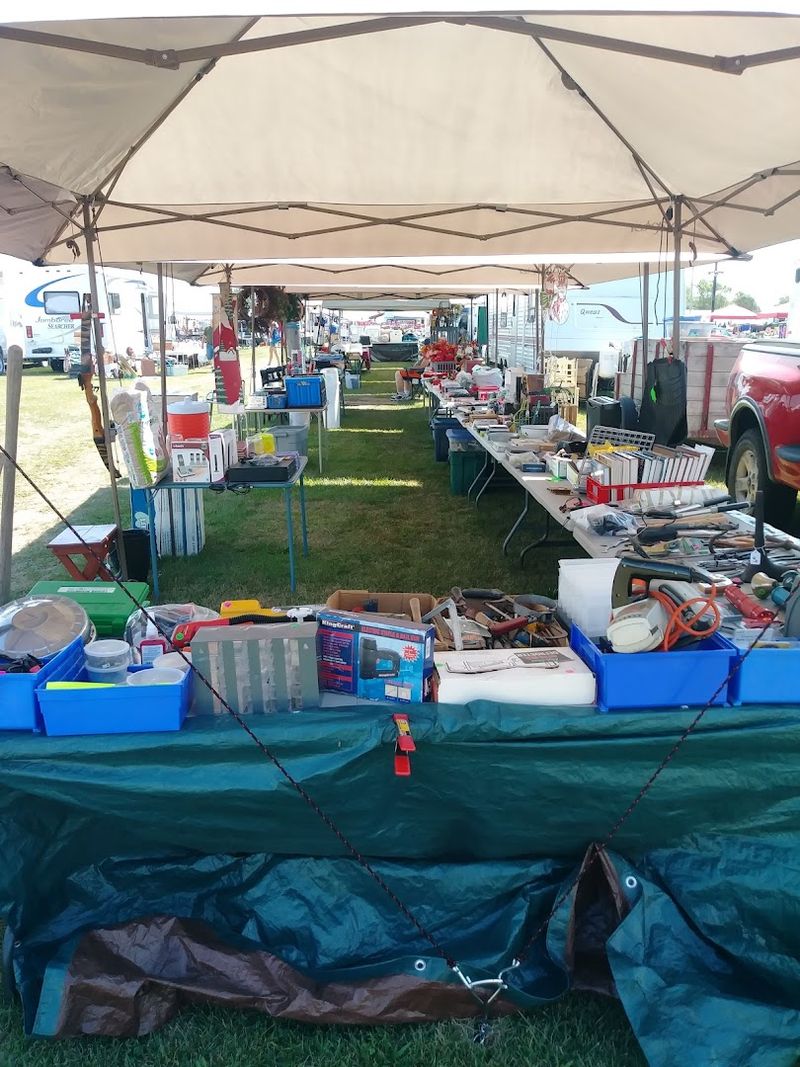
Loyalty runs deep at this market, and the reasons are easy to understand once someone has experienced it firsthand. The combination of scale, variety, and community atmosphere creates something that feels genuinely irreplaceable on the Iowa events calendar.
Visitors who come once tend to return the following season with a clearer sense of what they want and a better strategy for finding it. Regulars develop favorite vendor rows, preferred arrival times, and personal rituals that make each edition feel both familiar and exciting at the same time.
The market has earned a high-star rating across hundreds of reviews, with visitors traveling from neighboring states and even internationally to attend. That kind of draw speaks to something more than just good deals on used goods.
It speaks to an experience that connects people to a slower, more tactile way of discovering things they love. In a world of fast online shopping, this Iowa fairground offers something refreshingly different: the joy of the unexpected find.