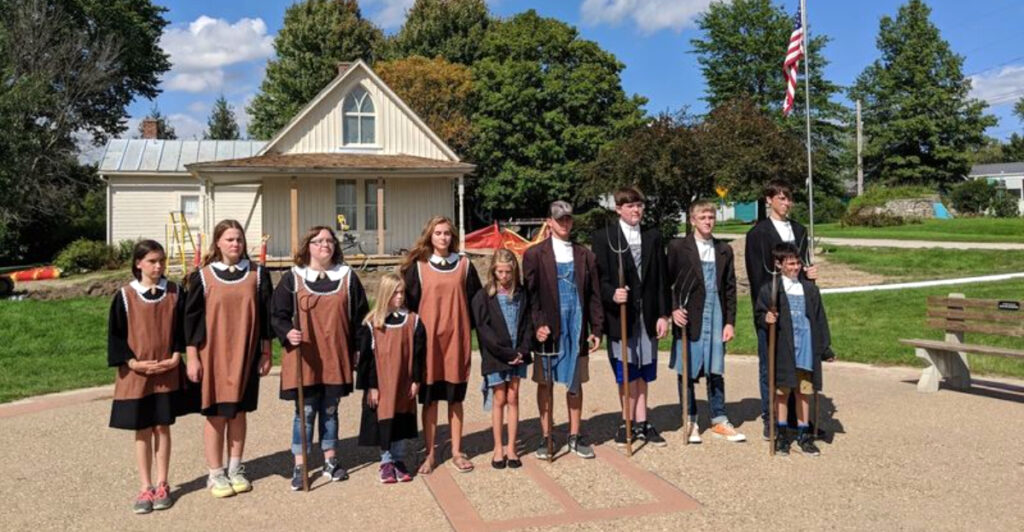
It is a little funny when a famous painting turns out to have an actual address.
This quiet Iowa house is not a movie set or a replica. It is the real place that helped inspire one of the most recognizable images in American art.
That alone would be enough for a quick stop. Then the visitor center adds costumes, a pitchfork, selfie stands, and just enough good humor to make the whole thing feel unexpectedly fun.
You can learn the story, walk the grounds, and pose like you stepped straight into the frame.
It is part art history, part roadside surprise, and part extremely good excuse to make a very serious face for the camera.
The Story Behind The Painting And The House
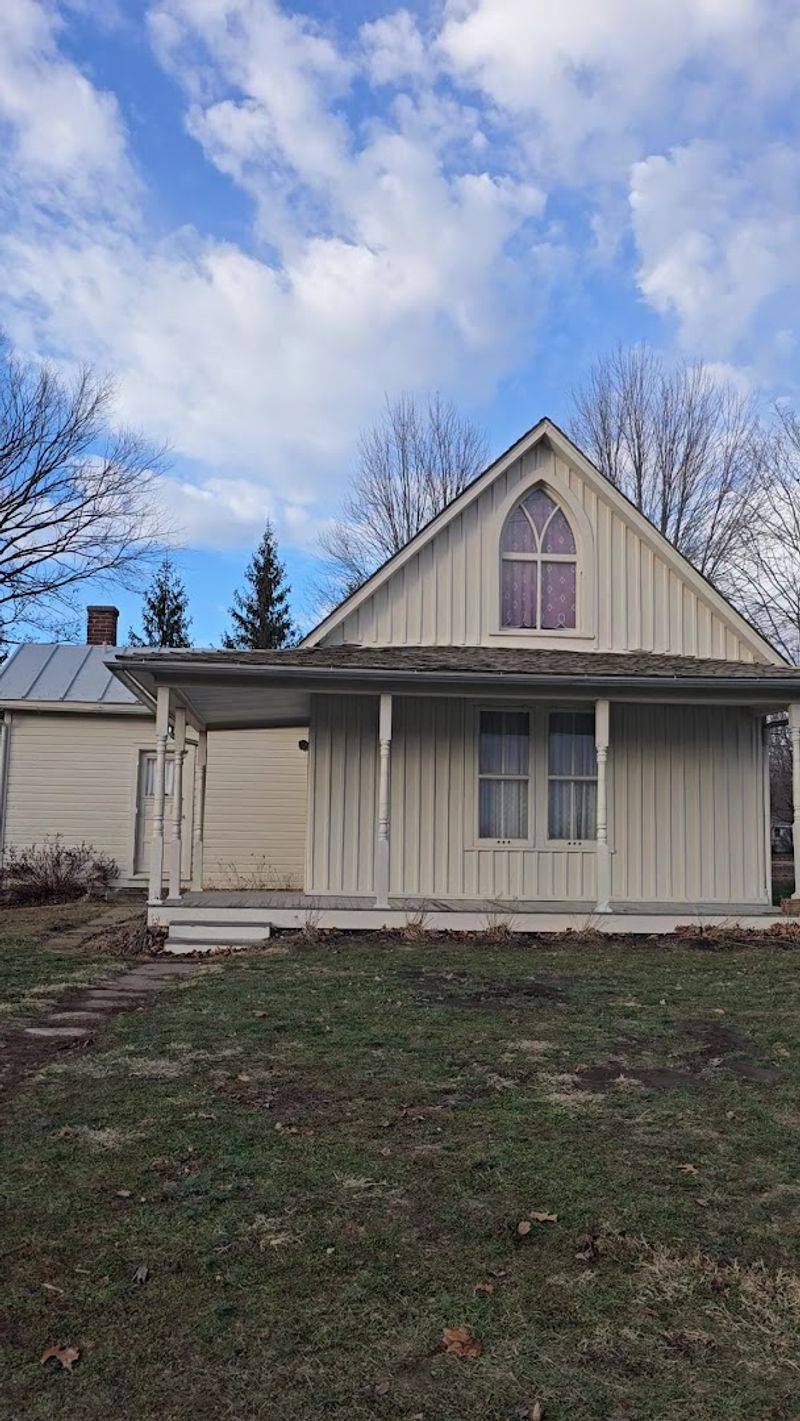
Grant Wood spotted the house in 1930 while driving through the small town of Eldon, Iowa, and he was immediately drawn to its unusual Carpenter Gothic window on the upper floor.
He sketched it on the spot and later used his sister and his dentist as the models for the two figures standing in front of it. The result became one of the most parodied and reproduced paintings in American art history.
The original painting now lives at The Art Institute of Chicago, but the house itself stayed right where it always was, tucked into a quiet residential neighborhood in Eldon.
The American Gothic House Center at 300 American Gothic St, Eldon, IA 52554, was established nearby to help visitors understand the full story behind the artwork, the artist, and the community that inspired it.
Learning this backstory before you pose for your own photo makes the whole experience feel much richer and more personal than just snapping a quick selfie in front of an old building.
What The House Actually Looks Like Up Close
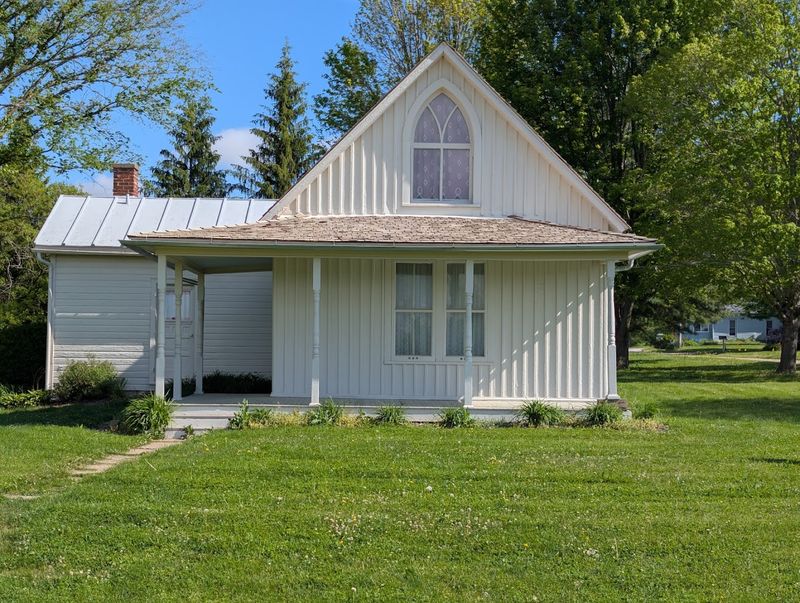
Nothing quite prepares you for the moment you see that narrow, pointed window on the upper floor and realize you are looking at the exact same building from the painting.
The house is a Carpenter Gothic style structure, which means local builders incorporated shapes associated with Gothic architecture into a wooden home rather than a stone building. That tall, narrow window is the detail that caught Grant Wood’s eye and set everything in motion.
The exterior has been carefully preserved so it still looks remarkably similar to how it appeared in 1930. The white paint, the porch, and the surrounding landscape all contribute to that unmistakable silhouette.
Interior access is limited rather than completely prohibited. The ground floor is occasionally opened on select public dates and may also be included in prearranged tours for groups of at least ten people, depending on staff and volunteer availability.
The upper floor is not open to visitors because the staircase is steep, winding, and has no handrail. The exterior and photo area remain the main experience for most individual visitors.
Wildflowers bloom around the property during the warmer months, and the changing trees give every season a slightly different version of the same iconic scene.
Dressing Up In The Iconic Costumes
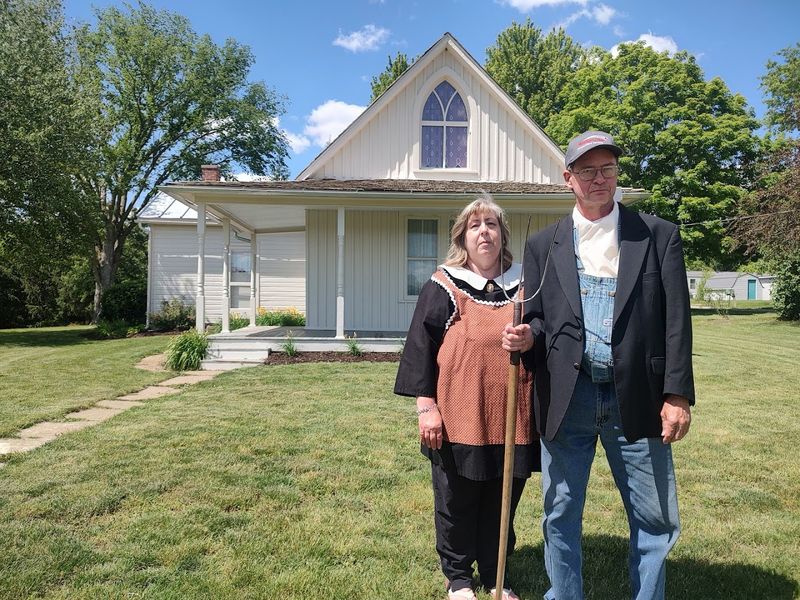
The costume experience is genuinely the highlight for most visitors, and it is even more fun than it sounds on paper.
For a modest admission fee to the museum, you get access to period-appropriate costumes and a real pitchfork, so you can recreate the painting as accurately as you want. The staff helps you get into character, and the whole setup is relaxed and good-humored.
People of all ages try it, from young kids who find the pitchfork hilarious to grandparents who appreciate the art history angle. Groups tend to get creative fast, adding their own poses and expressions that turn the whole thing into a comedy session.
The selfie stands positioned in front of the house let you prop up your phone and use the timer, so you do not need a photographer to get a great shot.
Some visitors have mentioned that the laughs alone were worth the price of admission, and after trying it myself, that feels like an accurate and completely fair summary of the experience.
Inside The Visitor Center And Museum
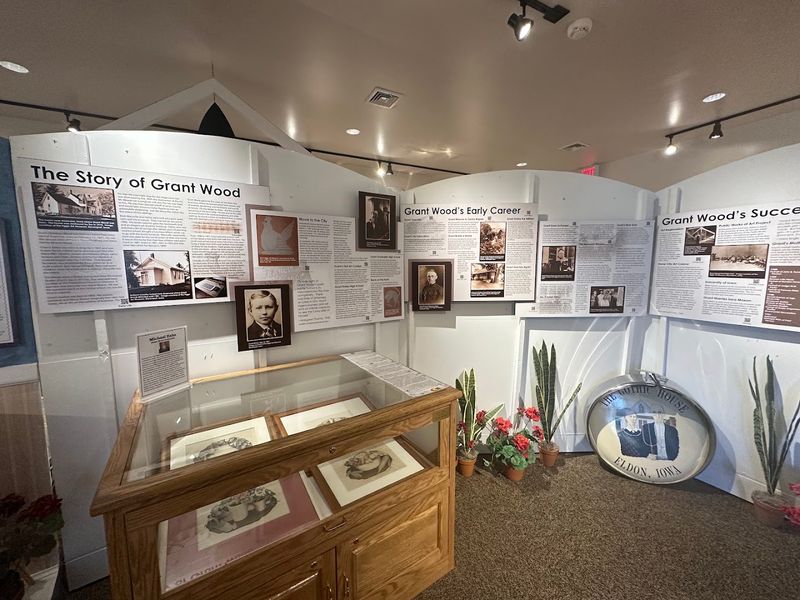
The visitor center sits right next to the house and packs a surprising amount of content into a compact space.
Inside, you will find an exhibition gallery covering the history of the house, the American Gothic painting, Grant Wood, and the many ways the image has entered popular culture. Hands-on children’s activities and QR codes that provide audio information make the exhibits easier to explore in different ways.
The media room presents two principal programs. An approximately thirty-minute documentary is geared toward adults, while a shorter animated video introduces younger visitors to the artist, painting, and house.
The gallery also places the painting within Grant Wood’s wider career and explains how he found the Eldon house, selected his models, and developed the image that later became an American cultural icon.
Children’s activities and interpretive materials help younger guests engage with facial expressions, parodies, symbolism, and the history behind the artwork.
The Center also provides accessible resources, including language guides, Braille material by request, closed-captioned video options, and audio information accessed through QR codes.
The Gift Shop And What You Can Find There

At first glance the gift shop looks small, but it holds over 1,500 different items, which is genuinely impressive for a space that size.
A large portion of the merchandise is made locally and cannot be found anywhere else, so the souvenirs here feel like actual keepsakes rather than generic tourist trinkets.
Art prints, themed mugs, books about Grant Wood, and handmade goods all share shelf space in a way that rewards slow browsing.
Prices are described by visitors as reasonable, and the variety is wide enough that most people find at least one thing worth taking home. The staff tends to be friendly and knowledgeable, happy to point you toward items that suit what you are looking for.
Even if you are not a big souvenir shopper, the gift shop is worth a few minutes of your time just to see what a place this specific and this well-curated puts together for its visitors.
It is the kind of shop where you pick up something small and then realize weeks later that it has become one of your favorite things from the whole trip.
The Grounds, Garden, And Outdoor Space
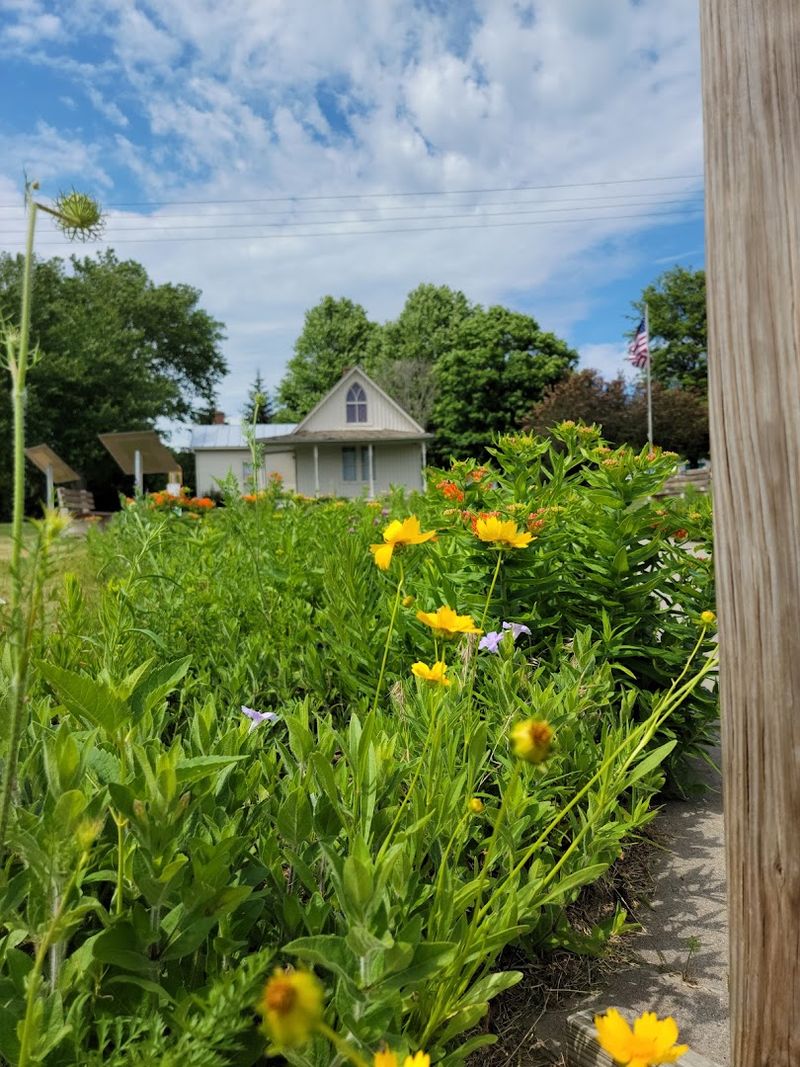
The outdoor space at the American Gothic House Center is more thoughtfully designed than most roadside attraction grounds tend to be.
A native Iowa prairie garden surrounds part of the property, and the wildflowers that bloom there in spring create a soft, colorful foreground that makes the house look even more painterly than usual.
Picnic tables are scattered across the grounds, giving you a reason to slow down and stay a while rather than rushing through for a quick photo.
An 18-hole disc golf course is also on the property, managed separately from the Center, and it draws a different crowd who sometimes end up becoming curious about the house after finishing their round.
A paved walking path connects the Center to the downtown area of Eldon, making it easy to combine the house visit with a short stroll through the town. The path is accessible and comfortable for all ages.
In autumn, the trees around the house turn into a warm canopy of color that transforms the whole property into something that looks almost too picturesque to be real.
Visiting After Hours And What You Can Still Experience
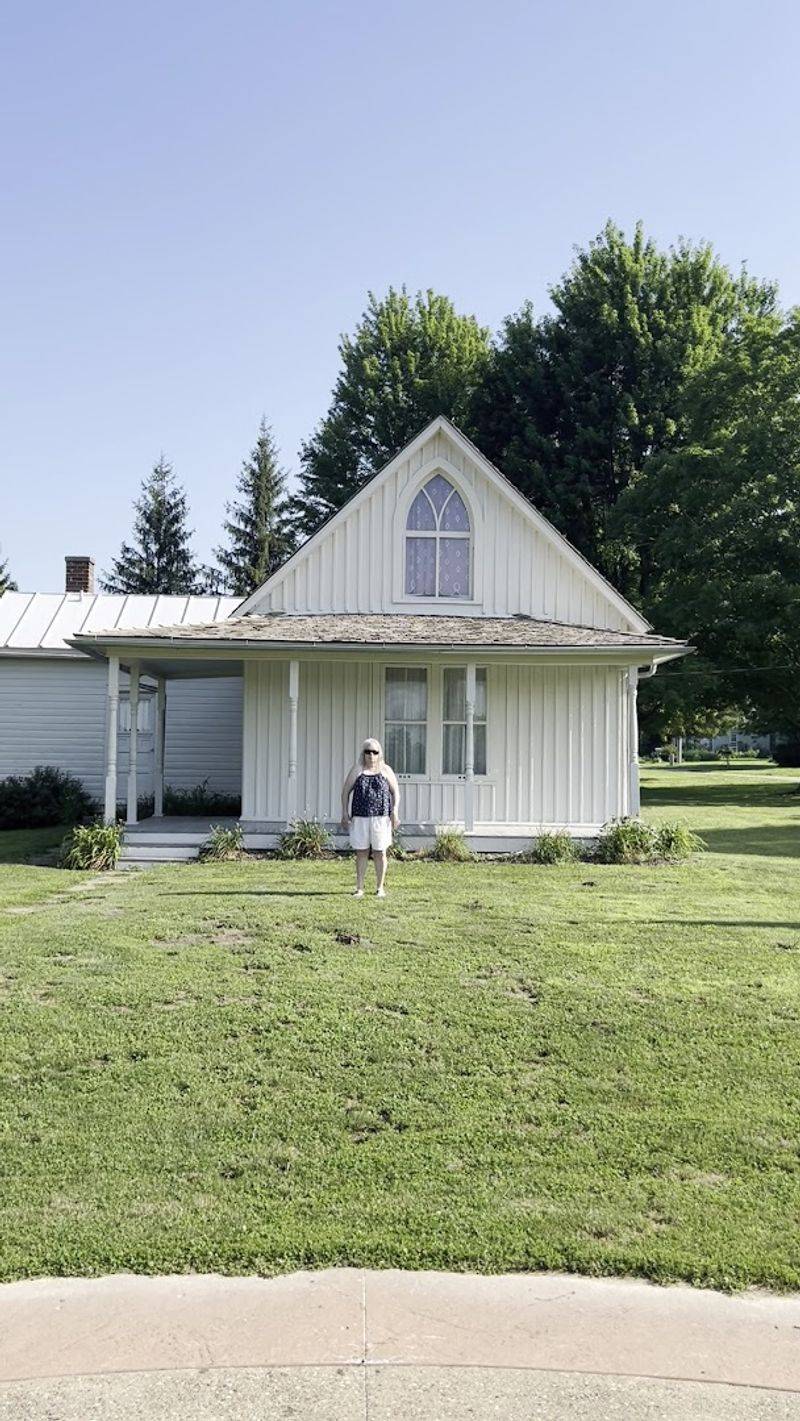
Not everyone arrives during the Center’s operating hours, and the good news is that a visit after hours can still have real value.
The exterior of the house and the surrounding grounds are open from dawn to dusk even when the visitor center is closed. Visitors may walk to the designated photo area and view the building from outside during that window.
The outdoor selfie stand remains available, which means you can still position a phone or camera for a photo in front of the house without access to the costumes.
A monitor visible through the visitor center’s main entrance provides information about Grant Wood, the house, and the Center 24 hours a day.
The Center is open Wednesday through Saturday from 10 AM to 4 PM and on Sundays from 1 PM to 4 PM. It is closed on Mondays and Tuesdays, and the last regular admission is at 3:50 PM.
A quick call to 641-652-3352 or a check at americangothichouse.org before you go can help you confirm holiday closures, special events, weather-related changes, and costume availability.
How To Get There And Where To Park
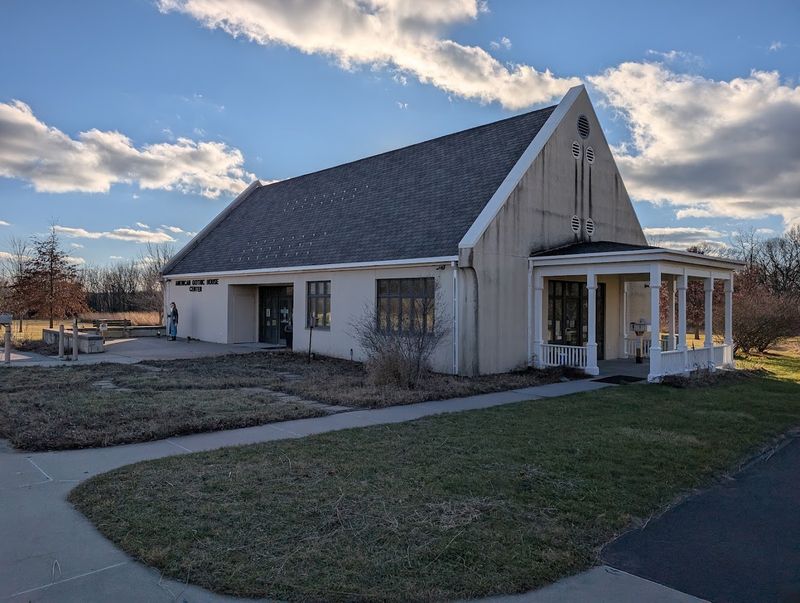
Getting to the American Gothic House Center is straightforward once you know the area, though the approach through small-town streets adds a bit of charm to the journey.
The Center sits about six miles off the highway, so it is a short detour rather than a major reroute.
Most visitors spot the highway signs first and decide on the spot to swing by, and the ten-minute drive from the main road feels like a gentle introduction to the quiet pace of Eldon.
You can drive directly up to the museum and house, which makes it easy for anyone with mobility considerations.
Alternatively, the paved walking path from downtown Eldon is a pleasant option if you want to stretch your legs and see a bit more of the town along the way.
Parking near the Center is described by visitors as decent and easy to navigate, with no complicated lots or confusing layouts to deal with.
The full address is 300 American Gothic St, Eldon, IA 52554, and plugging that into any navigation app will get you there without any trouble at all.
Best Times Of Year To Visit
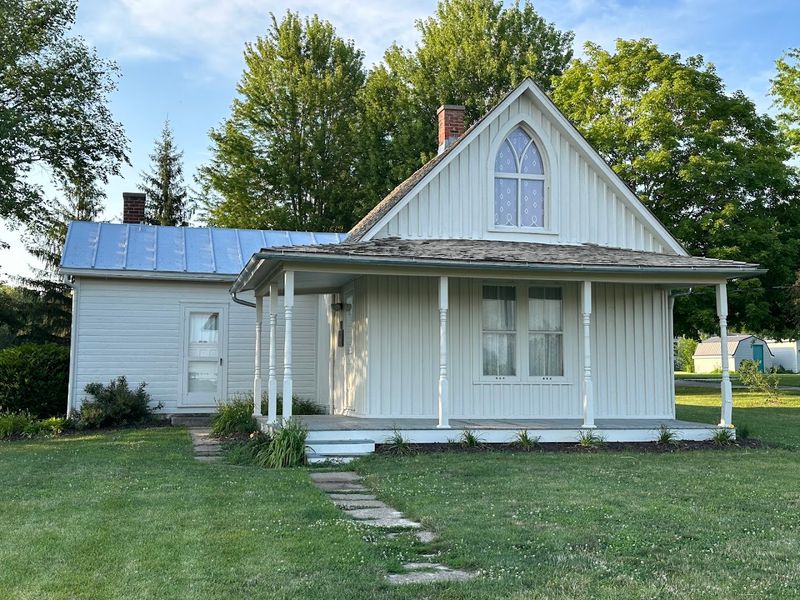
Every season brings something slightly different to this spot, and choosing the right time depends on what kind of experience you are hoping for.
Spring is especially lovely because the wildflowers in the native prairie garden bloom around the house, giving the whole property a soft, layered beauty that feels right at home with the painting’s rural roots.
The colors are gentle and the weather is usually mild enough to spend time outdoors without discomfort.
Late October is arguably the most dramatic time to visit, when the surrounding trees put on a full autumn display of deep oranges, reds, and yellows. The house looks almost theatrical against that backdrop, and the cooler air makes the outdoor portions of the visit very comfortable.
Summer brings more visitors and longer daylight hours, which is useful if you want to combine the house with other stops in the area. Crowds are manageable compared to major tourist destinations.
Winter visits are possible but limited since the Center is closed on Mondays and Tuesdays year-round, and some seasonal closures may apply, so checking the website before a winter trip is always a smart move.
Tips For Making The Most Of Your Stop
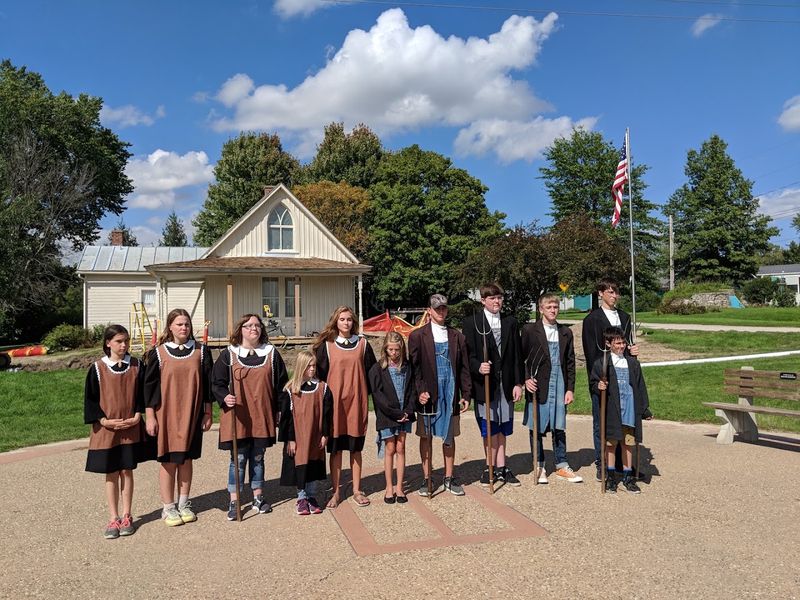
A little planning goes a long way toward turning a quick roadside stop into a genuinely memorable outing.
Arriving during open hours, Wednesday through Saturday from 10 AM to 4 PM or Sunday from 1 PM to 4 PM, gives you access to the costumes, the museum, the video, and all the interactive exhibits.
That full package is worth the modest admission fee and takes about an hour to enjoy at a relaxed pace.
Bring your phone fully charged because the photo opportunities here are plentiful and the QR codes inside the museum link to additional content that enhances the exhibit experience. A portable charger is a small but useful thing to have in your bag.
After your visit, the cafe in downtown Eldon is worth a stop for a meal or a snack before heading back to the highway. The paved walking path between the Center and downtown makes it easy to combine both in one outing.
Pets and kids are welcome on the grounds, and the relaxed atmosphere means there is no pressure to rush, making this one of those rare stops where everyone in the group tends to leave happy.
Why This Place Deserves More Than A Quick Glance
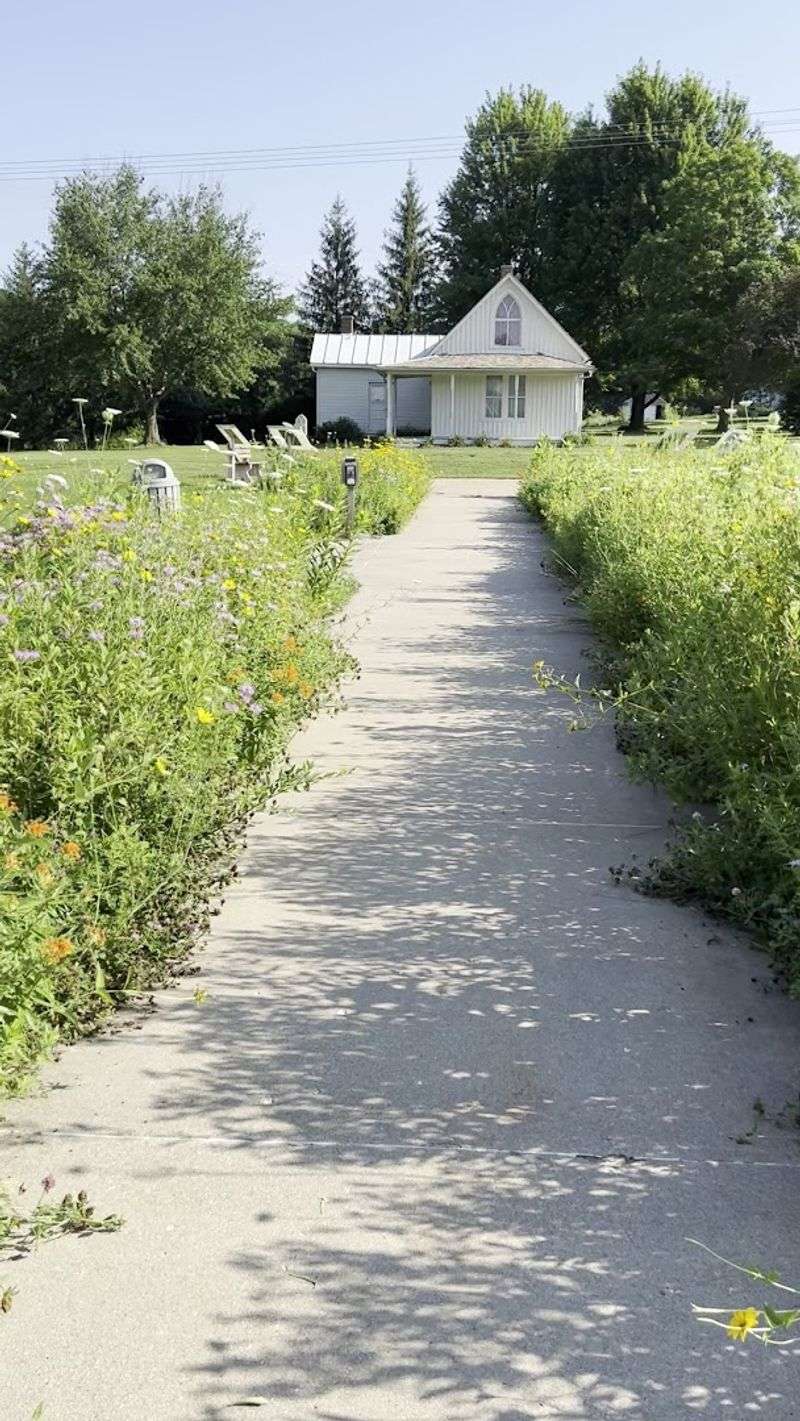
It would be easy to treat this as a thirty-second photo stop and move on, but the place rewards anyone willing to slow down and actually engage with it.
The house itself is a genuine piece of American cultural history, not a replica or a recreation but the actual building that inspired one of the most recognized artworks ever produced in the United States.
Standing in front of it carries a quiet weight that is hard to describe but easy to feel.
The visitor center adds context that transforms the experience from a simple landmark visit into something more like a short course in American art history, regional culture, and the story of how a small Iowa town became permanently connected to a globally famous image.
Whether you are an art enthusiast, a road trip collector, or someone who just saw a highway sign and made a spontaneous turn, the American Gothic House Center can leave a lasting impression long after you have driven away.